A Bridge from West to East – The Chamber Music of Reena Esmail
I returned recently from my first trip to the country of my father’s birth, India. He was born in the lesser-known region of Coorg in the southwest part of the country. It is a land of coffee plantations and elephants, and a warrior caste, the Kodavas, who are known for their deep connection to nature…and weapons. My friends tell me they are unsurprised that I come from a line of warriors.
Coorg is in the Indian state of Karnataka. Though I know shamefully little about classical Indian music, the term Carnatic music was somewhere in my brain. Dr. Google confirmed that the state of Karnataka did in fact lend its name to one of two main branches of Indian classical music. Carnatic (southern India) and Hindustani (northern India) music began diverging onto their separate paths in the 12th century, but they share the two main elements of rāga (sometimes written as raag) modes or melodies, and the rhythmic cycles called tāḷa.
Karnataka has many temples, and it’s possible my husband and I saw most of them. Every guide seemed intent on teaching us about Hinduism, the gods and their many symbols, which are celebrated in the richly decorated stone temples that date to as early as the 8th century. I confess that I was afraid there would be a quiz after each temple visit and I would fail miserably. So many gods, so many accompanying tools and vehicles, so many stories. What came through, however, was the androgynous forms that each god would take, and the seeming equality of male and female, all governed by Brahman, a genderless metaphysical concept that was described as a “womb” to us by several of our guides.
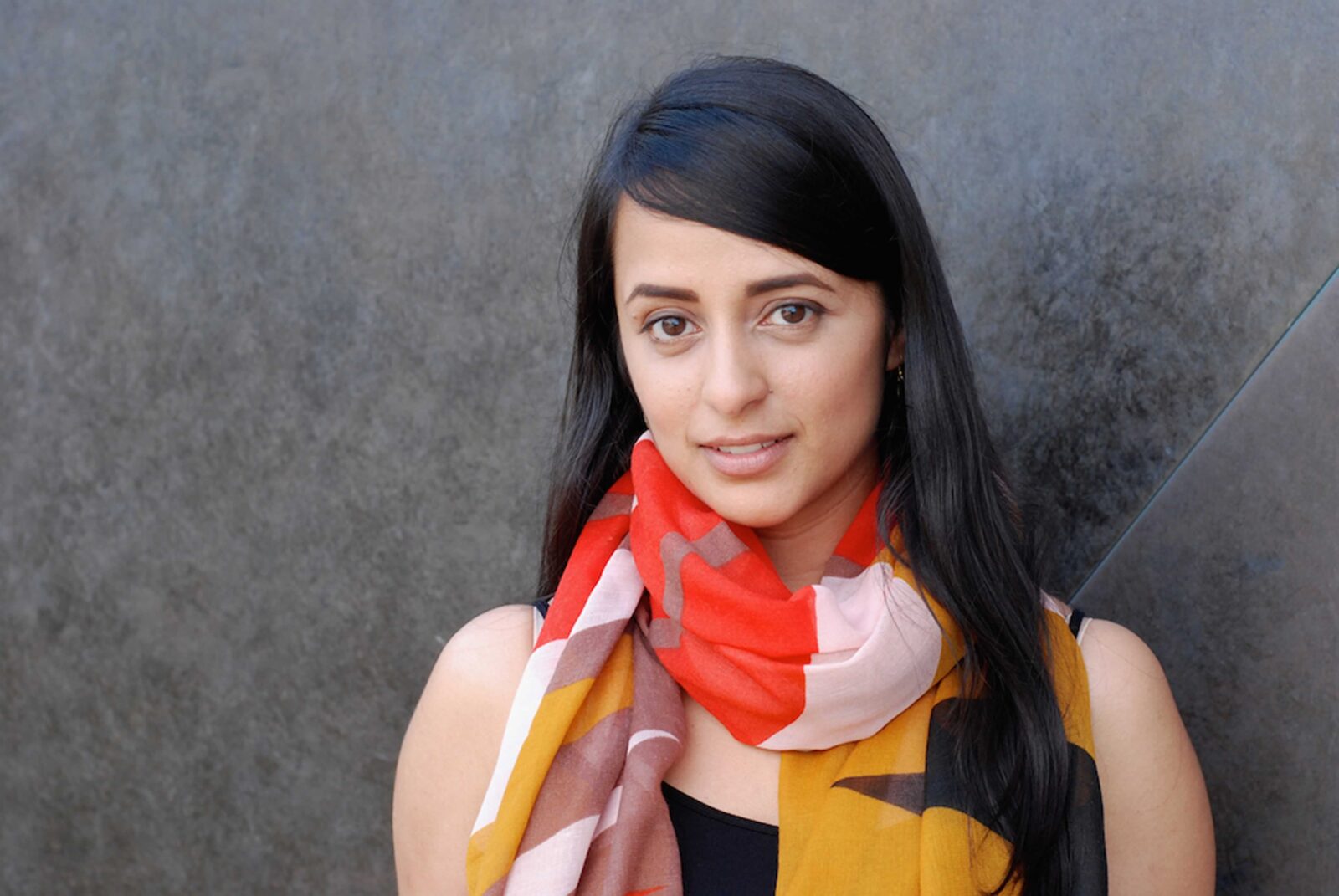
All of which led me, upon my return, to the music of Indian American composer Reena Esmail. She was born to Indian parents in 1983 and continues to live in her hometown of Los Angeles. She studied the traditions of Hindustani music as a Fulbright-Nehru scholar in 2011-12 and is a graduate of Juilliard and Yale. I was introduced to her music several years ago by my daughter but didn’t know about the trove of chamber music in her output until I did a little more digging recently.
As a teenager, Esmail won a life-changing competition which led to playing Mendelssohn’s Piano Trio with members of the Los Angeles Philharmonic. She names Ravel’s Piano Trio as a favorite, and notes: “So much of what I’ve learned about color and texture in my writing comes from Ravel.” As a piano student Esmail had been attracted to the color, texture, and freedom of 19th century French music, and found that she used this lens to more fully understand Hindustani music.
It was in her 2010 Piano Quintet that she began incorporating elements of Hindustani classical music into her work for the first time. As she writes:
My path to Hindustani classical music was circuitous: at the point I wrote this piece, I had been yearning for years to understand the music of my own culture, but I hadn’t quite found my way in. It wasn’t until my mid-20s, and (surprisingly) during my Masters program at Yale School of Music, that I truly began to engage in a thorough study of the music from my own culture. The minute I felt my voice make that first little gamak [an ornamentation technique in Indian classical music] something opened in me, and I knew I had no other choice but to continue peering intently down that path… This piece is the first step of what became, from that moment forward, a lifelong journey into the space between these two cultures that define me.
Esmail’s own website gives you a complete listing of her works and other information about the composer. I’ve named here some of her compositions for chamber ensembles which especially drew me in and cause me to now eagerly seek opportunities to hear and play her music.
Piano Quintet, 2010
Two Violins, Viola, Cello, Piano
Duration: 13′, one movement
Score available in digital or print form
Recording
String Quartet (Ragamala), 2013
Two violins, Viola, Cello
Duration: 19′, four movements
Score available in digital and print formats
(Note: there are several different versions of this work, including one for string quartet and Hindustani vocalist)
Performance
Each movement begins with a quiet drone, imitating the humming that Esmail heard from audiences when a raag was introduced at concerts she attended during her year in India. To her, these drones suggest a deeper connection between audience and performer.
Tasveer, 2012
Clarinet, Violin, Cello, Piano
Duration: 5′
Score
Performance
Tasveer was the first piece Esmail composed after returning from her year in India. She sees this work as the place where she “began to scratch the surface of the ideas and concepts that now form the backbone of the music” she composes. “Hindustani ornamentation is so beautiful and ephemeral, and this was one of my first attempts to capture these little wisps of sound on the page,” she writes.
Dhire, Dhire, 2022
Piano, Violin, Cello, Soprano
Duration: 5′
Score available in digital and print formats
Performance
Esmail has composed this with specifically young musicians in mind, knowing that some of the music (like books) we encounter when we’re young shapes us and stays with us for the rest of our lives. There is also a version for Cello, Piano, and Contralto.
Saans (Breath), 2017
Violin, Cello, Piano
Duration: 8′
Score available in digital and print formats
Performance
A reworking of the slow movement of Esmail’s Clarinet Concerto
Piano Trio, 2019
Violin, Cello, Piano
Duration: 31′, four movements
Score
Performance
Esmail has said that composing a piano trio fulfilled one of her earliest musical ambitions. Authentic raags appear in each movement of the trio. Flutters, slides and harmonics continue in the slow movement, creating a sense of improvisatory freedom and timelessness. The third movement scherzo recalls Mendelssohn’s elfin qualities and Shostakovich’s humor. But Esmail’s musical language is all her own.
I Wonder as I Wander, 2014
Piano, Violin, Cello
Duration: 4′
Score available in digital and print formats
Performance
The Appalachian Christmas carol with a little flavor of Indian classical music in the ornamentation. A score for the string quartet version is in preparation.
The History of Red, 2020
Mezzo-Soprano, Piano, Violin, Cello
Duration: 20′
Score available in digital and print formats
Performance
Esmail writes: The first time I heard Samuel Barber’s Knoxville: Summer of 1915, it changed my life. I was fourteen years old, and as I sat under the stars at the beautiful Ford Theater on a summer night in in Los Angeles with my parents, I completely identified with the voice of the child who narrates the text of the piece – so aware of the huge, complex world that I was seeing, even through young eyes. Just trying to parse it all. I can pinpoint that one performance as a pivotal moment in my decision to be a musician. I just wanted to be someone who could create that kind of beauty.
The History of Red was originally written for soprano and chamber orchestra (like Barber’s Knoxville: Summer of 1915) It’s text by Linda Hogan speaks of a woman grappling with the world around her, and her own complex history.
Interglow, 2020
String Quartet, Flute, Piano, Community Voices
Duration: 5-7′
Score – digital only
Performance
From Esmail’s notes: “This piece is designed for engagement. It requires performers to sing a few notes, and also for the audience to sing. The first section is a call and response between performers, where the audience can participate. The second section requires learning a short melody.
The Light is the Same, 2017
This work exists in two versions:
Woodwind Quintet: Flute (+piccolo), Oboe, Clarinet, Horn, Bassoon (Score)
Trio: Flute, Oboe, Piano (Score)
Duration: 11-12′
Performance: (Quintet version)
Performance: (Trio version)
Esmail mined her own 2016 oratorio, This Love Between Us: Prayers for Unity, and the wisdom of Sufi mystic poet Rumi for inspiration for these two chamber music versions.
The Light is the Same.
Religions are many
But God is one
The lamps may be different
But the Light is the same – Rumi, 13th c.
Khirkiyan: Three Transformations for Brass Quintet, 2017
Brass Quintet: two trumpets, horn, trombone, tuba
Score available in digital and print formats
Performance (third movement)
Duration: 11′, three movements
Khirkiyaan is the Hindi word for “windows,” and Esmail describes this brass quintet as three ‘windows’ into her music. Each movement takes an earlier work by Esmail and reimagines it for brass quintet. The first movement is titled Jog, and is taken from her string quartet, Ragamala. The second movement, Joota, is based on her song cycle for guitar and mezzo soprano. Tuttarana, the third movement, was originally written for women’s choir. This last title is formed from the Italian tutti and tarana, a Hindi work that might best be translated as the jazz term “scat.”
Meri Sakhi Ki Avaaz (My Sister’s Voice), 2019
Piano Quintet and vocals: Soprano, Hindustani vocalist, Piano, Two Violins, Viola, Cello
Duration: 22′, three movements
Score available in digital and print formats
Performance
Esmail writes: At its core, this is a piece about sisterhood. Each movement’s short text epitomizes one of the many facets of having and being a sister. It is also about what sisterhood looks like when expanded beyond a single family or a single culture— when two women, from two different musical cultures create space for one another’s voices to be heard.
Don’t be surprised by the opening recording of Delibes’s famous Flower Duet from his opera Lakme. Actually, do be surprised. Be very surprised at how the entrance of the Hindustani vocalist is momentarily jarring before becoming essential to the dialogue between old and new, east and west. If you have time for nothing else, listen to this piece and allow it to cast its spell upon you. You may find, like me, that it draws you into Esmail’s orbit, an orbit you won’t want to soon leave.
“I wish I could live in India and America at the same time,” says Reena Esmail. “I wish they shared a border, and I could build a little home right in between them. I know I can’t do that in the physical world, but this is where I live every day in my music.”
As someone who can look back on my own life and see all the small ways I too lived on the border of east and west, finding music that speaks to the home I have found in between has been moving. I hope you find something in Esmail’s music that transports you as well across that bridge from west to east.
More Articles
Everything you always wanted to know about bows but were afraid to ask
Join Gabriel Schaff - violinist, scholar and author of "The Essential Guide to Bows of the Violin Family" for an illuminating journey through the history of the bow to everyday tips (no pun intended) about caring for your bow, choosing a new one - and....everything you always wanted to know but were afraid to ask!Read More ↗
Kayana Jean-Philippe: The serious business of an amateur oboist
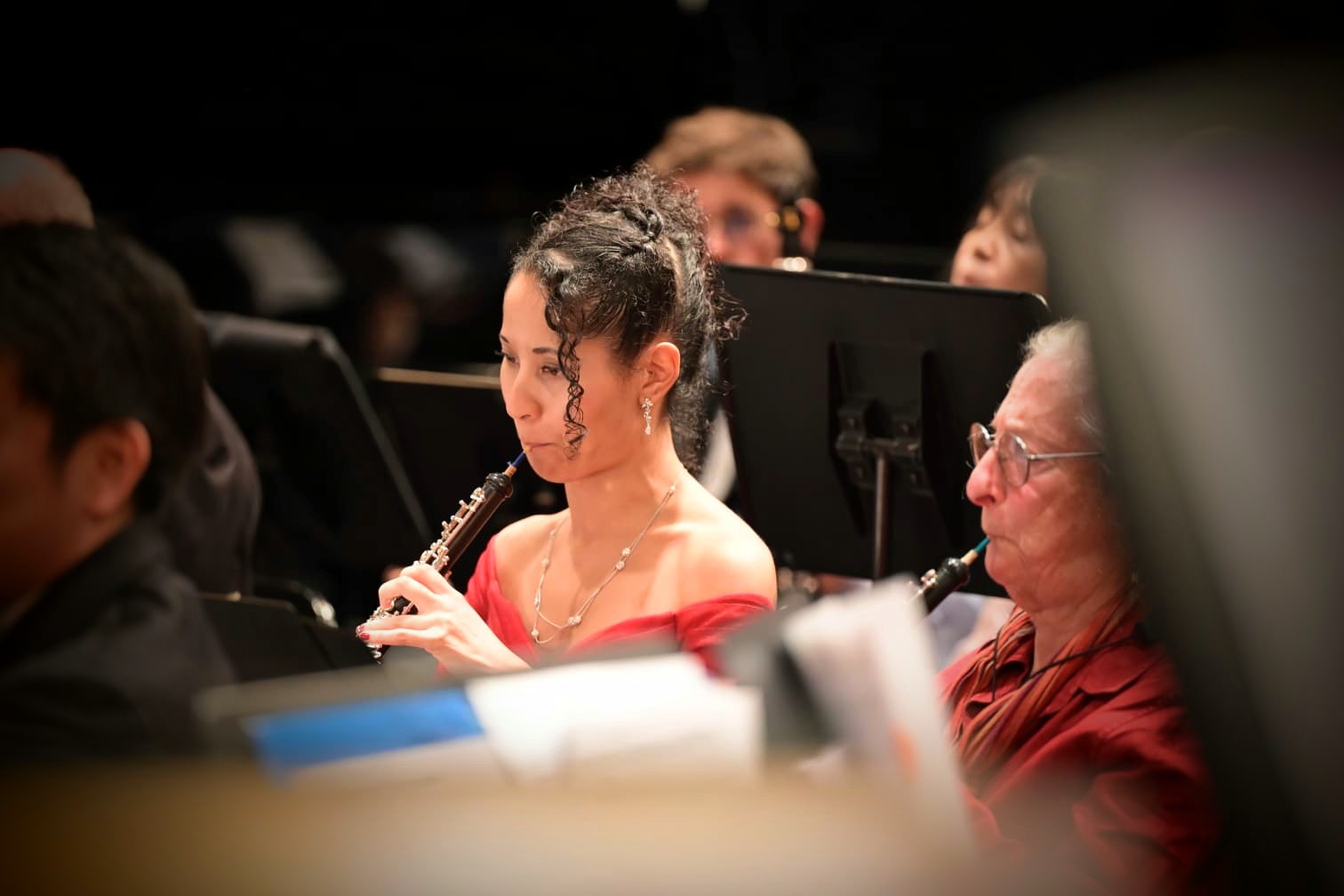
When it comes to the oboe, Kayana Jean-Philippe is what you might call a serious amateur – someone who pursues her passion at a high level, but does not make a living at it. One of her most consistent musical outlets has been the United Nations Symphony Orchestra, which she joined 10 years ago and is principal oboist. Another musical outlet is ACMP, which she said has connected her with new people and new musical opportunities.Read More ↗
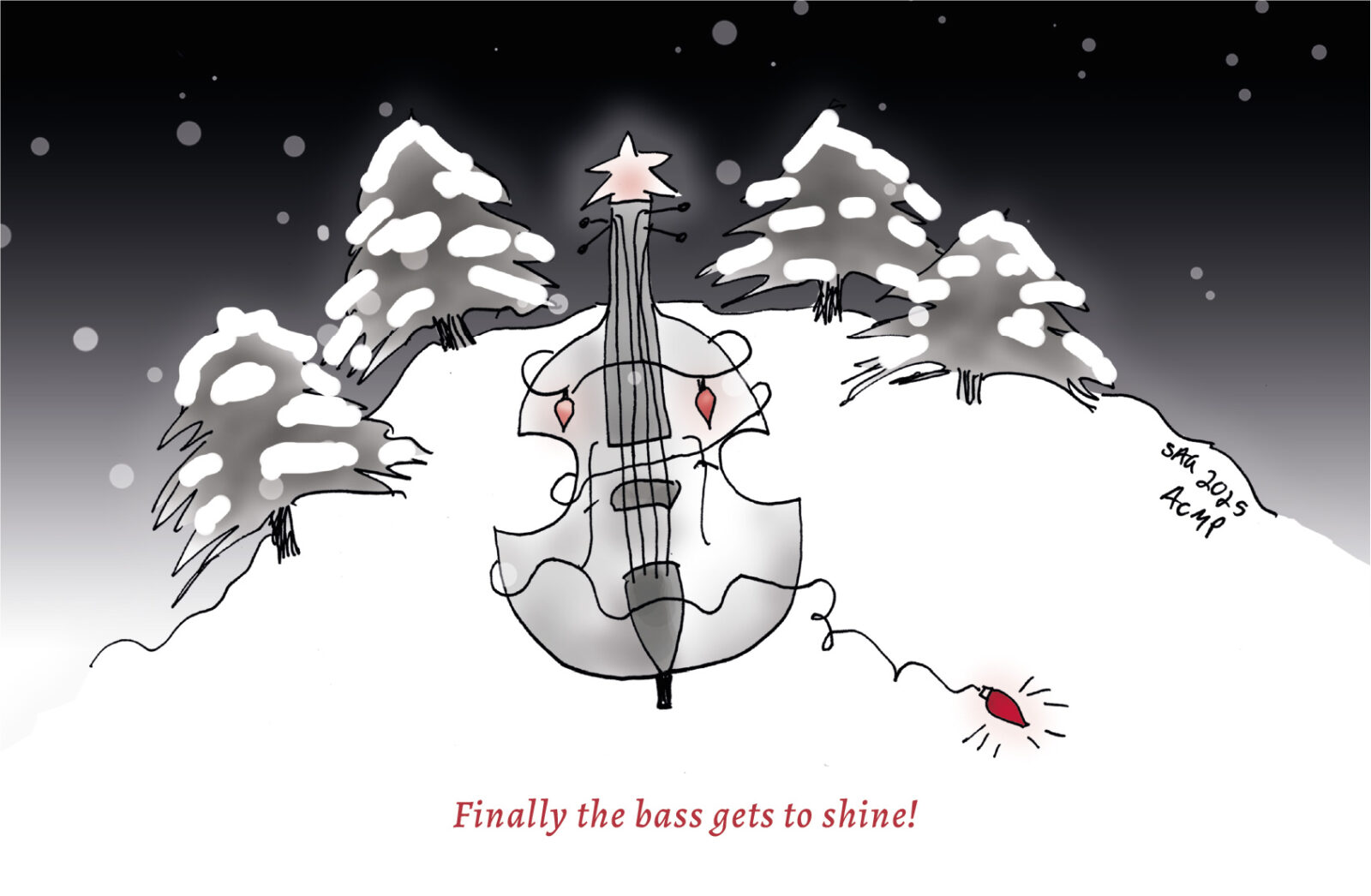
Announcing the 2025 Holiday Caption Contest Winners!
ACMP's 4th annual Holiday Caption Contest was a success, with 69 captions from 41 ACMP members. This year's winners are Valerie Matthews, Peggy Reynolds, and Matthew Greenbaum. Congratulations to everyone who came up with so many wonderful captions for this year's cartoon!Read More ↗
Announcing ACMP’s 2026 Workshop/Community Music Grantees
ACMP is proud to announce its 2026 Chamber Music Workshop and Community Music grantees. This year we awarded $168,000 in grants to 73 chamber music workshops and semester- or year-long programs in 10 countries, and 31 US states. (Photo by Claire Stefani.)Read More ↗

Mystery Donor Reveal: An interview with Louise K. Smith
An anonymous member of ACMP recently spearheaded a fundraising initiative for ACMP in the two week lead-up to Giving Tuesday, offering a $25 gift for each donation received from November 18, 2025 through Giving Tuesday (December 2.) This mystery donor just revealed her identity: Thank you, Louise K. Smith! I asked Louise some questions about her background as a pianist, involvement with ACMP over the years, and about her recent matching grant idea.Read More ↗
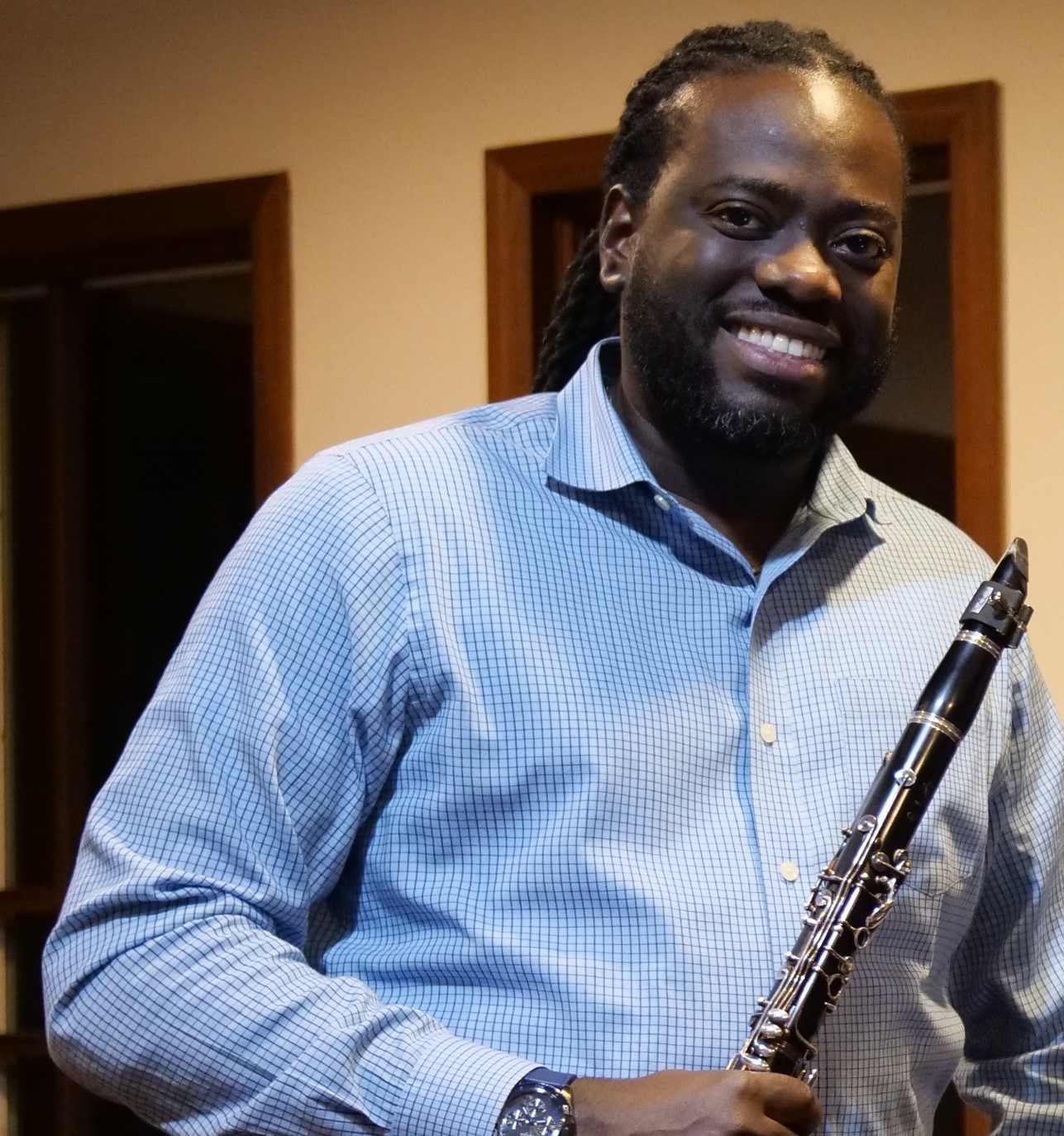
ACMP Member of the Month: Kwame Lewis
Kwame Lewis is not your typical accountant. Born and raised in Trinidad, he emigrated to the United States in 2003 at the age of 23 and set about building his career. Along the way, he lived in the Washington area for an extended period, got married, had two boys who are now 5 and 3 years old, and since 2019 has lived with his family in Melrose, Mass., near Boston. One constant through his journey, though, has been his love of the clarinet and chamber music.Read More ↗
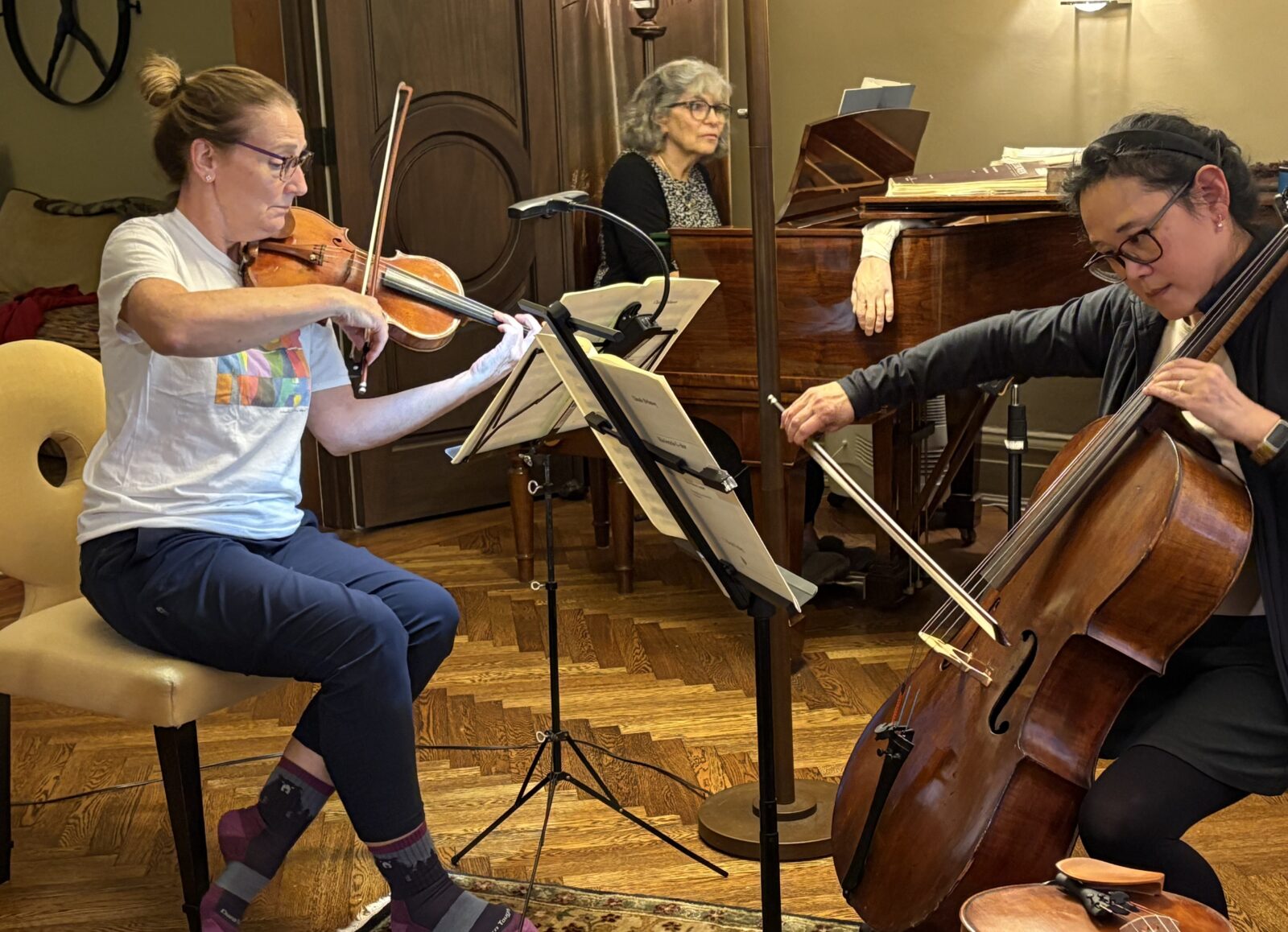
Chamber music for a cause: amateur musicians support Music for Food
ACMP member pianist and violist Arlene Hajinlian is as active a chamber music organizer as she is in sharing her time and space for social causes. This Thanksgiving holiday weekend she came up with a way for adult amateur chamber musicians to have a lot of fun while raising money to support New Yorkers in need: three consecutive chamber music parties as a benefit for Broadway Community through Music for Food.Read More ↗
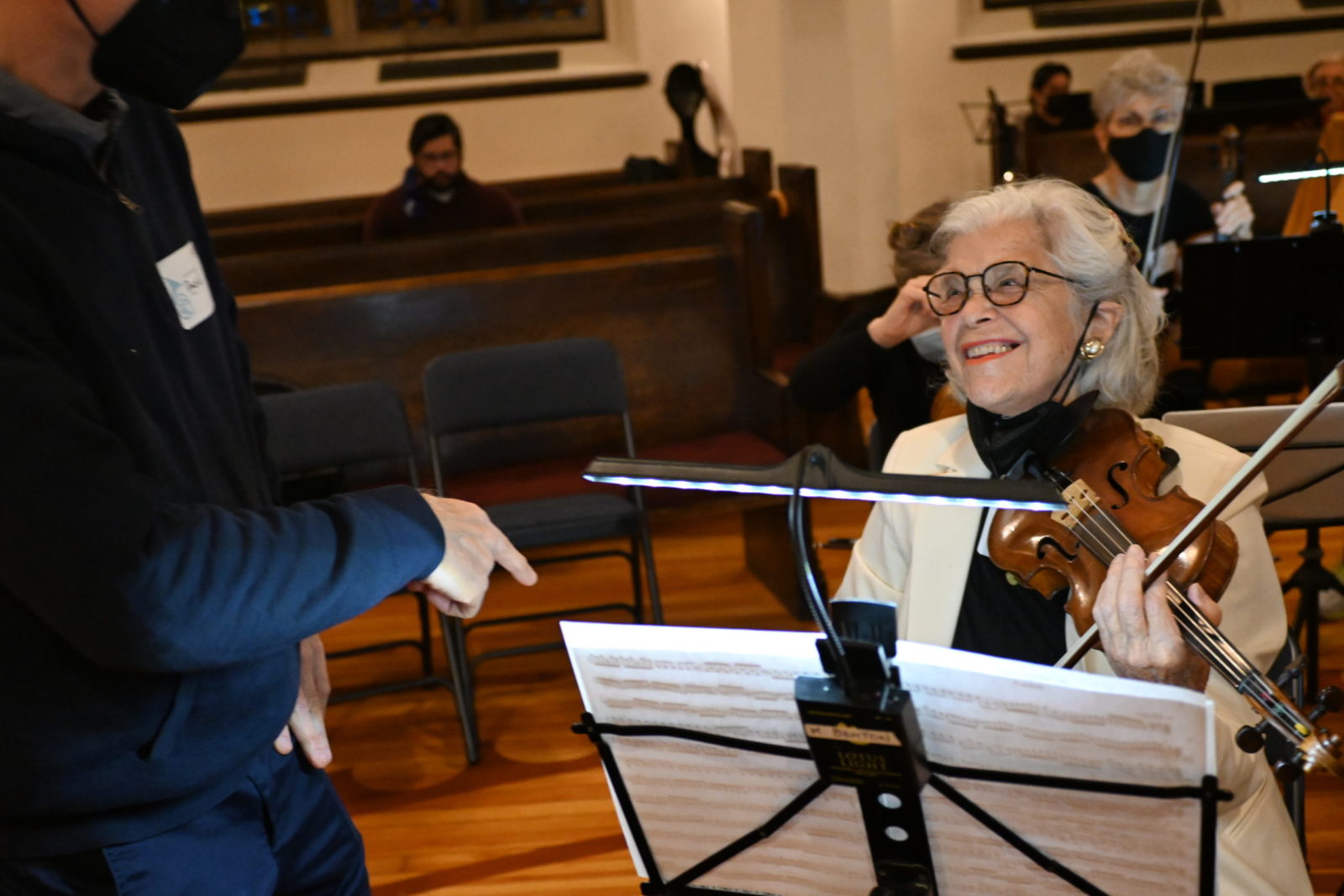
Remembering Kate “Kitty” Bigelow Benton (March 29, 1935 – November 2, 2025)
ACMP mourns the loss of Kitty Benton (1935-2025), a former board member, board secretary and longtime editor of the ACMP newsletter. Read about Kitty's life and watch a video of Kitty telling her favorite stories about ACMP in June 2021.Read More ↗
New Video – Meet The Artist: Harumi Rhodes
ACMP Executive Director Stephanie Griffin hosts a lively Zoom conversation with violinist Harumi Rhodes about her musical upbringing and career with the world-renowned Takács Quartet.Read More ↗
ACMP Strategic Plan for 2030
For the past several years, ACMP’s membership has grown dramatically, as has the popularity of its programs. Building on this momentum, ACMP’s Board and Executive Director completed a strategic plan to chart a course for the organization for the next five years. ACMP’s Board and Executive Director developed a new vision for the organization and a plan to strengthen member services, grants, operations, and finances to advance ACMP’s mission by 2030 and beyond.Read More ↗
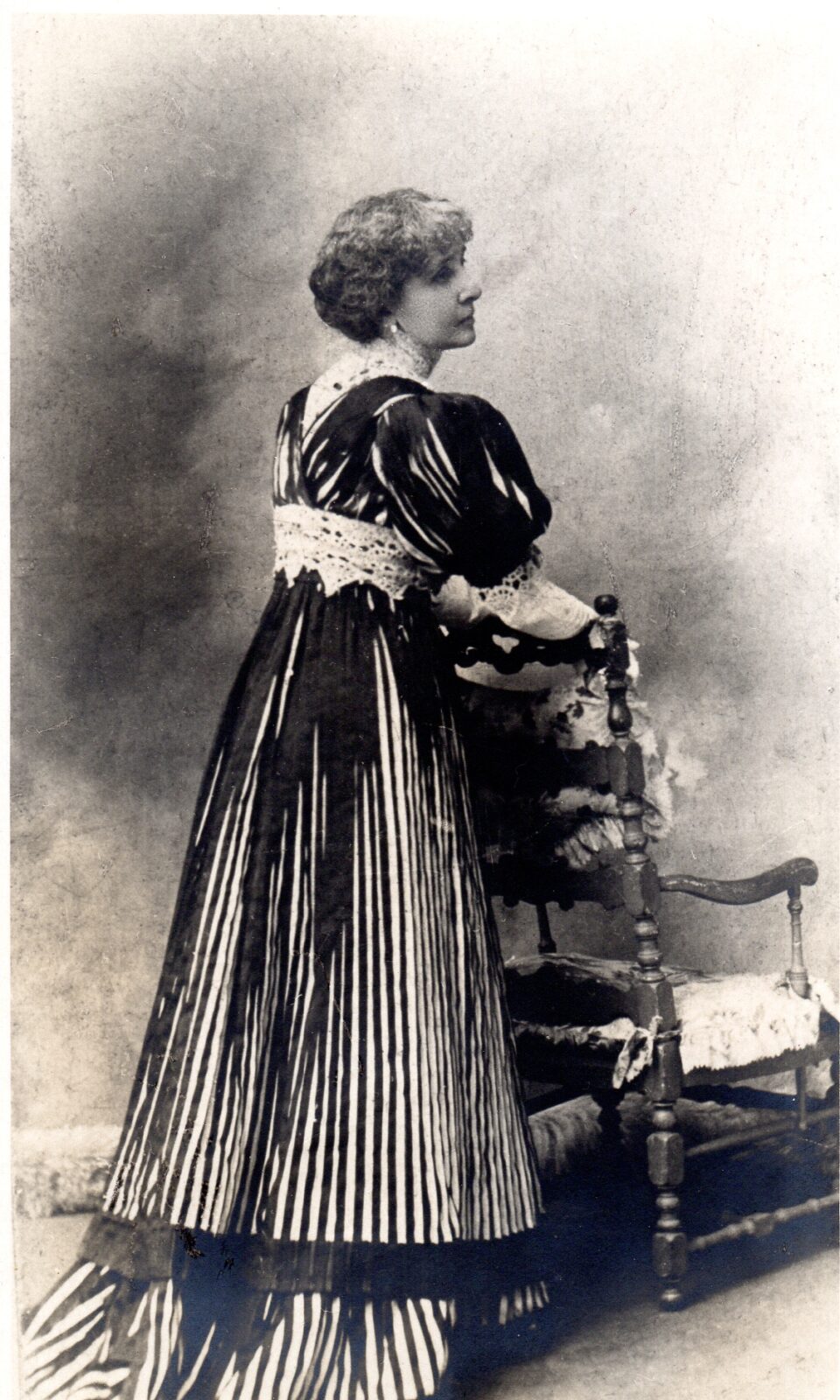
Drab, Inconspicuous, and Quiet No More
Washington, D.C.area pianist and choral conductor Sonya Subbayya Sutton is a passionate advocate of the work of women composers. Read about some of her favorite women composers and discover new chamber repertoire from her list.Read More ↗
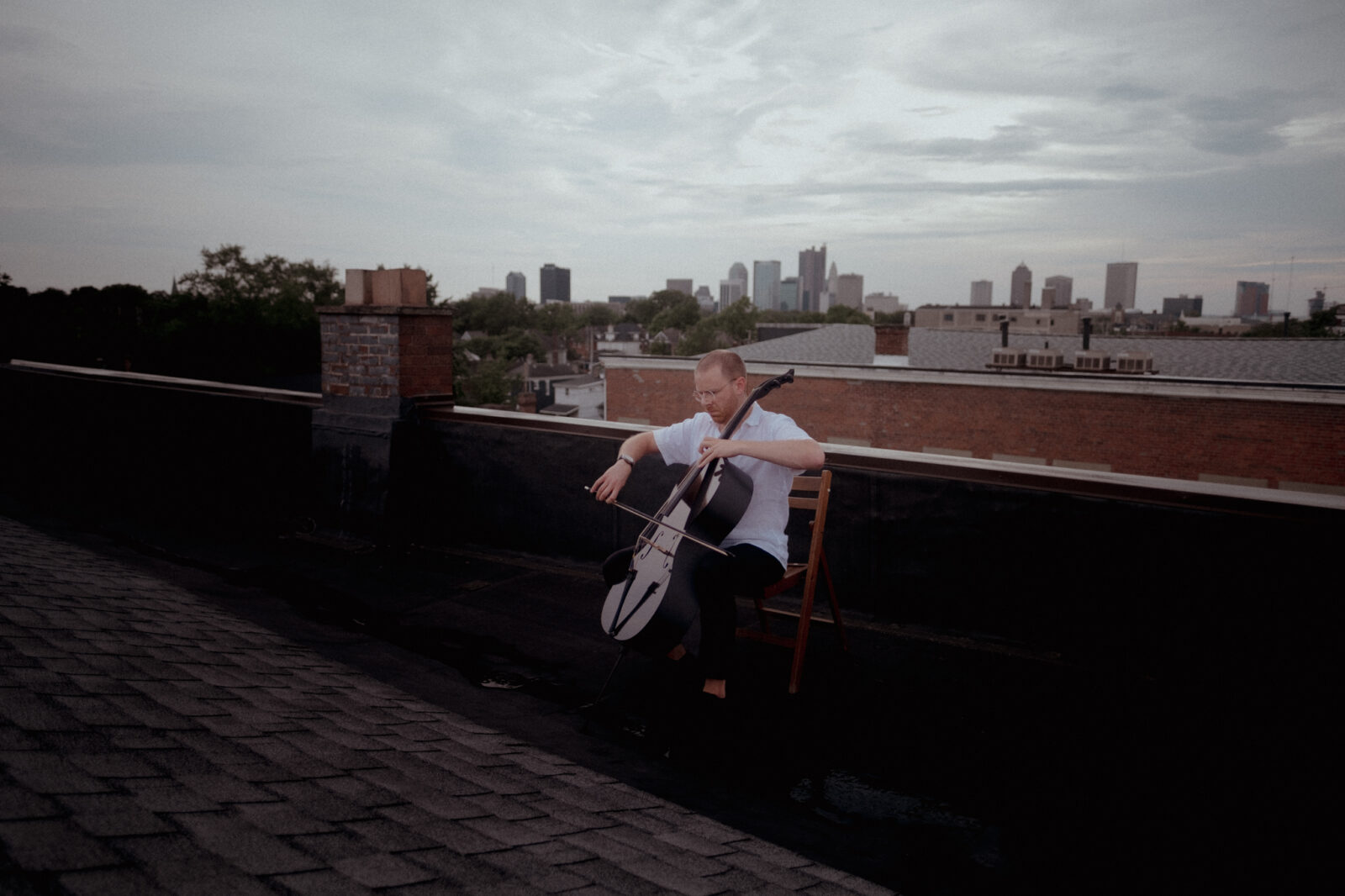
Andrew Brush: An amateur cellist with a global reach
After ACMP’s modest beginnings nearly 80 years ago, ACMP has grown to have a global membership, and perhaps nobody embodies this boundary crossing more than Andrew Brush. With his cello in tow, he splits his time between his home in Columbus, Ohio, and Buenos Aires, with visits to Europe and Istanbul, where his wife is from. Along the way, he has developed diverse musical interests, with influences ranging from Argentina to Mali. We caught up with Andrew recently after he had returned to Columbus, where he serves as a member of the ACMP North American Outreach Council.Read More ↗
Befriending Performance Anxiety: simple tips for success
Performance anxiety is a universal experience, a survival mechanism that is hard-wired. Many of us react with shaky hands, lack of focus, shallow and fast breathing, rapid heart rate, and even feeling queasy. This is all perfectly natural - our protective sympathetic nervous system comes online to save us from danger, real or imaginary! Join Dr. Xenia Pestova Bennett for a free online webinar about managing performance anxiety on Thursday, October 30th at 6pm UK/Ireland time.Read More ↗
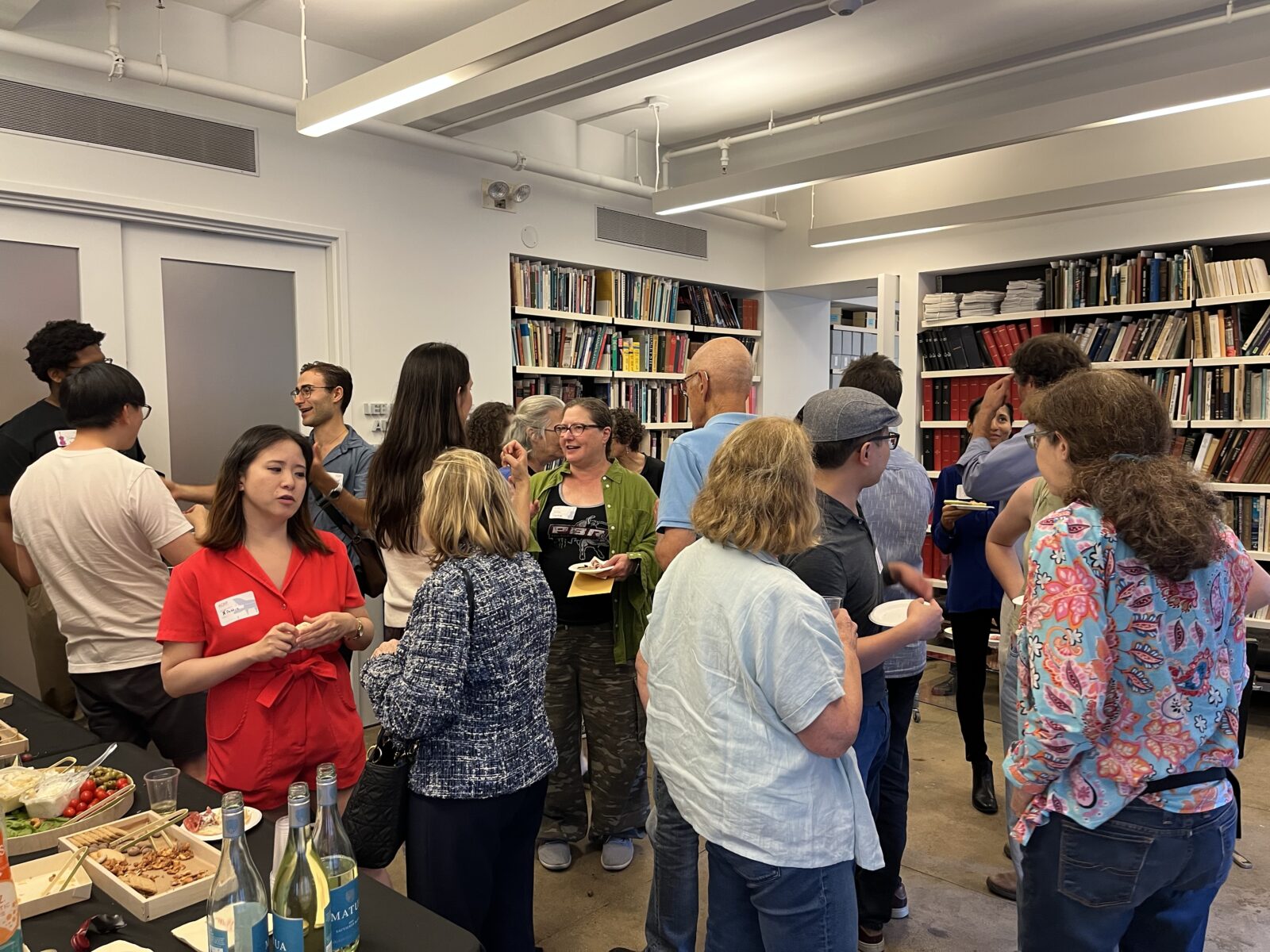
The Great American Play-In: ACMP and ACO
On Saturday, September 13 ACMP embarked on its first collaboration with the American Composers Orchestra (ACO). Together we organized a Play-In focused entirely on music by twentieth and twenty-first century American composers. Over the course of three hours, forty-five musicians discovered sixteen pieces or sets of pieces by a wide range of American composers, spanning from 1896 through 2025.Read More ↗
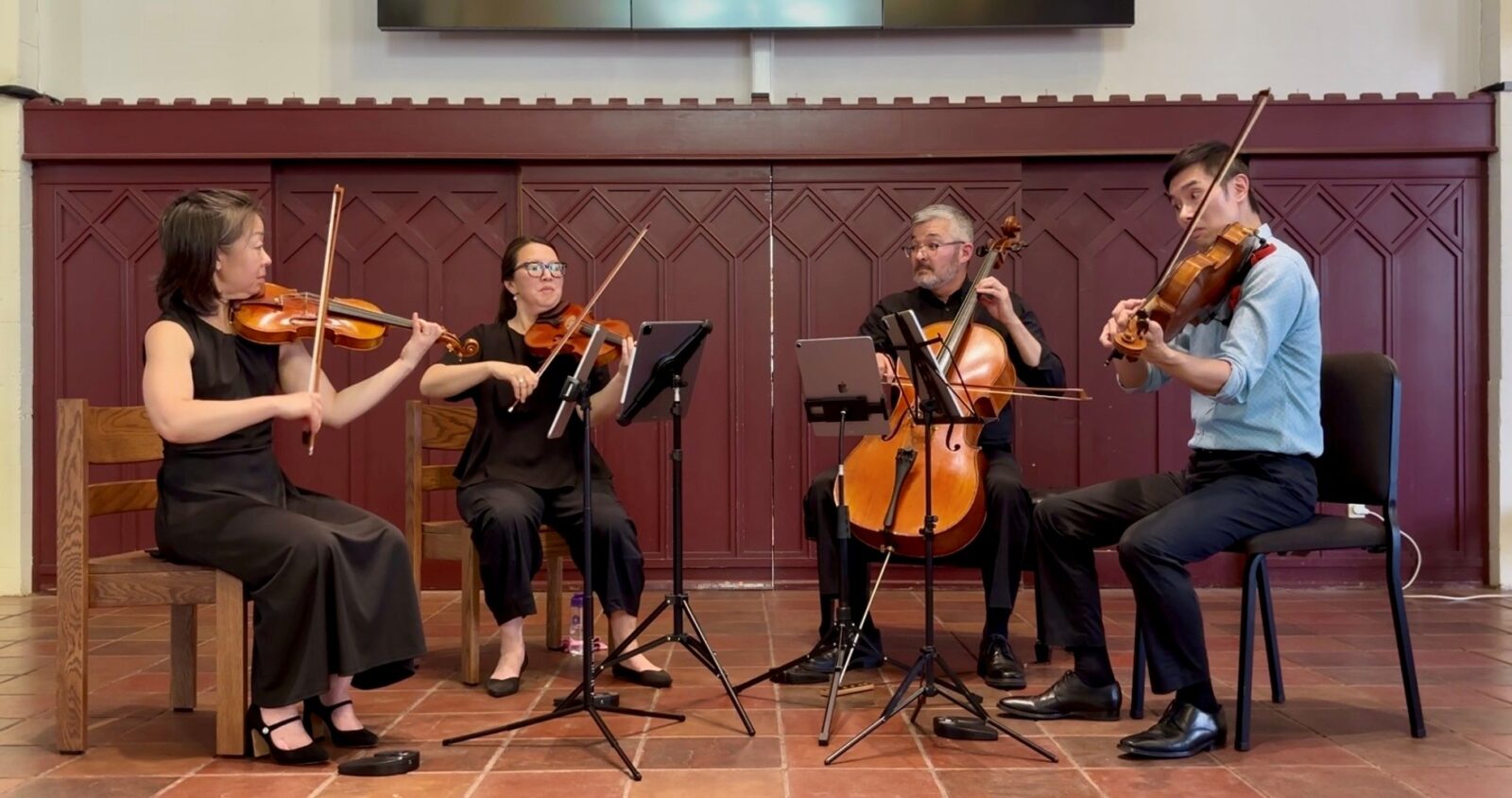
Just Play Concert: Exploring New Voices and Old Masters with the Tarka String Quartet
Thanks to a “Just Play” grant from ACMP, the Tarka String Quartet—Sue Soong and Julie Park on violin, Kevin Jim on viola, and Angus Davol on cello—recently shared a program in San Diego that reflected their passions: exploring new voices by women composers alongside the great works of the quartet tradition.Read More ↗
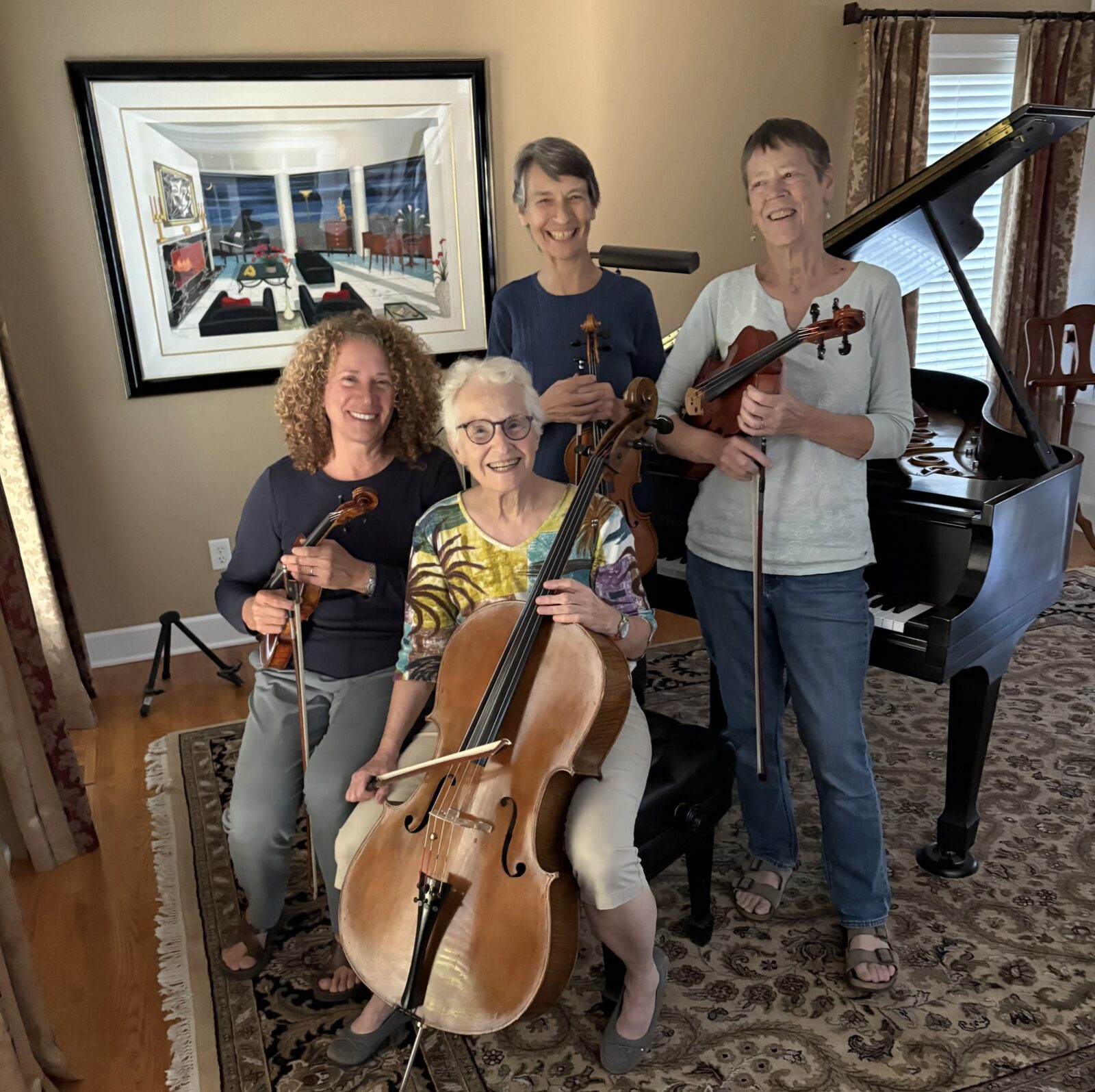
ACMP Members of the Month – October 2025
Playing in a regular string quartet is kind of like having a regular foursome in golf – everyone needs to be of roughly similar ability, and they also need to get along. When those two dynamics come together, the result can be a lasting chamber group that brings enduring friendships. Such is the case with our Members of the Month for October – Ruth Sklarsky, Barbara McIver, Ellen Henry and Kathy Lewis, residents of the Rochester, N.Y., area who have played in a string quartet for more than a decade. They got together and collectively answered a few questions about their musical journey.Read More ↗
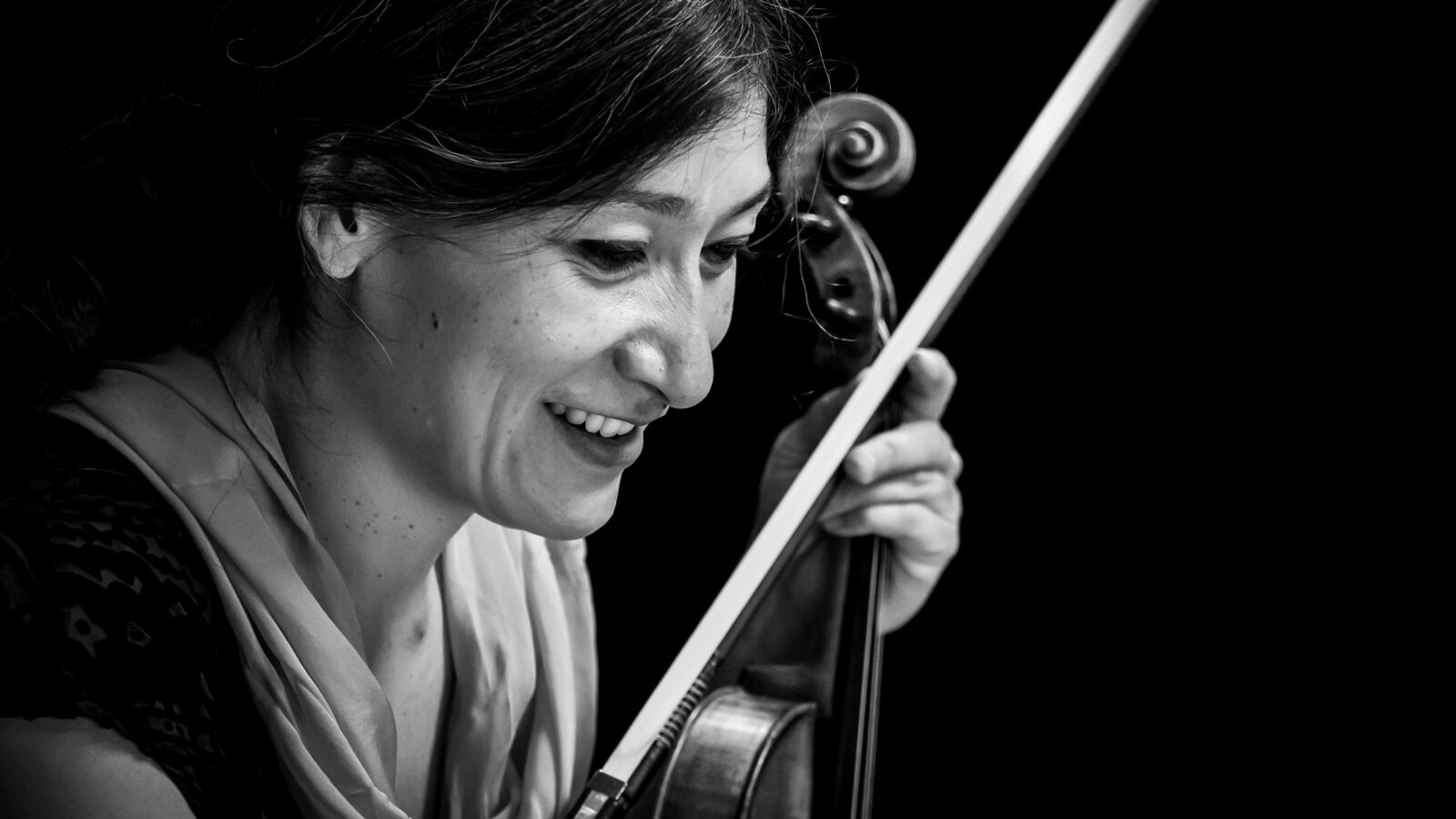
ACMP Event: Meet Harumi Rhodes
Join ACMP’s Executive Director Stephanie Griffin on Saturday, November 1 at 2pm Eastern time for a lively discussion and Q and A with violinist Harumi Rhodes. Harumi is the daughter of two famous chamber musicians: Stephanie’s former viola teacher, Samuel Rhodes (Juilliard Quartet) and violinist Hiroko Yajima (Mannes Trio.) Find out more about Harumi’s early life in that celebrated chamber music milieu, and about her journey as she established her own career as the second violinist of the world-renowned Takács Quartet.Read More ↗
New guidelines for ACMP’s Workshop and Community Music Grant, deadline: October 24, 2025
ACMP's annual Chamber Music Workshop and Community Music grant cycle is open! Deadline: Friday, October 17. Read about the new guidelines and sign up for the Grant Information Session.Read More ↗
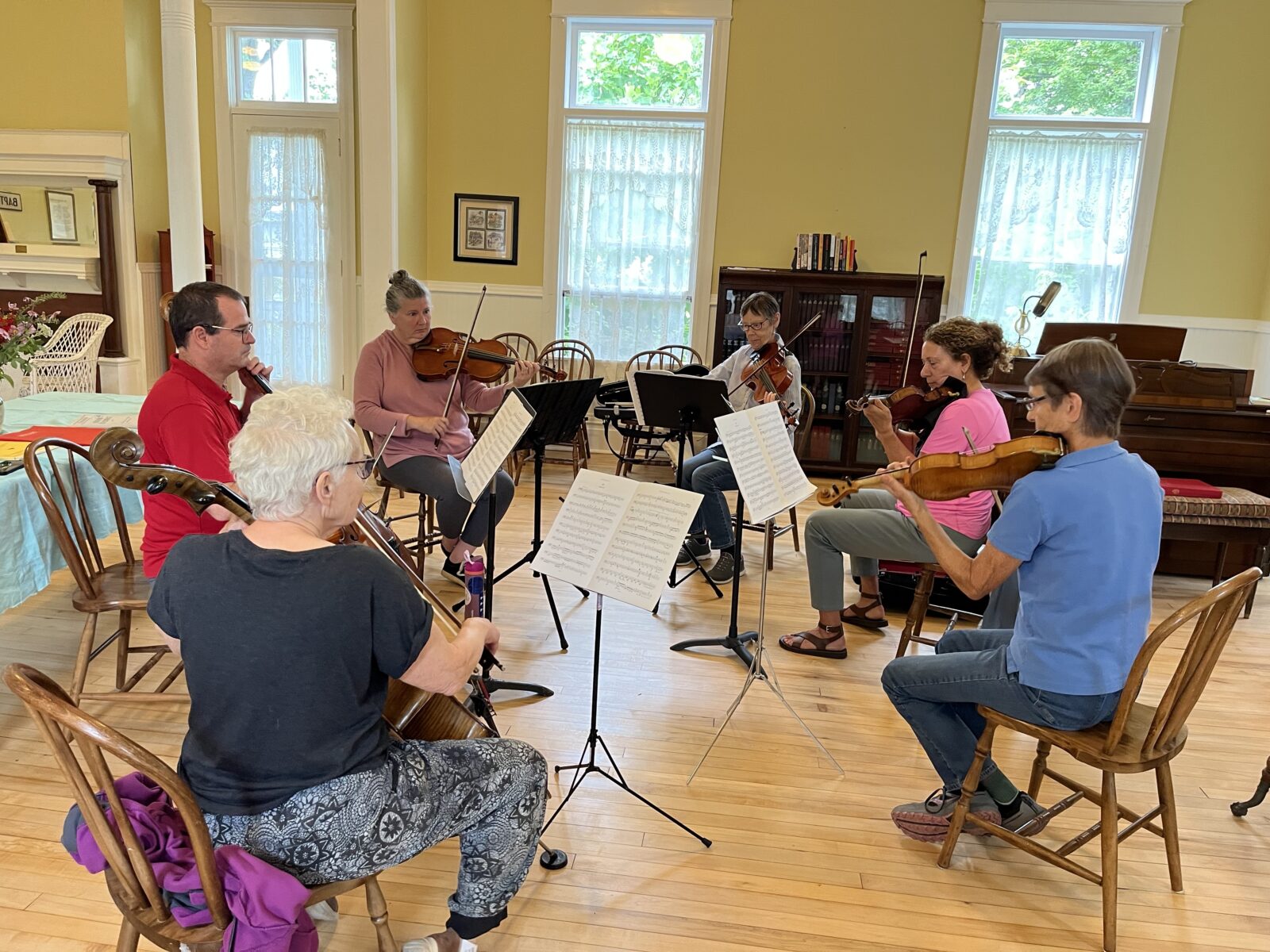
A weekend of music and renewal at Chautauqua
When you first set foot on the grounds of the Chautauqua Institution in southwestern New York, it’s easy to understand the lift in Arlene Hajinlian and Sonya Sutton’s voices when they speak about their summer homes, and why they would welcome a group of ACMP members for a weekend of music-making.Read More ↗
Optometrist by vocation, flutist by avocation
For someone who does not pay the rent as a musician, Pat Brown leads a full musical life with her flute. An optometrist by profession and a dedicated flutist, she has been a member of the Texas Medical Center Orchestra for more than 20 years, serving on the board and helping the group win national awards.Read More ↗
Load More
All Articles By