The Great American Play-In: ACMP and ACO
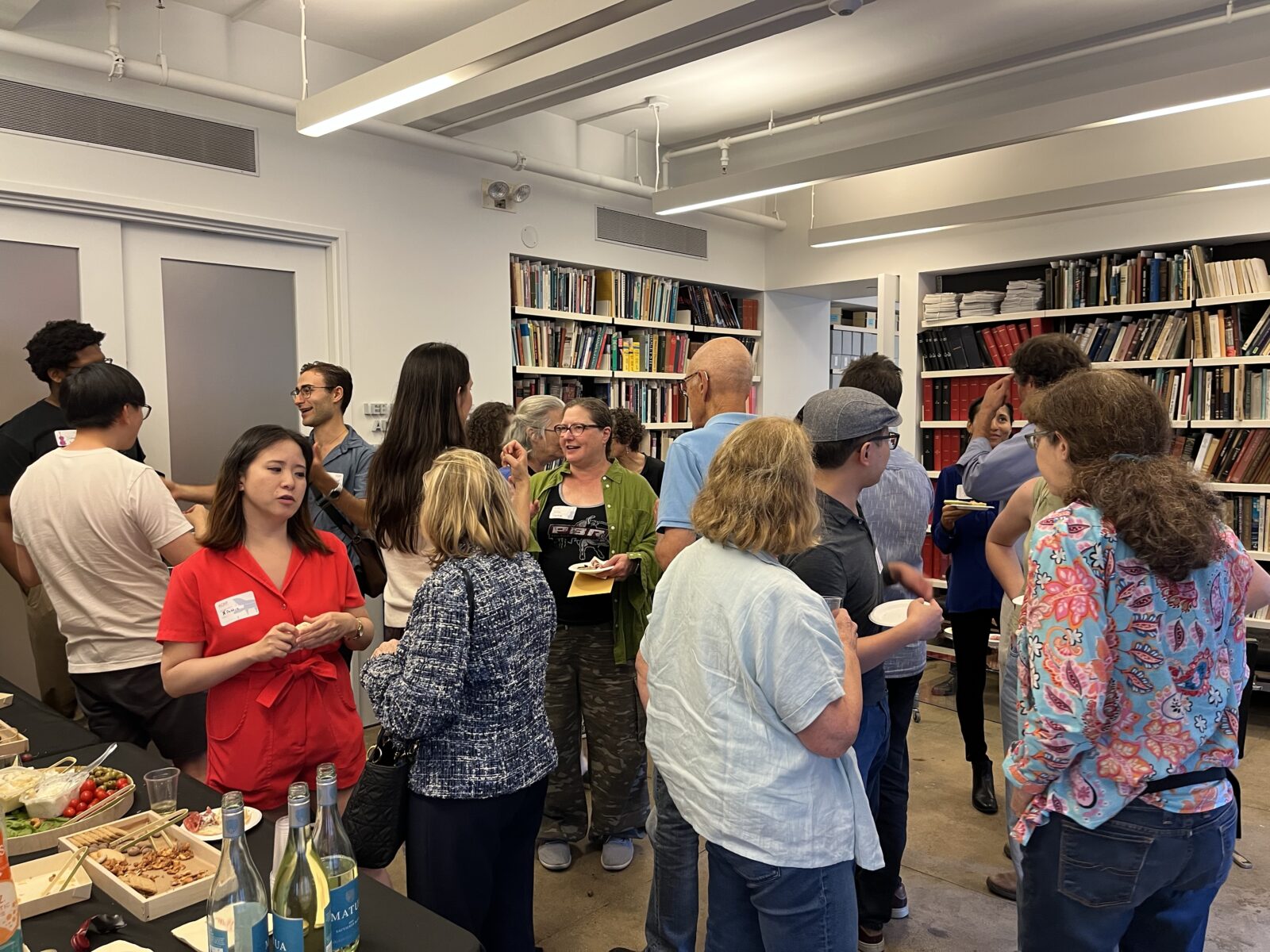
On Saturday, September 13 ACMP embarked on its first collaboration with the American Composers Orchestra (ACO). Together we organized a Play-In focused entirely on music by twentieth and twenty-first century American composers.
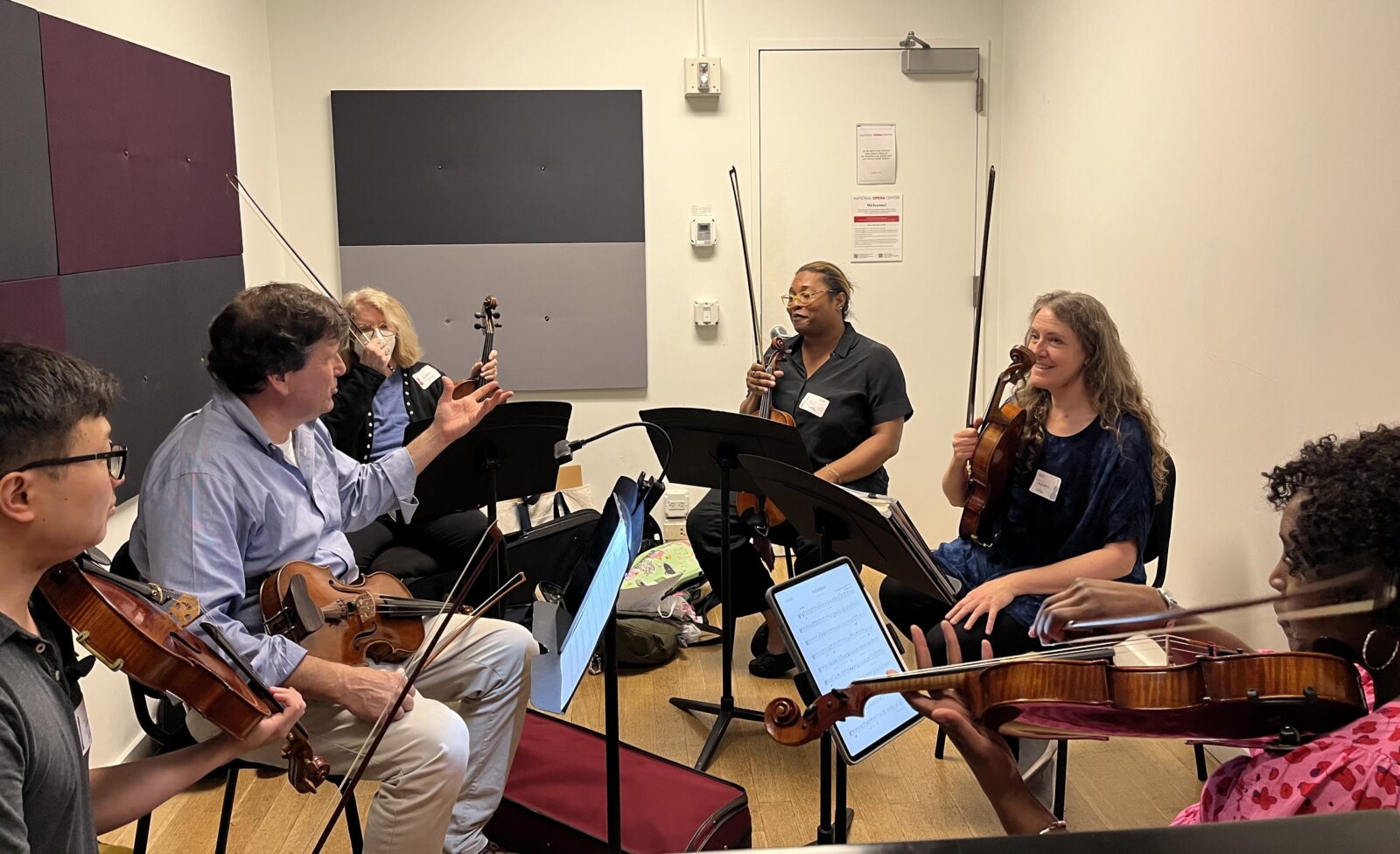
Over the course of three hours, forty-five musicians discovered sixteen pieces or sets of pieces spanning from 1896 through 2025. The repertoire covered an enormous stylistic range, with classics by Charles Ives and Florence Price; composers writing in a more traditional vein (Alan Shulman, John Harbison and Paul Moravec ); minimalists (Philip Glass, Tom Johnson, Terry Riley); rock-inspired music (Zack Browning); folk-inspired music (Valerie Coleman); experimental music (Frederic Rzewski); graphic and instruction scores (Mazz Swift, Pauline Oliveros); improvisation; and modern jazz (Julius Hemphill.)
We were stunned at the level of interest from members of ACMP; within less than 24 hours we had thirty-two reservations. Anticipating fewer players, the ACO had booked only four studios at Opera America in New York City. A few days before the event I managed to secure one more large room for the final hour and a half of the event, and a tiny practice room for the final hour. We tried to get more rooms, but the space was fully booked, so we had to limit reservations to forty-five. It was disappointing to turn people away, but we were encouraged by the subtext behind this problem:
People are interested in exploring new repertoire!
ACMP is committed to making its events open to all instruments and levels, which presents special challenges when organizing a Play-In. For example, what does one do with eleven flute players and only two cellists (one of whom was only available for the last hour)? And then – how does one keep as many players engaged throughout the three-hour period when you have forty-five players and a limited number of rooms?
The combination of these two issues was problematic. Under normal circumstances, I would have tried to recruit more cellists, for example, or hired conservatory student cellists as ringers. But we were already well past the optimum capacity for the available space. Along those lines, the space limitations necessitated that I avoid forming too many small groups if I wanted to provide playing opportunities for the greatest number of people. And then there was the factor of the different sizes of each studio; we had rooms with a maximum capacity of twelve, eight, six and four, respectively. We musicians are supposed to be good at math, but this was quite a puzzle.
This is where open-instrumentation pieces and experimental music come to the rescue!
ACO’s Artistic Director, Curtis Stewart, is a multifaceted violinist, improviser, composer and educator. We parked him in the twelve-person studio for the day, where he led a workshop on improvisation and graphic scores for the first hour and a half, and Terry Riley’s open-instrumentation minimalist classic In C for the remainder of the time. I also guided a group through Philip Glass’ iconic Music in Similar Motion (1969.) I was happy to see that his publisher recently came out with a set of parts for this piece, for both C and B-flat instruments.
In another of the large studios, ACO’s President and CEO Melissa Ngan guided a group of players through some Deep Listening meditations by Pauline Oliveros.
Since Melissa is also an accomplished flutist, she guided a group of eight flutists for another one-hour session, playing flutist/composer Valerie Coleman’s Umoja and Blah by Frederic Rzewski.
ACMP flutist Martha Rabin commented, “I enjoyed both ensembles: the 8 flutes doubling on parts where I got to play bass flute, and the trio for flute, viola, and piano. The trio was a bit of a challenge but happy to rise to it and to play with other such fine musicians.”
As a violist myself, I could not resist putting together another room for six violas.
Given the space limitations and challenging instrumentation, I was unable to place everyone in a more conventional small chamber ensemble, but I tried my best. The biggest setback, of course, was the lack of cello players. (In New York City there is ALWAYS a lack of cello players. Cellists: where are you?)
I was thrilled to find a set of seven septets by the American minimalist innovator Tom Johnson with NO CELLO. These pieces were scored for two flutes, oboe, B-flat clarinet, two violins and viola. Since Tom Johnson passed away in 2024, Gilbert Delor from his publisher Editions 75 scrambled to find me a set of parts. He managed to send me all the parts for five of the pieces. Thank you, Gilbert! Since the rhythms were complex, I called upon the multi-talented George Chung to conduct the reading.
With so few cellists, I only managed to organize one each of these classic ensembles: string quartet, piano trio, piano quartet and piano quintet. For the piano trio, I chose the piece commissioned by ACMP back in 2020: Paul Moravec’s Omne Trium Perfectum for violin (or B-flat clarinet), cello and piano. The group played the clarinet version with ACMP clarinetist Eun Lee, who is also the Executive Director of a fabulous activist orchestra, The Dream Unfinished.
ACMP pianist Deborah Wythe commented, “As a pianist. I always hesitate to sign up for sight-reading sessions. So many notes! This one was intriguing, though, because of the ACO connection. Pieces you’ve never heard before, new sounds and rhythms…and everybody is in the same boat. Being assigned the Florence Price piano quintet was a treat—it’s a glorious, rich piece. Even with just 3 days of prep, we were able to get through all 4 movements and make some really nice music. A great introduction to Ms. Price! My other piece, Hakka Fusion by Zack Browning, was a wild ride for flute, viola, and piano. All three of us read from the score so that we could put the rhythms together. Crazy and fun.”
Modern jazz was represented with one group of wind and brass players taking on some saxophone quartets by the late Julius Hemphill of the renowned World Saxophone Quartet. Although we had no saxophone players, I chose players based on the transpositions of their instruments, including ACO staff member Steve Alesso on euphonium. Since I knew that flutist Mary Cherney was a professional jazz musician, I asked her to guide the group. Mary said, “I had such a good time! So great to see so many people actively engaged in making music, and many if them in ways that were new for them. It was a great experience. I also enjoyed ‘captaining’ (is that a verb) a group through Hemphill’s sax quartets.”
At the post Play-In reception, sponsored by ACO, I had a chance to chat with many of the participants. The overwhelming response was that people enjoyed exploring all kinds of new repertoire they may not have otherwise played.
Violinist Peter Hua commented, “This was the first time I tried “modern” music. Our host [Curtis Stewart] clearly knew what he was doing, and guided everyone through the steps of how to read music that may not look like music. Very freeing! I’m coming back to the instrument after a long break, so was nice to take a break from the typical obsessive perfectionism.
If you are interested in exploring any of this music yourself, here is a complete list (alphabetical by composer first name) of the music we played, with links for where to access scores and parts.
Pieces with open instrumentation:
Mazz Swift (b. 1975): Memory Five: Freedom Initiate (2025), graphic score/open instrumentation (available through ACO)
Pauline Oliveros (1932-2016): Deep Listening Meditations (various dates), available for purchase
Philip Glass: Music in Similar Motion (1969), open instrumentation, available for purchase
Terry Riley: In C (1964), open instrumentation, parts (in all transpositions), instructions and videos available through Third Coast Percussion
Pieces with specific instrumentation:
Alan Shulman (1915-2002): Two Episodes for Viola Quartet (1978), available for purchase
Charles Ives (1874-1954): String Quartet no. 1 S. 57 (1896), movements 1 and 3, available on IMSLP (non-public domain in the US)
Florence Price (1887-1953): Adoration (1951) arranged for 6 violas, available on IMSLP (go to the arrangements tab)
Florence Price (1887-1953): Piano Quintet in A minor (1936), available for purchase
Frederic Rzewski (1938-2021): Blah (2009) for 8 flutes, available on IMSLP (go to the arrangements tab)
John Harbison (b.1938): November 19, 1828 (1988) for piano quartet, available for purchase
Julius Hemphill (1938-1995): Saxophone Quartets Book 3 (1980s), played by instruments with the appropriate transpositions; available for purchase
Paul Moravec (b.1957): Omne Trium Perfectum (2020) for violin or B-flat clarinet, cello and piano (commissioned by ACMP), available for purchase
Philip Glass: String Quartet no. 3 “Mishima” (1985), available for purchase
Tom Johnson (1939-2024): Septets (2010) for 2 flutes, oboe, B-flat clarinet, two violins, viola (for a Play-In, best to conduct), scores are available through Editions 75, contact publisher for parts
Valerie Coleman (b.1970): Umoja (2001) for flute quartet, available for purchase
Zack Browning (b.1953): Hakka Fusion (2009) for flute, viola and piano, contact Zack Browning
More Articles
Member of the Month, September 2026: Marshall Costantino
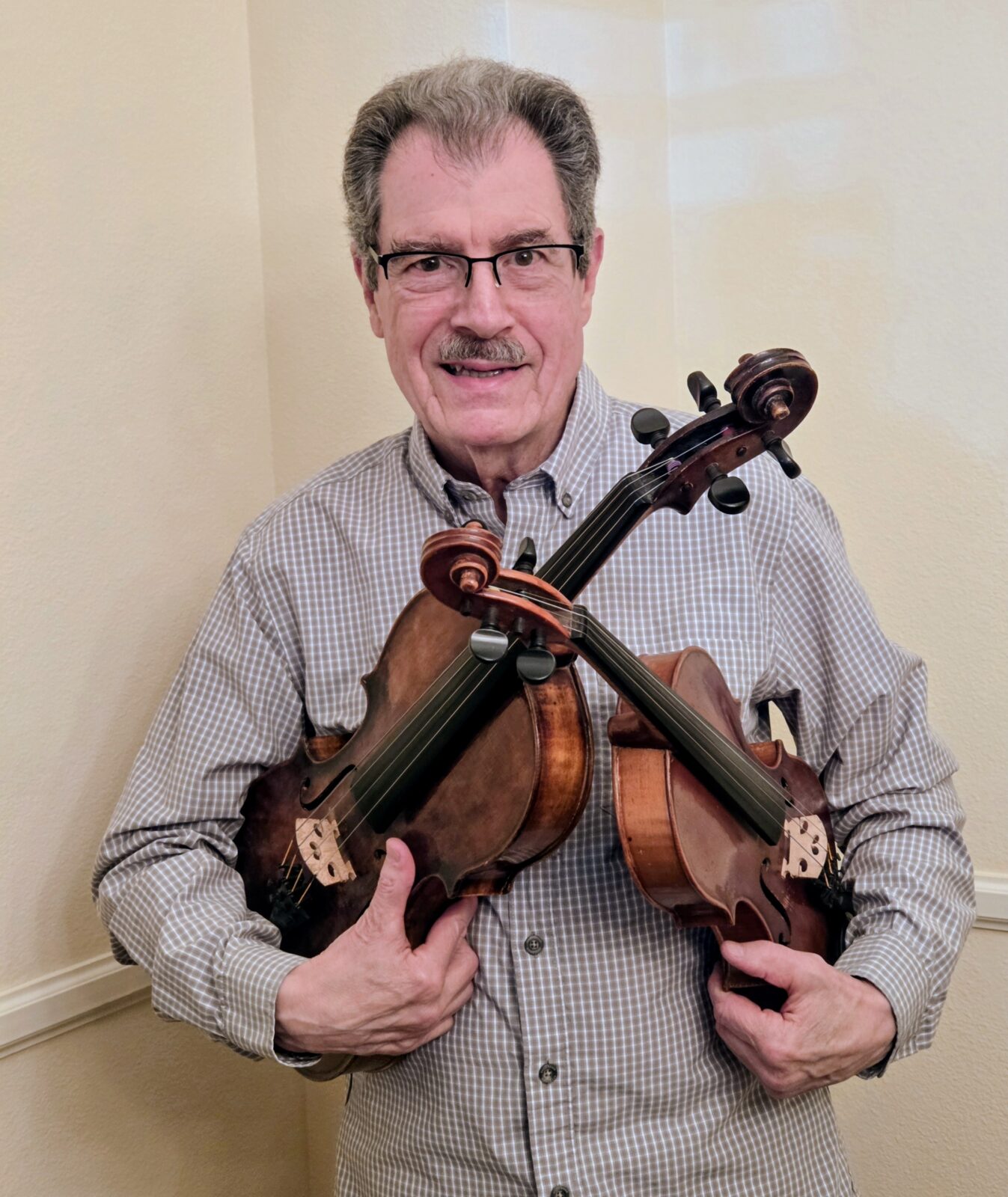
Marshall Costantino learned to play the violin from his Italian grandfather as a young child. After a 42-year hiatus from playing, he is enjoying a new life in chamber music with his neighbor and new friends he met through the ACMP directory.Read More ↗
Celebrate Beethoven: MSQ’s Vienna Workshop, January 2027
Travel to Vienna and immerse yourself in Beethoven's world and in his String Quartet Op. 127, under the expert guidance of the Manhattan String Quartet. Register by Monday, September 14 for this unique cultural expedition!Read More ↗
Music and Life at Apple Hill
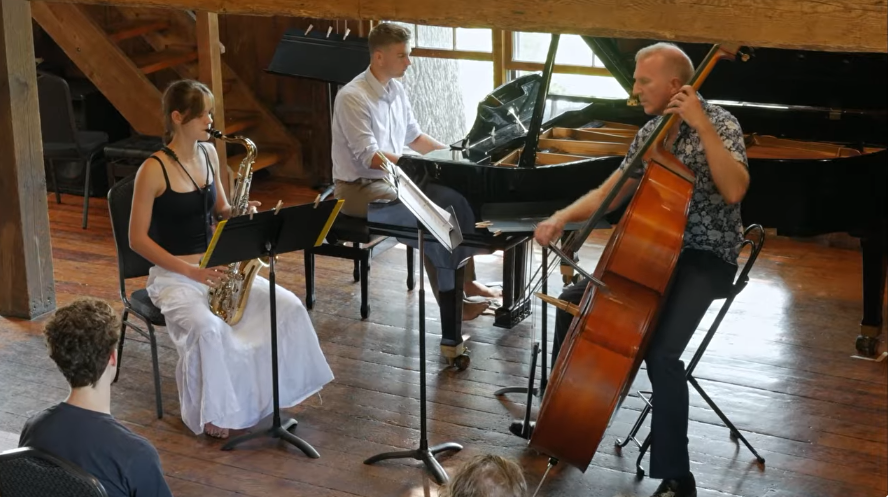
Vermont-based bassist Art DeQuasie was one of the inaugural recipients of an ACMP Scholarship this summer. Read about his experience at the Apple Hill Center for Chamber Music in August 2026.Read More ↗
Explore New Worlds of Chamber Repertoire
Music educators have been working to find music by underrepresented composers that is accessible to students and amateur players of all levels. This includes music by composers of color, women composers, and LGBTQ groups, among others. Considering the changing demographics of our country, amateur chamber music players can reap the rewards of discovering new repertoire through this research.Read More ↗
Meet ACMP’s Development Consultant, Amie Roosevelt
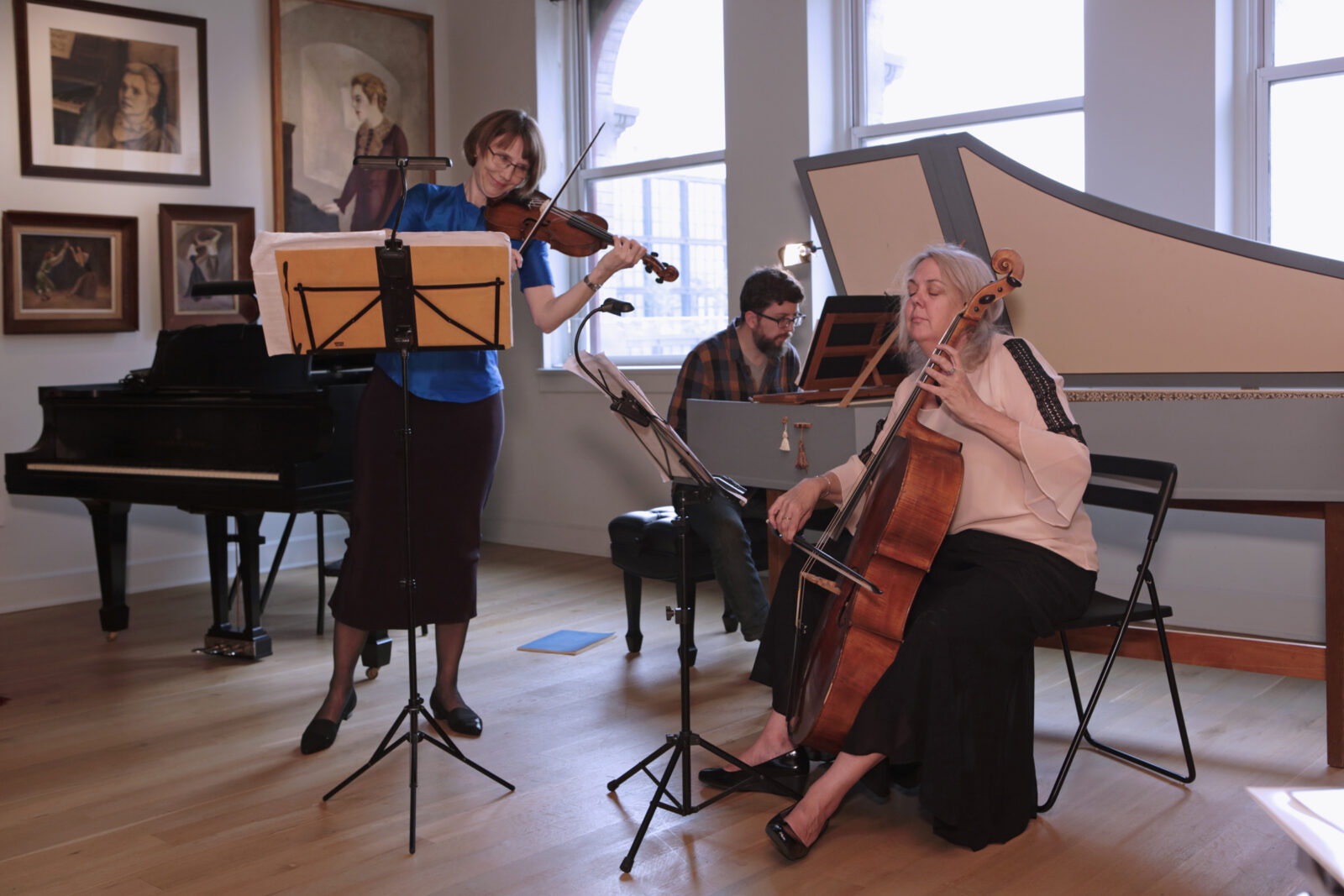
Amie Roosevelt joined ACMP's staff as our first-ever Development Consultant in January 2026. She has enjoyed a long and varied career as a violinist, with a primary focus on historically informed performance. I hope you all will meet and even get to play with Amie. But until you do, you can get to know her and her fascinating story by reading this interview from August 12, 2026.Read More ↗
Make Chamber Music Part of Your Fall at 92NY
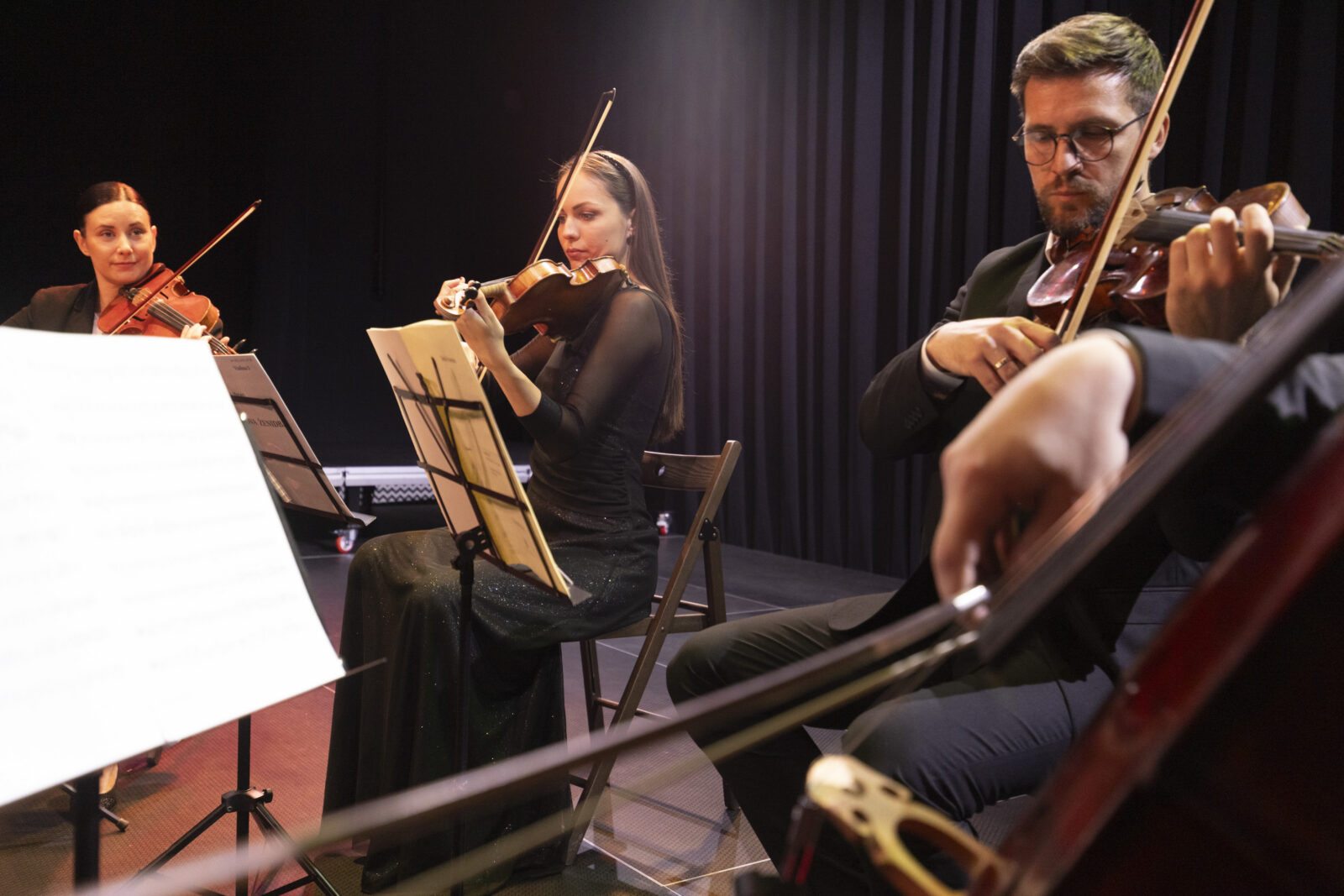
For many musicians, chamber music is as much about connection as it is about repertoire—the shared experience of listening, collaborating, and discovering new musical perspectives together. At the 92NY School of Music, two chamber music programs offer welcoming entry points into that experience this fall: Chamber Music Reading and Chamber Music Coaching & Performance. Whether you’re picking up your instrument again, looking to meet fellow players, or hoping to deepen your ensemble work, both programs are designed to bring musicians together in a supportive and engaging environment.Read More ↗
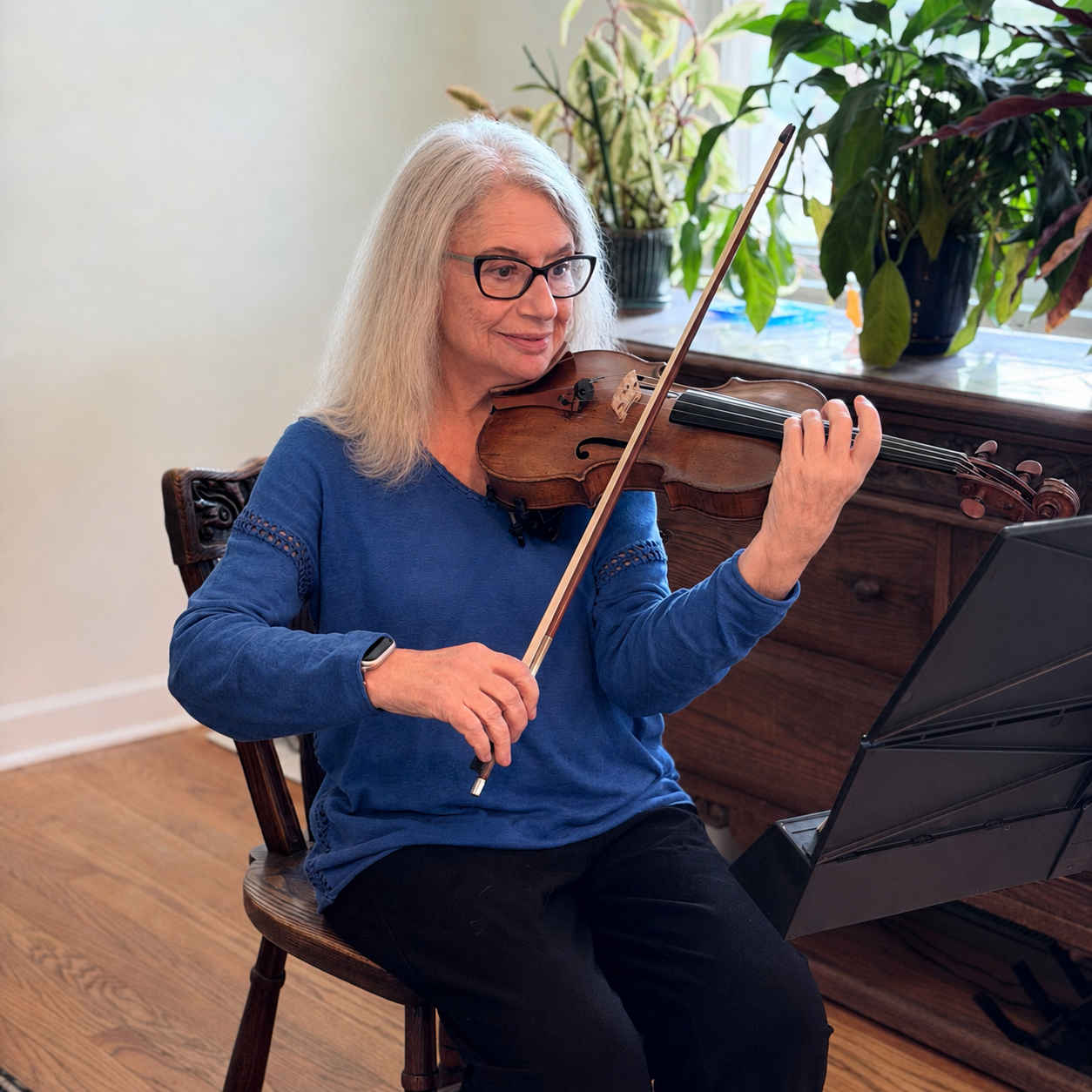
Member of the Month, August 2026: Alison Edwards
There aren’t too many people who come to a professional crossroads before they turn 13. But Alison Edwards faced such a moment. She had taken up the violin at age seven with none other than Dorothy DeLay as her teacher. But indeed, Alison had another calling. Inspired by social justice movements of the 1960s, she became a civil rights lawyer, eventually serving in the appellate division of the Cook County Public Defender’s office. After 25 years working and raising a family, she picked up her violin again and launched on a lifelong chamber music adventure.Read More ↗
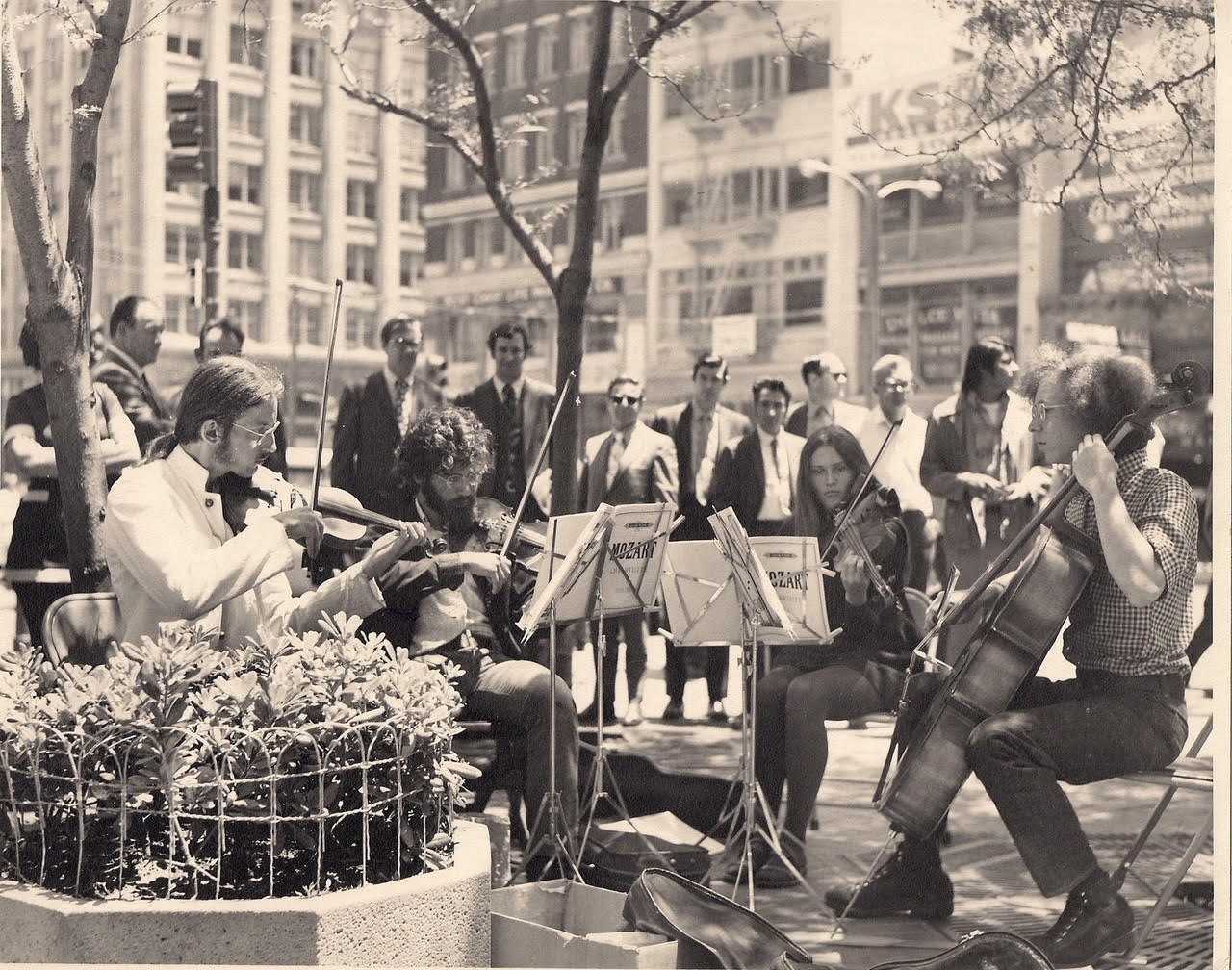
After 56 Years, the Bond of Chamber Music Endures
Cellist David Pearl and violinist/violist Gary Chanan played quartets together in the streets of San Francisco in the early 1970s. 56 years later they are playing together again in New York City...they reconnected through ACMP!Read More ↗
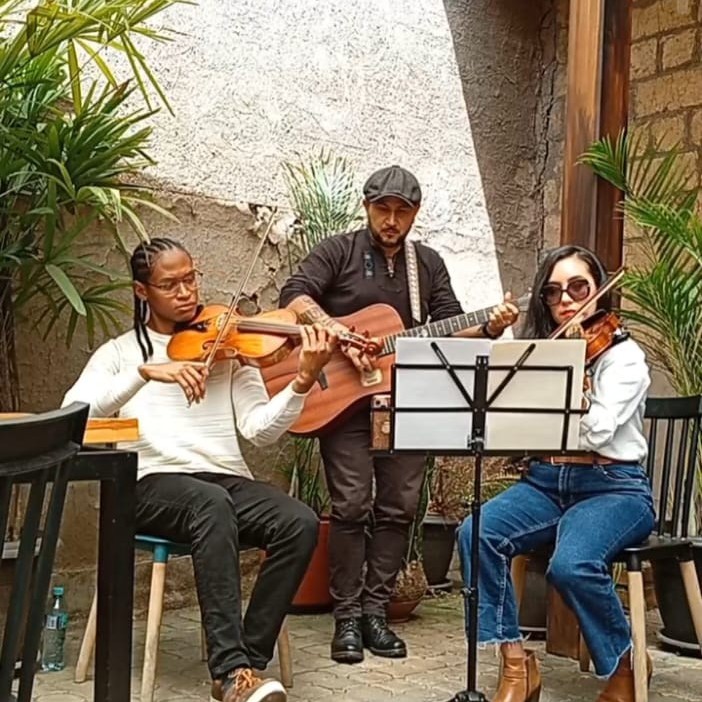
Coffee Shop Performances, Coffee-infused Repertoire
ACMP's intrepid cellist Tom Cappaert is at it again - this time with a story about ACMP members in Ecuador and Spain who organized chamber music in coffee shops, inspired by Tom's endeavors.Read More ↗
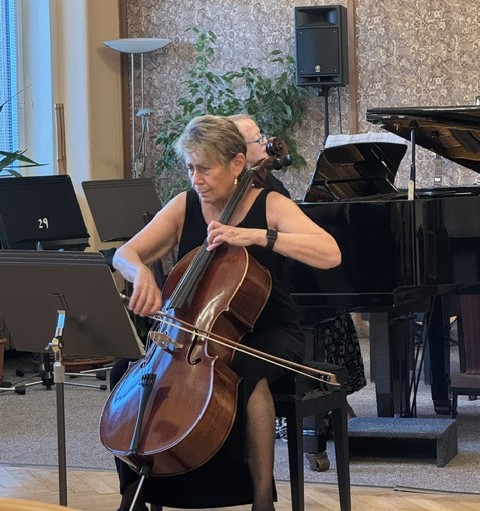
Member of the Month, July 2026: Sara Langbert
A self-proclaimed “total New Yorker”, cellist Sara Langbert graduated from Music and Art and continued her musical education at Queens College in her native New York borough. But like many ACMP members, she would put her cello aside as she managed the demands of raising a family and pursuing a career in computers and technology. Now she's playing again and is an enthusiastic member of ACMP.Read More ↗
Around the World with ACMP’s Grants (Home Coaching and Play-in)
Over the last few weeks we have been asking members, participants, and organizers to tell us how our rolling grants have been useful to them and their communities. So let’s take a trip around the world and see what folks have to say about our Home Coaching and Play in grants.Read More ↗
Around the World with ACMP’s Grants (Just Play and Impresario)
This summer, we’re hearing from ACMP members, participants, and organizers about how Just Play and Impresario grants have supported chamber music in New York, Italy, Canada, Colorado, and beyond.Read More ↗
ACMP Member of the Month, June 2026: Yoav Segev, the flying cellist returns
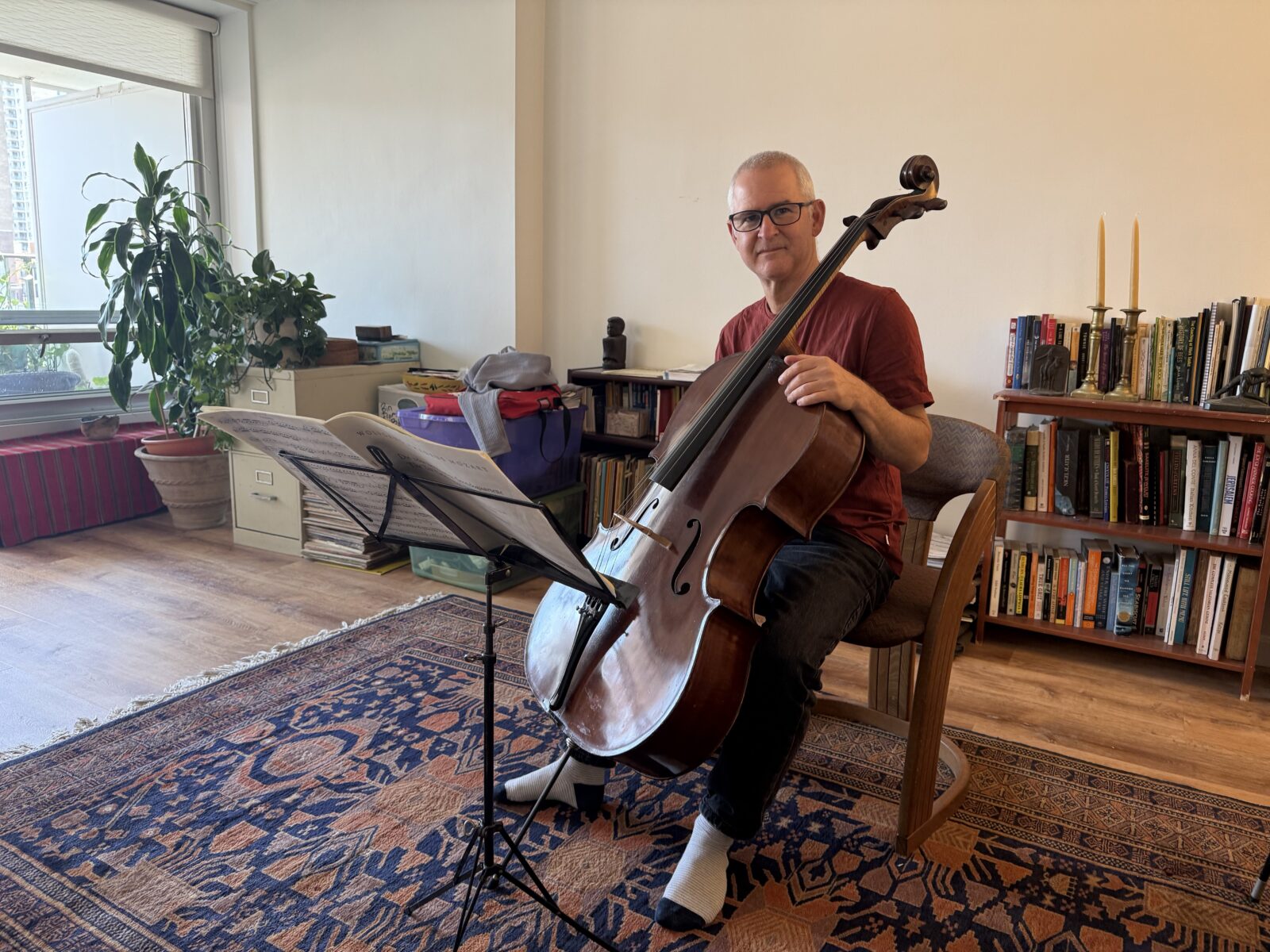
It’s probably easy to spot Yoav Segev at the airport. He’s the guy in the pilot’s uniform with the cello on his back. Yoav, you see, is the Flying Cellist, a globe-trotting pilot for El Al Israel Airlines who plays chamber music during his layovers in far-off destinations. Read Bob Goetz's interview with Yoav.Read More ↗
International Spotlight: Kristin Saltonstall in Panama
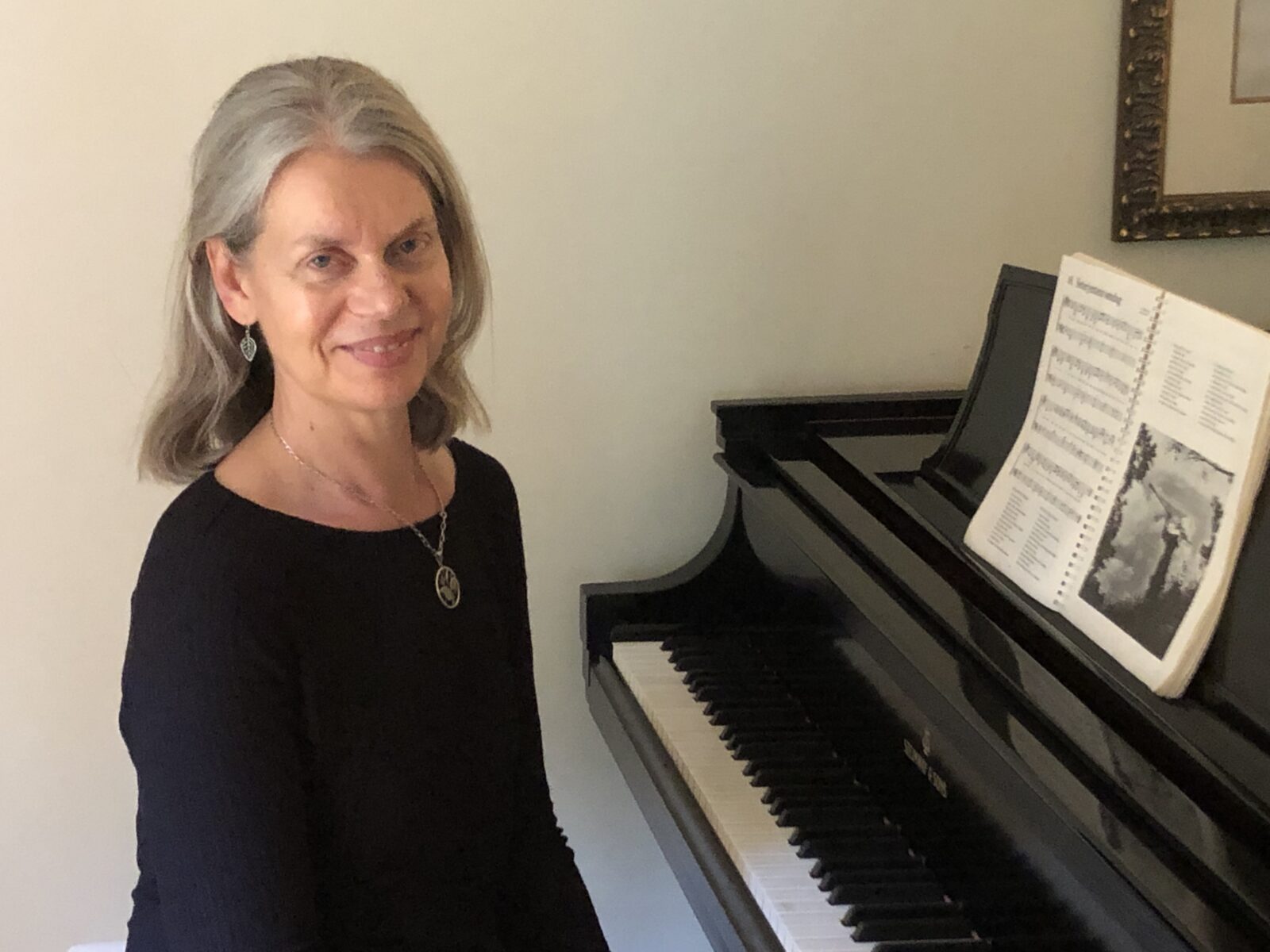
Kristin Saltonstall comes from a longstanding ACMP family and has been a member of ACMP for as long as she can remember. As a molecular ecologist, she works for the Smithsonian Tropical Research Institute in Panama, where she has forged a new musical life for herself and enjoys the natural beauty that Panama has to offer.Read More ↗
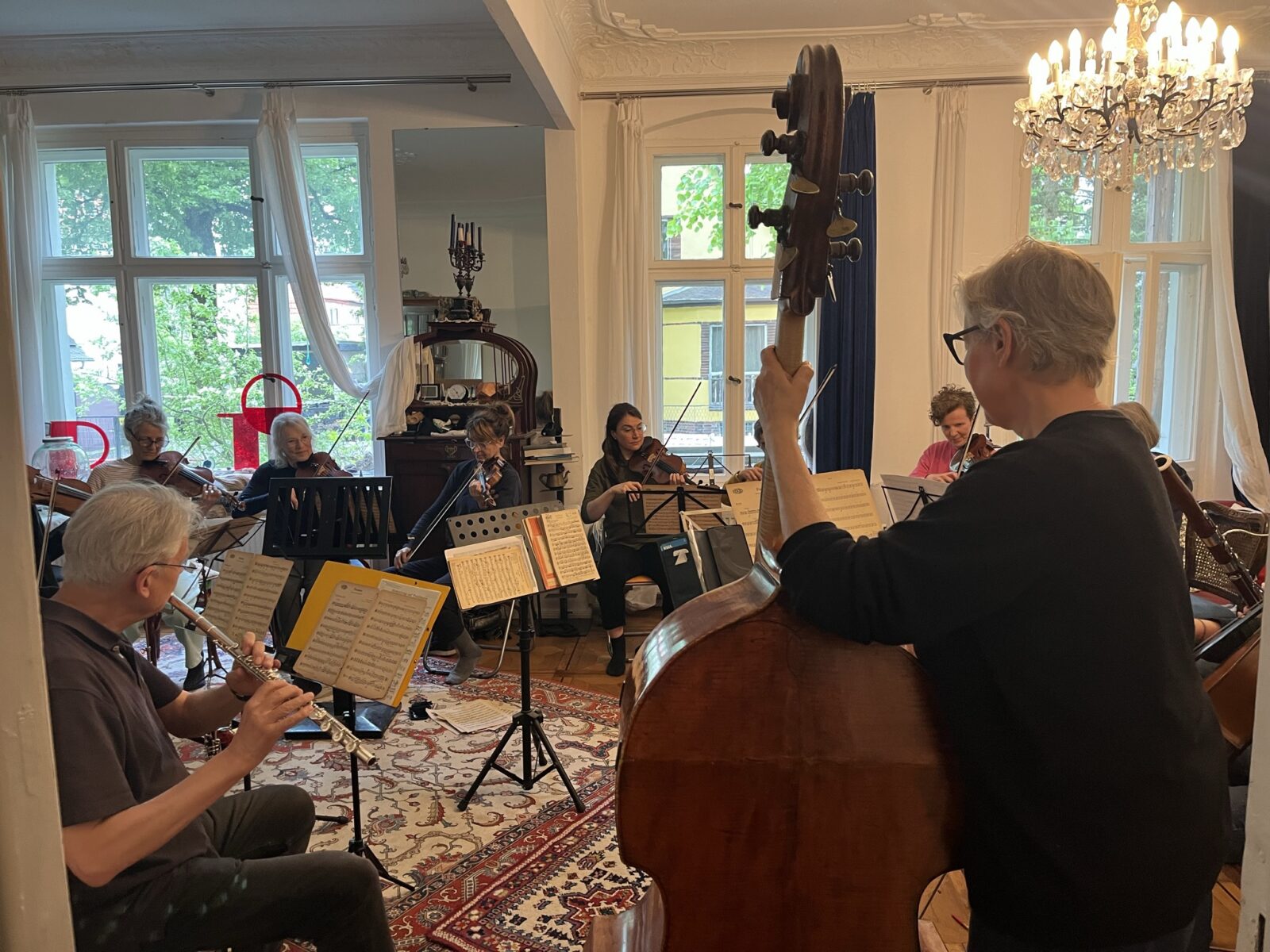
Springtime Extravaganza Light Music Orchestra on May 9, 2026, in Berlin-Karlshorst
Fifteen musicians followed Gudrun Schnellbacher's invitation to a very special kind of play-in – to play in the Springtime Extravaganza Light Music Orchestra. Read the article in English or in German.Read More ↗
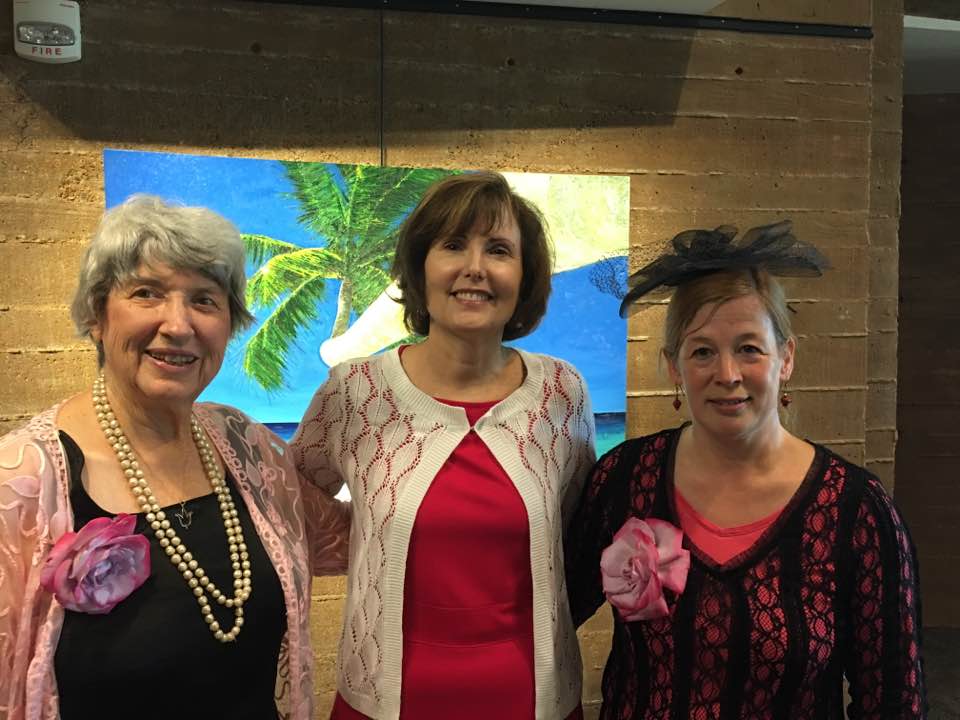
Remembering Pianist Fontaine Laing
Janet White Remembers her friend, and longtime ACMP member pianist Fontaine Laing.Read More ↗
News of Note 2026
It’s that time of year again! The web version of the 2026 News of Note is live, featuring updates from the past our Strategic Plan, and some fun extras, including everyone’s favorite: a new puzzle!Read More ↗
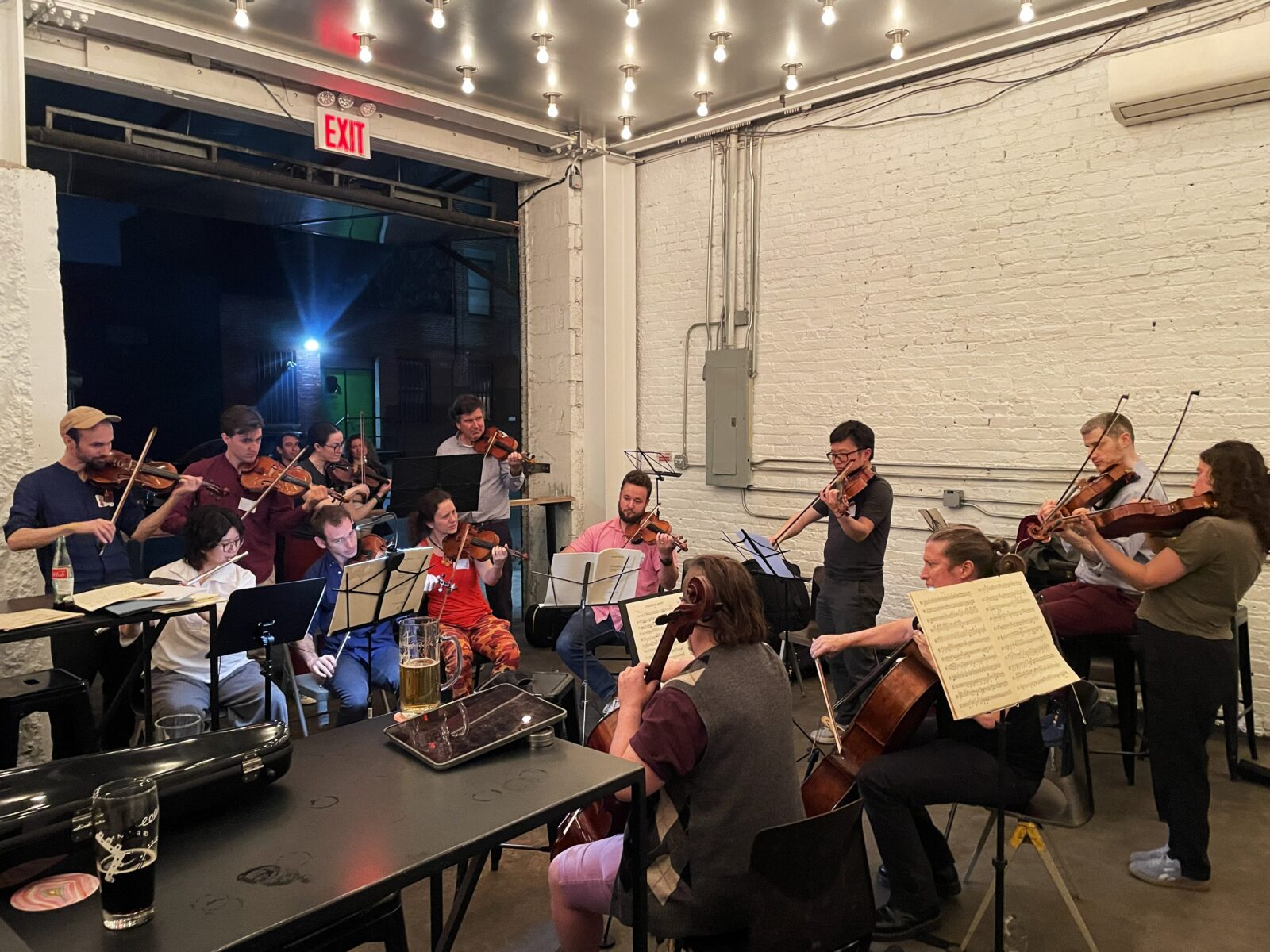
How to Find Players and Build your ACMP Community
There is a time in every player’s musical life when you realize that you want to play more, but not quite sure with whom or where to even begin. Here are some ways to get started and begin building a community around you.Read More ↗
Member of the Month: Amit Rotem
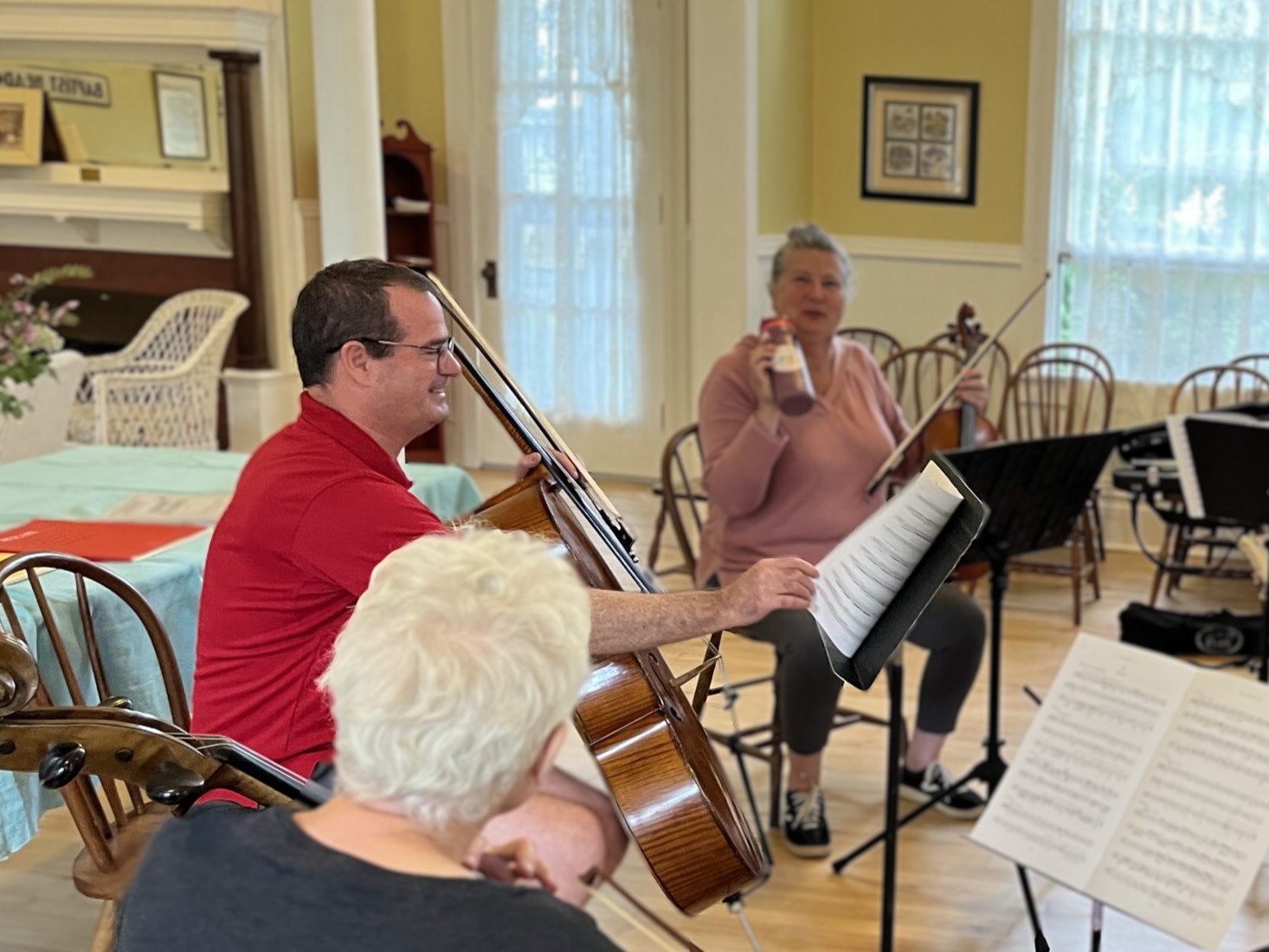
By day, Amit Rotem works as a child psychiatrist specializing in youth addictions at the Centre for Addiction and Mental Health in Toronto. When he is not there, or with his family, there is a good chance he is playing his cello, with as many willing chamber partners as the calendar will allow!Read More ↗
2026 Worldwide Play-In Events
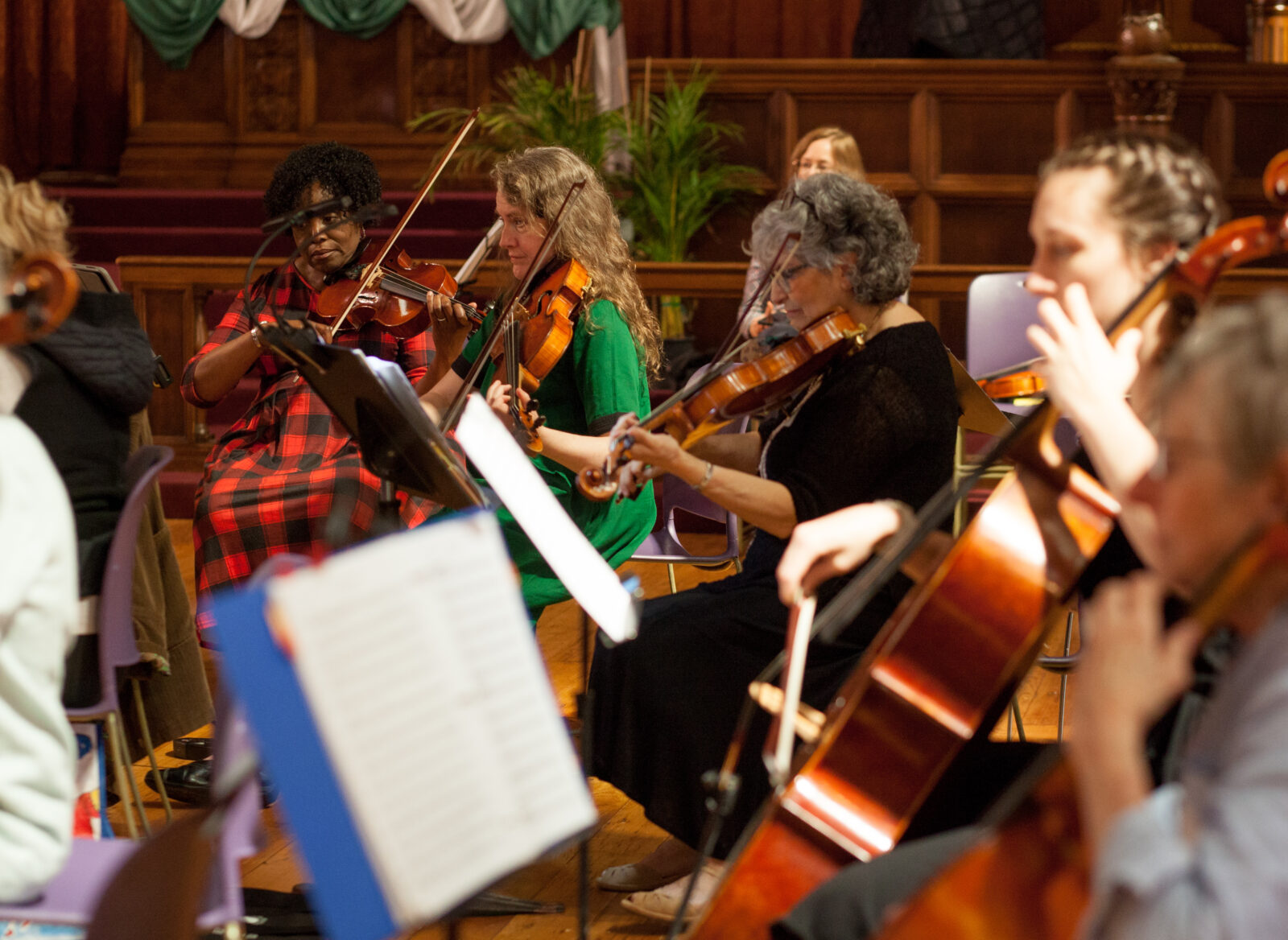
ACMP’s Official Worldwide Play-In Weekend takes place from Friday, May 15 through Sunday, May 17, 2026, but we are encouraging more play-ins throughout the month of May which is National Chamber Music Month in the United States. Keep checking this article for links to May play-ins!Read More ↗
Load More
All Articles By