Making Time for Making Music – Amy Nathan Discusses Her New Book with ACMP
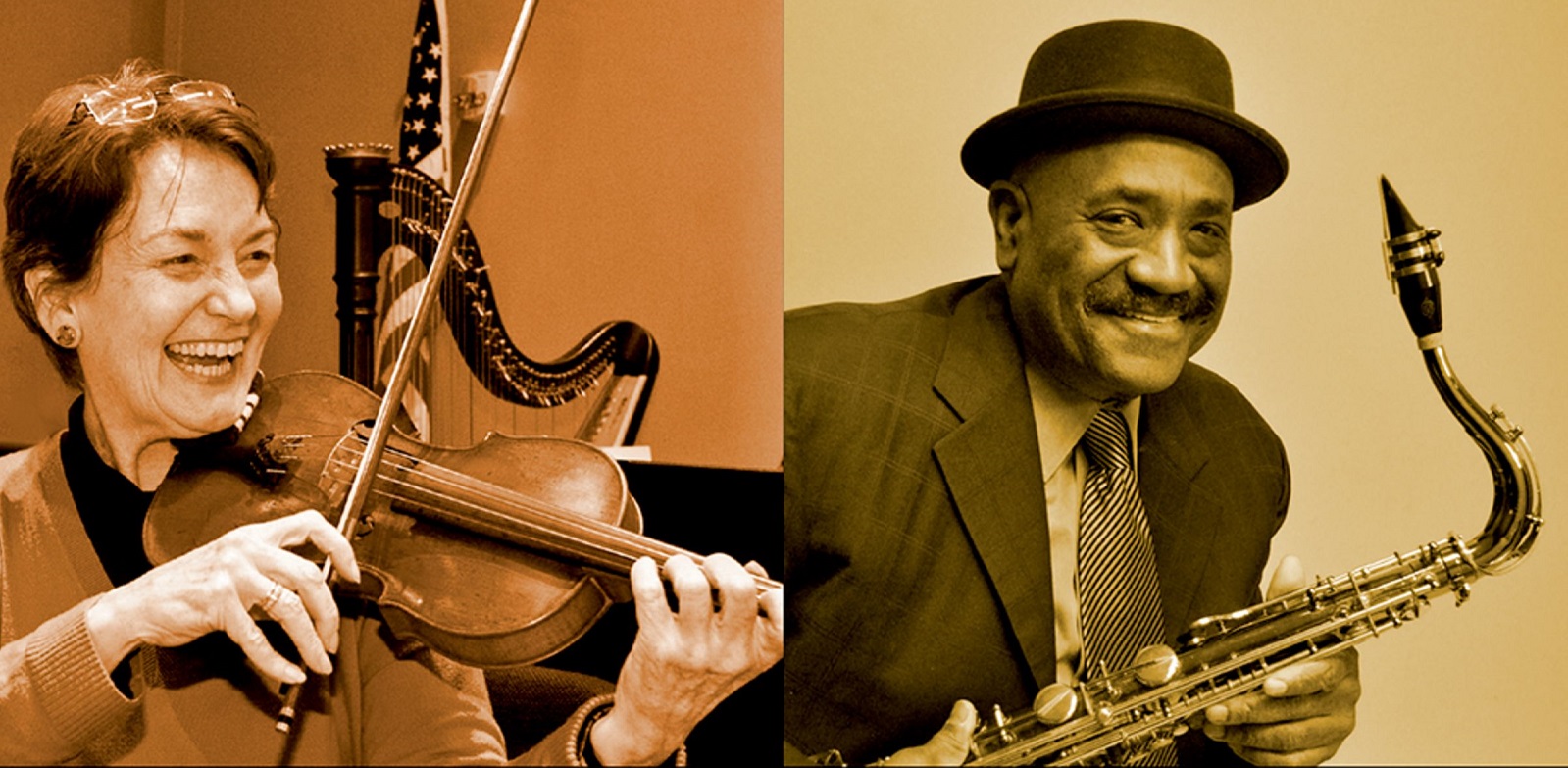
Amy Nathan’s latest book, Making Time for Making Music:How to Bring Music into Your Busy Life is packed with stories of adult musicians’ journeys back to music playing. Nathan’s book tells of the benefits of music engagement as well as the many barriers that players overcome to enjoy playing music in adult life. ACMP is featured throughout the book, with more than 30 ACMP members quoted, many of them part of an Advice Team that participated in research for the book.
Nathan shared some comments about the book with ACMP Executive Director, Jennifer Clarke.
How did you come up with the idea for “Making Time for Making Music?”
In my two earlier books for Oxford University Press—one for young people and the other for music parents—I had always included a section on what I called “spare-time” musicians, people with non-music day jobs who still manage to fit music-making into their lives. But not everyone knows about the options available for non-pro musicians—not even people who are clearly interested in music.
Also sparking my interest were reports of neurological research showing that making music is good for your health, especially the brain, with tantalizing suggestions that playing a musical instrument might even delay some of the mental decline of aging. A Gallup Poll from 2009 showed that 85 percent of adults in the U.S. who don’t play a musical instrument wish they had learned to play one, and 69 percent would like to play one now. A 2012 National Endowment for the Arts survey showed that only 12 percent of U.S. adults were actually playing instruments.
Reading about other adults who have successfully carved out time for music might encourage others to give it a try. As an avocational musician myself—I play piano at home for fun and sing in a church choir—I was eager to learn more about the suggestions and strategies that successful non-pro music makers might have.
In this book, I try to avoid using the word amateur or spare-time musician to describe these non-pro musicians. The non-pro musicians I heard from in researching this book are very serious about their music. It may not be how they earn their living, but it’s central to who they are.
What were your goals and intentions in this book, and how well do you feel you achieved them?
One goal was to let the book’s readers know about a wide range of different ways that people without musical day-jobs manage to make music-making part of their lives. I assembled a large Advice Team of volunteers who would be willing to share their experiences with making music and who would offer advice and insights for others. More than three hundred non-pro musicians from around the US and Canada and a few from overseas joined the Advice Team by filling out the online questionnaire. About four dozen others joined the team by being interviewed by phone. The team consisted of more than 350 musicians ranging in age from 25 to 96, both instrumental and vocal musicians. Some were involved in classical music, others in jazz, folk, rock, pop, early music, and world music. The questions allowed Advice Team members to explain in some detail how they engaged with music.
How long do you spend researching before beginning a book?
For this book, I spent several months researching the world of avocational musicians before creating the online questionnaire and sending it to potential members of the book’s Advice Team. I plan to write follow-up blog articles on topics related to the book that will appear periodically on the Oxford University Press Music Blog.
What was the hardest part of writing this book and what did you enjoy most about writing this book?
The toughest part was not having enough space in the book to quote everyone who filled out a questionnaire or was interviewed by phone. Everyone made such thoughtful comments and observations. The part I enjoyed the most was getting to know all these fascinating musicians and hearing their stories.
What is the most important thing that people DON’T know about your subject, that they need to know?
There are several things that many people don’t realize about avocational music-making: that just about anyone can learn to sing; that it is possible to learn to play a new instrument as an adult, even over the age of 60; and that even parents of young children are finding ways to stay involved with making music. There are support groups that can provide needed encouragement and helpful tips for adults trying to get back into making music, such as music Meetup groups, beginner-friendly ensembles, music school workshops, and also ACMP, which helps connect people to play chamber music together.
If you could summarize the most important message carried in the book, what would it be?
You’re never too old, or too busy or too rusty to make music, that people can make music at any age, and that all of us who do make music are musicians, from the struggling beginner to the polished pro.
Making Time for Making Music is available at SHAR Music, where ACMP members receive a discount (ACMP Member’s click here for link – the ACMP “sale” price will be listed on the SHAR Music website). The list price paperback edition is $24.95 and the e-book is $16.99 (Kindle on Amazon Prime).
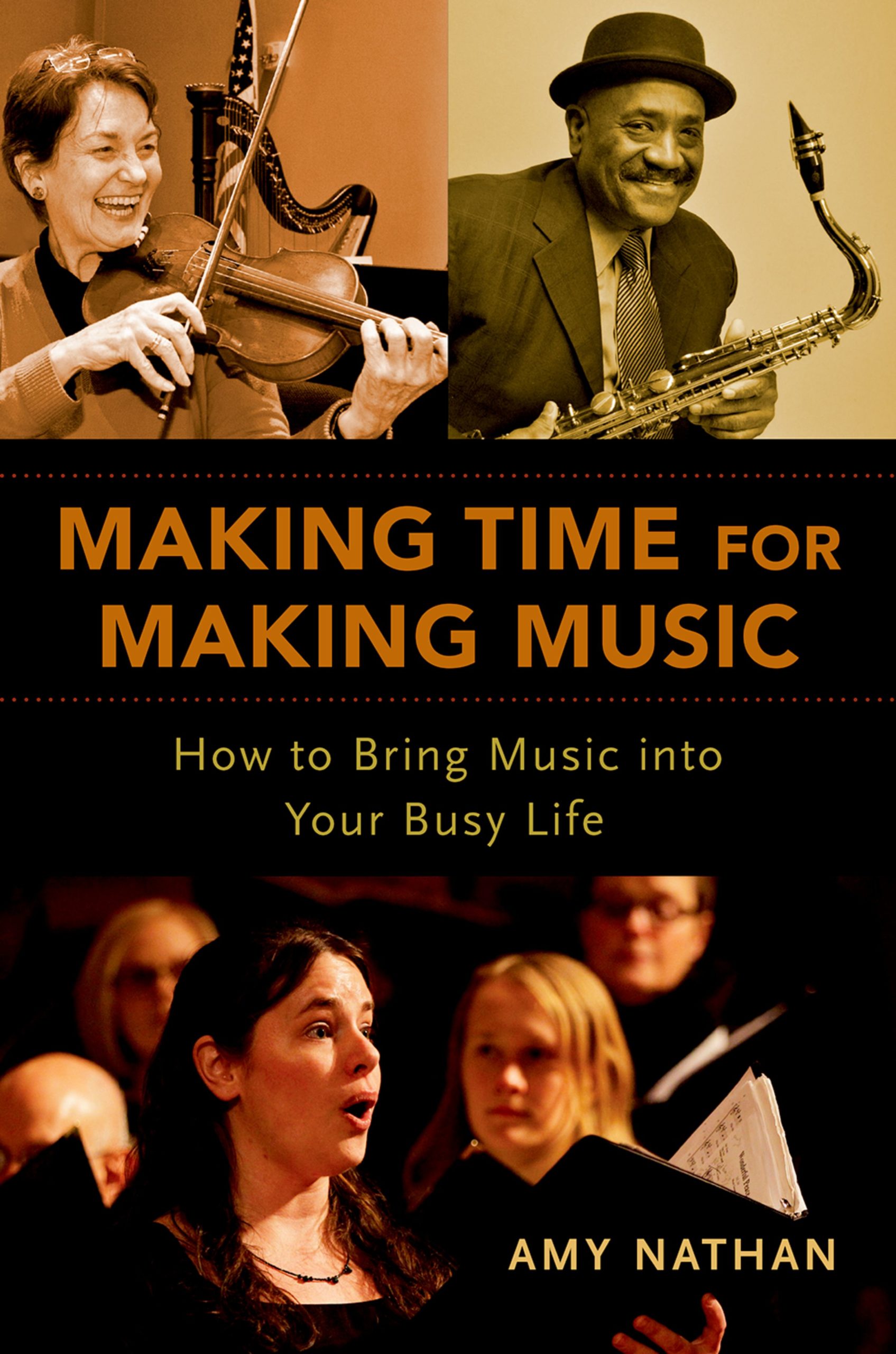
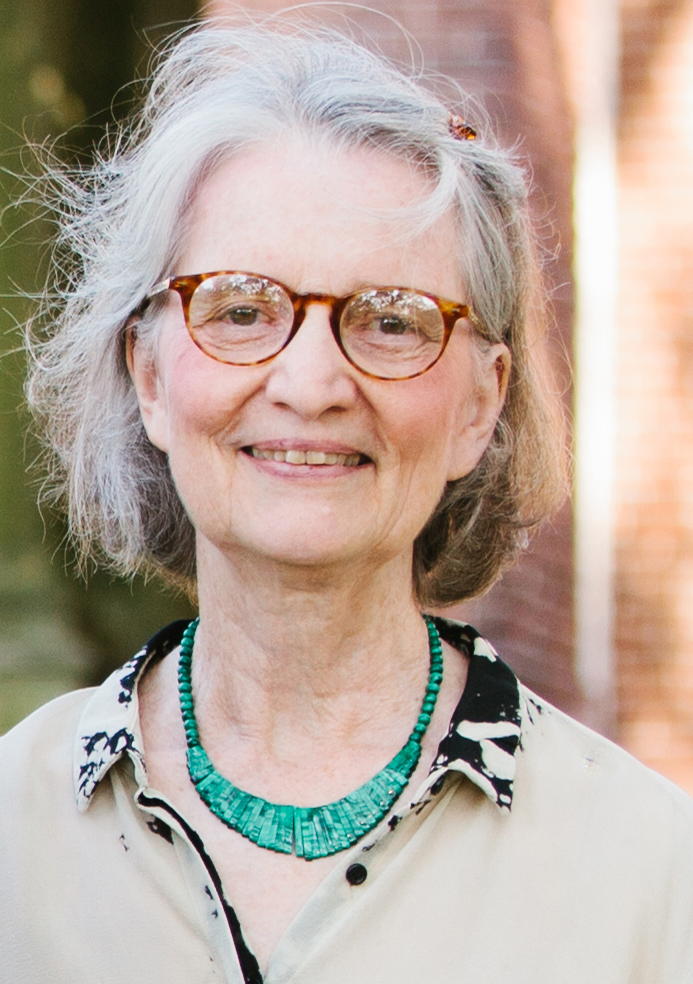
Left, Making Time for Making Music; right, author Amy Nathan
ACMP members contributing to Making Time for Making Music: How to Bring Music into Your Busy Life: Alice Model, Dan Brook, Dwight Campbell, Eric Godfrey, Fritz Hessemer, Hugh Rosenbaum, Irene TenCate, Joan Herbers, Jonathan Newmark, Juergen Hemm, Ken Williams, Laura Rice, Leslie and Leon Vieland, Marc Mann, Marc Wager, Maryvonne Mavroukakis, Mike Tietz, Morris Schoeneman, Ora McCreary, Paula Washington, Polly Kahn, Riva Edelman, Roland Wilk, Ron Sharpe, Sarah Monte, Sarah Wright, Stephen Kamin, Stephen Lustig, Susan Lauscher, Suzanne Epstein, Yoel Epstein.
More Articles
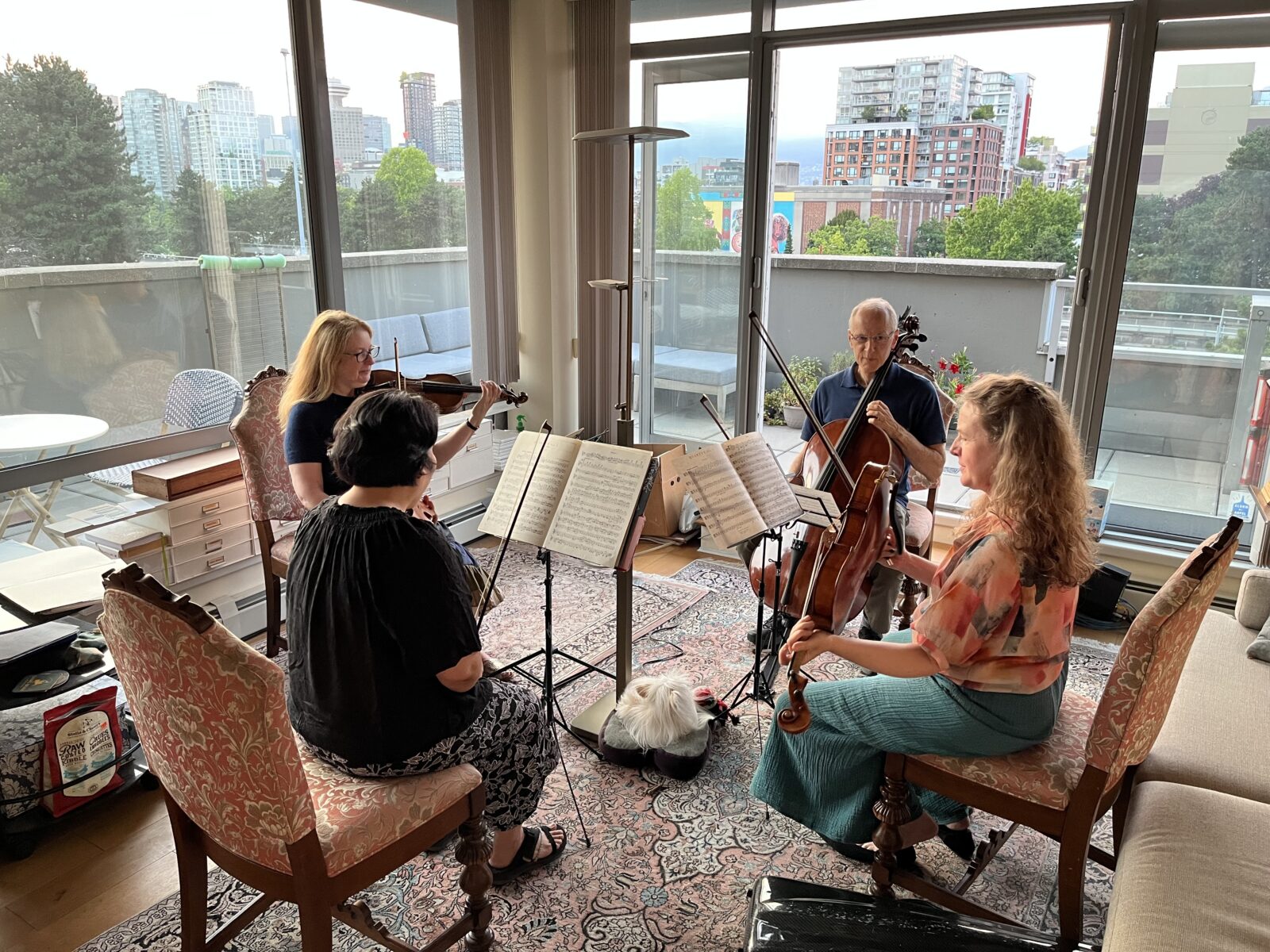
Chamber Music Lifestyles: Vancouver
Vancouver, Canada has a vibrant adult amateur chamber music scene, thanks to ACMP's local NAOC councilor Christina Wolf. If you've never traveled to Vancouver, add it to your list. Where else could you play chamber music with so many great players (and fun people) while looking at the mountains, and eating and drinking a wide variety of local delights?Read More ↗
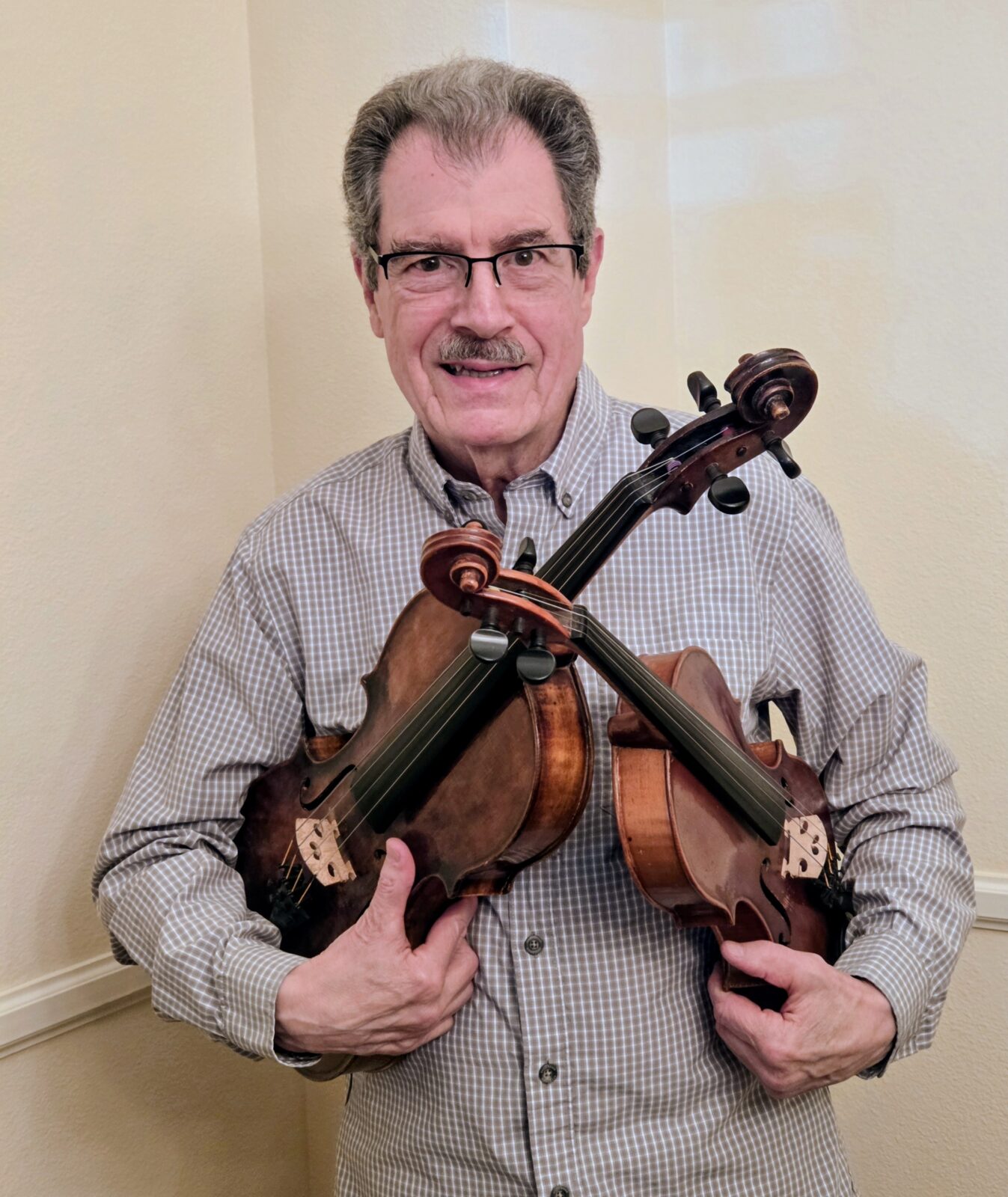
Member of the Month, September 2026: Marshall Costantino
Marshall Costantino learned to play the violin from his Italian grandfather as a young child. After a 42-year hiatus from playing, he is enjoying a new life in chamber music with his neighbor and new friends he met through the ACMP directory.Read More ↗
Celebrate Beethoven: MSQ’s Vienna Workshop, January 2027
Travel to Vienna and immerse yourself in Beethoven's world and in his String Quartet Op. 127, under the expert guidance of the Manhattan String Quartet. Register by Monday, September 14 for this unique cultural expedition!Read More ↗
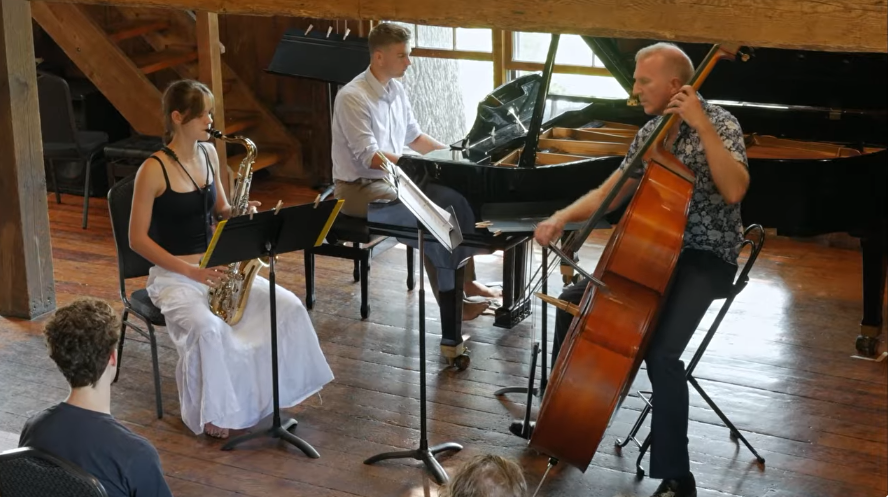
Music and Life at Apple Hill
Vermont-based bassist Art DeQuasie was one of the inaugural recipients of an ACMP Scholarship this summer. Read about his experience at the Apple Hill Center for Chamber Music in August 2026.Read More ↗
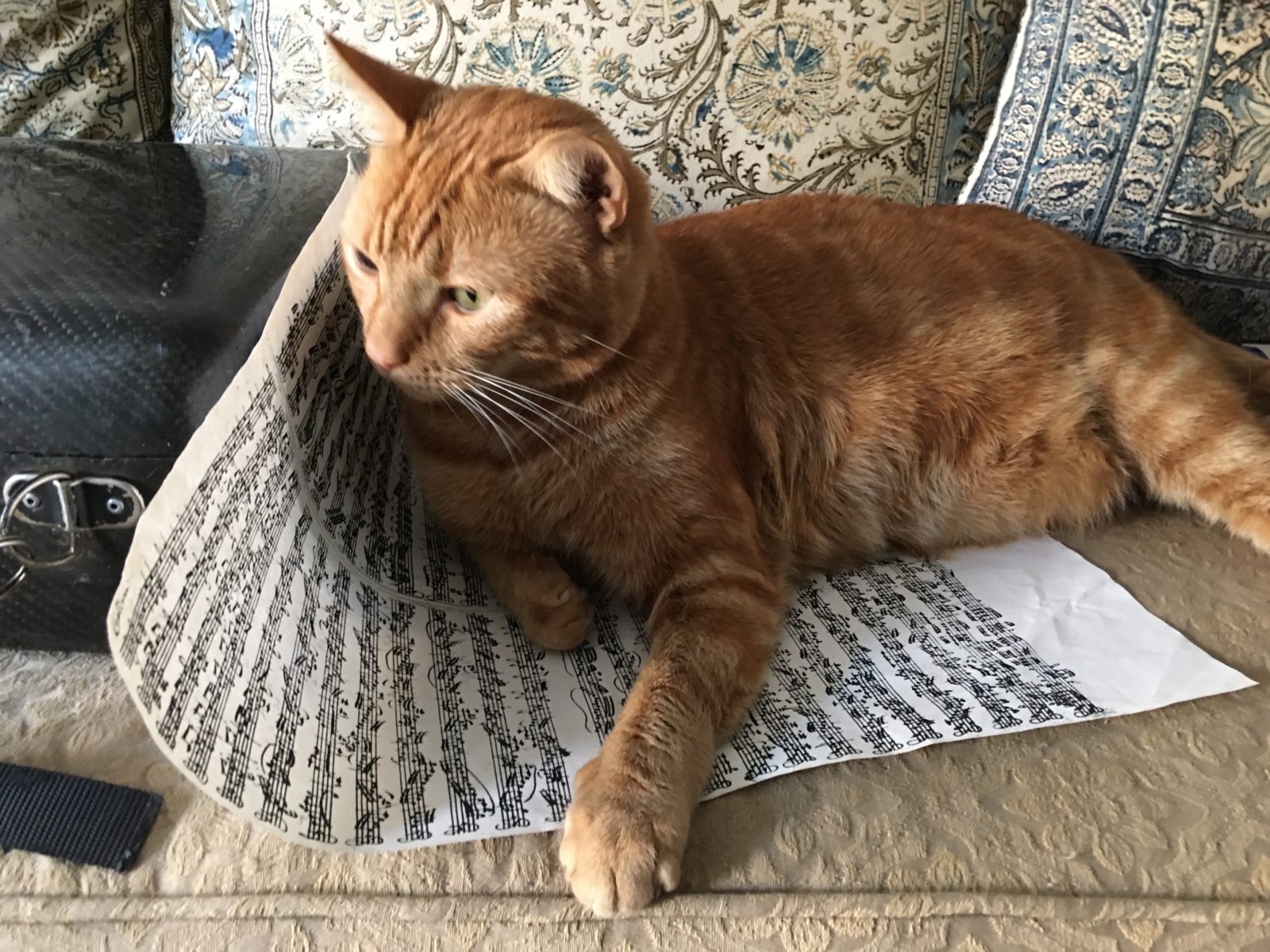
Explore New Worlds of Chamber Repertoire
Music educators have been working to find music by underrepresented composers that is accessible to students and amateur players of all levels. This includes music by composers of color, women composers, and LGBTQ groups, among others. Considering the changing demographics of our country, amateur chamber music players can reap the rewards of discovering new repertoire through this research.Read More ↗
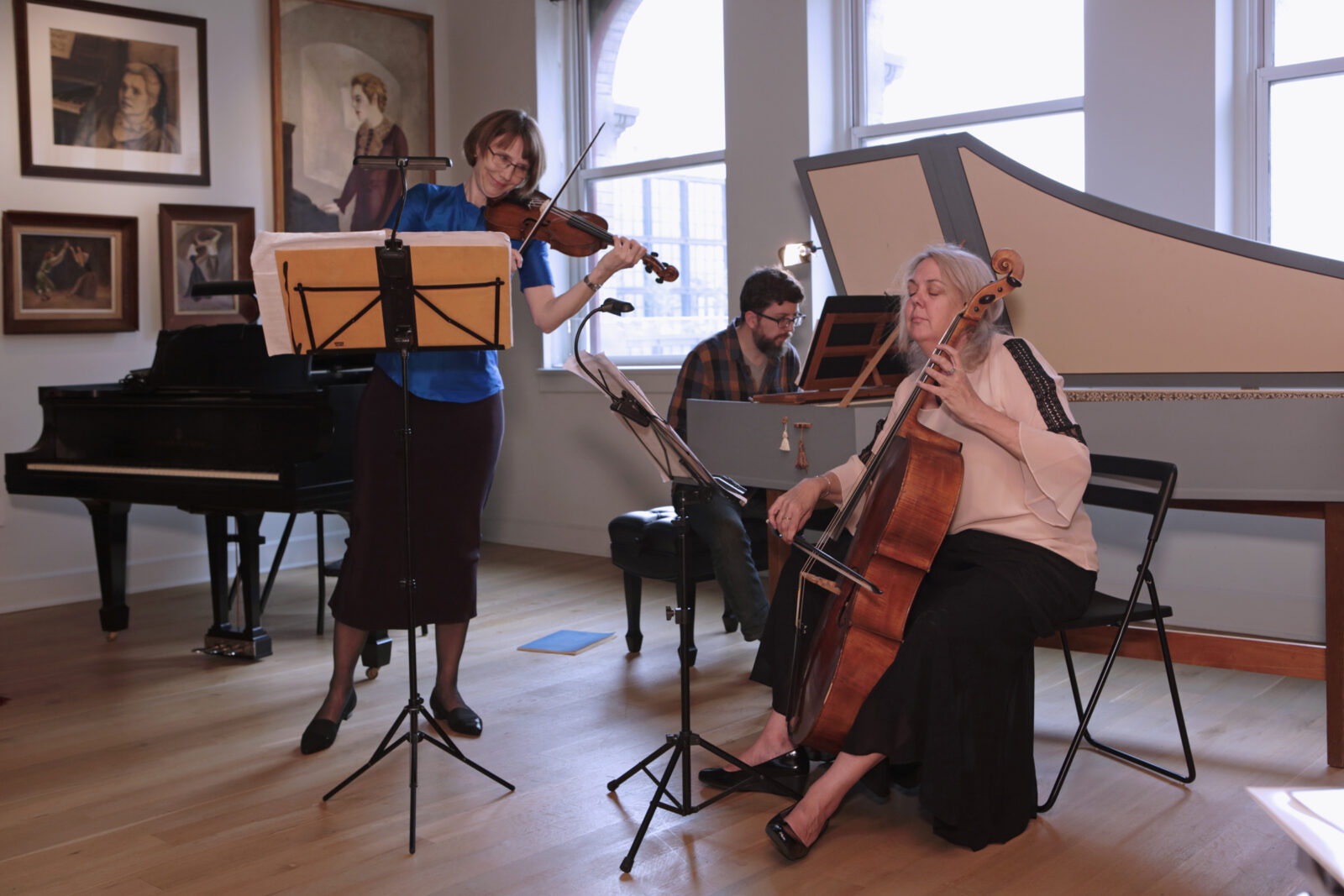
Meet ACMP’s Development Consultant, Amie Roosevelt
Amie Roosevelt joined ACMP's staff as our first-ever Development Consultant in January 2026. She has enjoyed a long and varied career as a violinist, with a primary focus on historically informed performance. I hope you all will meet and even get to play with Amie. But until you do, you can get to know her and her fascinating story by reading this interview from August 12, 2026.Read More ↗
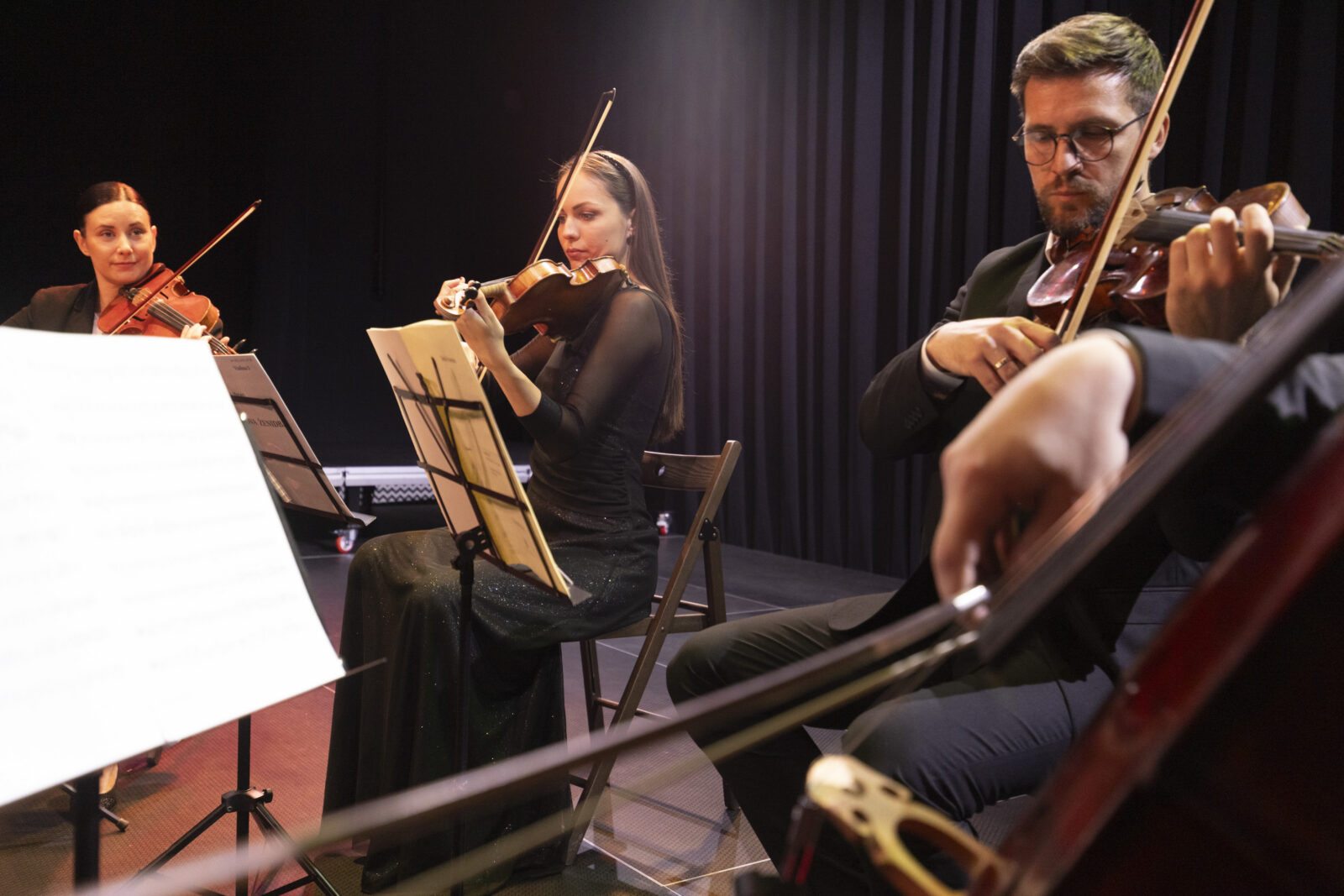
Make Chamber Music Part of Your Fall at 92NY
For many musicians, chamber music is as much about connection as it is about repertoire—the shared experience of listening, collaborating, and discovering new musical perspectives together. At the 92NY School of Music, two chamber music programs offer welcoming entry points into that experience this fall: Chamber Music Reading and Chamber Music Coaching & Performance. Whether you’re picking up your instrument again, looking to meet fellow players, or hoping to deepen your ensemble work, both programs are designed to bring musicians together in a supportive and engaging environment.Read More ↗
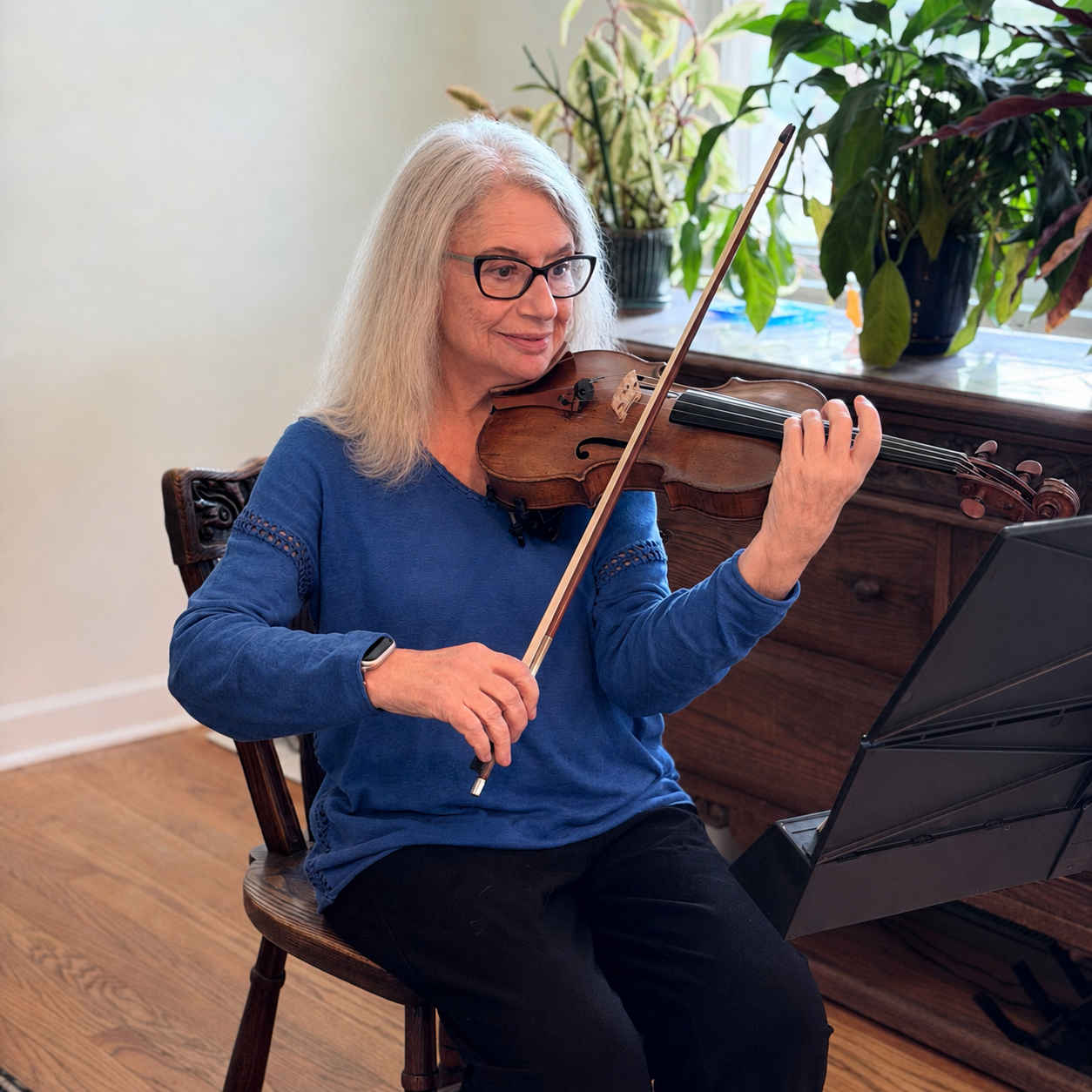
Member of the Month, August 2026: Alison Edwards
There aren’t too many people who come to a professional crossroads before they turn 13. But Alison Edwards faced such a moment. She had taken up the violin at age seven with none other than Dorothy DeLay as her teacher. But indeed, Alison had another calling. Inspired by social justice movements of the 1960s, she became a civil rights lawyer, eventually serving in the appellate division of the Cook County Public Defender’s office. After 25 years working and raising a family, she picked up her violin again and launched on a lifelong chamber music adventure.Read More ↗
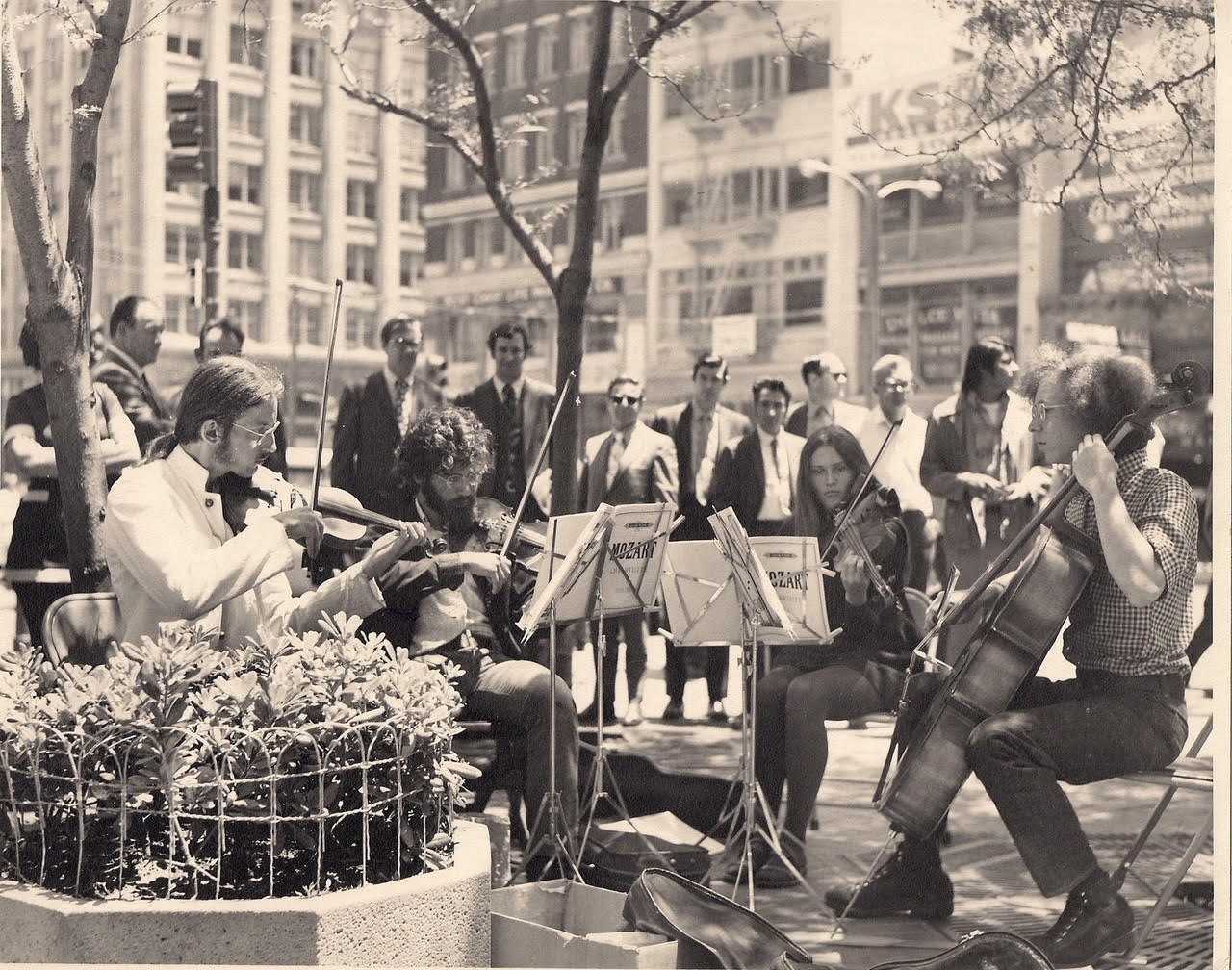
After 56 Years, the Bond of Chamber Music Endures
Cellist David Pearl and violinist/violist Gary Chanan played quartets together in the streets of San Francisco in the early 1970s. 56 years later they are playing together again in New York City...they reconnected through ACMP!Read More ↗
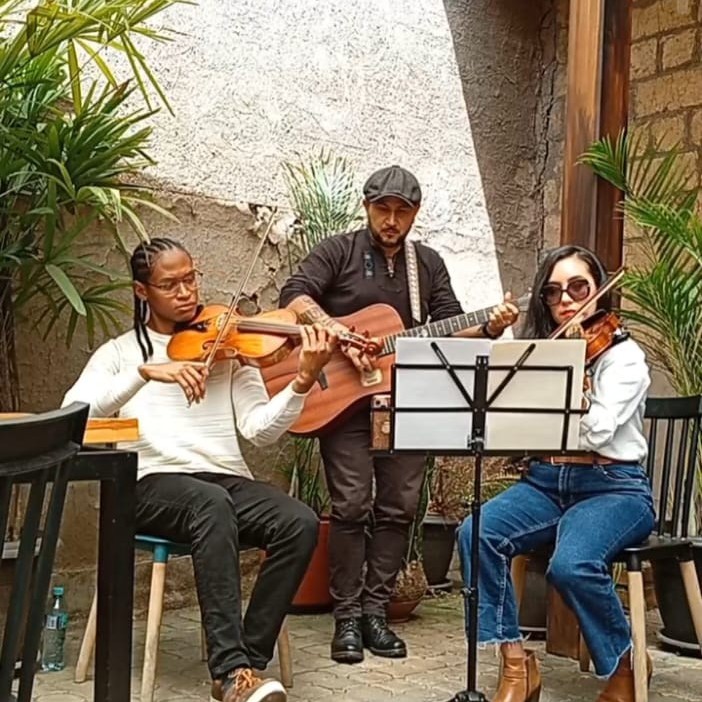
Coffee Shop Performances, Coffee-infused Repertoire
ACMP's intrepid cellist Tom Cappaert is at it again - this time with a story about ACMP members in Ecuador and Spain who organized chamber music in coffee shops, inspired by Tom's endeavors.Read More ↗
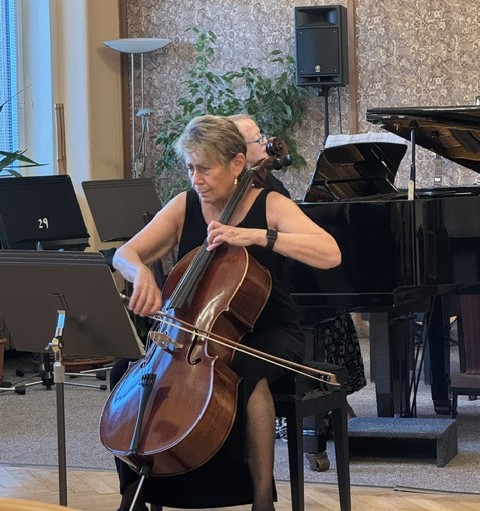
Member of the Month, July 2026: Sara Langbert
A self-proclaimed “total New Yorker”, cellist Sara Langbert graduated from Music and Art and continued her musical education at Queens College in her native New York borough. But like many ACMP members, she would put her cello aside as she managed the demands of raising a family and pursuing a career in computers and technology. Now she's playing again and is an enthusiastic member of ACMP.Read More ↗
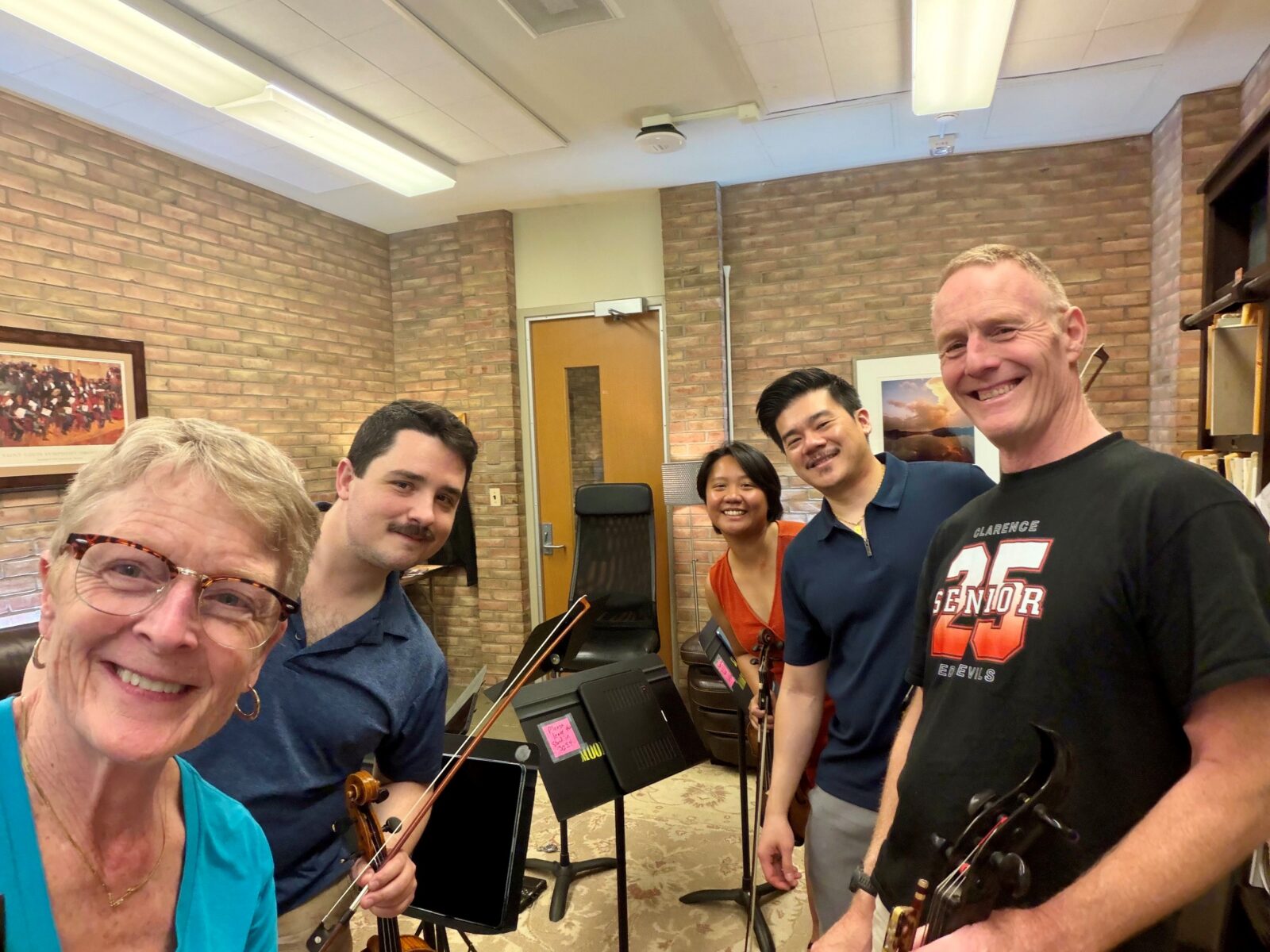
Around the World with ACMP’s Grants (Home Coaching and Play-in)
Over the last few weeks we have been asking members, participants, and organizers to tell us how our rolling grants have been useful to them and their communities. So let’s take a trip around the world and see what folks have to say about our Home Coaching and Play in grants.Read More ↗
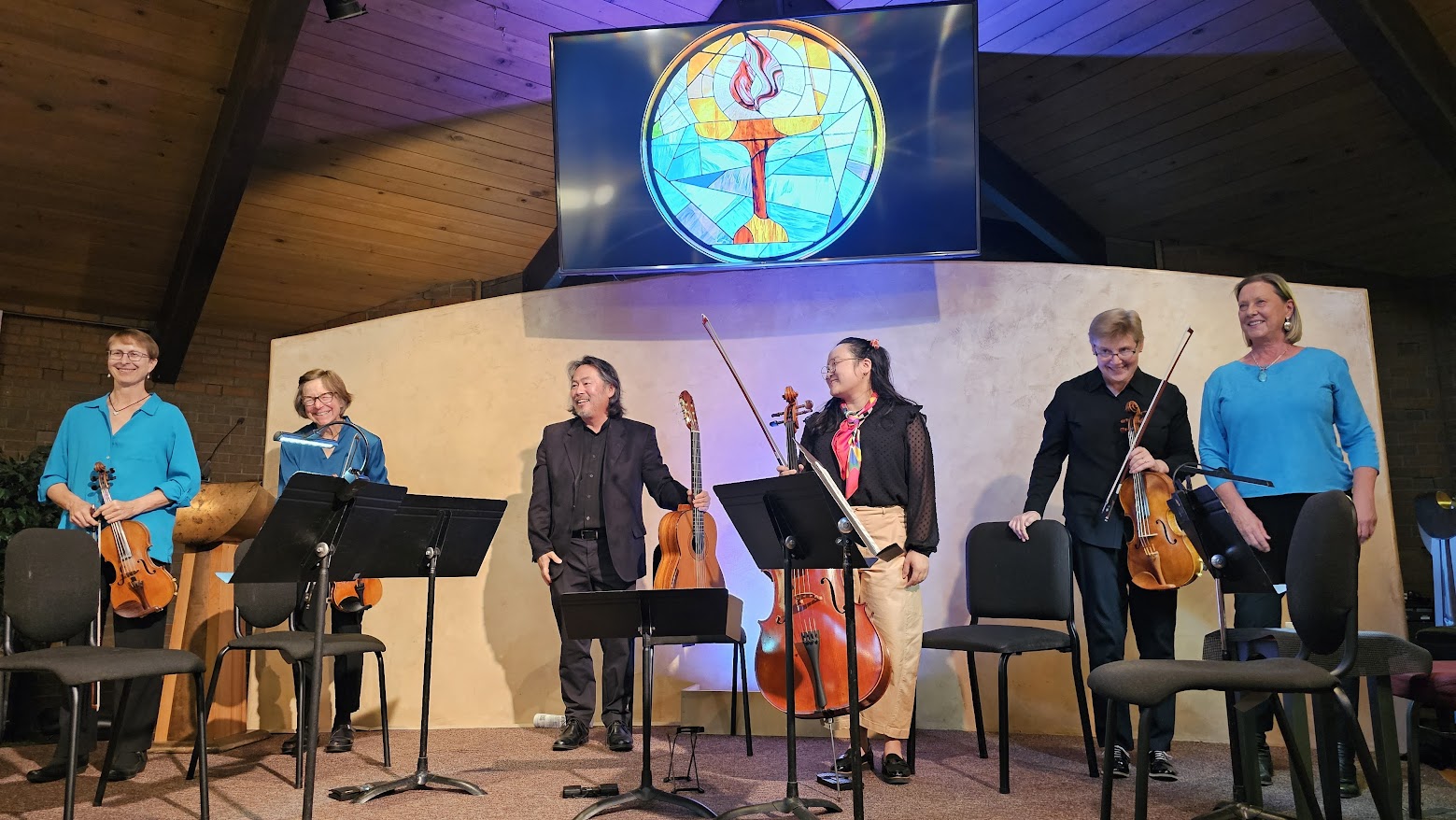
Around the World with ACMP’s Grants (Just Play and Impresario)
This summer, we’re hearing from ACMP members, participants, and organizers about how Just Play and Impresario grants have supported chamber music in New York, Italy, Canada, Colorado, and beyond.Read More ↗
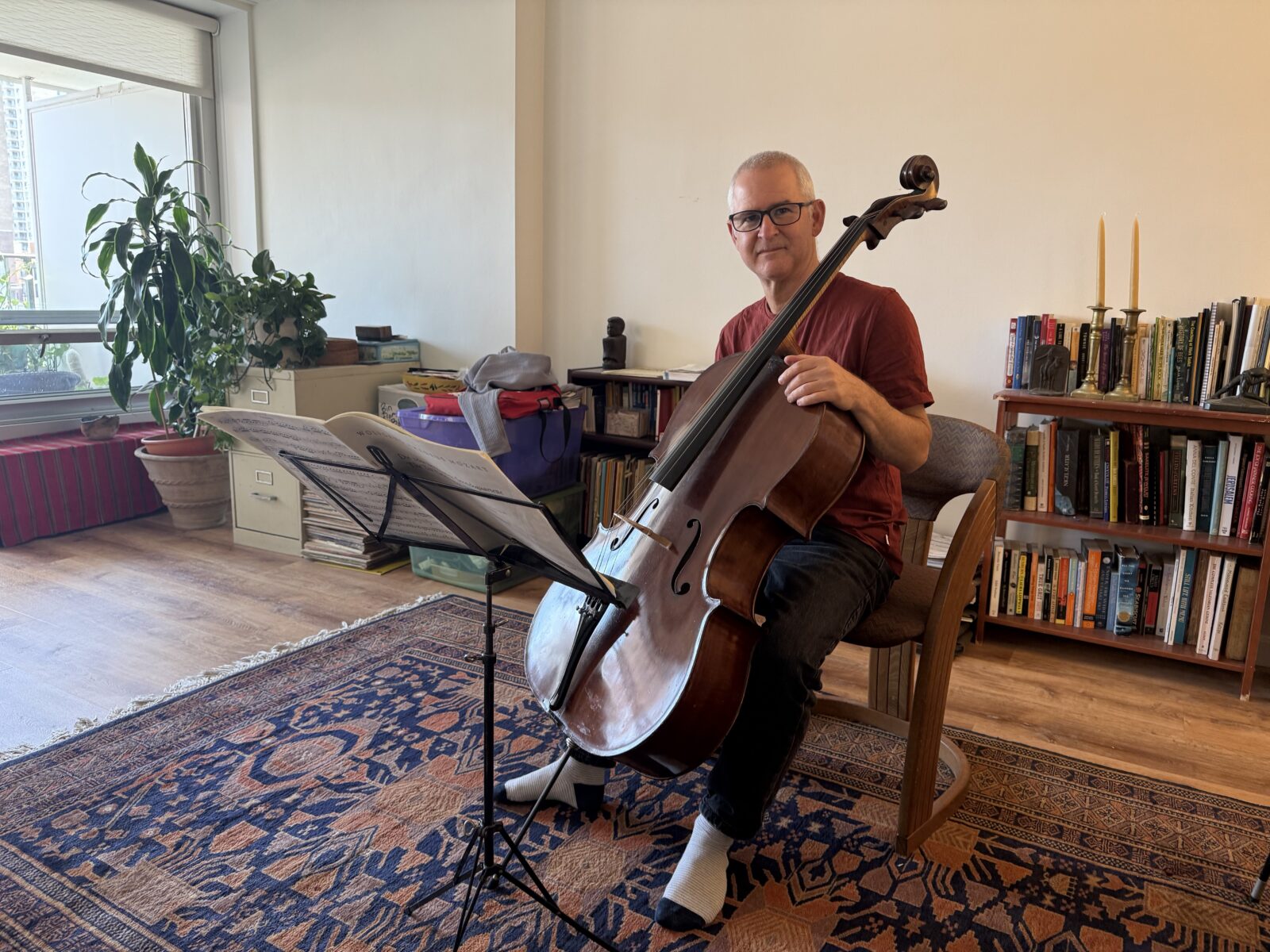
ACMP Member of the Month, June 2026: Yoav Segev, the flying cellist returns
It’s probably easy to spot Yoav Segev at the airport. He’s the guy in the pilot’s uniform with the cello on his back. Yoav, you see, is the Flying Cellist, a globe-trotting pilot for El Al Israel Airlines who plays chamber music during his layovers in far-off destinations. Read Bob Goetz's interview with Yoav.Read More ↗
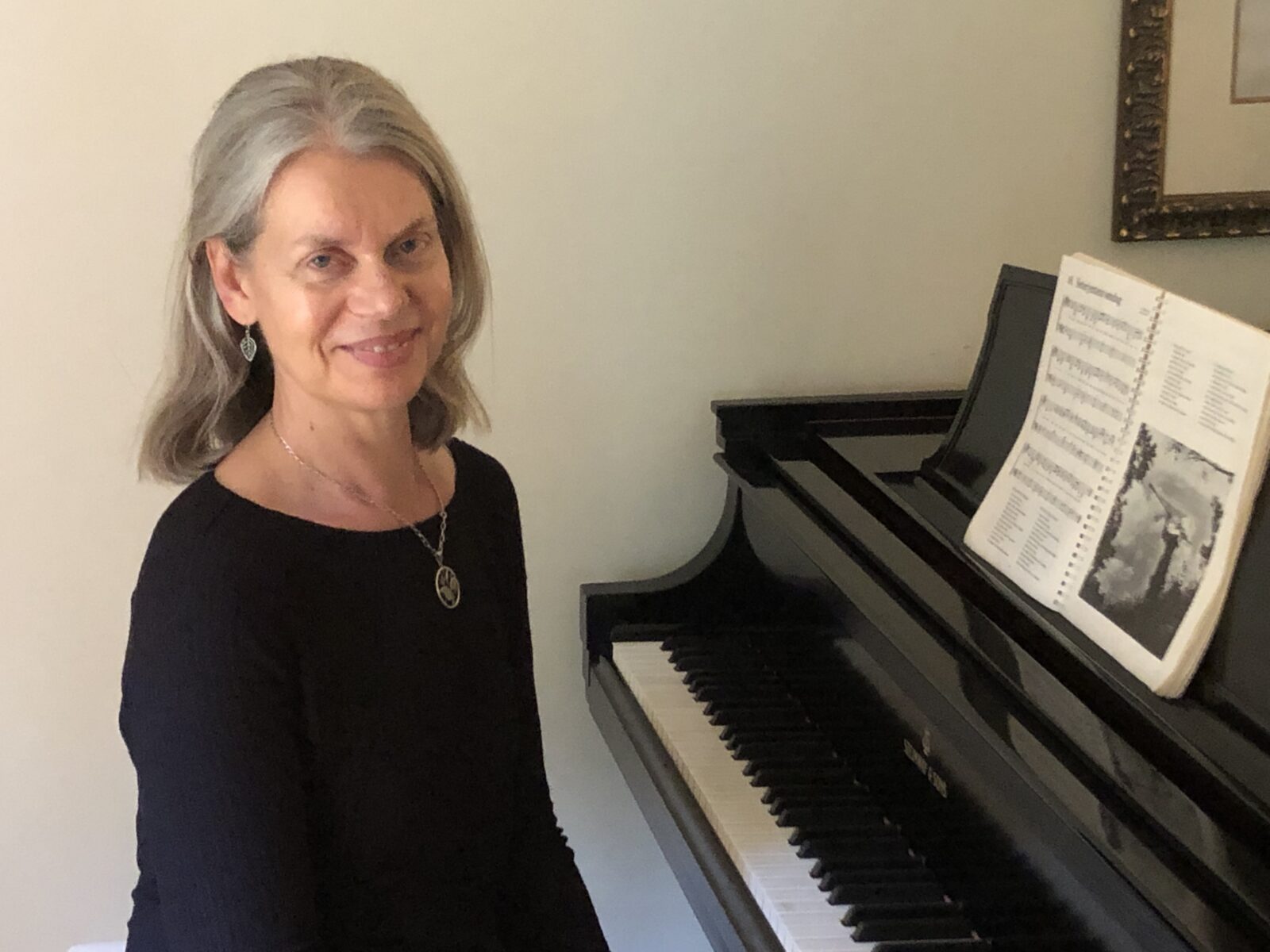
International Spotlight: Kristin Saltonstall in Panama
Kristin Saltonstall comes from a longstanding ACMP family and has been a member of ACMP for as long as she can remember. As a molecular ecologist, she works for the Smithsonian Tropical Research Institute in Panama, where she has forged a new musical life for herself and enjoys the natural beauty that Panama has to offer.Read More ↗
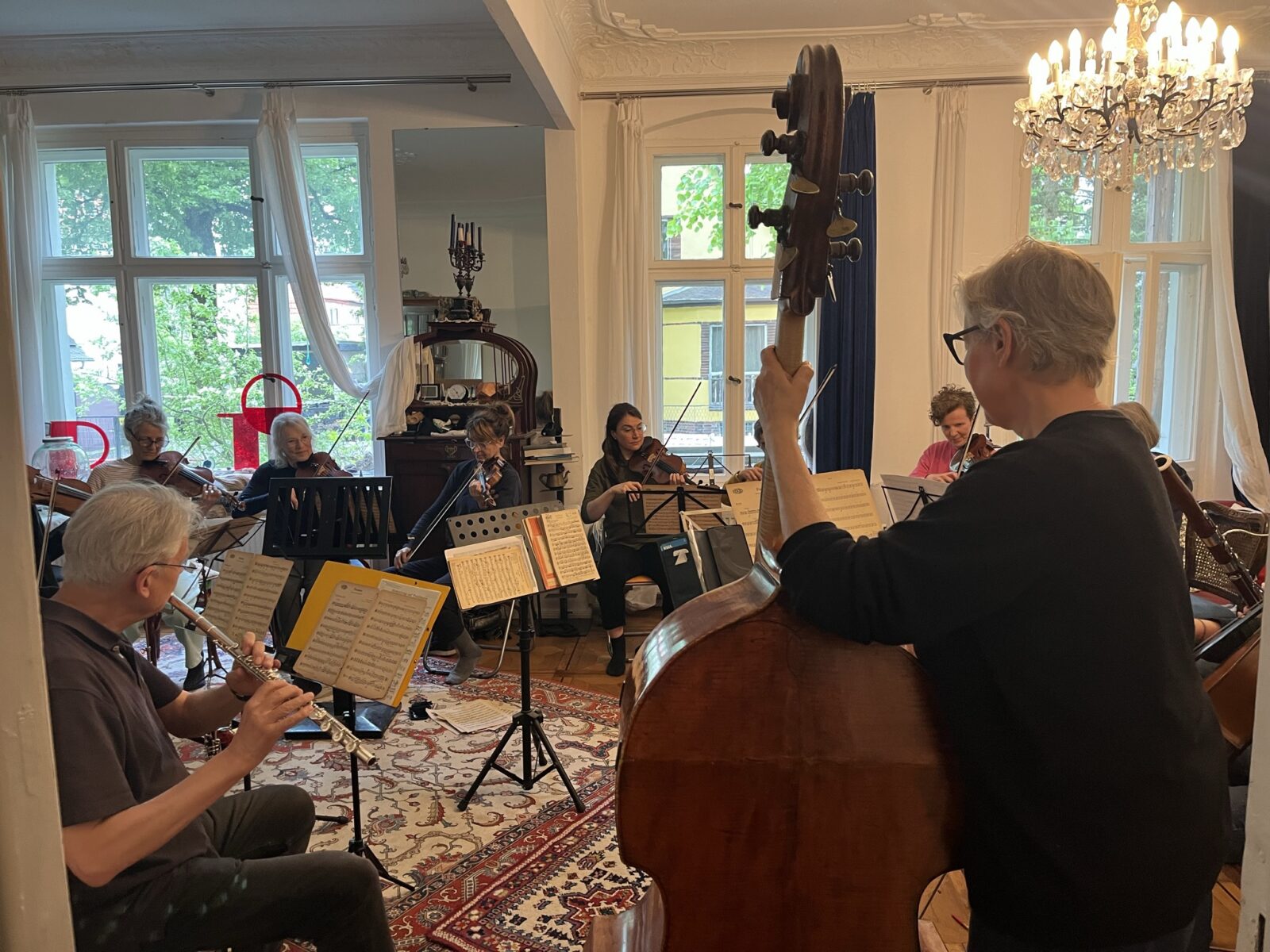
Springtime Extravaganza Light Music Orchestra on May 9, 2026, in Berlin-Karlshorst
Fifteen musicians followed Gudrun Schnellbacher's invitation to a very special kind of play-in – to play in the Springtime Extravaganza Light Music Orchestra. Read the article in English or in German.Read More ↗
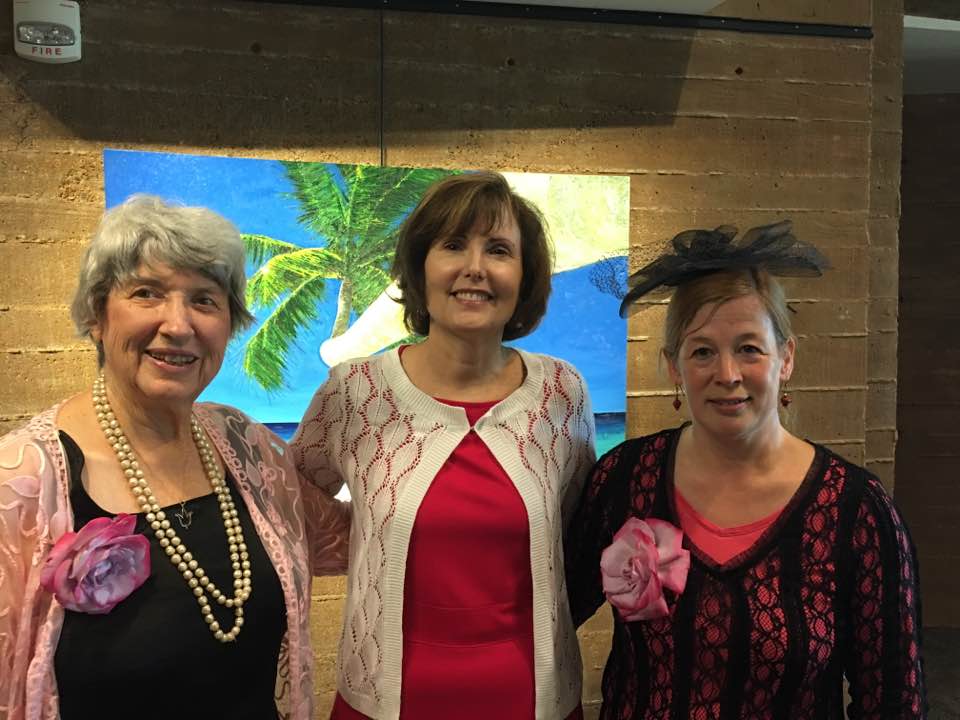
Remembering Pianist Fontaine Laing
Janet White Remembers her friend, and longtime ACMP member pianist Fontaine Laing.Read More ↗
News of Note 2026
It’s that time of year again! The web version of the 2026 News of Note is live, featuring updates from the past our Strategic Plan, and some fun extras, including everyone’s favorite: a new puzzle!Read More ↗
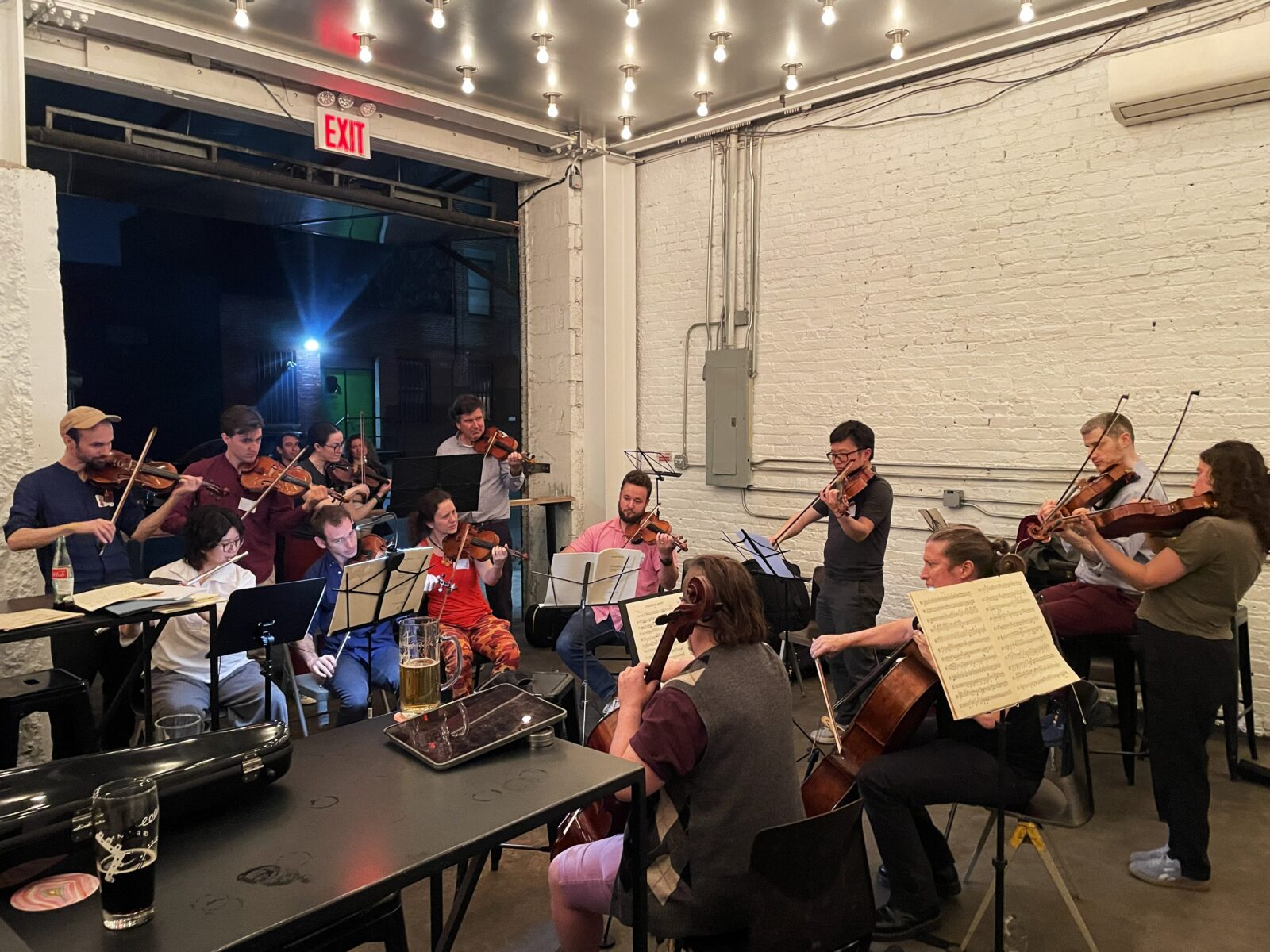
How to Find Players and Build your ACMP Community
There is a time in every player’s musical life when you realize that you want to play more, but not quite sure with whom or where to even begin. Here are some ways to get started and begin building a community around you.Read More ↗
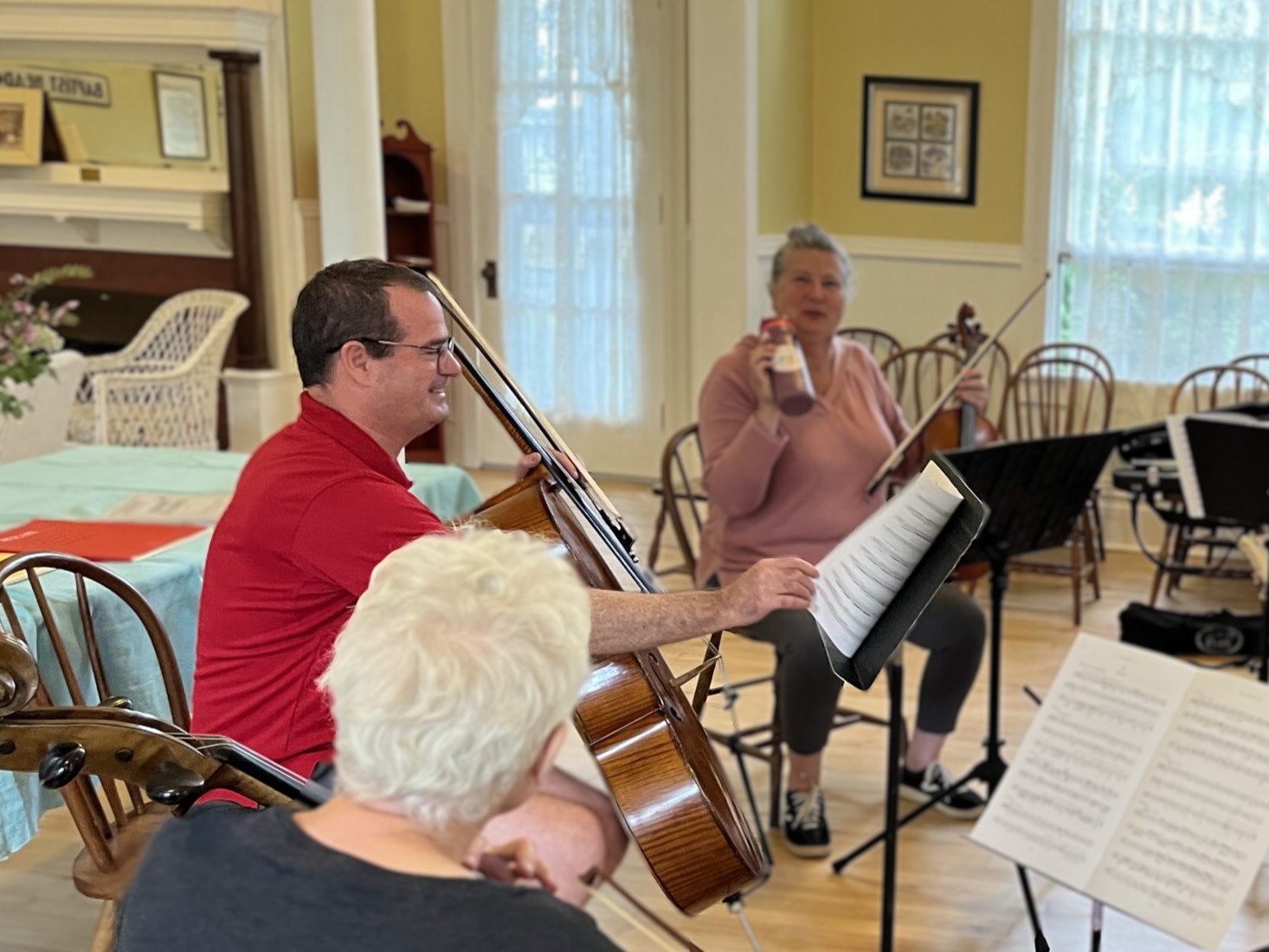
Member of the Month: Amit Rotem
By day, Amit Rotem works as a child psychiatrist specializing in youth addictions at the Centre for Addiction and Mental Health in Toronto. When he is not there, or with his family, there is a good chance he is playing his cello, with as many willing chamber partners as the calendar will allow!Read More ↗
Load More
All Articles By