An orchestra born out of one woman’s dream

Over the course of its 25 years, the Texas Medical Center Orchestra has earned national acclaim in becoming a fixture of the Houston musical community.
But how it got to this point can be traced to the vision of one woman—Libi Lebel, who moved to the Houston area in the late 1990s as an aspiring conductor and simply wanted to find a group to lead.
She had studied piano at Juilliard as an undergraduate, then found her passion for conducting during her graduate years studying at the Westminster Choir College and directing the Princeton University Sinfonia.
It was after moving to Houston when she remembered seeing an ad for a doctors’ orchestra in Philadelphia.
Why not apply the same idea in Houston? She was 26.
“I spoke to the dean of the University of Texas Medical School,” she said. “I said I wanted to start an orchestra.”
She then listed what she would need: “I said I needed free space, free parking, free photocopying, and I need you to send an email to the entire Houston Medical Center saying I’m hosting auditions.
“He said yes, yes and yes.”
About 100 people showed up to audition. In one afternoon, she had a full orchestra, including doubles on the winds.
“There were too many of these doctors who just wanted to play,” she said. “I accommodated them.”
Today, the Texas Medical Center Orchestra has about 75 regular musicians and is one of the nation’s leading community orchestras. For six of the past eight years it has won the American Prize, earning special recognition for performances of works by American composers.
Along the way, the orchestra has expanded its mission to include education, charitable outreach and chamber performances in hospitals.
Last year TMCO had about 80 chamber ensemble concerts, with many taking place in hospitals.
Music and medicine
None of this happens without the deep well of musical talent in the Houston medical community.
In a broader sense, the Texas Medical Center Orchestra is another example of the connection between music and medicine.
Alexander Borodin, the 19th century composer of symphonies and string quartets, was a medical doctor and chemist. Theodore Billroth, a famed surgeon and accomplished violist, was a close friend of Johannes Brahms, who dedicated the first two string quartets of Opus 51 to Billroth.
“Science and music scoop from the same well,” Billroth once said.
Then there are the many community orchestras that draw from the medical field. Philadelphia has several such orchestras, and there’s also the Yale Medical Symphony Orchestra, the Doctors Orchestral Society of New York, and the World Doctors Orchestra, to name a few. There is even a National Association of Medical Orchestras, which lists about 40 groups.
Lebel has seen the connection between medicine and music play out among her orchestra members.
“There is a creative aspect that doctors are very much into,” she said. “It also takes a lot of dedication and ambition to really practice. The act of practicing for adults, unless they make a living in music, is difficult.”
Dr. Daniel Musher, a violinist, is one such musician. He was a founding member and served as concertmaster for many years. He played in the orchestra until a few years ago and still practices medicine, specializing in infectious diseases and serving on the faculty of the Baylor College of Medicine.
Musher credits the orchestra’s success to Lebel’s ambition, energy and talent. It’s no accident, he said, that she took third prize out of 170 entrants in 2023 in the International Orchestra’s Conductor Competition in Romania.
“She really is passionate about the music,” Musher said. ‘A fair amount of the time she conducts without the score.”
The orchestra
The result is a thriving orchestra that performs four to five times a year. One concert is outdoors, at the Miller Outdoor Theater, with the rest held at Zilkha Hall in the Hobby Center for the Performing Arts.
The orchestra practices every Wednesday, with seven to eight rehearsals per concert.
“I don’t have to beg people to come,” she said. “They just come.”
About 10 members have been with the orchestra since the beginning.
Perhaps one reason is Lebel’s ambitious programming. Thanks to the orchestra’s size, it can perform larger works like the Mahler or Bruckner symphonies.
“We have 10 cellos, 12 violins in each section,” she said. “It’s a full-size orchestra.”
Lebel also brings creativity to her programming.
Last fall, one concert, “Voice of Resilience,” highlighted the struggles of homelessness and mental illness. A composition by Max Vinetz was commissioned, and the program also featured Symphony No. 4 by Pyotr Ilyich Tchaikovsky, who coped with depression and mental illness.
The whole venture makes for a continuous need to raise funds, Lebel said. Staging one concert at the indoor venue and paying a soloist can cost $25,000.
Even with the cost, the TMCO board keeps the dues modest, around $100 a year.
For the rest, Lebel looks anywhere and everywhere for funds, including grants from the Texas Commission on the Arts and the Houston Arts Alliance.
The orchestra’s biggest fundraiser is an annual bicycle race. Known as the Gran Fondo, it’s also a fundraiser for the National Multiple Sclerosis Society—a charity that is close her since her father has fought MS for many years. The ride is in its 12th year and covers 90 miles outside Houston. About 3,000 people participate.
Today, as the orchestra celebrates its 25th anniversary, Lebel, who has three children with her husband, Neville Fleishman, can reflect on what she and the orchestra have achieved.
“I started the orchestra thinking it would be a starting gig,” she said. And her journey is not over.
More Articles
Chamber Music Lifestyles: Vancouver
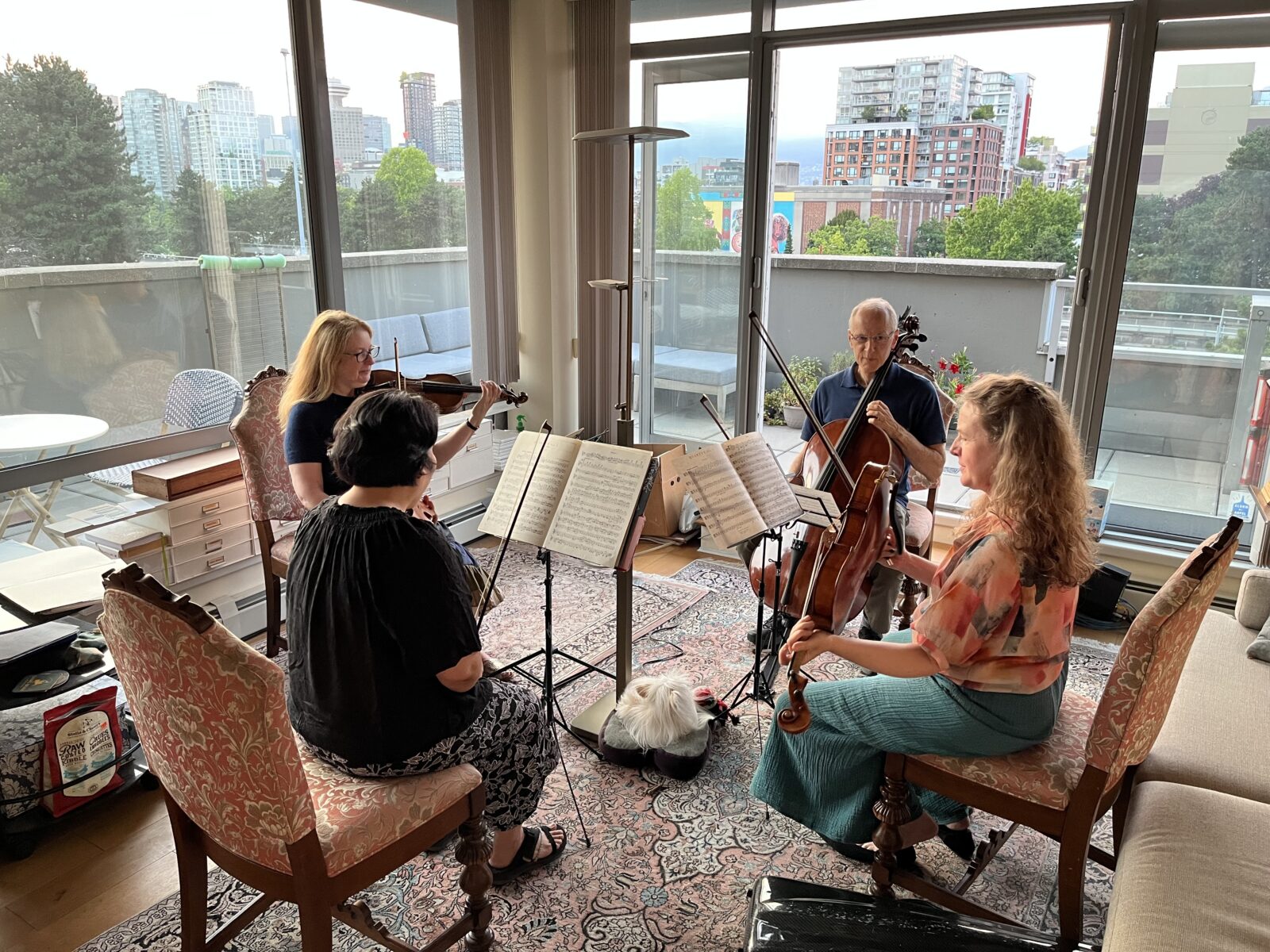
Vancouver, Canada has a vibrant adult amateur chamber music scene, thanks to ACMP's local NAOC councilor Christina Wolf. If you've never traveled to Vancouver, add it to your list. Where else could you play chamber music with so many great players (and fun people) while looking at the mountains, and eating and drinking a wide variety of local delights?Read More ↗
Member of the Month, September 2026: Marshall Costantino
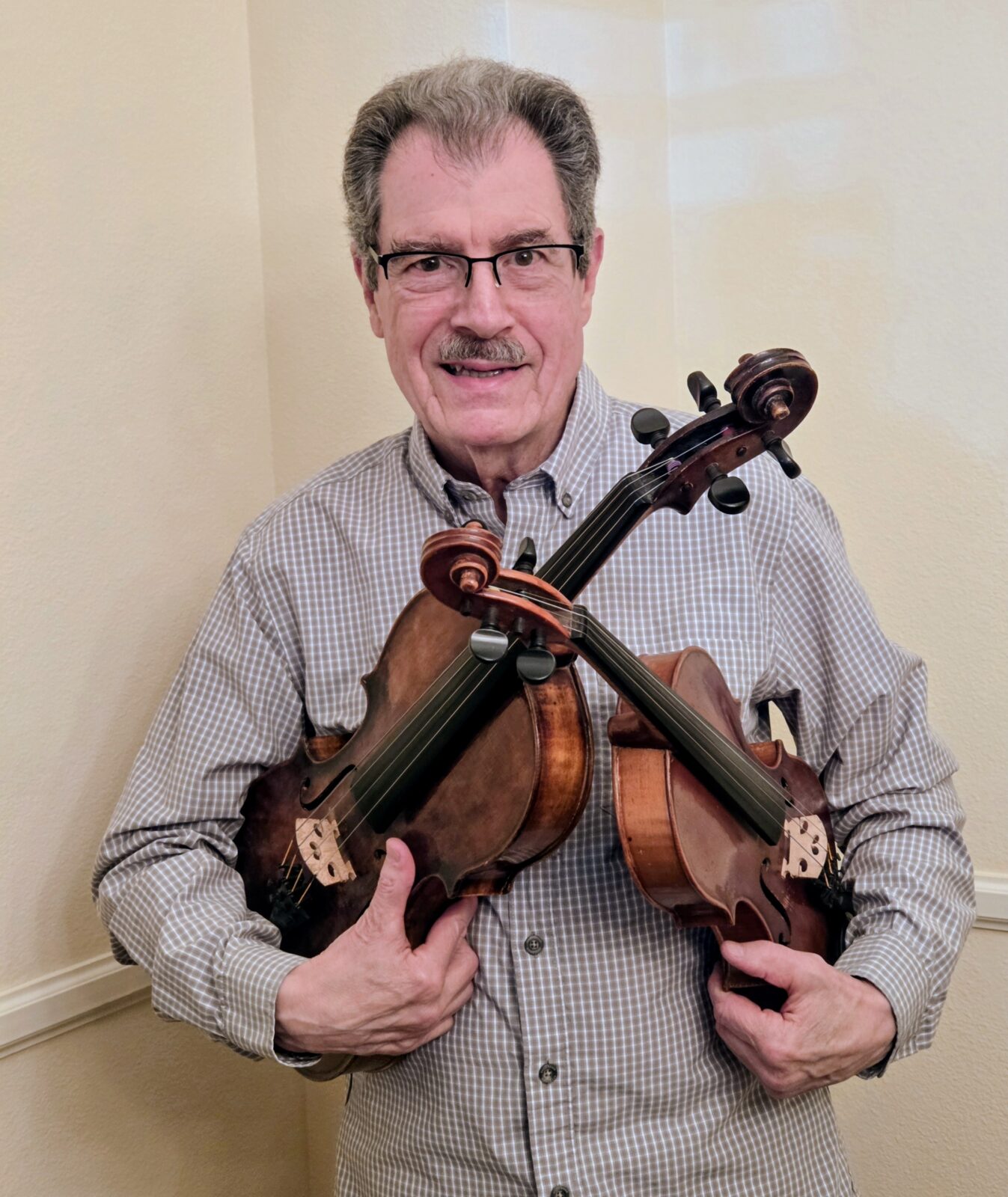
Marshall Costantino learned to play the violin from his Italian grandfather as a young child. After a 42-year hiatus from playing, he is enjoying a new life in chamber music with his neighbor and new friends he met through the ACMP directory.Read More ↗
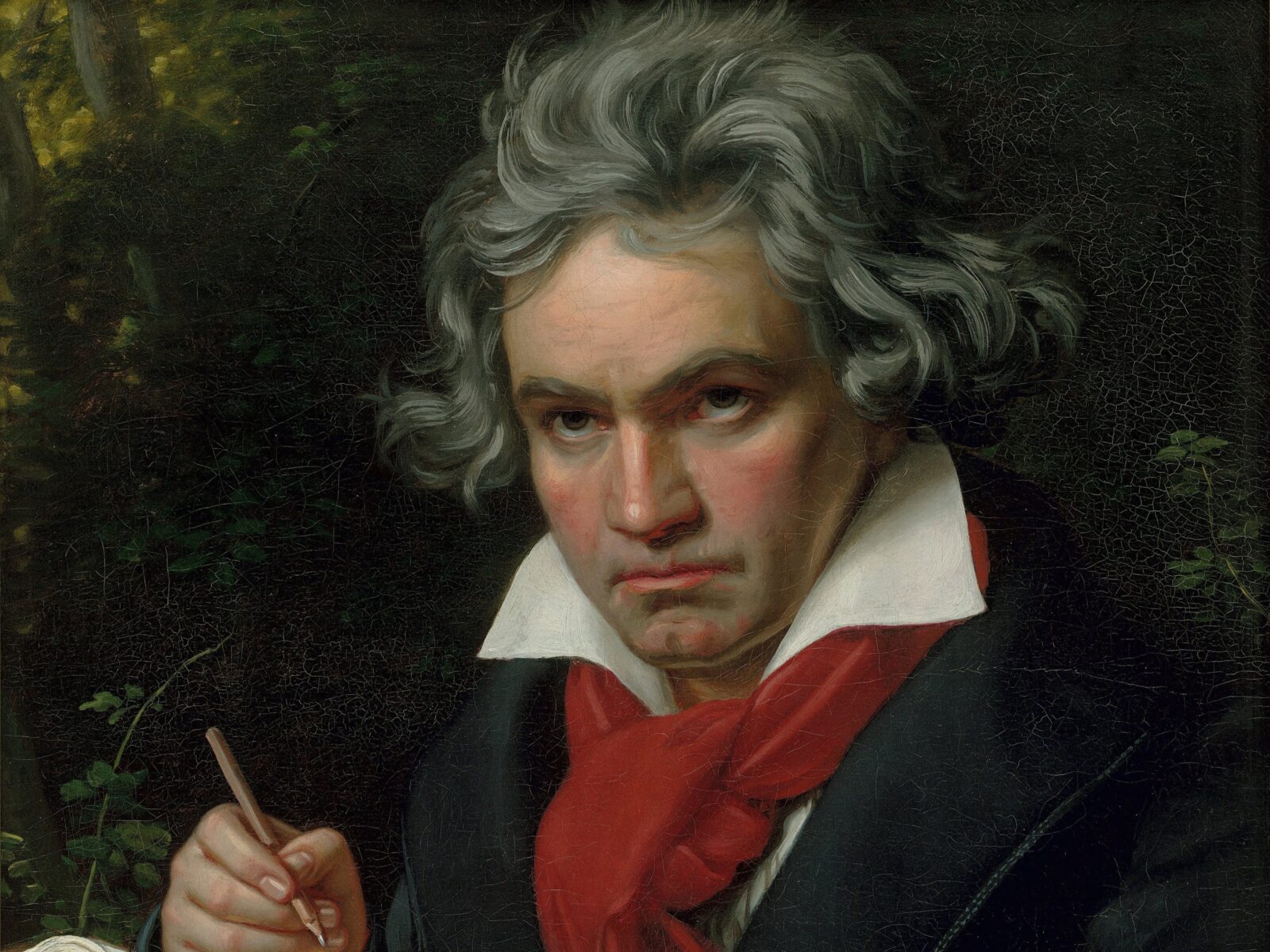
Celebrate Beethoven: MSQ’s Vienna Workshop, January 2027
Travel to Vienna and immerse yourself in Beethoven's world and in his String Quartet Op. 127, under the expert guidance of the Manhattan String Quartet. Register by Monday, September 14 for this unique cultural expedition!Read More ↗
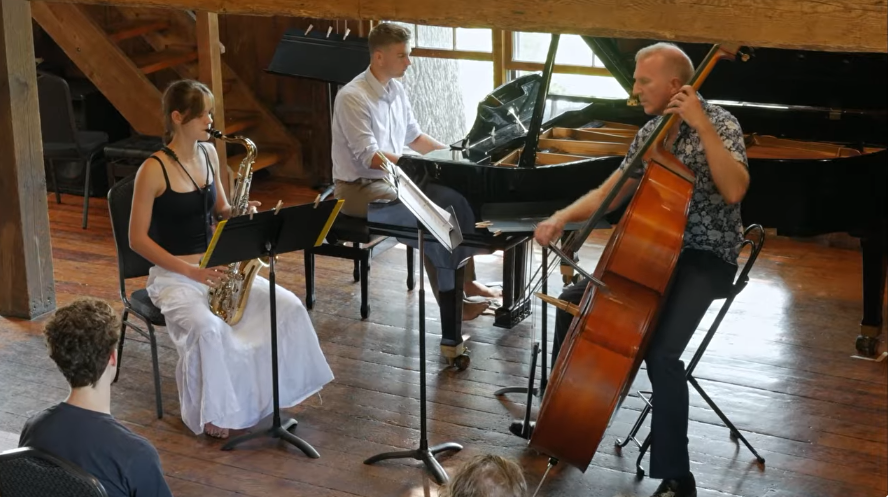
Music and Life at Apple Hill
Vermont-based bassist Art DeQuasie was one of the inaugural recipients of an ACMP Scholarship this summer. Read about his experience at the Apple Hill Center for Chamber Music in August 2026.Read More ↗
Explore New Worlds of Chamber Repertoire
Music educators have been working to find music by underrepresented composers that is accessible to students and amateur players of all levels. This includes music by composers of color, women composers, and LGBTQ groups, among others. Considering the changing demographics of our country, amateur chamber music players can reap the rewards of discovering new repertoire through this research.Read More ↗
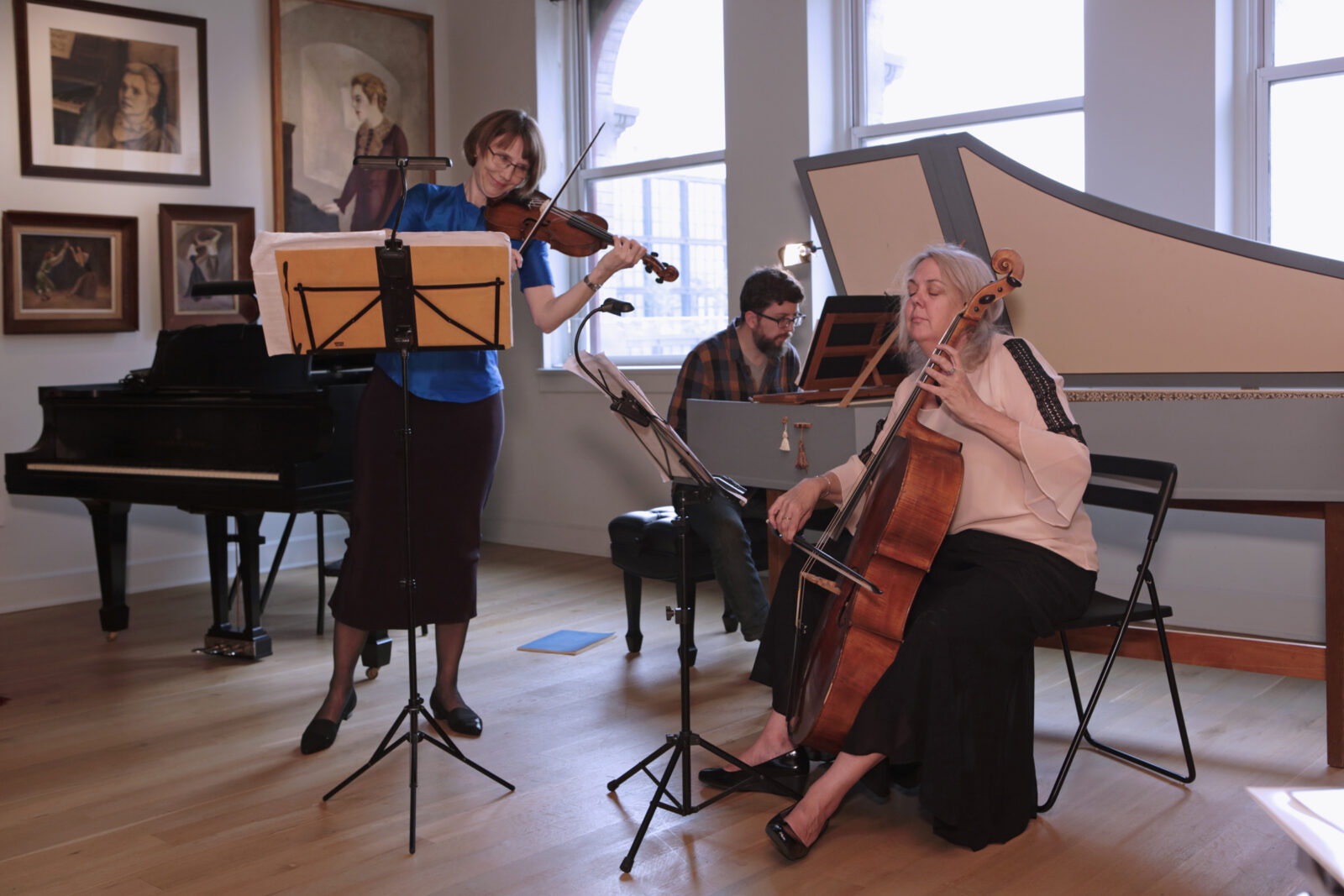
Meet ACMP’s Development Consultant, Amie Roosevelt
Amie Roosevelt joined ACMP's staff as our first-ever Development Consultant in January 2026. She has enjoyed a long and varied career as a violinist, with a primary focus on historically informed performance. I hope you all will meet and even get to play with Amie. But until you do, you can get to know her and her fascinating story by reading this interview from August 12, 2026.Read More ↗
Make Chamber Music Part of Your Fall at 92NY
For many musicians, chamber music is as much about connection as it is about repertoire—the shared experience of listening, collaborating, and discovering new musical perspectives together. At the 92NY School of Music, two chamber music programs offer welcoming entry points into that experience this fall: Chamber Music Reading and Chamber Music Coaching & Performance. Whether you’re picking up your instrument again, looking to meet fellow players, or hoping to deepen your ensemble work, both programs are designed to bring musicians together in a supportive and engaging environment.Read More ↗
Member of the Month, August 2026: Alison Edwards
There aren’t too many people who come to a professional crossroads before they turn 13. But Alison Edwards faced such a moment. She had taken up the violin at age seven with none other than Dorothy DeLay as her teacher. But indeed, Alison had another calling. Inspired by social justice movements of the 1960s, she became a civil rights lawyer, eventually serving in the appellate division of the Cook County Public Defender’s office. After 25 years working and raising a family, she picked up her violin again and launched on a lifelong chamber music adventure.Read More ↗
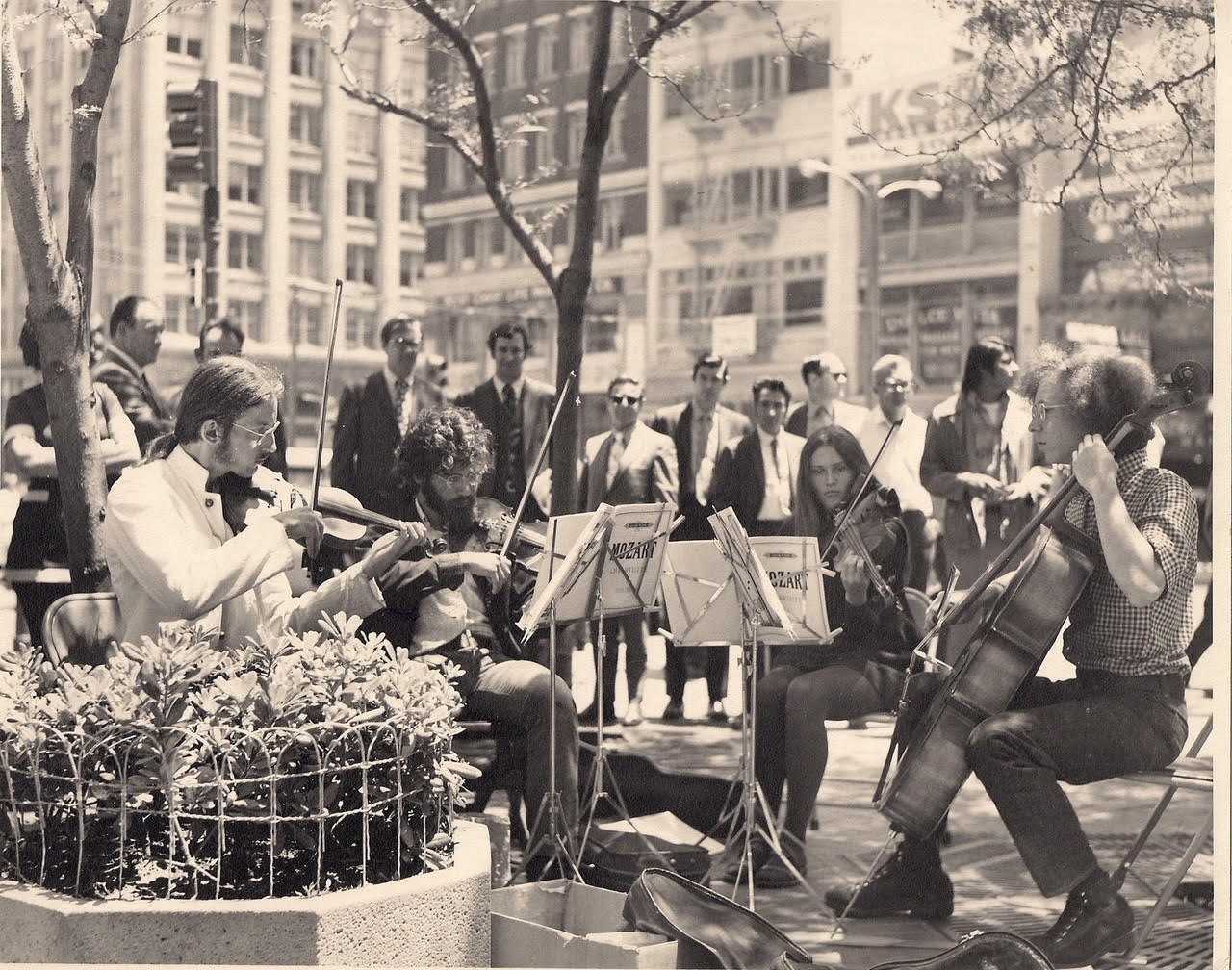
After 56 Years, the Bond of Chamber Music Endures
Cellist David Pearl and violinist/violist Gary Chanan played quartets together in the streets of San Francisco in the early 1970s. 56 years later they are playing together again in New York City...they reconnected through ACMP!Read More ↗
Coffee Shop Performances, Coffee-infused Repertoire
ACMP's intrepid cellist Tom Cappaert is at it again - this time with a story about ACMP members in Ecuador and Spain who organized chamber music in coffee shops, inspired by Tom's endeavors.Read More ↗
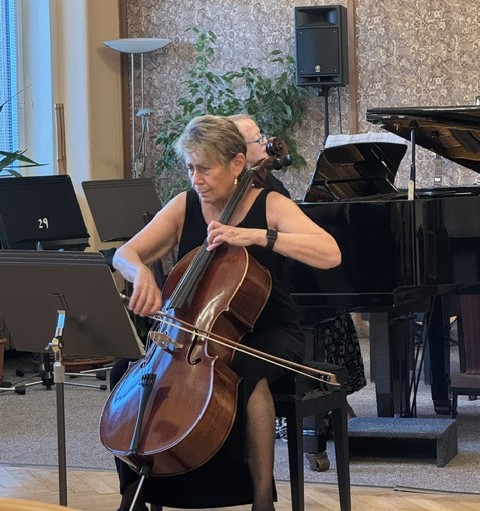
Member of the Month, July 2026: Sara Langbert
A self-proclaimed “total New Yorker”, cellist Sara Langbert graduated from Music and Art and continued her musical education at Queens College in her native New York borough. But like many ACMP members, she would put her cello aside as she managed the demands of raising a family and pursuing a career in computers and technology. Now she's playing again and is an enthusiastic member of ACMP.Read More ↗
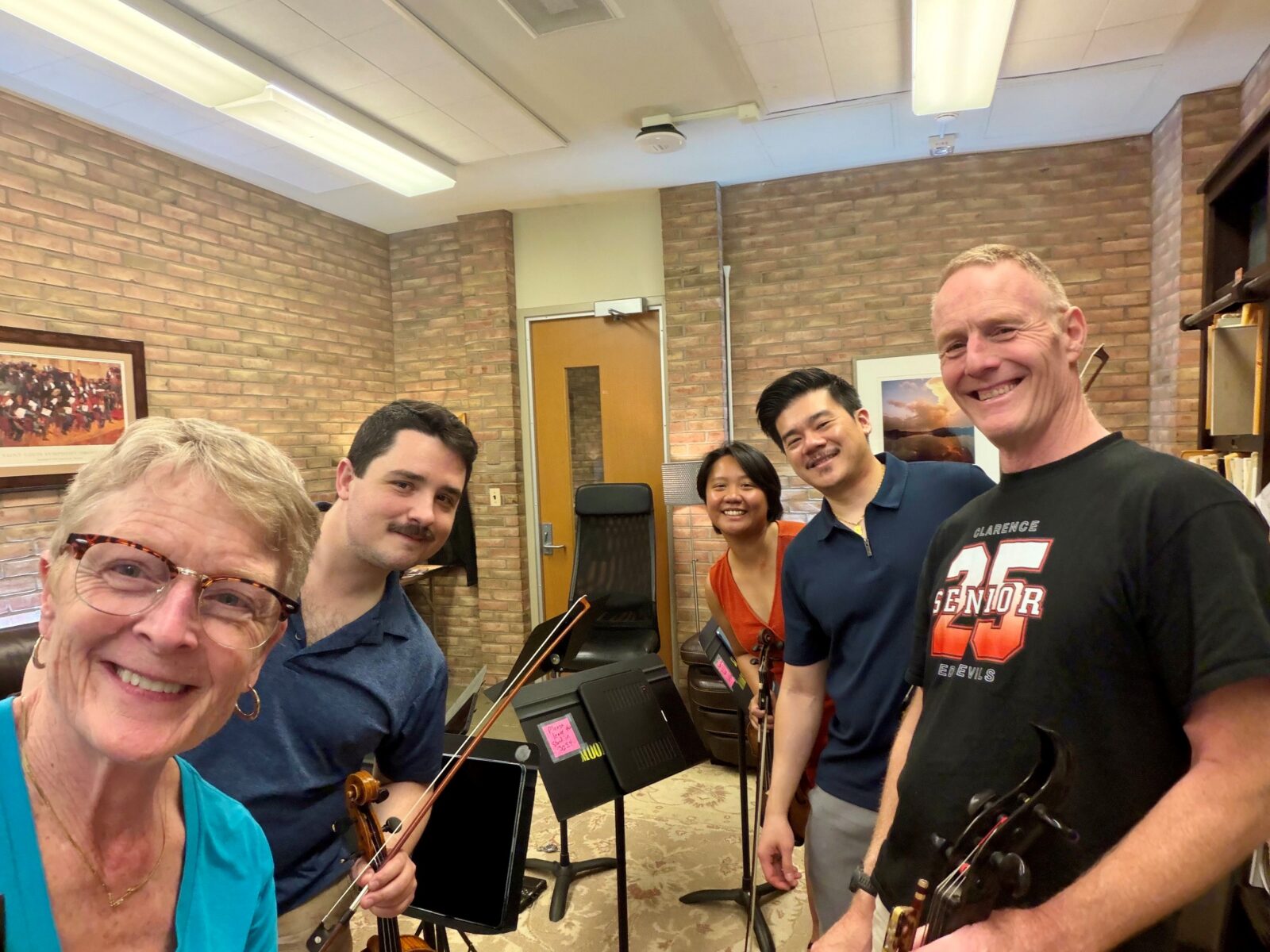
Around the World with ACMP’s Grants (Home Coaching and Play-in)
Over the last few weeks we have been asking members, participants, and organizers to tell us how our rolling grants have been useful to them and their communities. So let’s take a trip around the world and see what folks have to say about our Home Coaching and Play in grants.Read More ↗
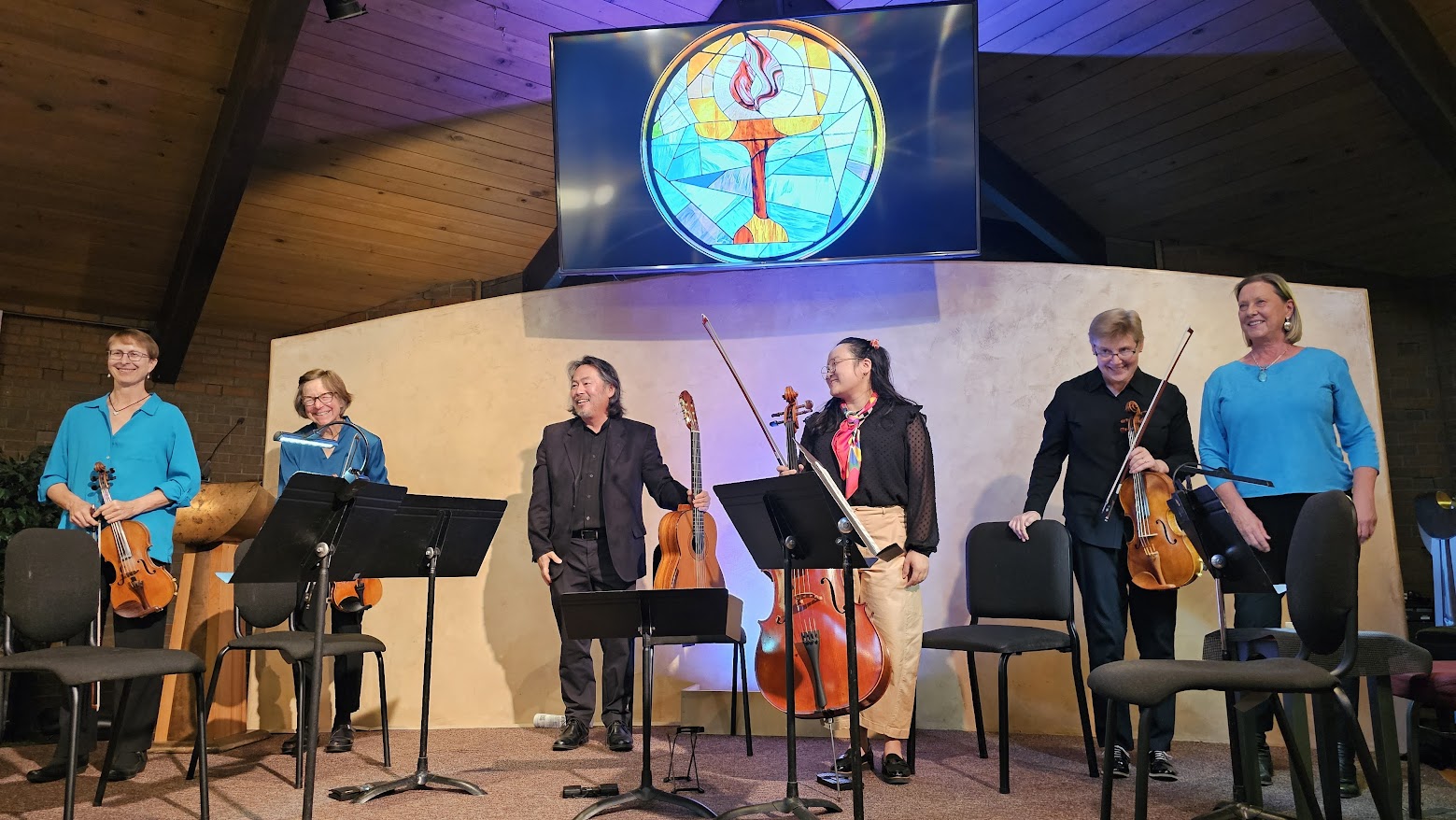
Around the World with ACMP’s Grants (Just Play and Impresario)
This summer, we’re hearing from ACMP members, participants, and organizers about how Just Play and Impresario grants have supported chamber music in New York, Italy, Canada, Colorado, and beyond.Read More ↗
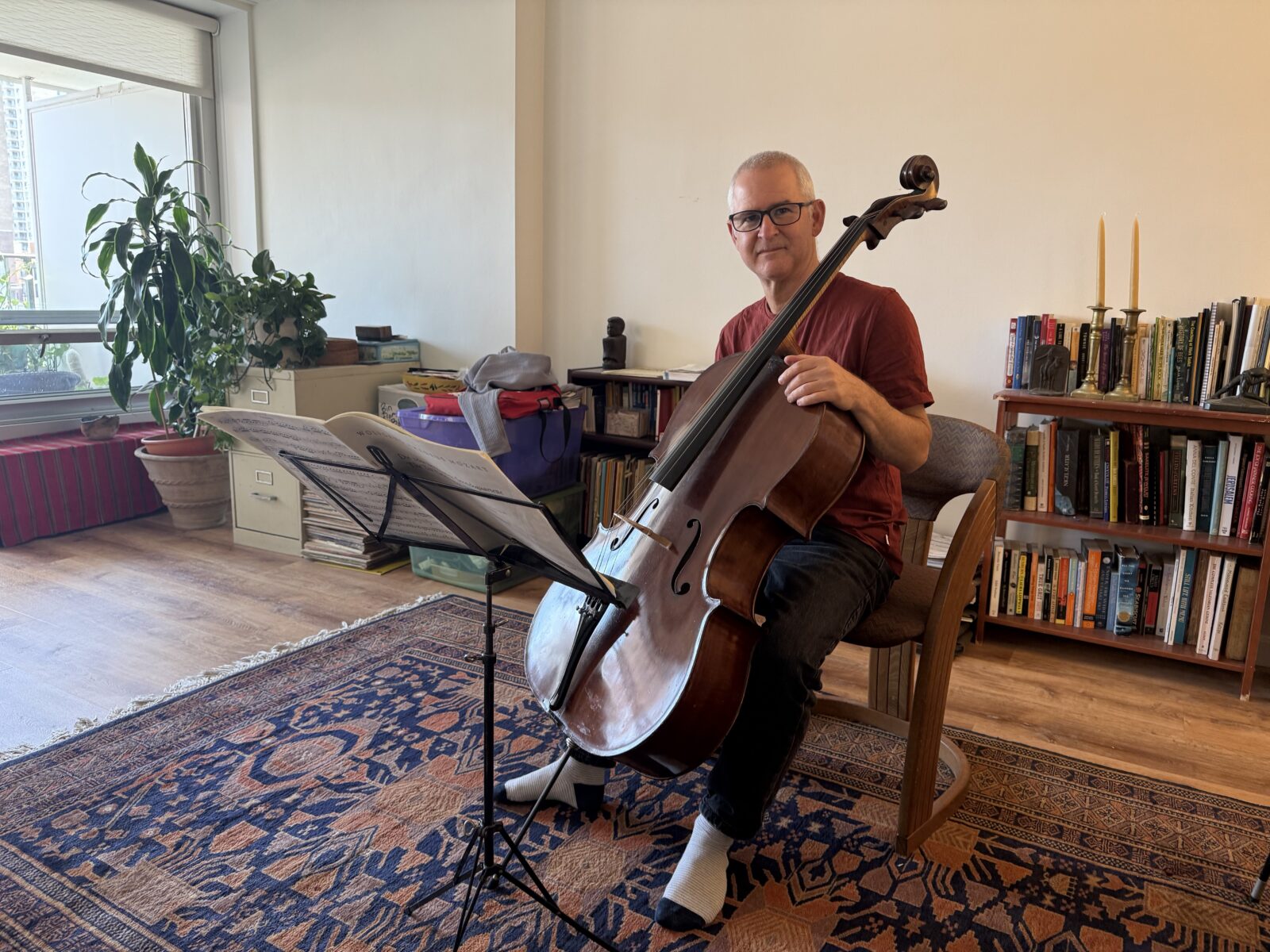
ACMP Member of the Month, June 2026: Yoav Segev, the flying cellist returns
It’s probably easy to spot Yoav Segev at the airport. He’s the guy in the pilot’s uniform with the cello on his back. Yoav, you see, is the Flying Cellist, a globe-trotting pilot for El Al Israel Airlines who plays chamber music during his layovers in far-off destinations. Read Bob Goetz's interview with Yoav.Read More ↗
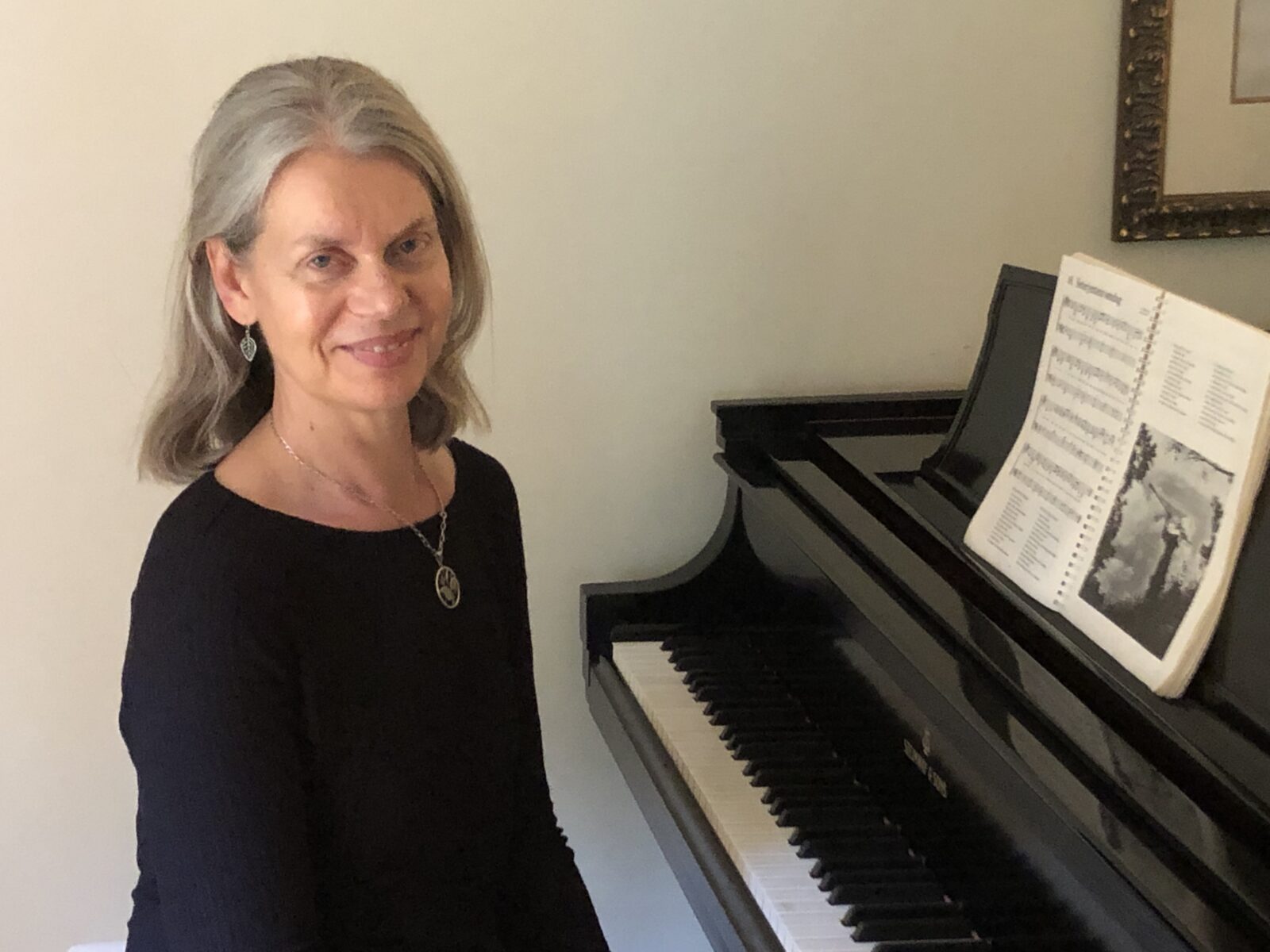
International Spotlight: Kristin Saltonstall in Panama
Kristin Saltonstall comes from a longstanding ACMP family and has been a member of ACMP for as long as she can remember. As a molecular ecologist, she works for the Smithsonian Tropical Research Institute in Panama, where she has forged a new musical life for herself and enjoys the natural beauty that Panama has to offer.Read More ↗
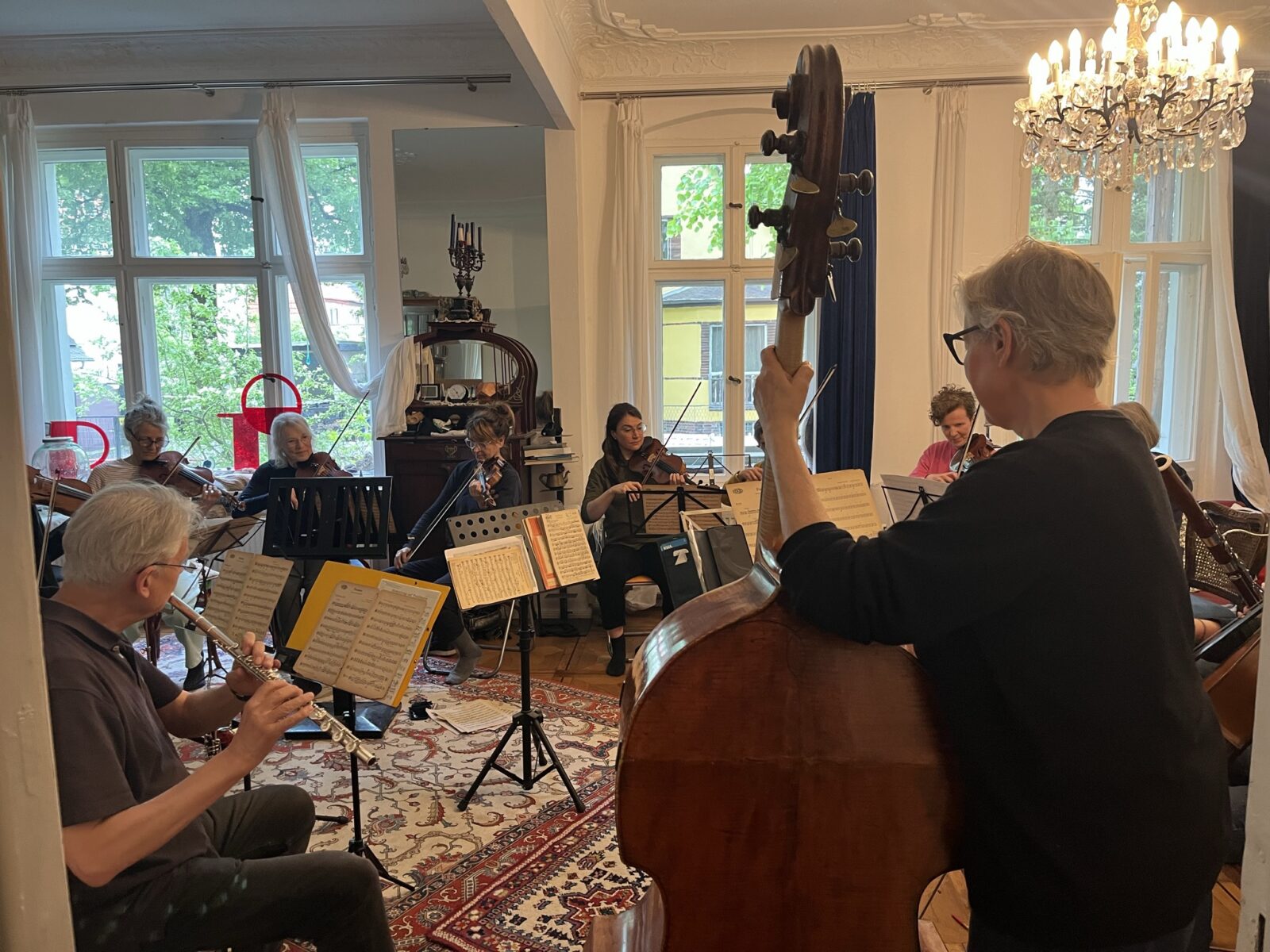
Springtime Extravaganza Light Music Orchestra on May 9, 2026, in Berlin-Karlshorst
Fifteen musicians followed Gudrun Schnellbacher's invitation to a very special kind of play-in – to play in the Springtime Extravaganza Light Music Orchestra. Read the article in English or in German.Read More ↗
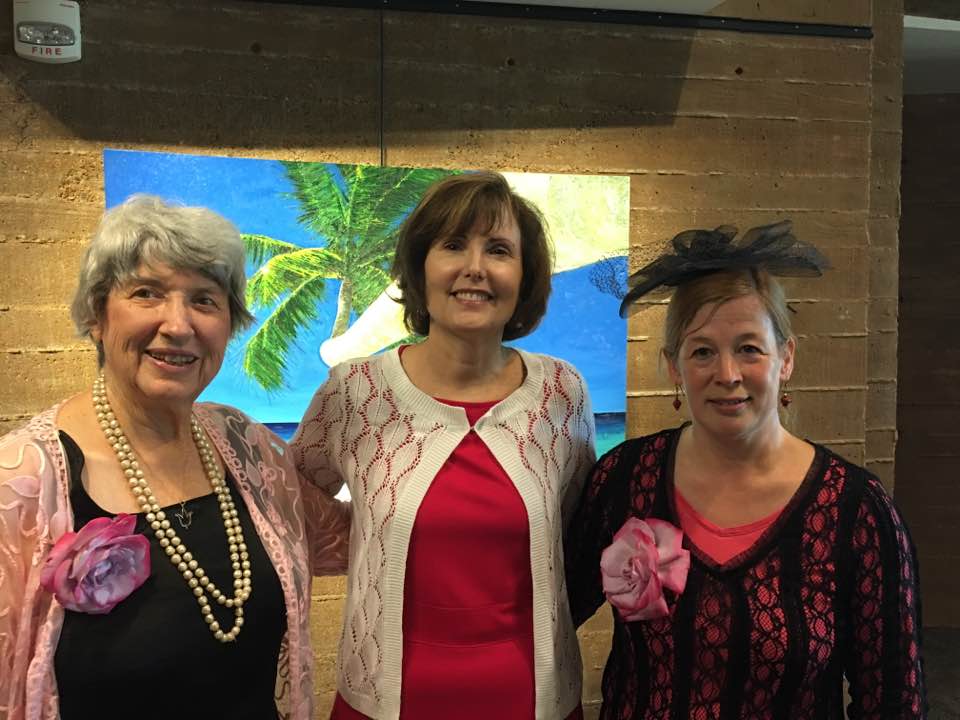
Remembering Pianist Fontaine Laing
Janet White Remembers her friend, and longtime ACMP member pianist Fontaine Laing.Read More ↗
News of Note 2026
It’s that time of year again! The web version of the 2026 News of Note is live, featuring updates from the past our Strategic Plan, and some fun extras, including everyone’s favorite: a new puzzle!Read More ↗
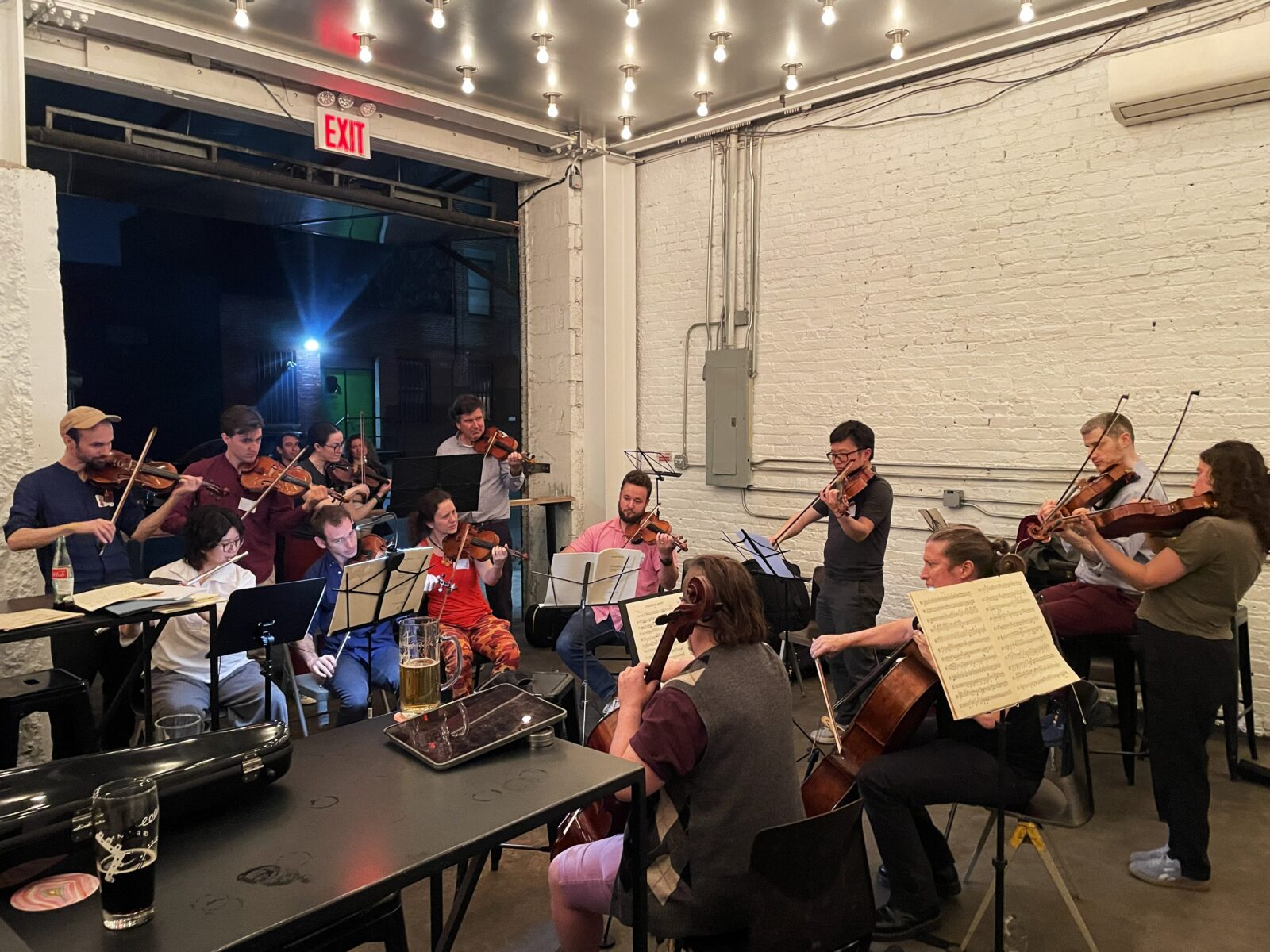
How to Find Players and Build your ACMP Community
There is a time in every player’s musical life when you realize that you want to play more, but not quite sure with whom or where to even begin. Here are some ways to get started and begin building a community around you.Read More ↗
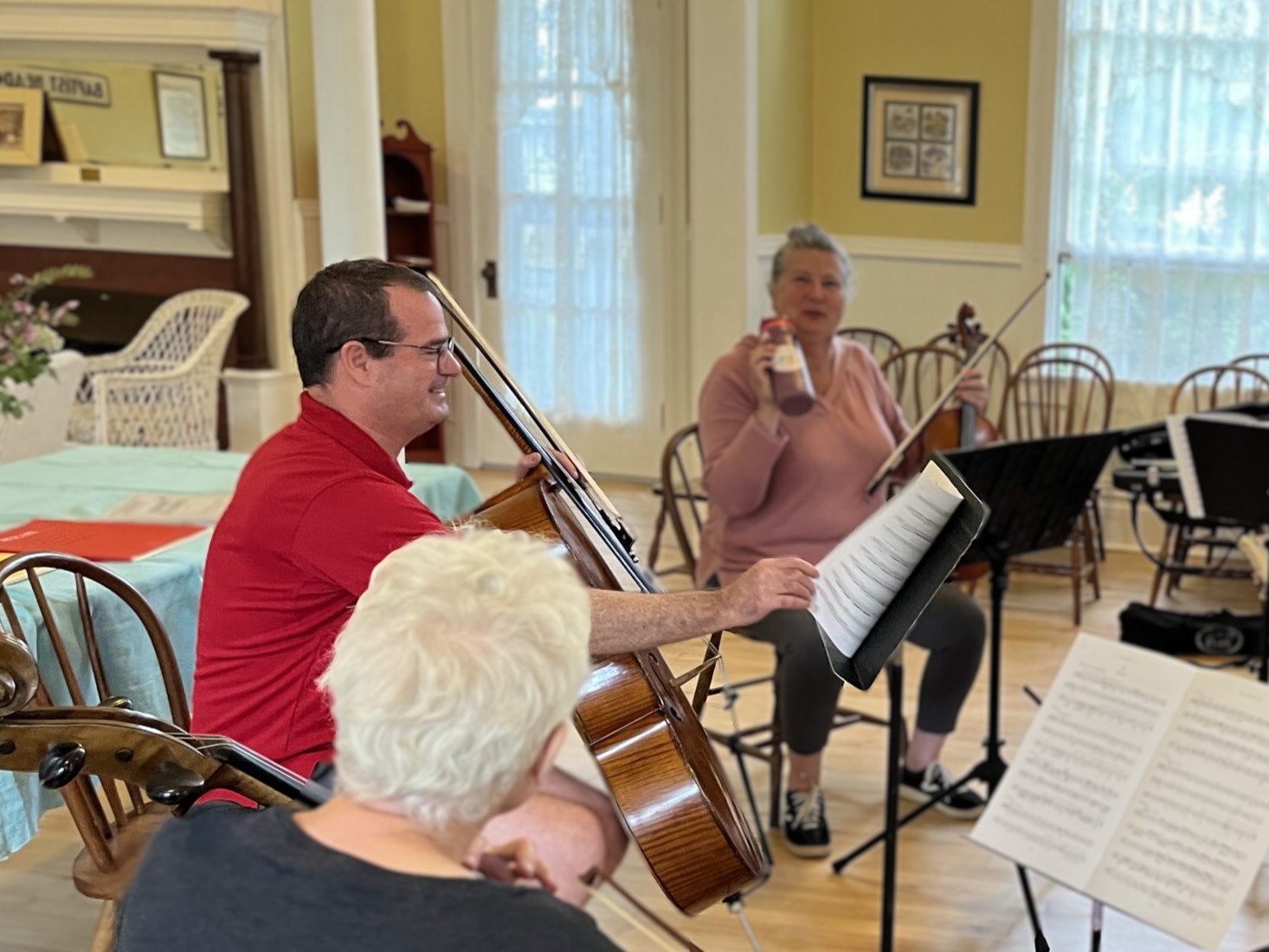
Member of the Month: Amit Rotem
By day, Amit Rotem works as a child psychiatrist specializing in youth addictions at the Centre for Addiction and Mental Health in Toronto. When he is not there, or with his family, there is a good chance he is playing his cello, with as many willing chamber partners as the calendar will allow!Read More ↗
Load More
All Articles By