Meet ACMP Pianist and Educator James Daly

You may have been wondering about the people I featured in my mockups for ACMP’s new Timbre app-in-progress. AI was not involved in any way – all those people are real members of ACMP with profiles in our Directory of Chamber Musicians. I am always amazed at the amazing people in our directory, who will be even easier to find and “save for later” in the new app. Speaking of which – there are two days left in February, and anyone who makes a donation to ACMP this month will have exclusive first access to the app, the opportunity to test it and offer feedback – and – a special badge in the app once it is fully developed and released.
Show ACMP some love this February
Meanwhile, the California-based pianist and educator James Daly is the man in the header image for my blog article about Timbre. Read all about his path to becoming a musician and educator. I did not know about his powerful story and I must admit – I chose him for his T-shirt!
And now, ACMP members can enjoy a 20% discount on any merchandise in James’ Powerful Piano store. James designs the T-shirts himself – Beethoven, Bach, Chopin, Liszt – and he just released a new series of T-shirts representing African American composers. The Powerful Piano site also includes a free and fascinating pedagogical tool – James’ “StaffRunner” game for teaching people how to read music.
Claim your discount on James’ Merchandise
And now – read all about James and The Powerful Piano
The Beginnings
James grew up in a musical family, with a piano teacher for a grandmother and a violinist mother, starting his own piano journey at age three. Despite a love for music, life’s challenges led to a troubled path in his youth, like so many other children of color from his neighborhood in West Los Angeles. This culminated in dropping out of high school at 16 and facing the realities of adulthood prematurely when he was kicked out of his house to live on his own shortly thereafter. Music was always a part of his life throughout. Yes, he had to stop taking piano lessons at 11 because his mom could no longer afford the financial and time cost to drive him across LA once a week but he continued to play piano, branching into learning bass, guitar, drums, and composing in the DAW Fruity Loops, he ‘found’ on the internet for free.
While living on his own his focus shifted to working and paying bills as best he could. But he was determined to reconnect with his musical roots, James took an entry level music theory class to improve his ‘for fun’ compositions at a local community college. This decision and the amazing teacher who taught the class (shout out Professor Douglas Dutton at Santa Monica Community College) reignited his passion for classical piano and set him on a path of hard work and perseverance. Balancing full-time work with night classes, James dedicated every available moment to practice and study, driven by a dream to pursue music formally. It was challenging not just in terms of time commitment but also because he had forgotten how to read music! There were many nights he went to sleep almost in tears because he couldn’t ‘be better’ like his peers who had enjoyed uninterrupted musical training all throughout their youth.
Yet he continued on. With a new found purpose he went from a drop out to a straight A student in junior college. Yes, his music reading was still a ‘work in progress’ (IE: terrible) but knowing he wanted more than to simply live to barely pay bills was a powerful motivator. By the end of his two years at Santa Monica Community College he was able to memorize enough contrasting pieces to record and submit to music departments around the country. Of course, if they had an in person follow up that included aural skills and sight reading, he immediately would be dropped from consideration. This was hard and at times soul crushingly embarrassing but he knew some school would take a chance on him if just for his grades and raw playing ability.
This relentless dedication paid off, earning him a full scholarship to UC Berkeley for music. Being self conscious about the gap between himself and his peers, he turned up the dial on his focus and dedication. Now that Berkeley had paid for his studies and his lodging he could worry only about practice. And practice he did. Every day he sat in those fluorescent-lit rooms without reprise, chasing his dreams one note at a time. Quite often reaching over 8 hours of cumulative practice room time every day. Then he would study and compose. It was a life solely dedicated to music. Yes, it was lonely. Quite lonely at times, but education was showing itself to be a path for his success. He knew so many people from his home that had been arrested, overdosed on drugs, been involved in illicit activity (to put it mildly), and more. His classmates couldn’t even comprehend what this was like, let alone live through it. James knew there was no future where he had come from and music education was the only way out of that. This sense of quiet desperation to never go back to that became his superpower. He couldn’t come up short because failure for him meant something far different than it did for everyone else.
Being nurtured at Berkeley by amazing educators truly transformed him. The musician that graduated from Cal was unrecognizable from the one that entered. He had completed the highest levels of theory from Wagnerian to advanced 20th century, performed historically challenging pieces such as Chopin and Liszt etudes to great reception by his faculty and peers, and composed an entire senior concert worth of works including a string quartet, piano and cello duet, art song for mezzo soprano, and more.
Music education had fundamentally transformed his life internally and externally. Immediately after graduation, his new goal became championing the power of classical music and mentorship and as such he fell into teaching. His previous struggles that had before tormented him now made him an excellent communicator of technique, music theory, and most importantly perseverance to his students.
The thing that had hurt James the most in his journey was the elitist (and often subconsciously racist and classist) nature of many classical music practitioners and educators. He often says ‘Beethoven is awesome because Beethoven is awesome. Not because someone else told us so.’ and he firmly stands behind that in how he approaches pedagogy. His holistic approach of inclusivity was a breath of fresh air to students and why he was able to grow a very large private studio in a short period of time. The experiences that once held him back now propelled James into the musician and educator he is today, leading him to establish his companies, San Ramon Academy of Music and Powerful Piano.
San Ramon Academy of Music: Cultivating Musical Excellence
In 2018, after almost a decade of teaching, James founded the San Ramon Academy of Music, a pioneering institution dedicated to providing top-tier music education. The academy is not just a school; it’s a community where students of all ages and backgrounds come to learn, grow, and express themselves through music. With a commitment to accessibility and excellence, the academy has quickly become a cornerstone of music education in the region.
What is Powerful Piano?
Powerful Piano emerged in 2021 from James’s desire to extend his impact beyond the walls of the academy. By offering resources like the Musicians Notebook and their free to play note reading game ‘StaffRunner’, James aims to make music education accessible to everyone, everywhere. The initiative reflects his journey and the belief that financial or logistical barriers should never hinder anyone’s musical aspirations.
Non-Profit Chamber Ensemble Program: Building Community Through Music
A hallmark of the San Ramon Academy of Music is its non-profit chamber ensemble program. This program not only offers young musicians the chance to perform and collaborate but also serves as a vehicle for outreach, bringing music to schools and communities across the Bay Area. Through this program, James and his team work tirelessly to ensure that classical music is a vibrant, living tradition accessible to all.
Supporting Musicians Financially and Logistically
The Powerful Piano and San Ramon Academy of Music together strive to remove the barriers to music education. Proceeds from both initiatives support scholarships for lessons, instruments, and more, embodying James’s vision of a world where every aspiring musician has the support they need to succeed.
Embracing Community and Diversity
For James, diversity and community are not just part of the mission; they are the mission. His initiatives challenge the stereotypes within classical music, promoting an environment where everyone is welcome, and every voice is valued. Through outreach and education, James is changing perceptions and inspiring a new generation of musicians.
A Call to Action: Join the Movement
We invite ACMP members to join us in this mission to make music education accessible and inclusive. Engage with The Powerful Piano and San Ramon Academy of Music by joining our mailing list, using StaffRunner with your students, and supporting our scholarship initiatives through merchandise purchases with the ACMP exclusive discount code which you can find by logging into the ACMP website and checking out this Member Benefit.
How to Get Involved
To learn more and contribute to our cause, visit The Powerful Piano and San Ramon Academy of Music online. Your support can help us continue to break down barriers and build a more inclusive musical world.
Together, let’s ensure that music education is a right, not a privilege, for everyone.
More Articles
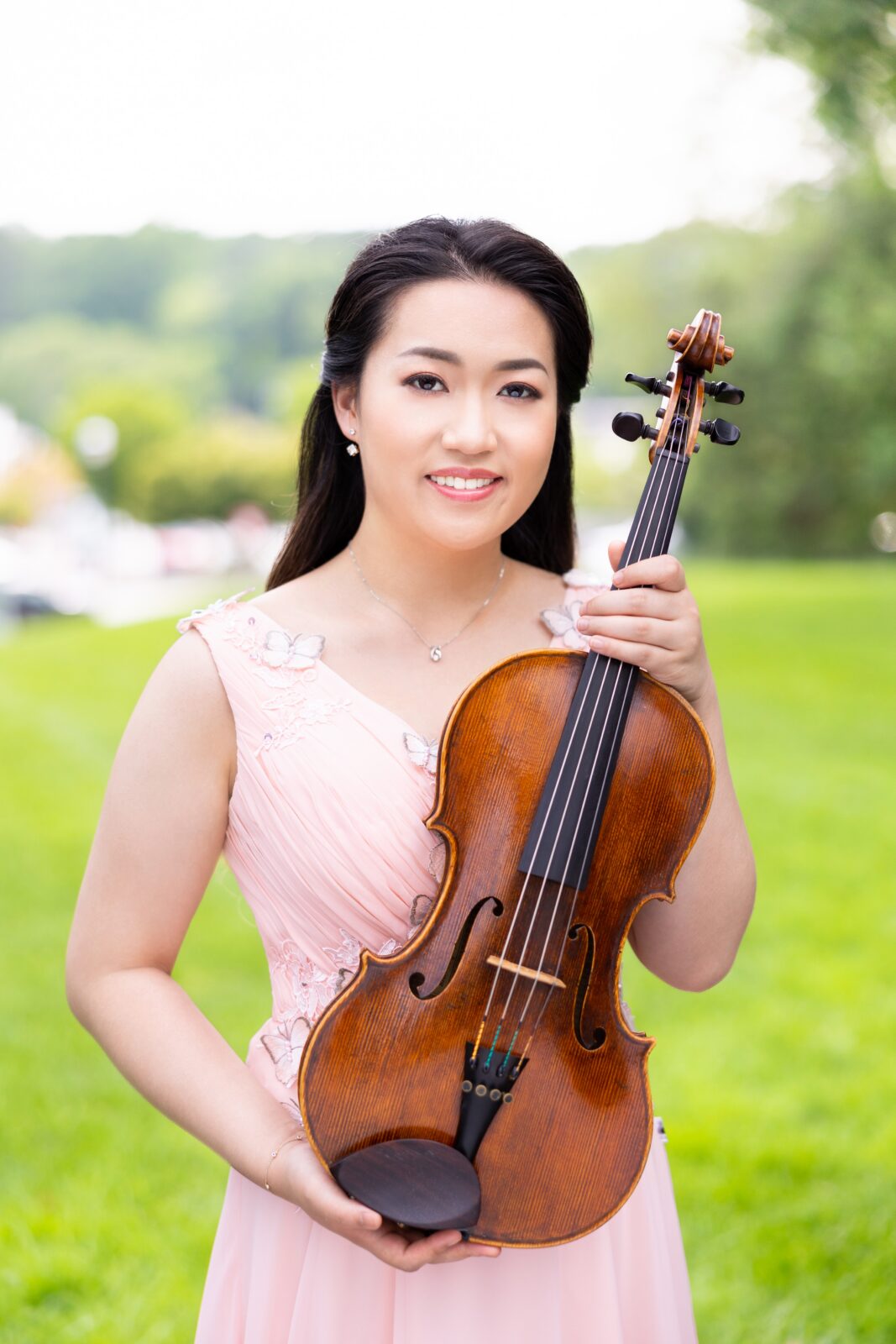
Meet Joy Hsieh: ACMP intern and event planner par excellence!
ACMP is happy to announce its newest team member, violist Joy Hsieh, who is working with us on event planning for the fall semester through the Eastman School of Music's Institute for Music Leadership Catherine Filene Shouse Arts Leadership Certificate of Achievement (ALP) program. Joy is a doctoral candidate in viola performance at Eastman, studying with Phillip Ying from the Ying Quartet. Get to know Joy - and come meet her in-person in Rochester on October 25 and Boston on December 6!Read More ↗
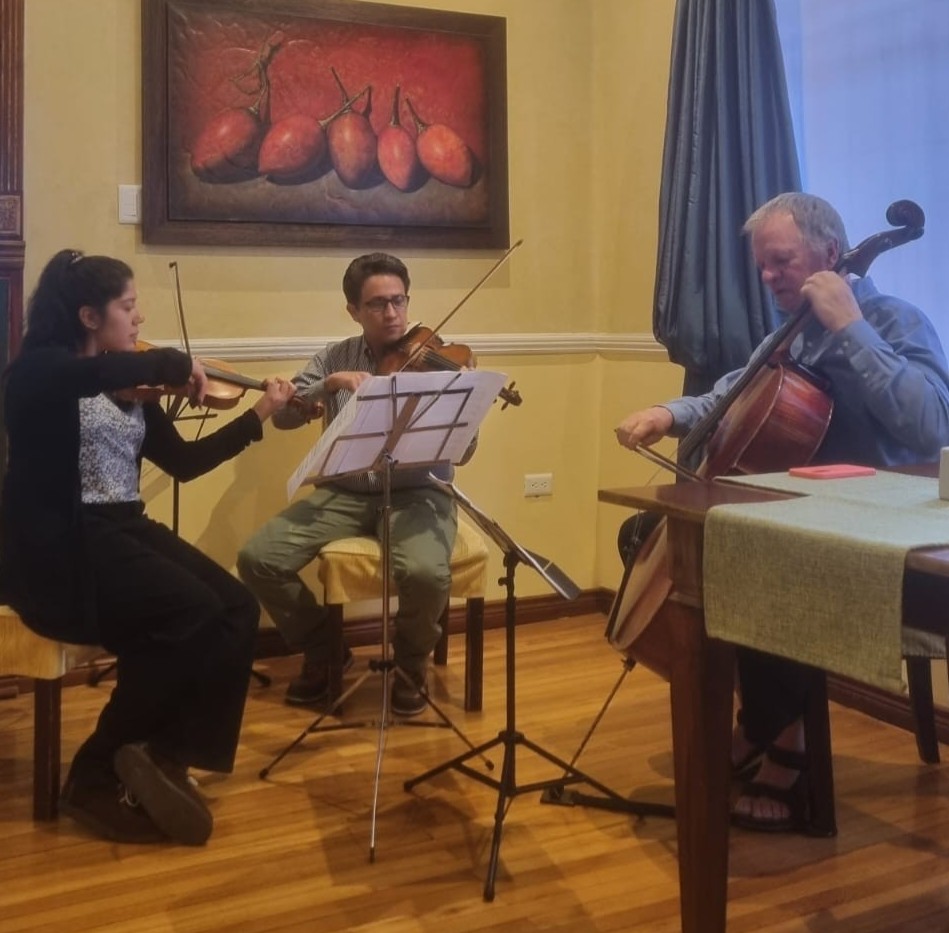
Filipino folk music, by way of Ecuador
What do classical music and fine dining have in common? They are both about sensory delight; they come in many flavors and textures; and they are natural complements for an ACMP event. Tom Cappaert has organized a series of such programs, at a pizza joint in Riobamba, coffee houses in Spain and Ecuador, and most recently with a string trio performance on the theme of Let’s eat Filipino!Read More ↗
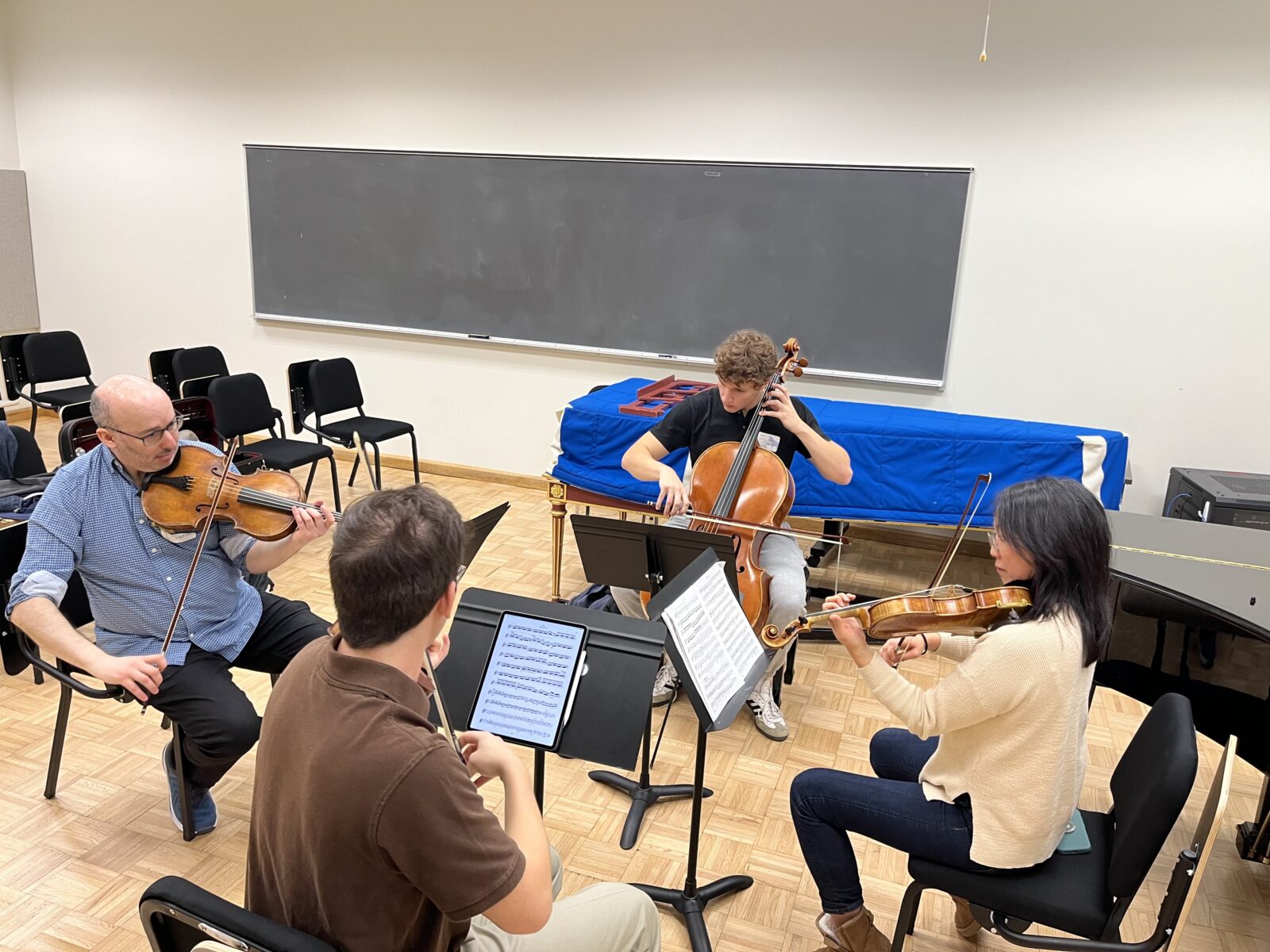
ACMP x ECMS Play-In Rochester, NY
ACMP is partnering with the Eastman Community Music School (ECMS) on a fun and festive chamber music Play-In on Sunday, October 25 in Rochester, New York. All instruments and playing levels are welcome!Read More ↗
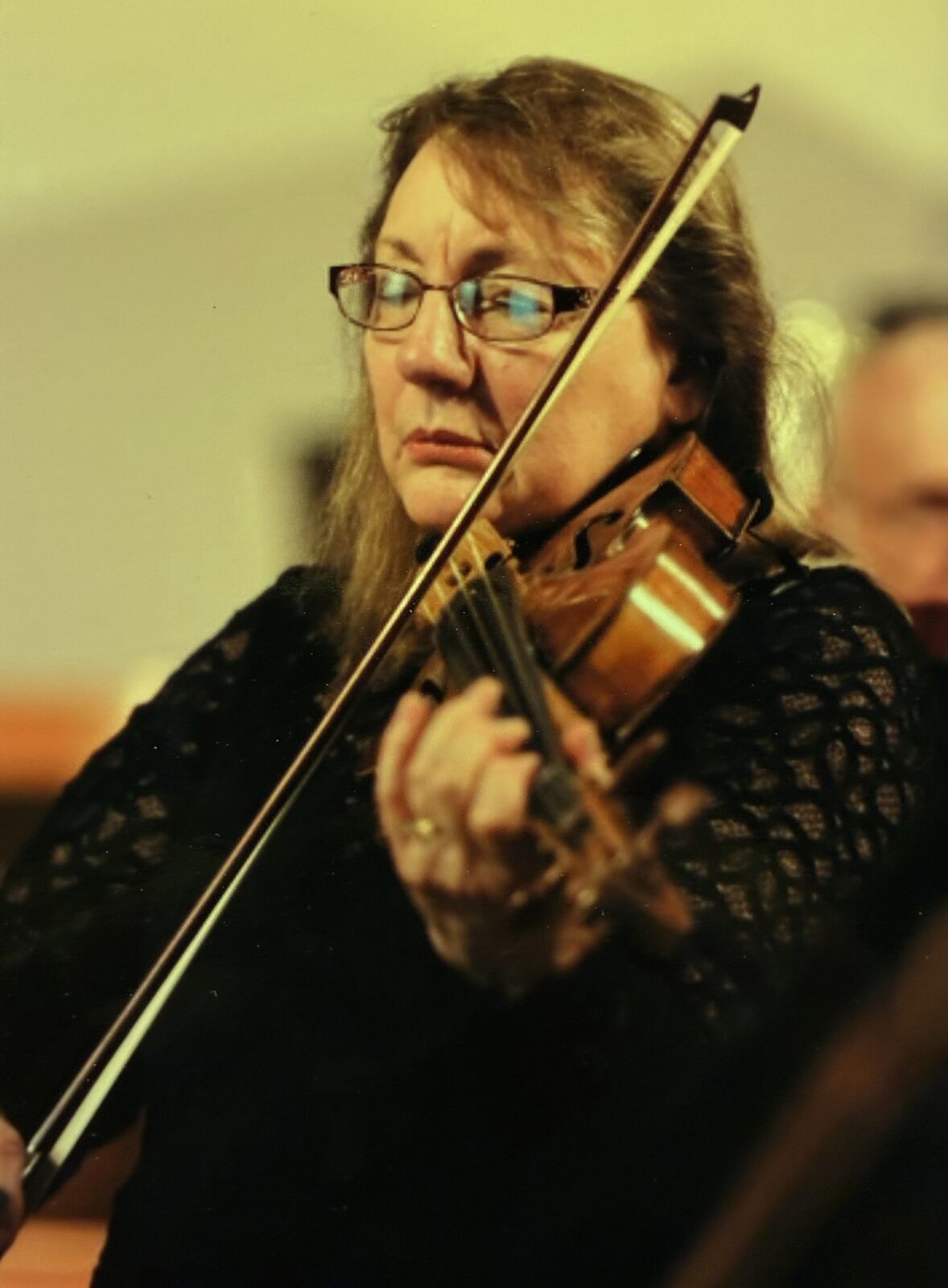
Member of the Month, October 2026: Loryn Gorsett
There is little that Loryn Gorsett hasn’t done as a violist and violinist in the Denver area. She has played in orchestras, both professional and amateur. She built a studio of students. She has played more weddings than she can count. She has been a strolling violinist in an Italian restaurant. But through it all, chamber music has been her true musical passion.Read More ↗
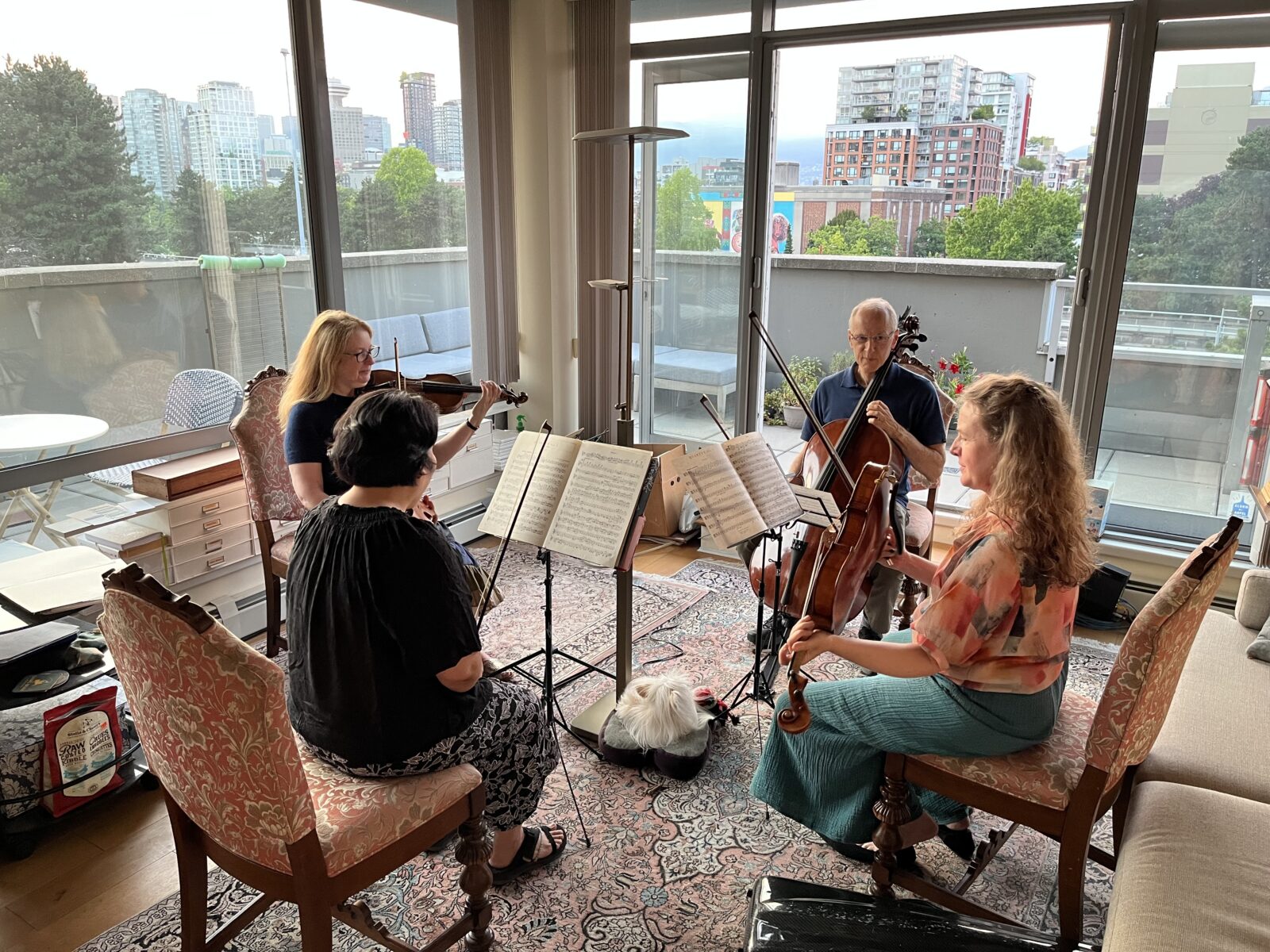
Chamber Music Lifestyles: Vancouver
Vancouver, Canada has a vibrant adult amateur chamber music scene, thanks to ACMP's local NAOC councilor Christina Wolf. If you've never traveled to Vancouver, add it to your list. Where else could you play chamber music with so many great players (and fun people) while looking at the mountains, and eating and drinking a wide variety of local delights?Read More ↗
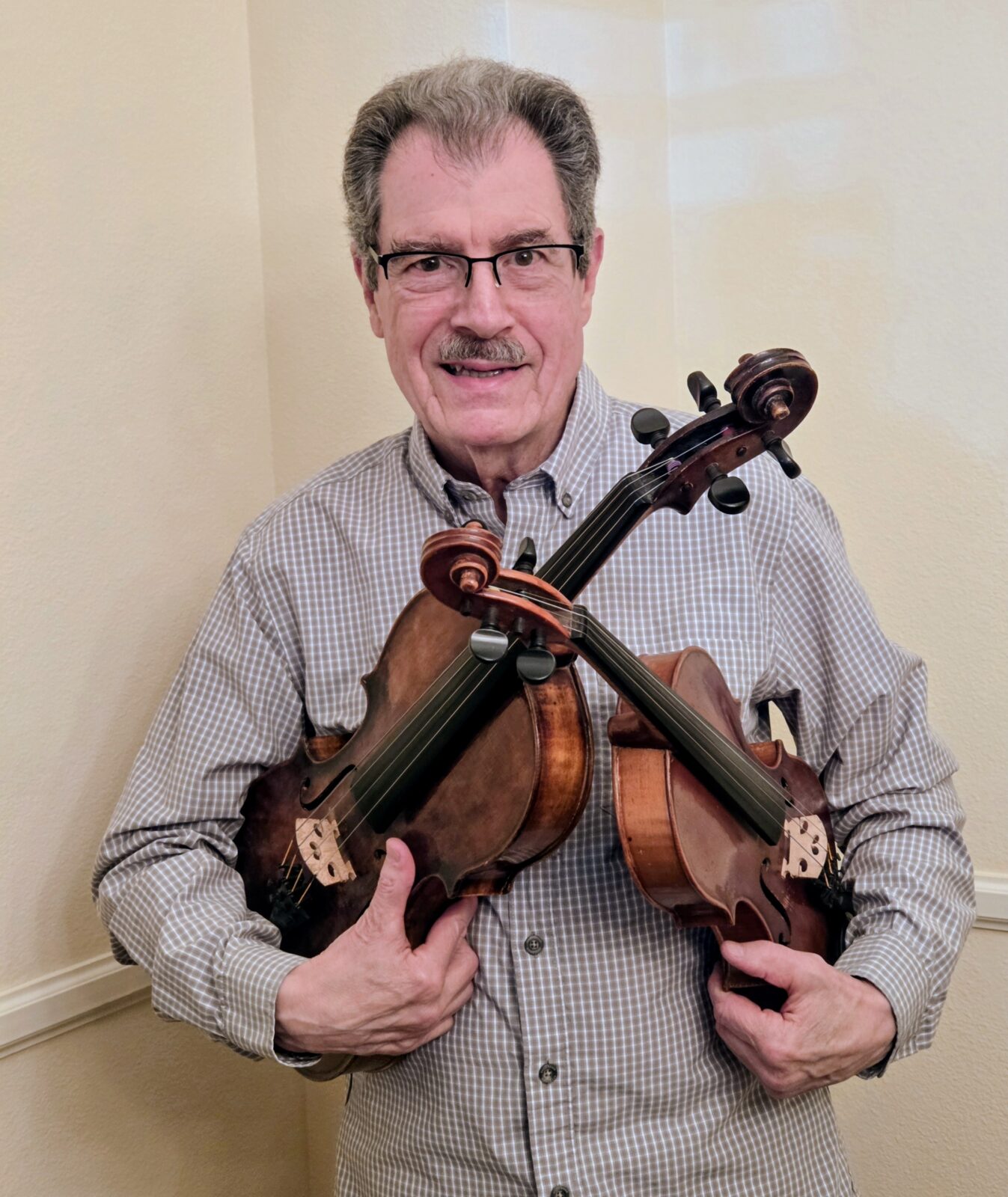
Member of the Month, September 2026: Marshall Costantino
Marshall Costantino learned to play the violin from his Italian grandfather as a young child. After a 42-year hiatus from playing, he is enjoying a new life in chamber music with his neighbor and new friends he met through the ACMP directory.Read More ↗
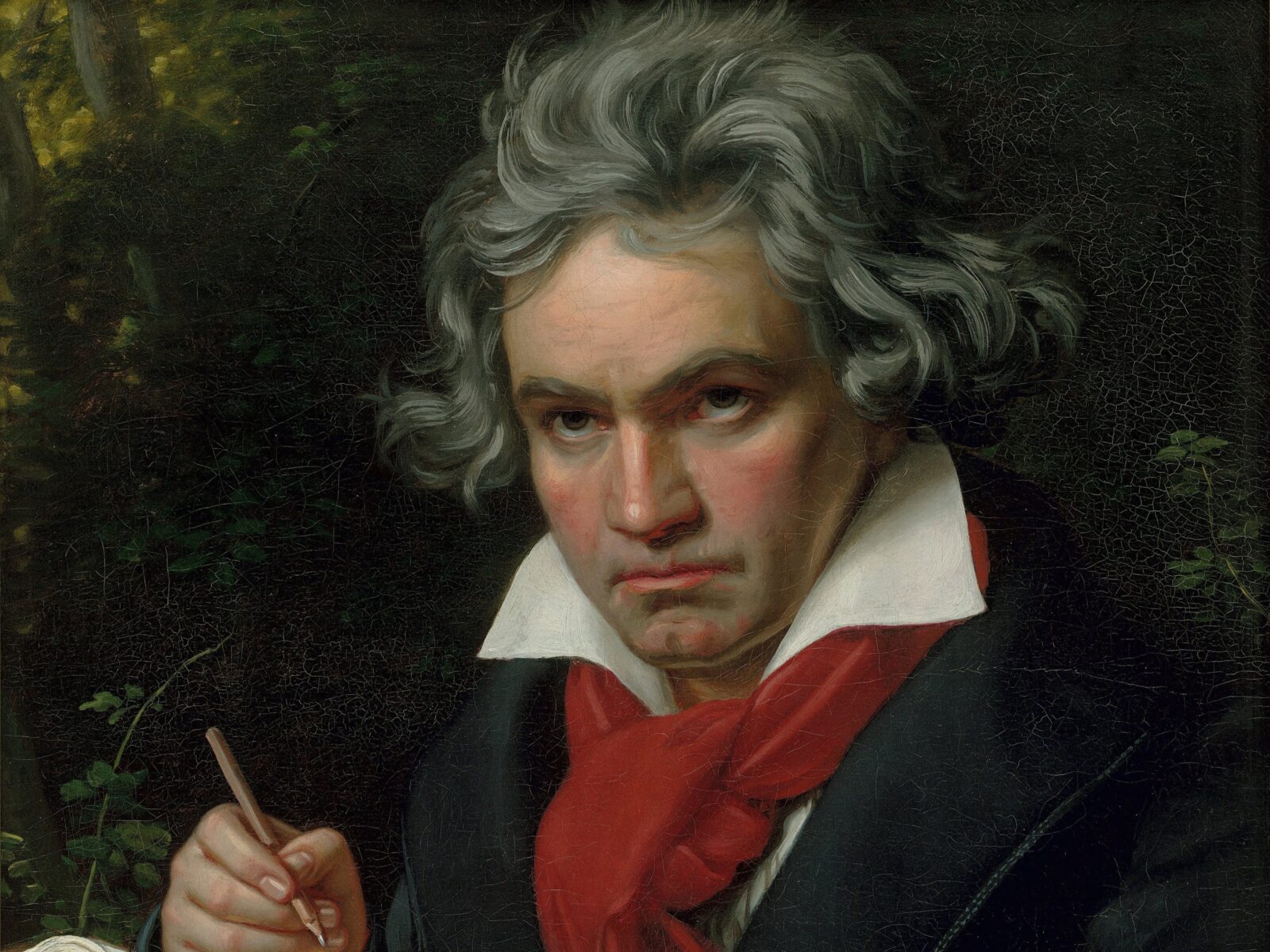
Celebrate Beethoven: MSQ’s Vienna Workshop, January 2027
Travel to Vienna and immerse yourself in Beethoven's world and in his String Quartet Op. 127, under the expert guidance of the Manhattan String Quartet. Register by Monday, September 14 for this unique cultural expedition!Read More ↗
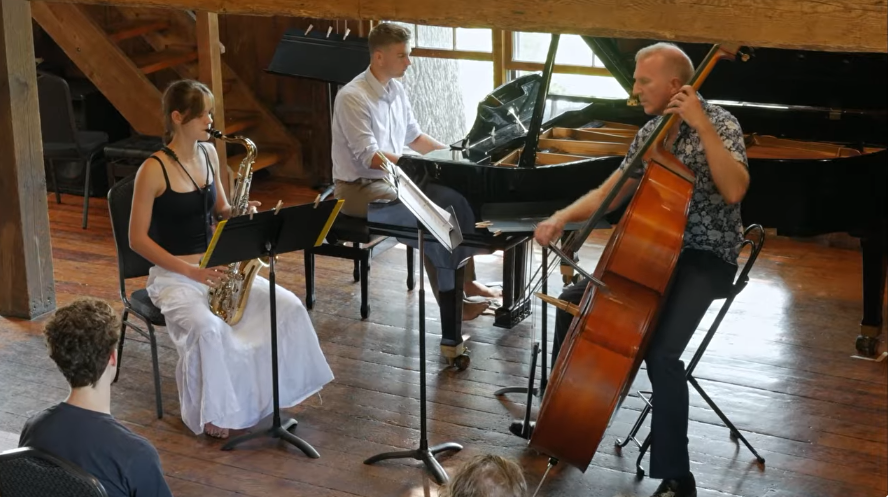
Music and Life at Apple Hill
Vermont-based bassist Art DeQuasie was one of the inaugural recipients of an ACMP Scholarship this summer. Read about his experience at the Apple Hill Center for Chamber Music in August 2026.Read More ↗
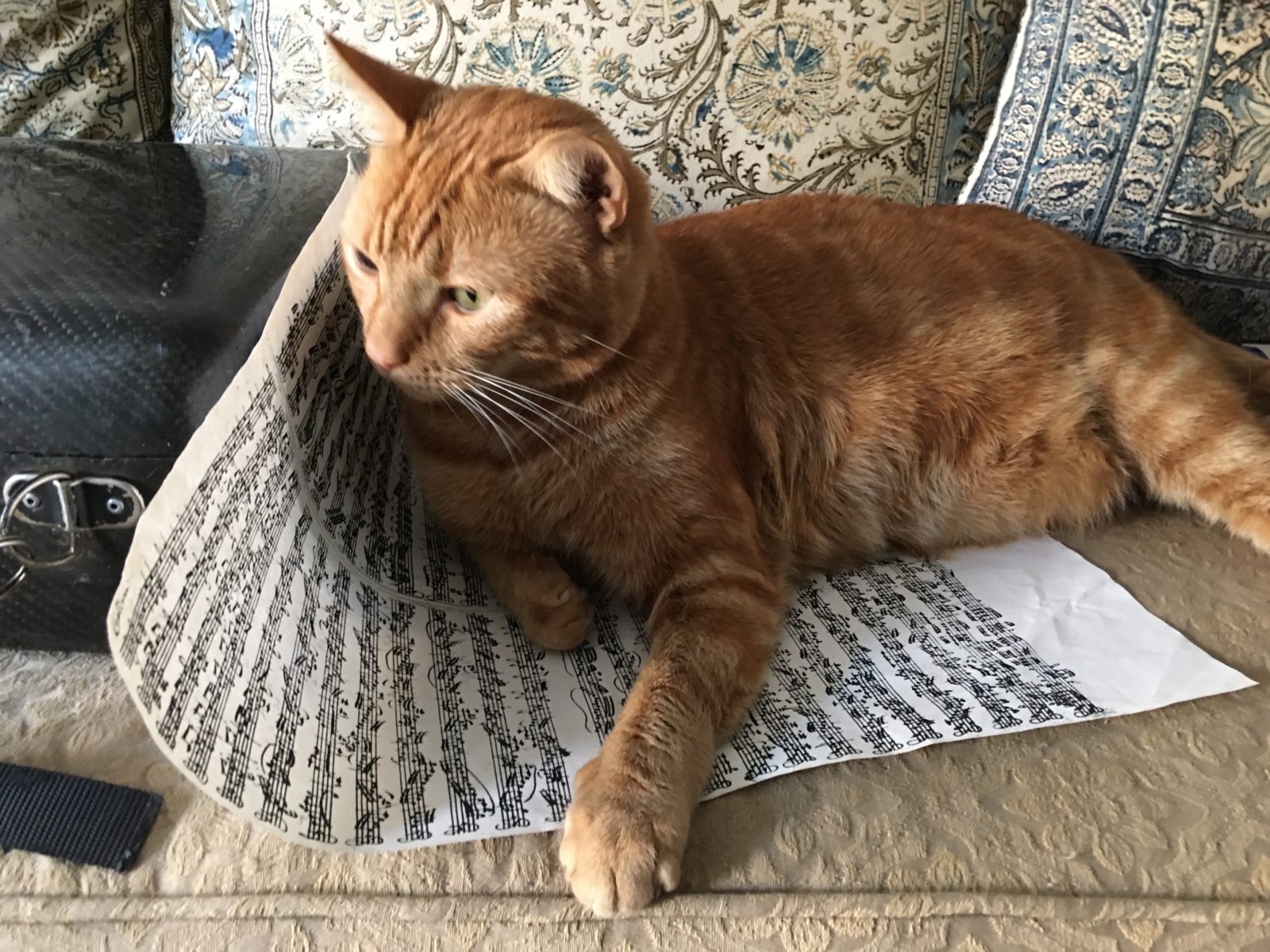
Explore New Worlds of Chamber Repertoire
Music educators have been working to find music by underrepresented composers that is accessible to students and amateur players of all levels. This includes music by composers of color, women composers, and LGBTQ groups, among others. Considering the changing demographics of our country, amateur chamber music players can reap the rewards of discovering new repertoire through this research.Read More ↗
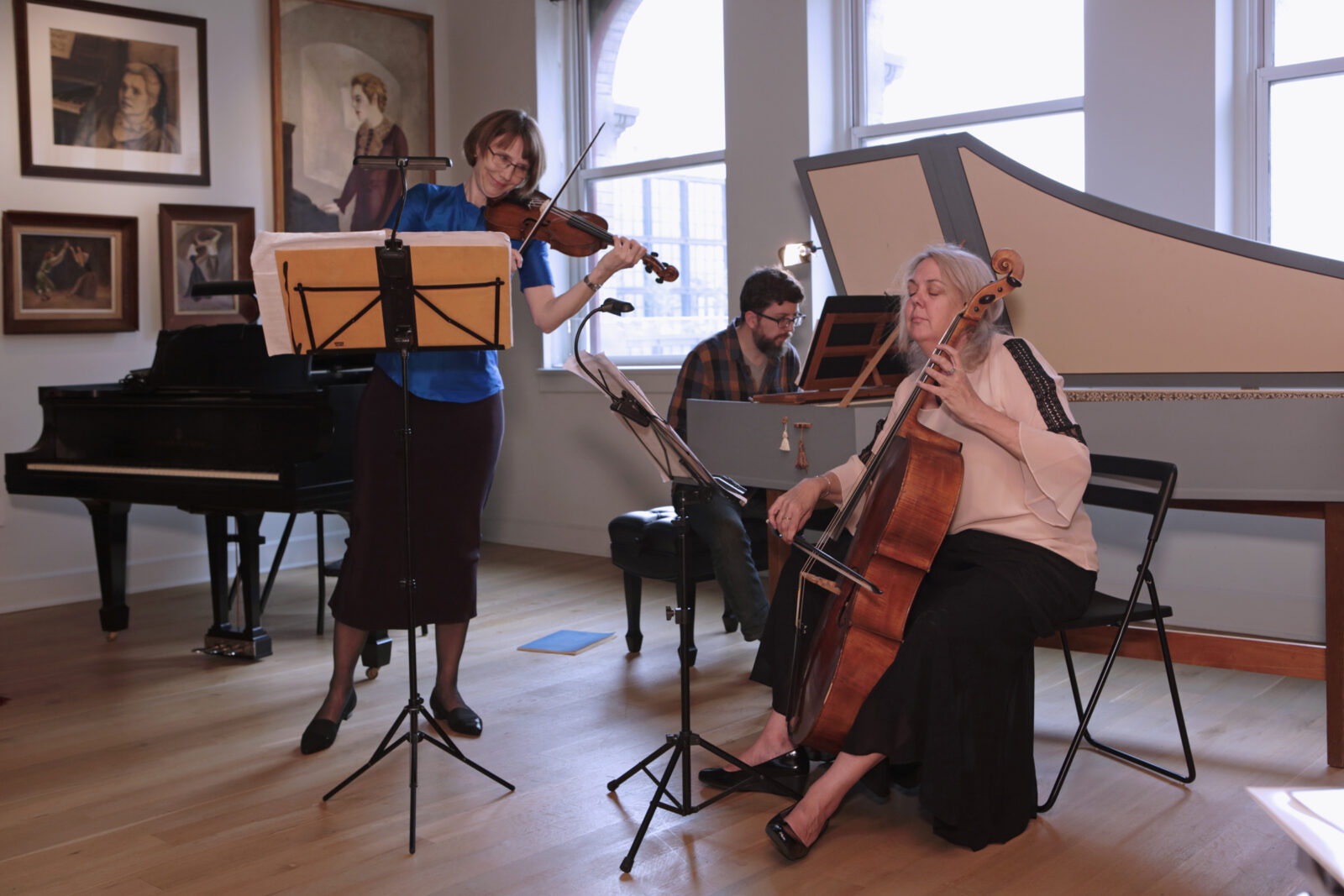
Meet ACMP’s Development Consultant, Amie Roosevelt
Amie Roosevelt joined ACMP's staff as our first-ever Development Consultant in January 2026. She has enjoyed a long and varied career as a violinist, with a primary focus on historically informed performance. I hope you all will meet and even get to play with Amie. But until you do, you can get to know her and her fascinating story by reading this interview from August 12, 2026.Read More ↗
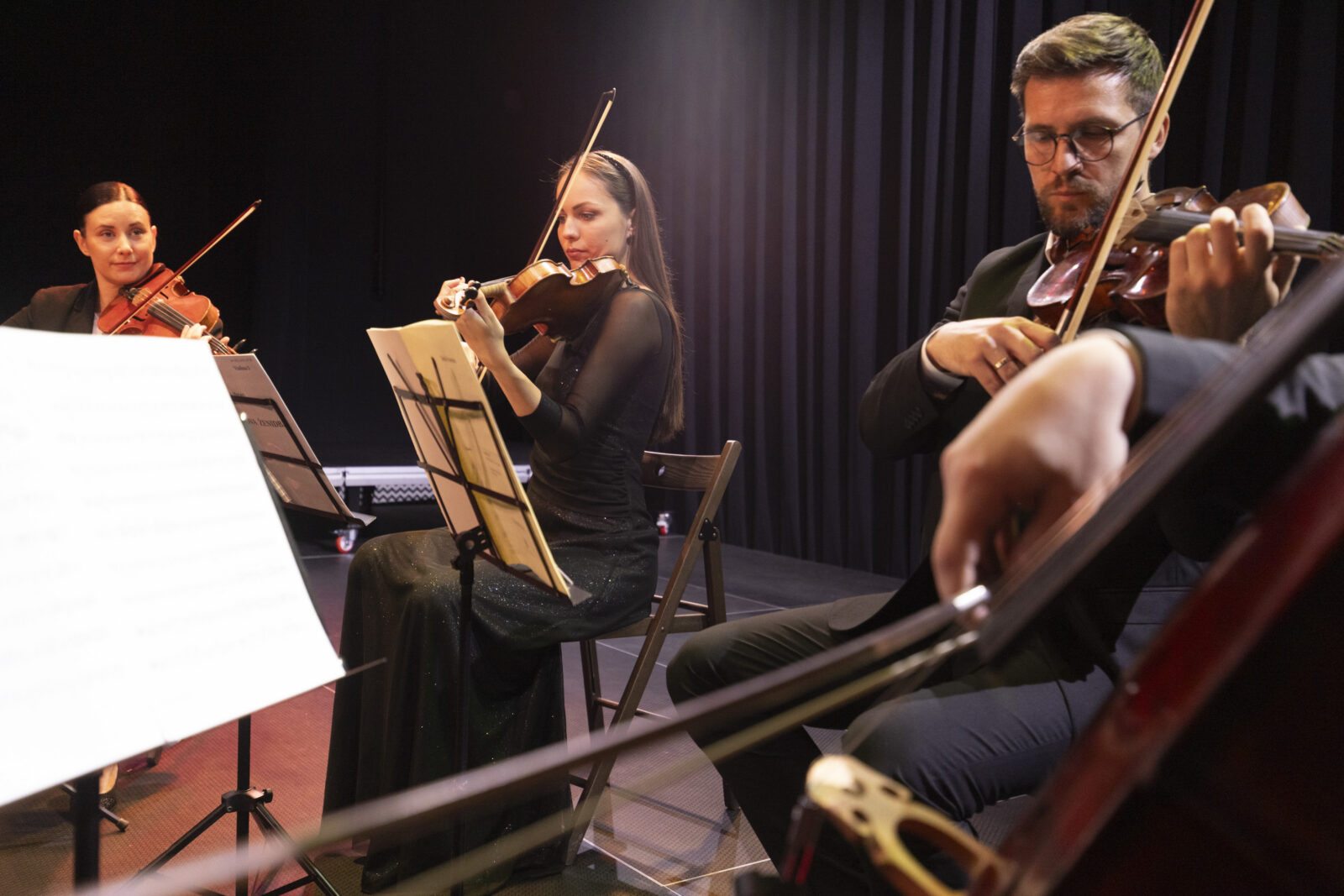
Make Chamber Music Part of Your Fall at 92NY
For many musicians, chamber music is as much about connection as it is about repertoire—the shared experience of listening, collaborating, and discovering new musical perspectives together. At the 92NY School of Music, two chamber music programs offer welcoming entry points into that experience this fall: Chamber Music Reading and Chamber Music Coaching & Performance. Whether you’re picking up your instrument again, looking to meet fellow players, or hoping to deepen your ensemble work, both programs are designed to bring musicians together in a supportive and engaging environment.Read More ↗
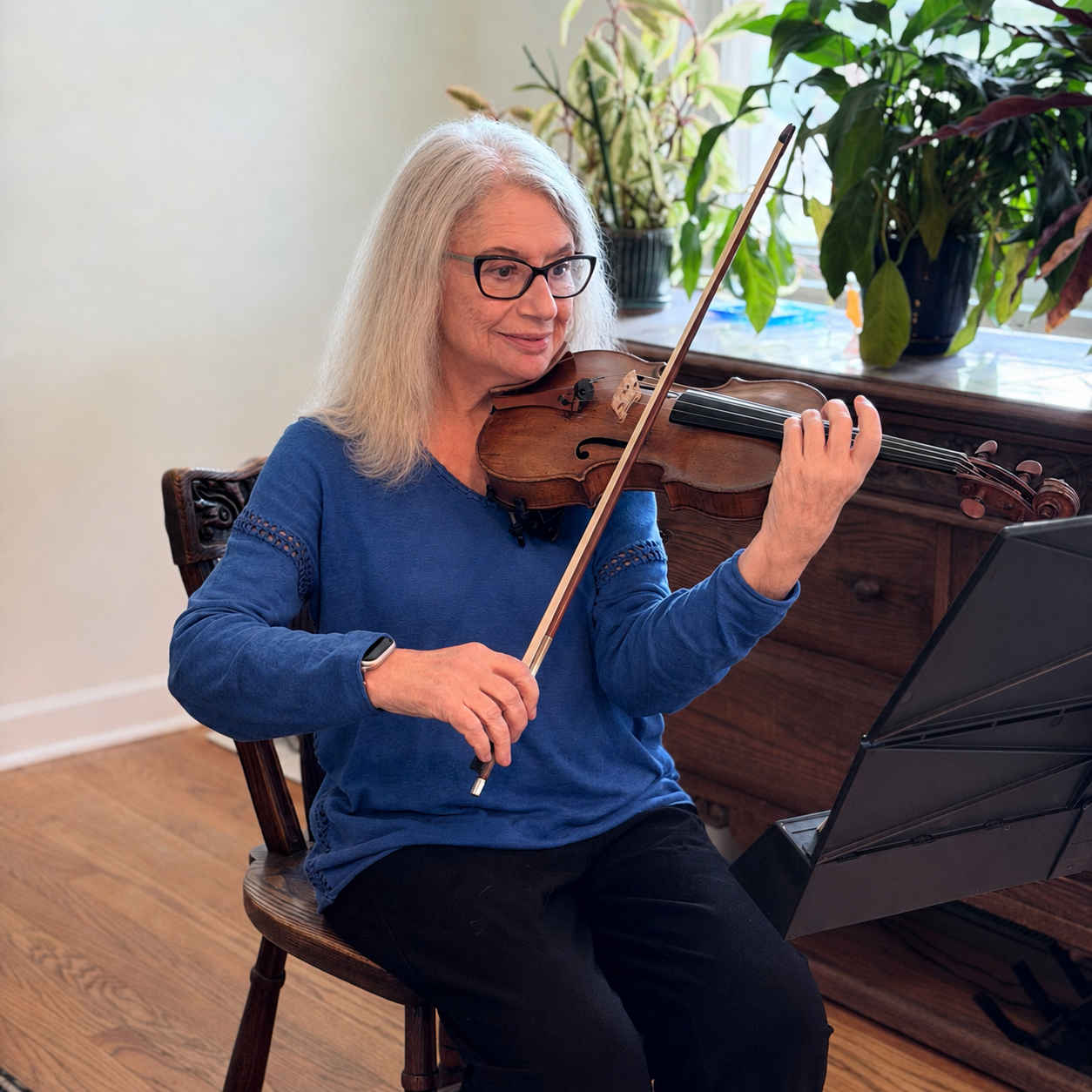
Member of the Month, August 2026: Alison Edwards
There aren’t too many people who come to a professional crossroads before they turn 13. But Alison Edwards faced such a moment. She had taken up the violin at age seven with none other than Dorothy DeLay as her teacher. But indeed, Alison had another calling. Inspired by social justice movements of the 1960s, she became a civil rights lawyer, eventually serving in the appellate division of the Cook County Public Defender’s office. After 25 years working and raising a family, she picked up her violin again and launched on a lifelong chamber music adventure.Read More ↗
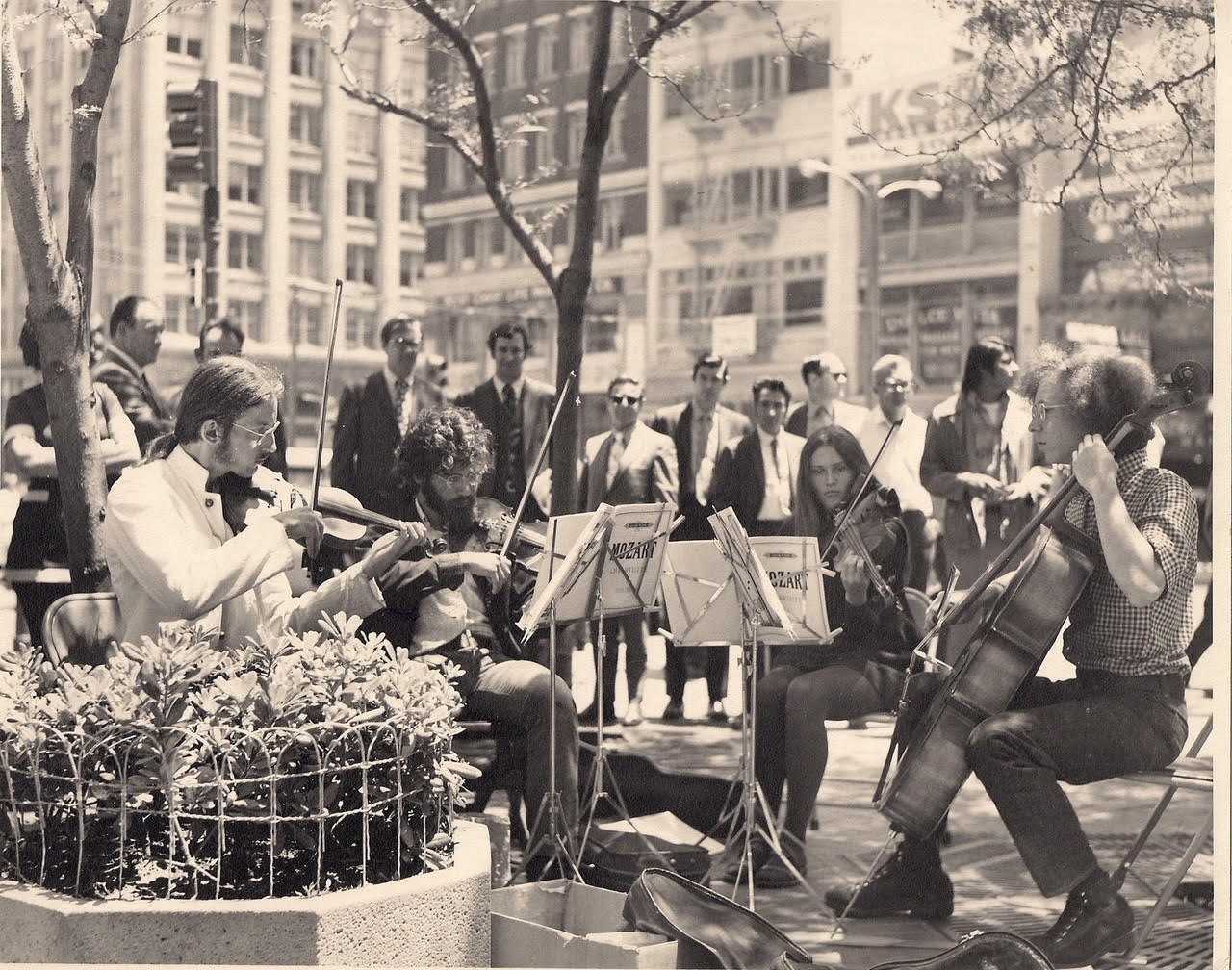
After 56 Years, the Bond of Chamber Music Endures
Cellist David Pearl and violinist/violist Gary Chanan played quartets together in the streets of San Francisco in the early 1970s. 56 years later they are playing together again in New York City...they reconnected through ACMP!Read More ↗
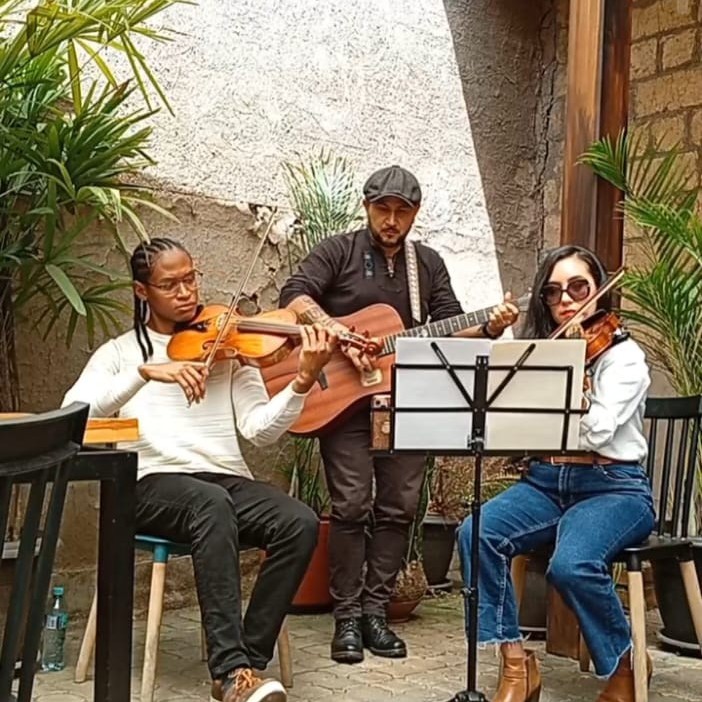
Coffee Shop Performances, Coffee-infused Repertoire
ACMP's intrepid cellist Tom Cappaert is at it again - this time with a story about ACMP members in Ecuador and Spain who organized chamber music in coffee shops, inspired by Tom's endeavors.Read More ↗
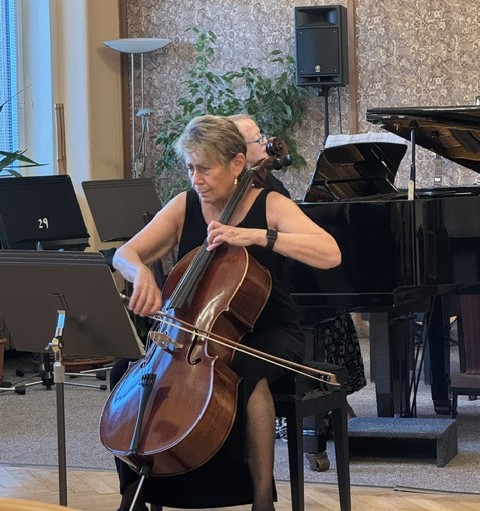
Member of the Month, July 2026: Sara Langbert
A self-proclaimed “total New Yorker”, cellist Sara Langbert graduated from Music and Art and continued her musical education at Queens College in her native New York borough. But like many ACMP members, she would put her cello aside as she managed the demands of raising a family and pursuing a career in computers and technology. Now she's playing again and is an enthusiastic member of ACMP.Read More ↗
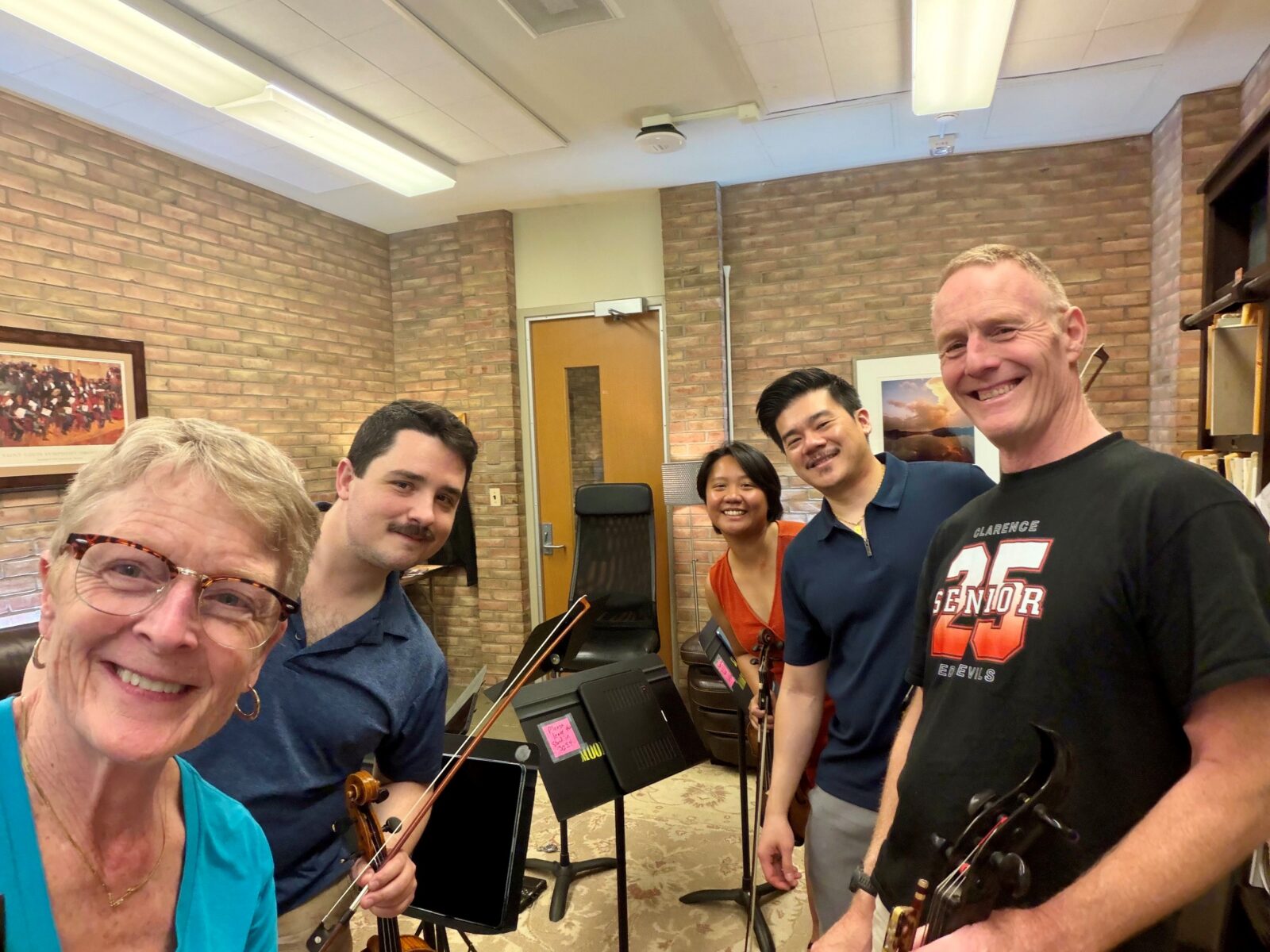
Around the World with ACMP’s Grants (Home Coaching and Play-in)
Over the last few weeks we have been asking members, participants, and organizers to tell us how our rolling grants have been useful to them and their communities. So let’s take a trip around the world and see what folks have to say about our Home Coaching and Play in grants.Read More ↗
Around the World with ACMP’s Grants (Just Play and Impresario)
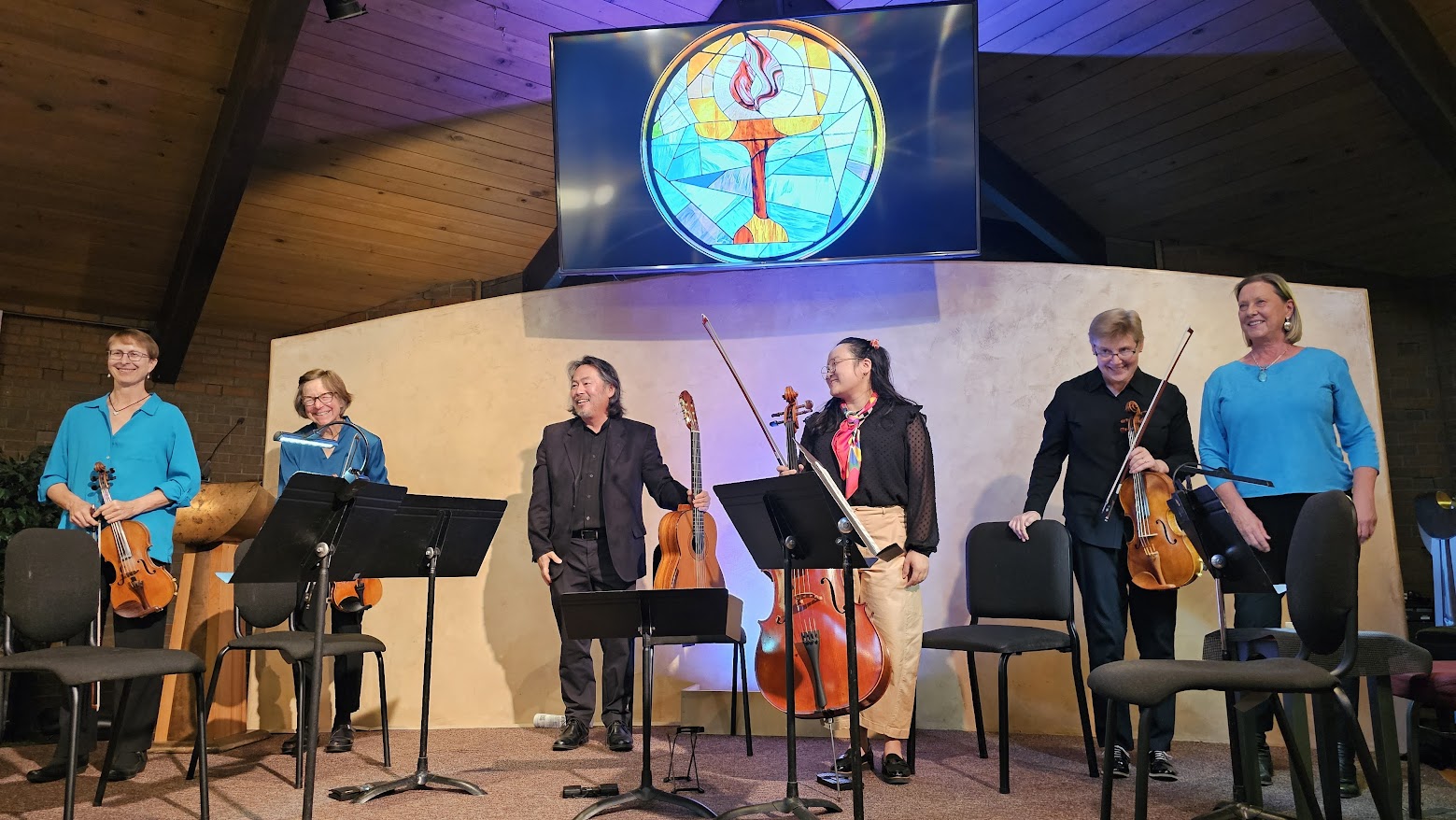
This summer, we’re hearing from ACMP members, participants, and organizers about how Just Play and Impresario grants have supported chamber music in New York, Italy, Canada, Colorado, and beyond.Read More ↗
ACMP Member of the Month, June 2026: Yoav Segev, the flying cellist returns
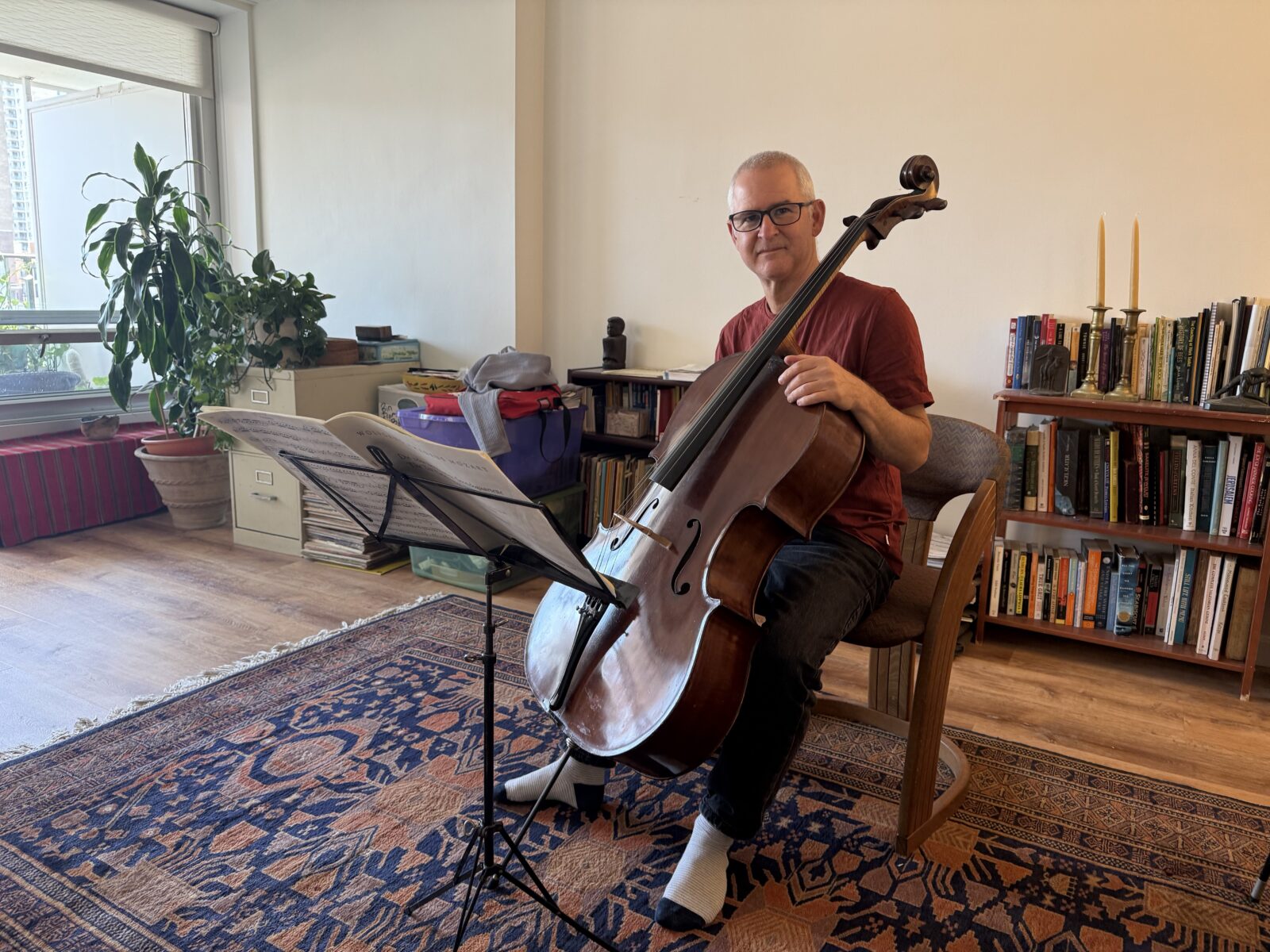
It’s probably easy to spot Yoav Segev at the airport. He’s the guy in the pilot’s uniform with the cello on his back. Yoav, you see, is the Flying Cellist, a globe-trotting pilot for El Al Israel Airlines who plays chamber music during his layovers in far-off destinations. Read Bob Goetz's interview with Yoav.Read More ↗
International Spotlight: Kristin Saltonstall in Panama
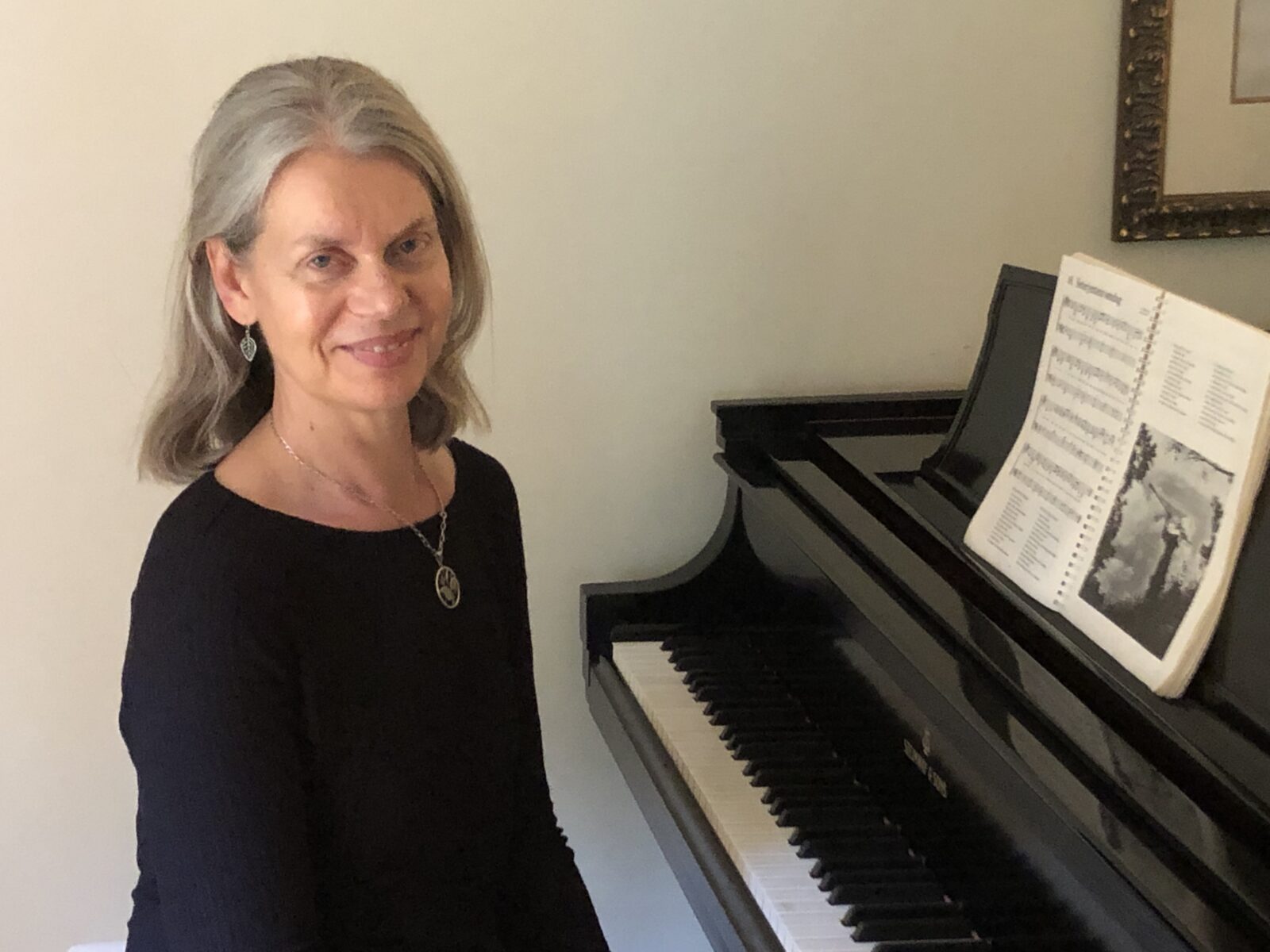
Kristin Saltonstall comes from a longstanding ACMP family and has been a member of ACMP for as long as she can remember. As a molecular ecologist, she works for the Smithsonian Tropical Research Institute in Panama, where she has forged a new musical life for herself and enjoys the natural beauty that Panama has to offer.Read More ↗
Springtime Extravaganza Light Music Orchestra on May 9, 2026, in Berlin-Karlshorst
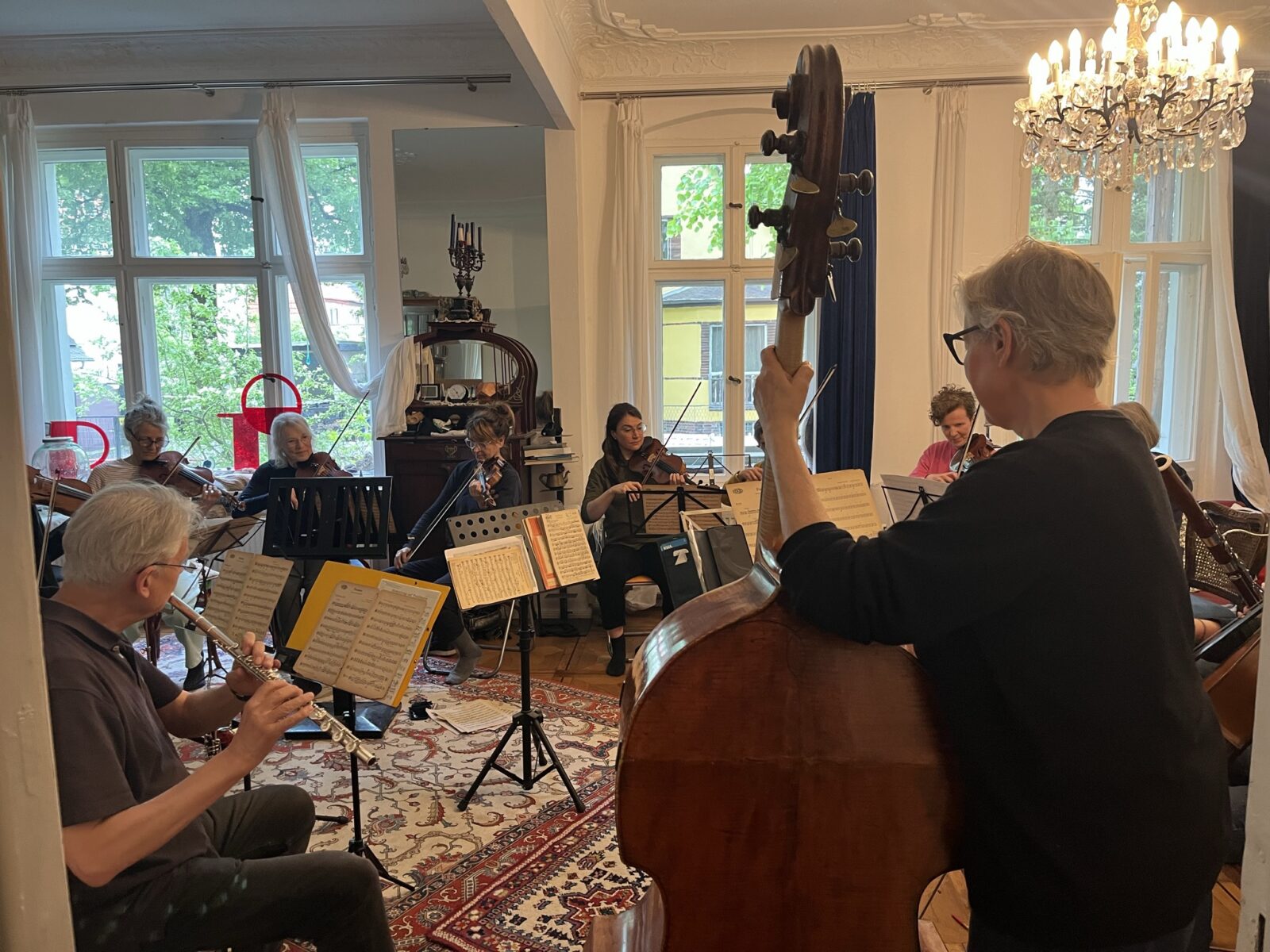
Fifteen musicians followed Gudrun Schnellbacher's invitation to a very special kind of play-in – to play in the Springtime Extravaganza Light Music Orchestra. Read the article in English or in German.Read More ↗
Load More
All Articles By