Resources to Play Online
In the spirit of coming together to play and enjoy chamber music, even in separate locations, here are some options and ways to do just that:
Play together
Programs like JamKazam, Jamulus, and Jammr are used to play as an ensemble online (but take a bit of technical savviness and ideally other equipment to get the best experience).
I want to stress that these programs are not perfect! Quality of sound and connection will likely leave much to be desired. However, during these difficult and often isolated times, engaging with our musical community and our instruments can only help, and if not perfectly, these platforms do provide the best options for us to continue playing together
Read below for further information on each program.
Jamkazam— is a free program which acts as an online rehearsal room.
You don’t need any special hardware to make it work, though some extras would greatly improve the quality of the sound and experience such as an audio interface and a mic. Another consideration is internet speed and the distances between members. The higher the internet speed the lower the latency, working optimally if the distance between members is less than 25 miles. Ethernet is recommended for slower wifi speeds.
Pros:
Allows for real time playing between a group
Completely Free
All three are available for both Mac and Windows
Cons:
Medium level of technical ability
Quality is low without audio interface and microphone
User interface is a bit confusing
Highspeed internet is needed
Small distance between members’ locations required
Ethernet is recommended for slower wifi speeds
Check out this videos to see if Jamkazam might work for you:
https://www.youtube.com/watch?v=hscuHwnmoJE
Feed back from ACMP member Cyril Penn (Fl, Briarwood , NY): I have been playing flute in an ongoing workshop which is suspended due to COVID19. We have recently tested Jamkazam. We had tested Zoom, FaceTime, WhatsApp, and BlueJeans, none of which have worked because of serious latency problems. Jamkazam has solved this. Our coach and I just played a duet and it really works! It will run on a PC or a Mac. It does require some additional equipment: (1) an ethernet cable from the computer to the internet router (WiFi will NOT work), and (2) an audio interface box with a microphone jack and input port for an electronic instrument such as a guitar or keyboard, OR just a USB microphone that has a jack for a headset for those who play only an acoustic instrument, such as strings and woodwinds, or sing. All of these things are available on Amazon. One does not need “professional studio quality” gear. I actually use a $150 USB microphone which has a jack for my headphones. We are in the process of getting equipment for the rest of our ensemble. One can download the app at the link below; it is free to get and free to use! Here’s a list of recommended equipment.
IMPORTANT UPDATE from ACMP member Cyril Penn:
The recommended USB microphones work well with Mac computers, but less well with Windows 10 PCs. It appears that to run Jamkazam successfully on a PC, an audio interface and a non-USB microphone is preferable.
Most Available on Amazon:
Audio Interface
BEHRINGER Audio Interface, 1x XLR/TRS 1x 1/4″ 2X RCA USB, Black, 1-Channel (UM2) $80
(Much more if you need 2 or more channels). Also, use with a non-USB mic.
USB Microphone
Blue Yeti (about $130 from Blue, extra $20 from Amazon)
FiFine K670 or K670B (“B” for black) $60
FiFine K678 $85 Note from Cyril: “New and worth the extra $25”
Headphones
Sennheiser HD280PRO $80
Note: Wireless or Bluetooth headphones will NOT work.
Also, if you don’t need to plug in an electric guitar or keyboard, you don’t need an audio interface. A USB microphone with a jack for the headphones will do just fine.
Jamulus— is an open source program similar to Jamkazam- also free to use.
It does seem to take even more technical knowledge of computer systems but it allows for more flexibility with other audio software. An important factor is that the Jamulus software requires an ASIO sound card driver to be available in the system. If your sound card does not have native ASIO support, there are work arounds on their site.
Pros:
Allows for real time playing between a group
Completely Free
Flexibility of knowledgeable users
All three are available for both Mac and Windows
Cons:
Med to High level of technical ability with computers needed
Quality is low without audio interface and microphone
User interface leaves more to be desired
Highspeed internet is needed
Small distance between members’ locations required
Ethernet is recommended for slower wifi speeds
Check out this video to see if Jamulus might work for you:
https://youtu.be/lB4ZxDb9vnU?t=1
hwww.youtube.com/watch?v=KBVBQ9ewVRY (Note this is a more advanced tutorial)
Jammr is another program like Jamkazaam and Jamulas with a couple of differences. Jammr is still in beta but currently all features are free. At some point there will be a monthly cost for some features. The site also has a community forum.
Pros:
Free (currently)
New forum
Website claims players can be further apart
All three are available for both Mac and Windows
Cons:
Med level of technical ability
New so not a lot of info on the program
Audio quality is low without audio interface and microphone
Highspeed internet is needed
Ethernet is recommended for slower wifi speeds
Check out this videos to see if Jammr might work for you:
Playing Solo With Your Computer – Music Minus One
Tom Play – Is a Swiss firm that goes beyond digitized sheet music, providing a score that scrolls across the screen in sync with the accompanying music. There is control over the accompaniment; varying the speed and adding annotations and other features. Individual pieces can be purchased but there is also subscription plans as well. In terms of chamber music selection, options are limited, but check out what is offered. Also, note to make sure get the right instrument audio score.
Music Minus One – is a library where a user can purchase individual pieces and books of works. Recordings are accessed online using the unique code inside each book and can be streamed or downloaded. The audio also allows you to slow down audio without changing pitch, set loop points, change keys, and pan left or right. There is a wide range of genres available but limited number of chamber works beyond a single instrument and piano. Also, note to make sure get the right instrument audio score.
www.halleonard.com/search/search.action?dt=item&seriesFeature=MMONE#products
PartPlay is a new interactive resource for classroom teaching, ensemble sessions and individual students based in the U.K. It’s currently available at PartPlay.co.uk and from the Apple store (not availabl on Android currently). The interface allows users to play along with professional musicians, and learn from their musical performance. Filmed and recorded in high quality, players are able to study both the musical interpretation and the technical demands of a growing library of works. Currently, there is a limited selection of pieces but the site is in development
Note from ACMP staff: we were able to log in and access the website using an Android phone.
BEO String Quartet: From page to poetry is a 30-minute interactive presentation created by beo string quartet. The presentation examines how to look at the notes, dynamics, and directives on a page and directives on a page and already be aware of the poetry locked behind the markings. Beo string quartet is making the video free to use by anyone. If you like the video or send it out to students please consider making a donation to the Quartet at http://www.Beostringquartet.Com/support.
https://www.Youtube.Com/watch?V=5vs1wcvm99w.
Other options to connect:
Remember, even if these programs and other resources do not work for you to play together, stay in touch with your regular ensembles, playing friends, and perhaps reach out to make new ones. Use facetime, Skype or another program. Also, open a free Zoom videoconferencing account and assemble on a regular basis online and stay connected (participants can also phone in). These platforms don’t work for playing music together from different locations simultaneously because of latency (lag time) but why not get together, share thoughts on music you’ve heard and would like to play, and plan ahead.
Some players are reporting that they share ideas with their playing friends and then work on their own on difficult passages of pieces they will play together later. Lastly, an option is to record yourself on your computer or phone from wherever you are and send it to your ensemble or playing friends.
Learning on Lockdown
Feed back from ACMP member Jane Wilson (Vn, Va, Vc, Cb, Nanaimo BC Canada). There are a number of Bruce Adolphe’s lectures (with players demonstrating, then performing) about chambemusic pieces on the Chamber Music Society of Lincoln Center website. They are free to stream or to download as podcasts. Bruce is wonderful — informative, interesting, witty. Although during this COVID19 time he isn’t giving lectures (they’re recorded live), there are plenty archived on the website. There are also chamber music concerts, childrens’ concerts (full of humor), and lectures by others.
A tip from the field about using Zoom for music
If you are doing music on Zoom, you need to know about this – otherwise the codecs in Zoom make your music tinny and hollow it out.This makes the music sound almost normal.
Music Mode in Zoom youtube (RAMA Vocal Center / The Royal Academy of Music, Denmark)
The short version:
This only works if you have an external microphone – including one from a headset, which will give you better audio than your computer or device microphone.
- On your computer, open the Zoom app.
- On a Mac, in the zoom.us menu, select Preferences; on a PC, you’ll need to open the Zoom preferences: Click your profile picture, then Settings (the gear).
- Select Audio
- On the lower right, you should see a button “Advanced,” click it.
- On the next screen, click to select “Show in-meeting option to “Enable Original Sound” from microphone.
- Click Back and close Settings.
- Start your Zoom conference.
- In the upper LEFT corner, click on the text “Turn on Original Sound.” It will change to “Turn off Original Sound.”
- That’s it. (Note, you can change the microphone from this prompt by clicking on the down arrow on the right of the text.)
Here is an earlier version of the article in Italian: https://acmp.net/sites/default/files/Italian%20Version%20of%20Online%20R.pdf
More Articles
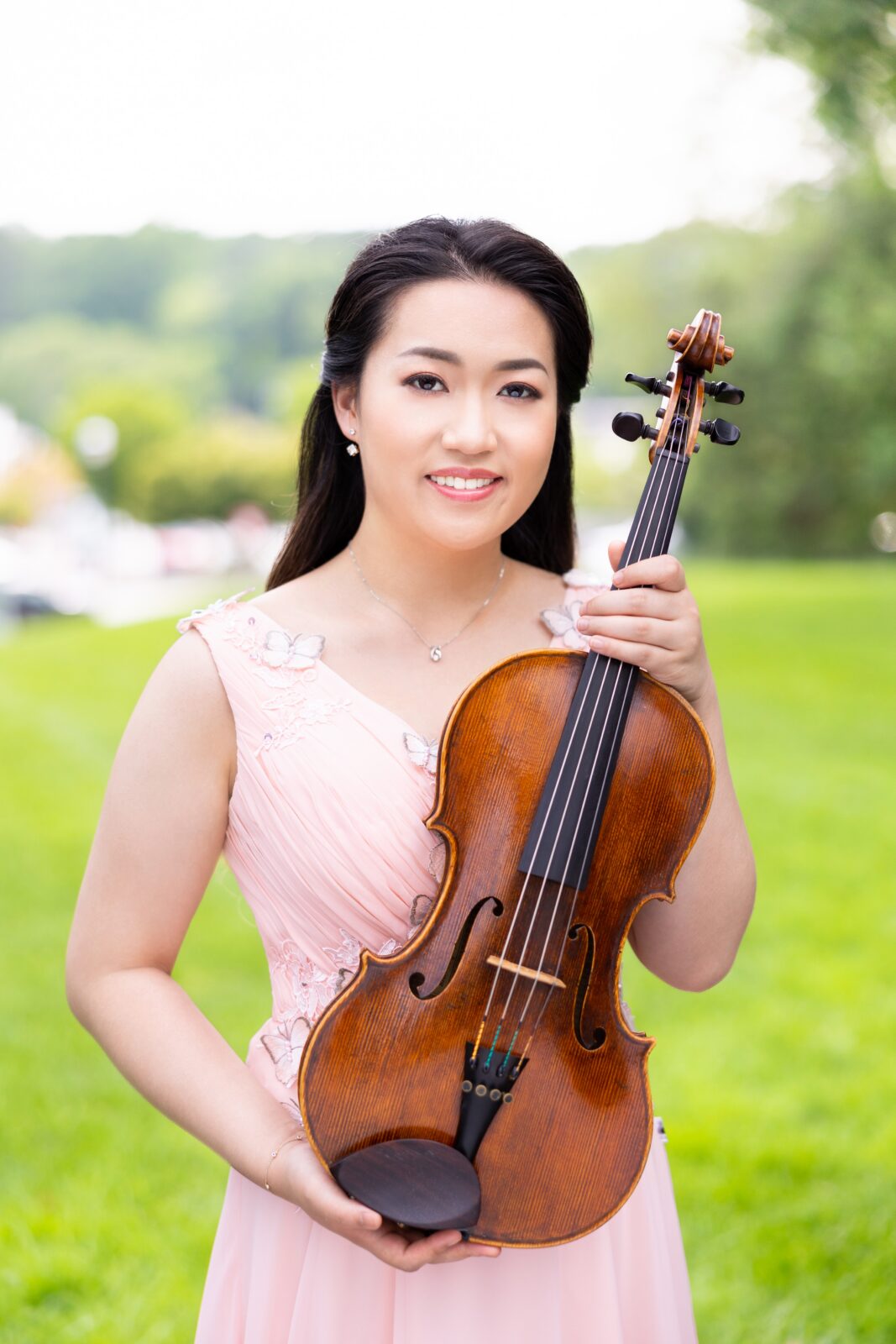
Meet Joy Hsieh: ACMP intern and event planner par excellence!
ACMP is happy to announce its newest team member, violist Joy Hsieh, who is working with us on event planning for the fall semester through the Eastman School of Music's Institute for Music Leadership Catherine Filene Shouse Arts Leadership Certificate of Achievement (ALP) program. Joy is a doctoral candidate in viola performance at Eastman, studying with Phillip Ying from the Ying Quartet. Get to know Joy - and come meet her in-person in Rochester on October 25 and Boston on December 6!Read More ↗
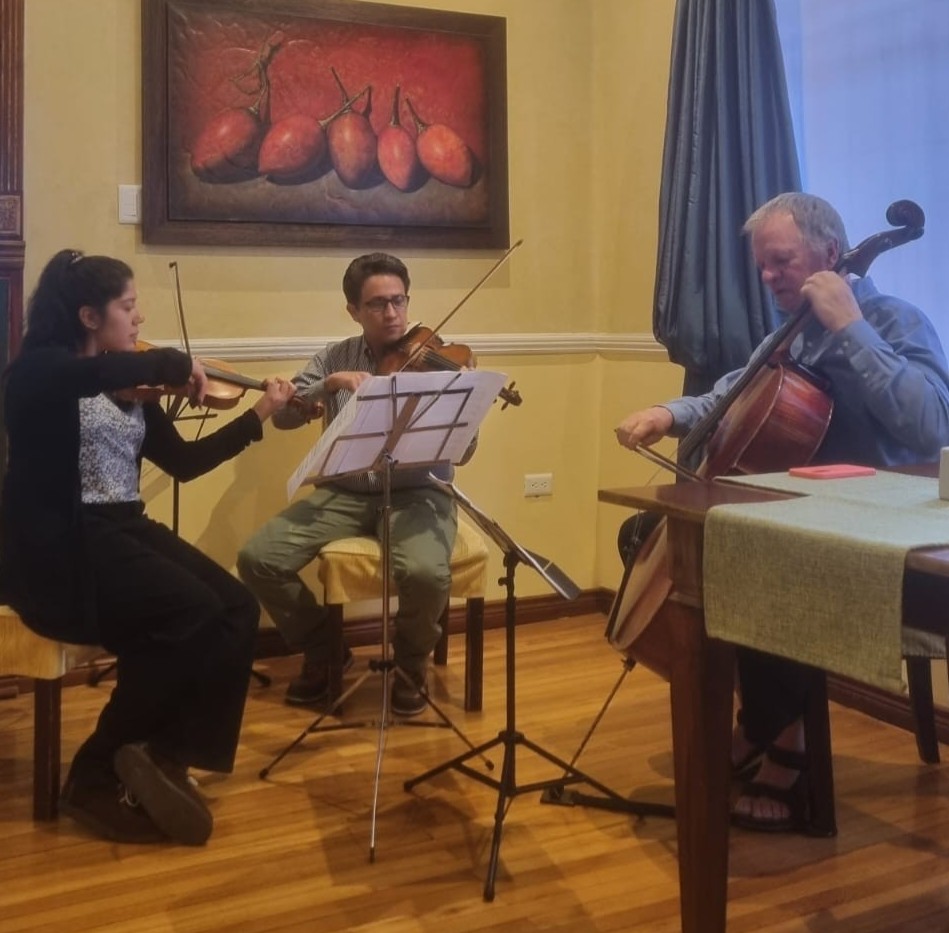
Filipino folk music, by way of Ecuador
What do classical music and fine dining have in common? They are both about sensory delight; they come in many flavors and textures; and they are natural complements for an ACMP event. Tom Cappaert has organized a series of such programs, at a pizza joint in Riobamba, coffee houses in Spain and Ecuador, and most recently with a string trio performance on the theme of Let’s eat Filipino!Read More ↗
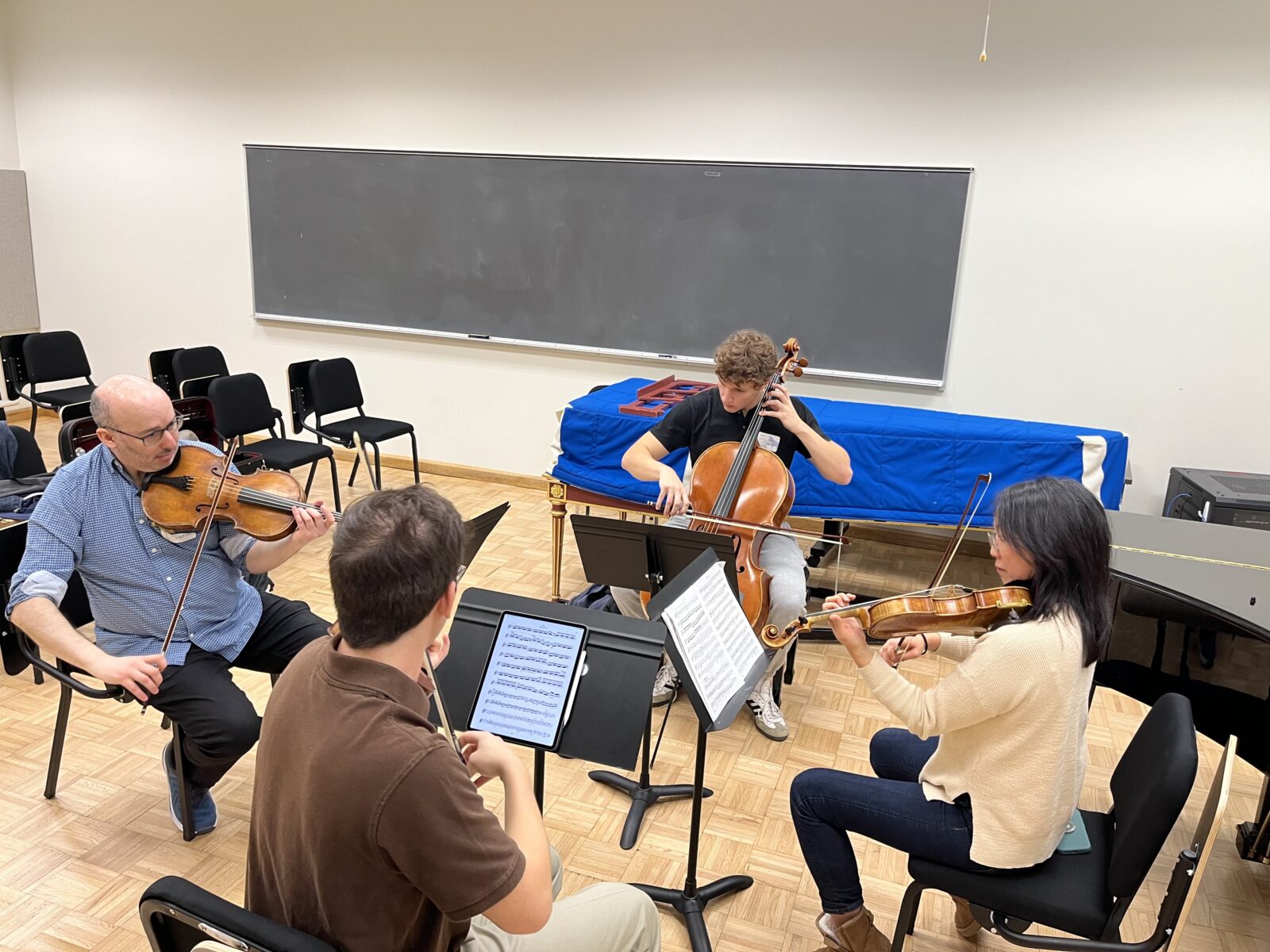
ACMP x ECMS Play-In Rochester, NY
ACMP is partnering with the Eastman Community Music School (ECMS) on a fun and festive chamber music Play-In on Sunday, October 25 in Rochester, New York. All instruments and playing levels are welcome!Read More ↗
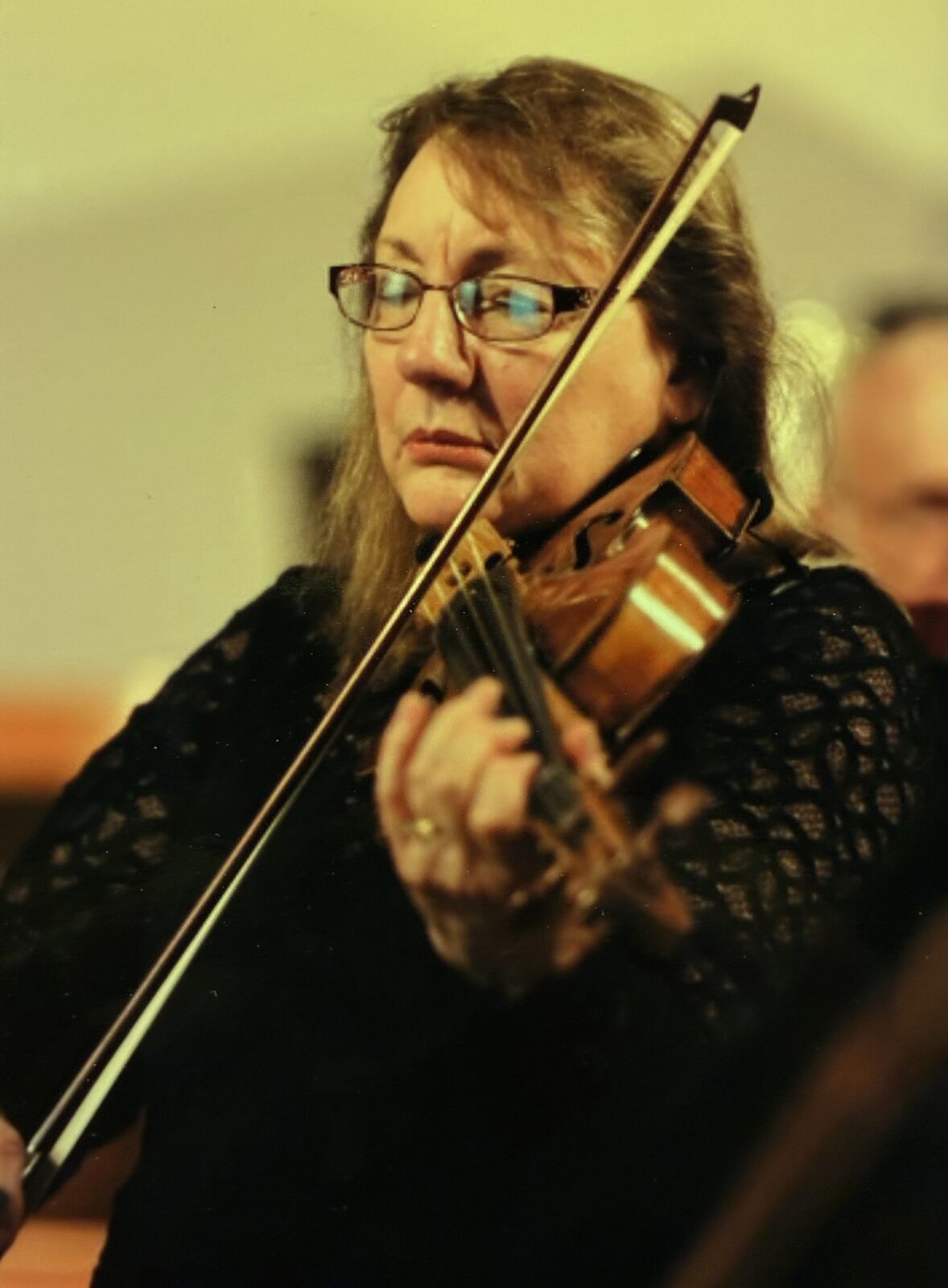
Member of the Month, October 2026: Loryn Gorsett
There is little that Loryn Gorsett hasn’t done as a violist and violinist in the Denver area. She has played in orchestras, both professional and amateur. She built a studio of students. She has played more weddings than she can count. She has been a strolling violinist in an Italian restaurant. But through it all, chamber music has been her true musical passion.Read More ↗
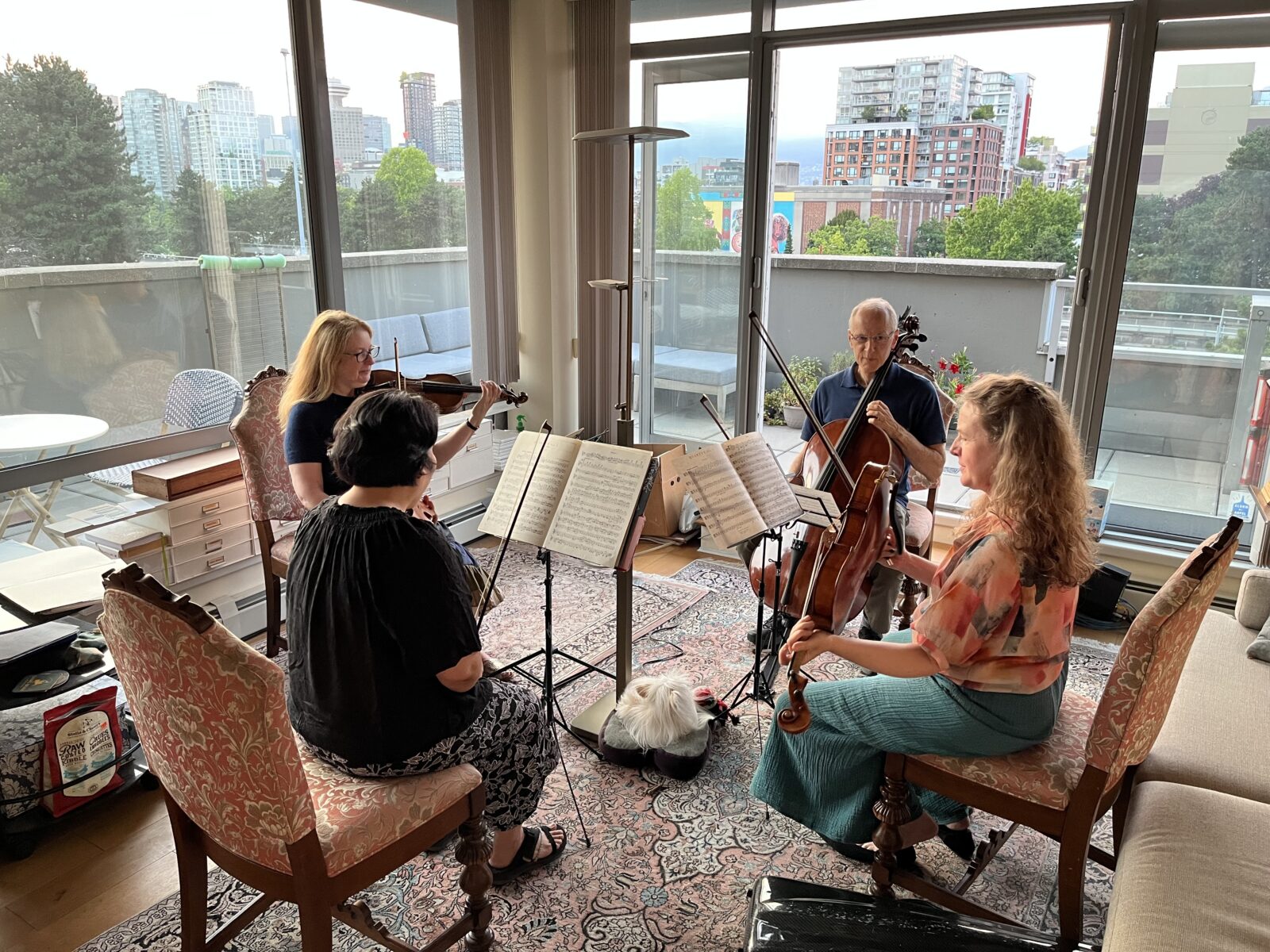
Chamber Music Lifestyles: Vancouver
Vancouver, Canada has a vibrant adult amateur chamber music scene, thanks to ACMP's local NAOC councilor Christina Wolf. If you've never traveled to Vancouver, add it to your list. Where else could you play chamber music with so many great players (and fun people) while looking at the mountains, and eating and drinking a wide variety of local delights?Read More ↗
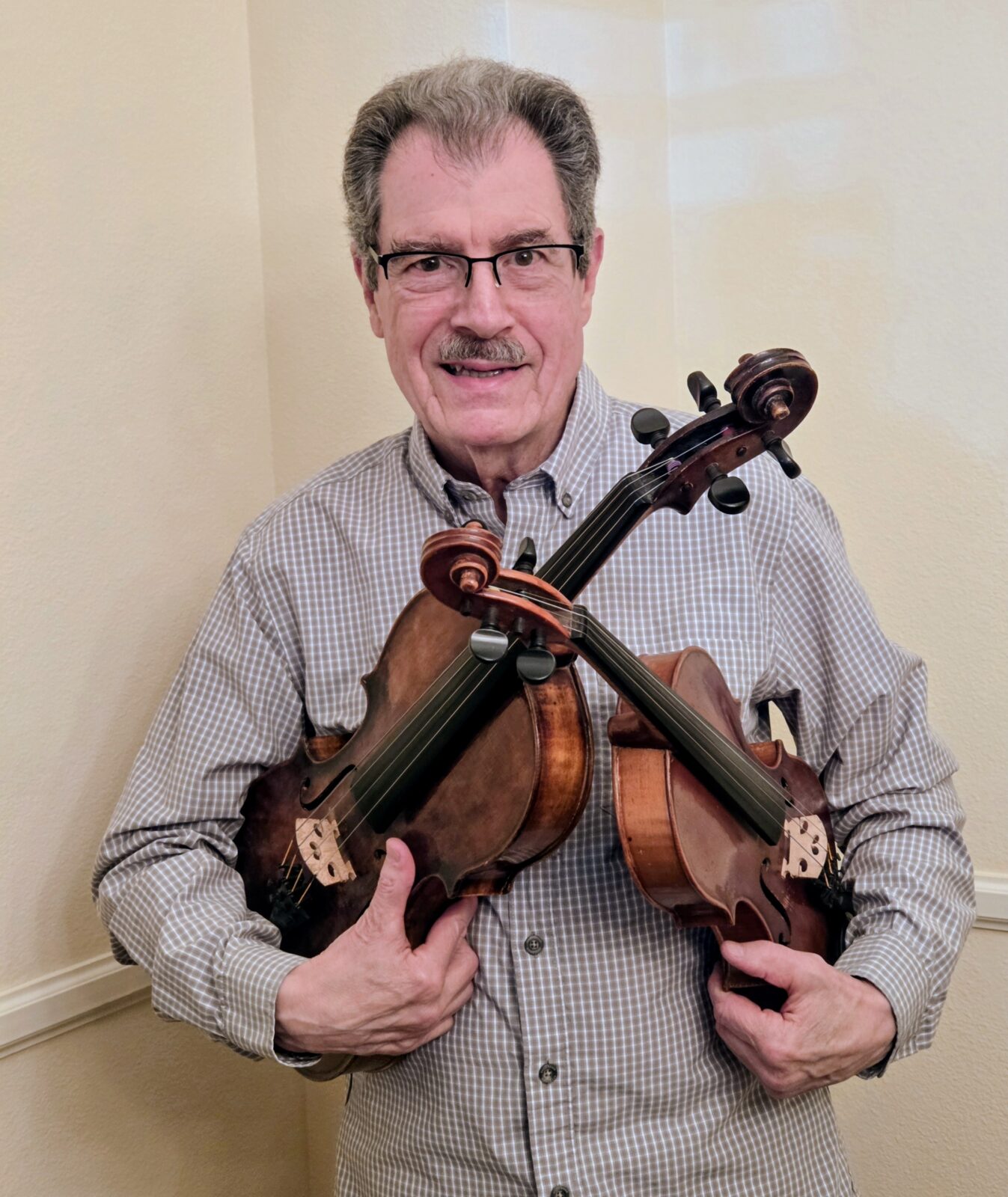
Member of the Month, September 2026: Marshall Costantino
Marshall Costantino learned to play the violin from his Italian grandfather as a young child. After a 42-year hiatus from playing, he is enjoying a new life in chamber music with his neighbor and new friends he met through the ACMP directory.Read More ↗
Celebrate Beethoven: MSQ’s Vienna Workshop, January 2027
Travel to Vienna and immerse yourself in Beethoven's world and in his String Quartet Op. 127, under the expert guidance of the Manhattan String Quartet. Register by Monday, September 14 for this unique cultural expedition!Read More ↗
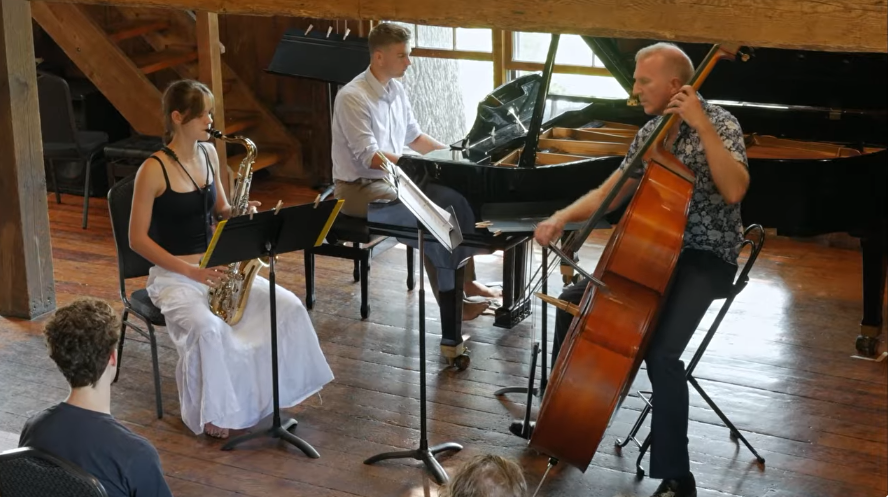
Music and Life at Apple Hill
Vermont-based bassist Art DeQuasie was one of the inaugural recipients of an ACMP Scholarship this summer. Read about his experience at the Apple Hill Center for Chamber Music in August 2026.Read More ↗
Explore New Worlds of Chamber Repertoire
Music educators have been working to find music by underrepresented composers that is accessible to students and amateur players of all levels. This includes music by composers of color, women composers, and LGBTQ groups, among others. Considering the changing demographics of our country, amateur chamber music players can reap the rewards of discovering new repertoire through this research.Read More ↗
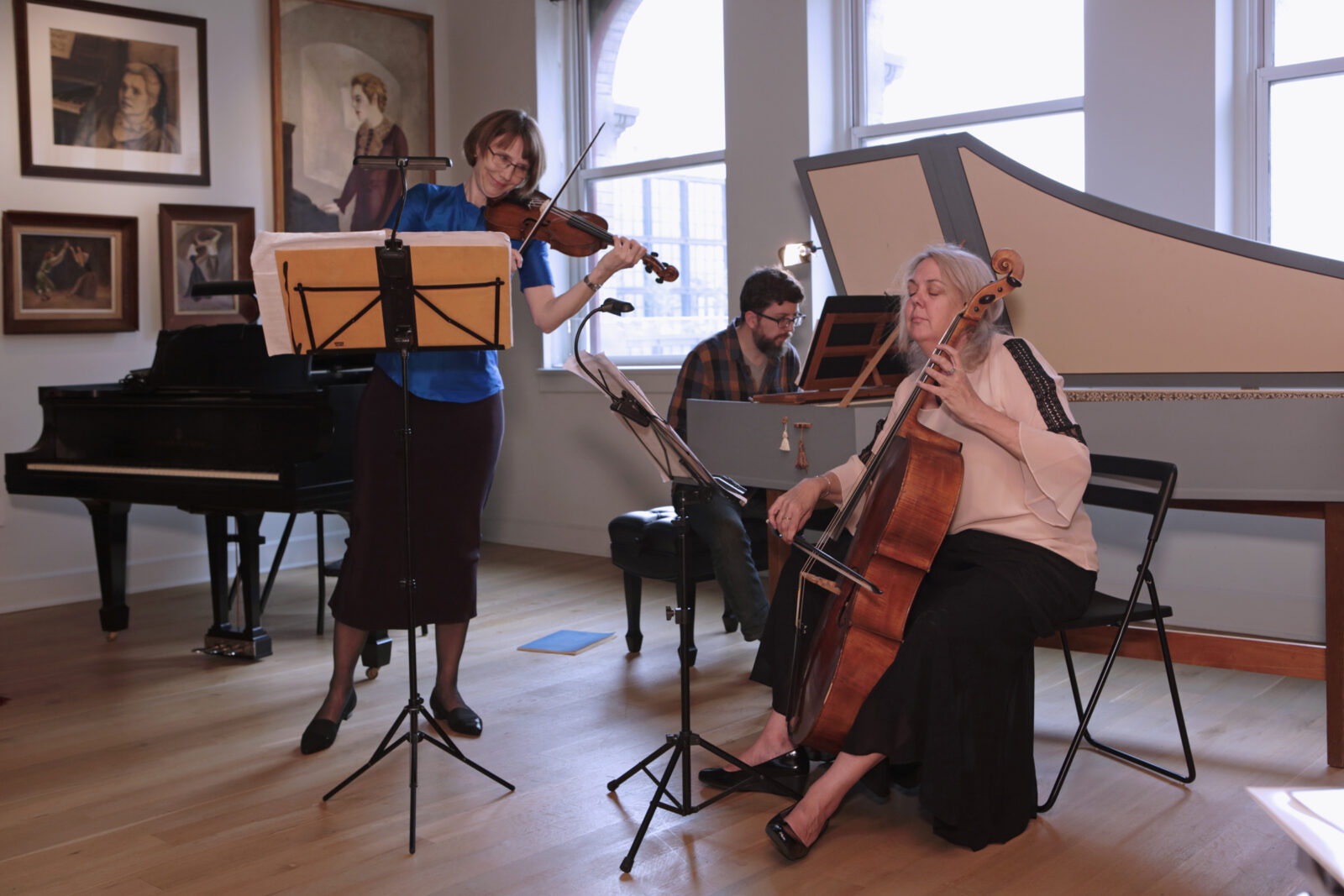
Meet ACMP’s Development Consultant, Amie Roosevelt
Amie Roosevelt joined ACMP's staff as our first-ever Development Consultant in January 2026. She has enjoyed a long and varied career as a violinist, with a primary focus on historically informed performance. I hope you all will meet and even get to play with Amie. But until you do, you can get to know her and her fascinating story by reading this interview from August 12, 2026.Read More ↗
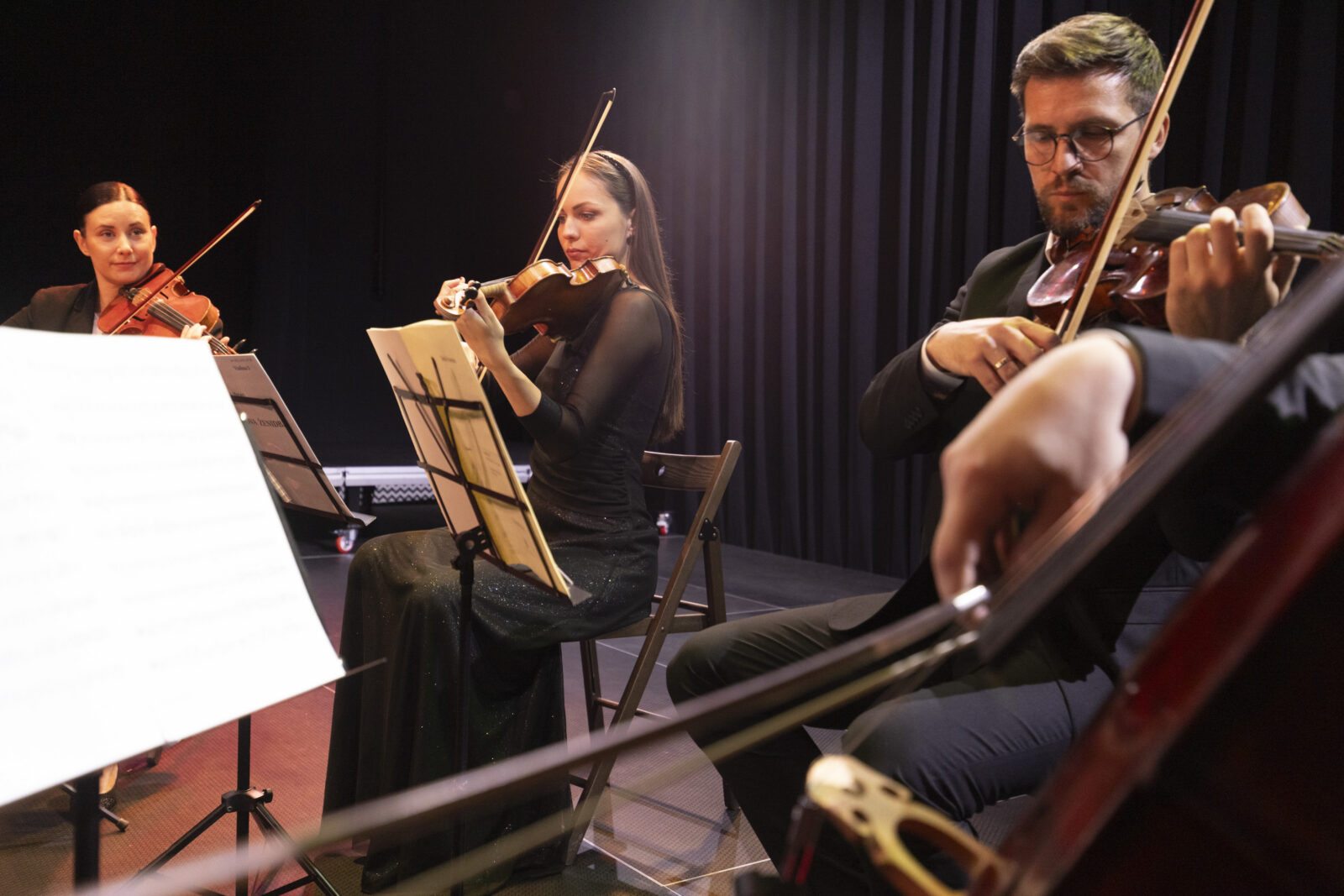
Make Chamber Music Part of Your Fall at 92NY
For many musicians, chamber music is as much about connection as it is about repertoire—the shared experience of listening, collaborating, and discovering new musical perspectives together. At the 92NY School of Music, two chamber music programs offer welcoming entry points into that experience this fall: Chamber Music Reading and Chamber Music Coaching & Performance. Whether you’re picking up your instrument again, looking to meet fellow players, or hoping to deepen your ensemble work, both programs are designed to bring musicians together in a supportive and engaging environment.Read More ↗
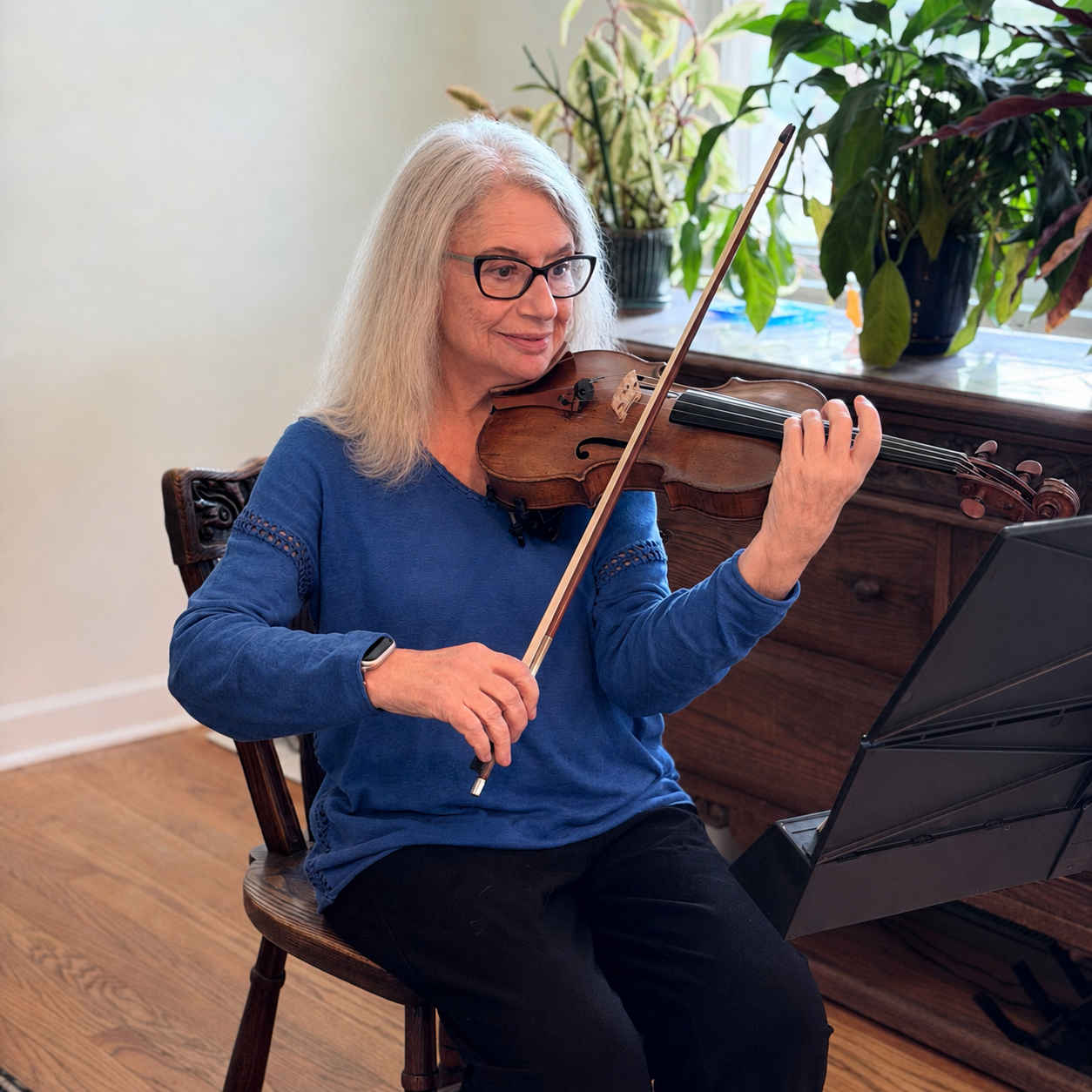
Member of the Month, August 2026: Alison Edwards
There aren’t too many people who come to a professional crossroads before they turn 13. But Alison Edwards faced such a moment. She had taken up the violin at age seven with none other than Dorothy DeLay as her teacher. But indeed, Alison had another calling. Inspired by social justice movements of the 1960s, she became a civil rights lawyer, eventually serving in the appellate division of the Cook County Public Defender’s office. After 25 years working and raising a family, she picked up her violin again and launched on a lifelong chamber music adventure.Read More ↗
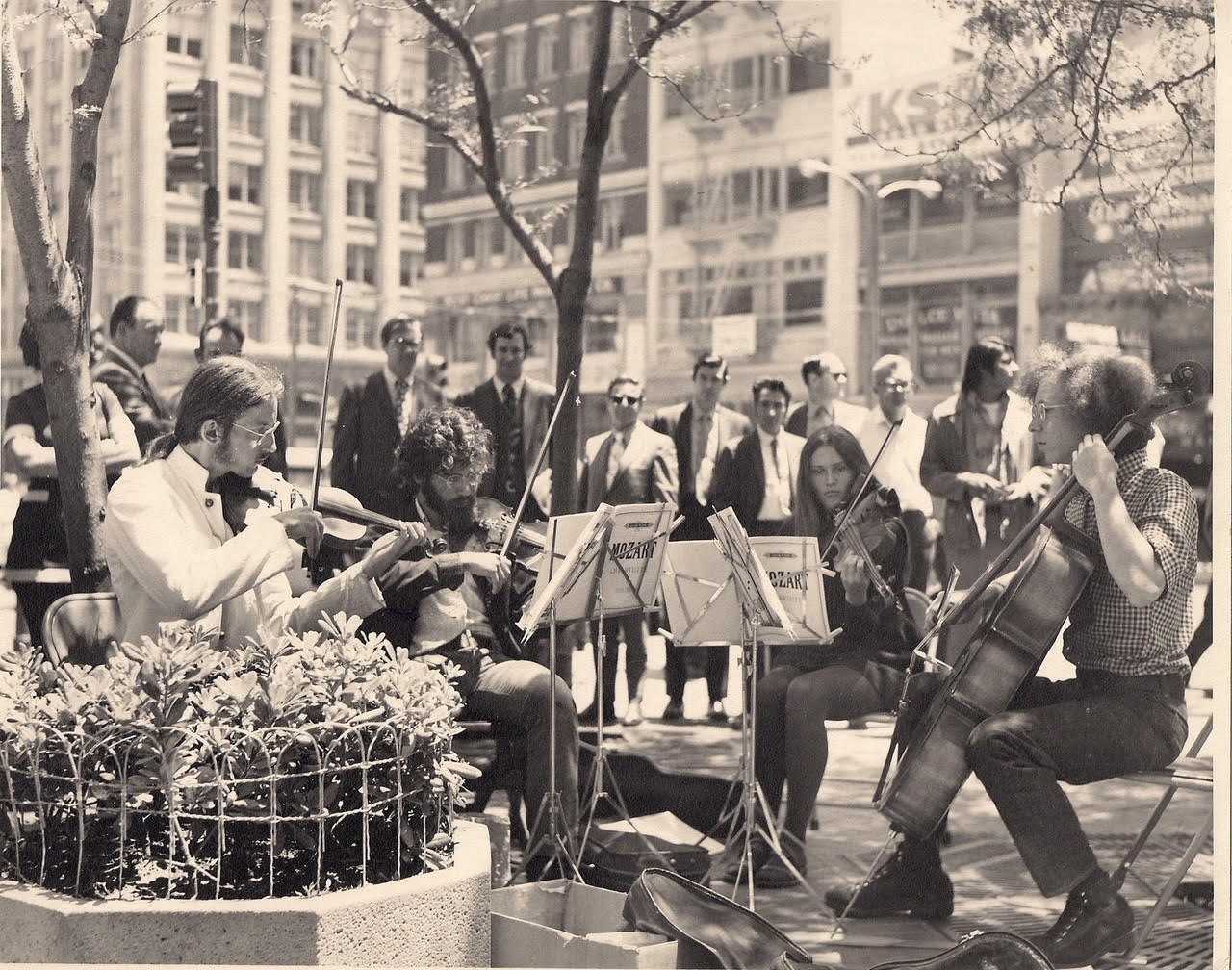
After 56 Years, the Bond of Chamber Music Endures
Cellist David Pearl and violinist/violist Gary Chanan played quartets together in the streets of San Francisco in the early 1970s. 56 years later they are playing together again in New York City...they reconnected through ACMP!Read More ↗
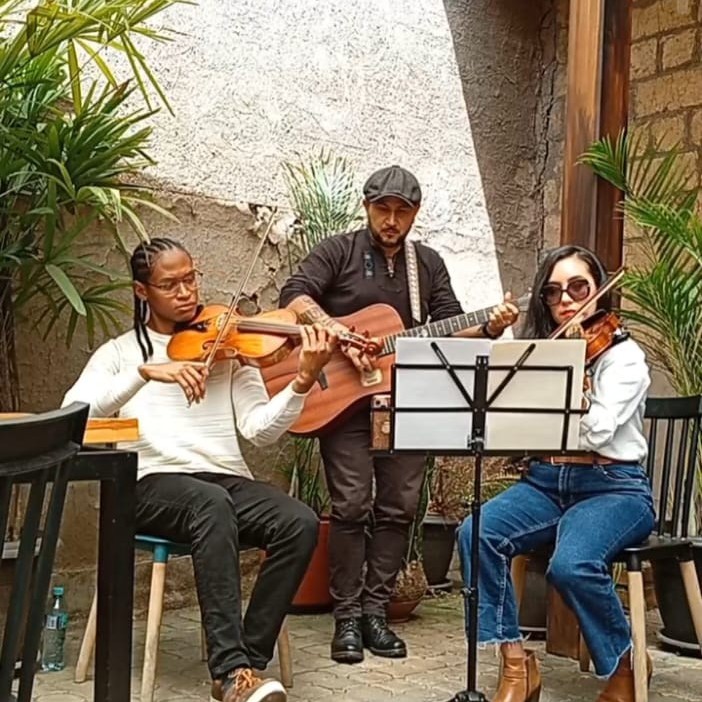
Coffee Shop Performances, Coffee-infused Repertoire
ACMP's intrepid cellist Tom Cappaert is at it again - this time with a story about ACMP members in Ecuador and Spain who organized chamber music in coffee shops, inspired by Tom's endeavors.Read More ↗
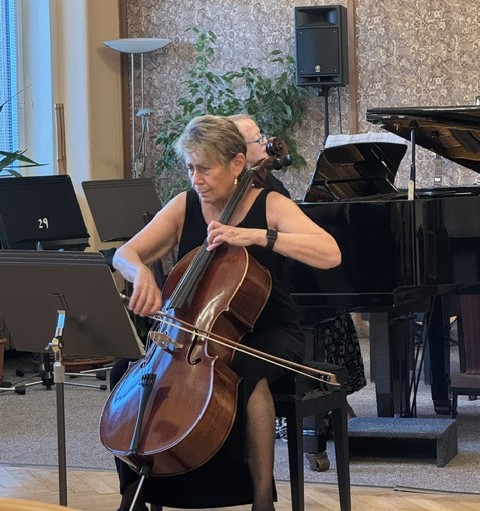
Member of the Month, July 2026: Sara Langbert
A self-proclaimed “total New Yorker”, cellist Sara Langbert graduated from Music and Art and continued her musical education at Queens College in her native New York borough. But like many ACMP members, she would put her cello aside as she managed the demands of raising a family and pursuing a career in computers and technology. Now she's playing again and is an enthusiastic member of ACMP.Read More ↗
Around the World with ACMP’s Grants (Home Coaching and Play-in)
Over the last few weeks we have been asking members, participants, and organizers to tell us how our rolling grants have been useful to them and their communities. So let’s take a trip around the world and see what folks have to say about our Home Coaching and Play in grants.Read More ↗
Around the World with ACMP’s Grants (Just Play and Impresario)
This summer, we’re hearing from ACMP members, participants, and organizers about how Just Play and Impresario grants have supported chamber music in New York, Italy, Canada, Colorado, and beyond.Read More ↗
ACMP Member of the Month, June 2026: Yoav Segev, the flying cellist returns
It’s probably easy to spot Yoav Segev at the airport. He’s the guy in the pilot’s uniform with the cello on his back. Yoav, you see, is the Flying Cellist, a globe-trotting pilot for El Al Israel Airlines who plays chamber music during his layovers in far-off destinations. Read Bob Goetz's interview with Yoav.Read More ↗
International Spotlight: Kristin Saltonstall in Panama
Kristin Saltonstall comes from a longstanding ACMP family and has been a member of ACMP for as long as she can remember. As a molecular ecologist, she works for the Smithsonian Tropical Research Institute in Panama, where she has forged a new musical life for herself and enjoys the natural beauty that Panama has to offer.Read More ↗
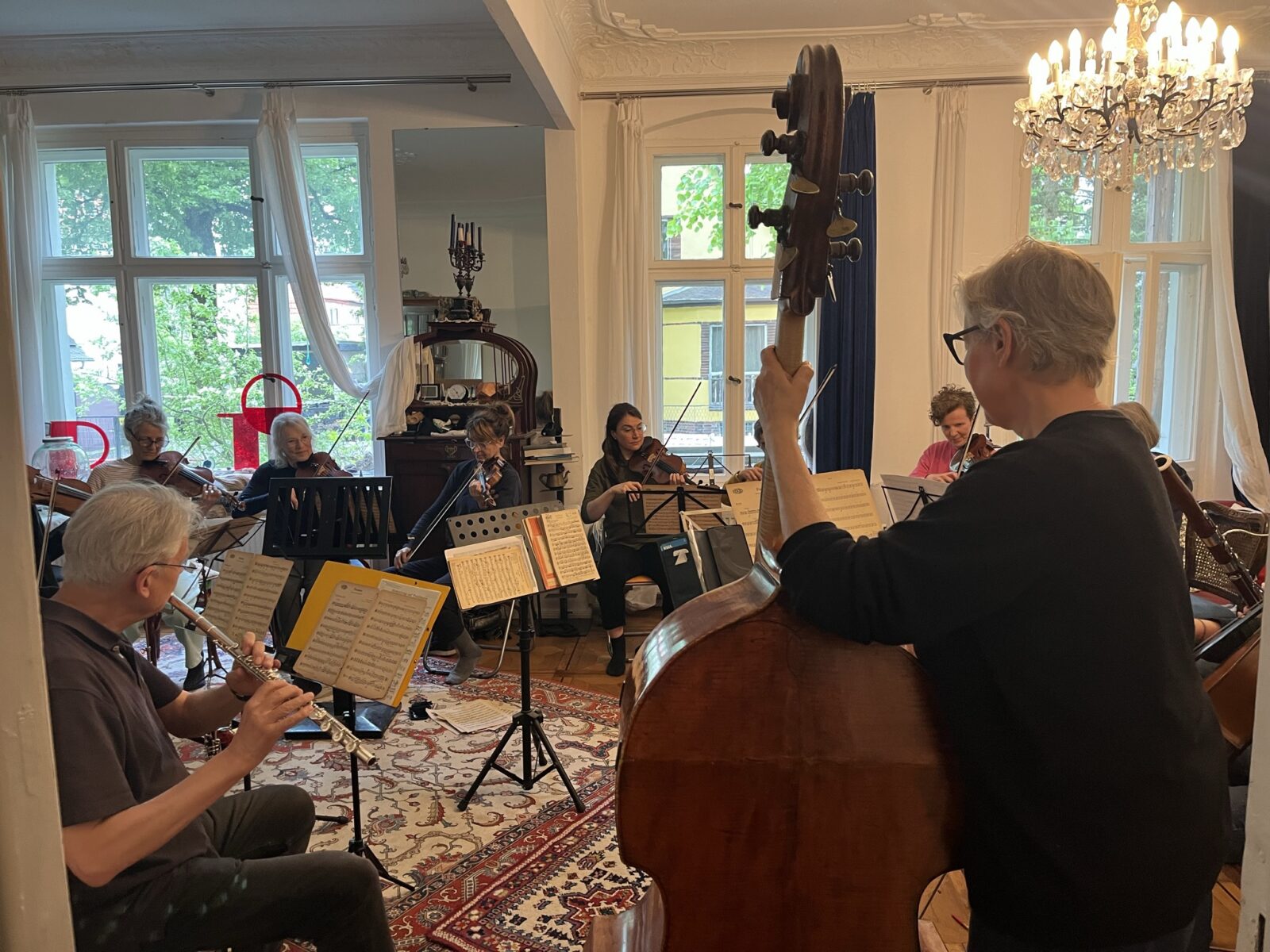
Springtime Extravaganza Light Music Orchestra on May 9, 2026, in Berlin-Karlshorst
Fifteen musicians followed Gudrun Schnellbacher's invitation to a very special kind of play-in – to play in the Springtime Extravaganza Light Music Orchestra. Read the article in English or in German.Read More ↗
Load More
All Articles By