A Space for Everyone
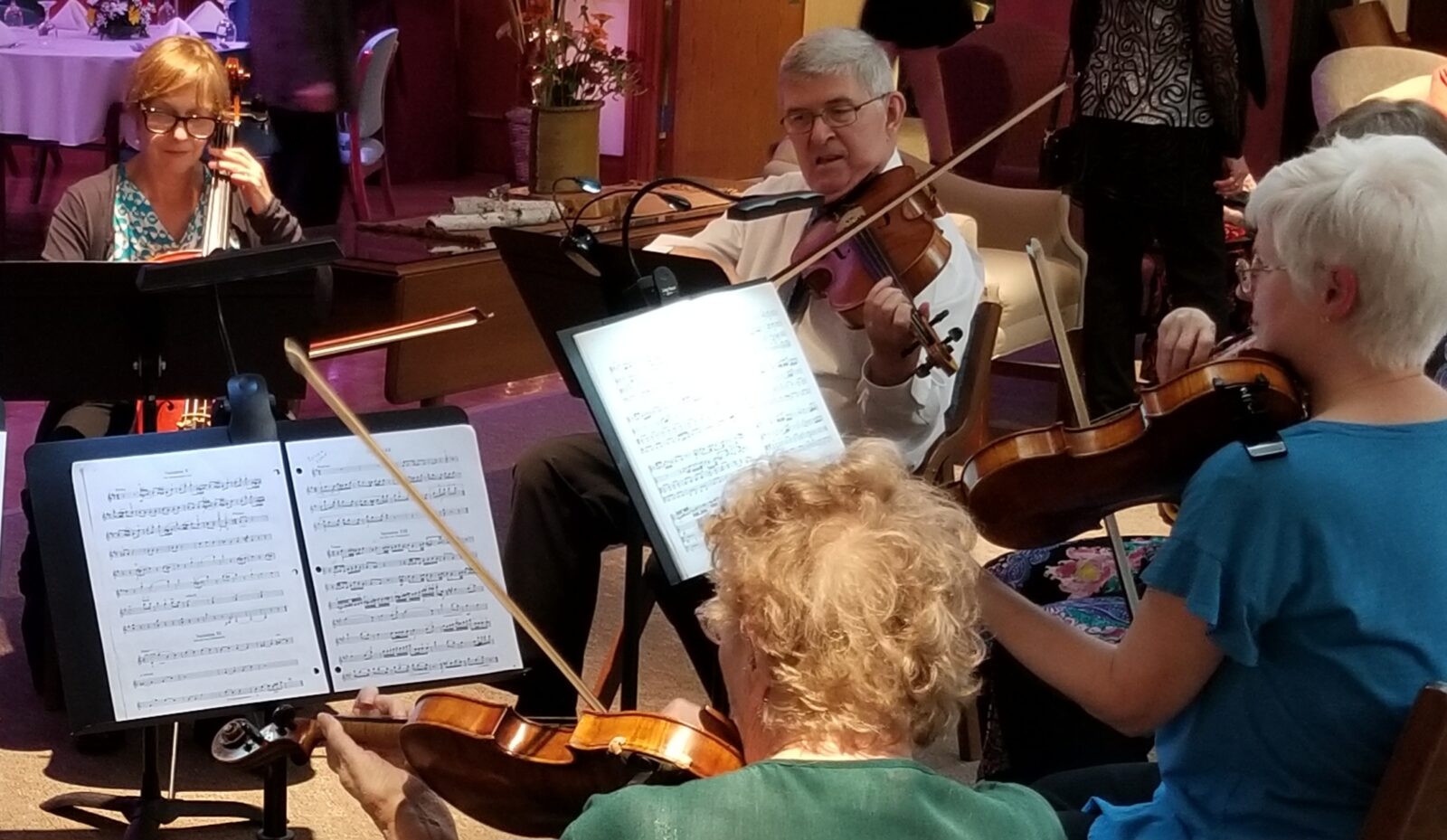
At a recent chamber music weekend, a friend and I had two completely different reactions to playing with an individual who clearly was having physical difficulties. These differences led to the exploration of the following questions: When should one put down one’s instrument? Should friends discourage friends from playing when their physical capabilities are compromised?
The weekend in question was a semi-annual meetup of roughly 60 string players and a few pianists. There are 3 sessions a day, 2 hours each, over the course of a long weekend. There are no entrance criteria. All are welcome to participate. Participants are placed in a different group each session and the group reads whatever music they choose. For those who want to prepare something in advance, there are suggestions provided. There is no coaching;
the only costs are lodging, travel and a very small administrative fee (under $100!). As would be expected in this context, the skill level varies dramatically, from people who are relatively new, inexperienced players to those at expert level who also attend top tier, highly selective workshops. Until the most recent weekend, however, I didn’t realize how wide the skill level might be.
In workshops such as these, where anybody can show up, I expect that I will get at least one bad session. In my definition, a “bad session” is one in which one or more players can’t follow the music or they play completely out of tune or they carry a tempo that doesn’t match anybody else’s or they can’t count, or, or, or….you get the picture. This happens at least once in these settings and is to be expected. In the most recent workshop, however, I was placed in
a string quartet with a violist, I’ll call him Mark, who had what I assume was a very pronounced essential tremor.
When I played with Mark I was completely distracted by the uncontrolled movements of his bow arm. He clearly had some physical issue and although he was playing, very little sound was coming out. When I did hear notes, they were always a bit behind where they should have been. I assume this also was due to a lack of motor control. I could hear enough to imagine that Mark had been at least a decent player at some point, but simply could not make it happen anymore.
With his spastic movements and barely audible notes always behind the rest of us, sitting next to Mark was hard. I had a difficult time focusing and staying with the other 2 players, trying to make music while distracted by the jerky actions happening to my left. I started to get irritated. I started to wonder who had let Mark be a part of the weekend. Who had let this guy in? Of course the answer was that the nature of this particular weekend is that everybody is allowed in. So then I wondered, why does Mark want to be here? Surely he knows that he can’t
control his bow. Surely he knows that his playing is not good — that he’s not making a nice sound or keeping up with the rest of us. So why is he here? Why is he exposing himself in this way?
There was only one answer that came to mind. He was enjoying it! He was having fun! He was appreciating what he was able to do rather than focusing on what he was unable to do. And along the way he was enjoying the camaraderie and personal connection that comes with playing chamber music. This realization allowed me to shift my own focus. My job during this session wasn’t to make beautiful music for all to hear. My job was to create a space where Mark could have the pleasure of playing. His distracting movements were still a challenge, but now, rather than being resentful about them I could have compassion and keep my eyes on my own music, allowing Mark to do his thing to the best of his ability. It was frustrating and difficult playing with Mark, but everybody in the group was kind. We prevailed and had a 2-hour session of string quartets that had some decent musical moments. I was exhausted from the efforts and reported as much to my housemates afterwards.
The next day one of my housemates – I’ll call her Connie – was assigned a session with Mark. Connie is an avid and accomplished chamber violinist. She is also one of the most prepared and conscientious people I know. After her session with Mark she begged us to promise that if she ever got to such a state as Mark’s that we would insist she put down her fiddle. She was absolutely adamant that she did NOT want to make others suffer by having to play with somebody so compromised; we absolutely were not to allow her to ever do so. The contrast between our reactions disturbed me greatly, and it took several days for me to figure out why. Why had the two of us had such different reactions to playing with the same perfectly nice but physically challenged person? Connie is not an unkind person, but she does expect a lot of herself and, my extension, of others. Her request, in fact, was to prevent the suffering of others. I listened, but was silently unwilling to make that promise. Why? And why did the request stick with me for days? As I thought about this, flashbacks to conversations with other musicians came to mind.
There was the conversation with Phyllis at a continuing care retirement community who had just gotten back from playing duets with Stacy, who was in the nursing home section. Stacy couldn’t really play anymore, but she absolutely loved whenever Phyllis showed up with her violin and offered to play duets. I got the impression that not much music came out during those sessions, but Phyllis went with her violin once a week and “played duets” with Stacy, much to Stacy’s delight.
I also thought about the story of Daniel, who had been a very accomplished cellist and was now living in an Alzheimer’s ward. His daughters, one a violinist, the other a violist, visit often, bringing their instruments. When they ask Daniel if he wants to play he will happily toddle over to an armless chair, plop down with legs spread, and one of the daughters will place his cello “in position”. Sometimes Daniel doesn’t make it past playing scales; sometimes some form of duet gets played. But whatever actual music comes out doesn’t matter. Daniel’s eyes light up at the suggestion of playing the cello. No matter the sound produced, it still brings him great joy. From these stories and my experience with Mark I now understand that, at least for me, the music we hear with our hearts is always more important than the music we hear with our ears. This may not be true for everyone and it certainly isn’t true in all situations. We attend performances by world class ensembles expecting amazing music to enter our ears. And for some, the pursuit of audible perfection may be most important. But through this experience I came to understand that for me, the music we hear with our hearts is always more important than that which we hear with our ears. This was a profound realization and it explains a lot of my willingness to let go of perfection when playing in groups. What I had previously labeled in myself as laziness, or not caring enough to make the most perfect music possible, I now understand in a completely different light.
We often hear about including younger people and offering exposure for them to play with more experienced players. But what about players on the other side of that mountain – those whose capabilities are declining, not ascending? While there absolutely is a need for workshops that are selective, where the capabilities of players are well matched and where the goal is to create the best possible music, we also benefit when we provide space for those who don’t play as well as they once did.
To the questions of when one should put down their instrument or whether friends should tell friends that they should no longer play, I would say that we should keep playing as long as we enjoy it. As friends, we may want to direct people with compromised capabilities toward inclusive workshops and away from those that are more competitive. We may want to find places where kindness matters more than the quality of the sound being produced and discourage application to a Manhattan String Quartet Intensive, for example. I now understand
that just the act of playing can be what is most important.
What comes out in audible form doesn’t always matter. The social interaction and the remembering of what one has enjoyed throughout life can sometimes matter more. The playing of an instrument, no matter how poorly,
allows one’s soul to sing. And it’s important to have a space for this to happen.I am grateful to have had my experience with Mark. I am grateful that there is a place where he feels comfortable and where he can be accepted. I am grateful that my friend Connie was open about her concerns. Because now, Connie, I promise you this: Should your physical capabilities ever decline to the point where it might be miserable for others to play with you, as long as you wish to play, as long as it would be fun for you, as long as it would give you pleasure, it will be my honor to make music with you. I will close my ears, open my heart, and we will make beautiful music – no matter how it sounds. All names have been changed to protect the privacy of the participants.
More Articles
Around the World with ACMP’s Grants (Home Coaching and Play-in)
Read More ↗
Around the World with ACMP’s Grants (Just Play and Impresario)
Read More ↗
ACMP Member of the Month, June 2026: Yoav Segev, the flying cellist returns
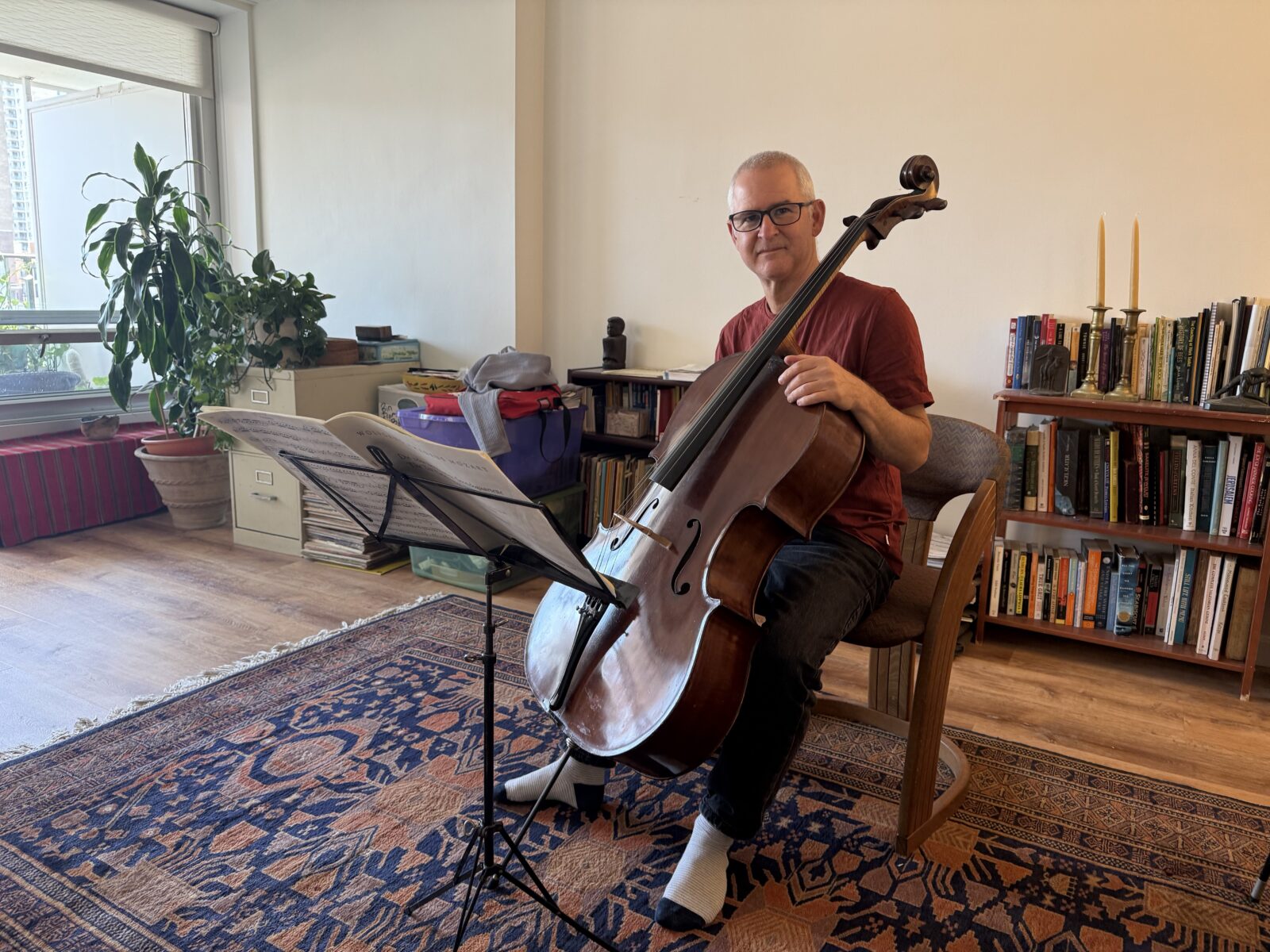
It’s probably easy to spot Yoav Segev at the airport. He’s the guy in the pilot’s uniform with the cello on his back. Yoav, you see, is the Flying Cellist, a globe-trotting pilot for El Al Israel Airlines who plays chamber music during his layovers in far-off destinations. Read Bob Goetz's interview with Yoav.Read More ↗
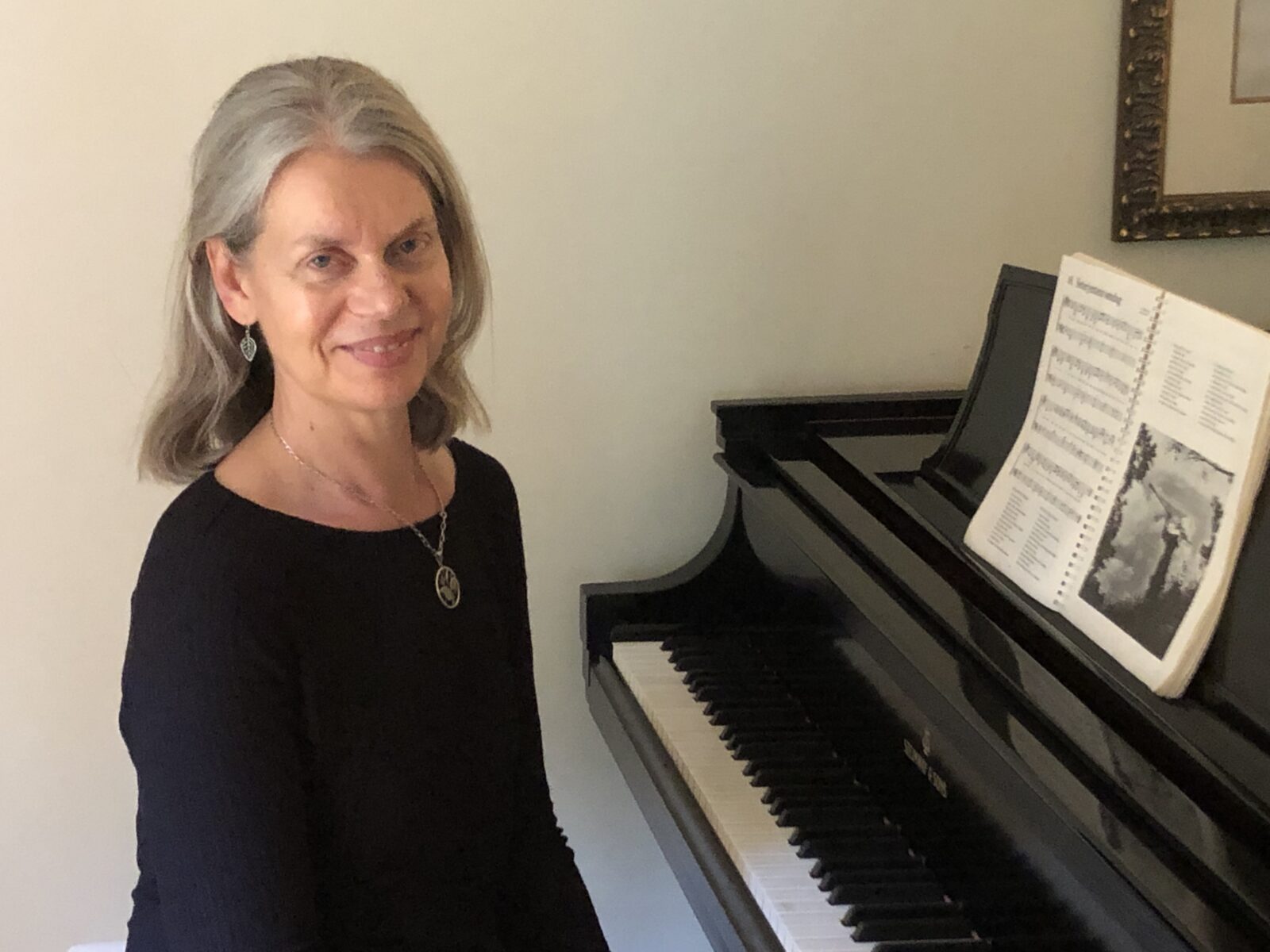
International Spotlight: Kristin Saltonstall in Panama
Kristin Saltonstall comes from a longstanding ACMP family and has been a member of ACMP for as long as she can remember. As a molecular ecologist, she works for the Smithsonian Tropical Research Institute in Panama, where she has forged a new musical life for herself and enjoys the natural beauty that Panama has to offer.Read More ↗
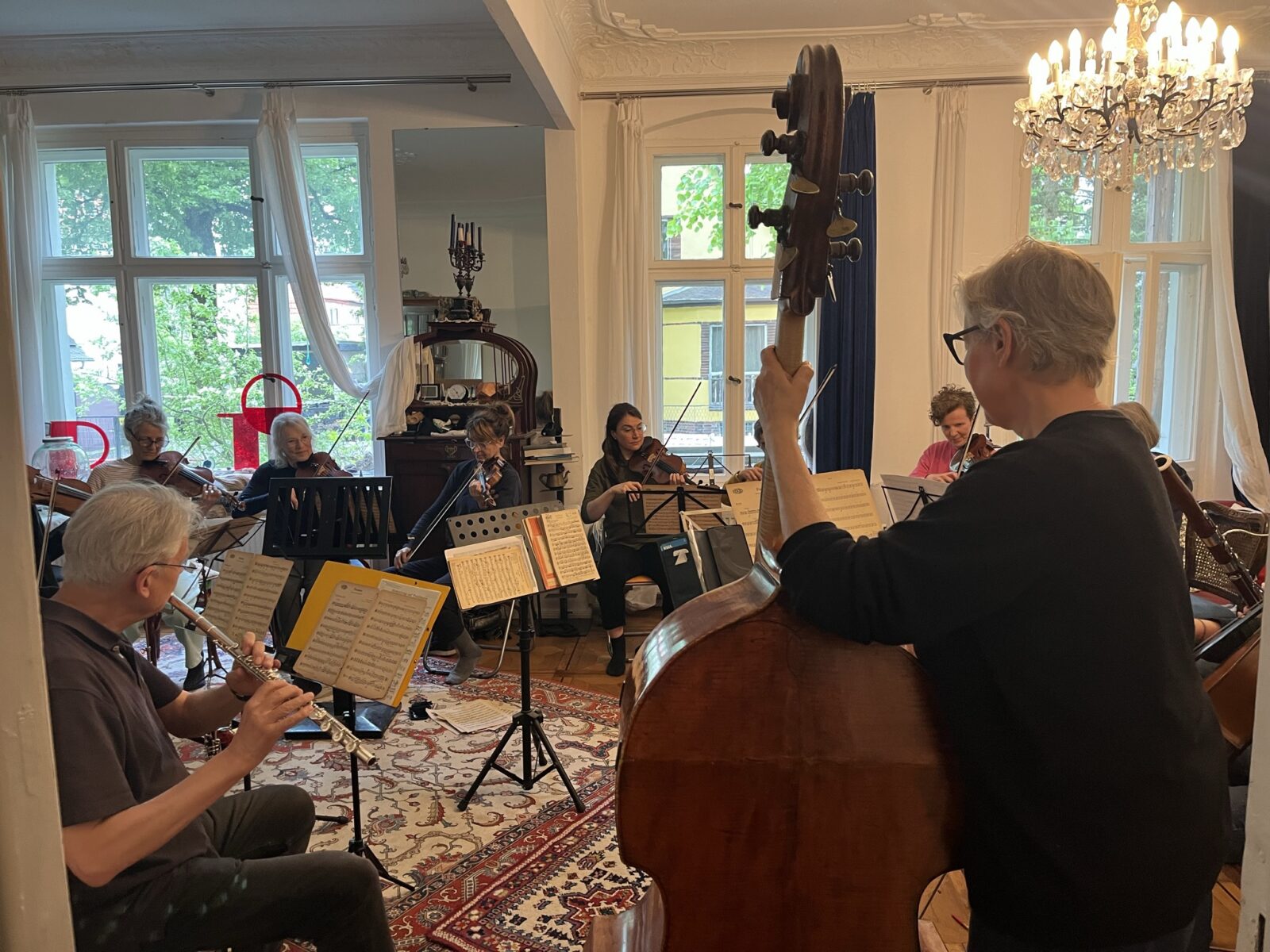
Springtime Extravaganza Light Music Orchestra on May 9, 2026, in Berlin-Karlshorst
Fifteen musicians followed Gudrun Schnellbacher's invitation to a very special kind of play-in – to play in the Springtime Extravaganza Light Music Orchestra. Read the article in English or in German.Read More ↗
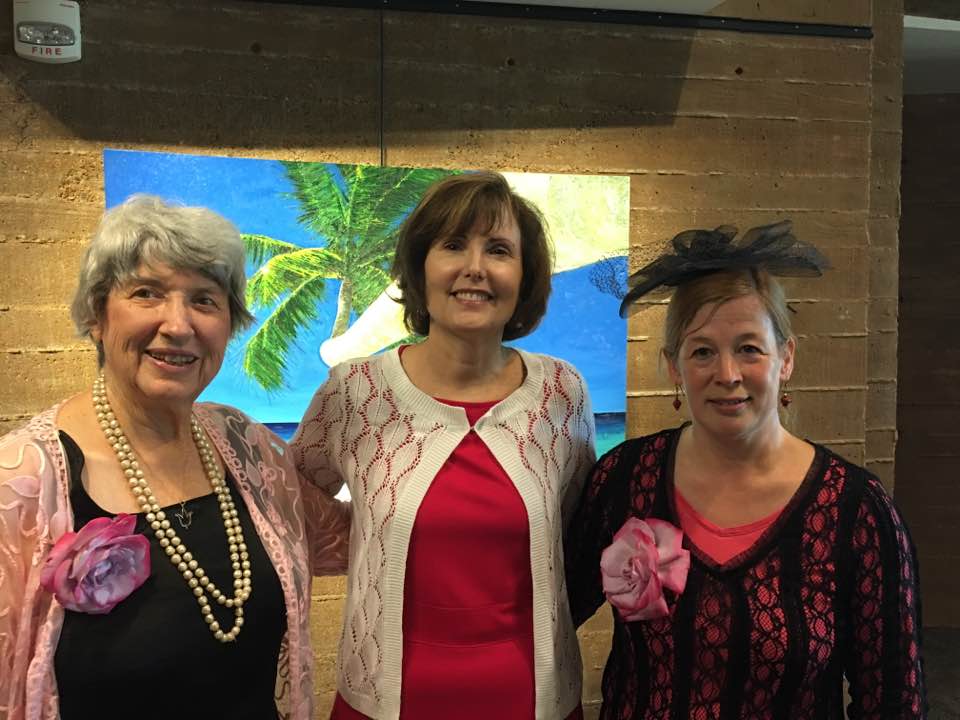
Remembering Pianist Fontaine Laing
Janet White Remembers her friend, and longtime ACMP member pianist Fontaine Laing.Read More ↗
News of Note 2026
It’s that time of year again! The web version of the 2026 News of Note is live, featuring updates from the past our Strategic Plan, and some fun extras, including everyone’s favorite: a new puzzle!Read More ↗
How to Find Players and Build your ACMP Community
There is a time in every player’s musical life when you realize that you want to play more, but not quite sure with whom or where to even begin. Here are some ways to get started and begin building a community around you.Read More ↗
Member of the Month: Amit Rotem
By day, Amit Rotem works as a child psychiatrist specializing in youth addictions at the Centre for Addiction and Mental Health in Toronto. When he is not there, or with his family, there is a good chance he is playing his cello, with as many willing chamber partners as the calendar will allow!Read More ↗
2026 Worldwide Play-In Events
ACMP’s Official Worldwide Play-In Weekend takes place from Friday, May 15 through Sunday, May 17, 2026, but we are encouraging more play-ins throughout the month of May which is National Chamber Music Month in the United States. Keep checking this article for links to May play-ins!Read More ↗
Find Your Musical Community This Spring at 92NY
For many musicians, chamber music is as much about connection as it is about repertoire—the shared experience of listening, collaborating, and discovering new musical perspectives together. At the 92NY School of Music, two chamber music programs offer welcoming entry points into that experience this spring: Chamber Music Reading and Chamber Music Coaching & Performance. Whether you’re picking up your instrument again, looking to meet fellow players, or hoping to deepen your ensemble work, both programs are designed to bring musicians together in a supportive and engaging environment.Read More ↗
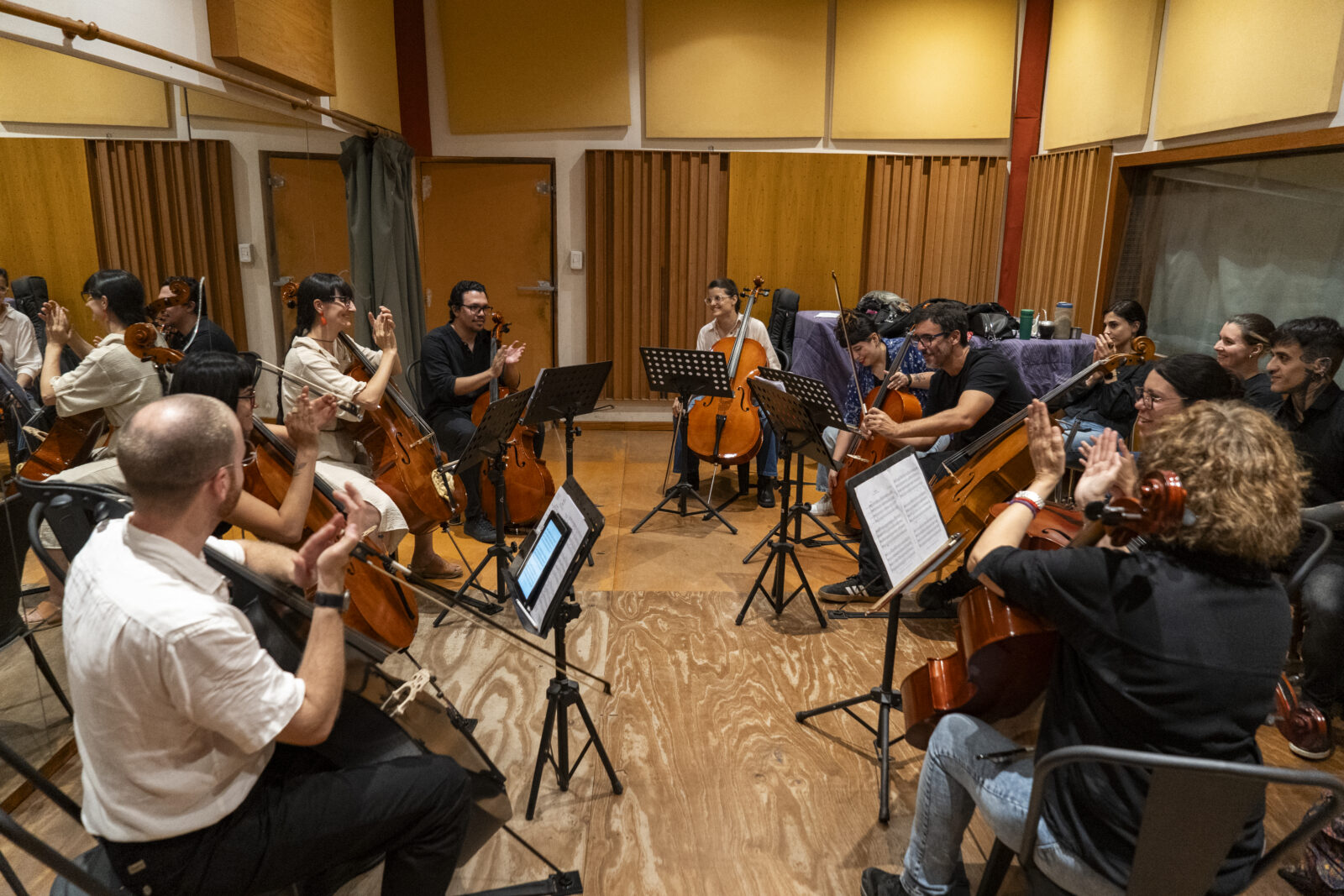
ACMP’s debut in Argentina: a cello gathering in Buenos Aires
Cellist Andrew Brush organized ACMP's first event in Argentina: an all-cello play-in, guided by Chilean professional cellist Denisse Almonacid in Buenos Aires.Read More ↗
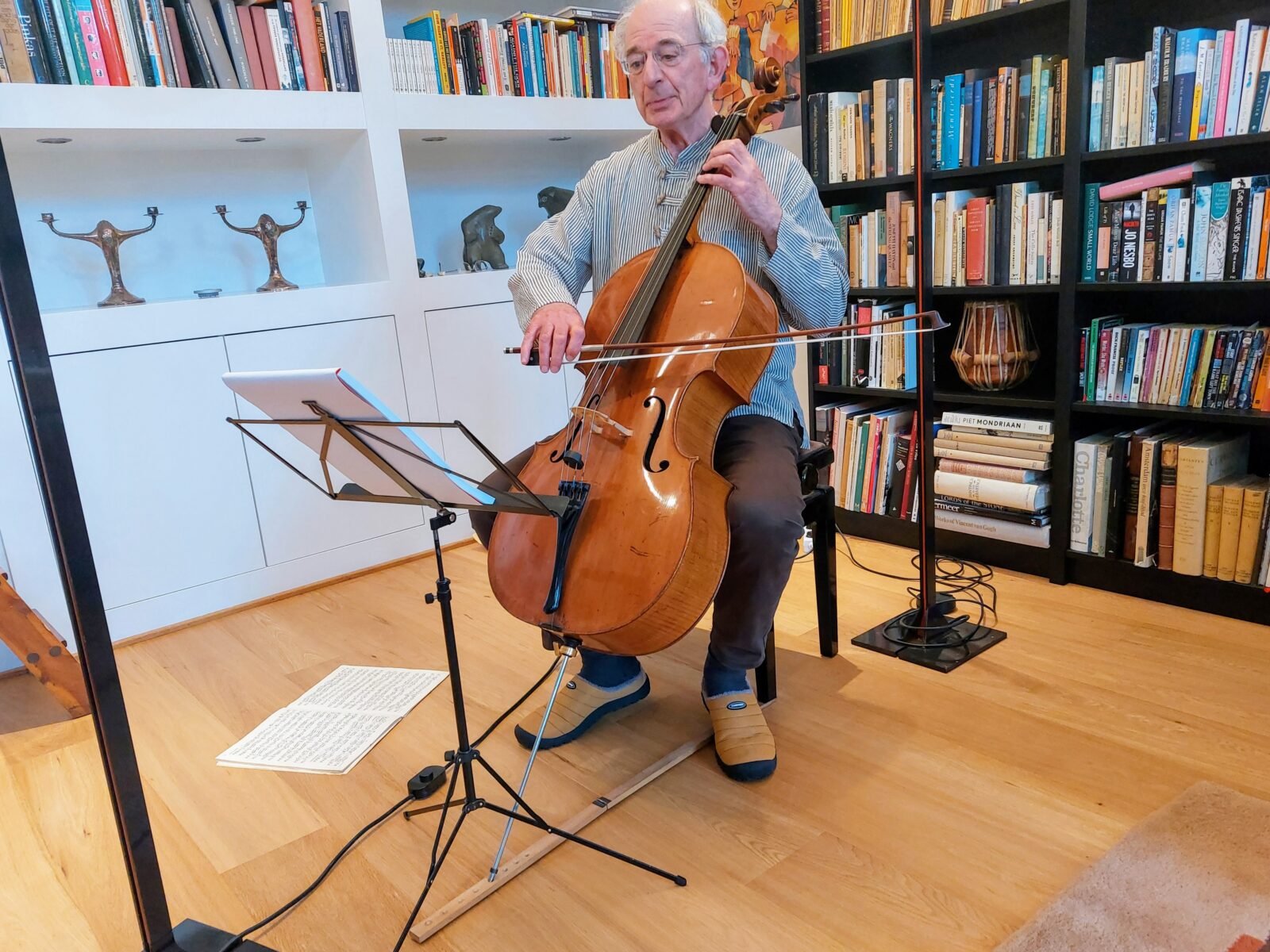
Jan Magnus, cellist – Retirement can wait. Chamber music can’t
At 76, Jan Magnus is still teaching in Amsterdam and making chamber music wherever he goes, with no plans of slowing down.Read More ↗
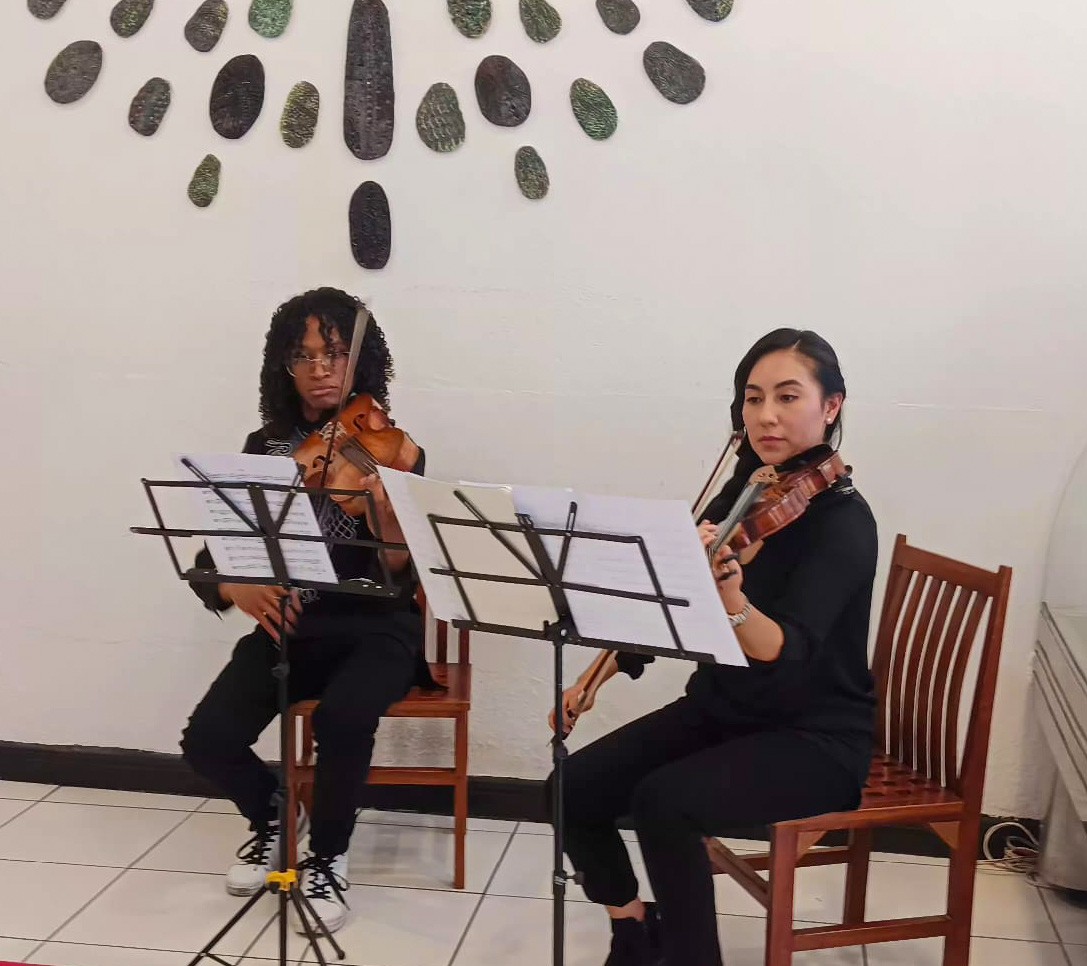
Music on the Menu in Cuenca, Ecuador
New ACMP members played a café concert in Cuenca, Ecuador.Read More ↗
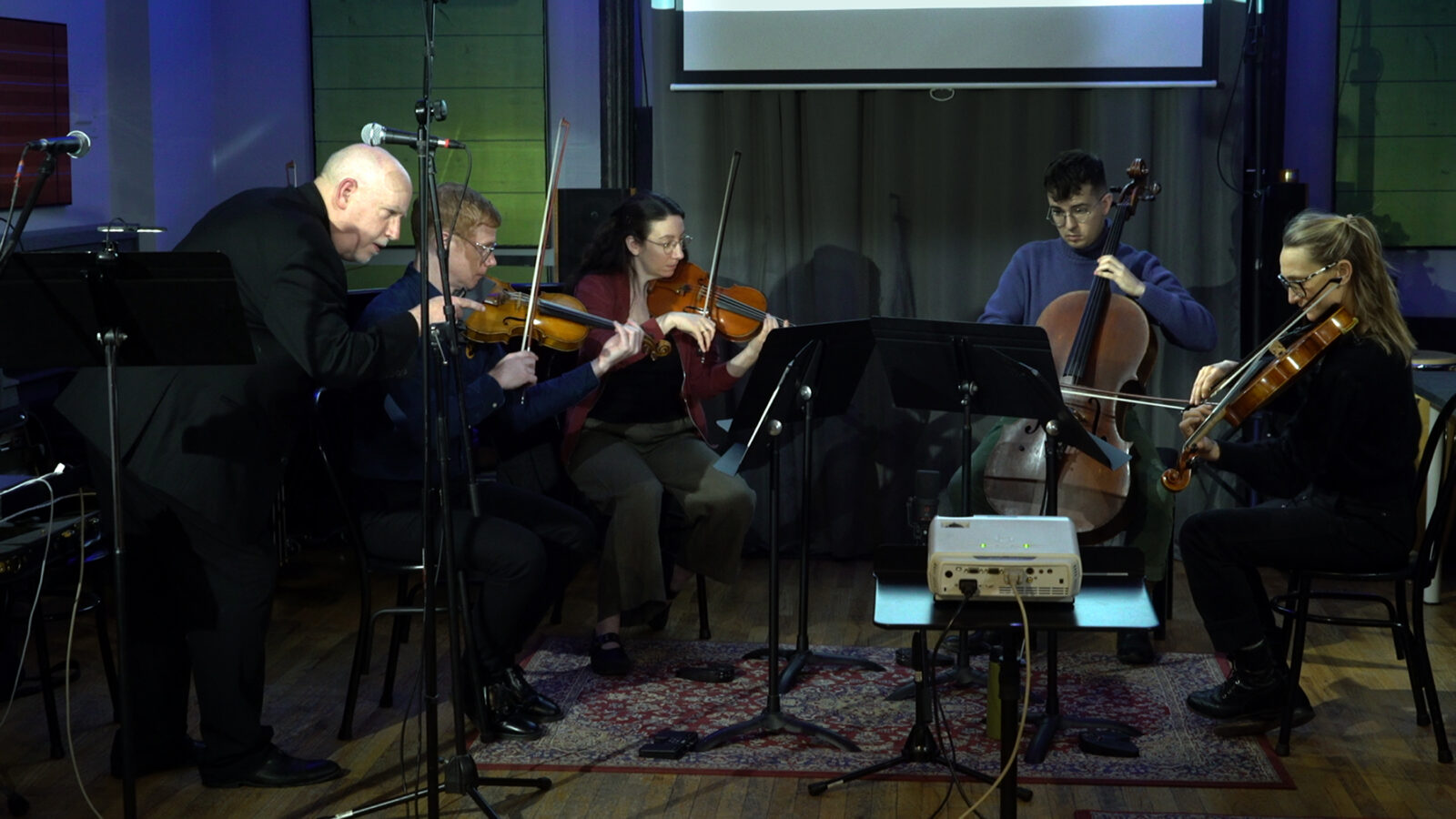
New Video: Turning ink blots into music – a discussion on the meaning and madness of notation
Cal Wiersma and his willing ACMP member partners explored the process of decoding musical notation to begin to answer that eternal question – how do I turn these dots, dashes, squigglies, slurs, round blotches and straight lines into MUSIC? How does one decide what to make of all of this maddeningly imprecise notation? Watch the video of the live-streamed class.Read More ↗
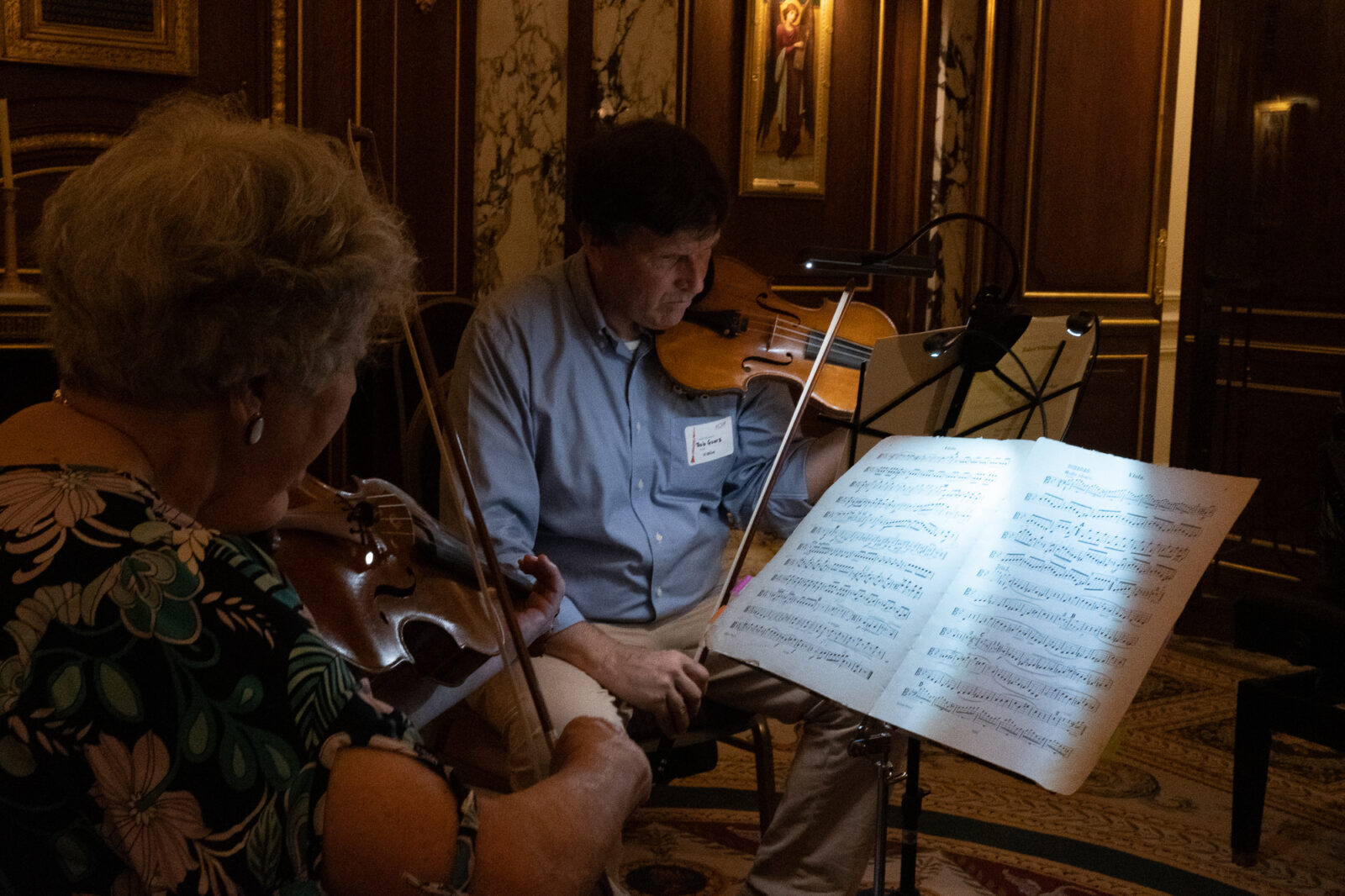
Henry, Gideon, Joan and me
ACMP Board Chair and violinist Bob Goetz reminisces about a deeply moving early experience with ACMP.Read More ↗
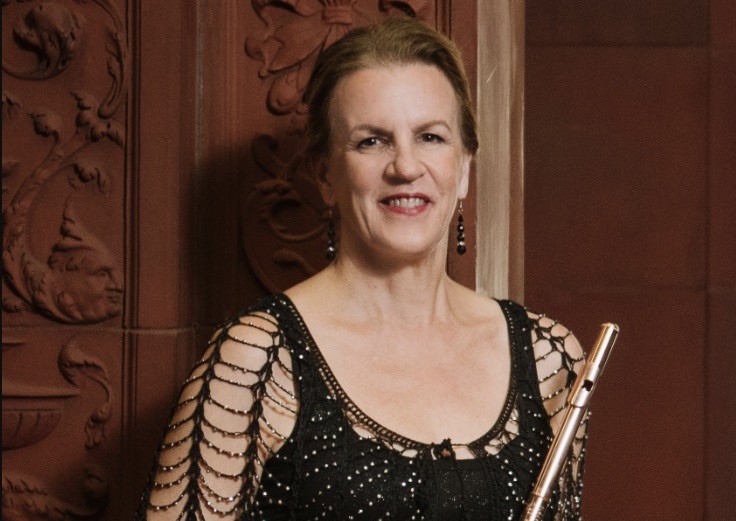
Meet the Musician: Flutist Svjetlana Kabalin (Video)
Watch Stephanie Griffin's interview and Q&A with Svjetlana Kabalin, Artistic Director of the Sylvan Winds, a wind quintet she has led for over 46 years.Read More ↗
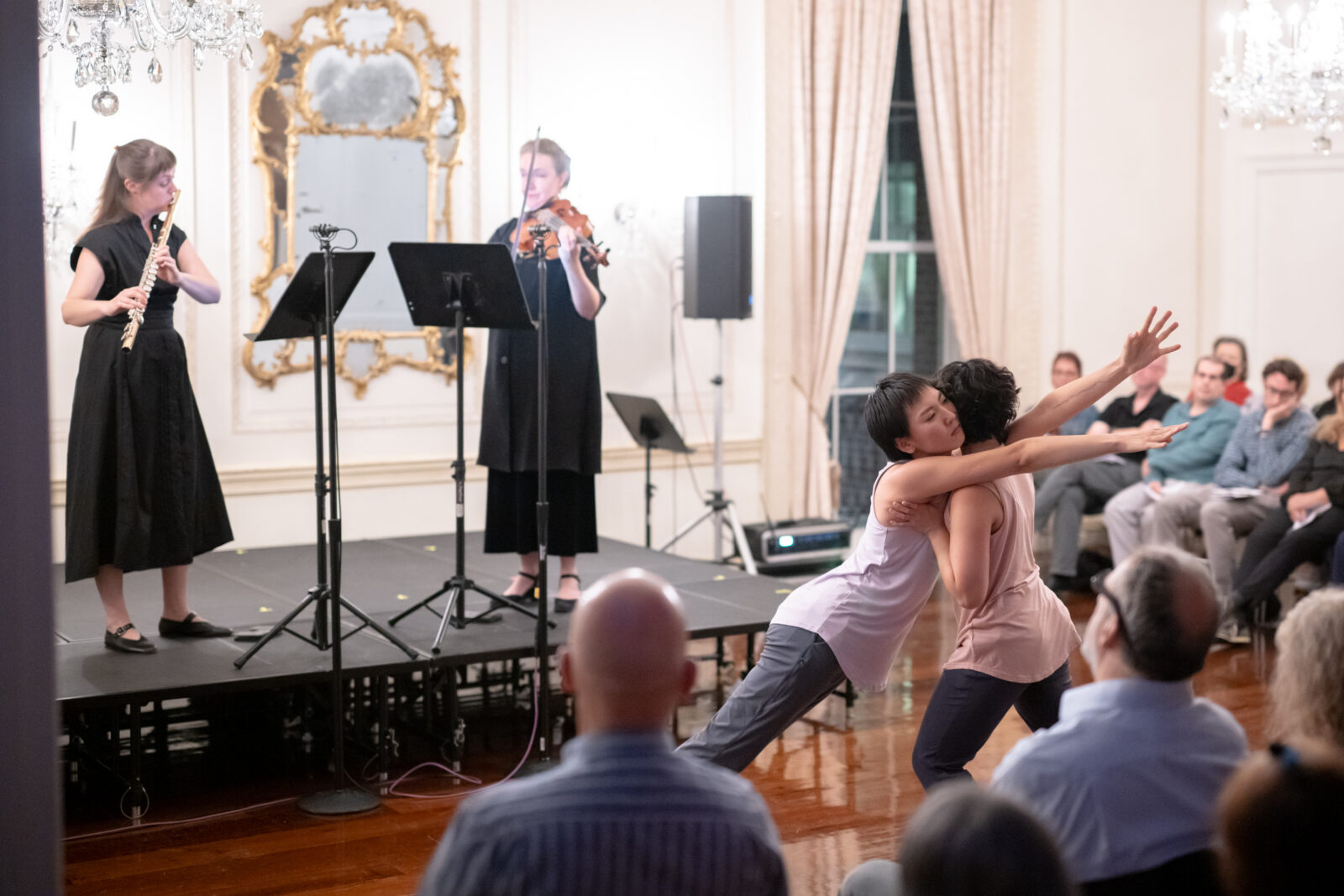
What I learned from wind players
ACMP Executive Director Stephanie Griffin reflects upon her personal experiences working with wind players as a violist and composer. All of us musicians can learn so much by listening to and especially playing with musicians who produce sound in a completely different way than we do!Read More ↗
Interview with Joe Wilson and Edward Guo
ACMP member flutist Joseph Wilson has been actively adding to the chamber music repertoire for flute, by making original arrangements and transcribing parts and scores from manuscript, and uploading them to IMSLP. Watch the video of him in conversation with Stephanie Griffin and IMSLP founder Edward Guo.Read More ↗
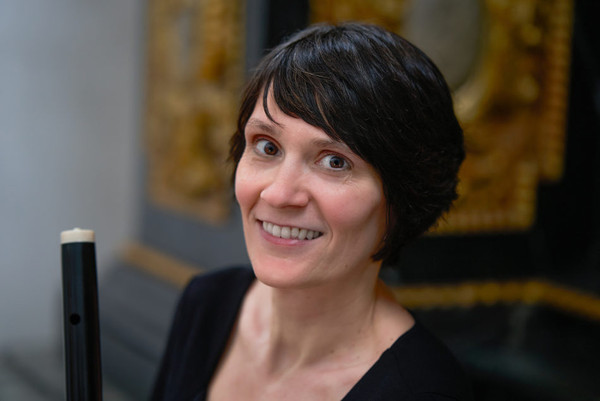
Put a flute on it! Arrangements of Haydn string quartets for flute and string trio
Looking for top-quality repertoire with flute and strings for your ACMP Haydn Challenge gathering? Put a flute on the opus 20 string quartets. Listen to the beautiful recording by the Campanile Ensemble with Hungarian Early Music flutist Ildikó Kertész.Read More ↗
Load More
All Articles By