For the Love of It: A Legacy
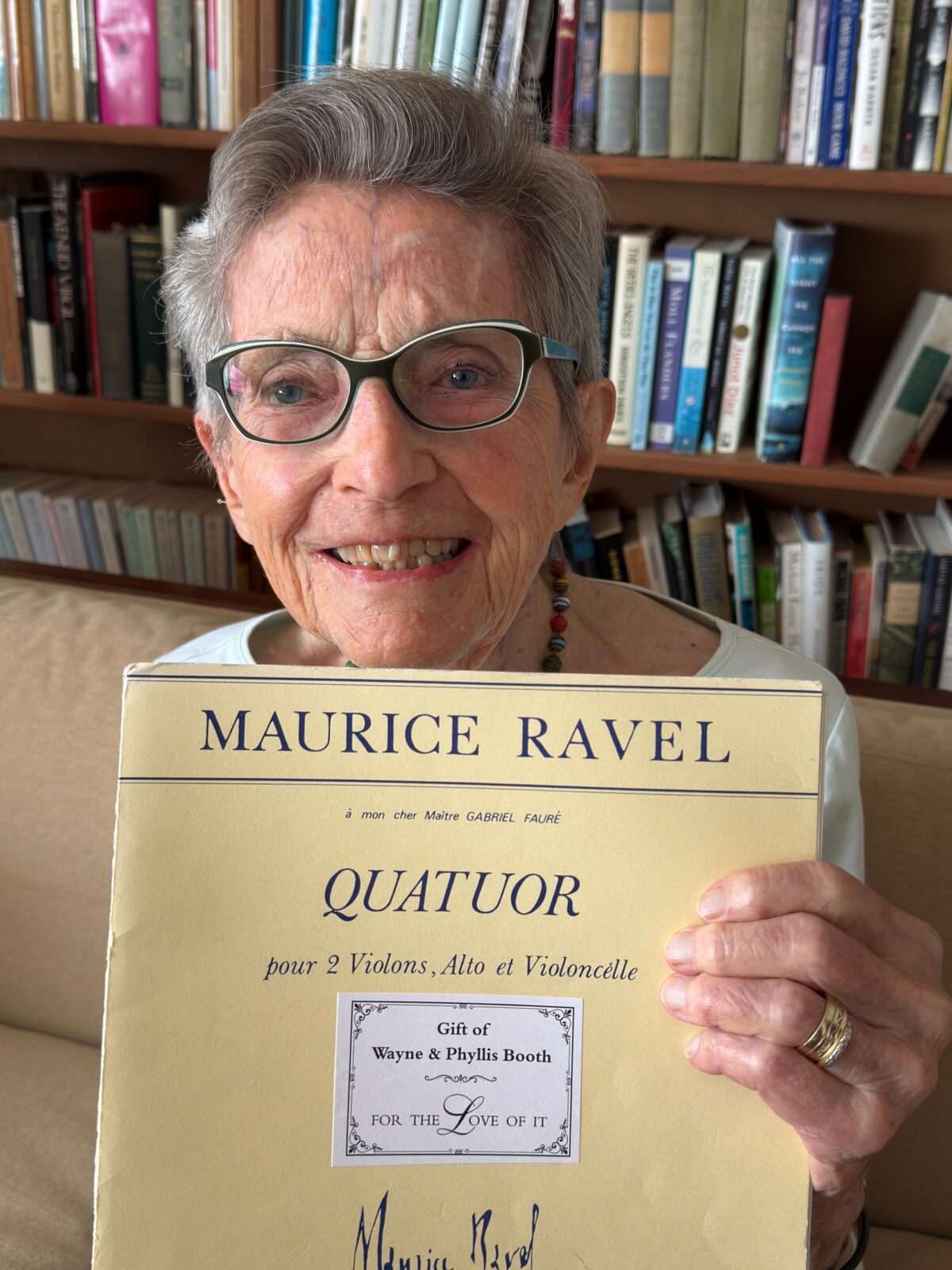
What to do with all that music, when you finally, reluctantly, stop playing? At 99, Phyllis Booth (violin/viola, Chicago) stared at her bookcase full of chamber music. She had been playing violin and viola since childhood and had studied music in college. Her husband, Wayne Booth, had taken up the cello in his early 30’s so he could play with her. The Booths played together – and sometimes separately – till Wayne’s death in 2005, at age 84. By that time, they had added late Beethoven and Bartok quartets to their expanding repertoire. They played with friends in Chicago, at workshops at home and abroad, and with musicians they found all over the world through the ACMP directory. More than 50 years of playing had built a large, well-loved chamber music collection.
A summer, 2025 visit from Jane Leland (viola/violin, Wilmette, IL), a more-than-music-friend, got Phyllis thinking about gifting the music library to Golden Chamber Music at Sleepy Hollow (known to regulars as just “Sleepy Hollow”), a twice a year weekend chamber music gathering in South Haven, Michigan. A central music library would be useful for the gatherings and passing her music on to new generations of players would be part of her legacy. The Booth’s long, joyful connection to the Sleepy Hollow weekends began a few years after the original gathering in 1969, and Phyllis was still attending in 2019, the 50th anniversary. Sleepy Hollow is purely recreational. String players, a few pianists, and occasional winds gather for a long weekend and play in groups mixed and matched by the organizers. It currently has no coaches or performances and does not accept preformed groups. What music you play depends on who has signed up, and the Booth library had plenty of trios, quartets, quintets and sextets.
Phyllis and Wayne were the kind of chamber musicians everyone wants to play with: communicative, responsive, and musically generous. They played because they loved making music with friends – and making friends through music. Both had other professions. After initially planning a career as a school music teacher, Phyllis chose clinical psychology and worked with children and families in nursery schools. She is one of the founders of Theraplay, a method for helping families build better attachments through play, wrote two books about it, and lectured throughout the world.
Wayne was a professor of English. While he was slogging through the rat race of his first academic job at Haverford College, Phyllis was having all the fun, playing chamber music at night with new friends. Wayne enjoyed listening to music, but Phyllis was going out in the world and making music. He wanted in. After some rough calculations of the Haydn Op. 64 No. 5 quartet’s last movement, he chose the cello. It had fewer notes and more rests than the other parts.
We know all this about Wayne because among his many scholarly books and essays on subjects like literary criticism, rhetoric, and ethics, there is an intimately personal book about his journey as an amateur cellist. “For the Love of It: Amateuring and Its Rivals” rescues the term “amateur” from its “unskilled” and second-rate connotations and returns it to its Latin origin, the word “amator” or lover. Wayne’s book describes, with considerable humor and humility, the formidable challenges of learning the cello as an adult. It also examines human craving for love, fun, and connection, and describes how the labor of learning to play the cello well enough to do it with other musicians proved to be much more than an escape from the demands of work. Making music with others, reaching together for that elusive, unattainable goal, and occasionally soaring very close, all for the love of it, is a window to a whole different dimension of life itself.
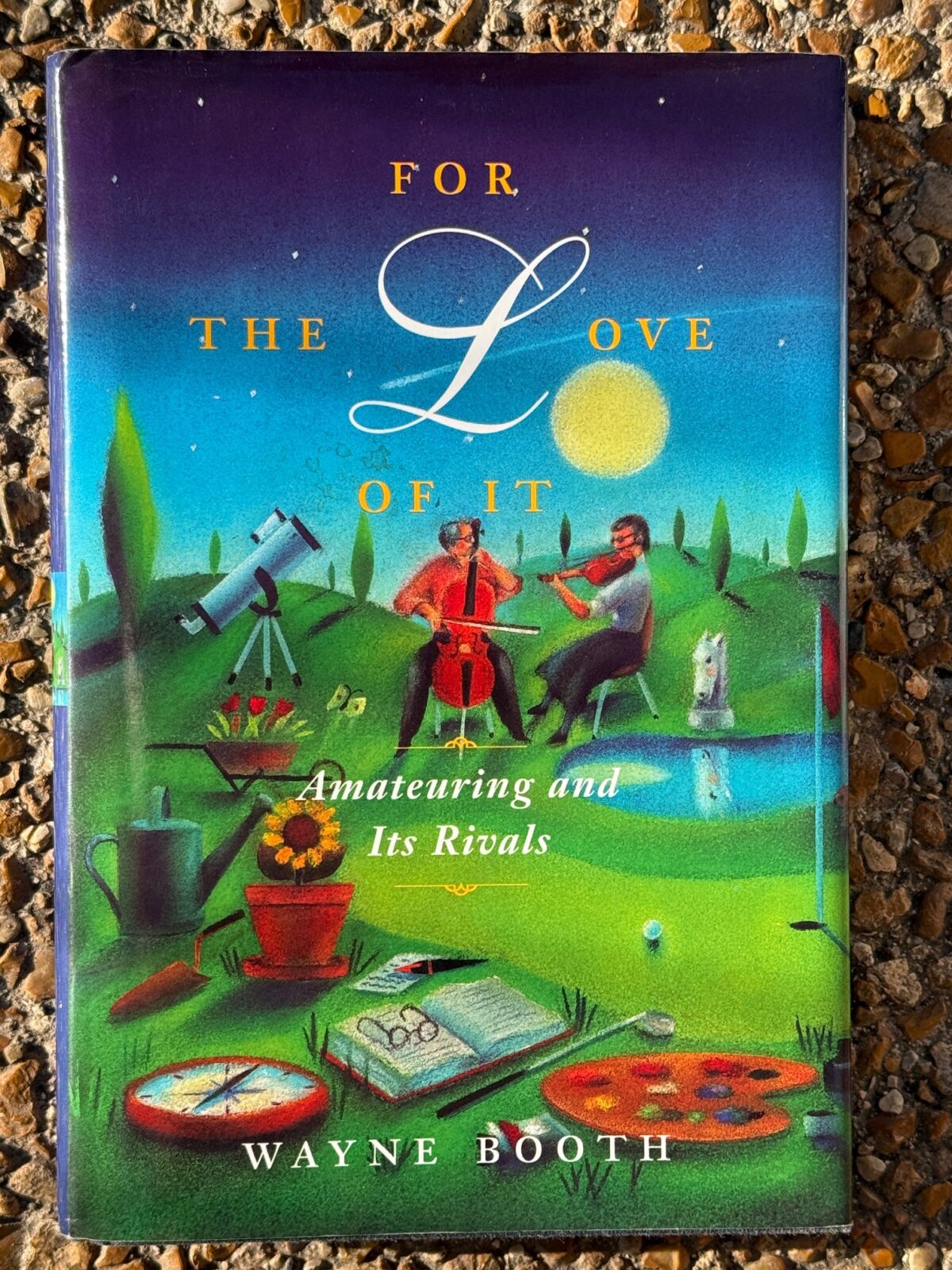
Phyllis’s donation of their chamber music and scores to Sleepy Hollow captured the spirit described in Wayne’s book. She designed a dedication plate for the music with the inscription “Gift of Wayne and Phyllis Booth: FOR THE LOVE OF IT” in the same font as the cover of Wayne’s book.
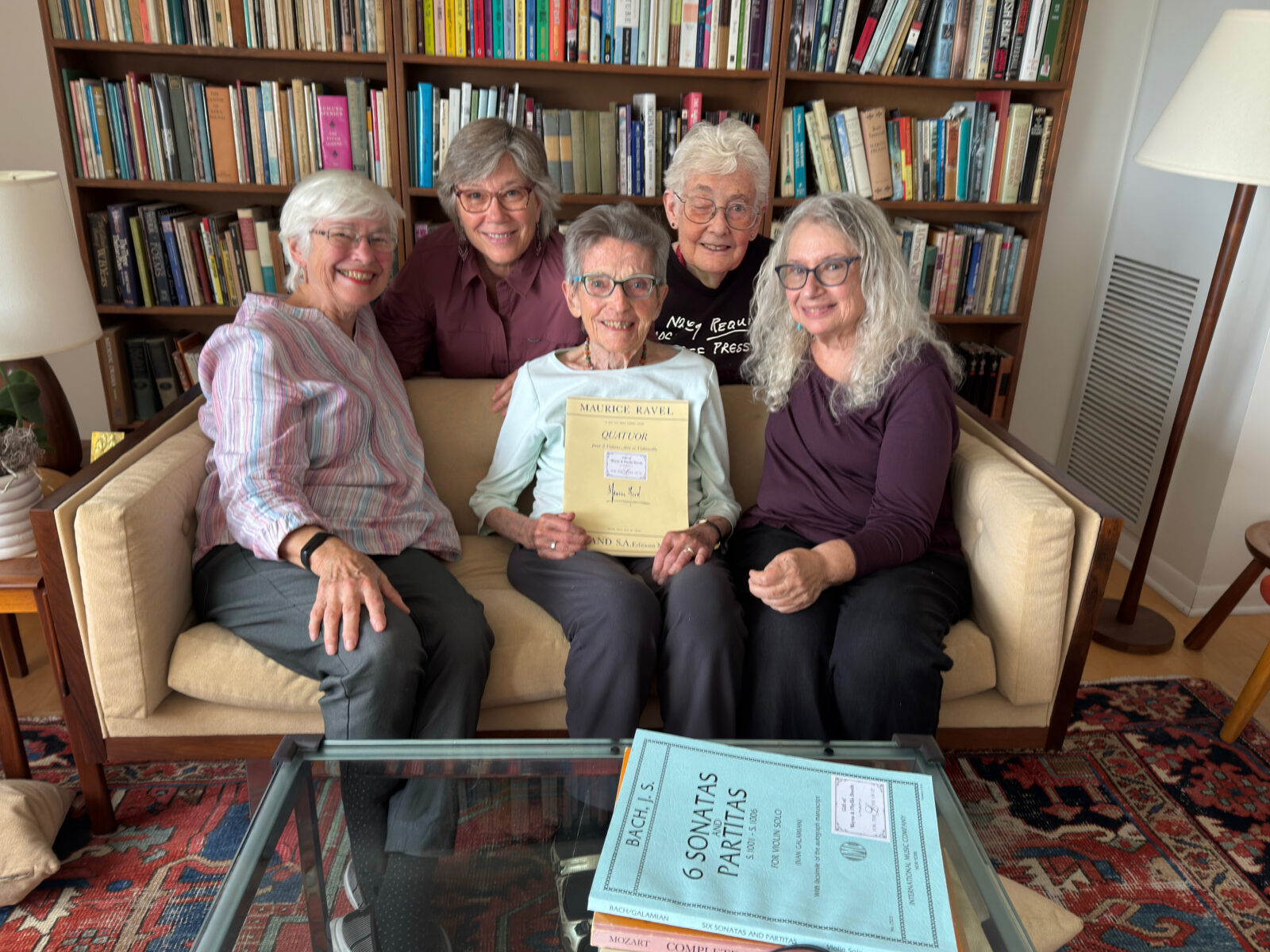
Several Sleepy Hollow regulars and Phyllis fans met three times at her home to paste 400 labels into the music, catalogue, and box it while sharing food and memories. Phyllis joined the September 2025 Sleepy Hollow session of 45 players by Zoom. She talked about her and Wayne’s history playing chamber music, including at Sleepy Hollow – the music, the adventure, the sense of community, and the life-long friendships they had formed. She emphasized how pleased she was for the gift of music to be part of her legacy.
Participants were moved by Phyllis’s reflections. The old timers who know her were delighted to see her again and chat afterwards. Newer participants felt her history and presence provided a warm sense of continuity to the Sleepy Hollow community. In Phyllis’s words, “when we play together, we are really connecting.” Chamber music is also about communication and trust, themes so central to both Phyllis’s life work and the message of Wayne’s book. Their tangible gift of music For The Love Of It captures the timelessness of what we all cherish about making music together.
More Articles
Sound and Sustenance: A Report from the Del Sol Adult Chamberfest
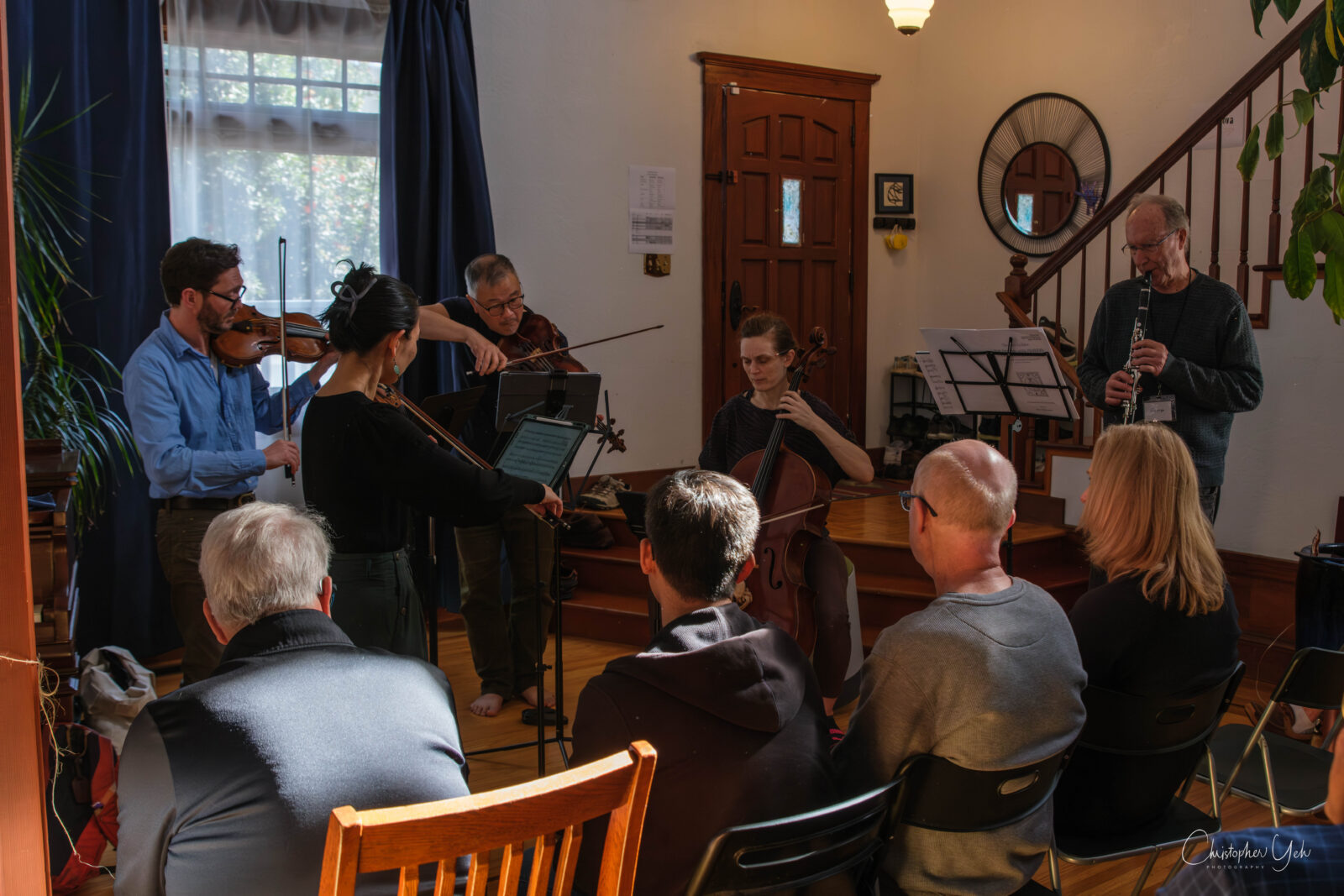
On a sunny weekend last month in San Francisco, 30 amateur chamber musicians from around the country gathered in the home of two members of the Del Sol String Quartet for the annual DEl Sol Adult Chamberfest. Neighbors would have heard strains of Britten, Janáček, Shaw, Golijov, Bunch, Beethoven and Brahms, along with laughter and good times!Read More ↗
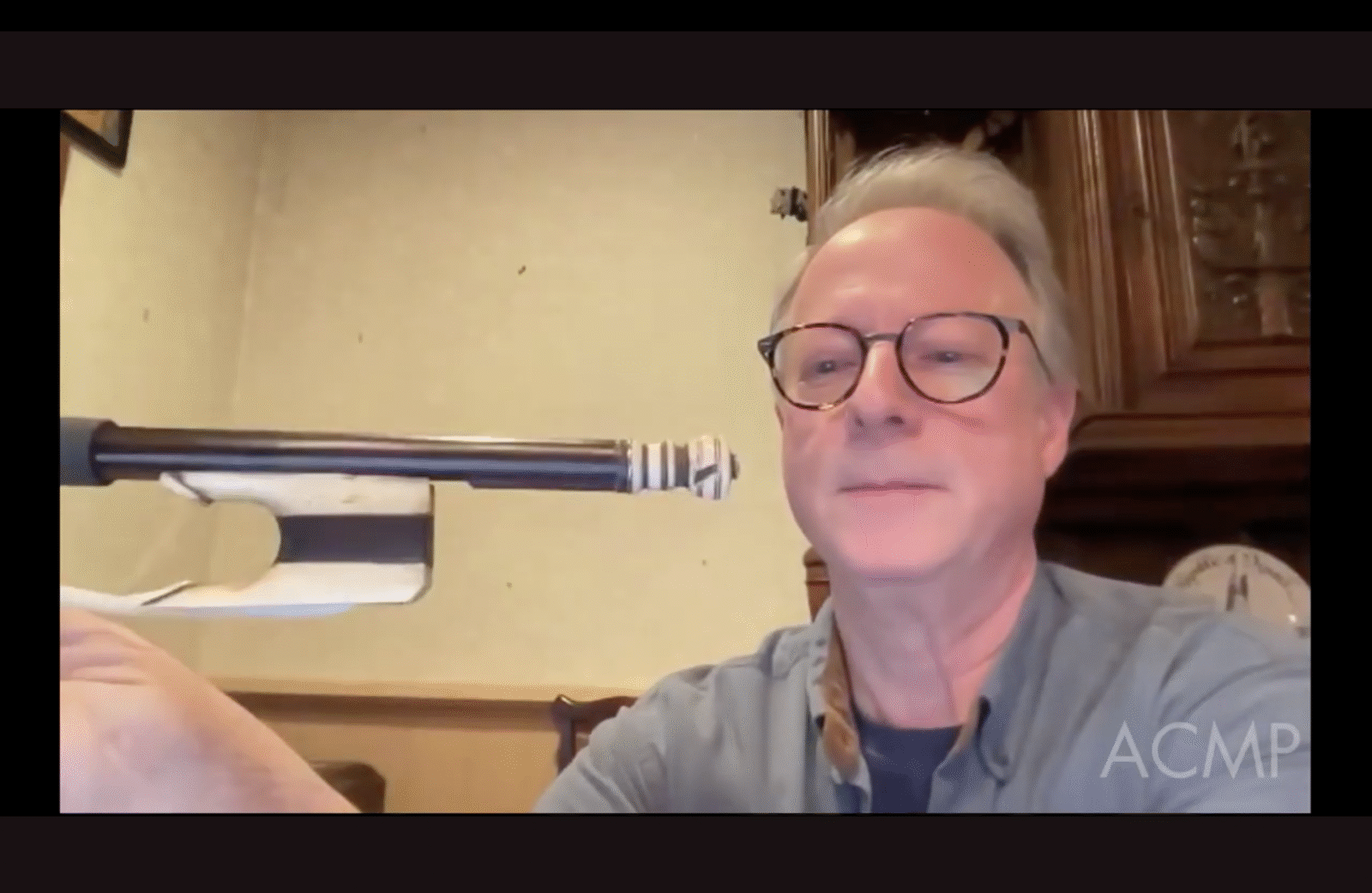
New ACMP video: “Everything you always wanted to know about bows but were afraid to ask” with Gabriel Schaff
ACMP just released the video from Gabriel Schaff's recent online talk, "Everything you always wanted to know about bows but were afraid to ask." After an illuminating presentation on the evolution of the modern bow, the questions kept pouring in. There's so much to learn and discover from Gabriel and your colleagues in ACMP.Read More ↗
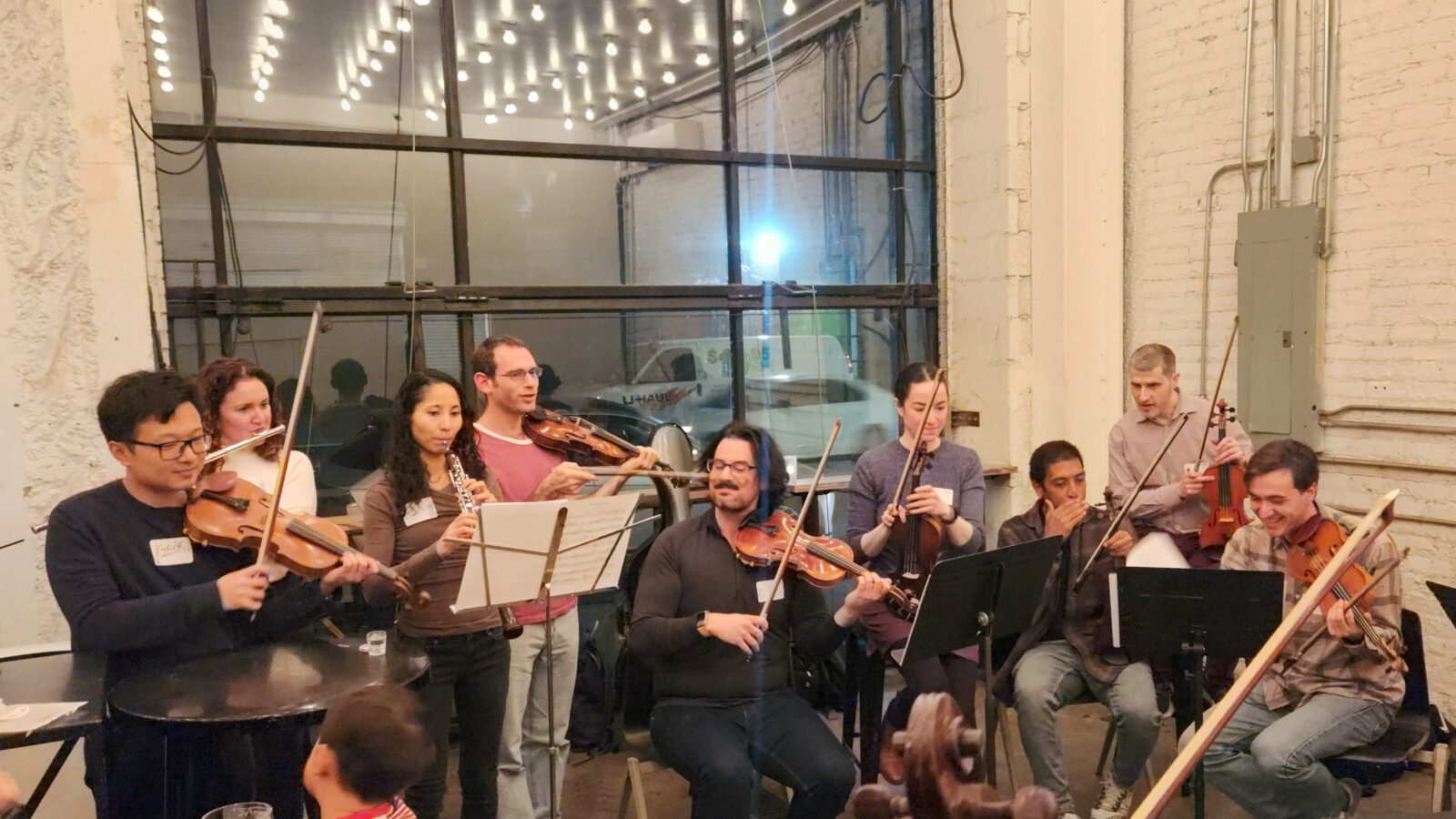
Mozart in a Brewery! Our First Young ACMP Event
Have you ever played Mozart in the middle of a brewery just for fun? That’s exactly what happened in early January when local Young ACMP members met up at Grimm Ales in Brooklyn. We co-hosted the event with ACMP member Ben Bregman, who brought music, friends new to ACMP, and a few of his young students and their parents.Read More ↗
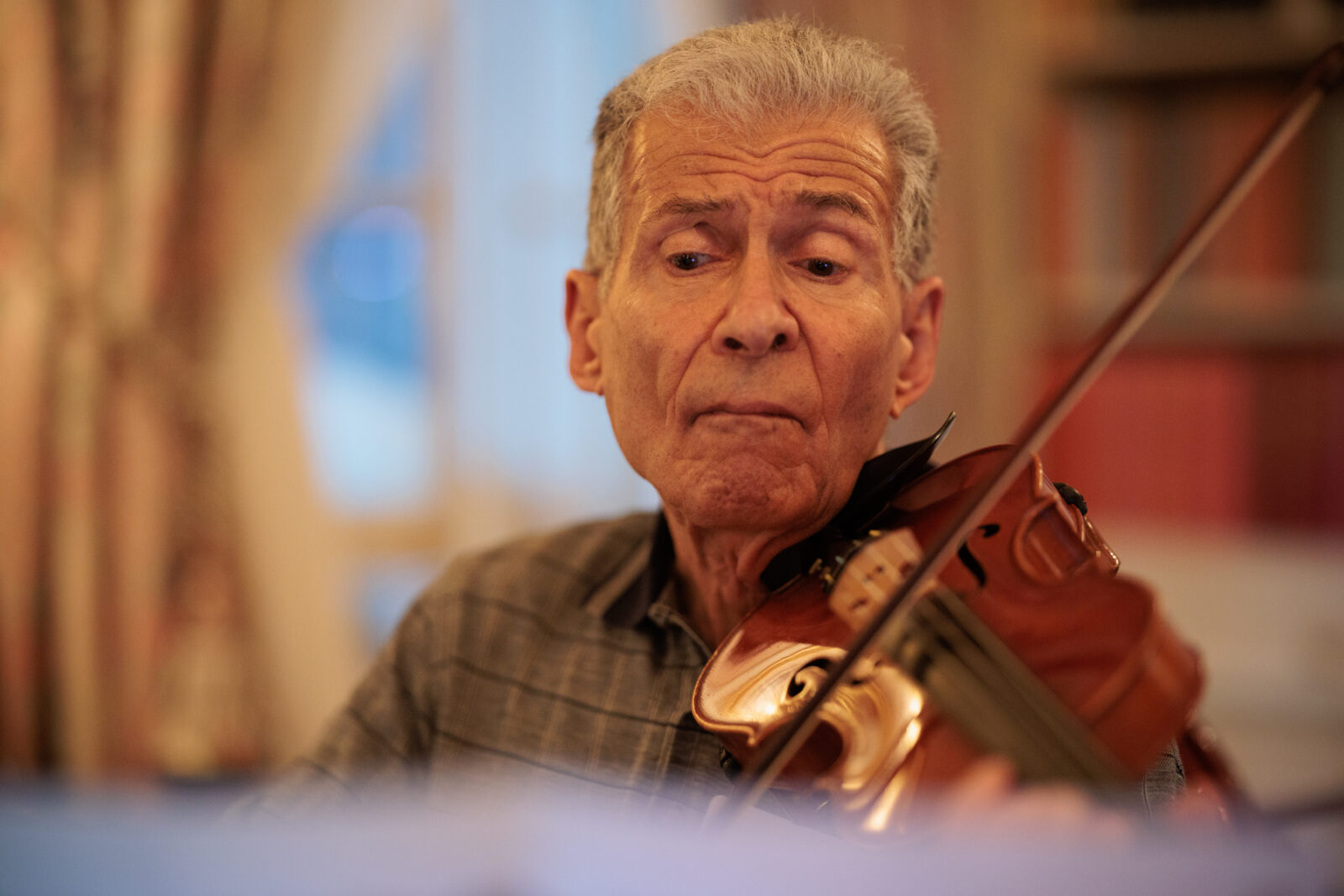
ACMP presents the 2025 Susan McIntosh Lloyd Award to the SoCal Chamber Music Workshop in memory of Ron Goldman
This past Fall ACMP gave its 2025 Susan McIntosh Lloyd Award for Excellence and Diversity in Chamber Music to the SoCal Chamber Music Workshop in honor and in memory of SoCal's founder and long-time ACMP board member Ron Goldman. Watch my interview with Julie Park and read Adam Birnbaum's touching tribute to Ron.Read More ↗
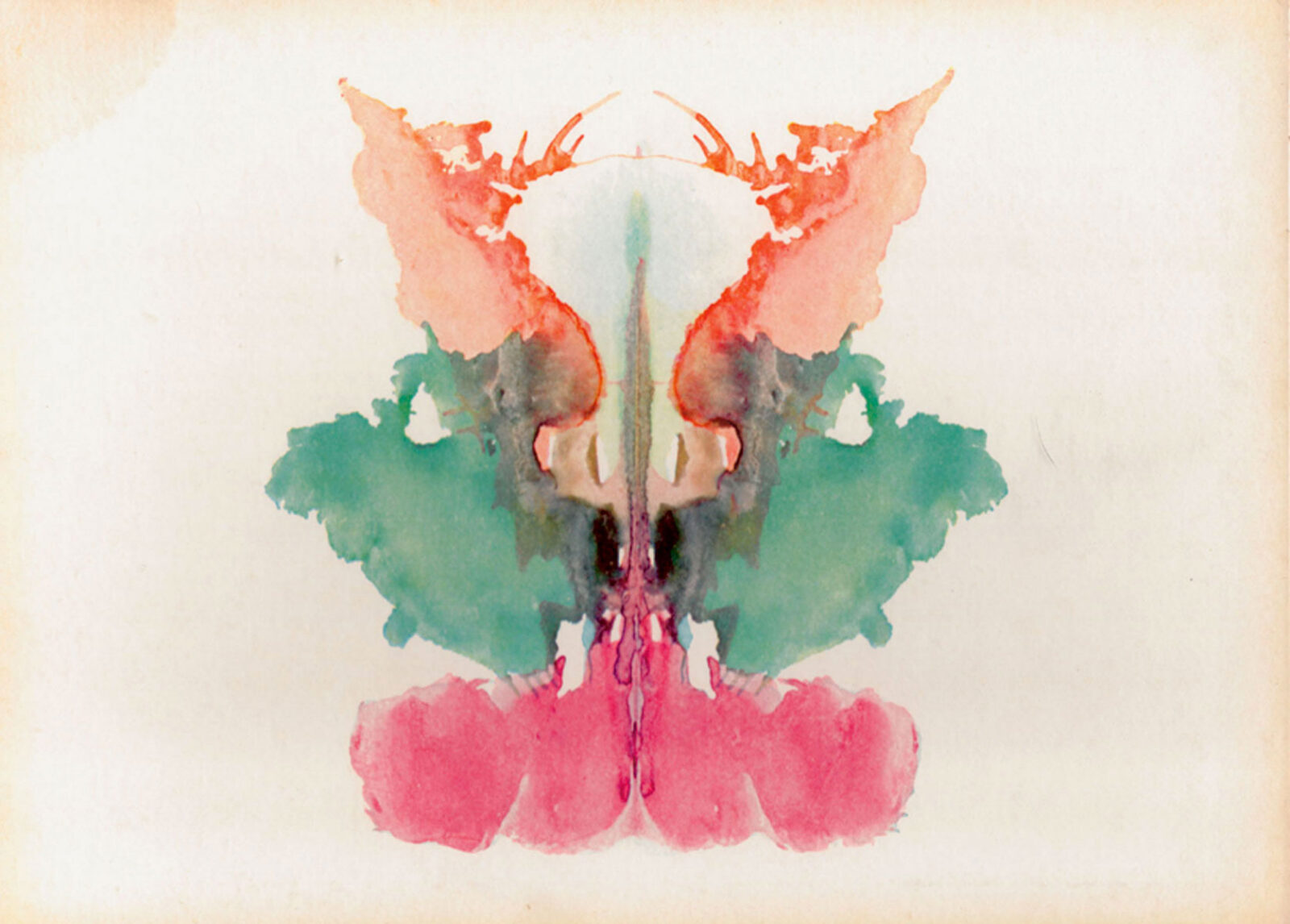
Turning ink blots into music – a discussion on the meaning and madness of notation
Join Cal Wiersma and a live string quartet for an illuminating class about decoding musical notation and translating it back into a musical line, live in Brooklyn and live-streamed on YouTube.Read More ↗
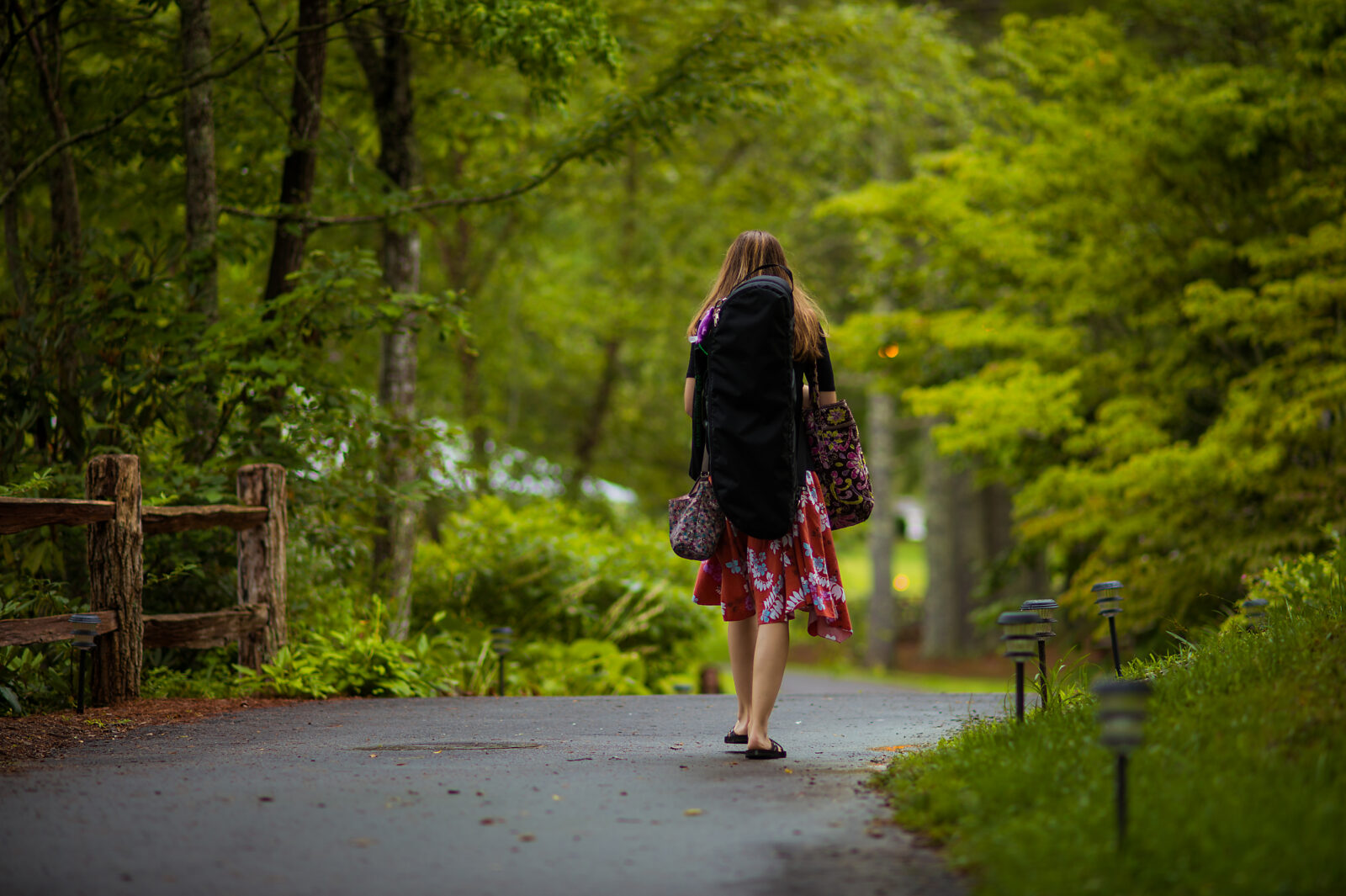
A New 5-Day Summer Home for Adult Chamber Musicians in Brevard
Brevard Music Center is launching the inaugural Adult Chamber Music Workshop, June 3-8, 2026, and we could not be more excited to welcome adult amateur musicians to our beautiful mountain campus in Western North Carolina. The program features focused rehearsal time, inspiring coaching, great colleagues at your stand, and the simple joy of spending time immersed in chamber music.Read More ↗
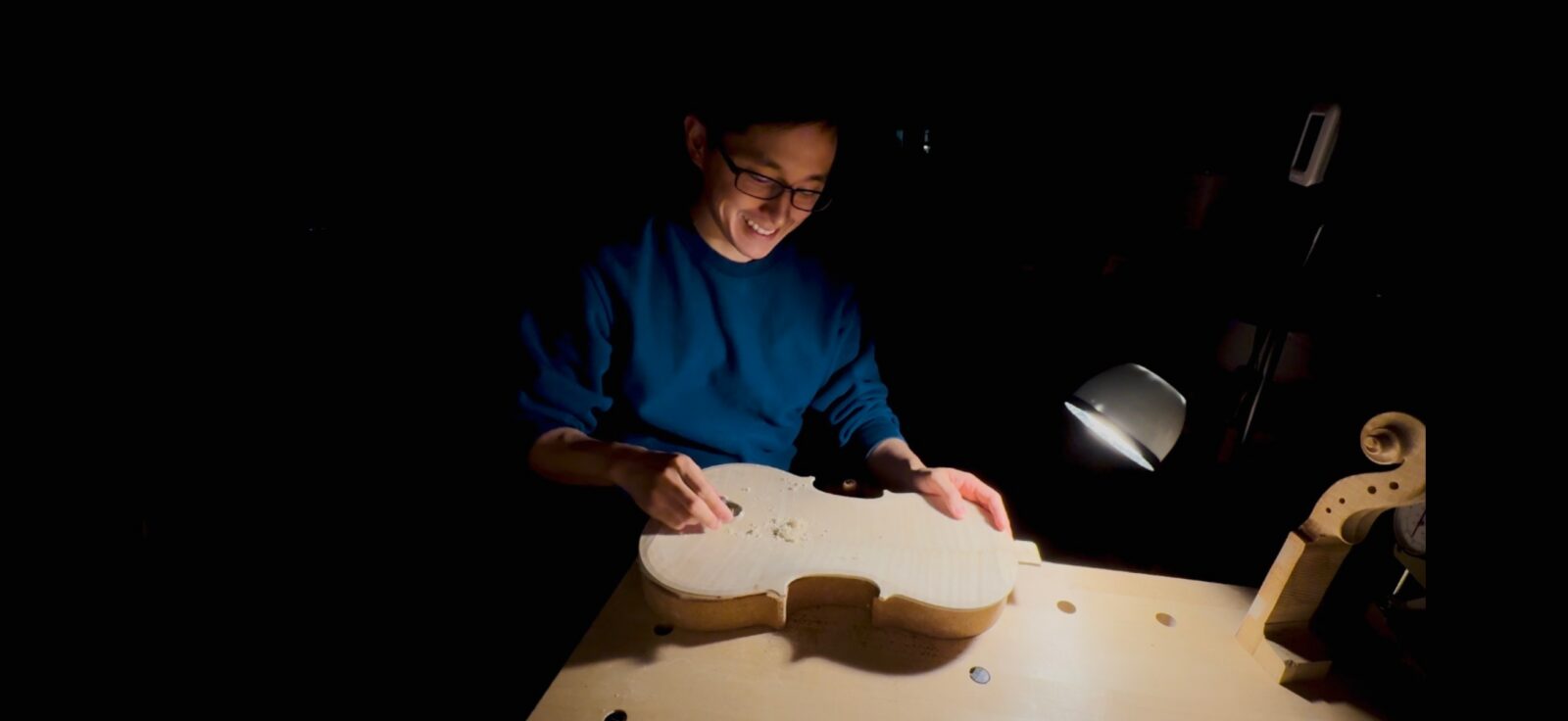
Charles Hsu – oncologist, violist, luthier
Charles Hsu has packed a lot into his 33 years. Born in the New Jersey, he grew up in Taiwan, moved back to the United States to attend MIT, and, after a stint as a management consultant, pursued his medical studies at Yale and Harvard. Today, he is Dr. Hsu, a junior attending medical oncologist at Memorial Sloan Kettering Cancer Center in New York. But through all of these pursuits, there is his love of chamber music.Read More ↗
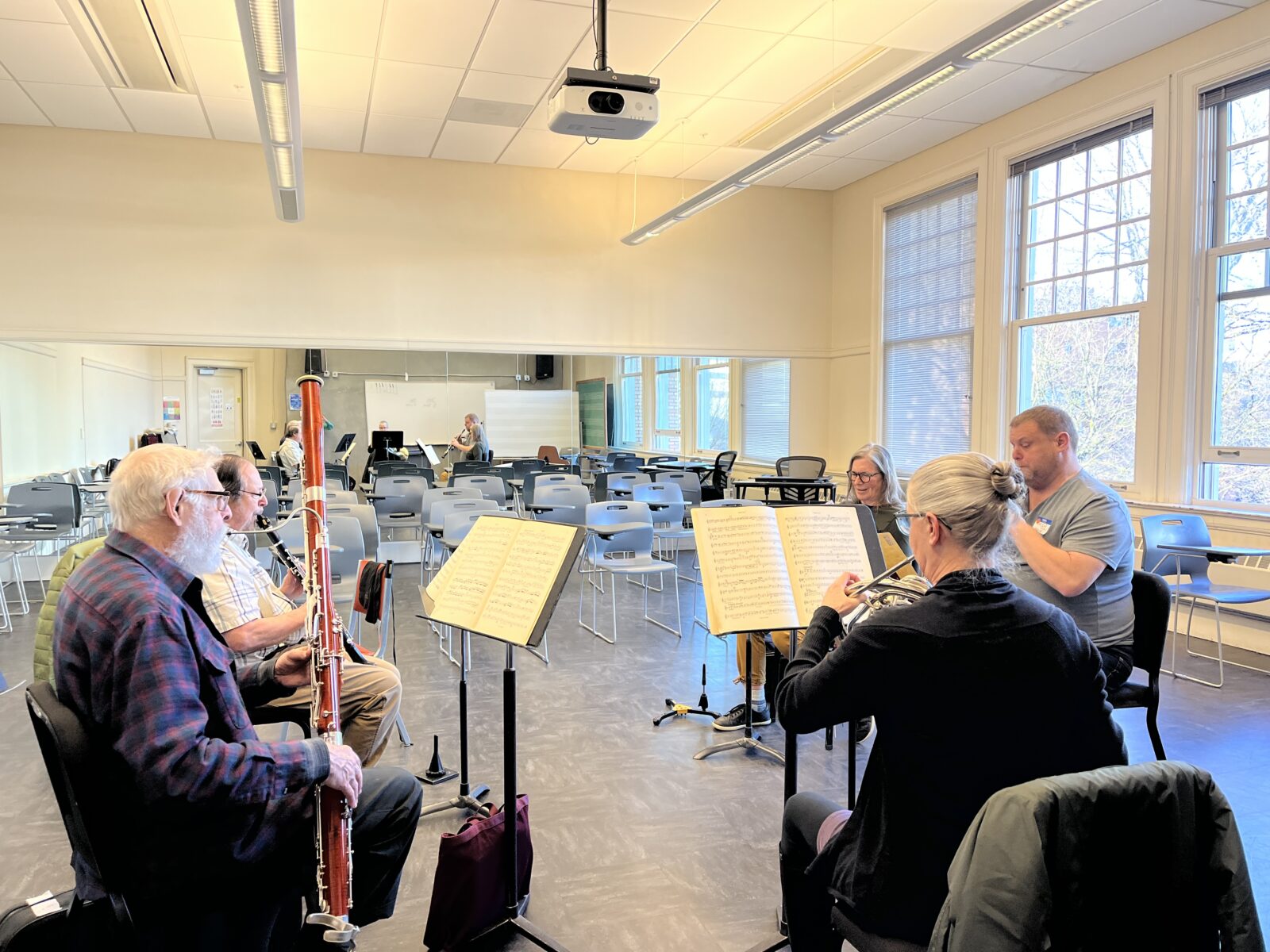
The Oregon-Washington ACMP Play-In
On January 17, 2026, 45 chamber musicians, ages 23-80, met at Portland State University's Music School Hall in Portland, Oregon for a Play-In organized by NAOC councilor Virginia Feldman.Read More ↗
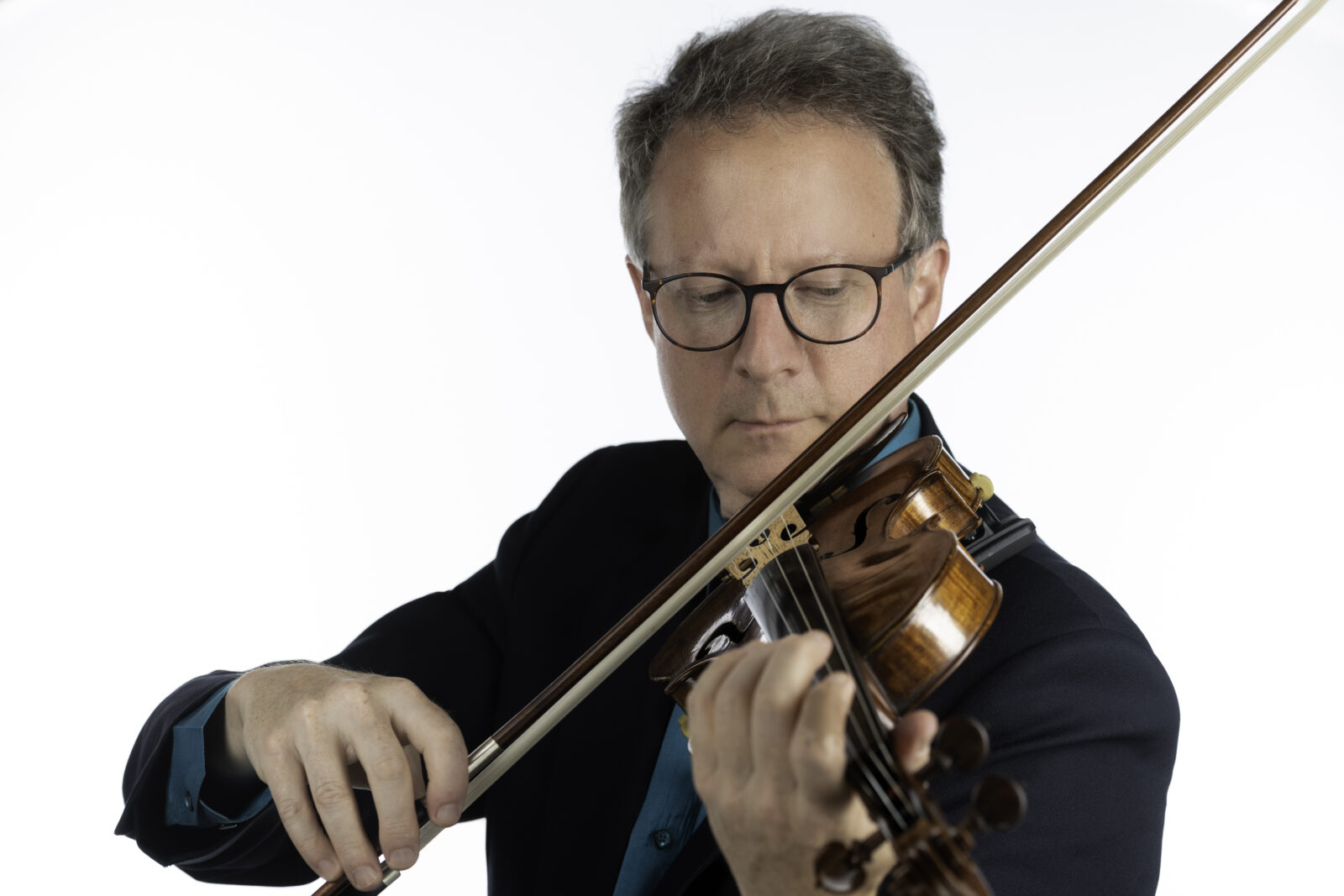
Everything you always wanted to know about bows but were afraid to ask
Join Gabriel Schaff - violinist, scholar and author of "The Essential Guide to Bows of the Violin Family" for an illuminating journey through the history of the bow to everyday tips (no pun intended) about caring for your bow, choosing a new one - and....everything you always wanted to know but were afraid to ask!Read More ↗
Kayana Jean-Philippe: The serious business of an amateur oboist
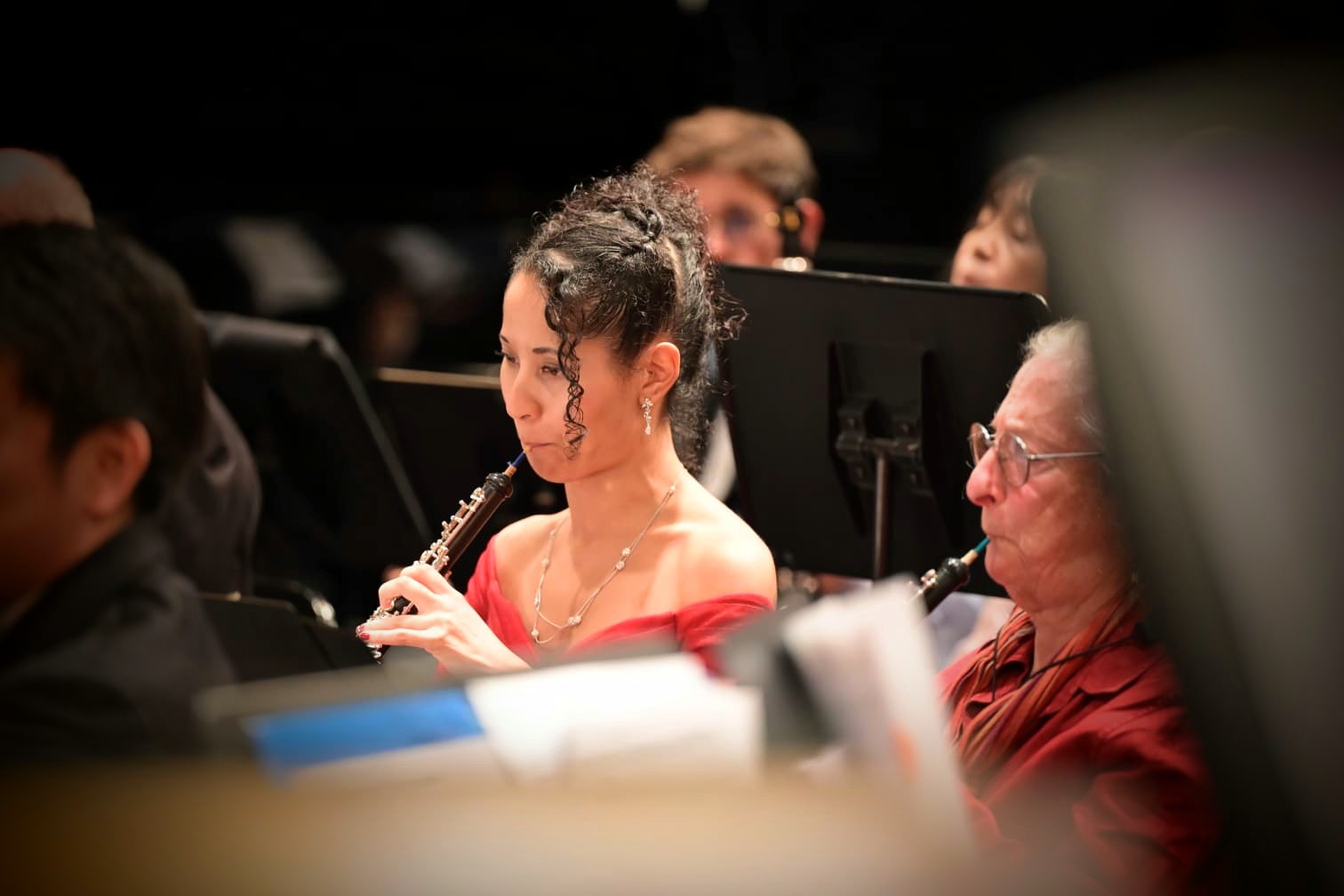
When it comes to the oboe, Kayana Jean-Philippe is what you might call a serious amateur – someone who pursues her passion at a high level, but does not make a living at it. One of her most consistent musical outlets has been the United Nations Symphony Orchestra, which she joined 10 years ago and is principal oboist. Another musical outlet is ACMP, which she said has connected her with new people and new musical opportunities.Read More ↗
Announcing the 2025 Holiday Caption Contest Winners!
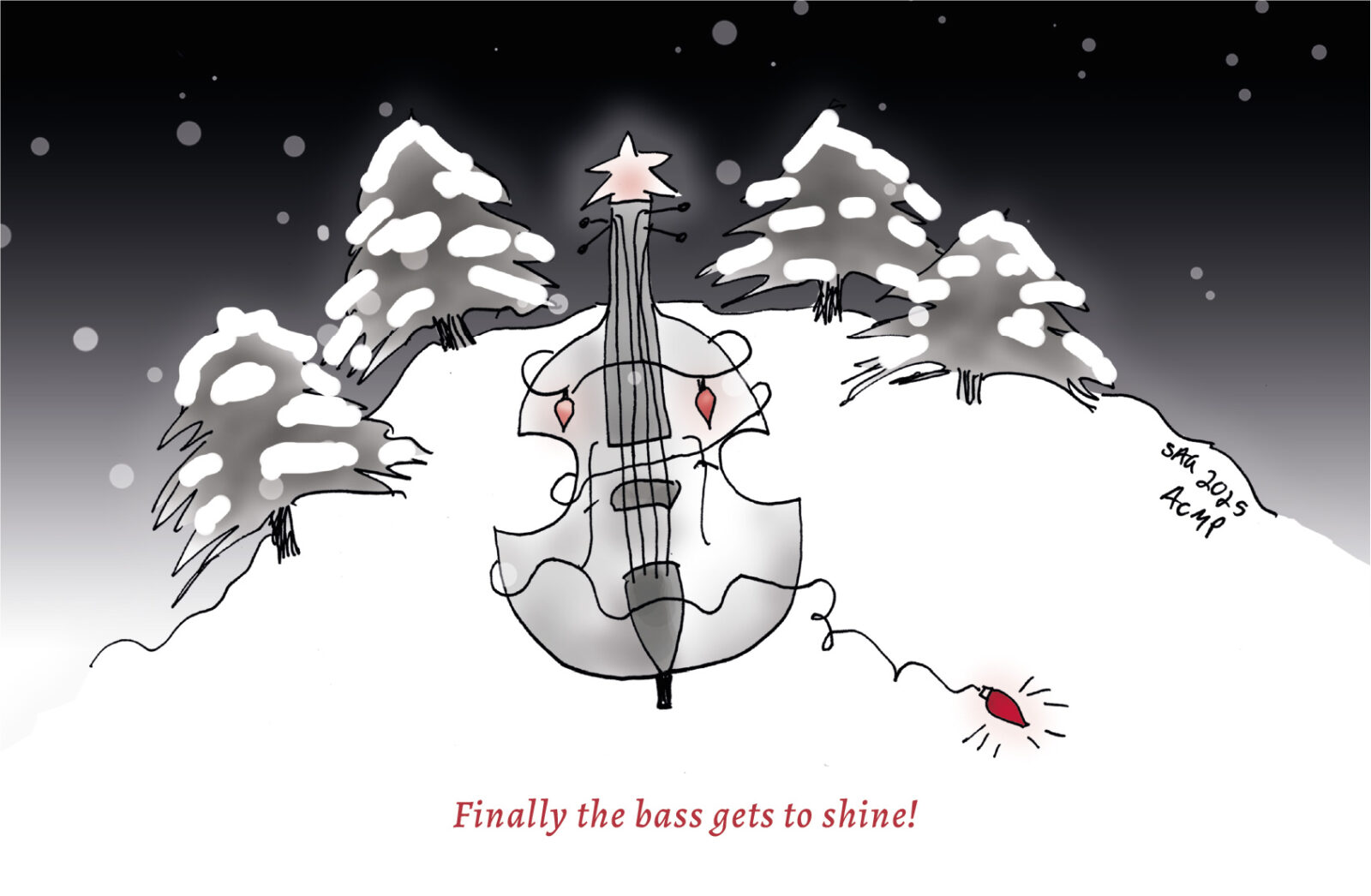
ACMP's 4th annual Holiday Caption Contest was a success, with 69 captions from 41 ACMP members. This year's winners are Valerie Matthews, Peggy Reynolds, and Matthew Greenbaum. Congratulations to everyone who came up with so many wonderful captions for this year's cartoon!Read More ↗
Announcing ACMP’s 2026 Workshop/Community Music Grantees
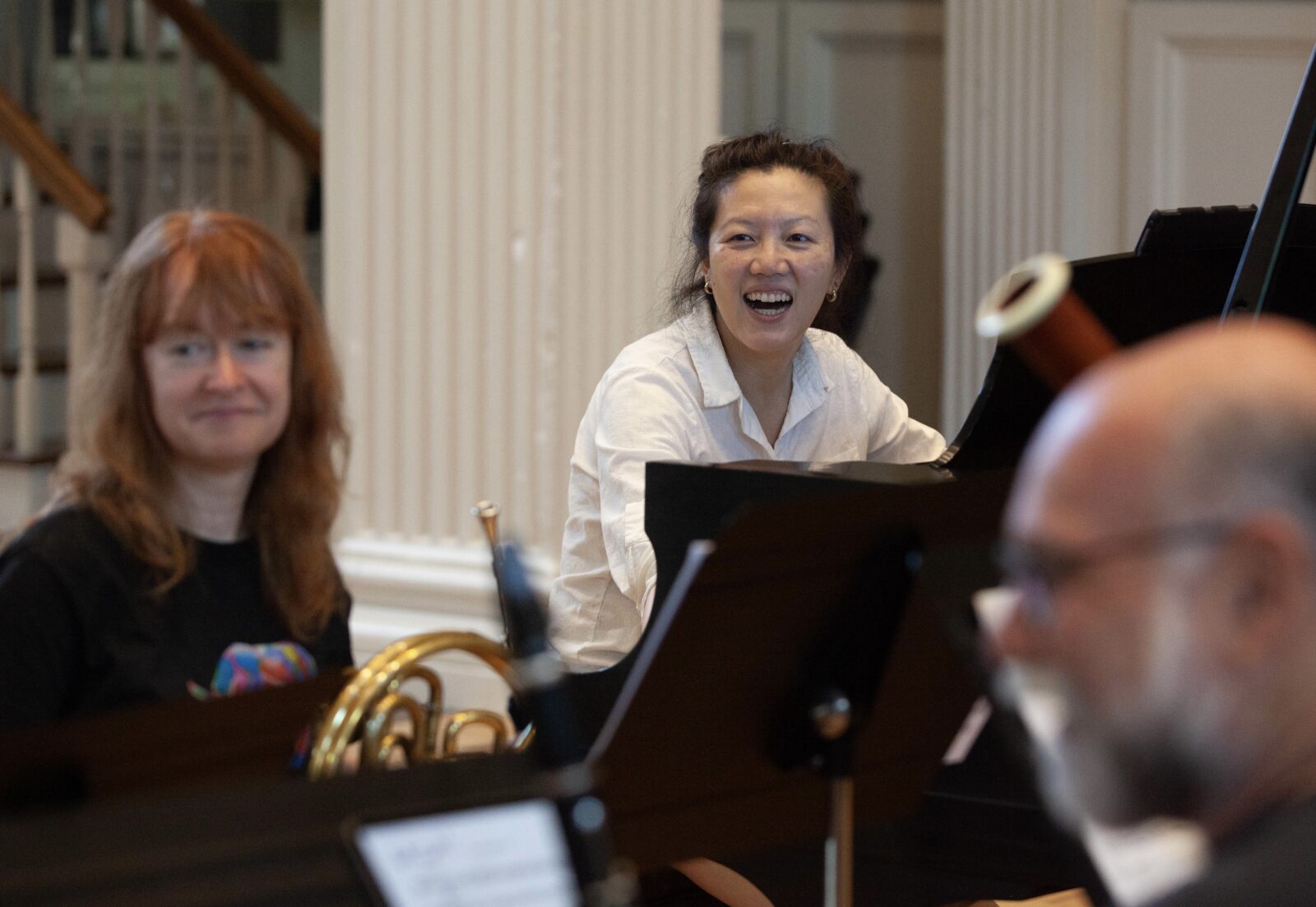
ACMP is proud to announce its 2026 Chamber Music Workshop and Community Music grantees. This year we awarded $168,000 in grants to 73 chamber music workshops and semester- or year-long programs in 10 countries, and 31 US states. (Photo by Claire Stefani.)Read More ↗

Mystery Donor Reveal: An interview with Louise K. Smith
An anonymous member of ACMP recently spearheaded a fundraising initiative for ACMP in the two week lead-up to Giving Tuesday, offering a $25 gift for each donation received from November 18, 2025 through Giving Tuesday (December 2.) This mystery donor just revealed her identity: Thank you, Louise K. Smith! I asked Louise some questions about her background as a pianist, involvement with ACMP over the years, and about her recent matching grant idea.Read More ↗
A Bridge from West to East – The Chamber Music of Reena Esmail
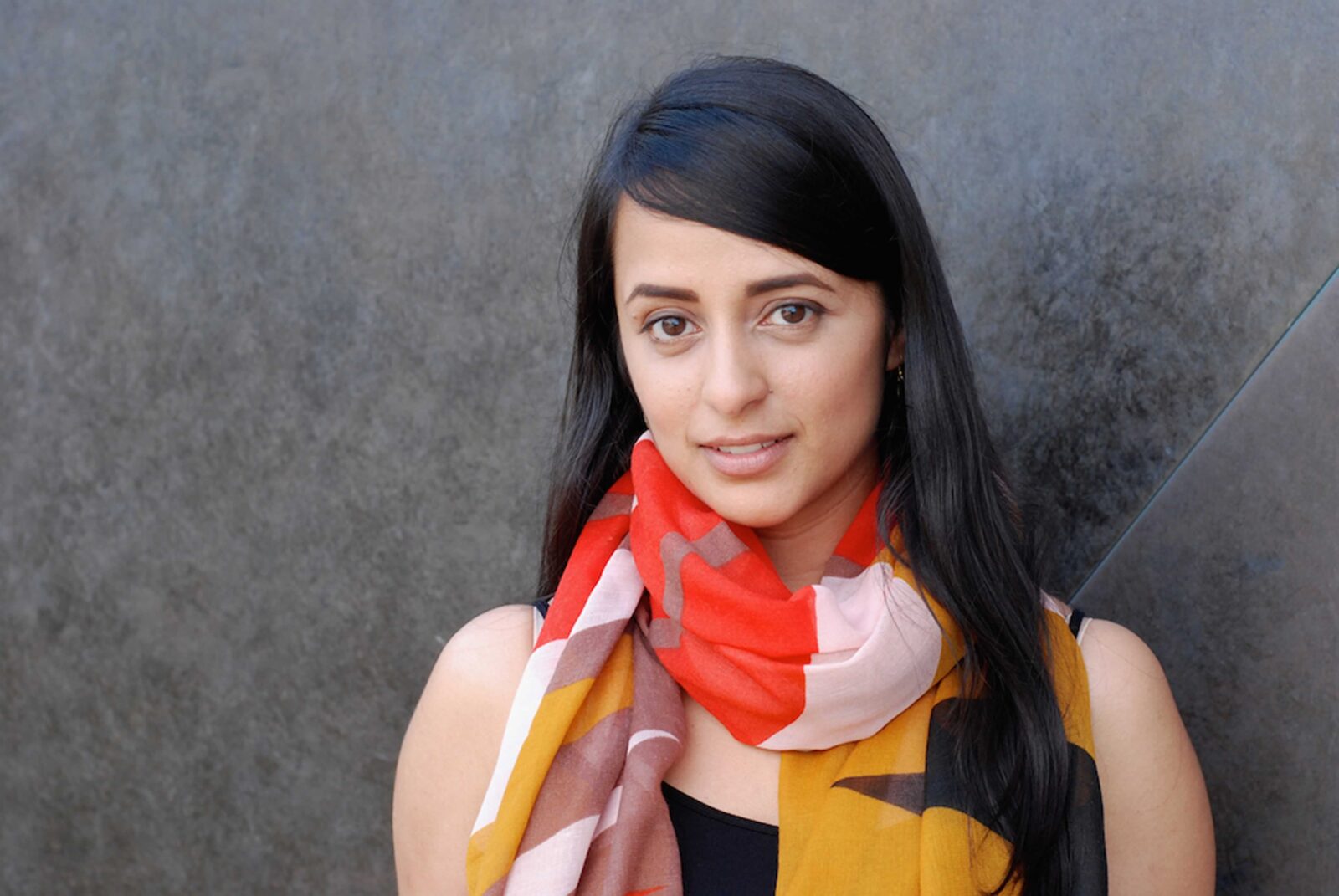
After a recent visit to her father's hometown in India, ACMP member pianist Sonya Subbayya Sutton returned to the United States with a renewed curiosity about her Indian culture and music. This led her to explore the music of Indian American composer Reena Esmail. Read about Reena's own voyage of discovery in Indian music and check out links to her scores and recordings.Read More ↗
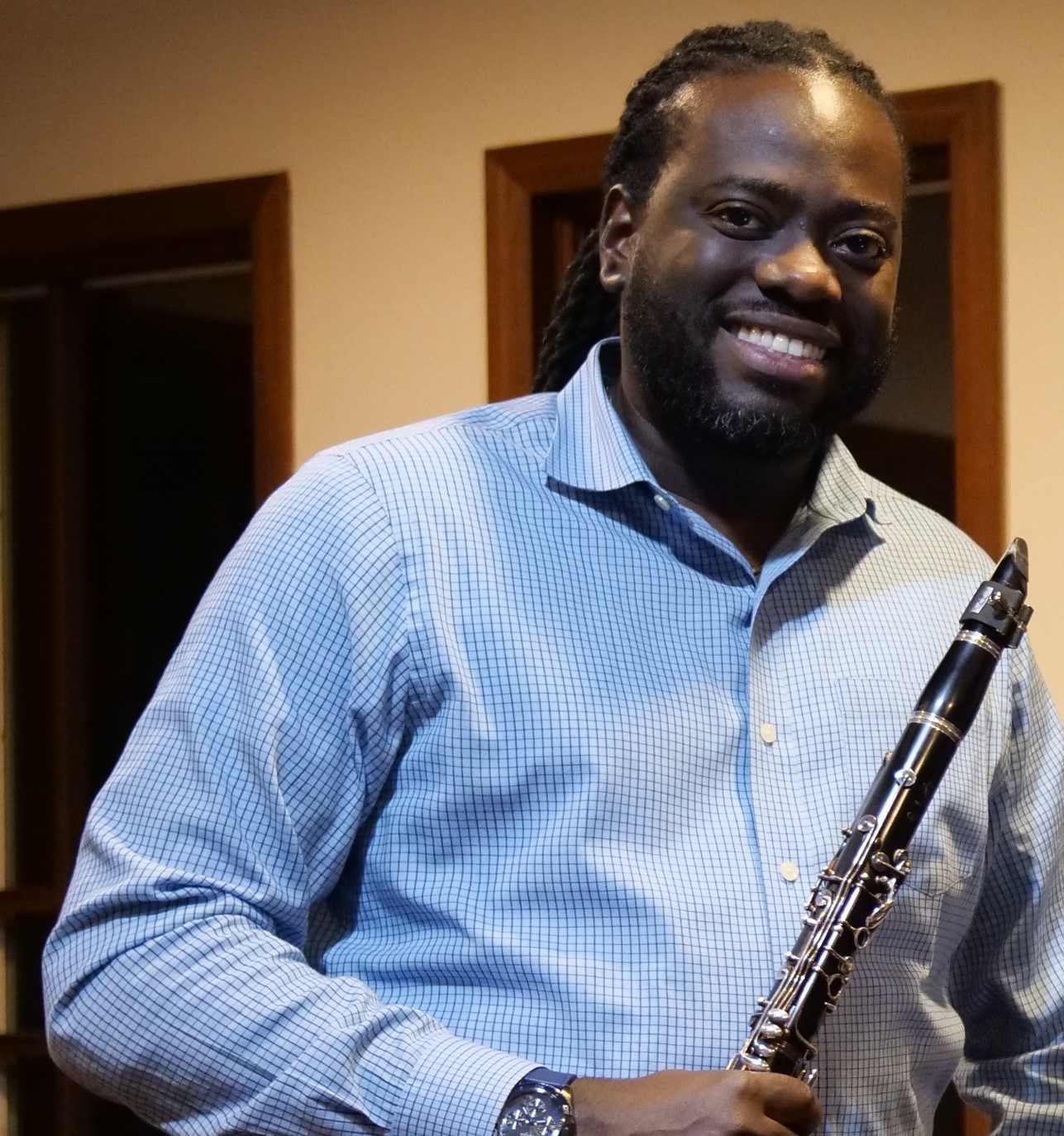
ACMP Member of the Month: Kwame Lewis
Kwame Lewis is not your typical accountant. Born and raised in Trinidad, he emigrated to the United States in 2003 at the age of 23 and set about building his career. Along the way, he lived in the Washington area for an extended period, got married, had two boys who are now 5 and 3 years old, and since 2019 has lived with his family in Melrose, Mass., near Boston. One constant through his journey, though, has been his love of the clarinet and chamber music.Read More ↗
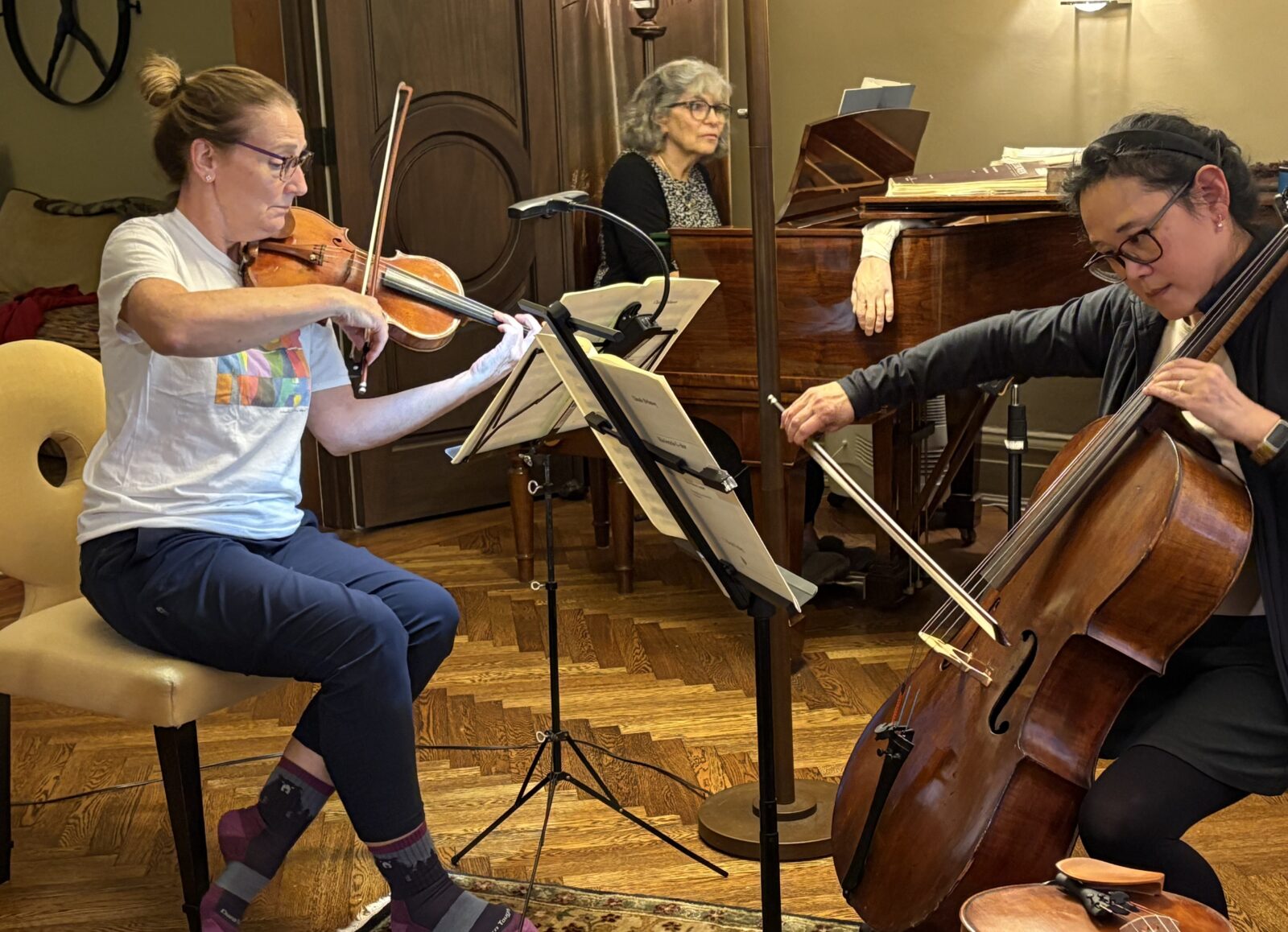
Chamber music for a cause: amateur musicians support Music for Food
ACMP member pianist and violist Arlene Hajinlian is as active a chamber music organizer as she is in sharing her time and space for social causes. This Thanksgiving holiday weekend she came up with a way for adult amateur chamber musicians to have a lot of fun while raising money to support New Yorkers in need: three consecutive chamber music parties as a benefit for Broadway Community through Music for Food.Read More ↗
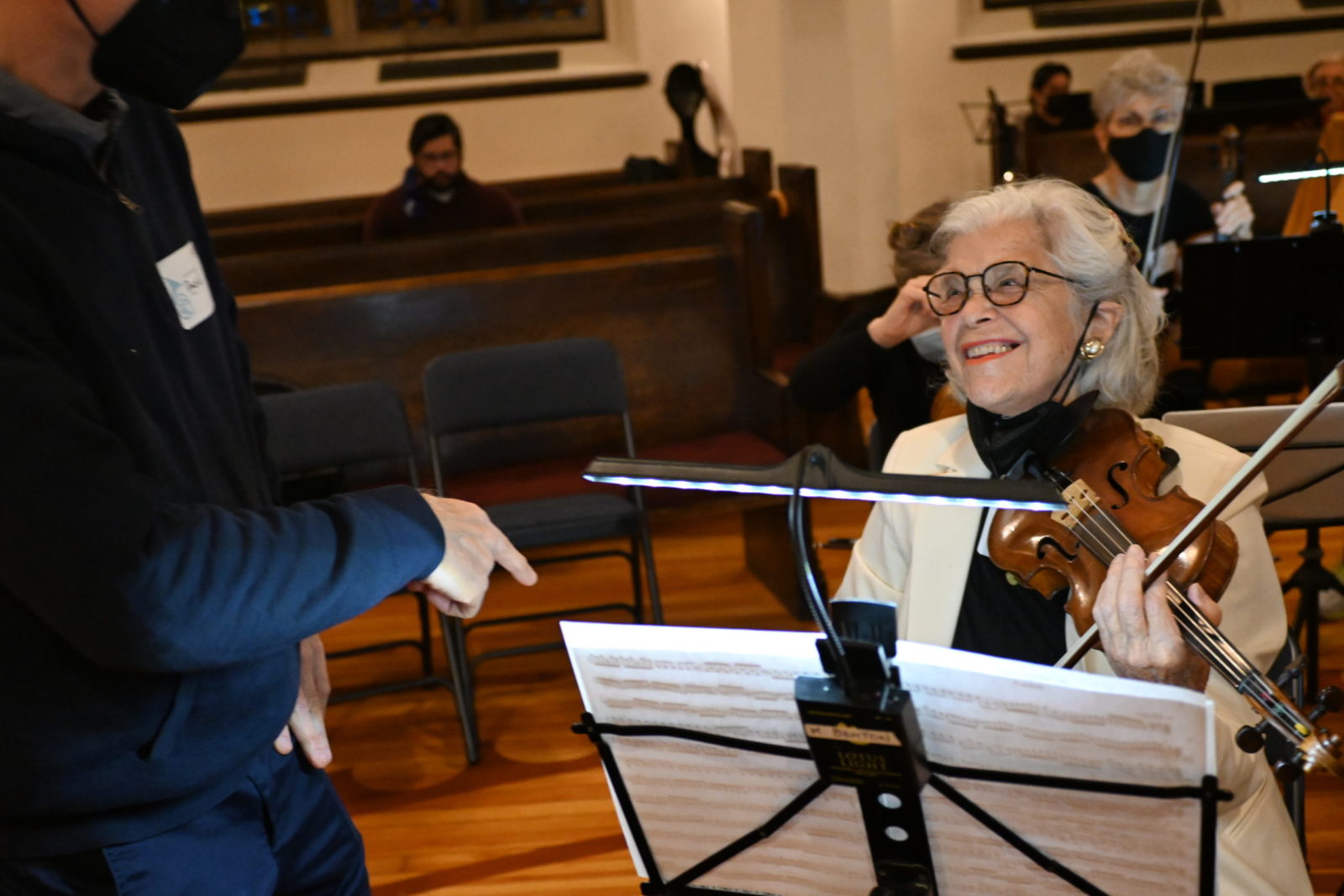
Remembering Kate “Kitty” Bigelow Benton (March 29, 1935 – November 2, 2025)
ACMP mourns the loss of Kitty Benton (1935-2025), a former board member, board secretary and longtime editor of the ACMP newsletter. Read about Kitty's life and watch a video of Kitty telling her favorite stories about ACMP in June 2021.Read More ↗
New Video – Meet The Artist: Harumi Rhodes
ACMP Executive Director Stephanie Griffin hosts a lively Zoom conversation with violinist Harumi Rhodes about her musical upbringing and career with the world-renowned Takács Quartet.Read More ↗
ACMP Strategic Plan for 2030
For the past several years, ACMP’s membership has grown dramatically, as has the popularity of its programs. Building on this momentum, ACMP’s Board and Executive Director completed a strategic plan to chart a course for the organization for the next five years. ACMP’s Board and Executive Director developed a new vision for the organization and a plan to strengthen member services, grants, operations, and finances to advance ACMP’s mission by 2030 and beyond.Read More ↗
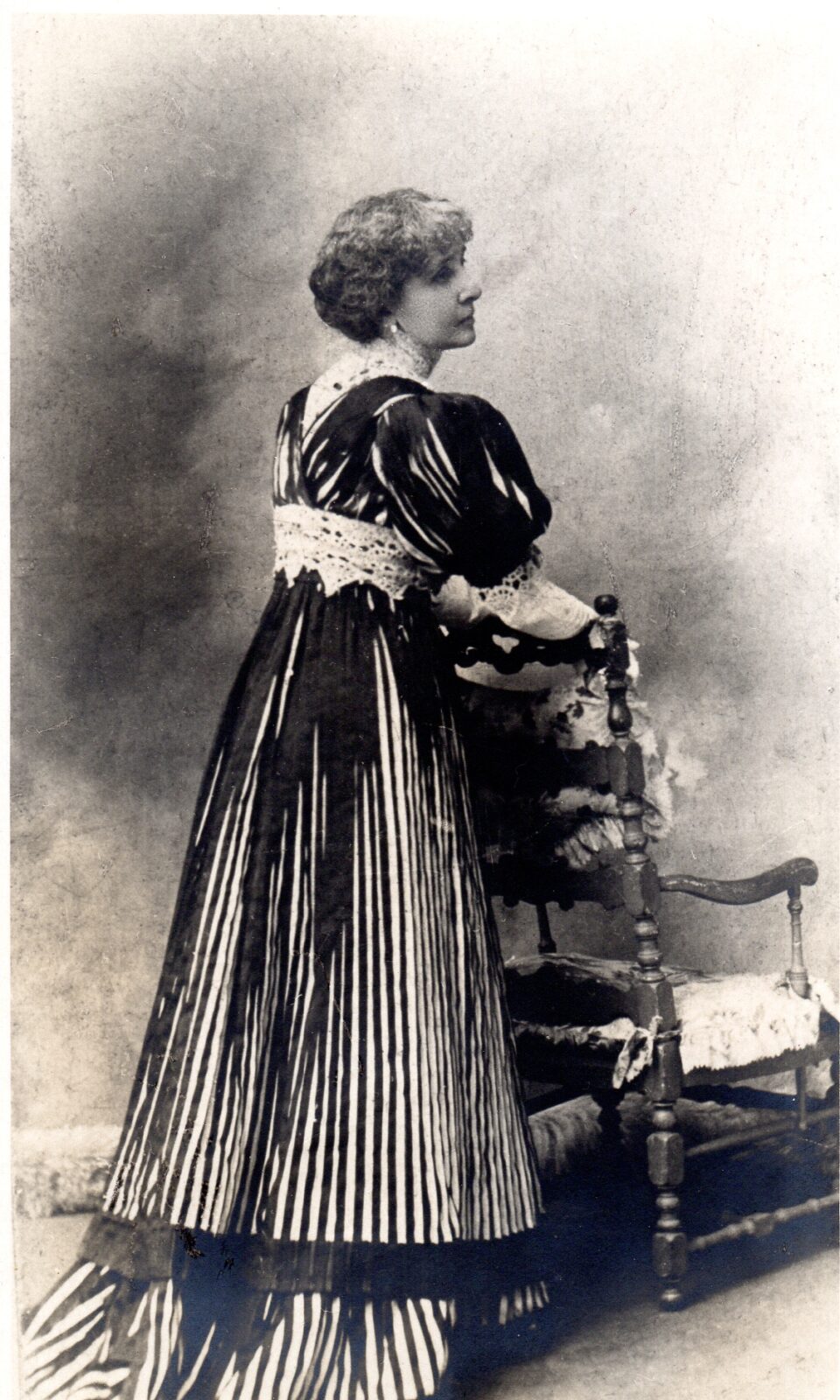
Drab, Inconspicuous, and Quiet No More
Washington, D.C.area pianist and choral conductor Sonya Subbayya Sutton is a passionate advocate of the work of women composers. Read about some of her favorite women composers and discover new chamber repertoire from her list.Read More ↗
Load More
All Articles By