Members of the Month, November 2026: Karin and David Code
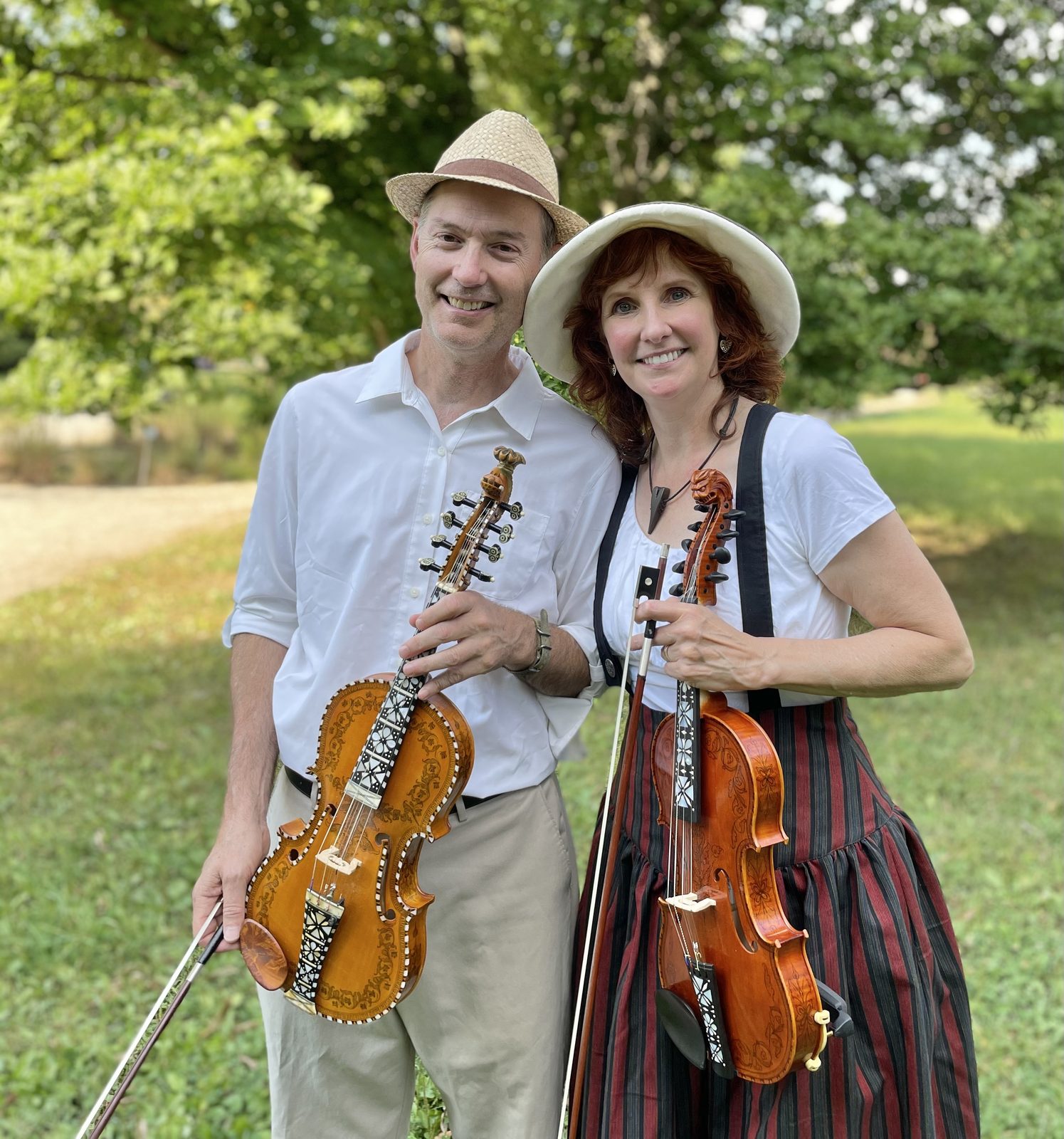
A lifelong bond, with music at the center
It all began with the viola.
Karin and David Code were high school students in Wisconsin, Karin from a suburb of Milwaukee and David from Madison. They each played the viola and had signed up to attend the University of Wisconsin’s week-long summer music camp.
They met waiting to audition for the camp orchestras.
David can cite the exact date they met: “June 30, 1980.”
A first date soon followed, which Karin can remember: ice cream, followed by viola duets.
Forty-six years and four grown children later, music is still at the center of their lives. They would go on to attend college together, at the University of Illinois. Each earned a bachelor’s degree in viola performance. David, who was a year ahead of Karin in school, would eventually earn a doctorate in music theory at the University of Maryland, launching his academic career.
Today, they live in Portage, Michigan, outside Kalamazoo, where David is a professor of music theory at Western Michigan University. Among his academic pursuits, he has expanded his scholarship to include the intersection of music and technology.
“He has a laptop orchestra,” Karin says.
Karin keeps a busy schedule as a professional violist. She maintains a private viola studio, works as an adjunct faculty member at Kalamazoo College, and plays professionally for the many orchestras in southern Michigan’s vibrant cultural scene.
She also is an active member of Kalamazoo’s wedding and reception circuit. Her quartets have seen and heard it all. “They like Mozart, but they really want to hear arrangements of current pop tunes,” she said.
During their years at the University of Illinois, Karin and David picked up what has become their passion and a kind of side hustle—the Norwegian fiddle. Karin has become one of the world’s foremost players on that ancient instrument, which dates to the seventeenth century and is known as the Hardanger fiddle. Together, Karin and David travel around the country and to Norway conducting workshops and participating in festivals. Years ago, they launched Norse Code, a Norwegian fiddle program.
“It was our family ensemble,” Karin said.
They have also spent extended periods living in Norway, immersing themselves in the heritage of Karin’s ancestors.
We talked with Karin about their musical journey. Answers have been edited for conciseness and clarity. – Bob Goetz
How did the Norwegian fiddle come into your lives?
At the University of Illinois we took up international folk dancing as an outlet outside the music department. The Scandinavian music drew us in because it’s all strings. Being part Norwegian, I remembered hearing about the Hardanger fiddle. Since we already played strings, we thought, why not?
Do you play chamber music?
Yes, both professionally and for fun. I’m hired for gigs, including the popular themed Candlelight concerts. Since “Bridgerton,” wedding clients want Taylor Swift or the Cranberries for string quartet. And about twice a year I gather with friends to sight-read interesting music. Sometimes it starts sounding good enough to perform.
Who are your favorite composers to play?
Mozart tops the list. I can relax and enjoy his genius, and he was a violist himself. Brahms is always fun but a mental challenge. And I love reading Dvořák, who is also among David’s favorites.
What’s a memorable chamber music moment?
My kids tease me that my stories are always disasters, but here’s one that ended well. Playing a quartet with the junior symphony in Puerto Rico, my A-string broke near the end. I finished up in 14th position, and the audience gave me a standing ovation, chanting my name.
What is Norse Code?
Norse Code is our family band. David and I are the core, and now we are the only players since the kids have grown up and left. We’ve played First Night New Year’s Eve celebrations, midnight concerts and folk festivals. Getting the kids to practice with us was a challenge, but we did it.
More Articles
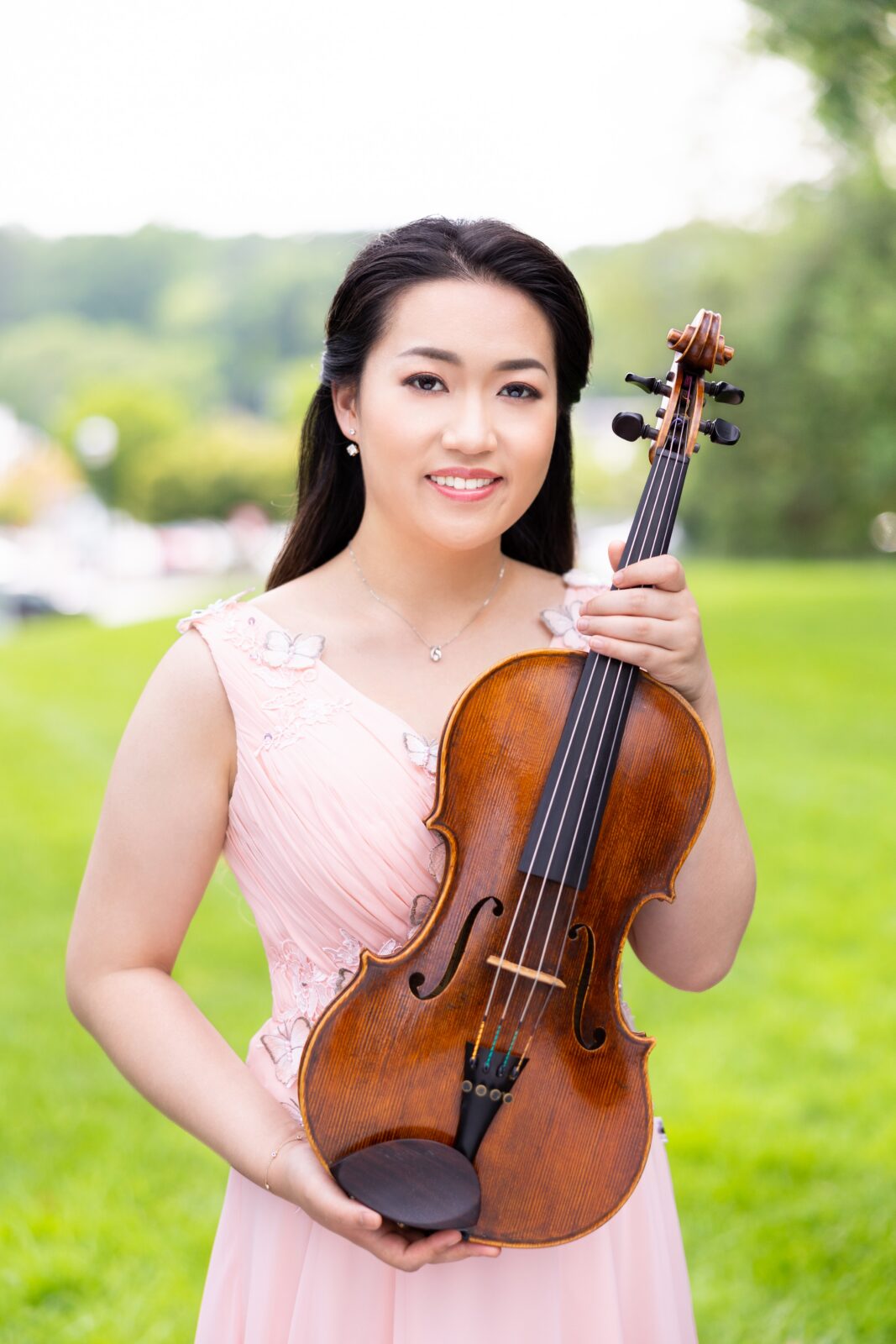
Meet Joy Hsieh: ACMP intern and event planner par excellence!
ACMP is happy to announce its newest team member, violist Joy Hsieh, who is working with us on event planning for the fall semester through the Eastman School of Music's Institute for Music Leadership Catherine Filene Shouse Arts Leadership Certificate of Achievement (ALP) program. Joy is a doctoral candidate in viola performance at Eastman, studying with Phillip Ying from the Ying Quartet. Get to know Joy - and come meet her in-person in Rochester on October 25 and Boston on December 6!Read More ↗
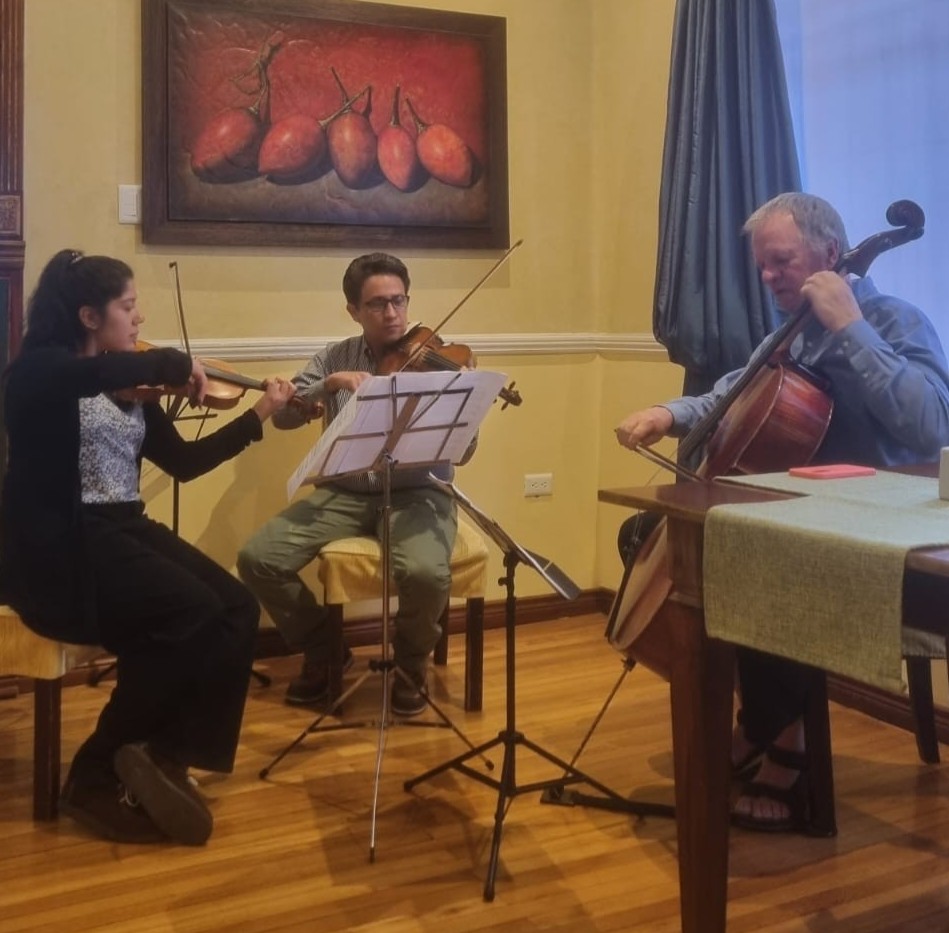
Filipino folk music, by way of Ecuador
What do classical music and fine dining have in common? They are both about sensory delight; they come in many flavors and textures; and they are natural complements for an ACMP event. Tom Cappaert has organized a series of such programs, at a pizza joint in Riobamba, coffee houses in Spain and Ecuador, and most recently with a string trio performance on the theme of Let’s eat Filipino!Read More ↗
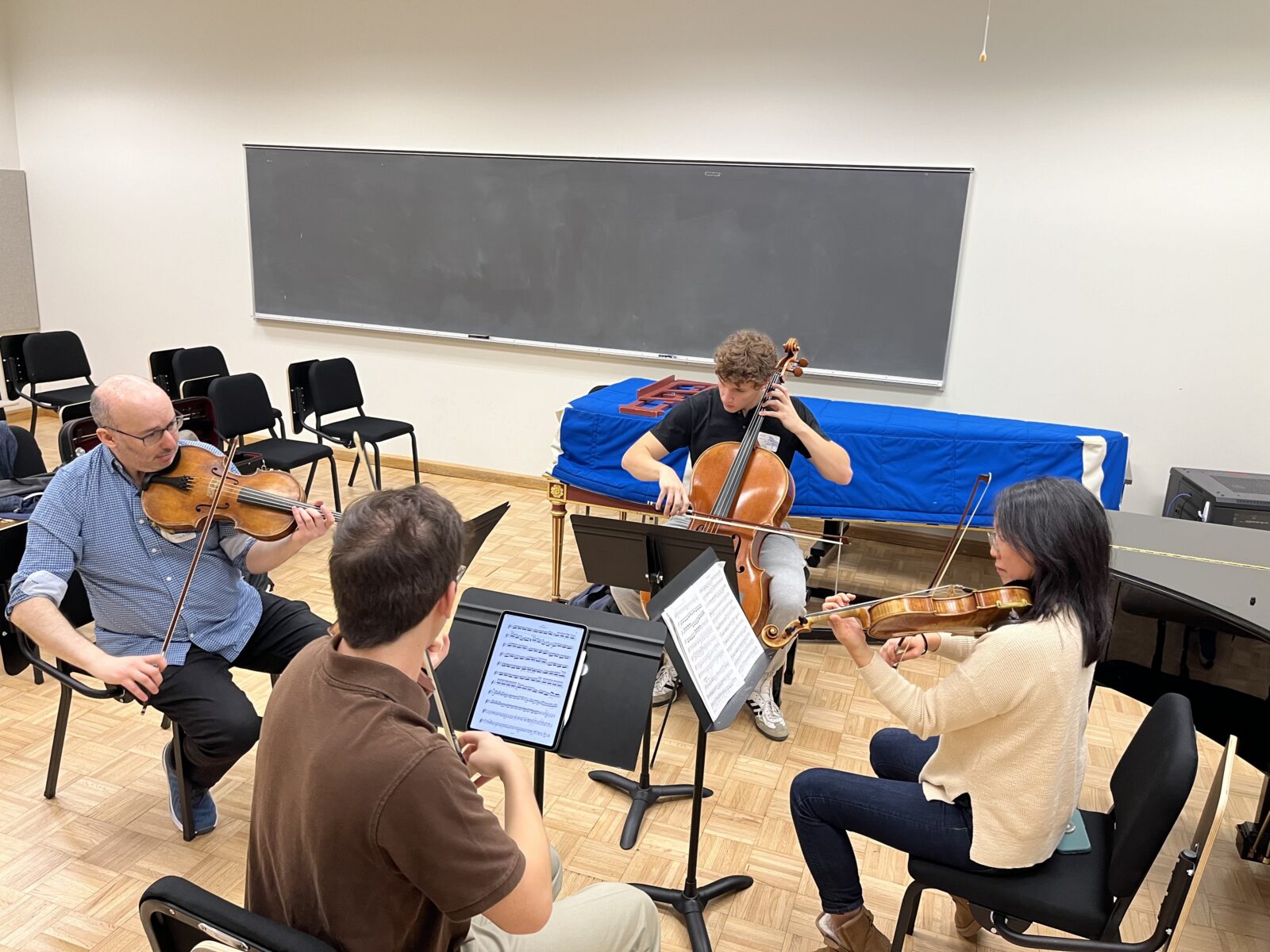
ACMP x ECMS Play-In Rochester, NY
ACMP is partnering with the Eastman Community Music School (ECMS) on a fun and festive chamber music Play-In on Sunday, October 25 in Rochester, New York. All instruments and playing levels are welcome!Read More ↗
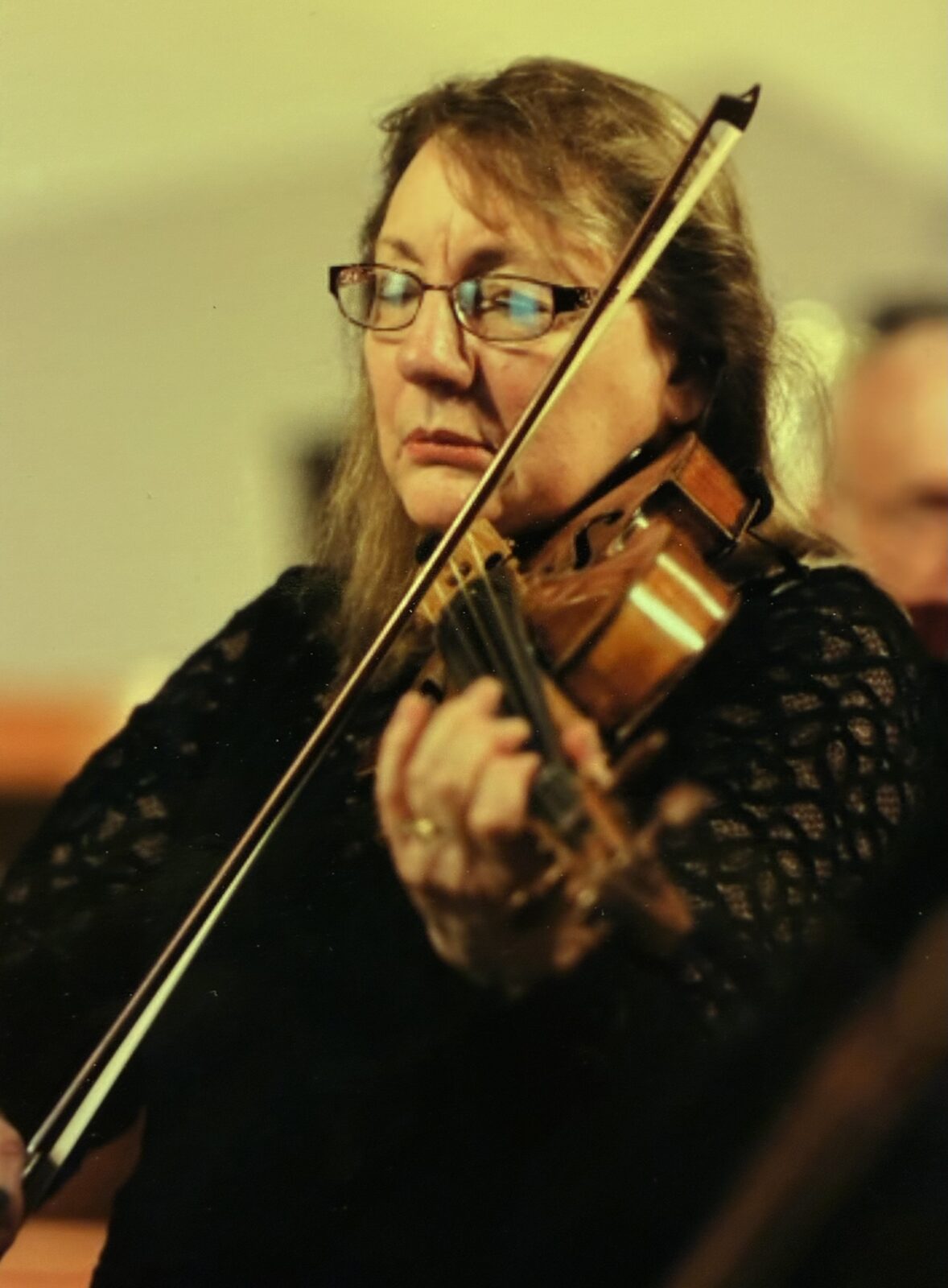
Member of the Month, October 2026: Loryn Gorsett
There is little that Loryn Gorsett hasn’t done as a violist and violinist in the Denver area. She has played in orchestras, both professional and amateur. She built a studio of students. She has played more weddings than she can count. She has been a strolling violinist in an Italian restaurant. But through it all, chamber music has been her true musical passion.Read More ↗
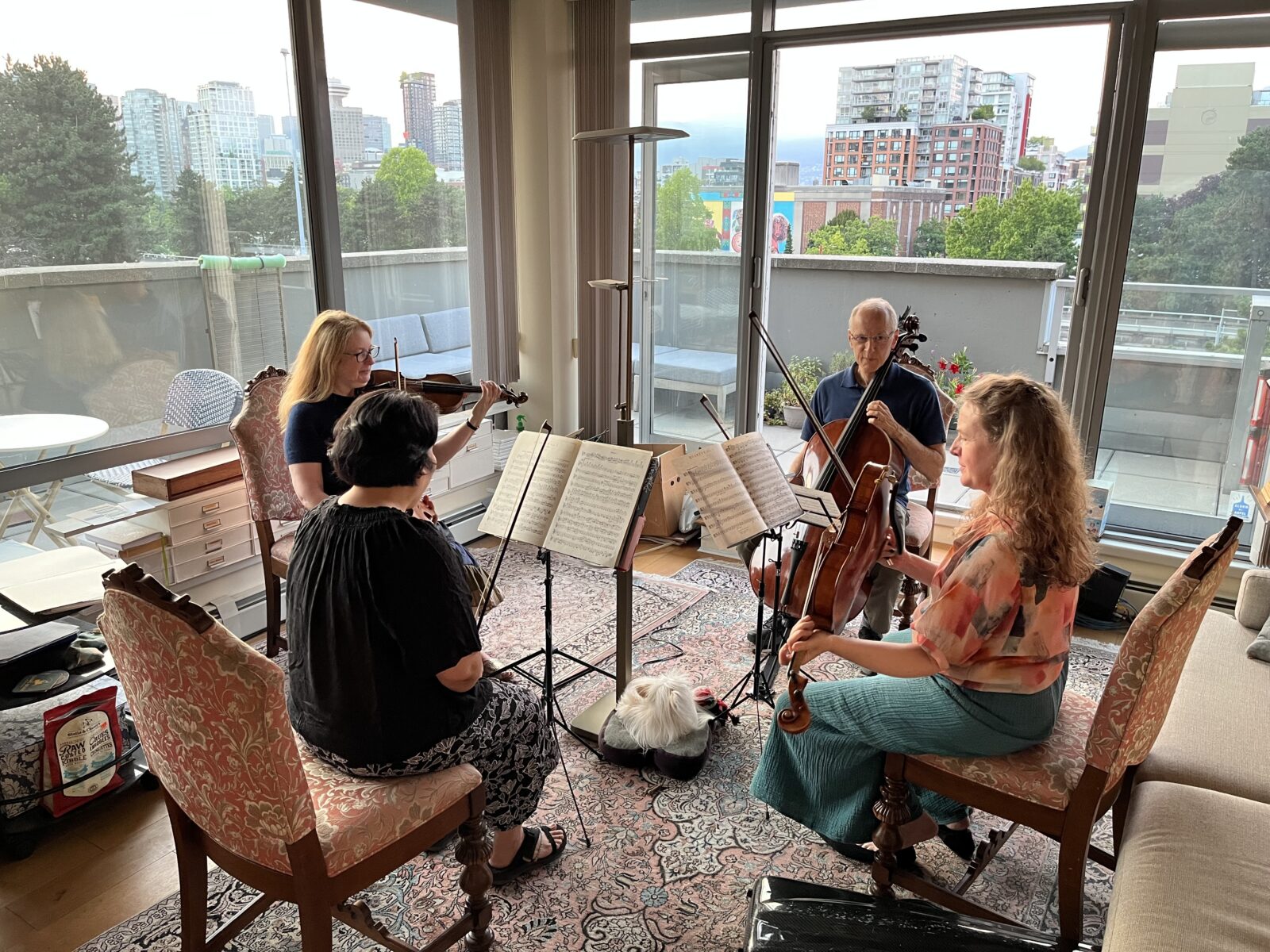
Chamber Music Lifestyles: Vancouver
Vancouver, Canada has a vibrant adult amateur chamber music scene, thanks to ACMP's local NAOC councilor Christina Wolf. If you've never traveled to Vancouver, add it to your list. Where else could you play chamber music with so many great players (and fun people) while looking at the mountains, and eating and drinking a wide variety of local delights?Read More ↗
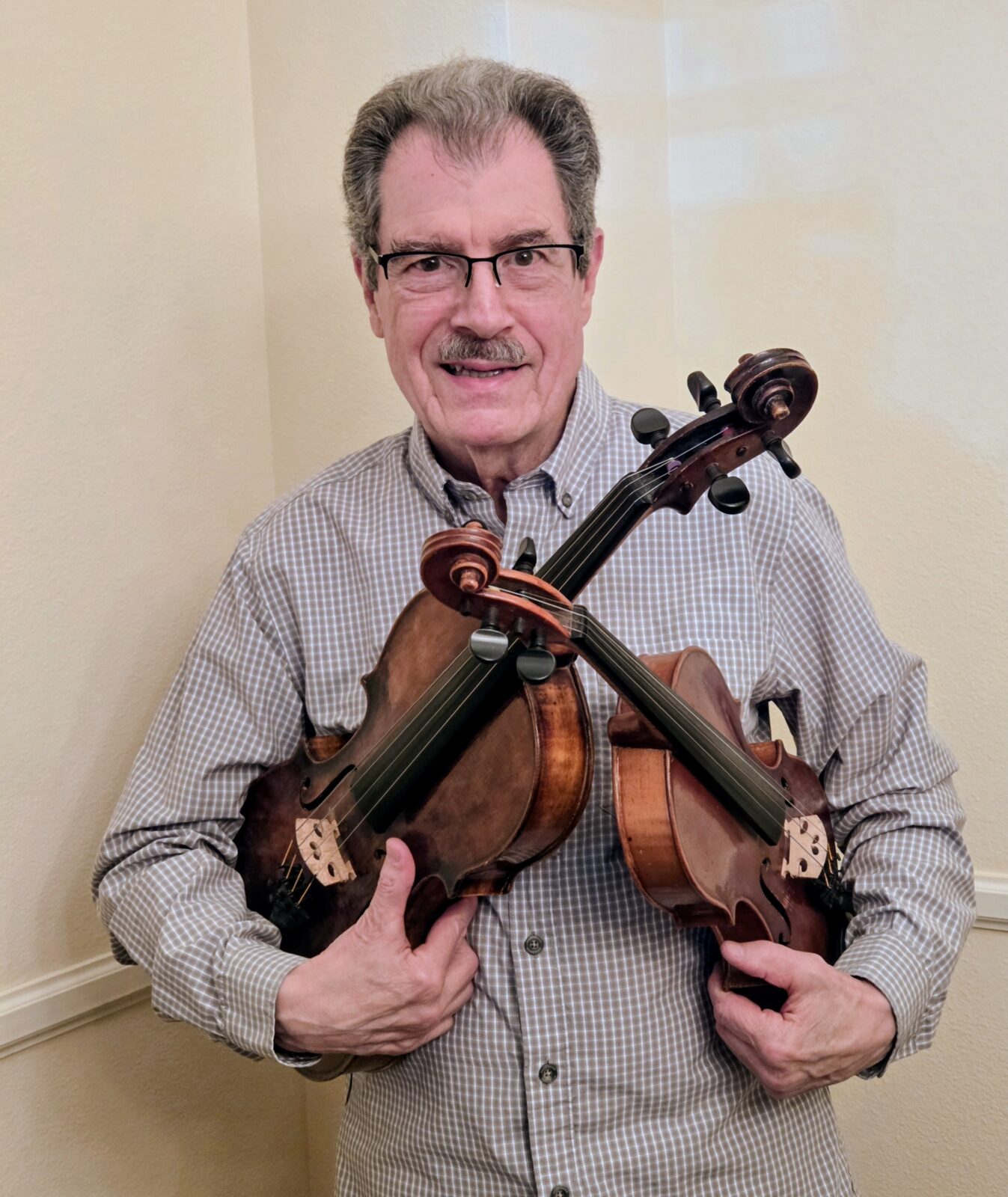
Member of the Month, September 2026: Marshall Costantino
Marshall Costantino learned to play the violin from his Italian grandfather as a young child. After a 42-year hiatus from playing, he is enjoying a new life in chamber music with his neighbor and new friends he met through the ACMP directory.Read More ↗
Celebrate Beethoven: MSQ’s Vienna Workshop, January 2027
Travel to Vienna and immerse yourself in Beethoven's world and in his String Quartet Op. 127, under the expert guidance of the Manhattan String Quartet. Register by Monday, September 14 for this unique cultural expedition!Read More ↗
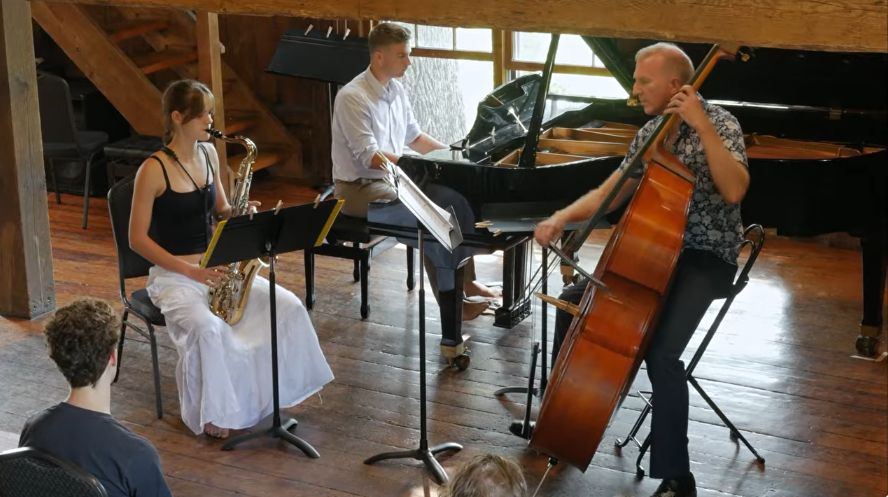
Music and Life at Apple Hill
Vermont-based bassist Art DeQuasie was one of the inaugural recipients of an ACMP Scholarship this summer. Read about his experience at the Apple Hill Center for Chamber Music in August 2026.Read More ↗
Explore New Worlds of Chamber Repertoire
Music educators have been working to find music by underrepresented composers that is accessible to students and amateur players of all levels. This includes music by composers of color, women composers, and LGBTQ groups, among others. Considering the changing demographics of our country, amateur chamber music players can reap the rewards of discovering new repertoire through this research.Read More ↗
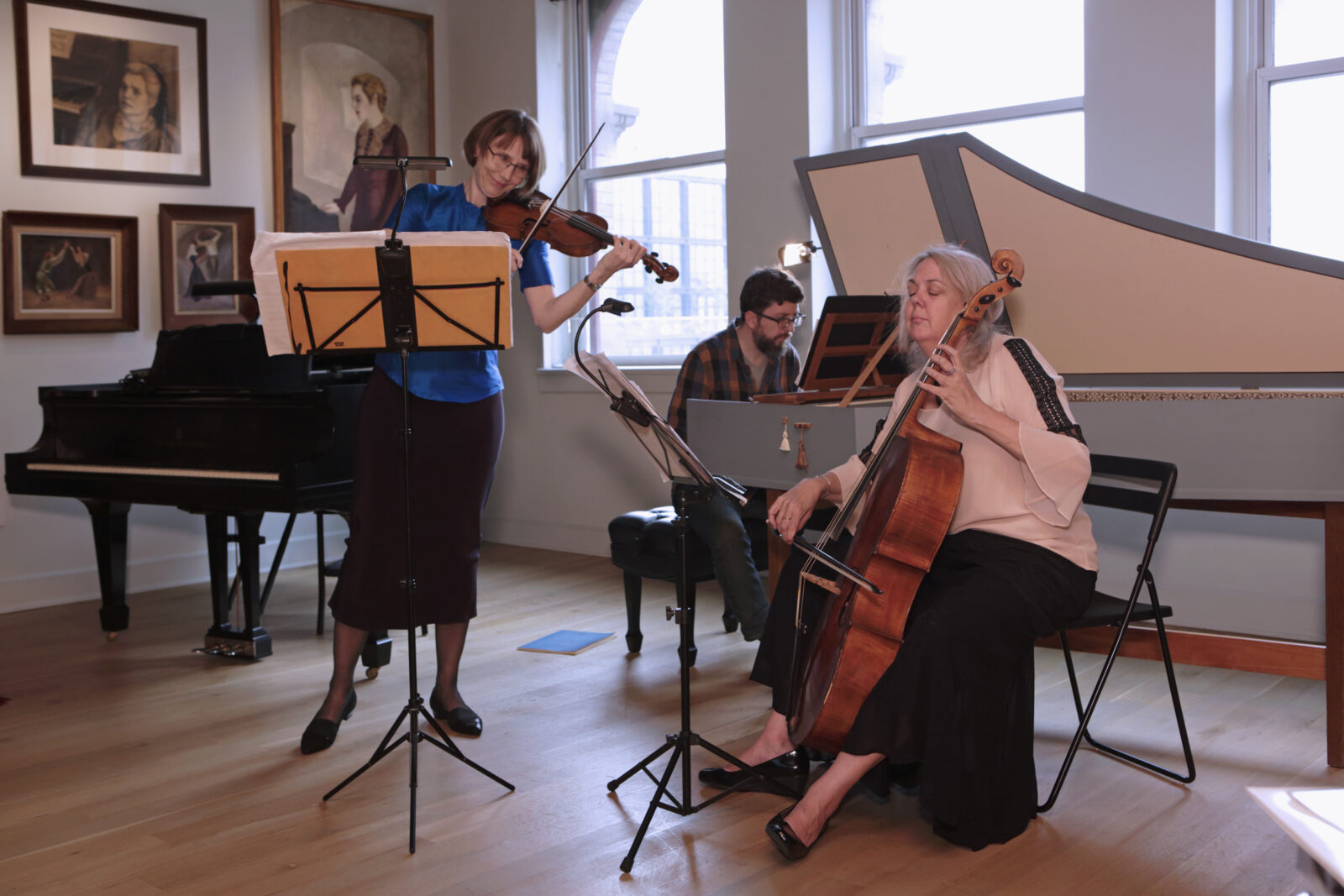
Meet ACMP’s Development Consultant, Amie Roosevelt
Amie Roosevelt joined ACMP's staff as our first-ever Development Consultant in January 2026. She has enjoyed a long and varied career as a violinist, with a primary focus on historically informed performance. I hope you all will meet and even get to play with Amie. But until you do, you can get to know her and her fascinating story by reading this interview from August 12, 2026.Read More ↗
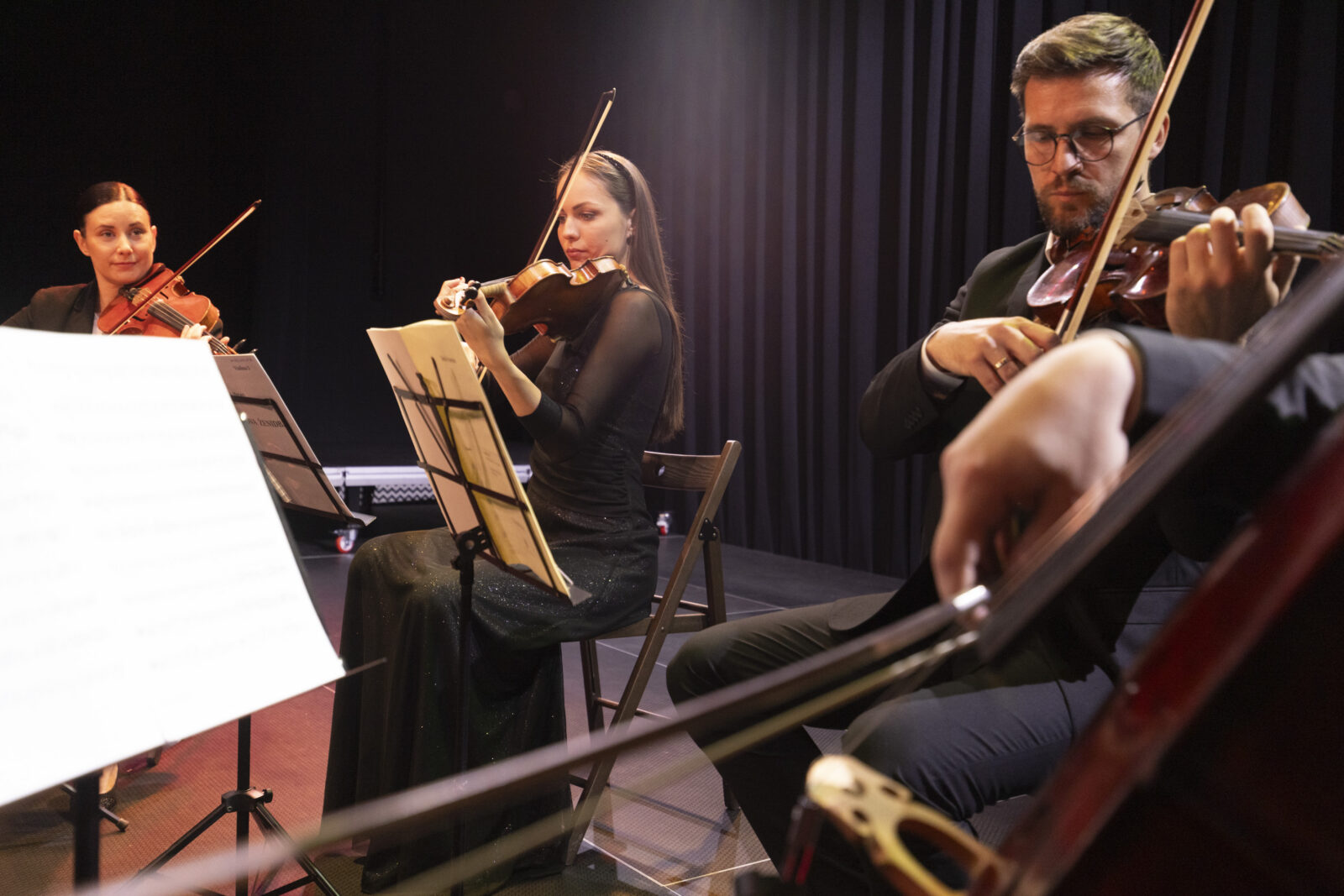
Make Chamber Music Part of Your Fall at 92NY
For many musicians, chamber music is as much about connection as it is about repertoire—the shared experience of listening, collaborating, and discovering new musical perspectives together. At the 92NY School of Music, two chamber music programs offer welcoming entry points into that experience this fall: Chamber Music Reading and Chamber Music Coaching & Performance. Whether you’re picking up your instrument again, looking to meet fellow players, or hoping to deepen your ensemble work, both programs are designed to bring musicians together in a supportive and engaging environment.Read More ↗
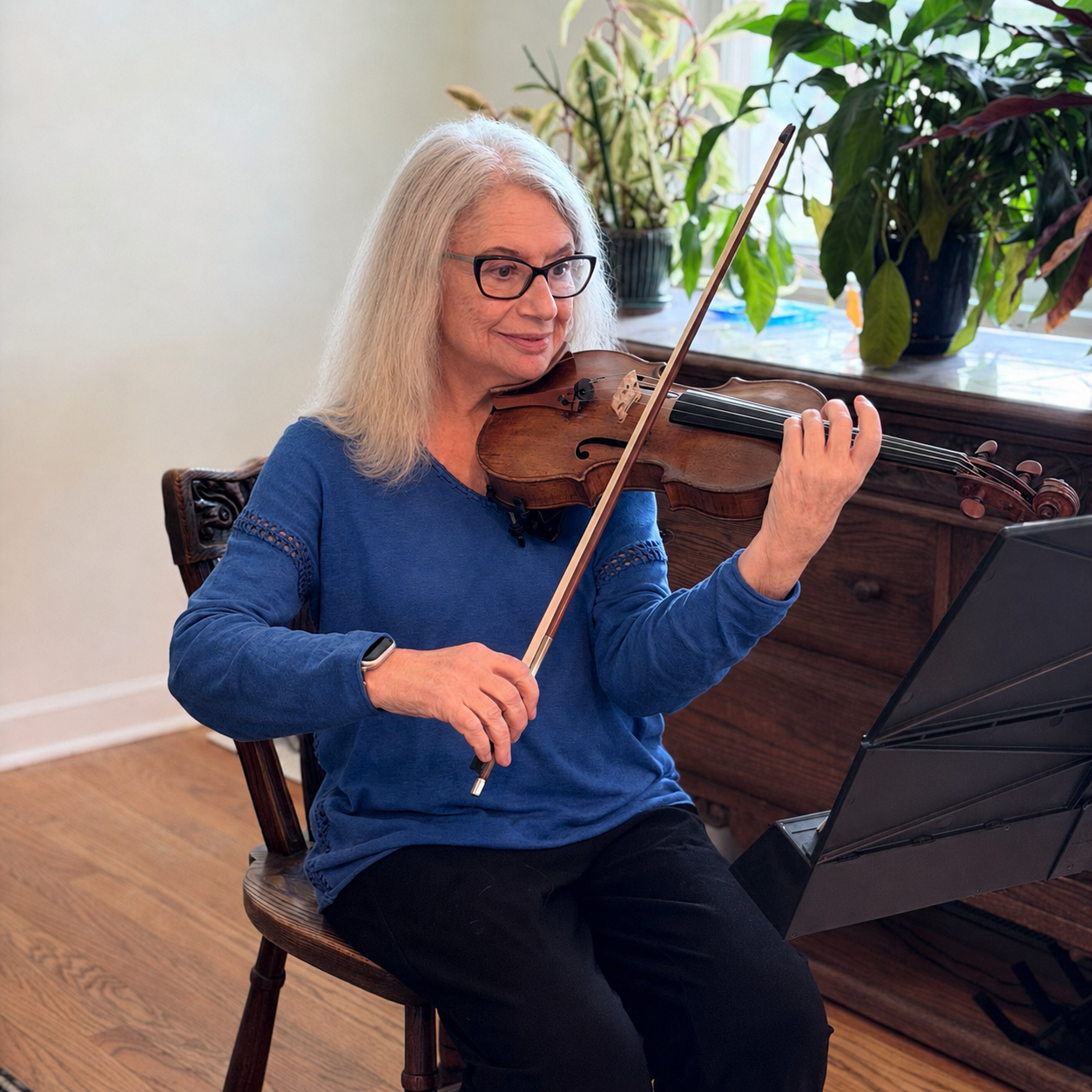
Member of the Month, August 2026: Alison Edwards
There aren’t too many people who come to a professional crossroads before they turn 13. But Alison Edwards faced such a moment. She had taken up the violin at age seven with none other than Dorothy DeLay as her teacher. But indeed, Alison had another calling. Inspired by social justice movements of the 1960s, she became a civil rights lawyer, eventually serving in the appellate division of the Cook County Public Defender’s office. After 25 years working and raising a family, she picked up her violin again and launched on a lifelong chamber music adventure.Read More ↗
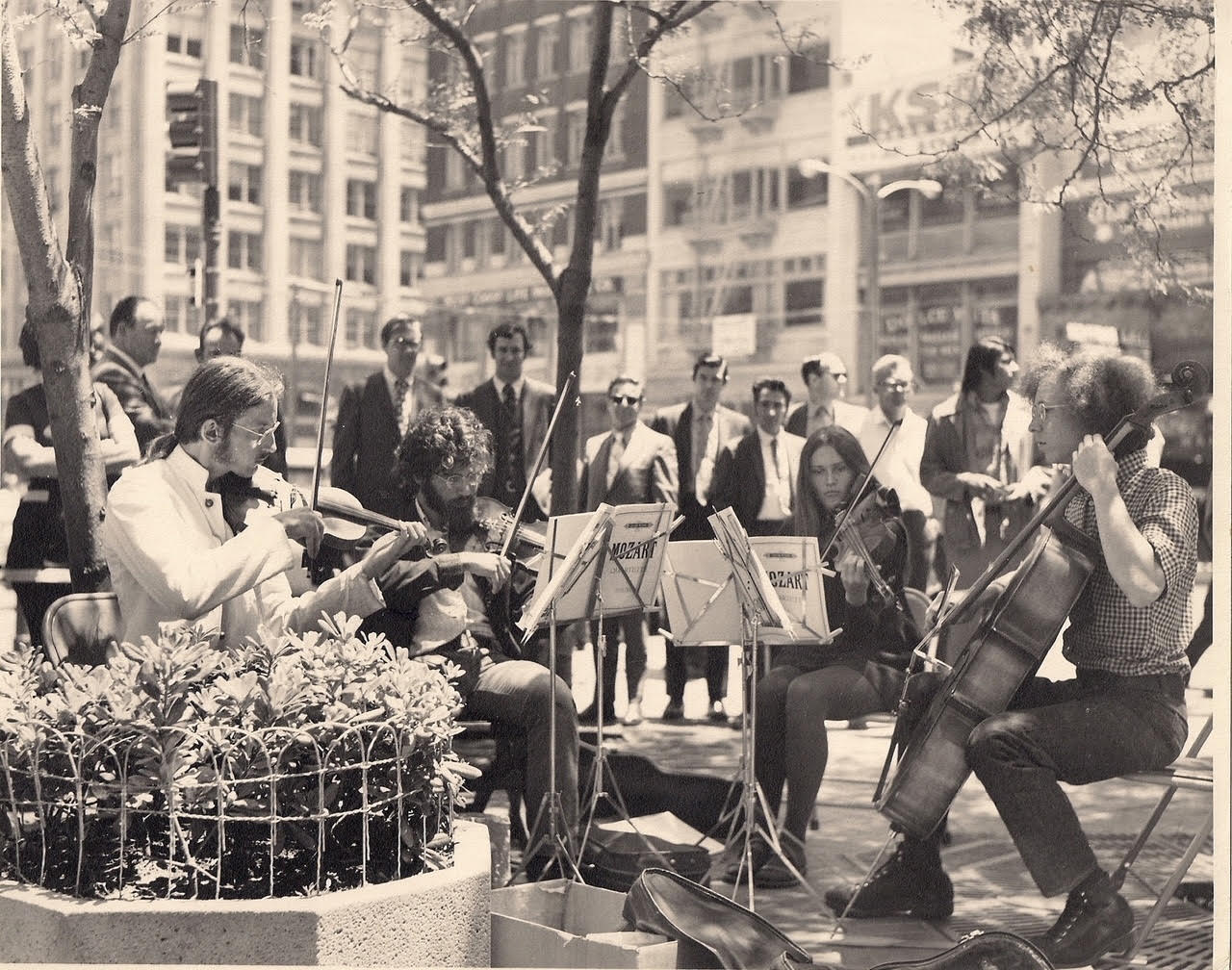
After 56 Years, the Bond of Chamber Music Endures
Cellist David Pearl and violinist/violist Gary Chanan played quartets together in the streets of San Francisco in the early 1970s. 56 years later they are playing together again in New York City...they reconnected through ACMP!Read More ↗
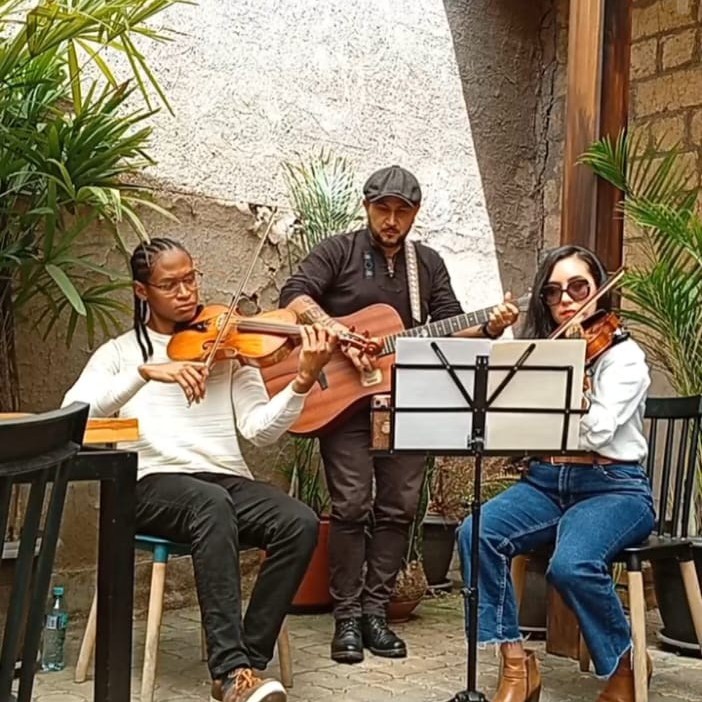
Coffee Shop Performances, Coffee-infused Repertoire
ACMP's intrepid cellist Tom Cappaert is at it again - this time with a story about ACMP members in Ecuador and Spain who organized chamber music in coffee shops, inspired by Tom's endeavors.Read More ↗
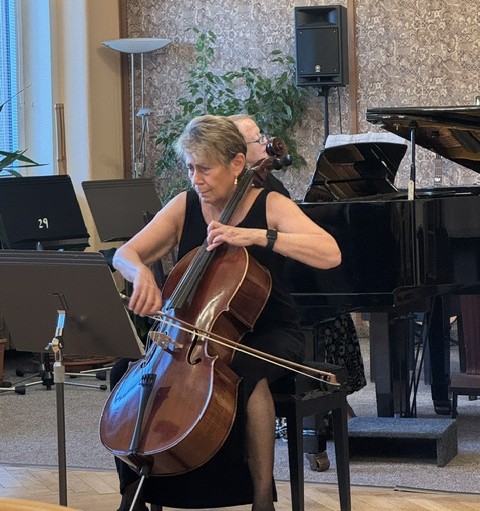
Member of the Month, July 2026: Sara Langbert
A self-proclaimed “total New Yorker”, cellist Sara Langbert graduated from Music and Art and continued her musical education at Queens College in her native New York borough. But like many ACMP members, she would put her cello aside as she managed the demands of raising a family and pursuing a career in computers and technology. Now she's playing again and is an enthusiastic member of ACMP.Read More ↗
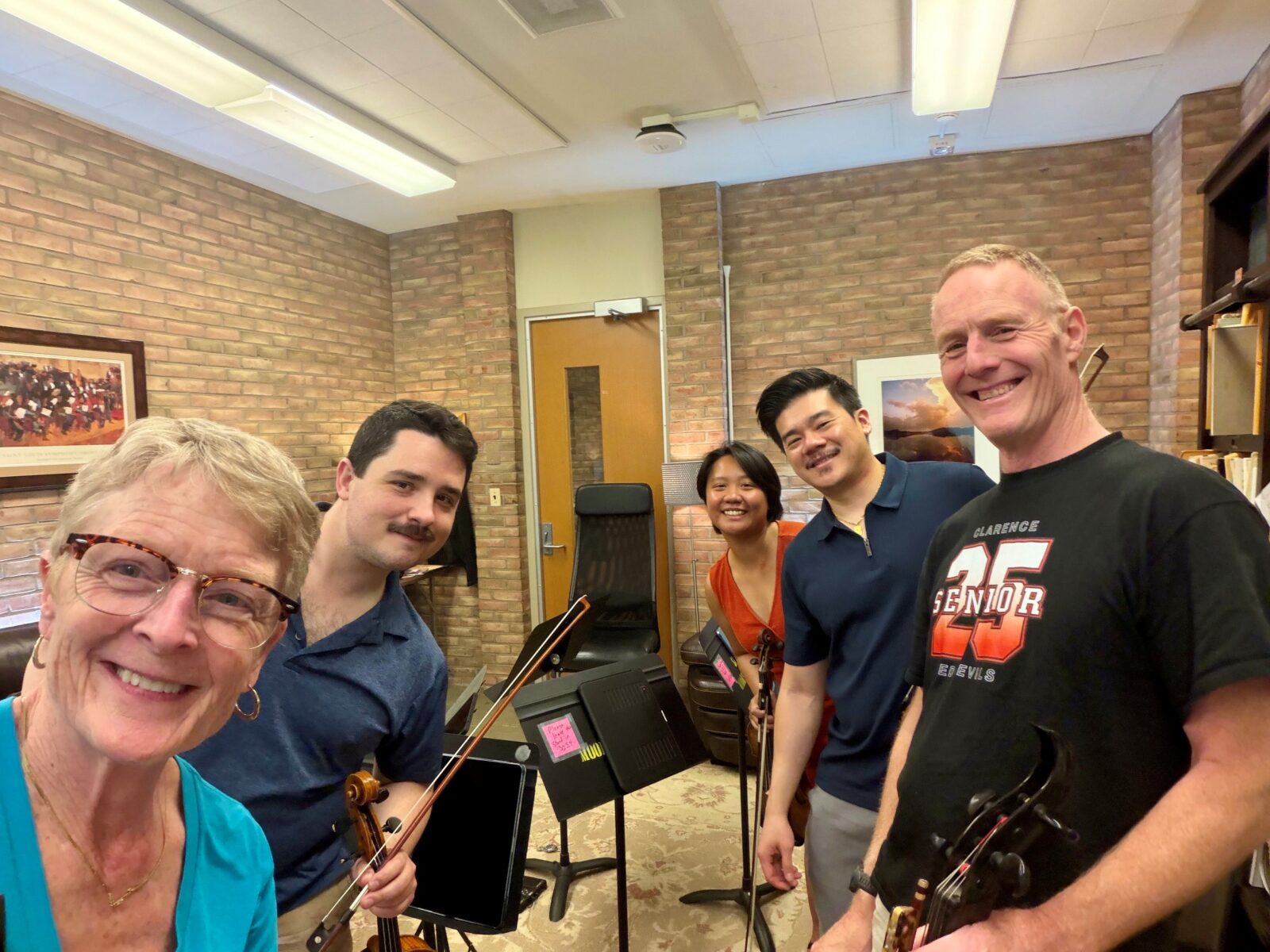
Around the World with ACMP’s Grants (Home Coaching and Play-in)
Over the last few weeks we have been asking members, participants, and organizers to tell us how our rolling grants have been useful to them and their communities. So let’s take a trip around the world and see what folks have to say about our Home Coaching and Play in grants.Read More ↗
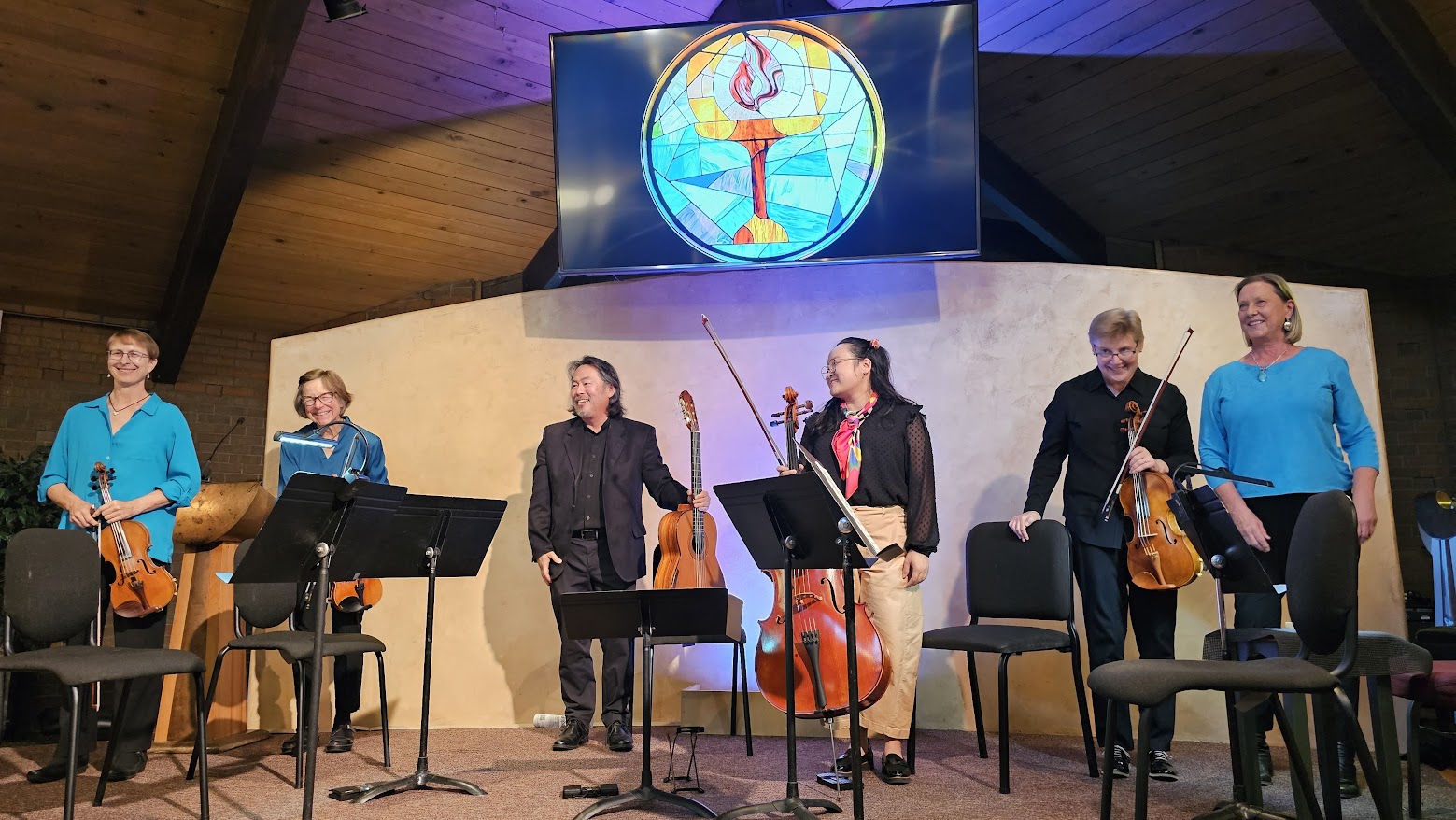
Around the World with ACMP’s Grants (Just Play and Impresario)
This summer, we’re hearing from ACMP members, participants, and organizers about how Just Play and Impresario grants have supported chamber music in New York, Italy, Canada, Colorado, and beyond.Read More ↗
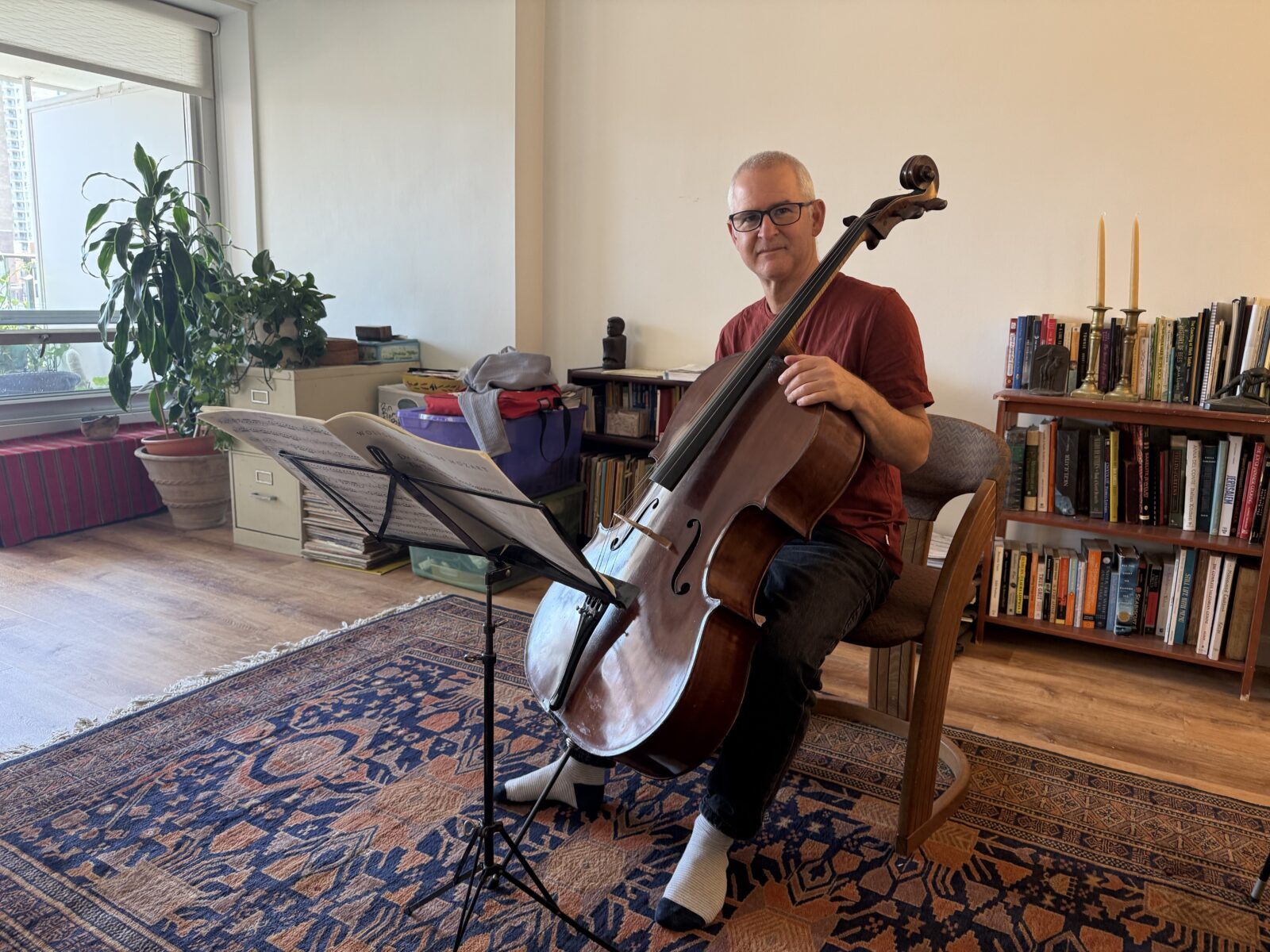
ACMP Member of the Month, June 2026: Yoav Segev, the flying cellist returns
It’s probably easy to spot Yoav Segev at the airport. He’s the guy in the pilot’s uniform with the cello on his back. Yoav, you see, is the Flying Cellist, a globe-trotting pilot for El Al Israel Airlines who plays chamber music during his layovers in far-off destinations. Read Bob Goetz's interview with Yoav.Read More ↗
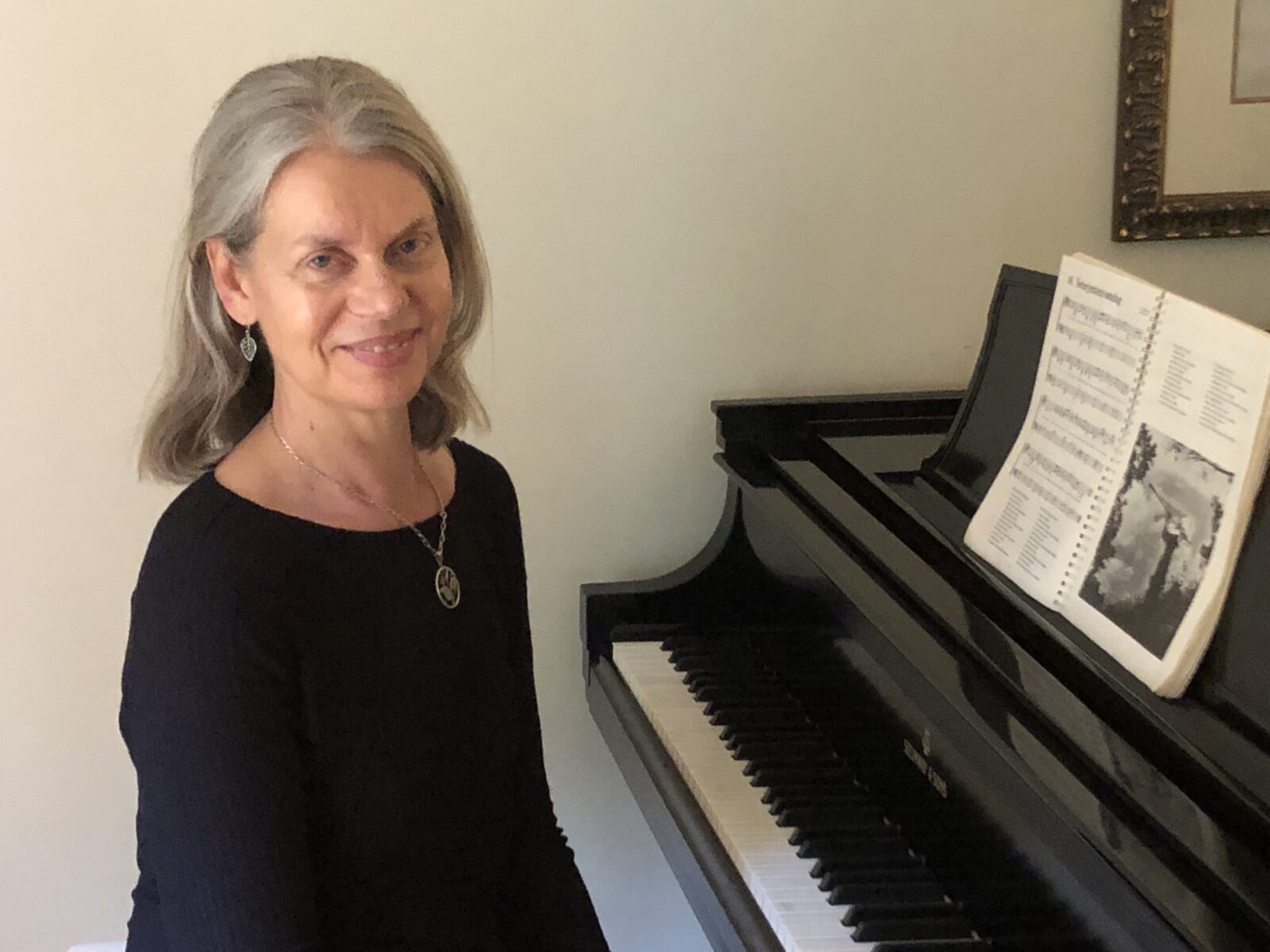
International Spotlight: Kristin Saltonstall in Panama
Kristin Saltonstall comes from a longstanding ACMP family and has been a member of ACMP for as long as she can remember. As a molecular ecologist, she works for the Smithsonian Tropical Research Institute in Panama, where she has forged a new musical life for herself and enjoys the natural beauty that Panama has to offer.Read More ↗
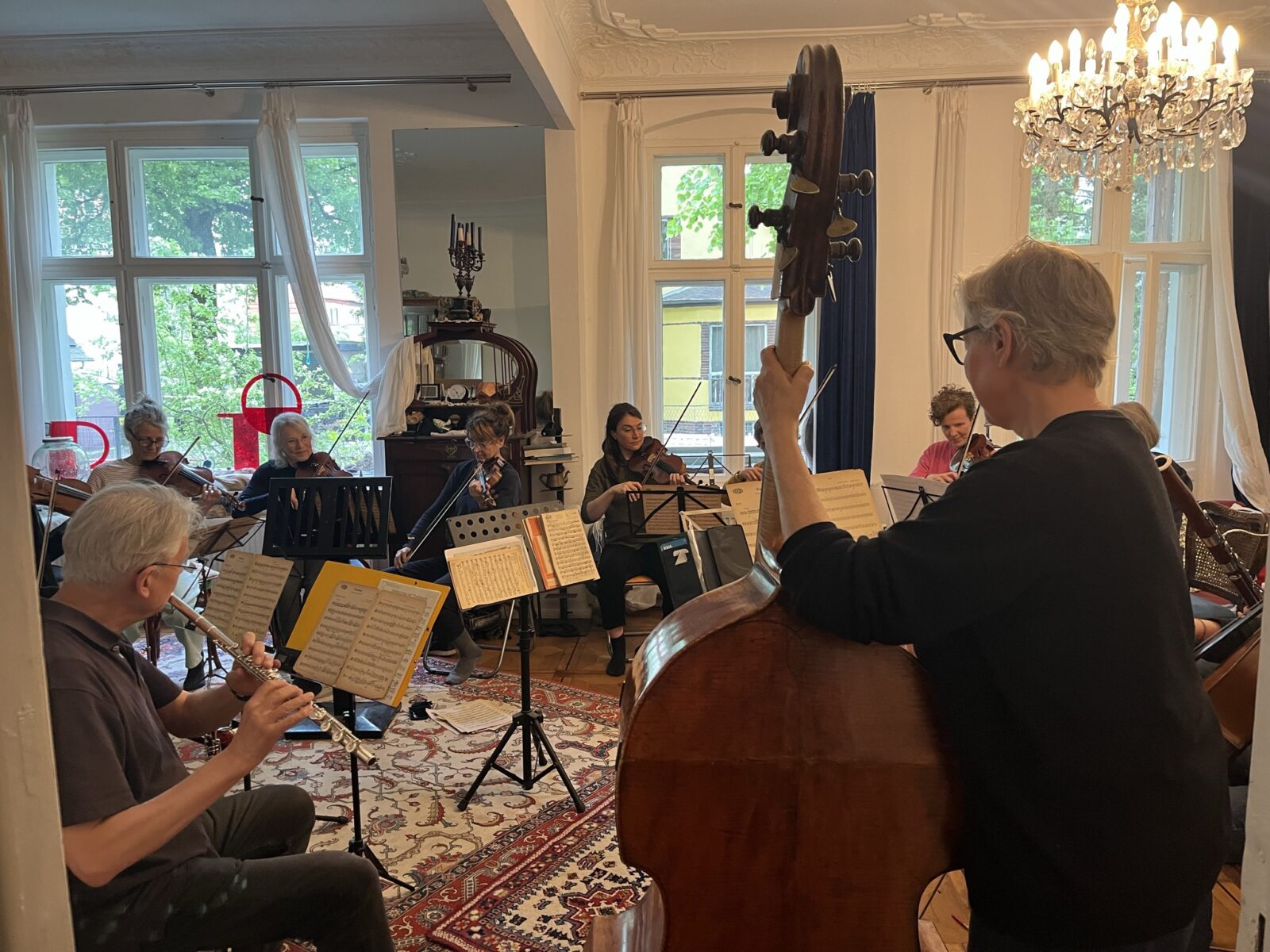
Springtime Extravaganza Light Music Orchestra on May 9, 2026, in Berlin-Karlshorst
Fifteen musicians followed Gudrun Schnellbacher's invitation to a very special kind of play-in – to play in the Springtime Extravaganza Light Music Orchestra. Read the article in English or in German.Read More ↗
Load More
All Articles By