The Joy Of Jamulus!
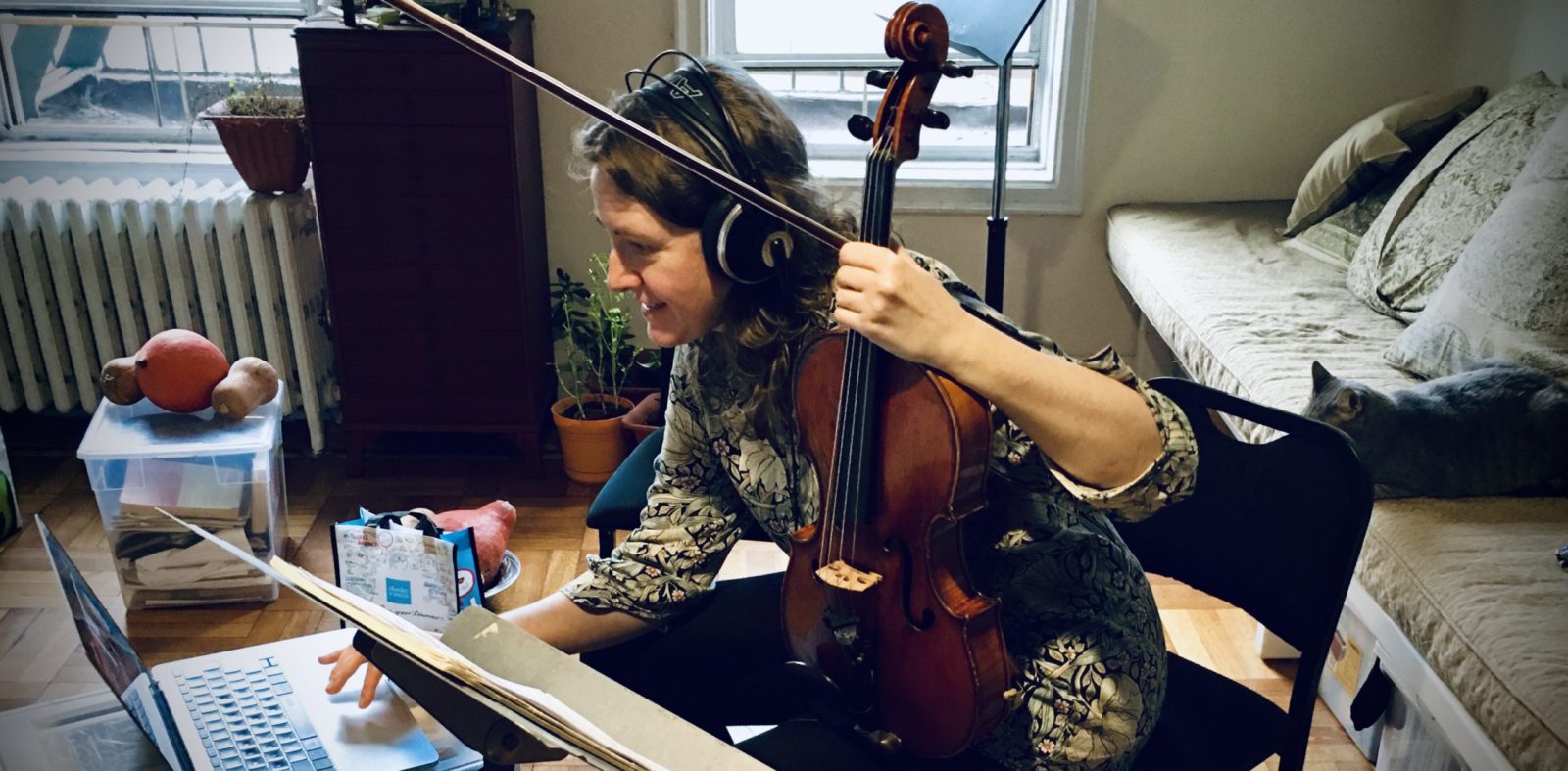
When I was a child I used to enjoy watching The Jetsons cartoon. I don’t remember many details of the characters or plots, but I was especially fascinated that they drove a spaceship to school, had a television-phone and a robot doing housework. That was the mid 1980s. All but the first of those amazing things have come true for me now in 2020 – I have a television-phone (also known as Skype, Zoom, WhatsApp video, FaceTime on my iPhone and computer) and a robot vacuum cleaner running around my apartment pretty much every day. Life is good! And it just recently got better: I can now play music in real time with friends over the Internet.
It’s a lot of fun, it really actually works, and as daunting as it may seem – it is not that difficult to set up JamKazam and Jamulus if you carefully follow the detailed, user-friendly step-by-step instructions provided by some wonderful members of ACMP! Moreover, if you run into trouble, we already have 13 volunteers on ACMP’s new Technology Task Force. Full disclosure: I already owned all of the equipment suggested for an optimal experience with both programs. But, if you do not – you will most likely spend somewhere between $150 and $300, perhaps even less if you take advantage of ACMP’s sweet custom discount at Sweetwater! Details are provided on our members-only Member Discounts page.
Following Susan Alexander’s excellent and detailed instructions in her online Guide to JamKazam, I had no trouble at all setting it up and a few days later I had a duo session with ACMP violist and recent JamKazamer Carol Kirsh (also ACMP’s representative for Toronto on the North American Outreach Council.) For those of you who missed it, please read Susan’s article here. My take-away from my personal experience on JamKazam is: definitely follow all of Susan’s instructions, including her recommendations on getting optimal audio quality! She explains how to turn off your own “compression” and how to turn off the compression of each new player you work with and get them to do the same. Once I did this, the sound quality was excellent and the latency was negligible. I live in the Bronx, and it felt like Carol was right here in my living room.
Now on to Jamulus!
ACMP Cellist and Vertical Violist Mike Tietz co-authored this excellent step-by-step guide “Jamulus for Chamber Musicians” with Bruce Kinmonth and Tom Frenkel.
This guide is geared towards people running Windows on a PC. My computer is a Mac, but Mike Tietz assured me that I could follow the guide, with 3 small differences. If you use a Mac you can skip step one – i.e. there is no need to download the “ASIO driver.” Step two is downloading the free Jamulus software – and that experience is also a bit different on a Mac. It is really easy, but there might be one little glitch when you try to open the Jamulus application. Jamulus provides simple step-by-step instructions here.
The third main difference for setting up Jamulus on a Mac is that your Mac computer may not automatically allow Jamulus to access your microphone. That did not happen to me – but if your first experience of Jamulus is “radio silence,” click on the little apple icon on the top left corner of your screen, click on “System Preferences,” then click on “Security and Privacy” (for me, it is the sixth icon in from the left in the top row), and then there is a row of four tabs, the fourth of which is “Privacy.” Click on Privacy and you should see: “Allow the apps below to access your microphone.” Make sure Jamulus is checked, and you are ready for your big Jamulus adventure!
Once you have downloaded the Jamulus software (and the ASIO driver, if you use a PC), follow Michael, Bruce and Tom’s Jamulus guide to a T. It all works! So far I’ve had a few string duo sessions and one string trio session, playing music by Bach, Beethoven, Schubert and Hennessy. Even though it’s audio-only, you can actually make great music together, including accelerandi, ritardandi, starts, stops, general pauses… And of course you can always Zoom together afterwards if you want!
A few little tips from my experience:
- When you open Jamulus, you can see who’s playing on the public Jamulus servers. You can even listen in (discreetly) to ongoing Jamulus playing sessions by connecting to a server where you see people playing. Before going any further, create your own Jamulus profile. Once you open the Jamulus application, you will see these menu options on the top left-hand corner of your screen: “Jamulus, File, View, Edit, Help.” Click on “View” and select “My Profile.” You can edit the profile any time, and it is incredibly simple. That way, once you connect to a server, the other musicians will able to see who you are and what instrument you play. They may even talk to you and invite you to jam!
- The next step is choosing an empty server with a low “ping time” in your area, and testing your own sound. That’s a good first chance to play around with your mic level. I suggest starting low and bringing it up. If your mic is too “hot” you might hear an annoying crackling sound.
- It’s in the guide – but don’t forget: mute yourself and set your headphone level to very low or 0 before dropping in and listening to other people’s sessions. I did not read the fine print, and was amazed that so many musicians were playing experimental ambient drone music when I hopped from server to server. Then I realized I was hearing feedback!
- You need to use headphones – and not the kind of headset that comes with your phone, with the built-it mic. That mic will confuse Jamulus!
- Finding a server – if you are like me, you may not notice that there are multiple public server lists. The “Default” list comes up first, but check out all the other tabs for more options.There are two ways to get to the server menu – by clicking “connect” on the main screen, but also by opening the “View” menu on the top left-hand corner of your screen and selecting “connection set up.” This is useful when you are already in a session and want to hop, Jetson-like, to another server.
- The one tricky thing about Jamulus is avoiding that crackling sound I mentioned above. Here is a trick that worked for me in the three sessions I have had so far: When you go into Settings, on the bottom left corner make sure “Enable Small Network Buffers” is checked (that is the default.) And below that you can choose your level of buffer delay. The middle one (5.33 ms) is recommended – but I tried the lower latency (2.67) and turned my microphone down to around 50%. If all players do the same, then there will not be trouble hearing everyone. Moreover, you have a separate place to set your headphone mix. If it doesn’t work, don’t be discouraged! Keep experimenting until it goes away or try another server.
- Lastly, once you’ve connected to Jamulus, try to set up a playing session with one of the ACMP Technology Task Force members (aka “Jamulus sherpas.”) They can give you an “online tour” of the Jamulus servers, lists and etiquette, walk you through the screens, explain the settings, and get you started playing with useful tips. Then you’ll be all set to organize your own groups and play!
I highly encourage you all to try Jamulus. As outlined in the guide, it works best with some gear, but you can start with just a computer and some headphones and take it from there. So, read the “Jamulus for Chamber Musicians”guide here and let’s get started!
JamKazam or Jamulus?
How about both?
I am too much of a novice to make a recommendation one way or the other, but I think the main difference is the social dynamic of the two applications.
Unless you know someone with a private server, anyone can drop in on any Jamulus server at any time. The plus side: it is a thriving musical social scene – the kind we have all been missing since being sequestered at home because of COVID. People are respectful and will not interrupt you, but if you want to make new friends – and meet musicians online – they are there for the making! In fact, Mike Tietz actually found me on the first night that I was setting up Jamulus and testing my sound, and we ended up playing a duo by W. F. Bach at 11:30pm. ACMP member flutist Cyril Penn dropped in on a trio session I had a few days later, too. It was very nice to “meet” him and I see flute quartets on the horizon…
If you prefer a bit more privacy, JamKazam might be more for you – where you actually have to set up a session and invite friends. Or maybe you have both options, and it depends on what you are doing and on your mood that day.
Some other differences: JamKazam has a video option and Jamulus is audio only. But, to make JamKazam work with optimal sound and the lowest possible latency, you MUST turn off the camera, anyway. I had it on when Carol and I were tuning and got that annoying crackling sound. It is however fun to turn on the camera when you are taking breaks.
Another recent difference: starting on January 1, you will have to pay for JamKazam. The price plans are reasonable, and worth supporting. All the more reason to try it now, since everyone will get all the paid features for free through December 31. However, Jamulus will remain free!
I am still in the very early phases of this research and will keep writing with more updates on Jamulus and JamKazam, and anything I will discover through my upcoming adventures with SoundJack and Sonobus. Please contact me at sgriffin@acmp.net if you have leads to any new and exciting information!
More Articles
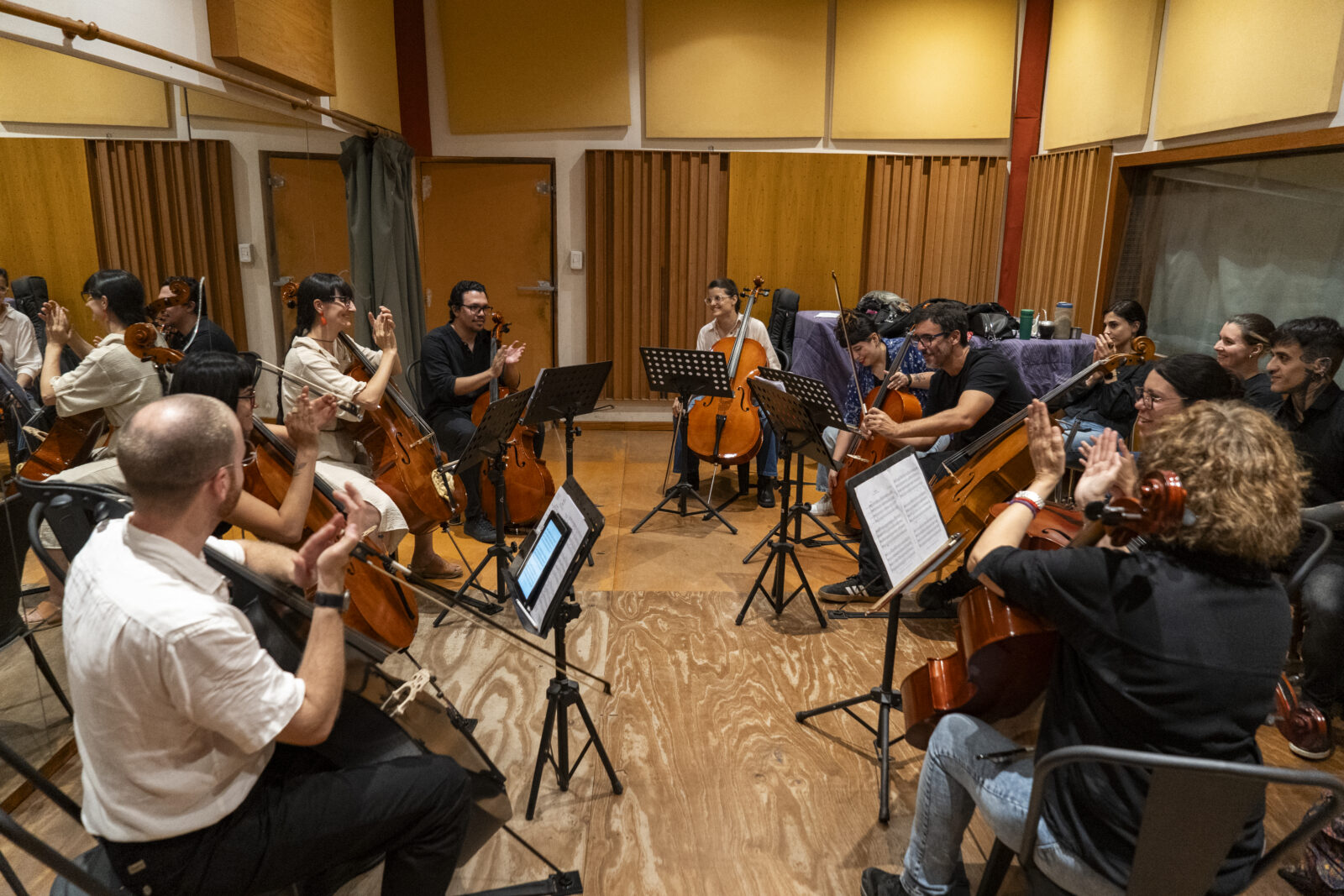
ACMP’s debut in Argentina: a cello gathering in Buenos Aires
Cellist Andrew Brush organized ACMP's first event in Argentina: an all-cello play-in, guided by Chilean professional cellist Denisse Almonacid in Buenos Aires.Read More ↗
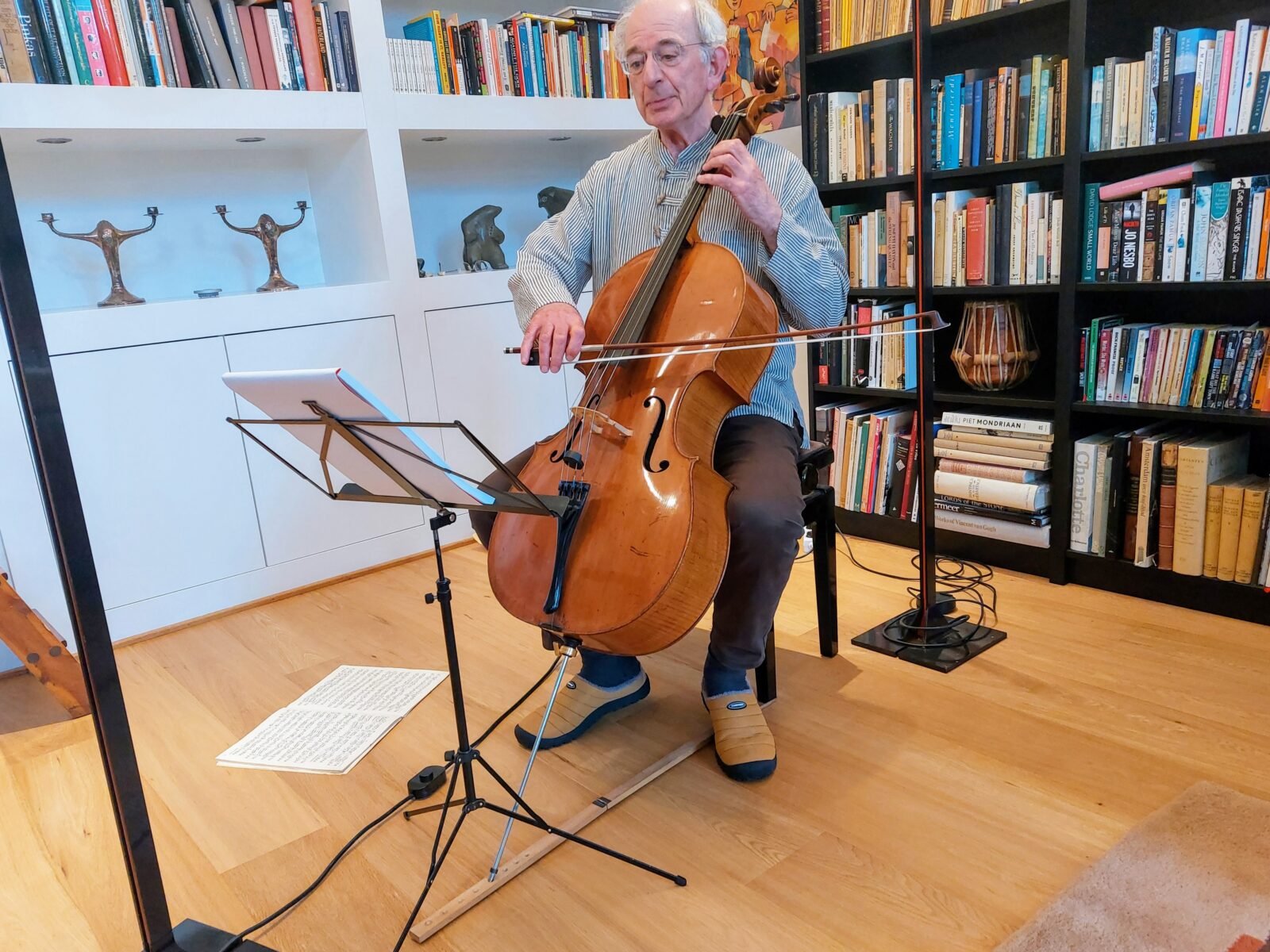
Jan Magnus, cellist – Retirement can wait. Chamber music can’t
At 76, Jan Magnus is still teaching in Amsterdam and making chamber music wherever he goes, with no plans of slowing down.Read More ↗
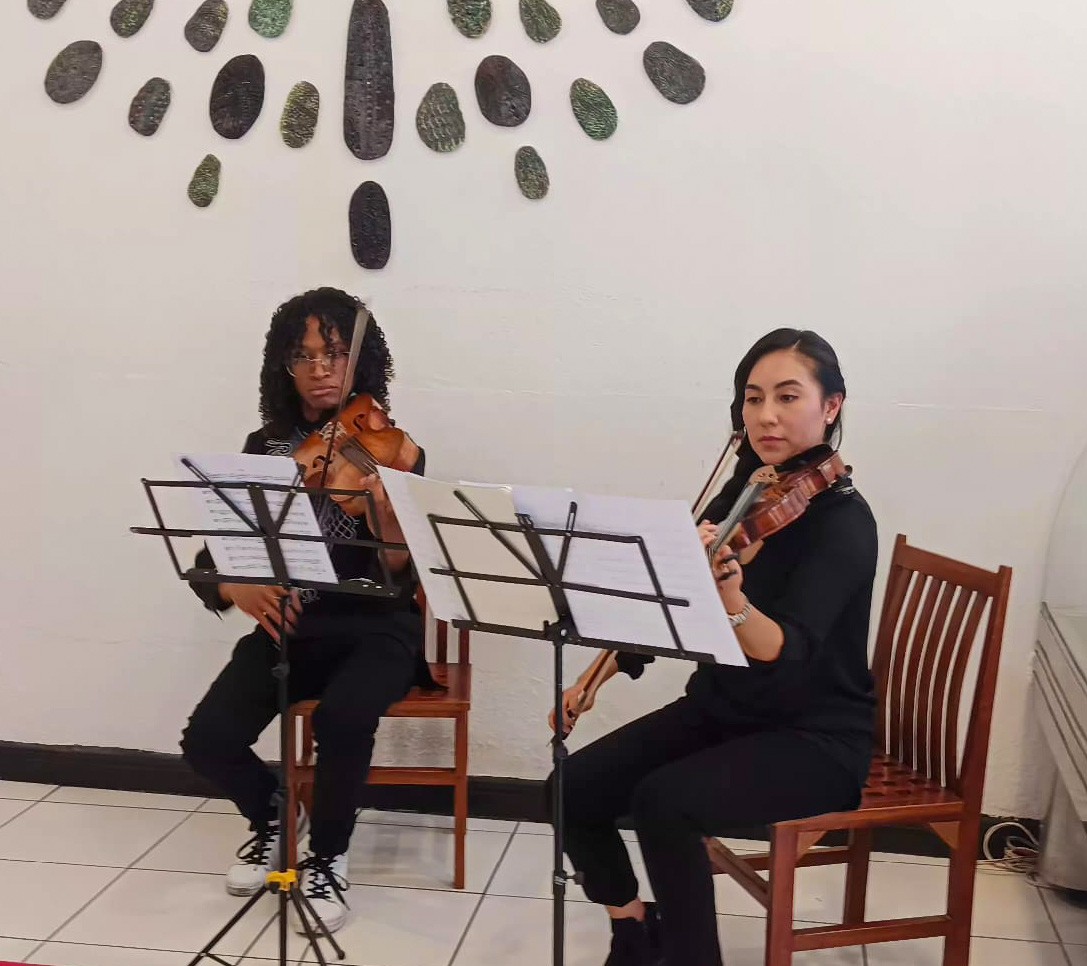
Music on the Menu in Cuenca, Ecuador
New ACMP members played a café concert in Cuenca, Ecuador.Read More ↗
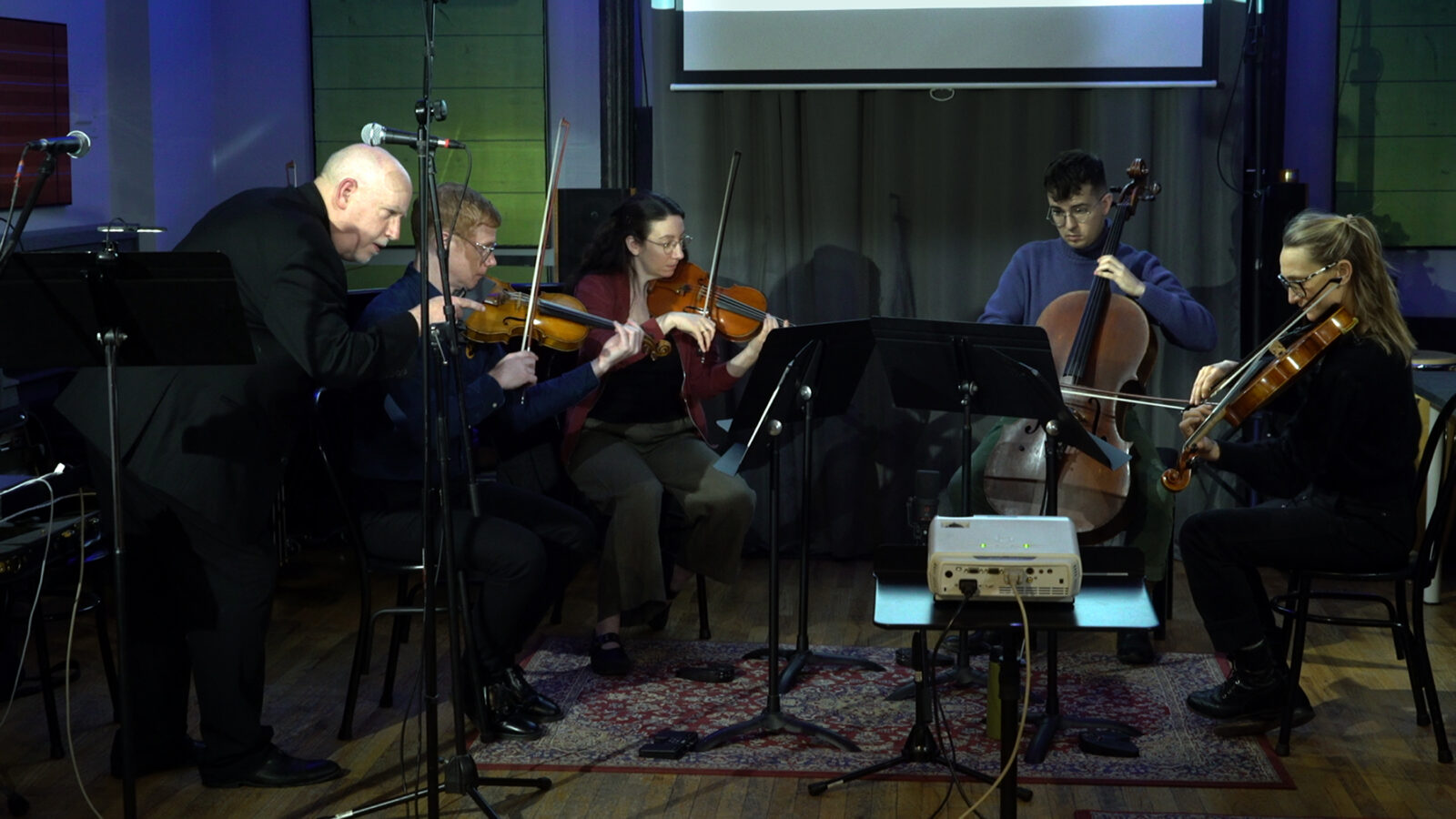
New Video: Turning ink blots into music – a discussion on the meaning and madness of notation
Cal Wiersma and his willing ACMP member partners explored the process of decoding musical notation to begin to answer that eternal question – how do I turn these dots, dashes, squigglies, slurs, round blotches and straight lines into MUSIC? How does one decide what to make of all of this maddeningly imprecise notation? Watch the video of the live-streamed class.Read More ↗
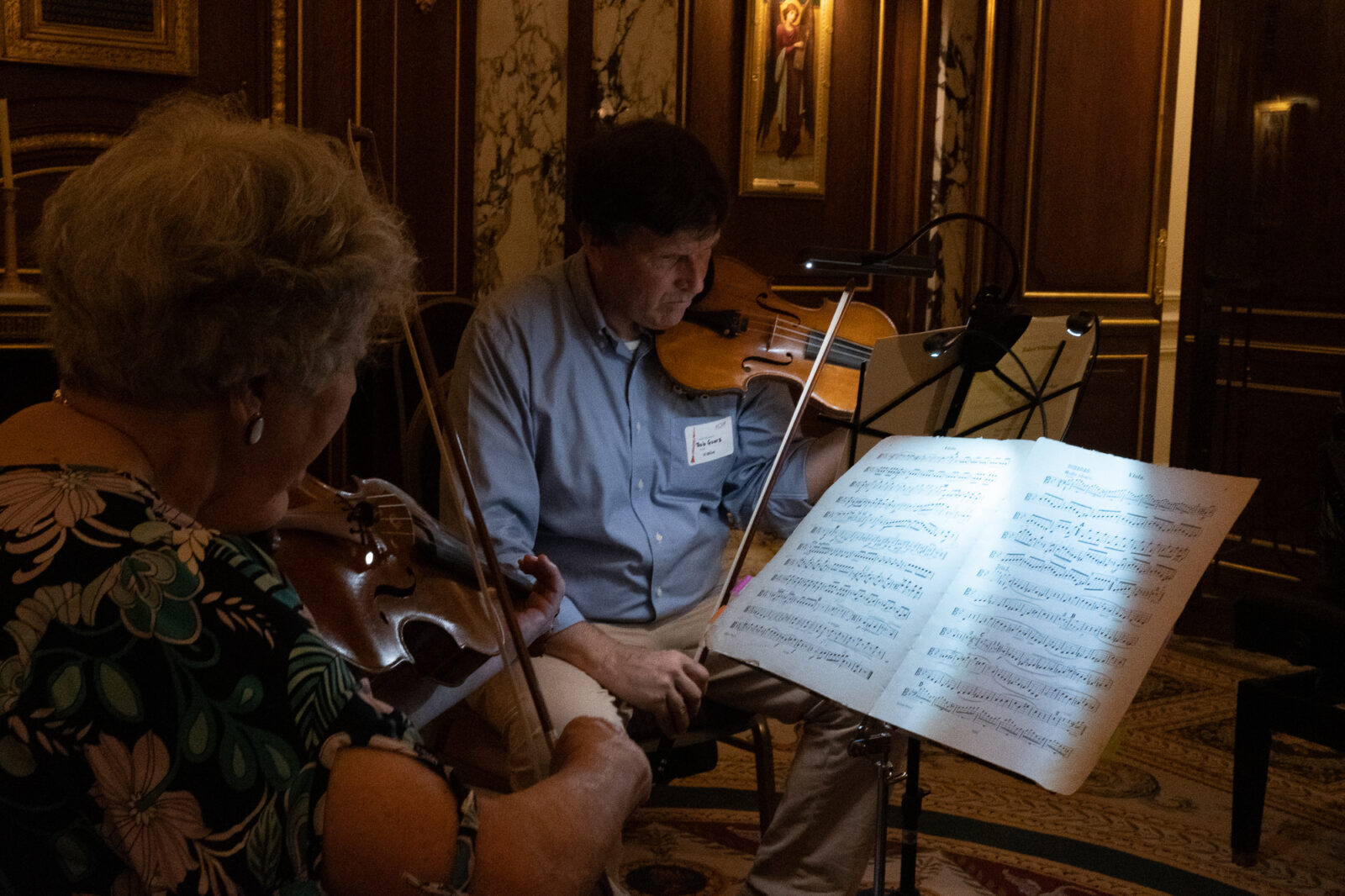
Henry, Gideon, Joan and me
ACMP Board Chair and violinist Bob Goetz reminisces about a deeply moving early experience with ACMP.Read More ↗
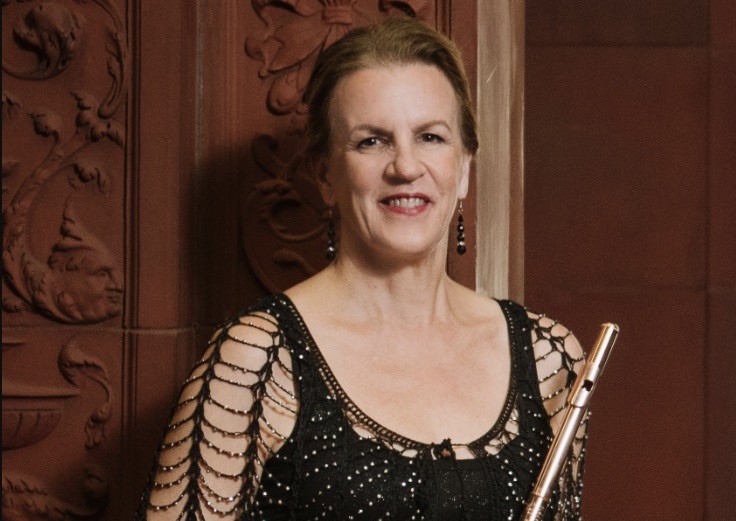
Meet the Musician: Flutist Svjetlana Kabalin (Video)
Watch Stephanie Griffin's interview and Q&A with Svjetlana Kabalin, Artistic Director of the Sylvan Winds, a wind quintet she has led for over 46 years.Read More ↗
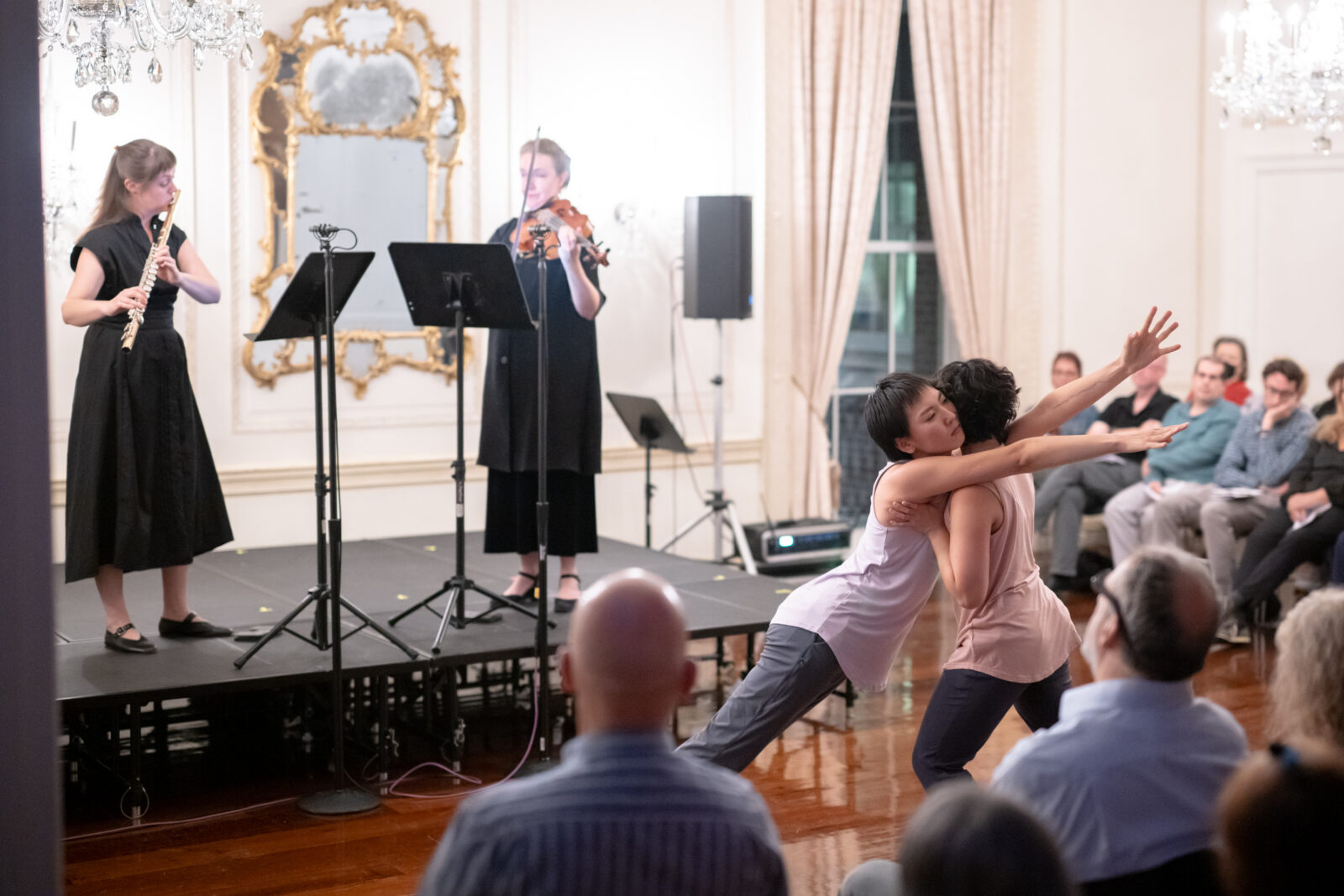
What I learned from wind players
ACMP Executive Director Stephanie Griffin reflects upon her personal experiences working with wind players as a violist and composer. All of us musicians can learn so much by listening to and especially playing with musicians who produce sound in a completely different way than we do!Read More ↗
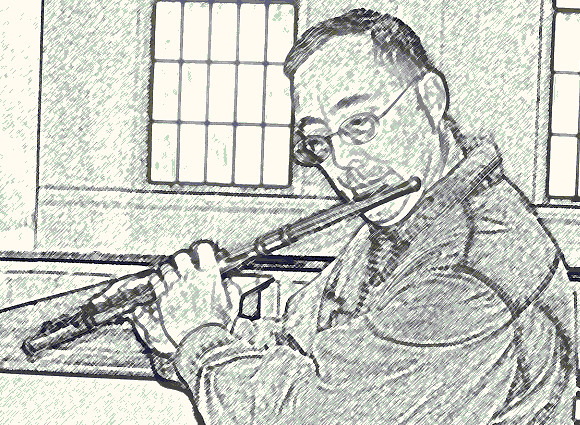
Interview with Joe Wilson and Edward Guo
ACMP member flutist Joseph Wilson has been actively adding to the chamber music repertoire for flute, by making original arrangements and transcribing parts and scores from manuscript, and uploading them to IMSLP. Watch the video of him in conversation with Stephanie Griffin and IMSLP founder Edward Guo.Read More ↗

Put a flute on it! Arrangements of Haydn string quartets for flute and string trio
Looking for top-quality repertoire with flute and strings for your ACMP Haydn Challenge gathering? Put a flute on the opus 20 string quartets. Listen to the beautiful recording by the Campanile Ensemble with Hungarian Early Music flutist Ildikó Kertész.Read More ↗

The Flute: Beloved of Amateurs
The flute has been a favorite of avocational musicians in the US since the colonial period. While most players are lost to history, many notable figures have played it, from John Quincy Adams to astronaut Cady Coleman.Read More ↗

My journey with the Fula flute
Flutist Sylvain Leroux recounts his adventures with the Guinean Fula Flute. He fell in love with the Fula Flute listening to a record in the early 1980s, and his journey led him to performing around the world, inventing new Fula Flutes with extended possibilities, and founding a school in Guinea.Read More ↗
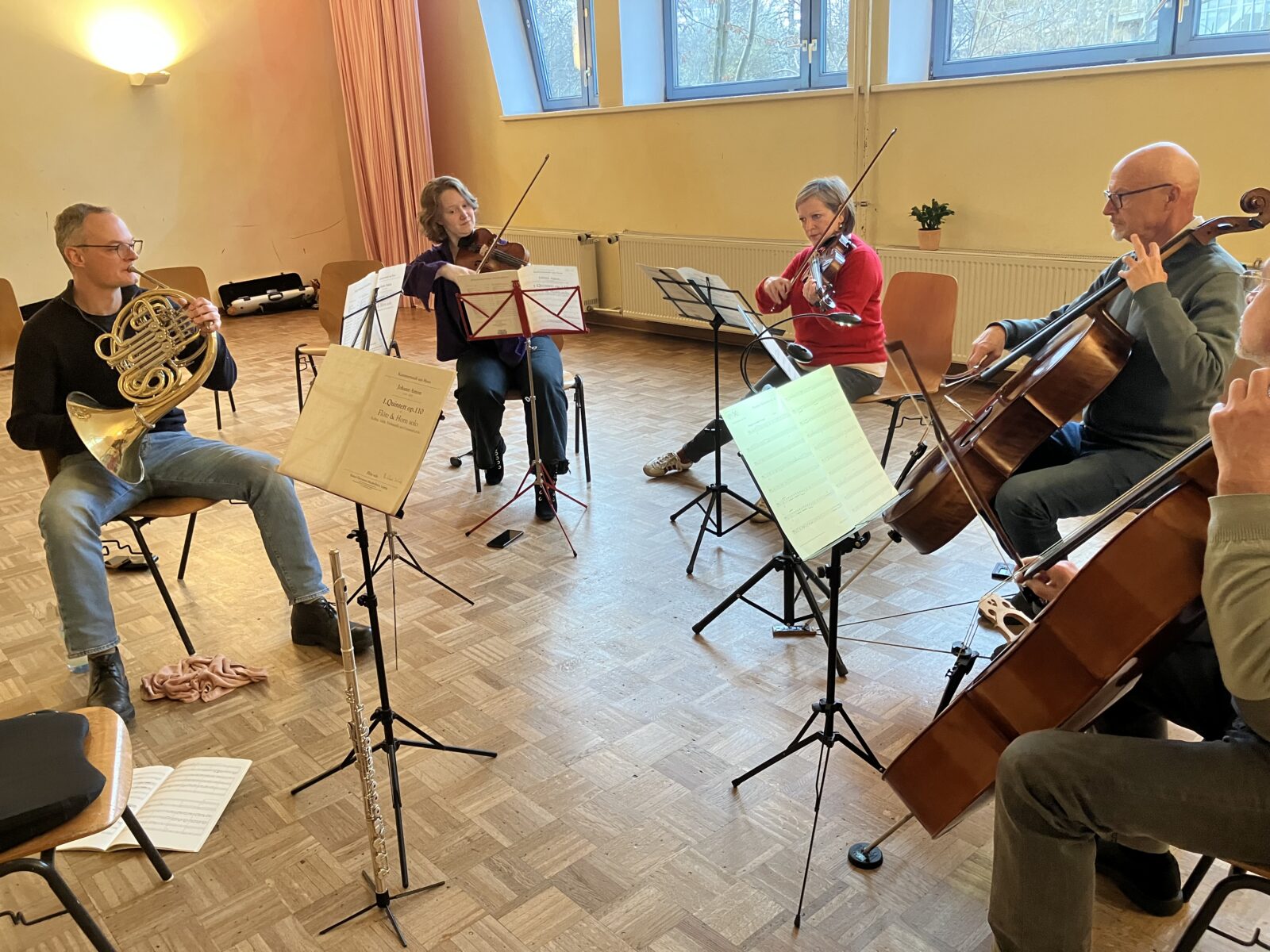
Music for winds, strings and piano at the first Berlin Play-In of 2026
On March 14, 2026 seventeen chamber players gathered at the first Berlin Play-In of the year, made possible in part with the support of ACMP. They played a varied menu of chamber works for flute, oboe, horn, piano and strings.Read More ↗
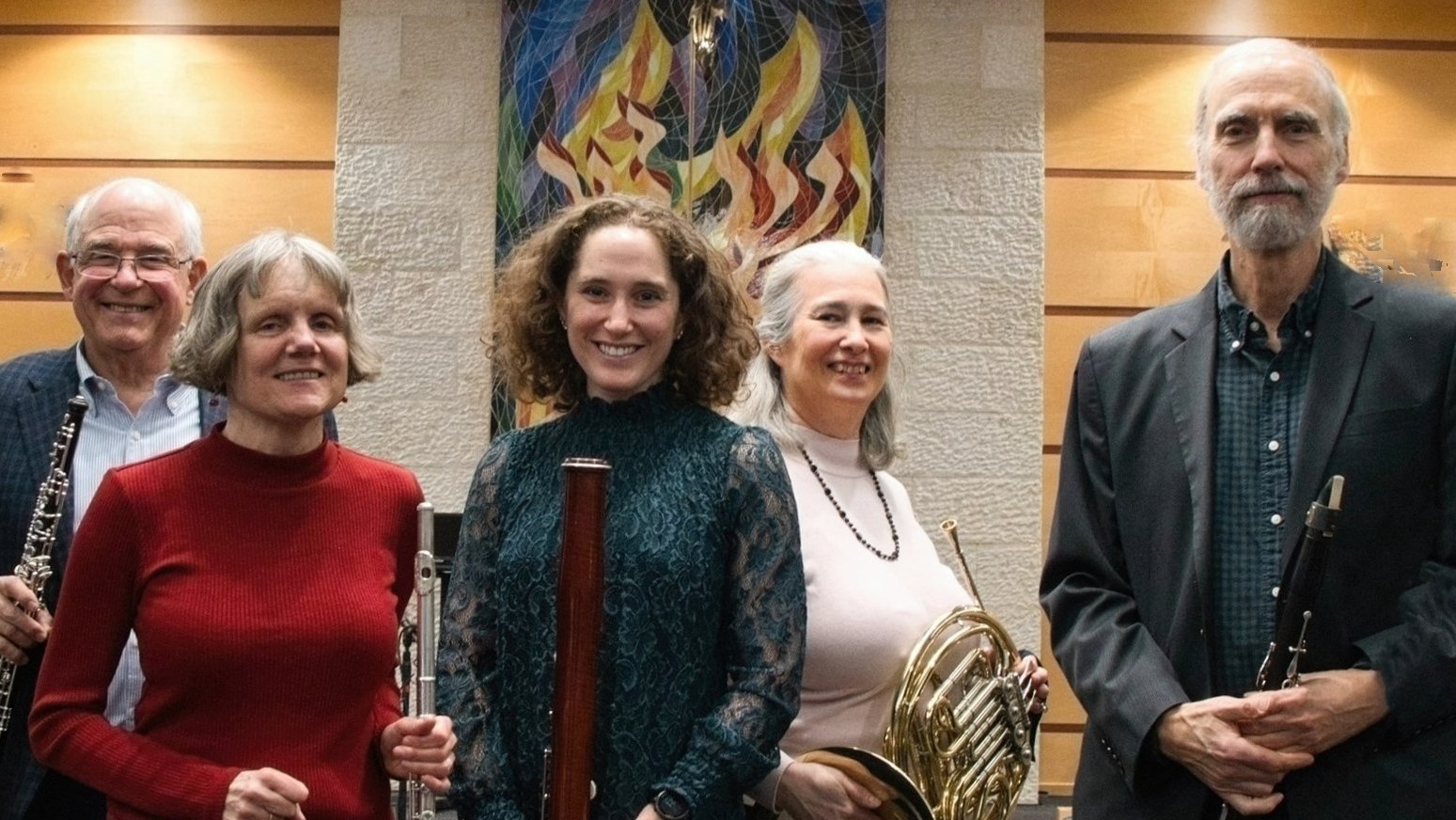
Chamber music, the Horn and Friends
There's more to chamber music with horn than just the standard wind quartets and quintets. Liz Dejean shares her favorite repertoire for horn combined with strings, piano and strings or other other winds, and larger ensembles.Read More ↗
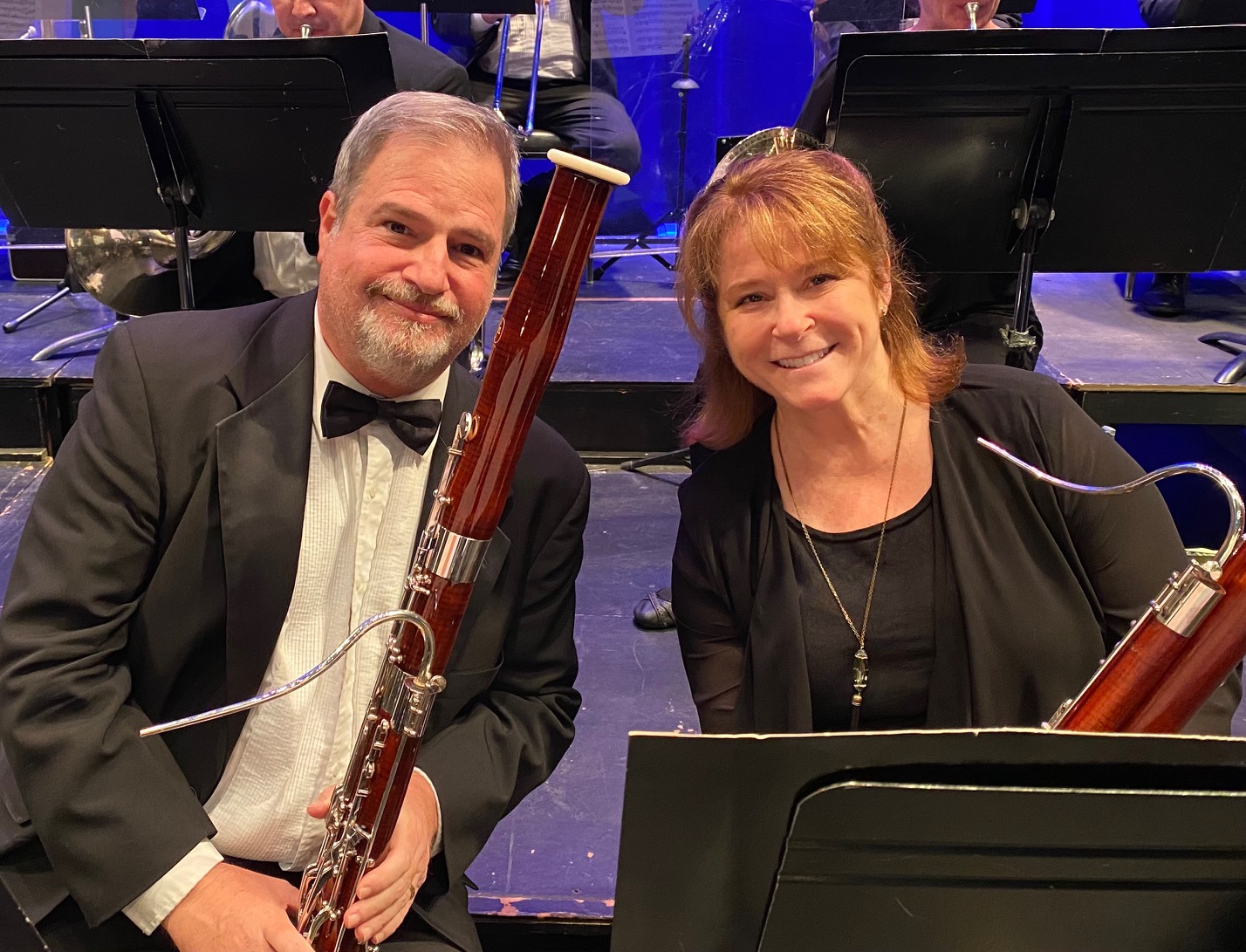
A Visit to Trevco Music
Bassoonist Chris Foss waxes poetic about his recent visit to the Trevco Music headquarters in Middlebury, Connecticut where one can browse the stacks of literally 1800 pounds of music for wind quintet, along with any chamber music you can imagine and lots of fun arrangements involving winds. You can even get a discount with a secret code!Read More ↗

The Ukrainian Chamber Music Encyclopedia: a resource for wind players
Ukrainian Canadian bassoonist Zachary Senick has devoted his research and performance life to unearthing the vast catalogue of chamber music for winds and music for solo bassoon by Ukrainian composers. Explore the Ukrainian Chamber Music Encyclopedia and the offerings made available by Editions Plamondon.Read More ↗
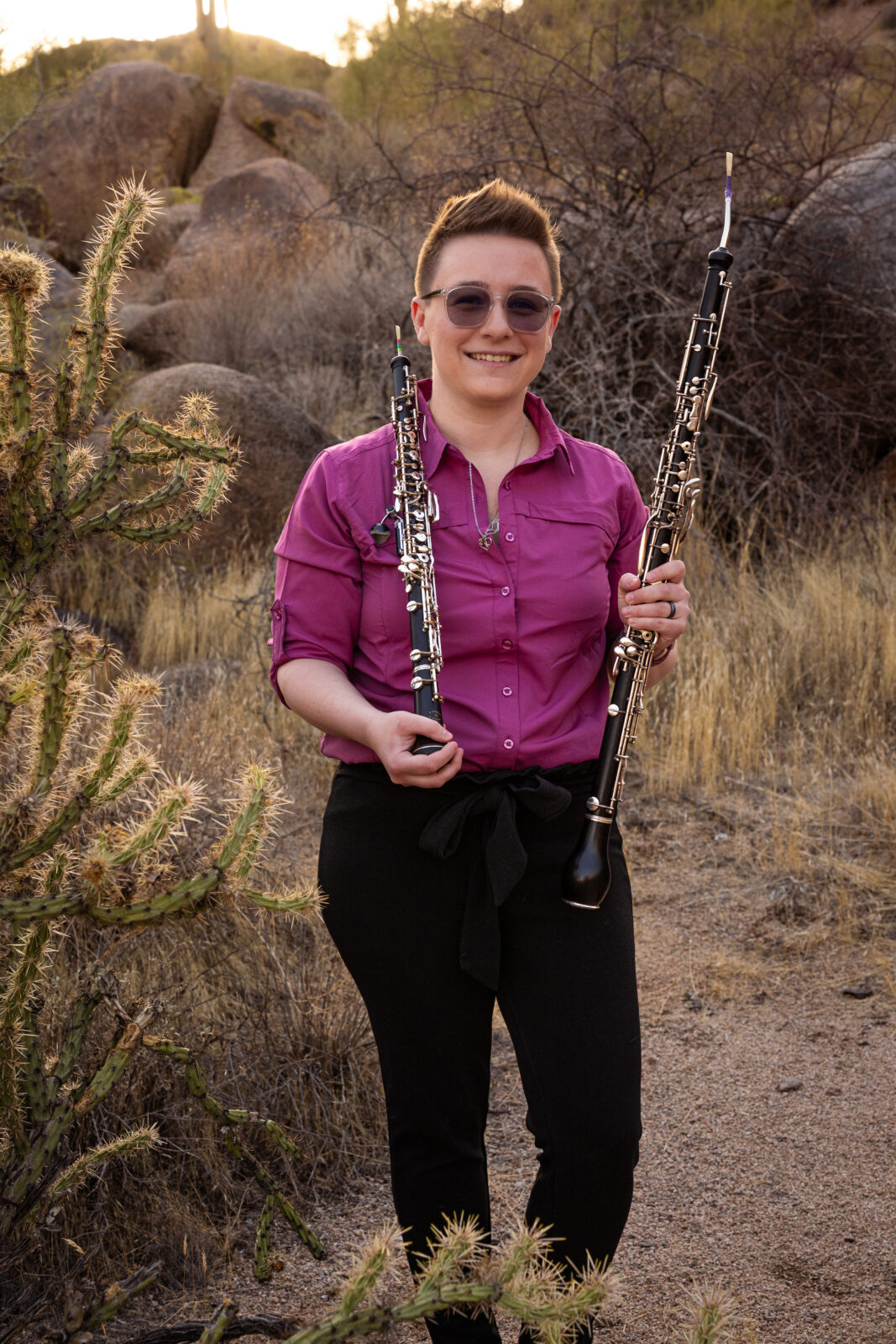
Chamber repertoire for oboe: a curated list
Oboist and scholar Dr. Kelsey Maes has shared her 60-page list of chamber music with oboe with ACMP. The list is organized by country, style and time period and is easy to navigate with hyperlinks in a detailed table of contents. Explore the list and discover new pieces to play with oboe!Read More ↗

Chamber music for bassoon: The George Zukerman Library
Throughout his long life, Canadian bassoon legend George Zukerman collected a huge library representing three centuries of bassoon repertoire. Concerti, chamber music, solo pieces – much of it hitherto unknown to the bassoon community. In tribute to this beloved Canadian musician, the Council of Canadian Bassoonists has digitized his collection and assembled this extensive online database.Read More ↗
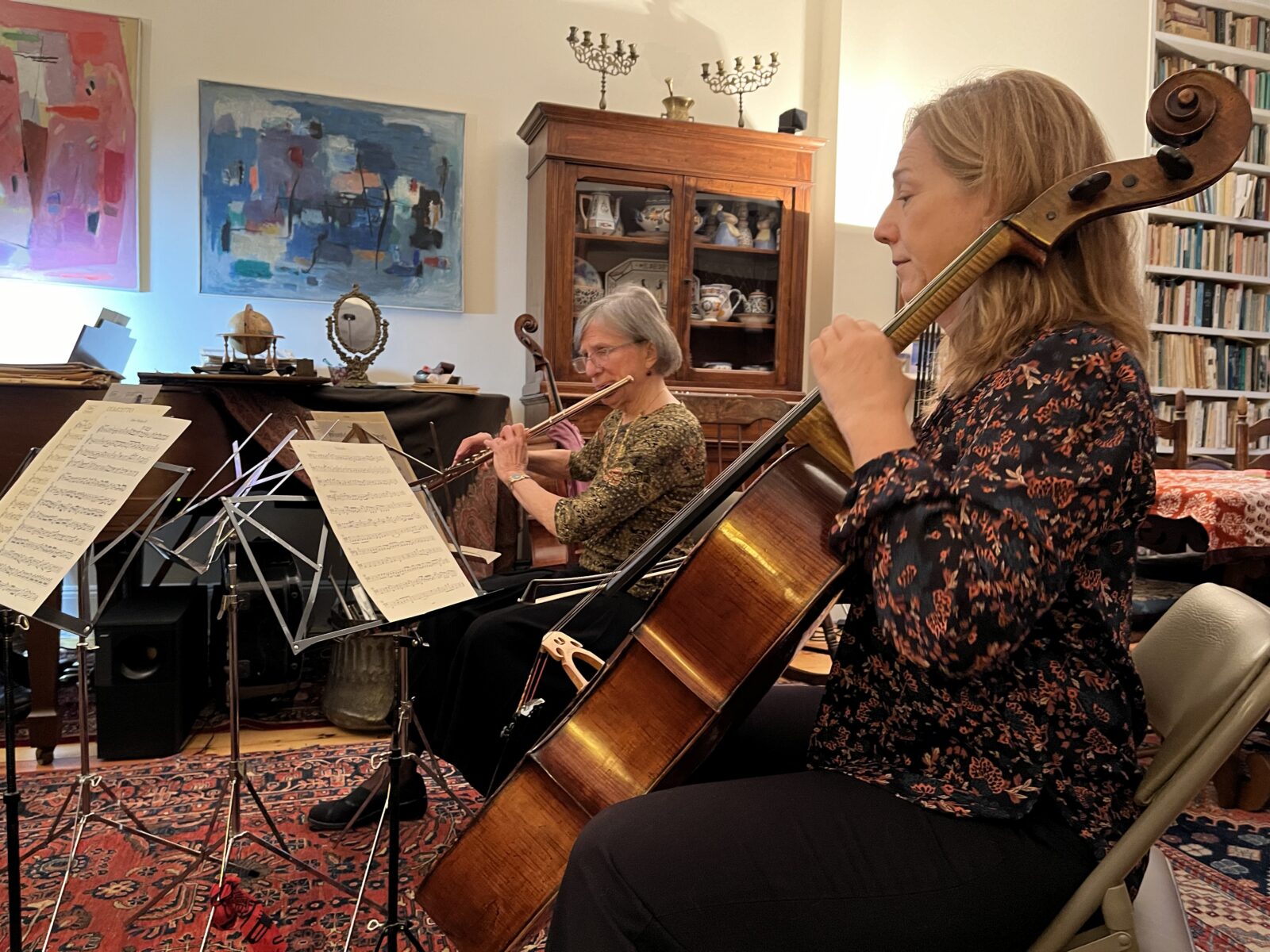
On coaching mixed chamber music with winds
Professional flutist Jayn Rosenfeld reflects on her experiences coaching mixed chamber music for winds with strings, piano and other instruments, and shares a list of her personal favorite pieces.Read More ↗
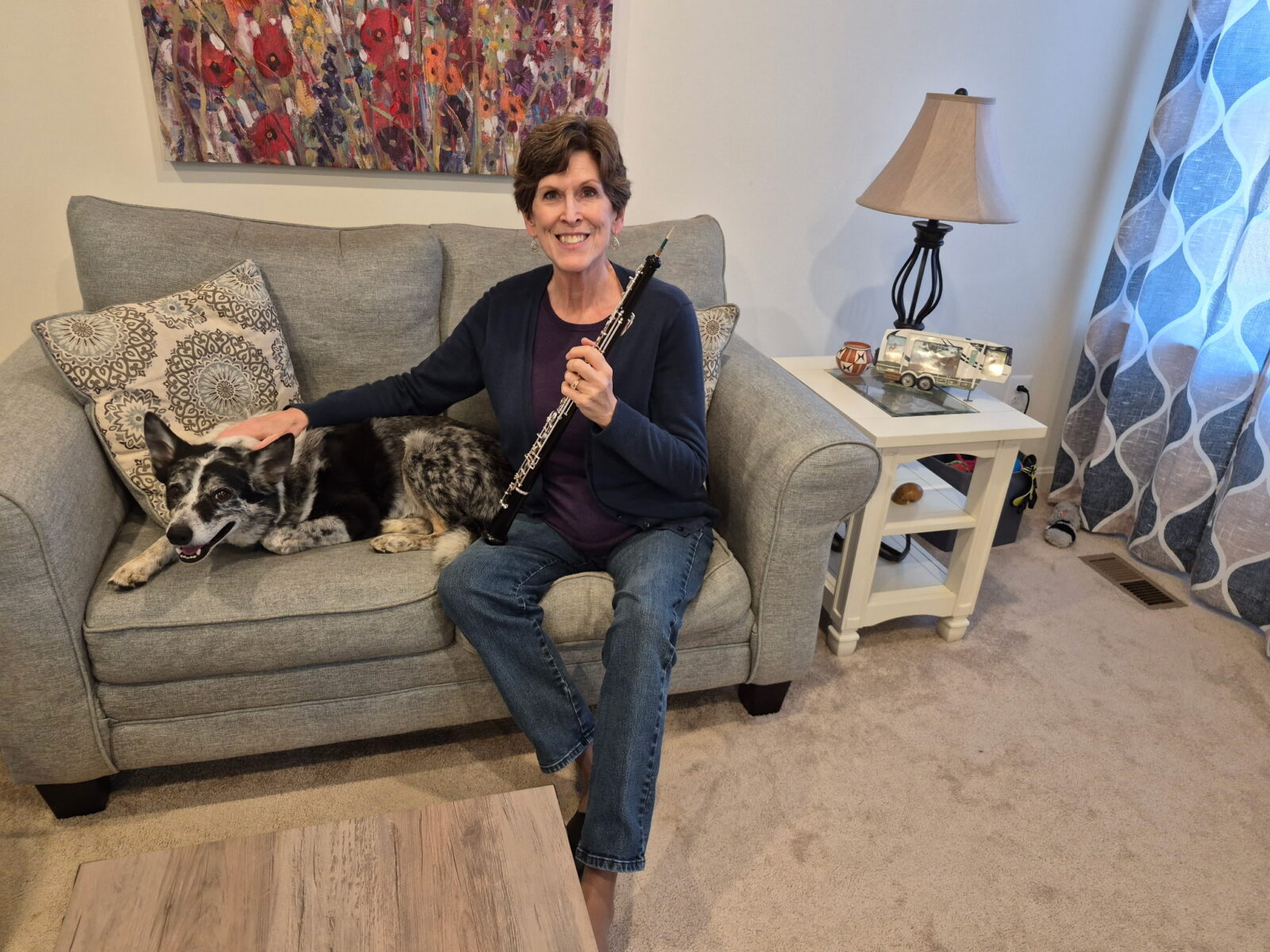
For this oboist, it’s not a job but a journey
After a long career as an association manager, Sally Finney Timm has more time to play oboe and helps others find an outlet by chairing the International Double Reed Society's Avocational Players Committee. Read Sally's story about how she fell in love with the oboe and kept it going over so many years.Read More ↗
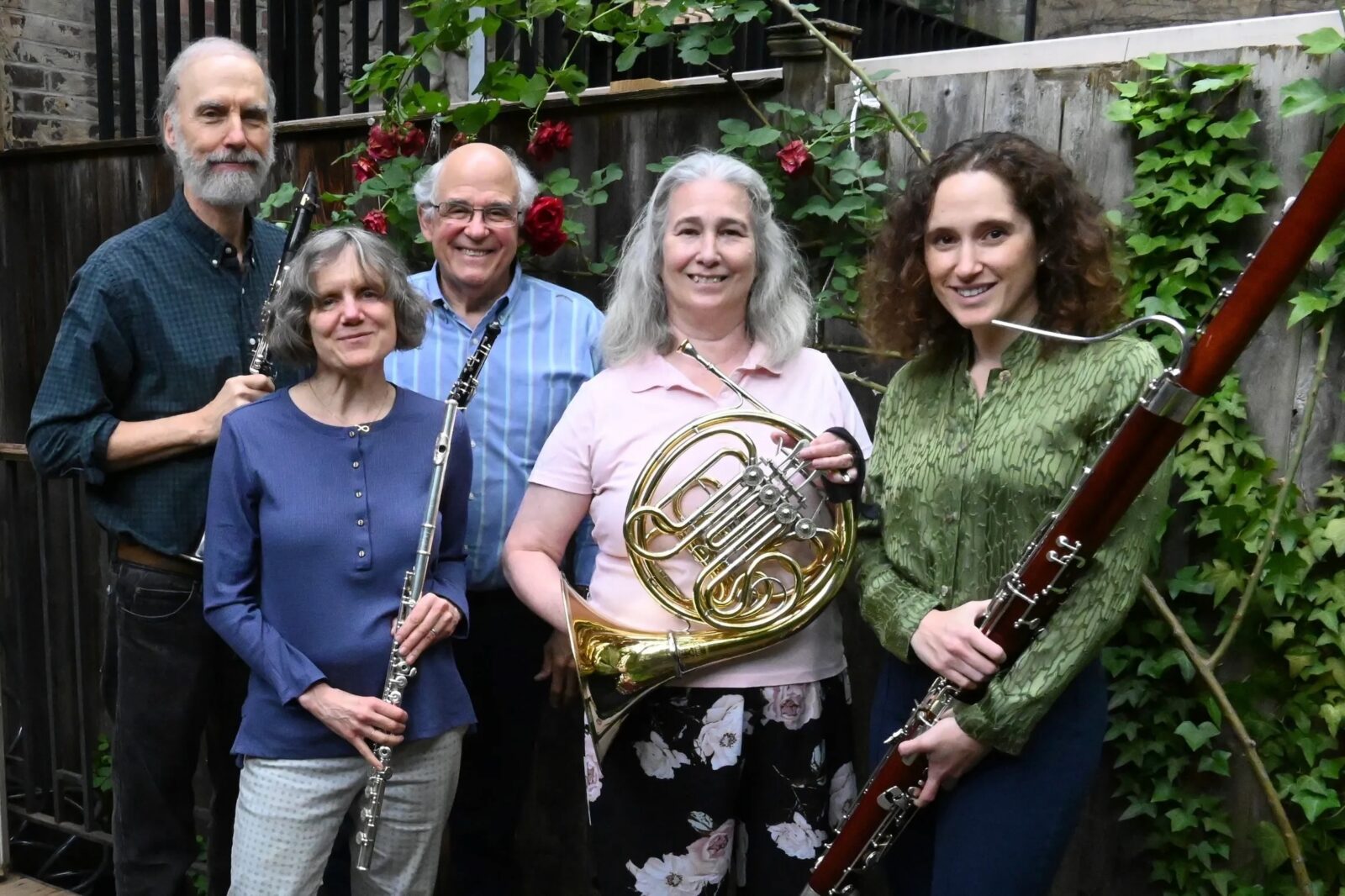
Wind players shine in the Broadway Bach Ensemble’s chamber concert
Every Spring the Broadway Bach Ensemble presents a chamber music concert featuring the orchestra's members and their friends in a wide range of small ensembles. Winds will come to the fore at this year's concert, at 7:30 on Thursday March 19 at Broadway Presbyterian Church in Manhattan's Upper West Side.Read More ↗
Load More
All Articles By