The Ukrainian Chamber Music Encyclopedia: a resource for wind players
My Background
I am a bassoonist originally from the prairies (Western Canada) and began playing bassoon in high school when I was sixteen. I immediately fell in love with the instrument. One element that really fostered this passion for playing the bassoon was chamber music. It allowed me the chance to make music on an intimate level and really get to know and develop deep relationships with my colleagues. This has led to many of my fondest memories from my musical studies being the experiences I had playing in quintets. To this day, I always look forward to any chamber playing and concerts I have upcoming in my calendar.
I grew up in the Ukrainian diaspora in Canada, with my family originally from Stari-Kuty, Ivano-Frankivsk oblast and Sydoriv, Ternopil oblast in Western Ukraine. Growing up, I developed a love of my culture through my grandmother teaching me how to cook culturally significant dishes such as varenyky (perogies) and borsch, and learning how to do embroidery.
The Inspiration behind the Ukrainian Chamber Music Encyclopedia (UCME)
While I was working towards my masters degree, COVID-19 hit and the music world shut down completely, leaving no gigs or audiences, and difficulty finding students to teach. Due to this closure, I decided to look into starting a doctorate until things returned to normal again. Once I started applying to these doctoral programs, I realized I needed a topic for my research and eventual dissertation.
As I began pondering different ideas I realized that as a Canadian of Ukrainian descent, I had never heard of or played any classical music by a Ukrainian composer. I began doing some research and found that there were hundreds of Ukrainian composers with prolific catalogues of music, which even included bassoon and wind chamber music, particularly wind quintets and quartets. However, basically all of the information was in Ukrainian with the majority of the music existing only in unpublished manuscripts due to censorship in the former Soviet Union.
This led to the main problem and hurdle in my research: obtaining the scores. I set out on my journey to track down scores by as many Ukrainian composers as possible, and began to build a catalogue of wind chamber music and pieces for solo bassoon.
My doctoral research at the University of Toronto combined my identity with my deep passion for chamber music, resulting in the creation of a free online database in March 2025:
Ukrainian Chamber Music Encyclopedia (UCME) ukrainianchambermusic.com
Why are these works unpublished and unknown outside of Ukraine?
Ukrainian music is largely unknown outside of Ukraine due to the complex political situation in Eastern Europe over the last couple hundred years, which is still ongoing with the current war. Getting published has been a challenge for Ukrainian composers as they have battled against publication bans and censorship from various political groups invading their independence. For example, the Russian tsar Alexander II banned Lysenko’s Collection of Ukrainian Songs from publication. This continued further during the Bolshevik uprisings leading to the arrest of composers such as Kyrylo Stetsenko who was attempting to establish an independent Ukrainian music publishing house, separate from those controlled by Russia. Finally, during the Soviet Union, the government placed guidelines that imposed what was allowed to be published through their state-controlled publisher. Unfortunately, these political situations throughout history have often left Ukrainian composers without an opportunity to have their work published and distributed outside of their local circles and organizations.
Finding the music
Since the majority of this music is unpublished and only exists in manuscript form, every piece is physically located in a different location. Therefore, tracking down the music has involved sending numerous emails to find a lead on each piece, such as finding contact information for libraries or organizations associated with the composers and/or trying to get direct contact information for the composers who were still alive. I started contacting composers whose contact information I could find online. This was when my research began to snowball as most people I spoke with were able to provide me with contact information for another composer, librarian, or family member of a deceased composer who could help me track down these scores. I slowly found one piece at a time through this process. Eventually, a couple of composers heard about my project and reached out to me.
Next, I began contacting various organizations in Ukraine, such as Ukrainian Classical Live, and libraries in Ukraine, such as the National Music Academy of Ukraine Library. Finally, I contacted Ukrainian bassoonists Taras Osadchiy and Yuri Konrad, who premiered many of these works and have helped provide scores and information on the pieces.
It has been a fascinating experience learning more about these composers and their works directly from the composers themselves or through their family members. I have also had the opportunity to meet a few composers in person. For example in November 2022, I met and had coffee with composer Alexander Jacobchuk, who had recently moved to the Toronto area from Ukraine. He played many recordings of his works for me, showed me medals he won for his compositions, and told me interesting stories about his career and life.
The next step involves making this music accessible to all of you! You can search the Ukrainian Chamber Music Encyclopedia by level of difficulty, and once you find pieces that interest you, there is advice on how to obtain the scores. I am currently working with Editions Plamondon on their Slava Ukraini series, in an ongoing effort to make these scores available for purchase at an affordable price. My wind quartet/quintet Slava Ukraini Winds has also been producing the first recordings of pieces from the database and new works written for our ensemble.
The Future of the UCME
The database is going to continue to undergo regular updates to include works for other instrumentations. The next update hopefully in the next month or two will include works for unaccompanied flute, unaccompanied oboe, flute and piano, and oboe and piano. Overtime, works for every instrument will be added in score order. To stay updated on when new material is added to the UCME follow the UCME Facebook page!
About Zachary Senick
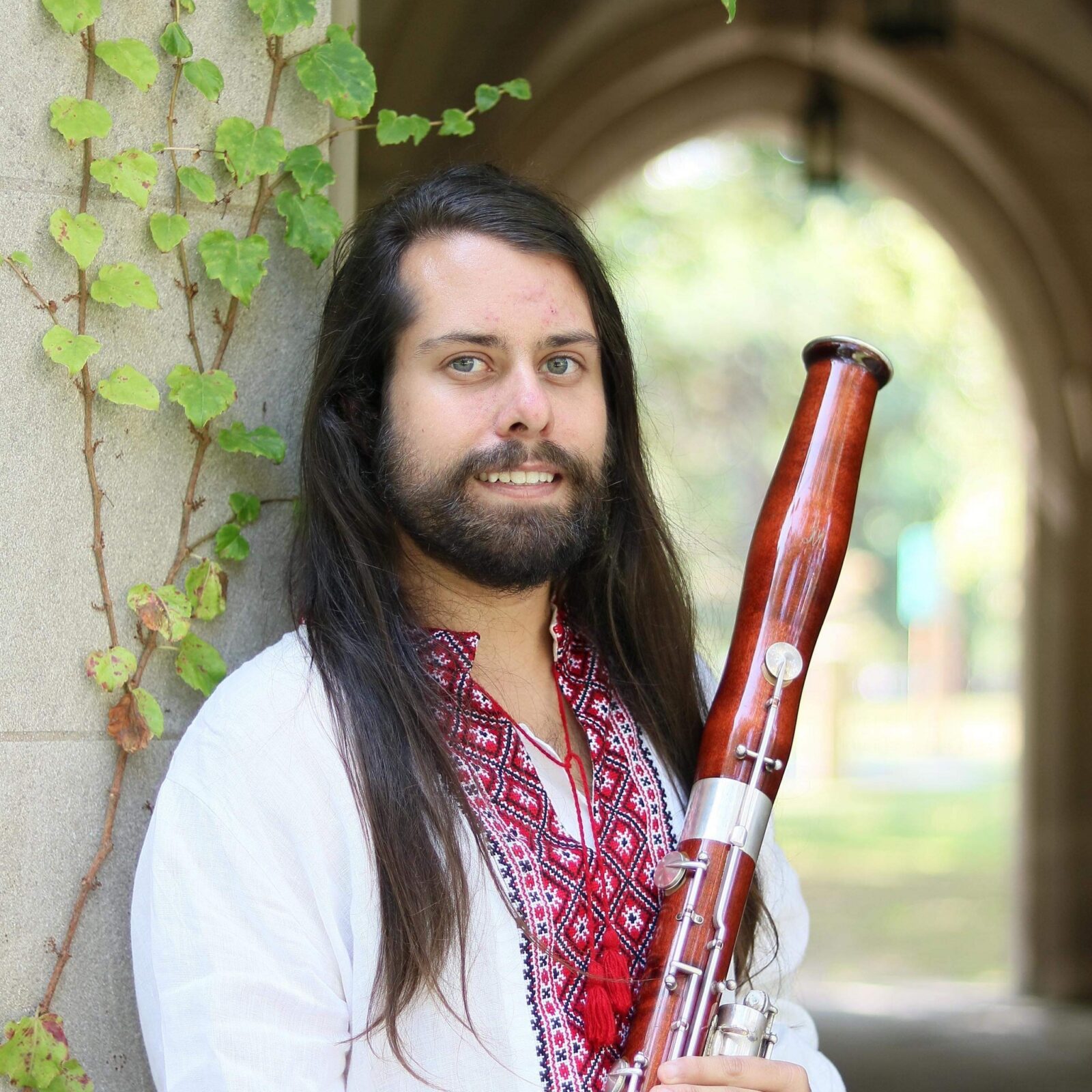
Zachary Senick is originally from Saskatoon, Canada. His principal teachers have been Eric Hall, Stéphane Lévesque, and Marie Sellar. He holds a DMA (doctorate of musical arts) from the University of Toronto, which resulted in founding the online database “Ukrainian Chamber Music Encyclopedia.” He has been a member of the National Youth Orchestra of Canada, Orchestre de la Francophonie and a substitute with orchestras such as the Canadian Opera Company, Windsor Symphony Orchestra, Peterborough Symphony Orchestra, Guelph Symphony, and Ontario Philharmonic. An avid contemporary performer he has works written for and dedicated to him by over 20 different Ukrainian composers.
An avid contemporary performer he has works written for and dedicated to him by Ukrainian composers in chronological order: Dmytro Kyryliv: (Molfar for bassoon and piano), Andriy Lehki (Phasing in 4 for woodwind quartet), Sergei Pilyutikov (Turns for bassoon and piano), Dmytro Demchenko (Naiad for bassoon and piano; Corona Australis for woodwind quartet), Renanta Sokachyk (Three Pieces in F for bassoon and piano), Tatiana Stankovych (Unstoppable Wind of Freedom for woodwind quartet, Rozdum for chamber ensemble), Olena Arkhypova (Rondo for solo bassoon; Scherzo for bassoon and piano), Valeriy Antonyuk (Ironic Moment for solo bassoon), Usein Bekirob (Darkness for solo bassoon), Anastasia Sysenko (A-ff-air for solo bassoon), Zakhar Ozerskyi (Cycle of Thought Impromptu no. 1 for solo bassoon), Andriy-Ivan Kostiv (Etude for solo bassoon), Anna Stoianova (The New Life for solo bassoon), Olena Lys (Monologue for solo bassoon), Volodymyr Chernenko (Ballade: Ukrainian Pattern for bassoon and piano; Concertino-Folk for bassoon and orchestra), Volodymyr Shumeiko (Shumka for wind quintet), Sergey Zav-Slobozhan (Zakarpattia Chants for wind quartet), Serhii Novokhatsky (Batiary for chamber ensemble), Dmytro Malyi (4 Archaic Songs for wind quartet), George Reshetar (Forgetten Legends for wind quartet), George Savransky (Travel to Yourself for bassoon and string quartet), and Bohdan Syroyid (Kozak Suite for solo bassoon).
In addition to performing, he was the librarian for the Windsor Symphony Orchestra for their 2025-26 season (past: summer assistant librarian at the Canadian Music Centre and music librarian at International Music Camp), a music editor for Éditions Plamondon producing publications for their Slava Ukraini Series, an archivist for the Council or Canadian Bassoonists creating the George Zukerman Library, and an community outreach coordinator for Reed Supplies Canada. He also volunteers on the chamber music committee for the International Double Reed Society. In his free time, Senick is an avid cook, and his favorite things to make are perogies and borsch.
More Articles
Meet Joy Hsieh: ACMP intern and event planner par excellence!
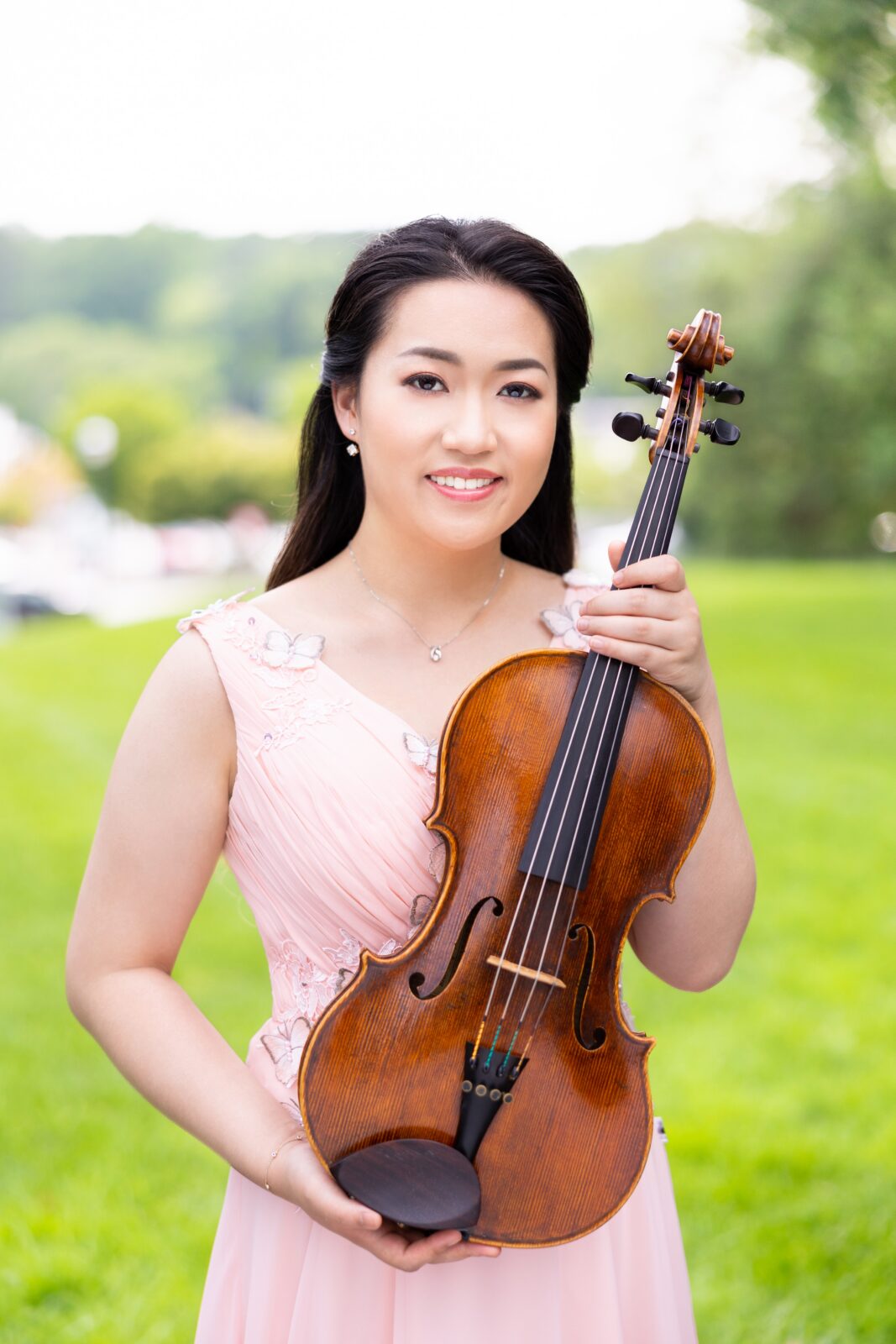
ACMP is happy to announce its newest team member, violist Joy Hsieh, who is working with us on event planning for the fall semester through the Eastman School of Music's Institute for Music Leadership Catherine Filene Shouse Arts Leadership Certificate of Achievement (ALP) program. Joy is a doctoral candidate in viola performance at Eastman, studying with Phillip Ying from the Ying Quartet. Get to know Joy - and come meet her in-person in Rochester on October 25 and Boston on December 6!Read More ↗
Filipino folk music, by way of Ecuador
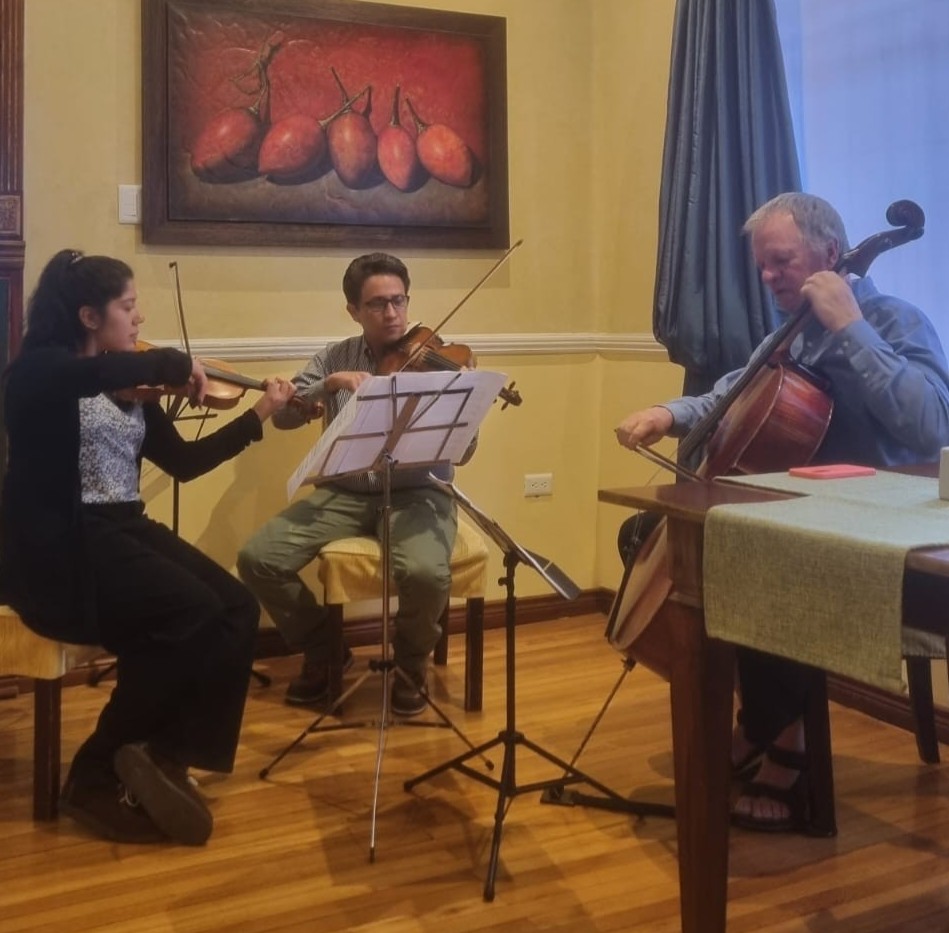
What do classical music and fine dining have in common? They are both about sensory delight; they come in many flavors and textures; and they are natural complements for an ACMP event. Tom Cappaert has organized a series of such programs, at a pizza joint in Riobamba, coffee houses in Spain and Ecuador, and most recently with a string trio performance on the theme of Let’s eat Filipino!Read More ↗
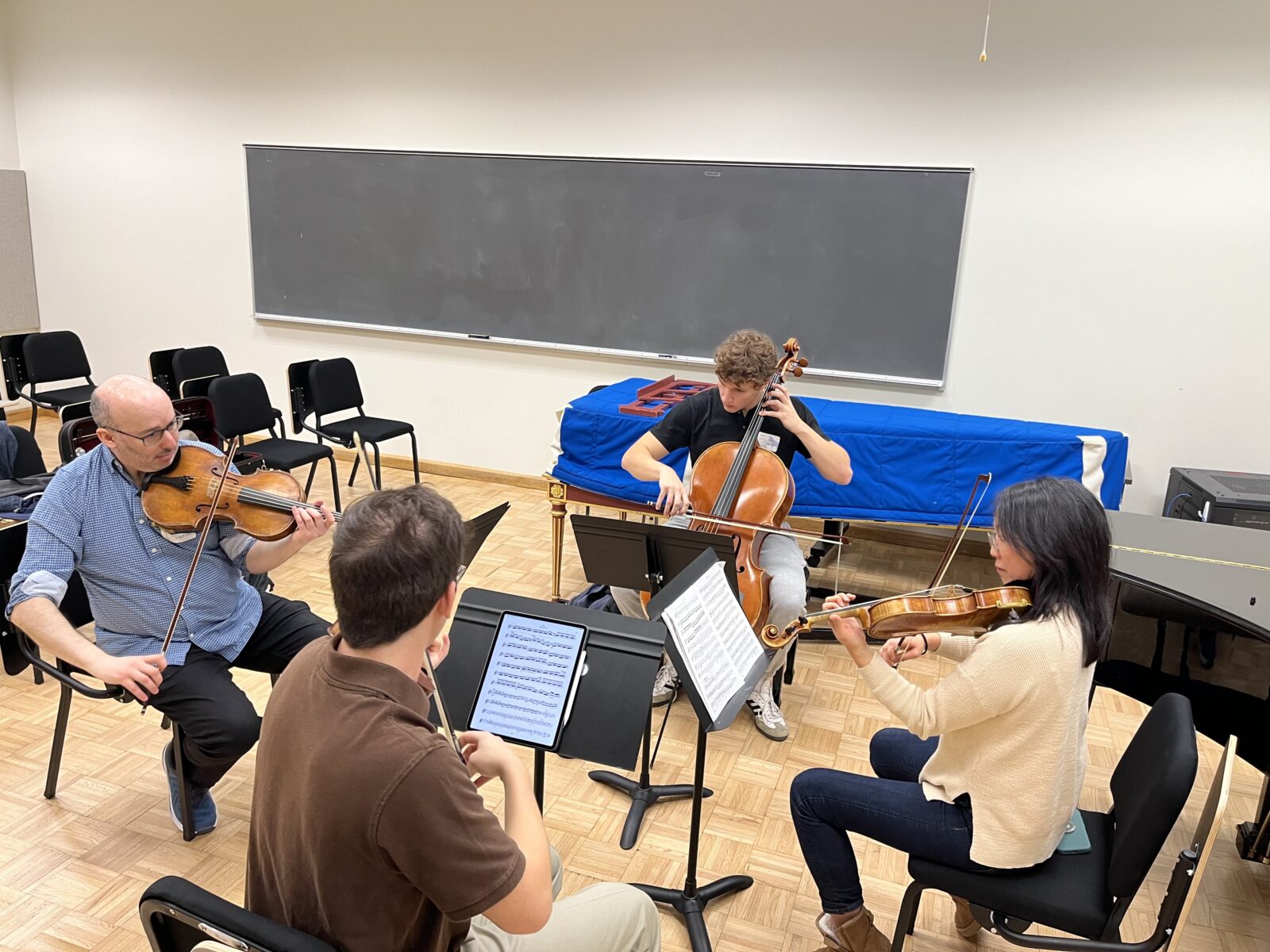
ACMP x ECMS Play-In Rochester, NY
ACMP is partnering with the Eastman Community Music School (ECMS) on a fun and festive chamber music Play-In on Sunday, October 25 in Rochester, New York. All instruments and playing levels are welcome!Read More ↗
Member of the Month, October 2026: Loryn Gorsett
There is little that Loryn Gorsett hasn’t done as a violist and violinist in the Denver area. She has played in orchestras, both professional and amateur. She built a studio of students. She has played more weddings than she can count. She has been a strolling violinist in an Italian restaurant. But through it all, chamber music has been her true musical passion.Read More ↗
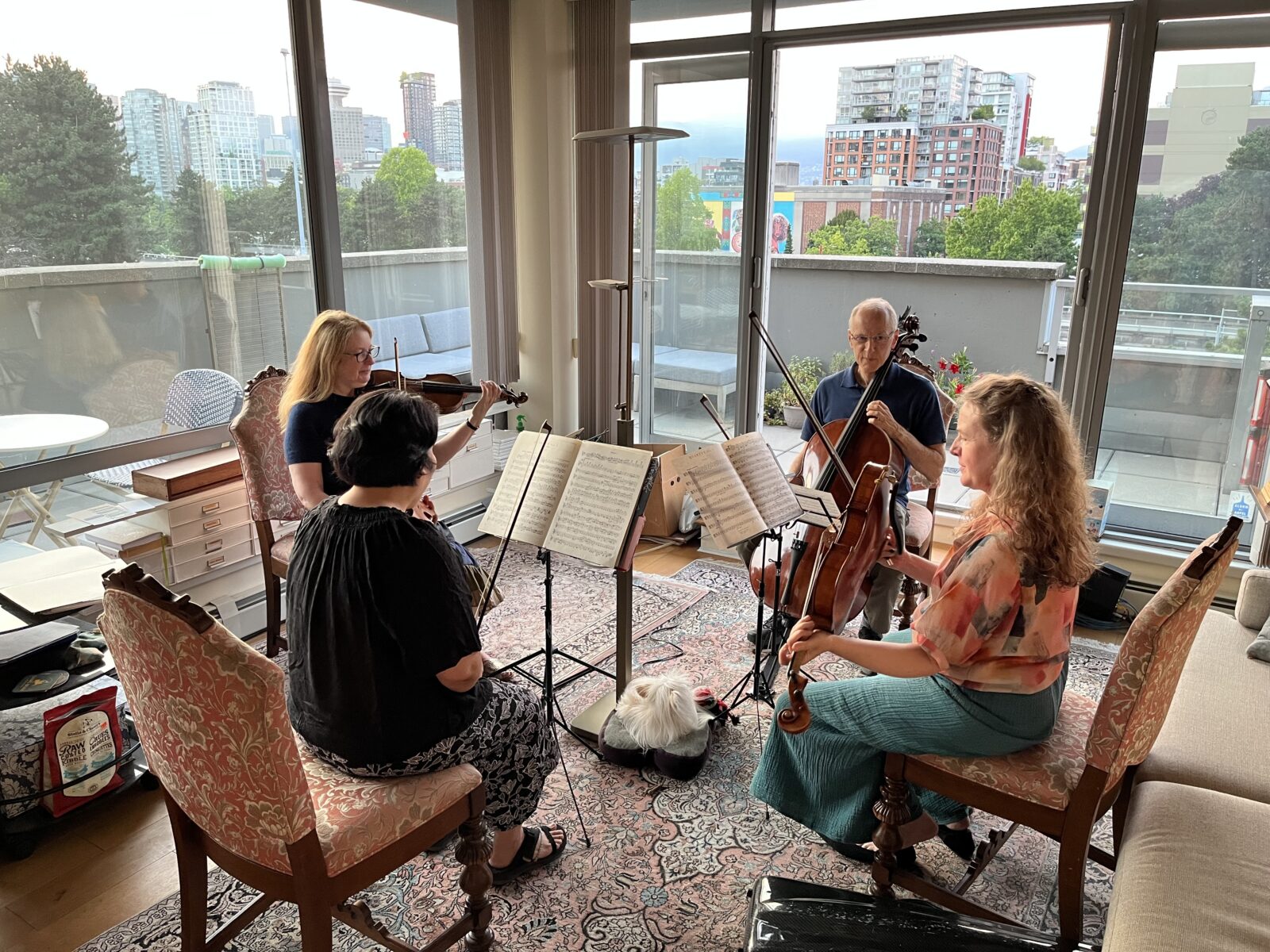
Chamber Music Lifestyles: Vancouver
Vancouver, Canada has a vibrant adult amateur chamber music scene, thanks to ACMP's local NAOC councilor Christina Wolf. If you've never traveled to Vancouver, add it to your list. Where else could you play chamber music with so many great players (and fun people) while looking at the mountains, and eating and drinking a wide variety of local delights?Read More ↗
Member of the Month, September 2026: Marshall Costantino
Marshall Costantino learned to play the violin from his Italian grandfather as a young child. After a 42-year hiatus from playing, he is enjoying a new life in chamber music with his neighbor and new friends he met through the ACMP directory.Read More ↗
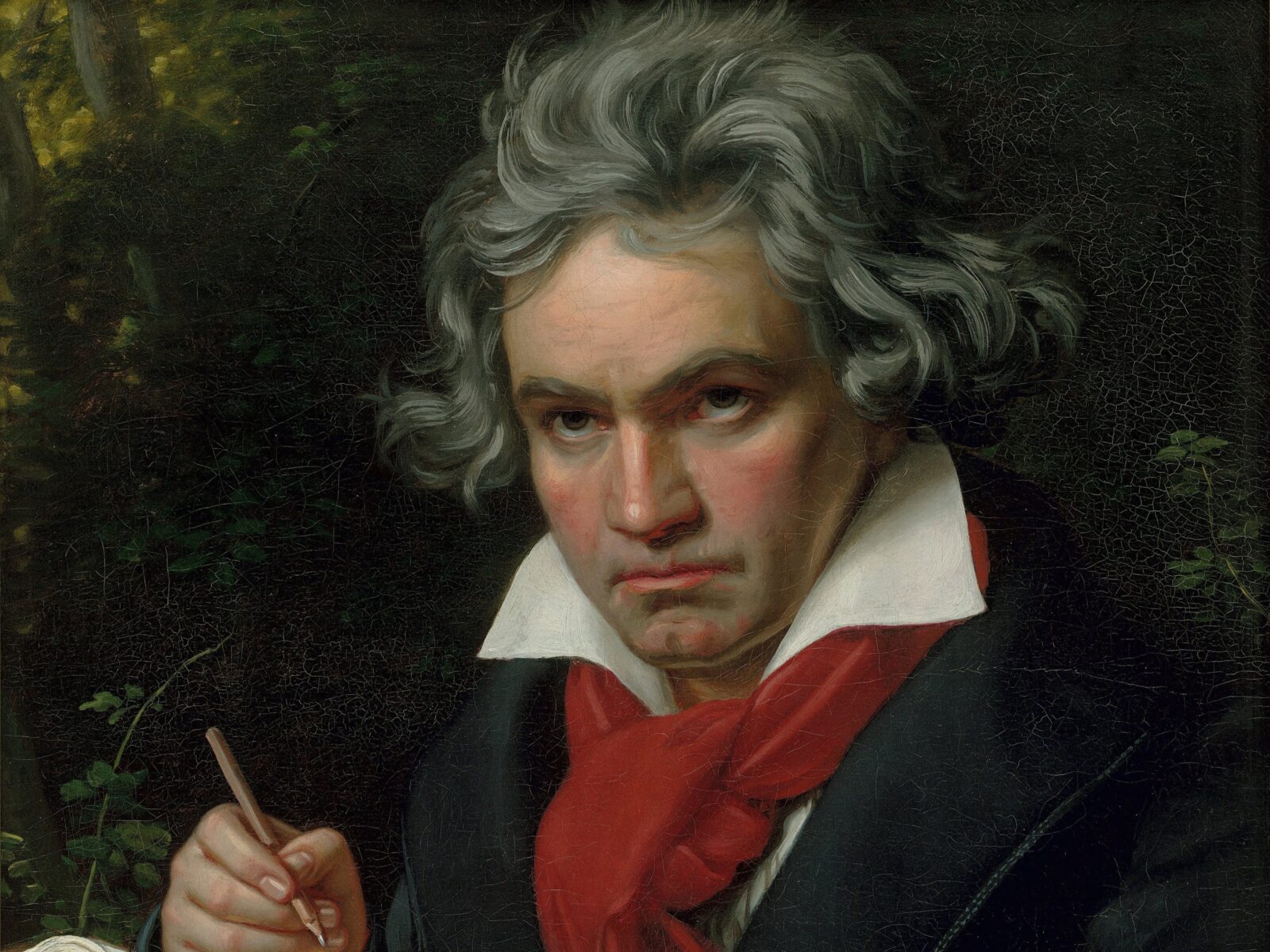
Celebrate Beethoven: MSQ’s Vienna Workshop, January 2027
Travel to Vienna and immerse yourself in Beethoven's world and in his String Quartet Op. 127, under the expert guidance of the Manhattan String Quartet. Register by Monday, September 14 for this unique cultural expedition!Read More ↗
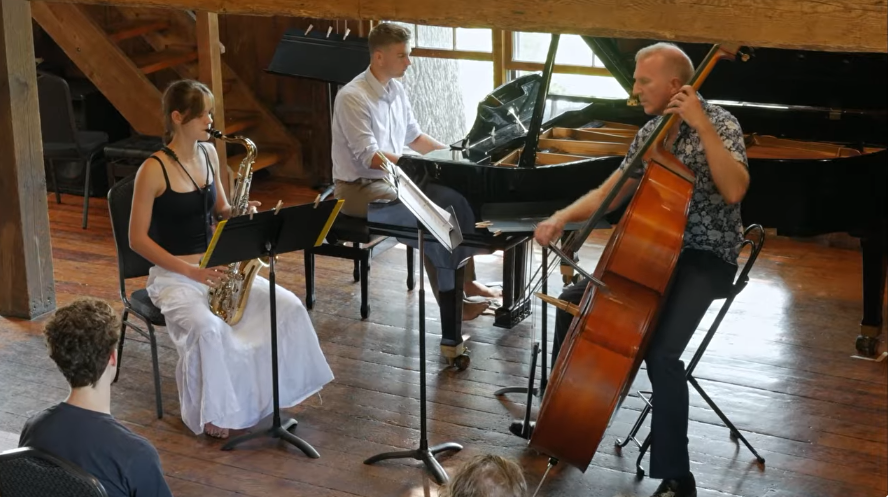
Music and Life at Apple Hill
Vermont-based bassist Art DeQuasie was one of the inaugural recipients of an ACMP Scholarship this summer. Read about his experience at the Apple Hill Center for Chamber Music in August 2026.Read More ↗
Explore New Worlds of Chamber Repertoire
Music educators have been working to find music by underrepresented composers that is accessible to students and amateur players of all levels. This includes music by composers of color, women composers, and LGBTQ groups, among others. Considering the changing demographics of our country, amateur chamber music players can reap the rewards of discovering new repertoire through this research.Read More ↗
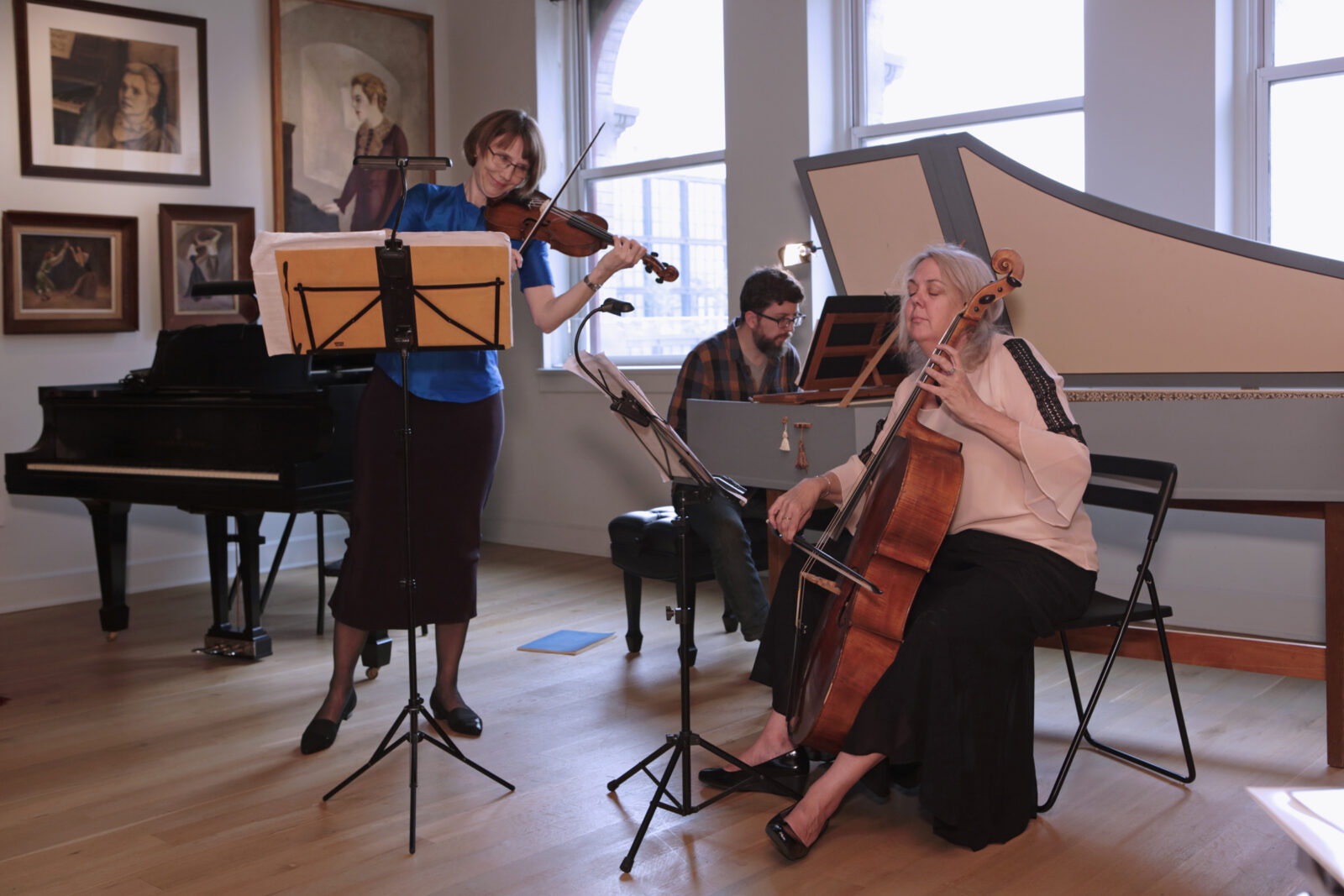
Meet ACMP’s Development Consultant, Amie Roosevelt
Amie Roosevelt joined ACMP's staff as our first-ever Development Consultant in January 2026. She has enjoyed a long and varied career as a violinist, with a primary focus on historically informed performance. I hope you all will meet and even get to play with Amie. But until you do, you can get to know her and her fascinating story by reading this interview from August 12, 2026.Read More ↗
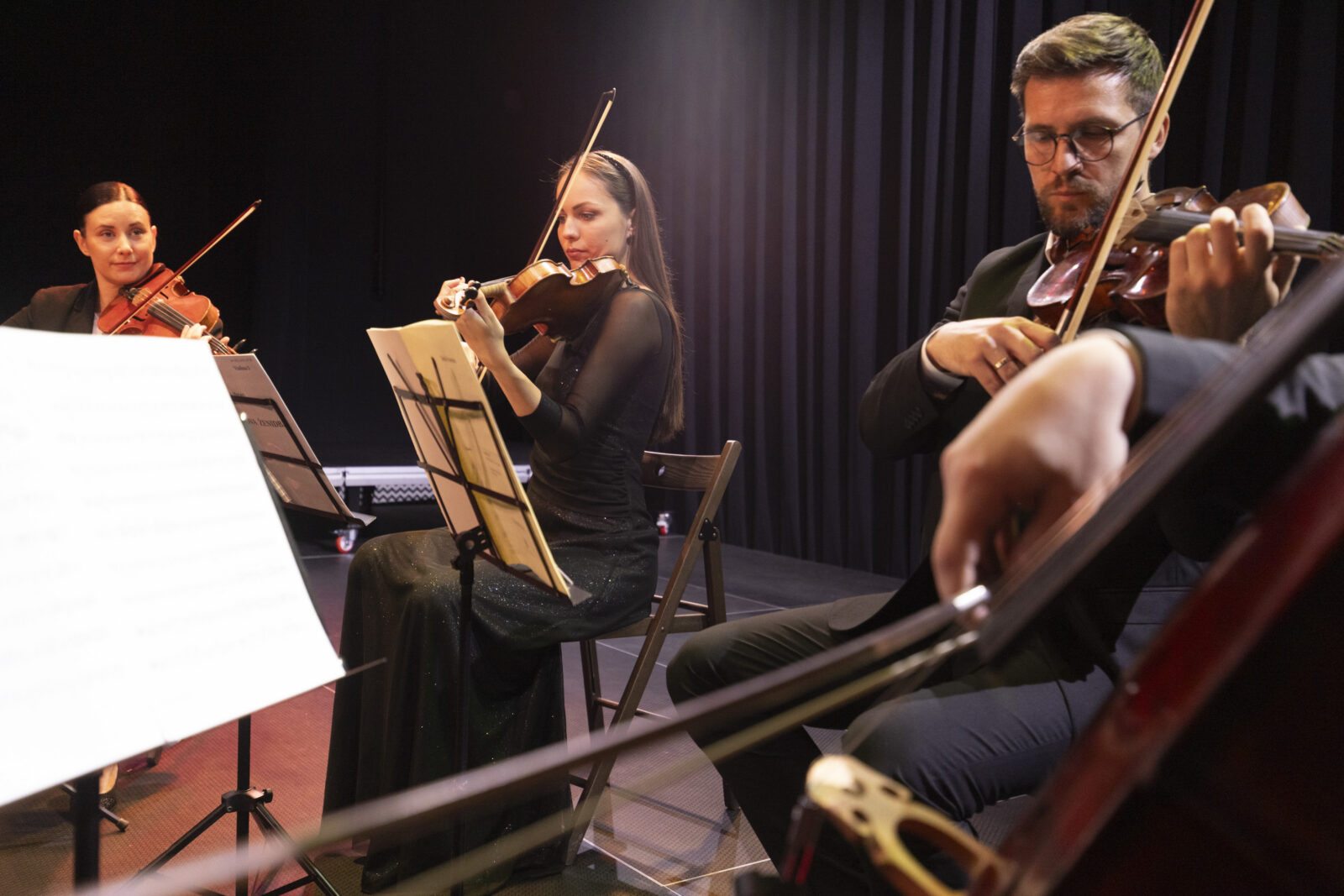
Make Chamber Music Part of Your Fall at 92NY
For many musicians, chamber music is as much about connection as it is about repertoire—the shared experience of listening, collaborating, and discovering new musical perspectives together. At the 92NY School of Music, two chamber music programs offer welcoming entry points into that experience this fall: Chamber Music Reading and Chamber Music Coaching & Performance. Whether you’re picking up your instrument again, looking to meet fellow players, or hoping to deepen your ensemble work, both programs are designed to bring musicians together in a supportive and engaging environment.Read More ↗
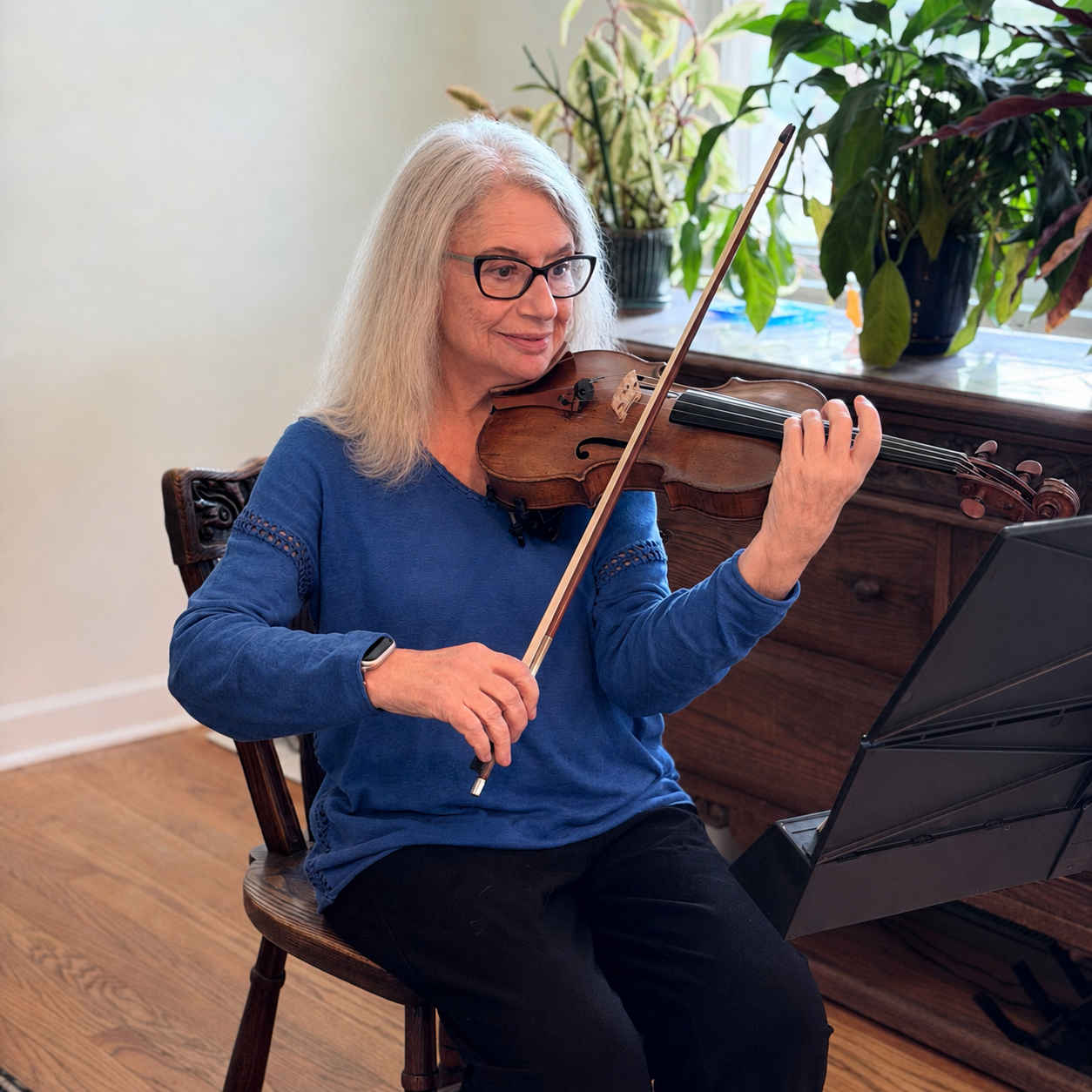
Member of the Month, August 2026: Alison Edwards
There aren’t too many people who come to a professional crossroads before they turn 13. But Alison Edwards faced such a moment. She had taken up the violin at age seven with none other than Dorothy DeLay as her teacher. But indeed, Alison had another calling. Inspired by social justice movements of the 1960s, she became a civil rights lawyer, eventually serving in the appellate division of the Cook County Public Defender’s office. After 25 years working and raising a family, she picked up her violin again and launched on a lifelong chamber music adventure.Read More ↗
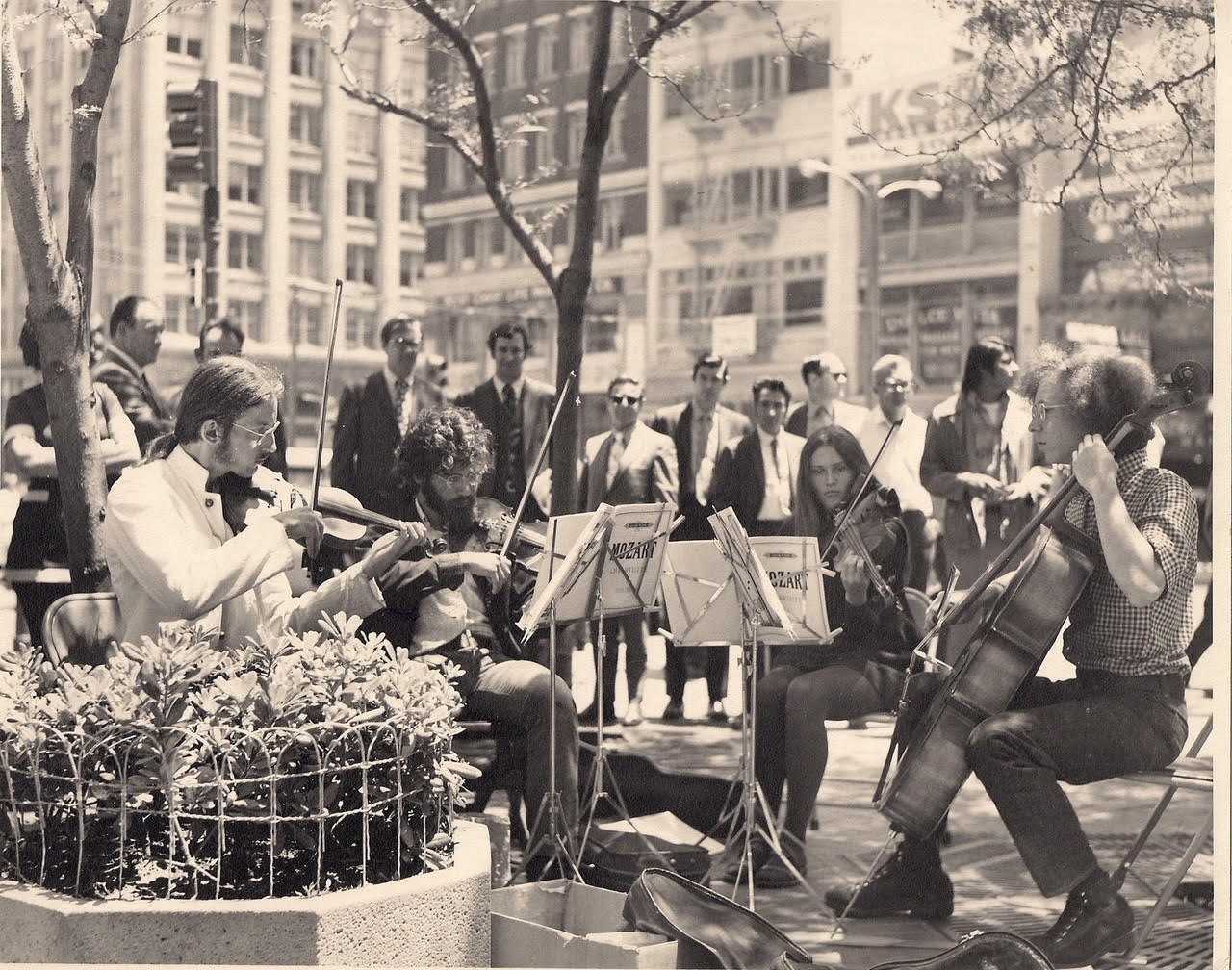
After 56 Years, the Bond of Chamber Music Endures
Cellist David Pearl and violinist/violist Gary Chanan played quartets together in the streets of San Francisco in the early 1970s. 56 years later they are playing together again in New York City...they reconnected through ACMP!Read More ↗
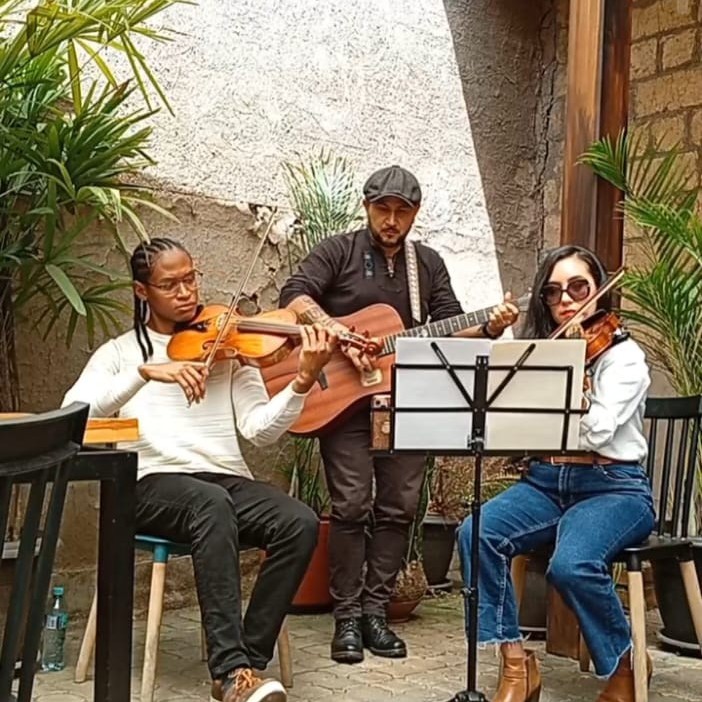
Coffee Shop Performances, Coffee-infused Repertoire
ACMP's intrepid cellist Tom Cappaert is at it again - this time with a story about ACMP members in Ecuador and Spain who organized chamber music in coffee shops, inspired by Tom's endeavors.Read More ↗
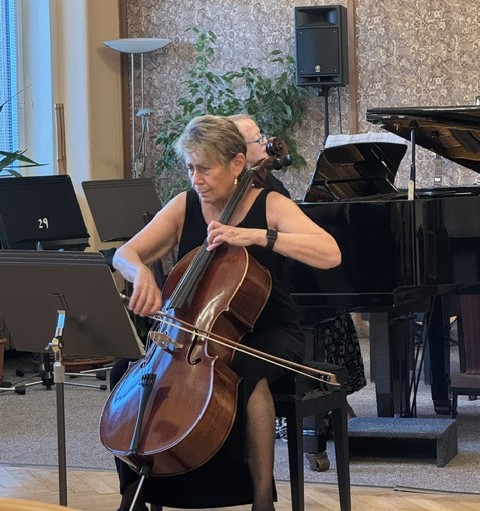
Member of the Month, July 2026: Sara Langbert
A self-proclaimed “total New Yorker”, cellist Sara Langbert graduated from Music and Art and continued her musical education at Queens College in her native New York borough. But like many ACMP members, she would put her cello aside as she managed the demands of raising a family and pursuing a career in computers and technology. Now she's playing again and is an enthusiastic member of ACMP.Read More ↗
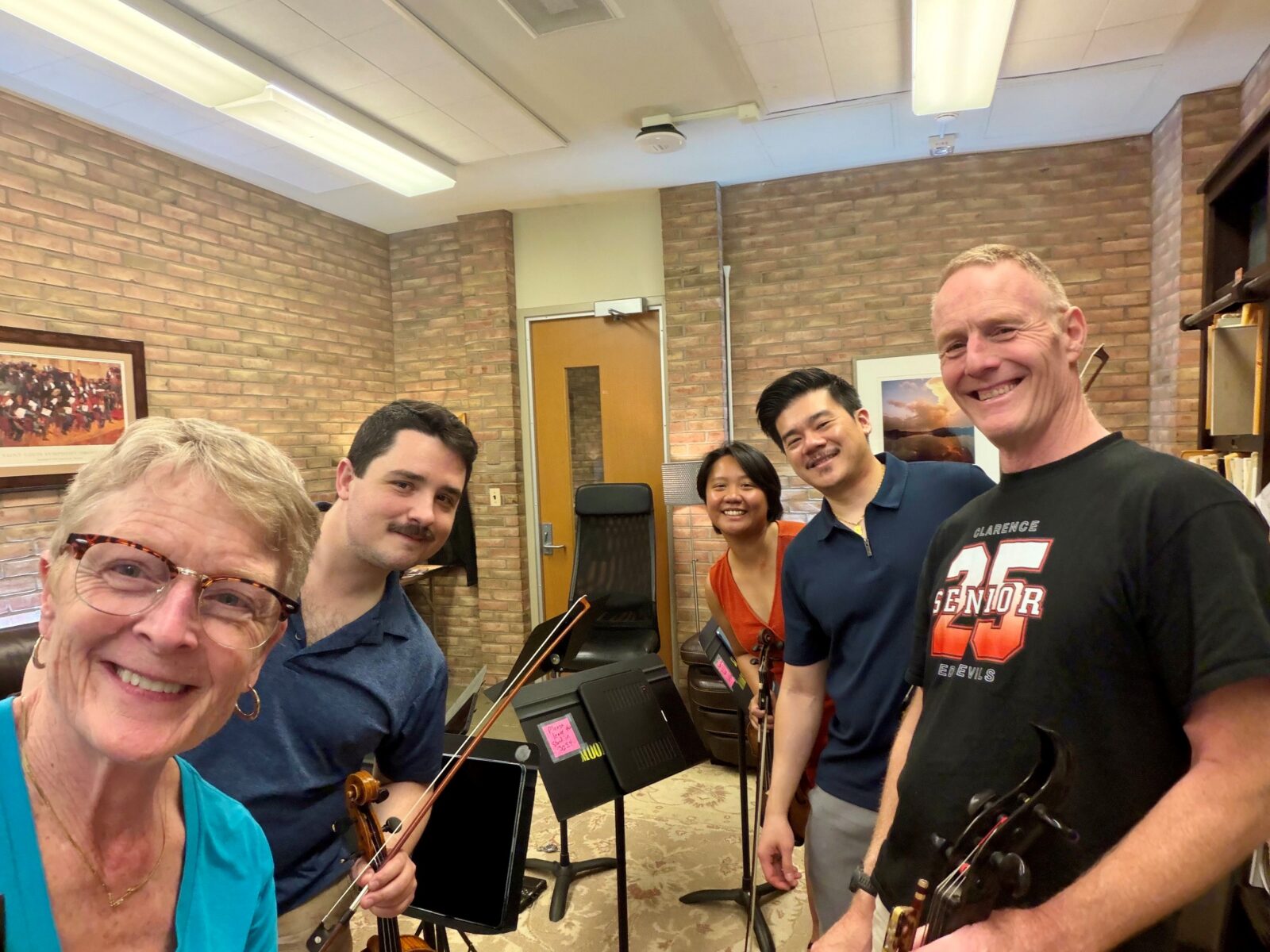
Around the World with ACMP’s Grants (Home Coaching and Play-in)
Over the last few weeks we have been asking members, participants, and organizers to tell us how our rolling grants have been useful to them and their communities. So let’s take a trip around the world and see what folks have to say about our Home Coaching and Play in grants.Read More ↗
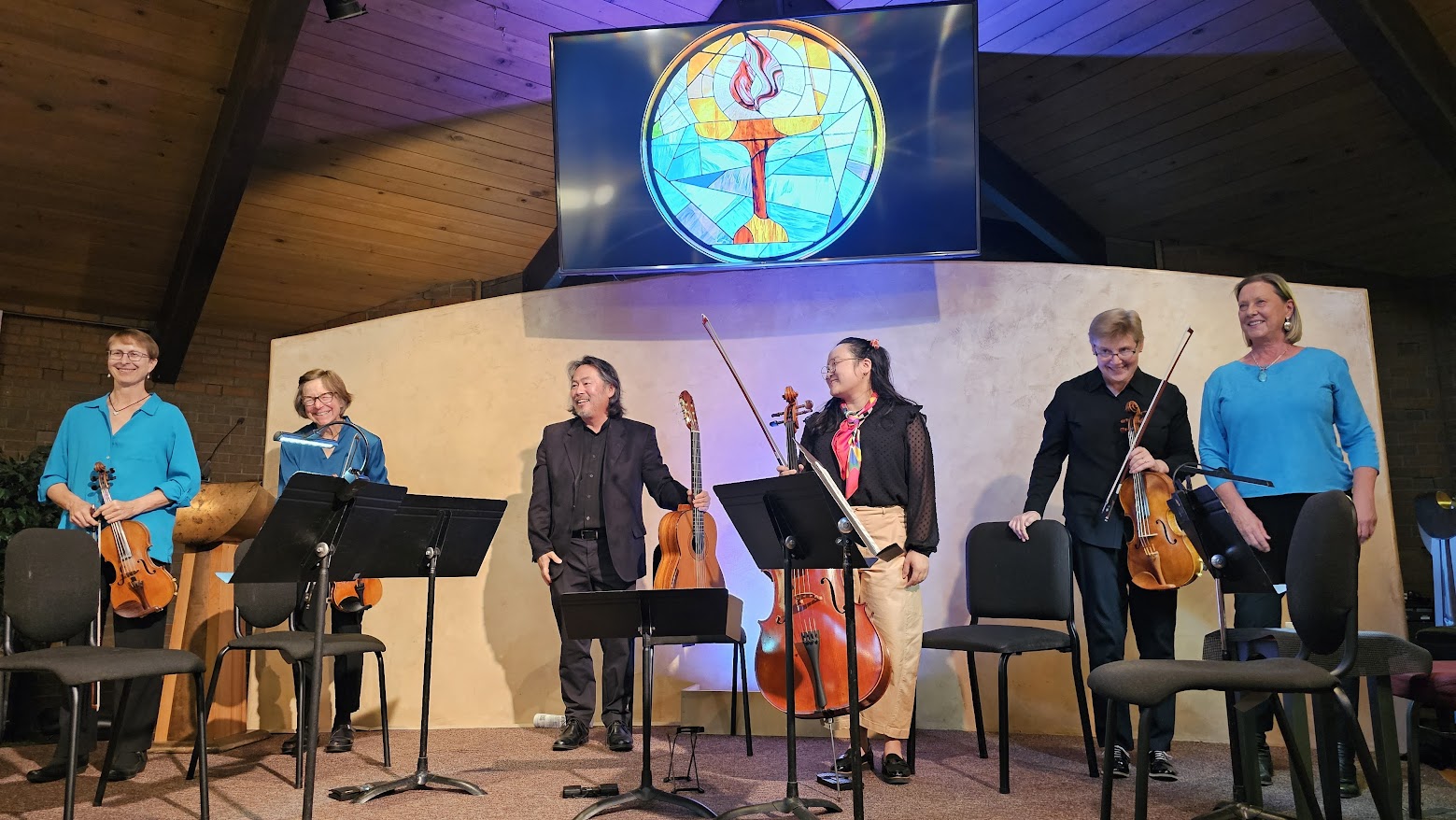
Around the World with ACMP’s Grants (Just Play and Impresario)
This summer, we’re hearing from ACMP members, participants, and organizers about how Just Play and Impresario grants have supported chamber music in New York, Italy, Canada, Colorado, and beyond.Read More ↗
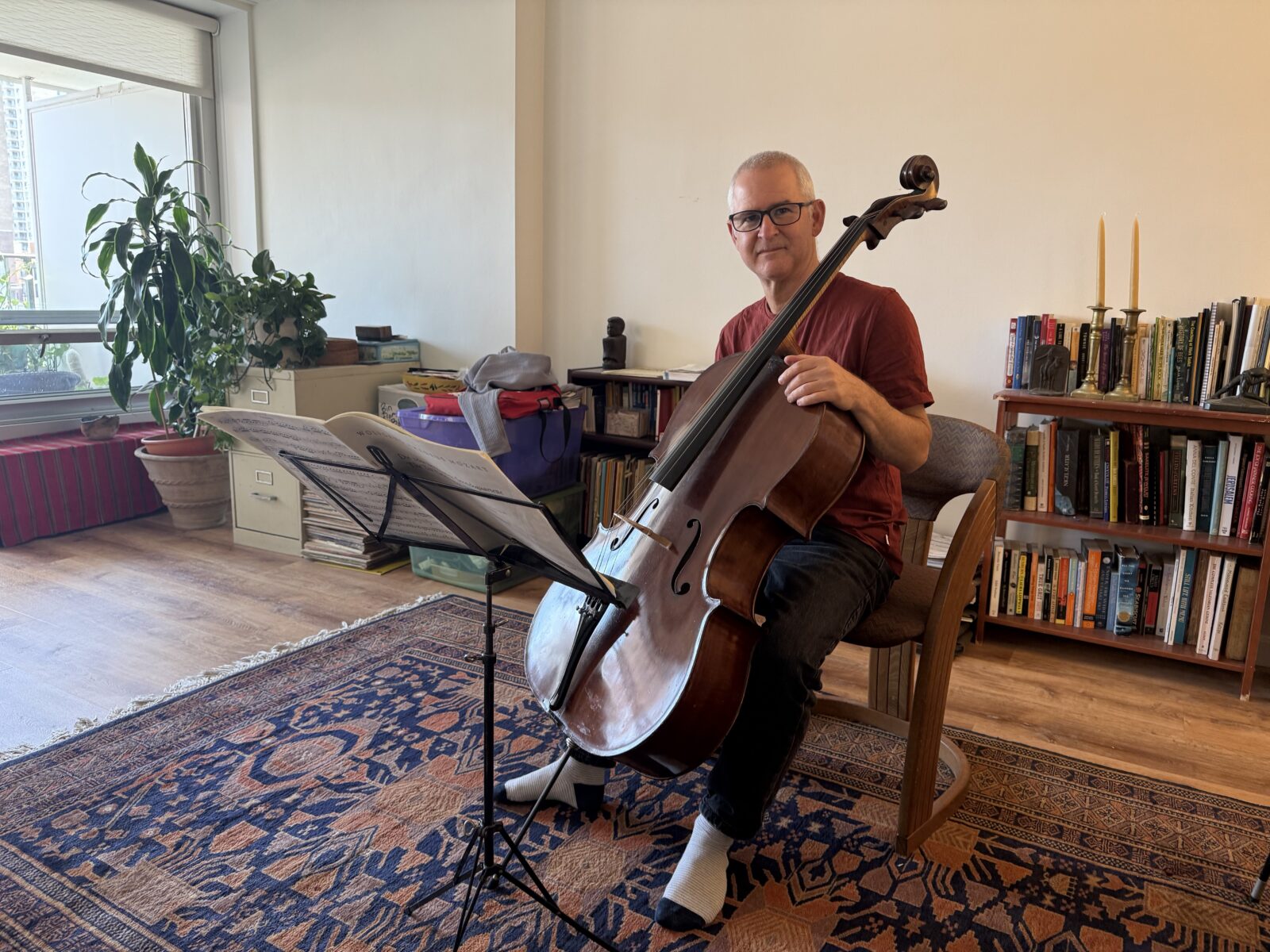
ACMP Member of the Month, June 2026: Yoav Segev, the flying cellist returns
It’s probably easy to spot Yoav Segev at the airport. He’s the guy in the pilot’s uniform with the cello on his back. Yoav, you see, is the Flying Cellist, a globe-trotting pilot for El Al Israel Airlines who plays chamber music during his layovers in far-off destinations. Read Bob Goetz's interview with Yoav.Read More ↗
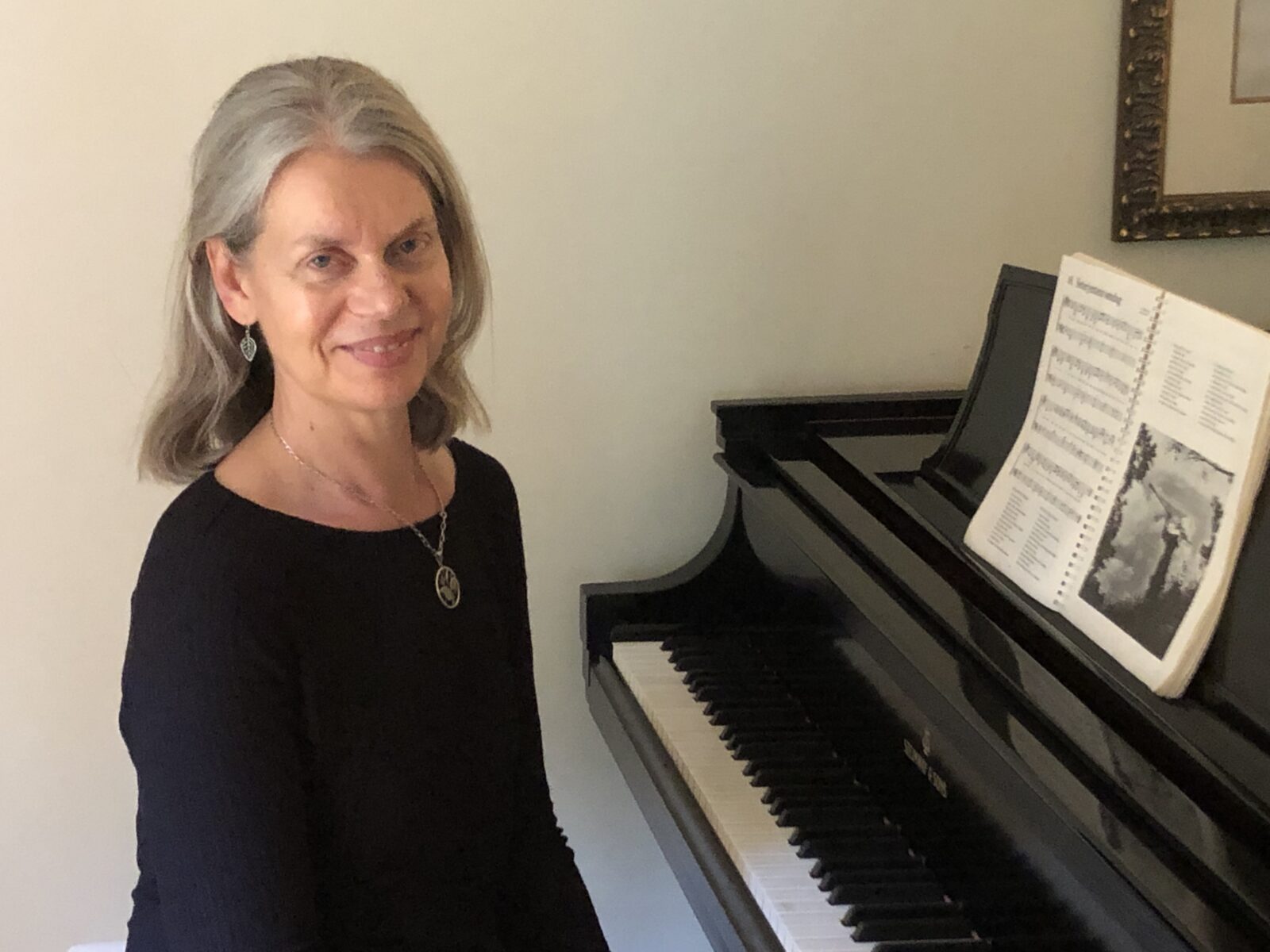
International Spotlight: Kristin Saltonstall in Panama
Kristin Saltonstall comes from a longstanding ACMP family and has been a member of ACMP for as long as she can remember. As a molecular ecologist, she works for the Smithsonian Tropical Research Institute in Panama, where she has forged a new musical life for herself and enjoys the natural beauty that Panama has to offer.Read More ↗
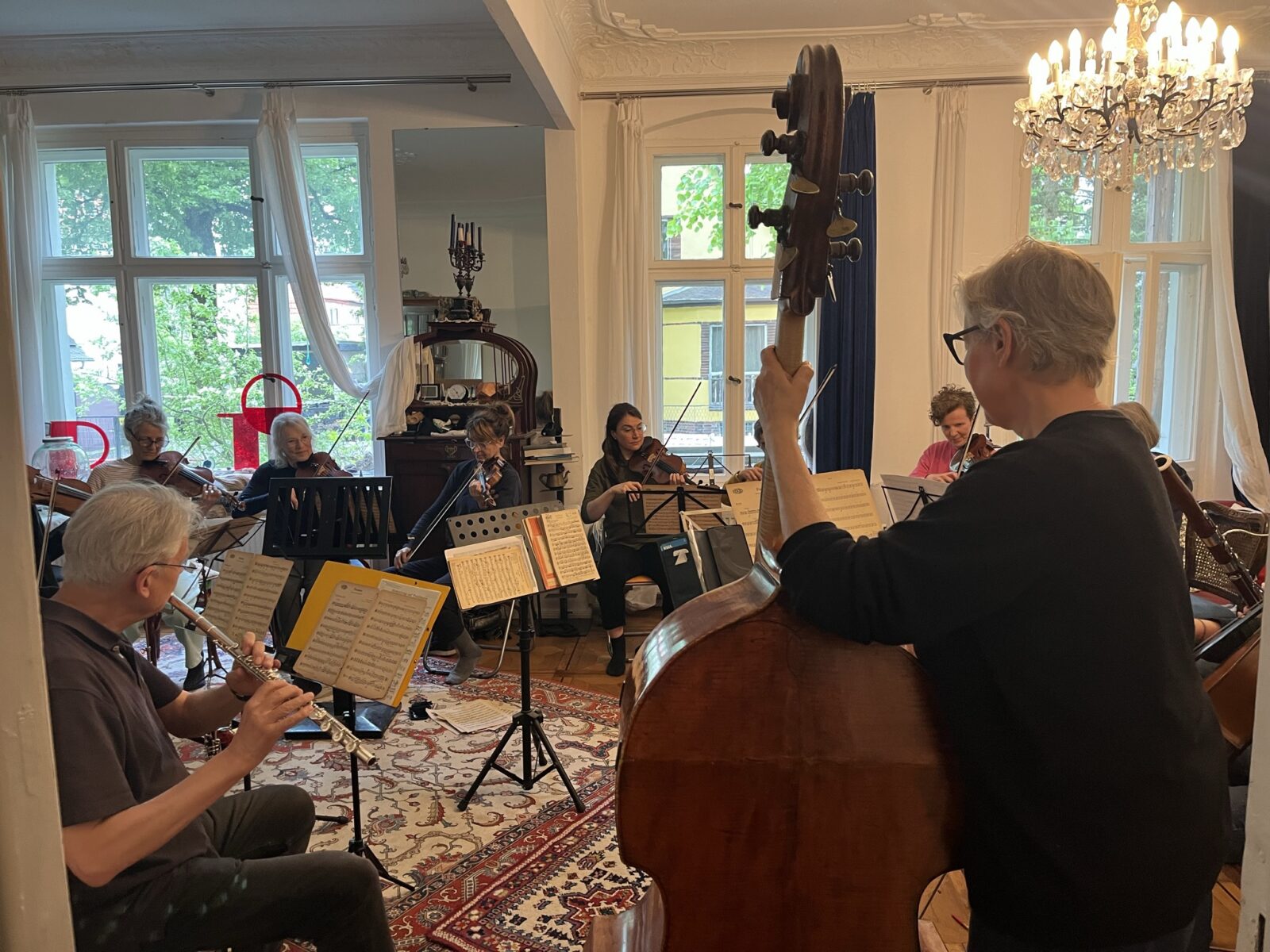
Springtime Extravaganza Light Music Orchestra on May 9, 2026, in Berlin-Karlshorst
Fifteen musicians followed Gudrun Schnellbacher's invitation to a very special kind of play-in – to play in the Springtime Extravaganza Light Music Orchestra. Read the article in English or in German.Read More ↗
Load More
All Articles By