My journey with the Fula flute
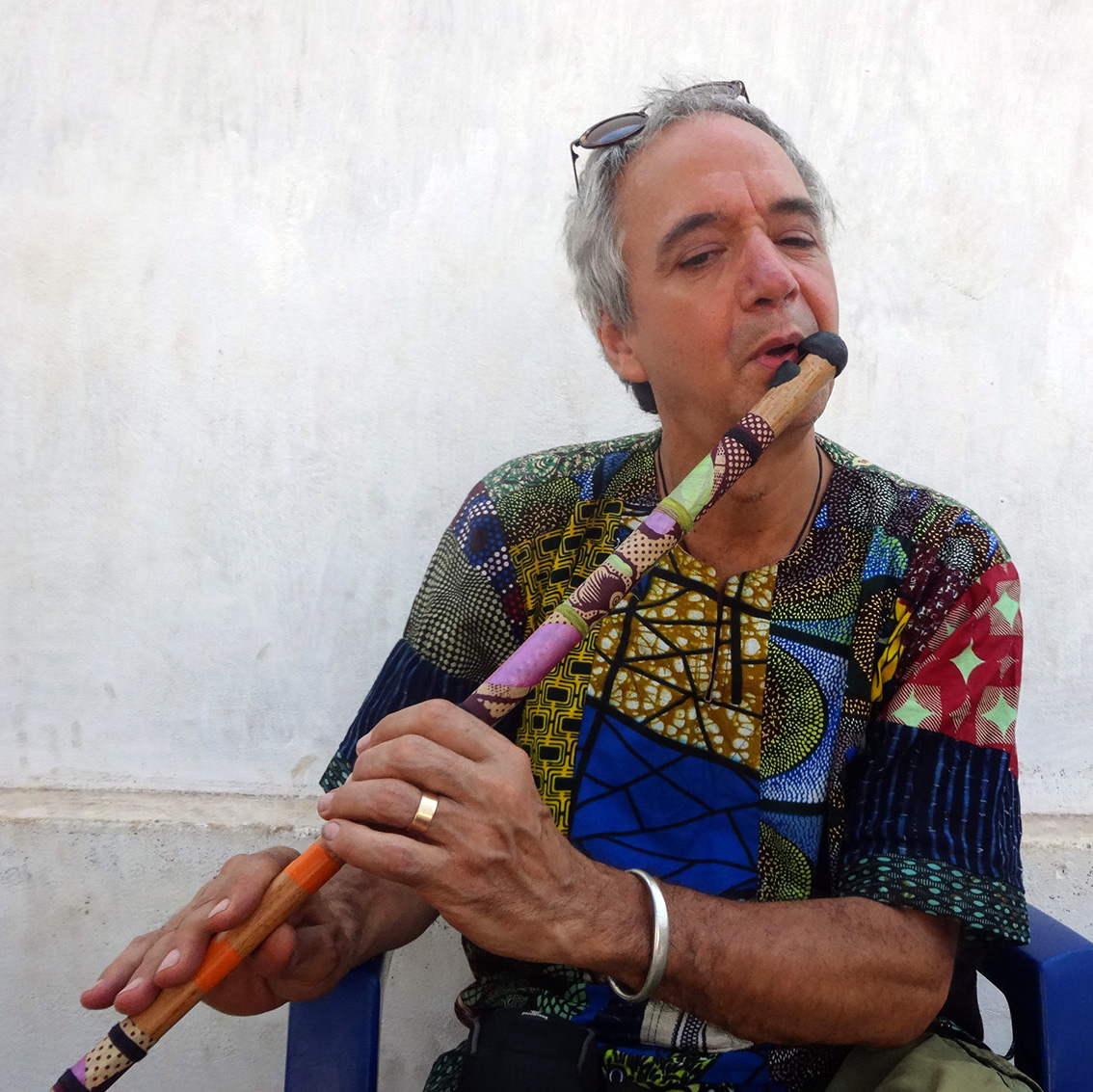
My name is Sylvain Leroux, and I am a Québécois musician initially trained in classical flute and jazz. Years ago, in workshops at the Creative Music Studio in the Catskills, north of New York City, with luminary teachers Don Cherry, Leo Smith, Karl Berger, Anthony Braxton, and many more, I was confronted with new practices and concepts. Among them was the emerging idea of “world music,” which set up an atomic explosion in my head.
Back home in Montréal, I embarked on my musical career and worked with Malian percussionist Yaya Diallo (listen to Yaya’s Diallo album Nangape below) , who was leading his group, and eventually released an album, on which I played, titled “Nanga Pe”. One day, he said to me, “Listen to this!” and played a recording of Guinean Fula flutes. It was used as background music on an LP of revolutionary speeches by the fiery first President of newly independent Guinea, Sekou Touré. The sound was extraordinary. So evocative and powerful, it penetrated me deeply; it was like organic Coltrane! Although it would be another 15 years before I would study it, from that day on, the sound of the Fula flute infused my soul.
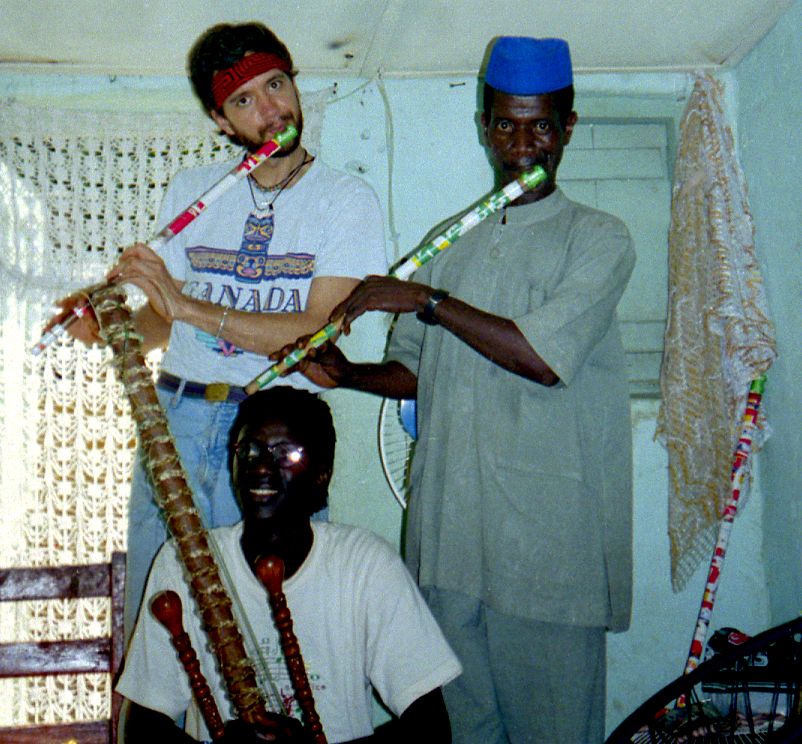
Eventually, I serendipitously found myself in the capital city of Conakry studying with master Fulani flutist Kikala Diakite, and for a month we spent 3 to 4 hours every day working, me trying to wrap my head around these strange sounds and phrasings that did not conform to any of my references, but I eventually overcame my analytic mind and began to play to my teacher’s satisfaction.
When I returned home to New York, where, by then, I had been living for a dozen years, I was astonished to find that I was the only person around playing that instrument. I asked anyone and everyone, but I could not identify another player. I was left on my own to continue learning, but I kept at it, and occasionally took lessons from Mamady Mansare, the soloist from the Ballets Africains when they came to town.
The Fula flute opened many doors for me; musicians liked the sound of it and wanted to include it in their projects. Timing was fortuitous; I found myself in the middle of a new wave of African music in New York City as immigrants from francophone West African countries–Guinea, Mali, Burkina Faso, Senegal, and the Ivory Coast–were arriving in numbers on our shores, including many musicians, and especially the hereditary traditional artists, the griots.
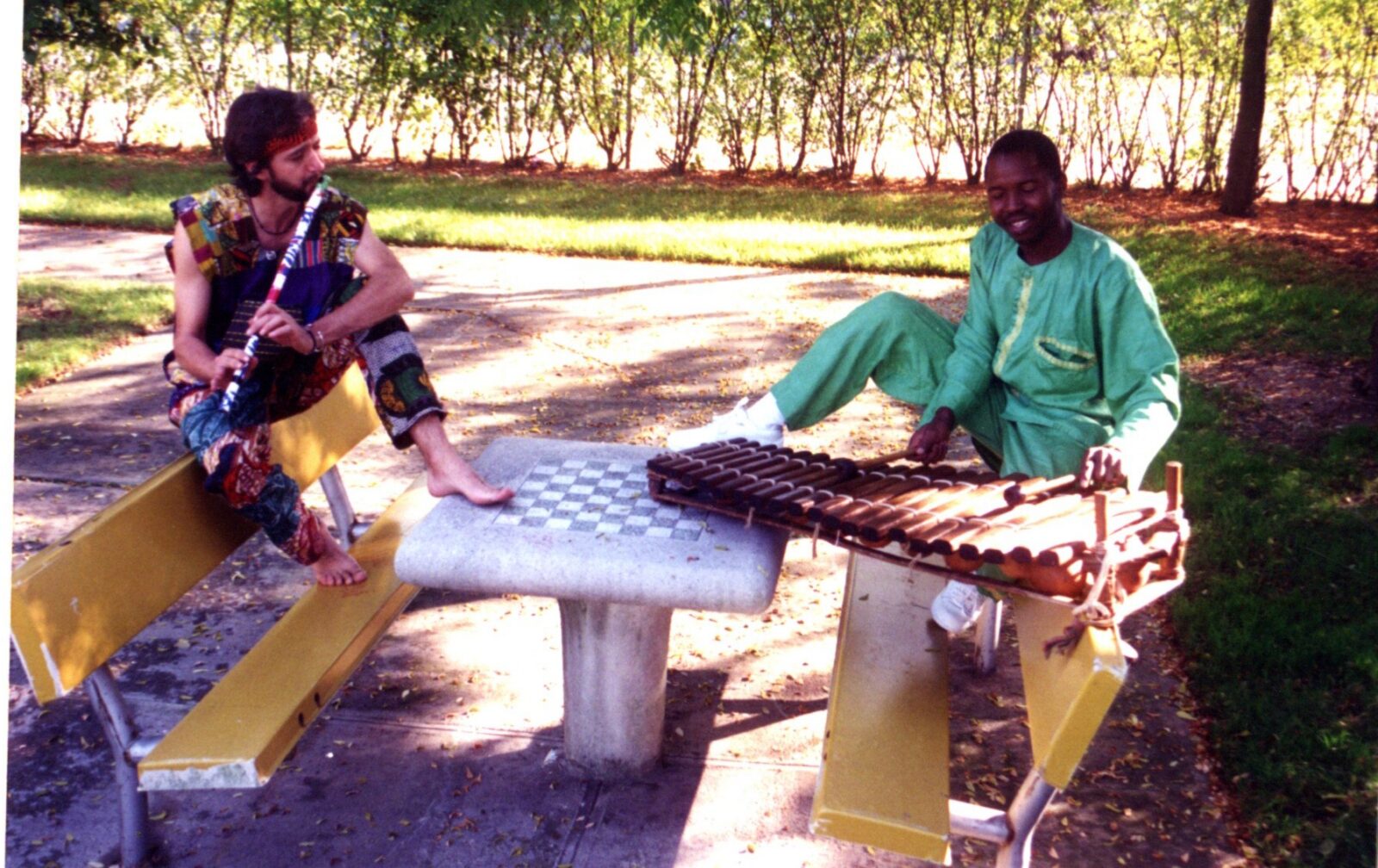
One of them was balafon virtuoso (African xylophone) Naby “Coyah” Camara; another was the tremendous kora player, singer, and composer, Keba Bobo Cissoko, heir to the kora tradition of Guinea-Bissau. Along with them and Cameroonian bassist extraordinaire, the not-yet-world-famous Richard Bona, we performed a marvelously successful concert for the World Music Institute at Washington Square Church.
A few years later, I attended a presentation of the touring African opera “Waramba” at the Brooklyn Academy of Music, and to my surprise and delight, I found out, reading the program, that there was a Fula flutist among the musicians.
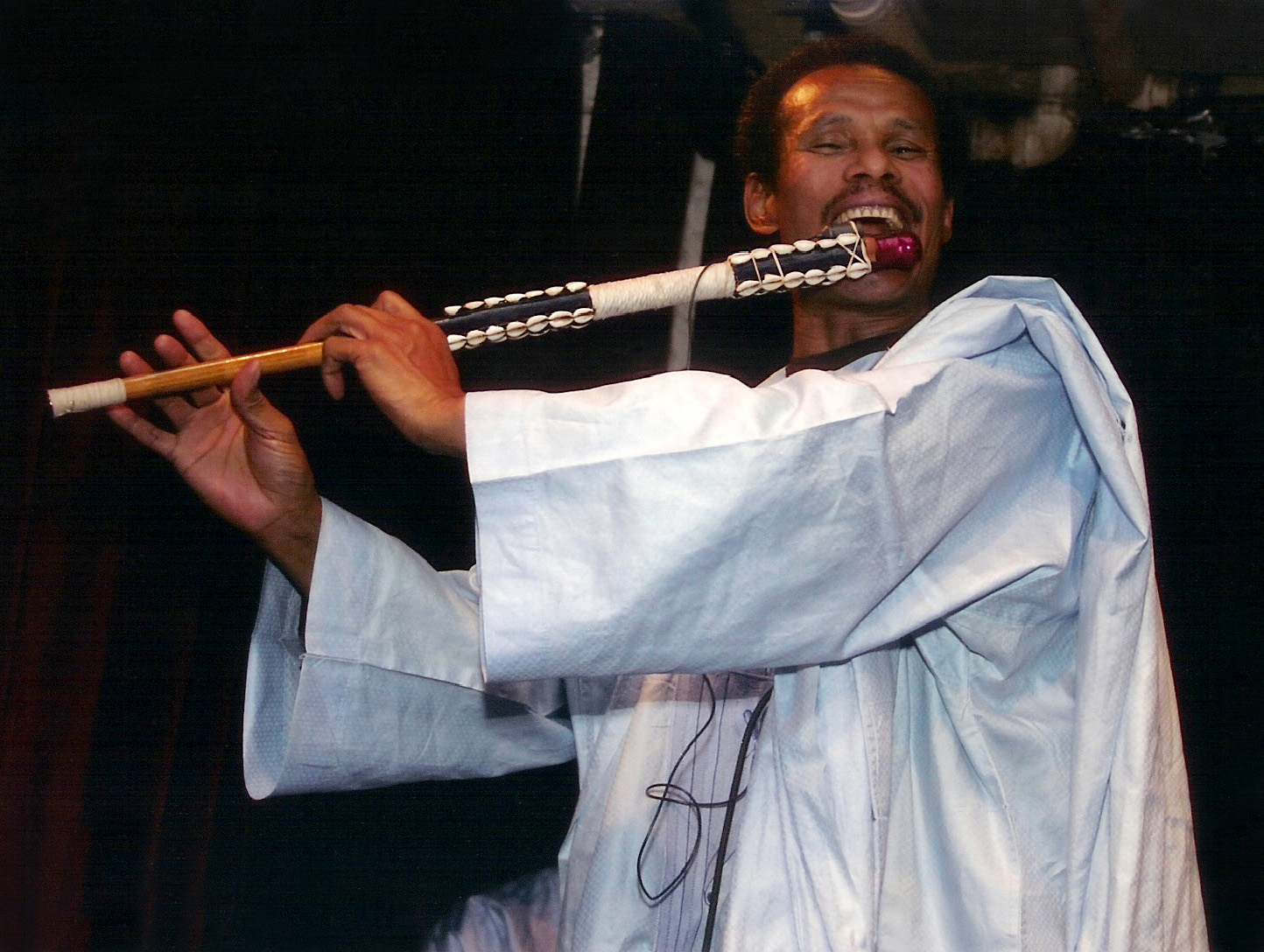
After the show, I knew that I needed to meet this flutist, so I went backstage and waited for quite a while for him to emerge. When he finally did, I introduced myself to him. He was Bailo Bah, one of the greatest players of the Fula flute. He was friendly, and he told me that he would be staying in New York and gave me his contact information.
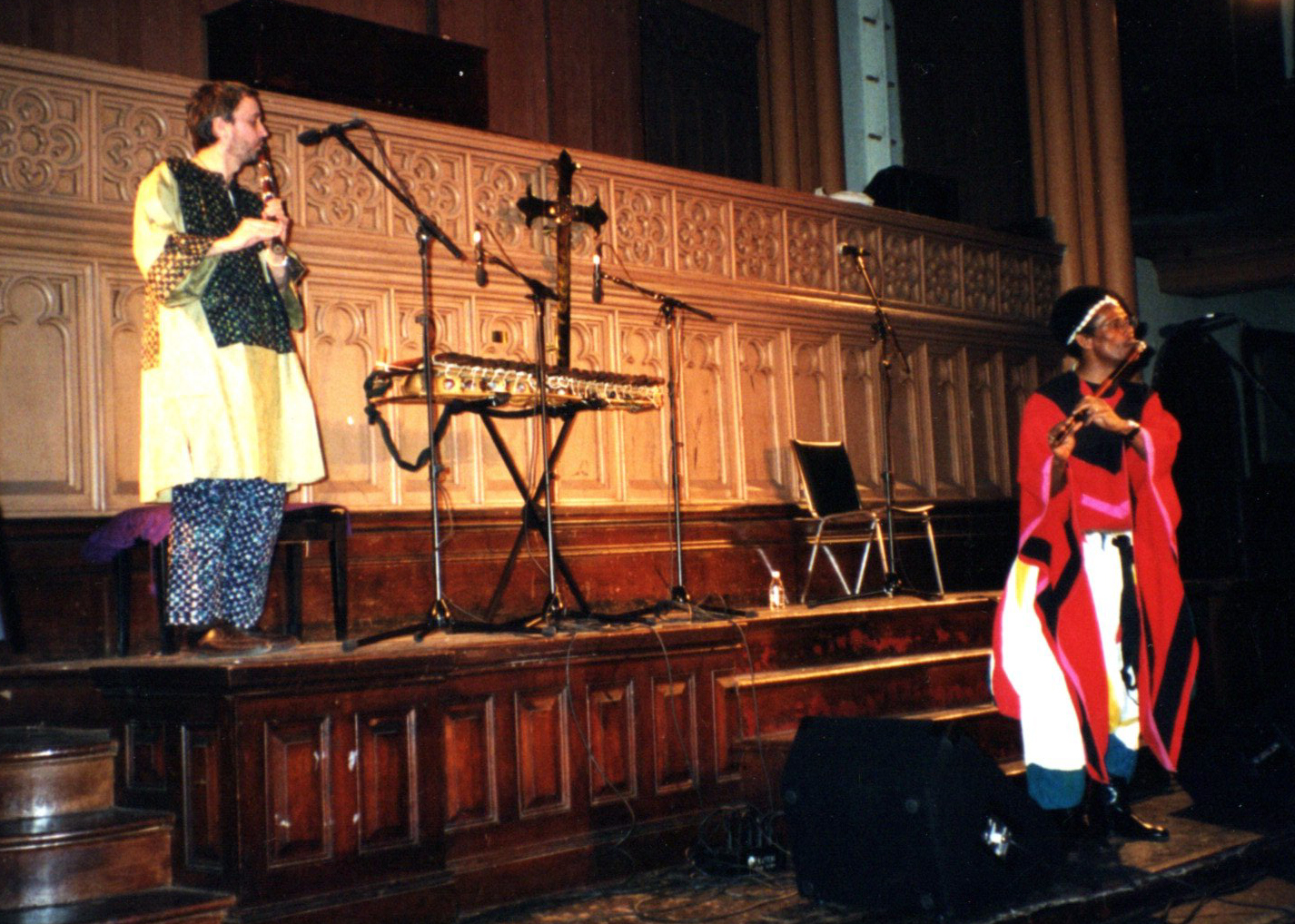
I reached out to him and took lessons, and eventually, I started arranging playing situations for us. We performed another wonderful concert for the World Music Institute, featuring him and me on Fula flutes, Keba Bobo Cissoko playing kora and singing, and griot Famoro Dioubaté on balafon. The audience was mesmerized. Thereafter, Bailo agreed to record with me, and a year or so later, we released the “Fula Flute” album.
That CD exploded! Bailo’s opening phrase on the first track knocked people’s socks off, and it turned many people on to the Fula flute. Some of them came from far to study with us, and others contacted me to obtain flutes, so I began to make them to order and shipped them around the globe.
In the universe of flutes, the Fula flute is unusual; its configuration is unlike any other, and there are hundreds, if not thousands, of models, from the Indian bansuri to the Andean quena, Arabic ney, Japanese shakuhachi, pan pipes, recorders, Native American flutes, and many others.
The Fula flute is a transverse (side-blown) flute made from rattan, stopped at one end with a piece of calabash. The player needs two hands to play three finger-holes producing an octave-and-a-half of the diatonic scale. Its most distinctive attribute is its larger-than-usual rectangular embouchure opening is framed on each side by little walls of beeswax, its purpose is to create a chamber that facilitates the production of strong multiphonics (more than one pitch sounded at once) and for the player’s voice to mix deeply with the flute sound to create the otherworldly vocal-flute effects for which the Fula flute is most renowned.

Years went by, and one day, while away on vacation, I got inspired to modify a Fula flute. Because of its structure, Fula flutes (of varying lengths) can only play a limited number of scales, and I had been frustrated playing with balafonists because their instruments are most often in the key of C, which does not exist in Fula flutes. I thought that if I took an A-flat instrument and closed the bottom two holes and moved them up by a half-step, I would obtain the scale I sought.
After moving those two holes and before closing the old ones, I realized that I now had a 5-hole flute that played a full chromatic scale minus the notes that would be provided by one more hole. So, after thinking about it for about 30 seconds, I opened a sixth hole, and there it was! A fully chromatic instrument that could play any melody. I subsequently patented it and christened it the “qromatica.”

This gave me the idea that it could be used as the basis for a culturally appropriate way to teach young Guineans to read and write music, and with that in mind, I approached my contacts in Guinea to identify a group of children with whom I could try this, and I was recommended to the Centre Tyabala.
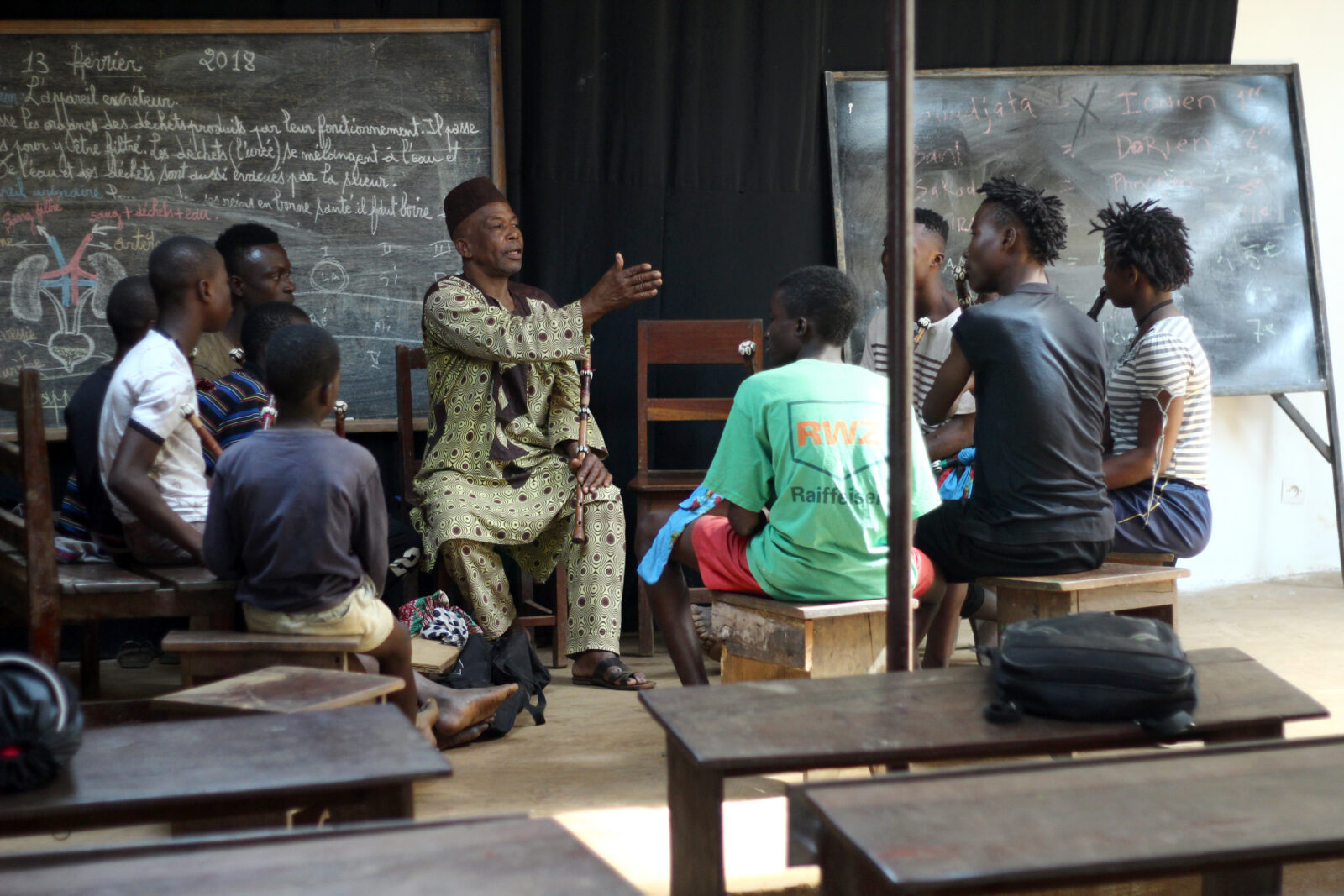
Led by Momo Sylla and Veronique Lamah, activists on the Guinean arts scene, the Centre Tyabala is an alternative arts-in-education program teaching the traditional arts of the musical theatre to poor children whose parents cannot afford to send them to school. They were open to working with partners and allowed me to spend three weeks with their students, who strongly bonded with the flute.
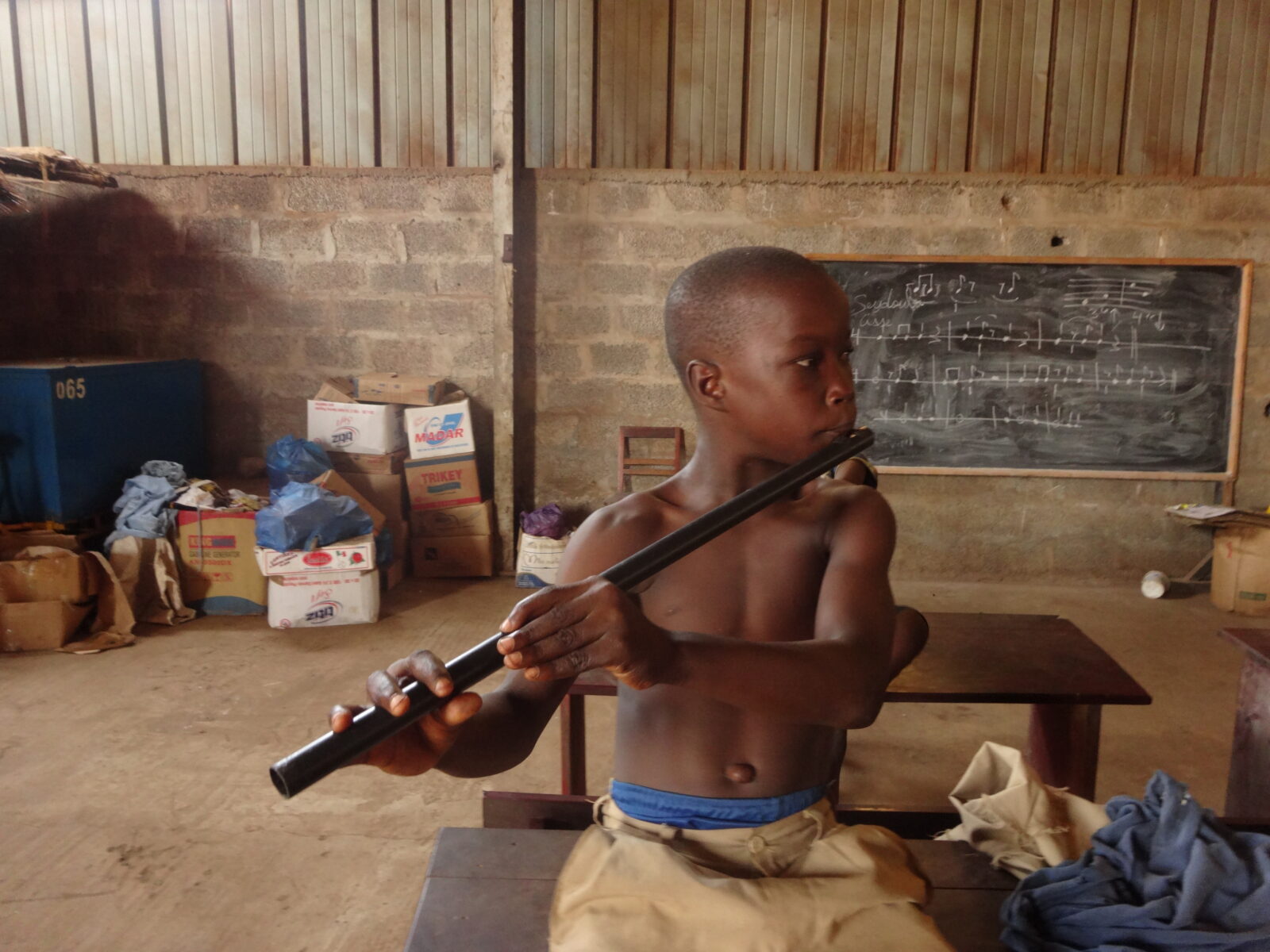
Armed with this initial success, I raised a sum that made it possible to spend four more months pursuing that program. During that time, we worked very hard, and the kids’ love and commitment to the flute multiplied. At the end of the period, we presented a concert and recorded an album, “The Children of Tyabala” (released on EEG records).
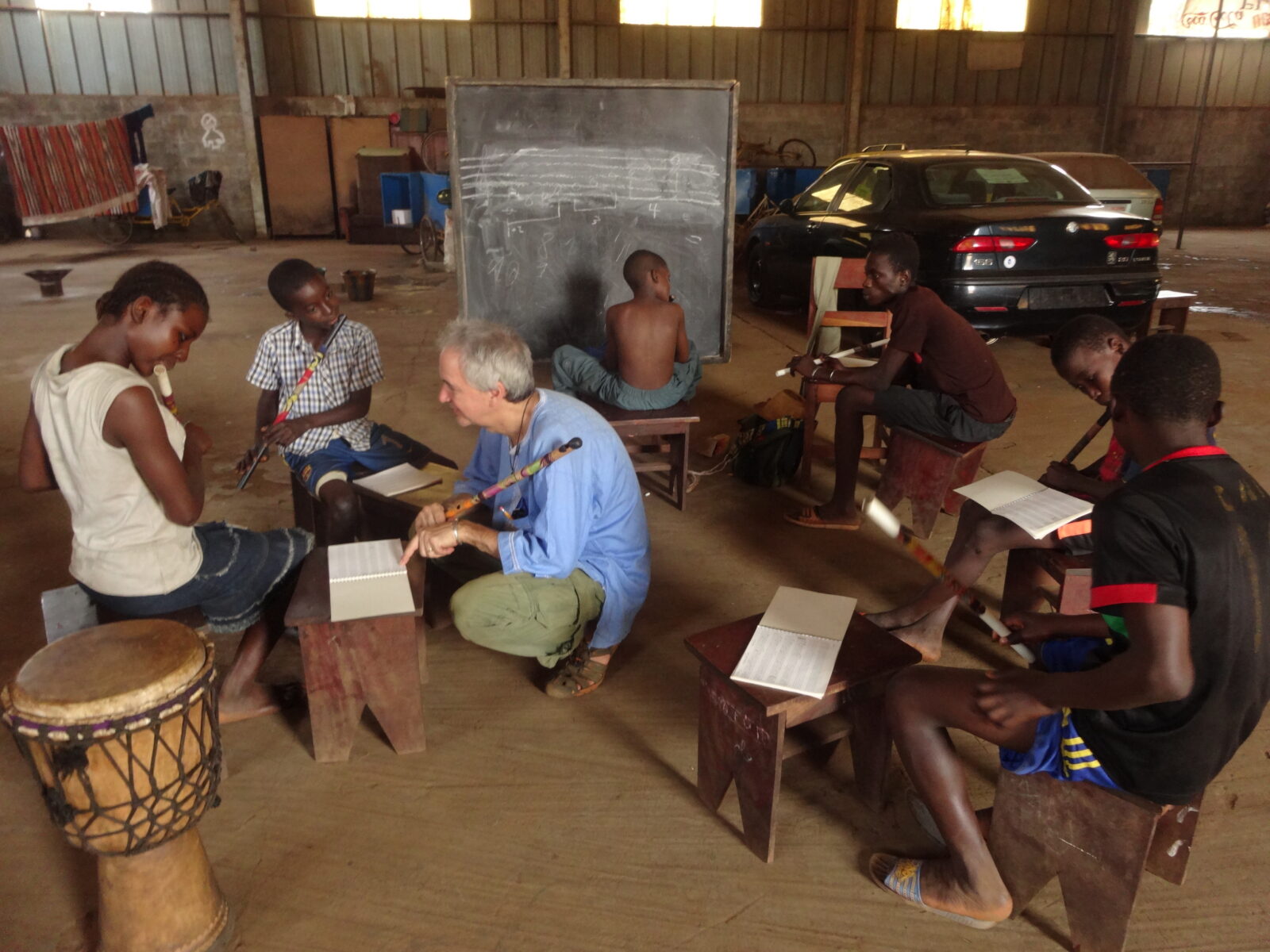
We had proven the concept that using the qromatica was a workable approach to achieving musical literacy; however, to fully reach that goal would require many years of sustained presence and a lot more funding, all of which I could not provide. In the meantime, the kids’ craving for the flute was left unfulfilled.
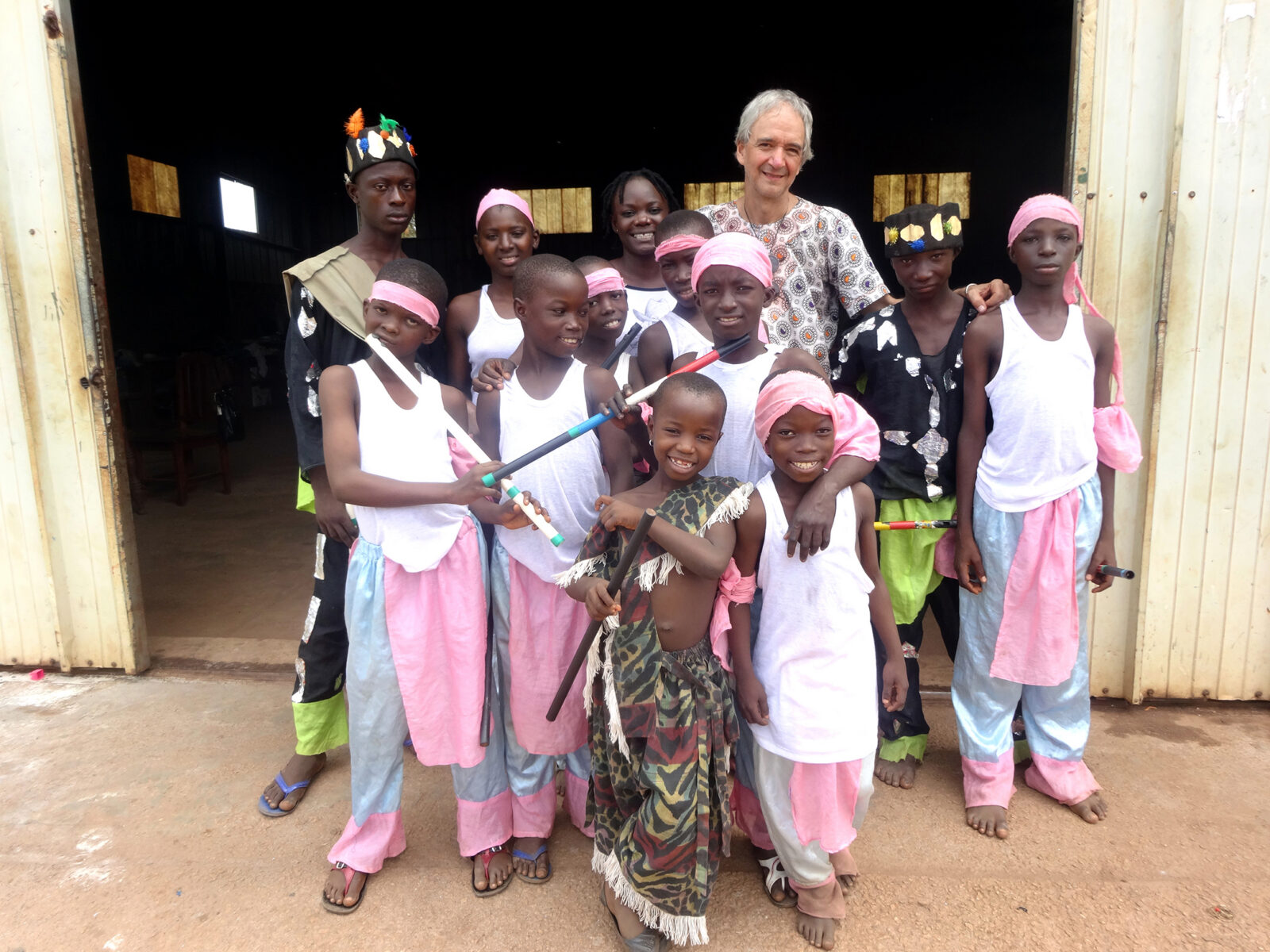
Serendipity intervened once more in the person of one Gary Zaremba, a benefactor who attended the album release in New York City. Moved by the presentation, he offered to subsidize a local teacher. I then reached out to Mamady Mansare, the veteran from the Ballets Africains. As he was reaching retirement age and was deploring the general decline in interest in his flute tradition, he saw this as a golden opportunity to pass on his knowledge to a new generation of young Guineans and readily accepted.
So was born “l’école fula flute” where the kids receive training in traditional Guinean music and instruments, along with an elementary education and a modicum of music theory. The school had been operating on a small budget, receiving scant help from inside Guinea; its financing relies on what outside partners can provide. So, for a decade, with the help of fiscal conduits and many generous donors, I was able to provide for the major part of their needs.
But now, in the hope of upping our game and with the involvement of other like-minded associates, we have founded the Friends of l’école fula flute, Inc., a new nonprofit organization whose mission is to help sustain the school.
Many of the original students have graduated and are now tearing up the scene in Guinea. A few of them have performed abroad. Their skills on the Fula flute are particularly appreciated. You can read all about them and everything else on the Fula Flute website.
It seems that through me, the Fula flute has found its way around the world back home. I am humbled to be its instrument.
More Articles
Chamber Music Lifestyles: Vancouver
Vancouver, Canada has a vibrant adult amateur chamber music scene, thanks to ACMP's local NAOC councilor Christina Wolf. If you've never traveled to Vancouver, add it to your list. Where else could you play chamber music with so many great players (and fun people) while looking at the mountains, and eating and drinking a wide variety of local delights?Read More ↗
Member of the Month, September 2026: Marshall Costantino
Marshall Costantino learned to play the violin from his Italian grandfather as a young child. After a 42-year hiatus from playing, he is enjoying a new life in chamber music with his neighbor and new friends he met through the ACMP directory.Read More ↗
Celebrate Beethoven: MSQ’s Vienna Workshop, January 2027
Travel to Vienna and immerse yourself in Beethoven's world and in his String Quartet Op. 127, under the expert guidance of the Manhattan String Quartet. Register by Monday, September 14 for this unique cultural expedition!Read More ↗
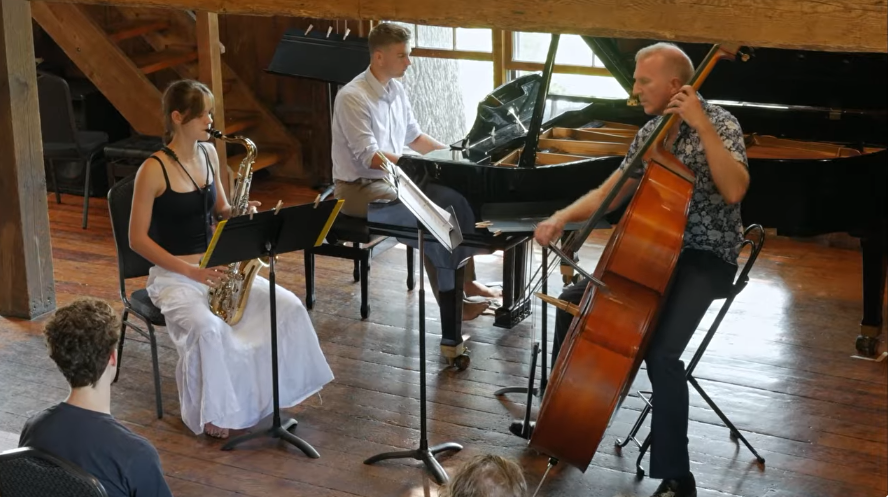
Music and Life at Apple Hill
Vermont-based bassist Art DeQuasie was one of the inaugural recipients of an ACMP Scholarship this summer. Read about his experience at the Apple Hill Center for Chamber Music in August 2026.Read More ↗
Explore New Worlds of Chamber Repertoire
Music educators have been working to find music by underrepresented composers that is accessible to students and amateur players of all levels. This includes music by composers of color, women composers, and LGBTQ groups, among others. Considering the changing demographics of our country, amateur chamber music players can reap the rewards of discovering new repertoire through this research.Read More ↗
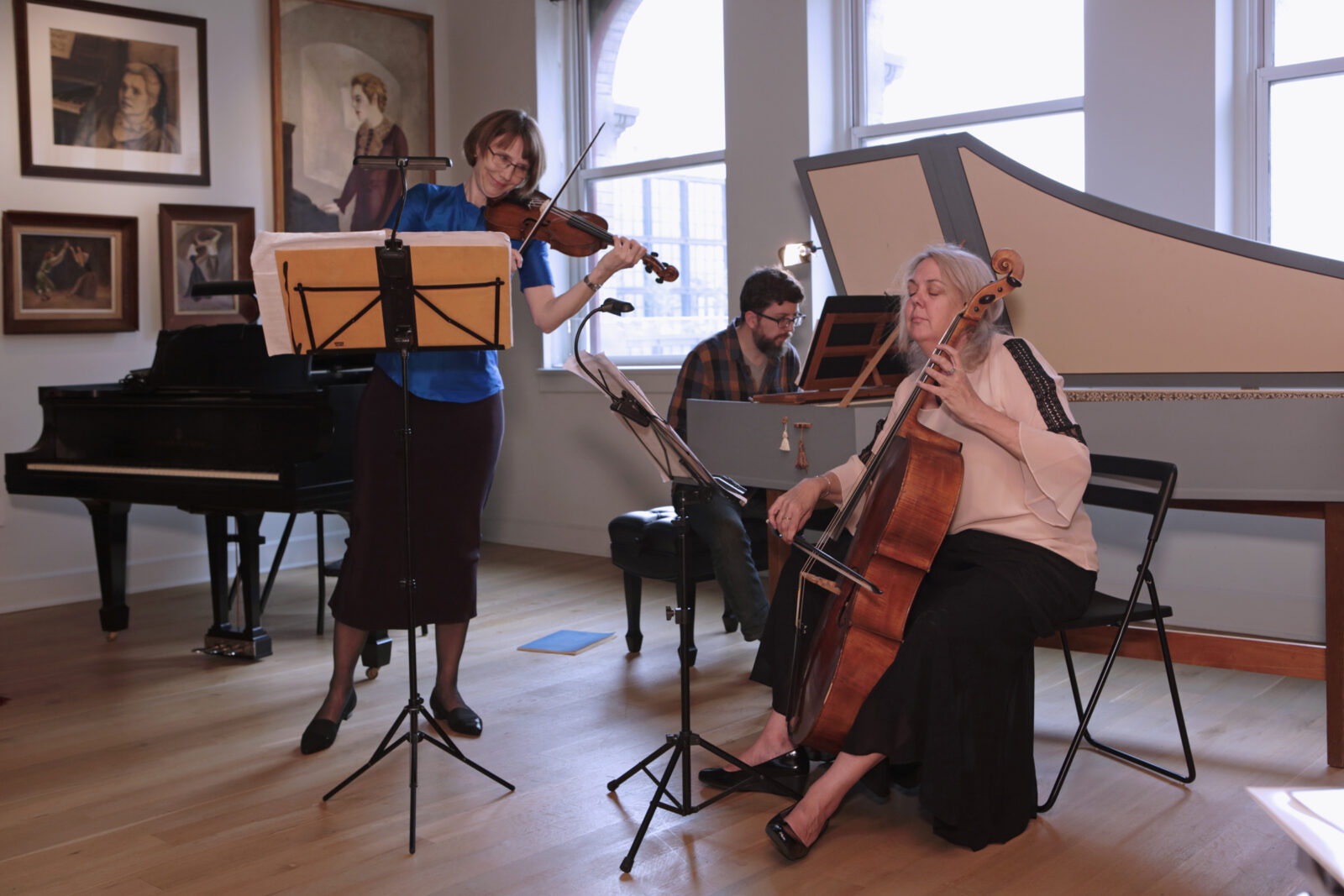
Meet ACMP’s Development Consultant, Amie Roosevelt
Amie Roosevelt joined ACMP's staff as our first-ever Development Consultant in January 2026. She has enjoyed a long and varied career as a violinist, with a primary focus on historically informed performance. I hope you all will meet and even get to play with Amie. But until you do, you can get to know her and her fascinating story by reading this interview from August 12, 2026.Read More ↗
Make Chamber Music Part of Your Fall at 92NY
For many musicians, chamber music is as much about connection as it is about repertoire—the shared experience of listening, collaborating, and discovering new musical perspectives together. At the 92NY School of Music, two chamber music programs offer welcoming entry points into that experience this fall: Chamber Music Reading and Chamber Music Coaching & Performance. Whether you’re picking up your instrument again, looking to meet fellow players, or hoping to deepen your ensemble work, both programs are designed to bring musicians together in a supportive and engaging environment.Read More ↗
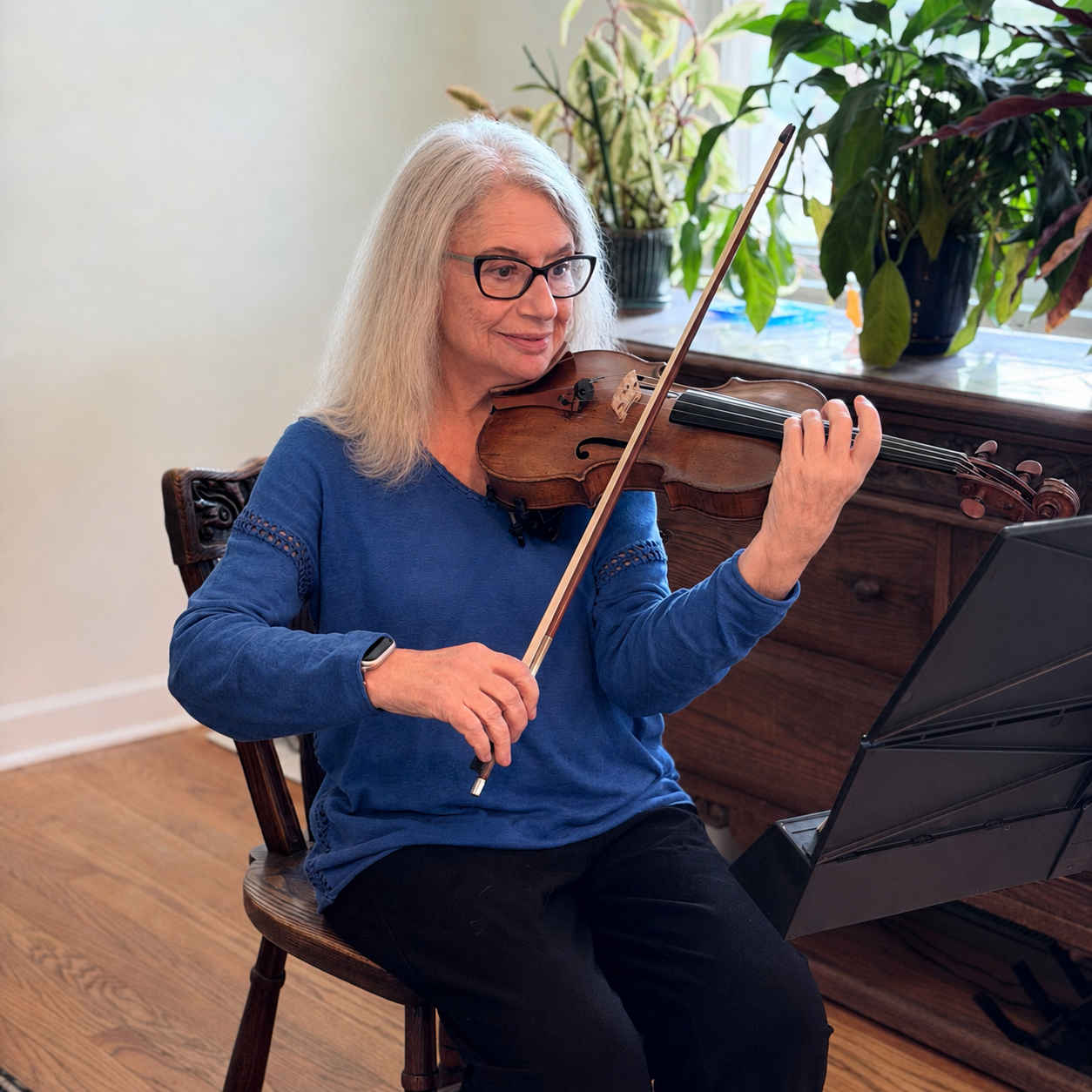
Member of the Month, August 2026: Alison Edwards
There aren’t too many people who come to a professional crossroads before they turn 13. But Alison Edwards faced such a moment. She had taken up the violin at age seven with none other than Dorothy DeLay as her teacher. But indeed, Alison had another calling. Inspired by social justice movements of the 1960s, she became a civil rights lawyer, eventually serving in the appellate division of the Cook County Public Defender’s office. After 25 years working and raising a family, she picked up her violin again and launched on a lifelong chamber music adventure.Read More ↗
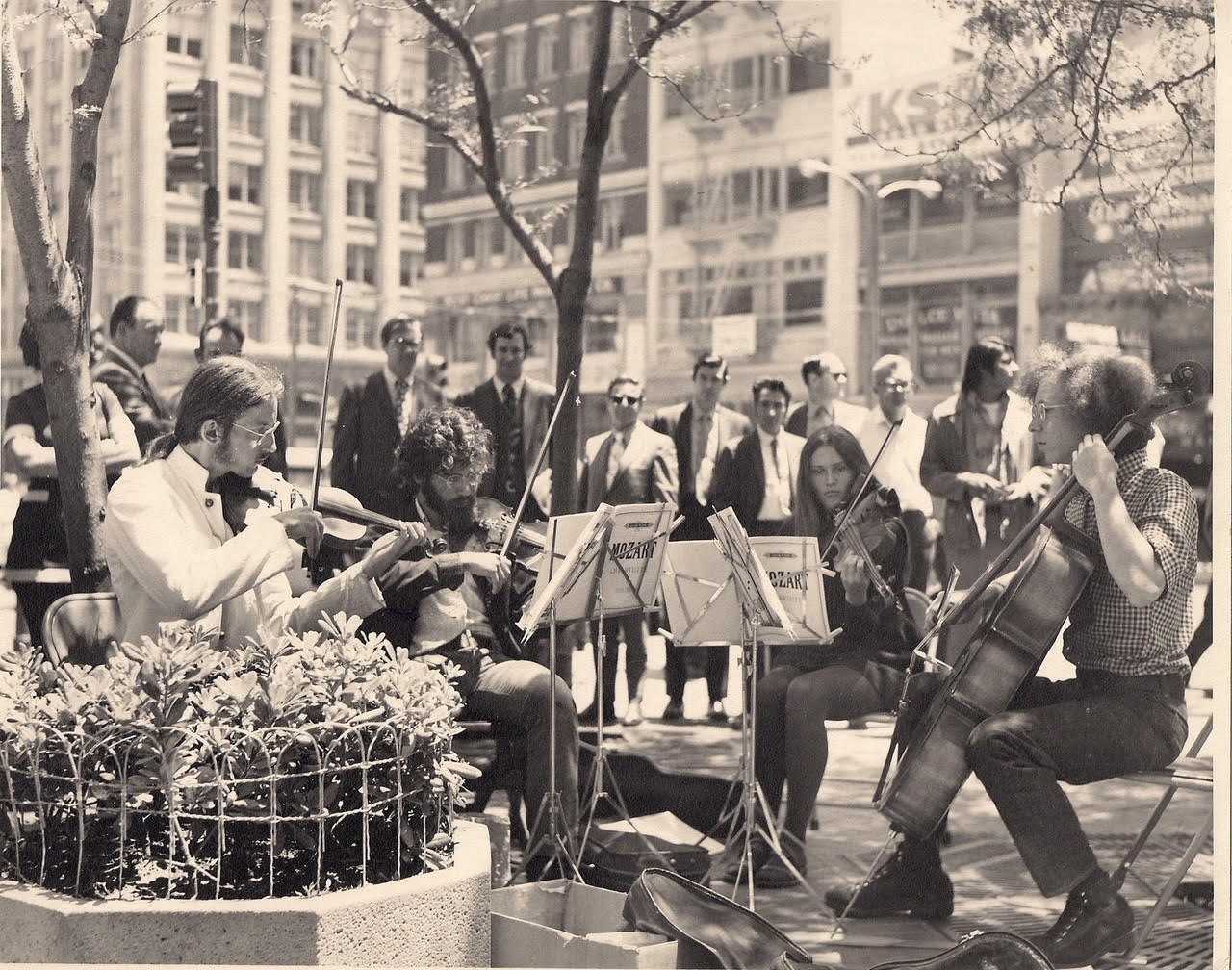
After 56 Years, the Bond of Chamber Music Endures
Cellist David Pearl and violinist/violist Gary Chanan played quartets together in the streets of San Francisco in the early 1970s. 56 years later they are playing together again in New York City...they reconnected through ACMP!Read More ↗
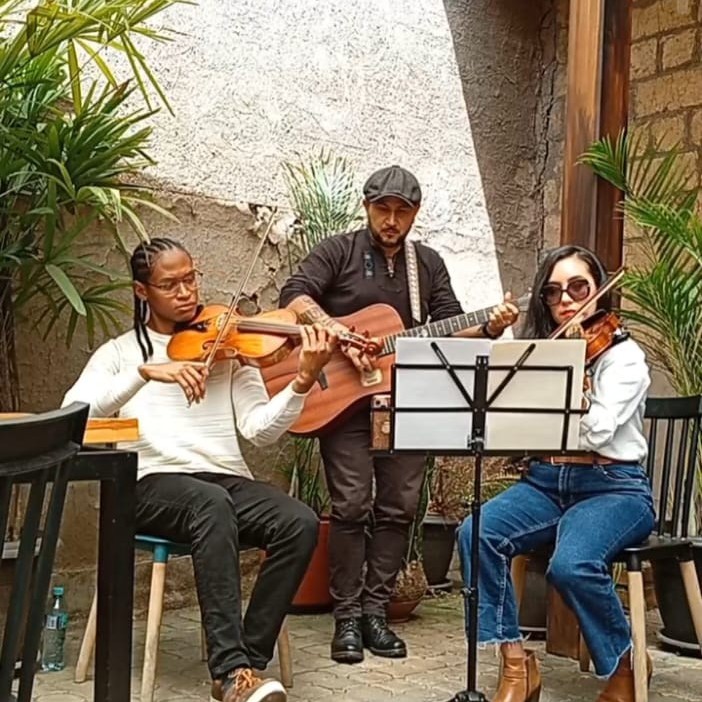
Coffee Shop Performances, Coffee-infused Repertoire
ACMP's intrepid cellist Tom Cappaert is at it again - this time with a story about ACMP members in Ecuador and Spain who organized chamber music in coffee shops, inspired by Tom's endeavors.Read More ↗
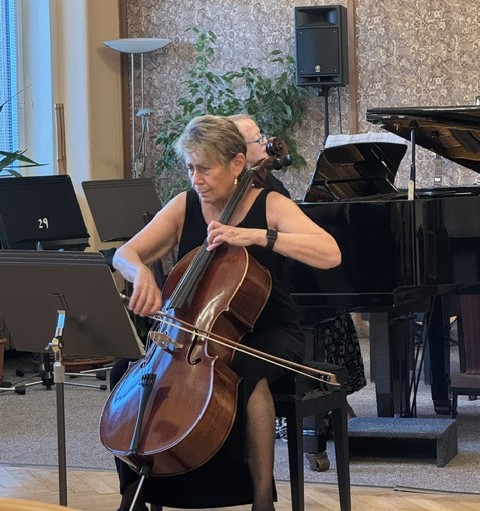
Member of the Month, July 2026: Sara Langbert
A self-proclaimed “total New Yorker”, cellist Sara Langbert graduated from Music and Art and continued her musical education at Queens College in her native New York borough. But like many ACMP members, she would put her cello aside as she managed the demands of raising a family and pursuing a career in computers and technology. Now she's playing again and is an enthusiastic member of ACMP.Read More ↗
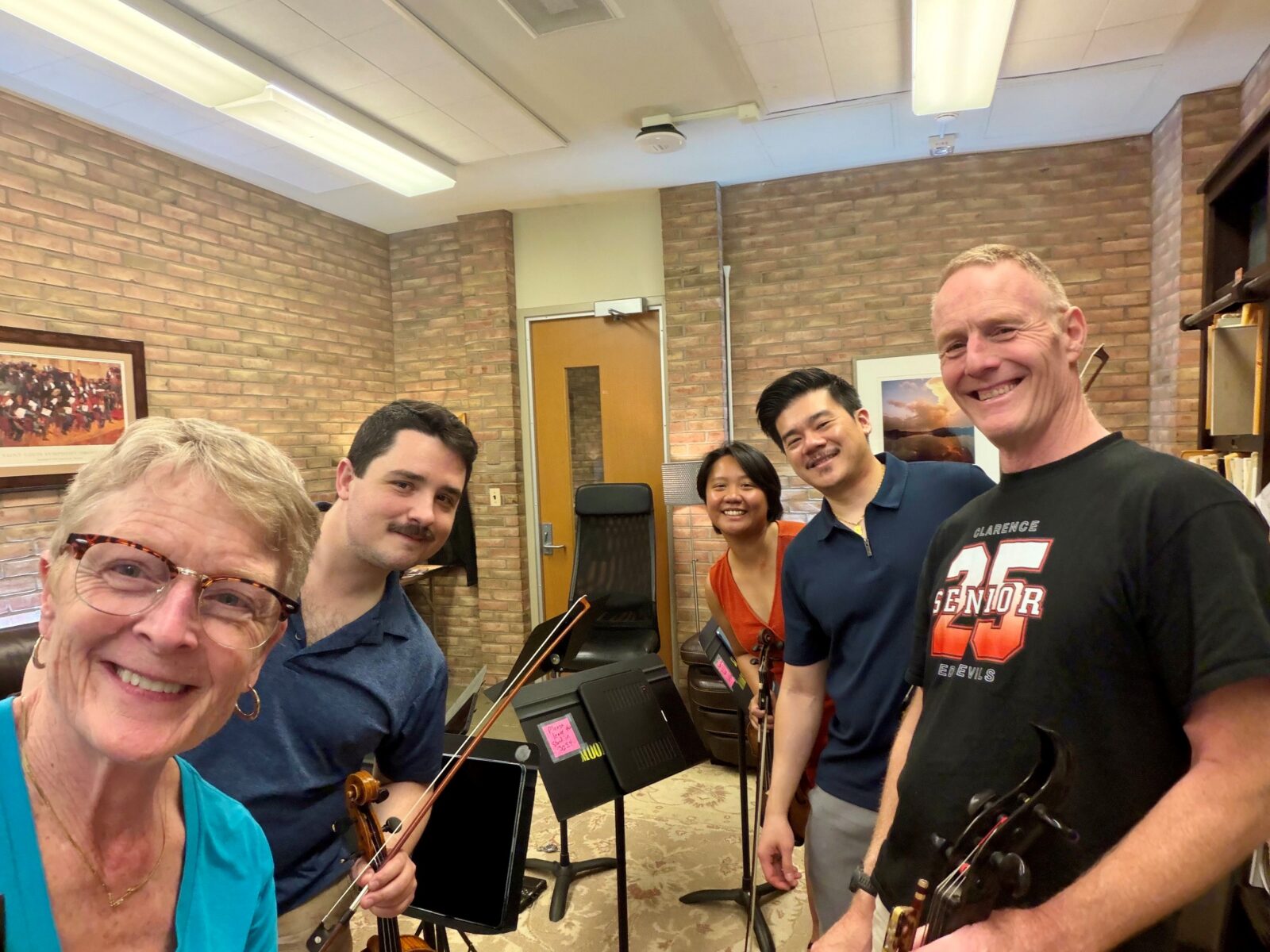
Around the World with ACMP’s Grants (Home Coaching and Play-in)
Over the last few weeks we have been asking members, participants, and organizers to tell us how our rolling grants have been useful to them and their communities. So let’s take a trip around the world and see what folks have to say about our Home Coaching and Play in grants.Read More ↗
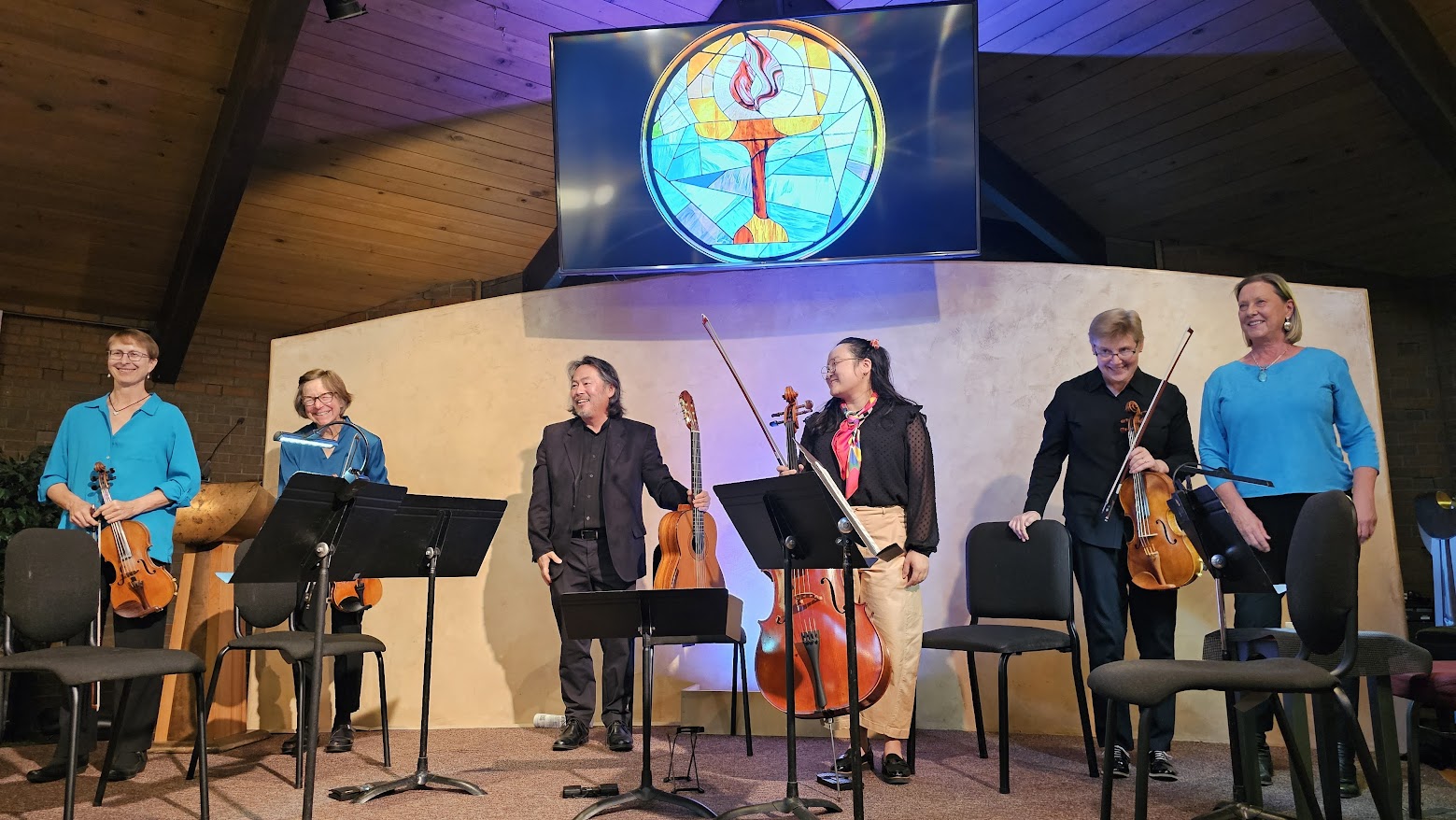
Around the World with ACMP’s Grants (Just Play and Impresario)
This summer, we’re hearing from ACMP members, participants, and organizers about how Just Play and Impresario grants have supported chamber music in New York, Italy, Canada, Colorado, and beyond.Read More ↗
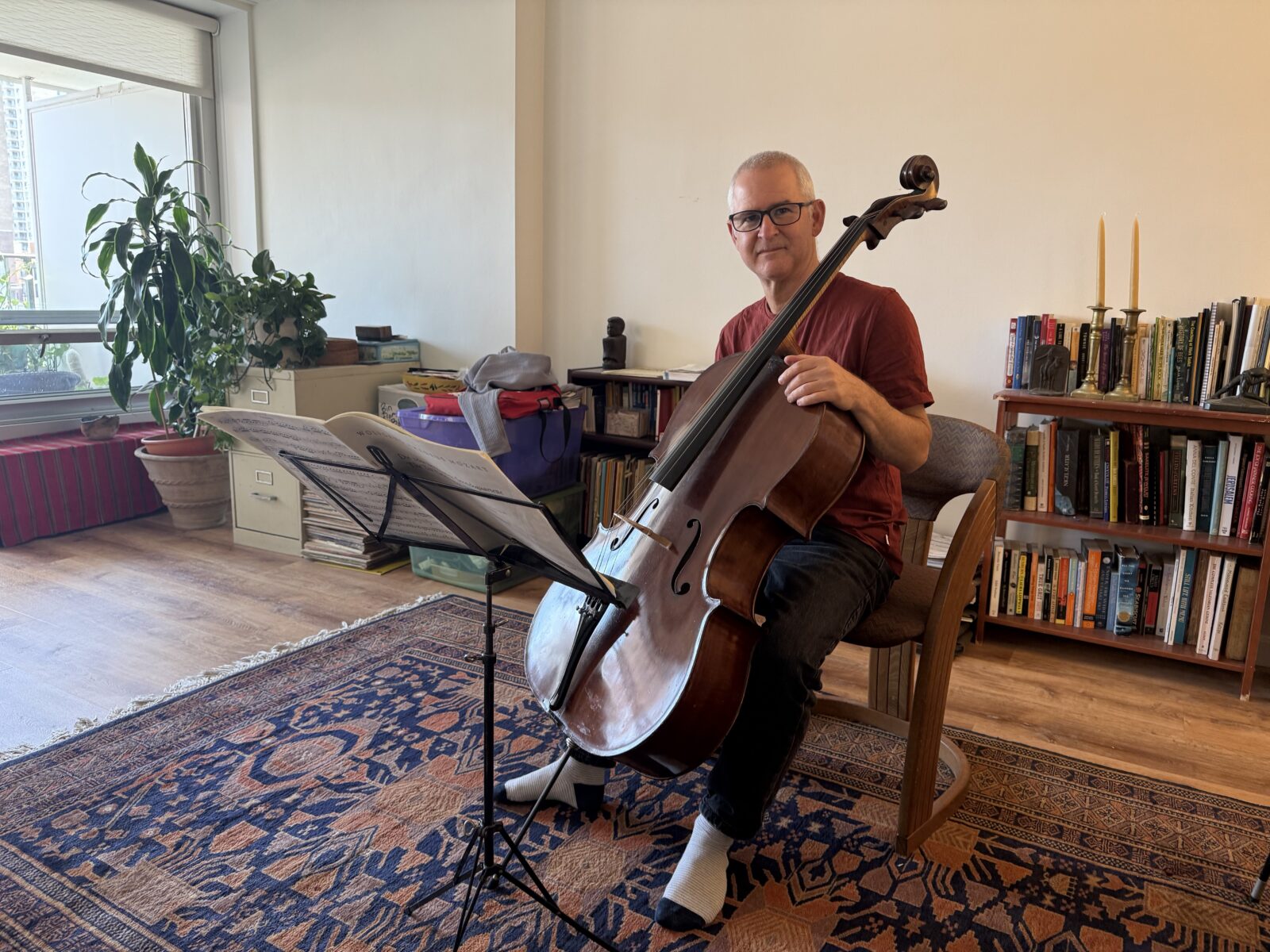
ACMP Member of the Month, June 2026: Yoav Segev, the flying cellist returns
It’s probably easy to spot Yoav Segev at the airport. He’s the guy in the pilot’s uniform with the cello on his back. Yoav, you see, is the Flying Cellist, a globe-trotting pilot for El Al Israel Airlines who plays chamber music during his layovers in far-off destinations. Read Bob Goetz's interview with Yoav.Read More ↗
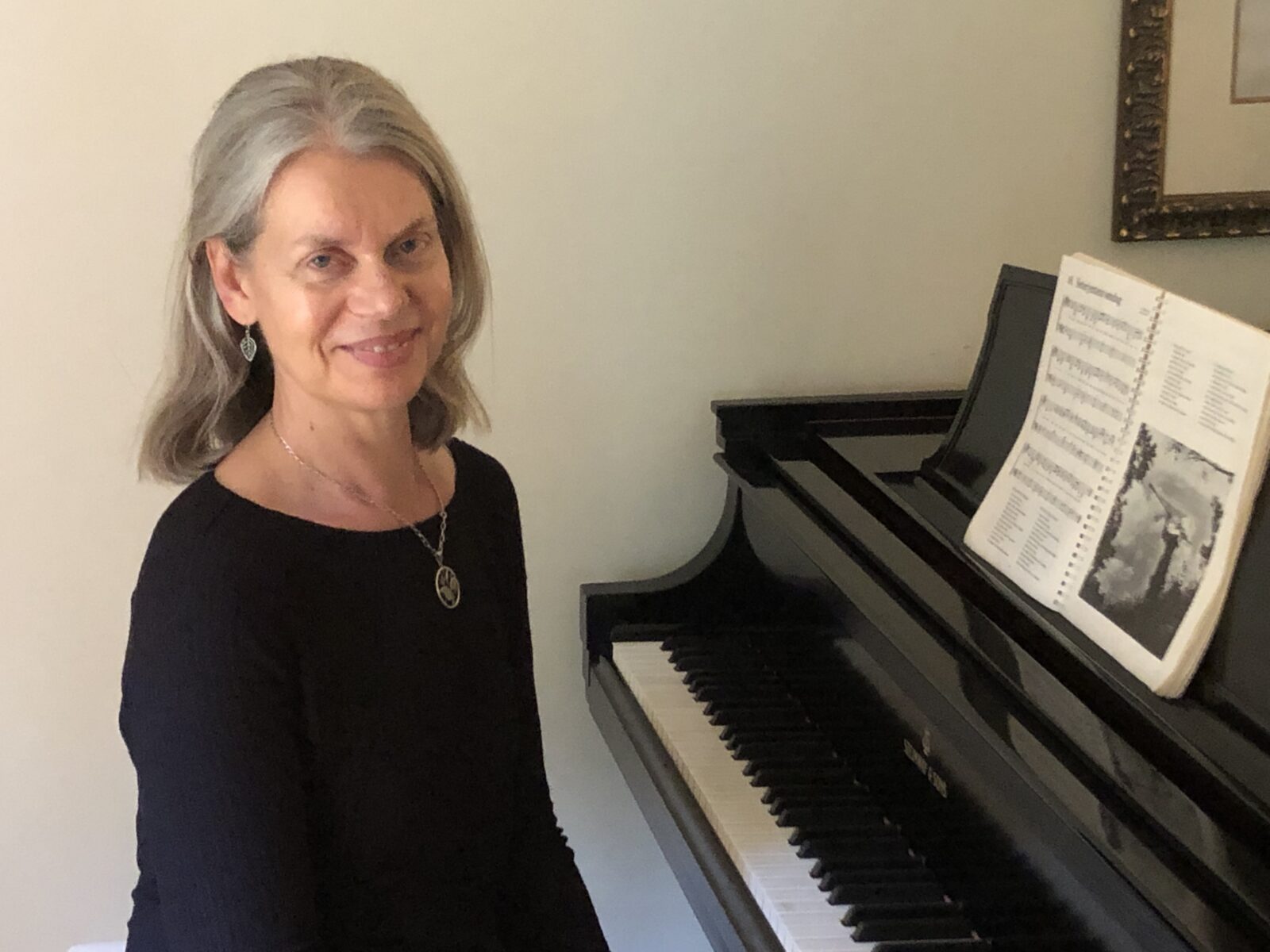
International Spotlight: Kristin Saltonstall in Panama
Kristin Saltonstall comes from a longstanding ACMP family and has been a member of ACMP for as long as she can remember. As a molecular ecologist, she works for the Smithsonian Tropical Research Institute in Panama, where she has forged a new musical life for herself and enjoys the natural beauty that Panama has to offer.Read More ↗
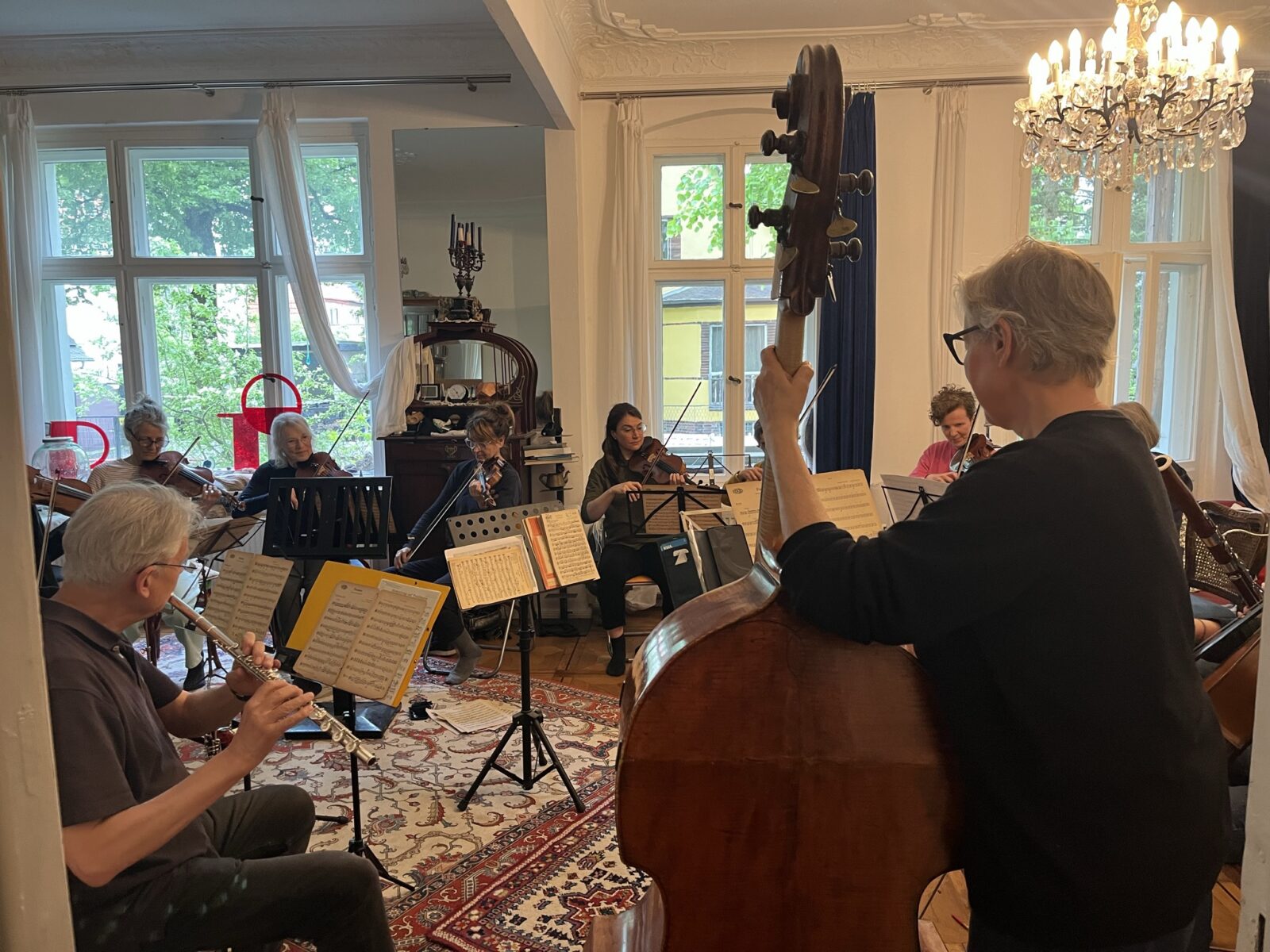
Springtime Extravaganza Light Music Orchestra on May 9, 2026, in Berlin-Karlshorst
Fifteen musicians followed Gudrun Schnellbacher's invitation to a very special kind of play-in – to play in the Springtime Extravaganza Light Music Orchestra. Read the article in English or in German.Read More ↗
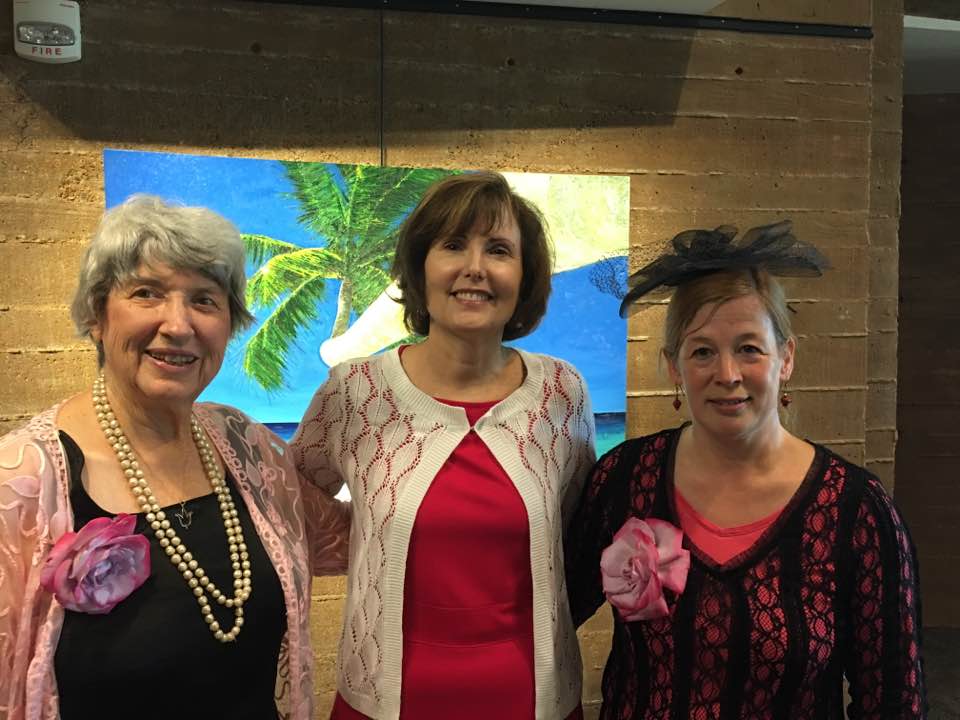
Remembering Pianist Fontaine Laing
Janet White Remembers her friend, and longtime ACMP member pianist Fontaine Laing.Read More ↗
News of Note 2026
It’s that time of year again! The web version of the 2026 News of Note is live, featuring updates from the past our Strategic Plan, and some fun extras, including everyone’s favorite: a new puzzle!Read More ↗
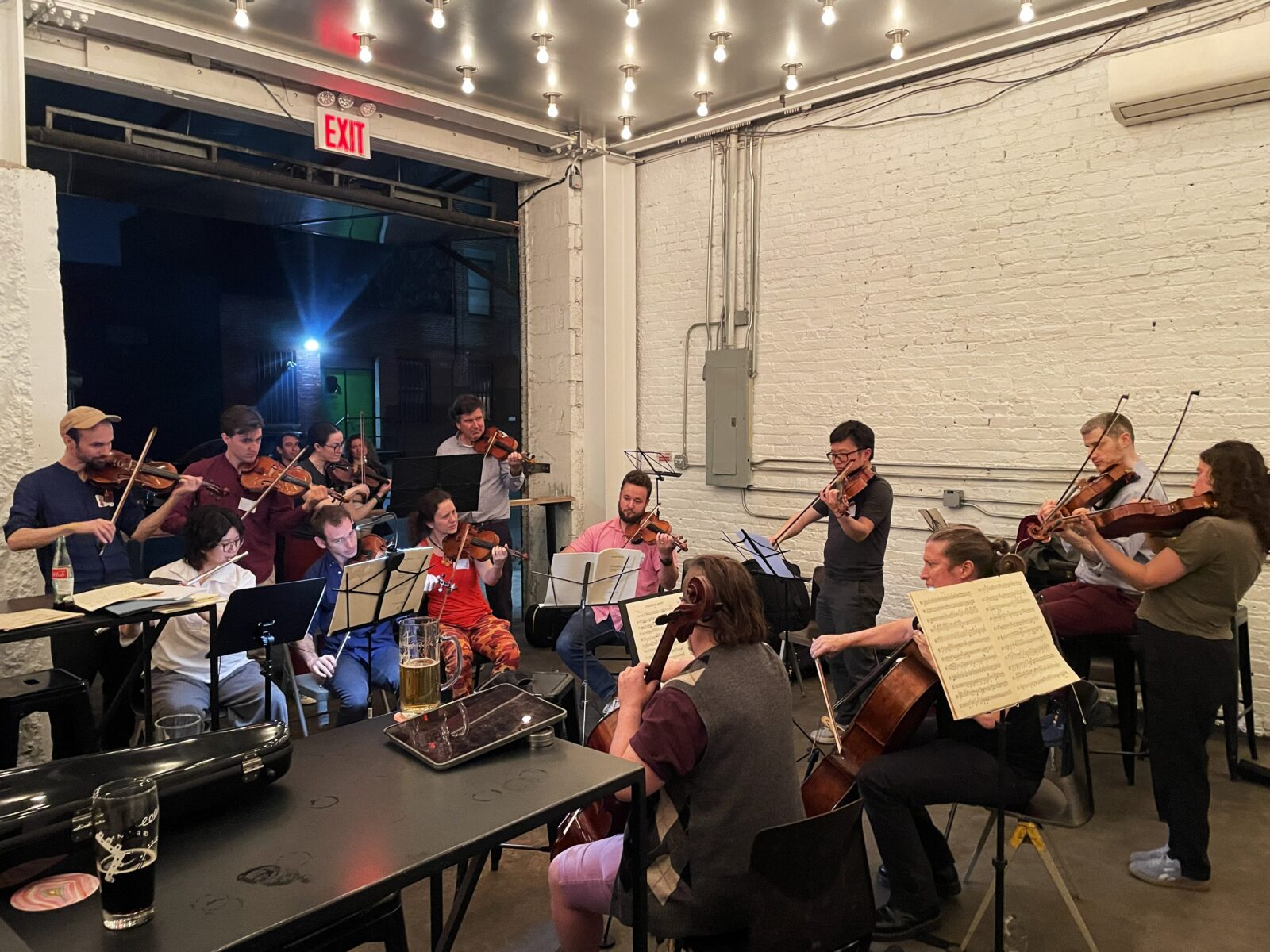
How to Find Players and Build your ACMP Community
There is a time in every player’s musical life when you realize that you want to play more, but not quite sure with whom or where to even begin. Here are some ways to get started and begin building a community around you.Read More ↗
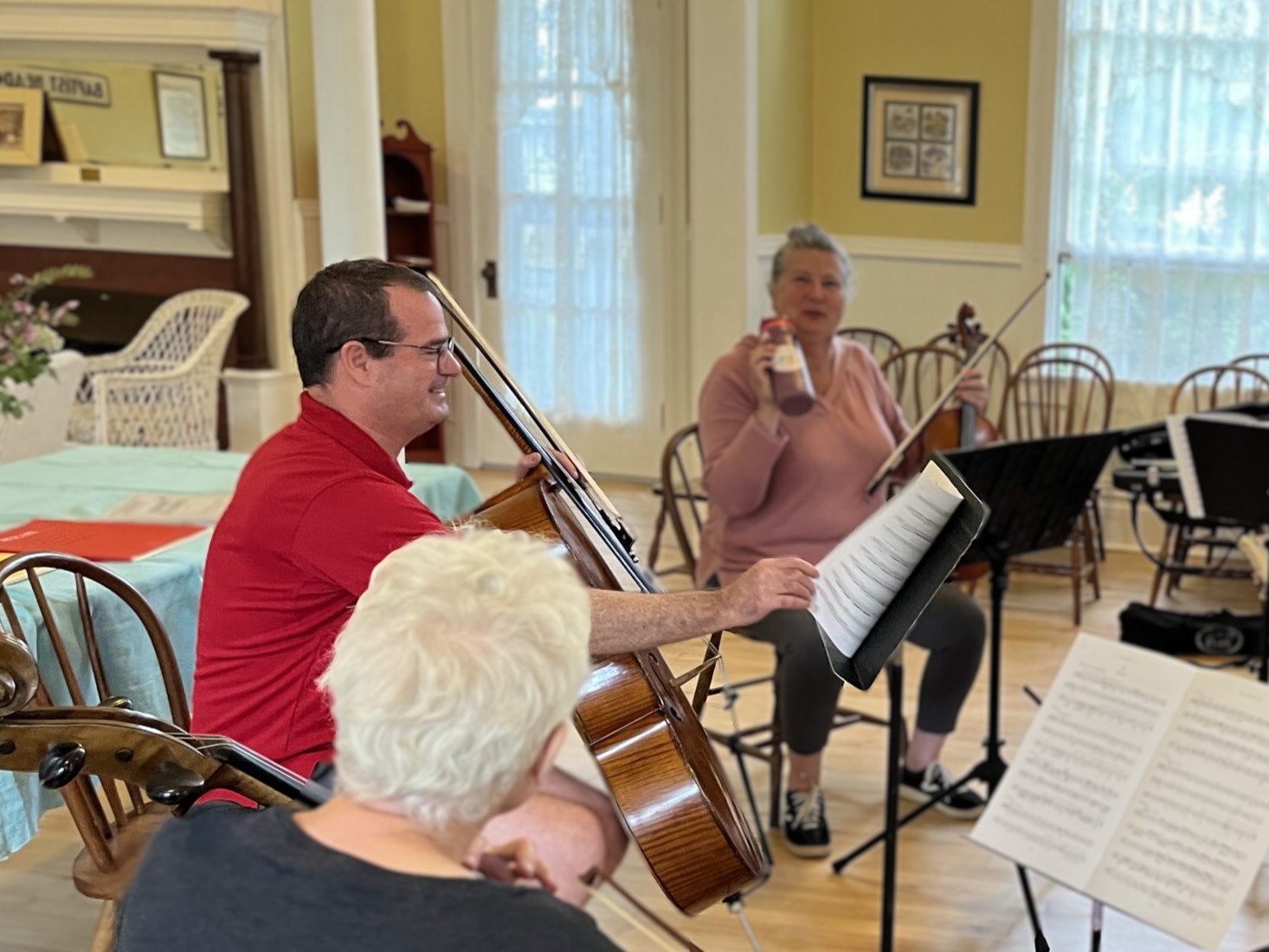
Member of the Month: Amit Rotem
By day, Amit Rotem works as a child psychiatrist specializing in youth addictions at the Centre for Addiction and Mental Health in Toronto. When he is not there, or with his family, there is a good chance he is playing his cello, with as many willing chamber partners as the calendar will allow!Read More ↗
Load More
All Articles By