On coaching mixed chamber music with winds
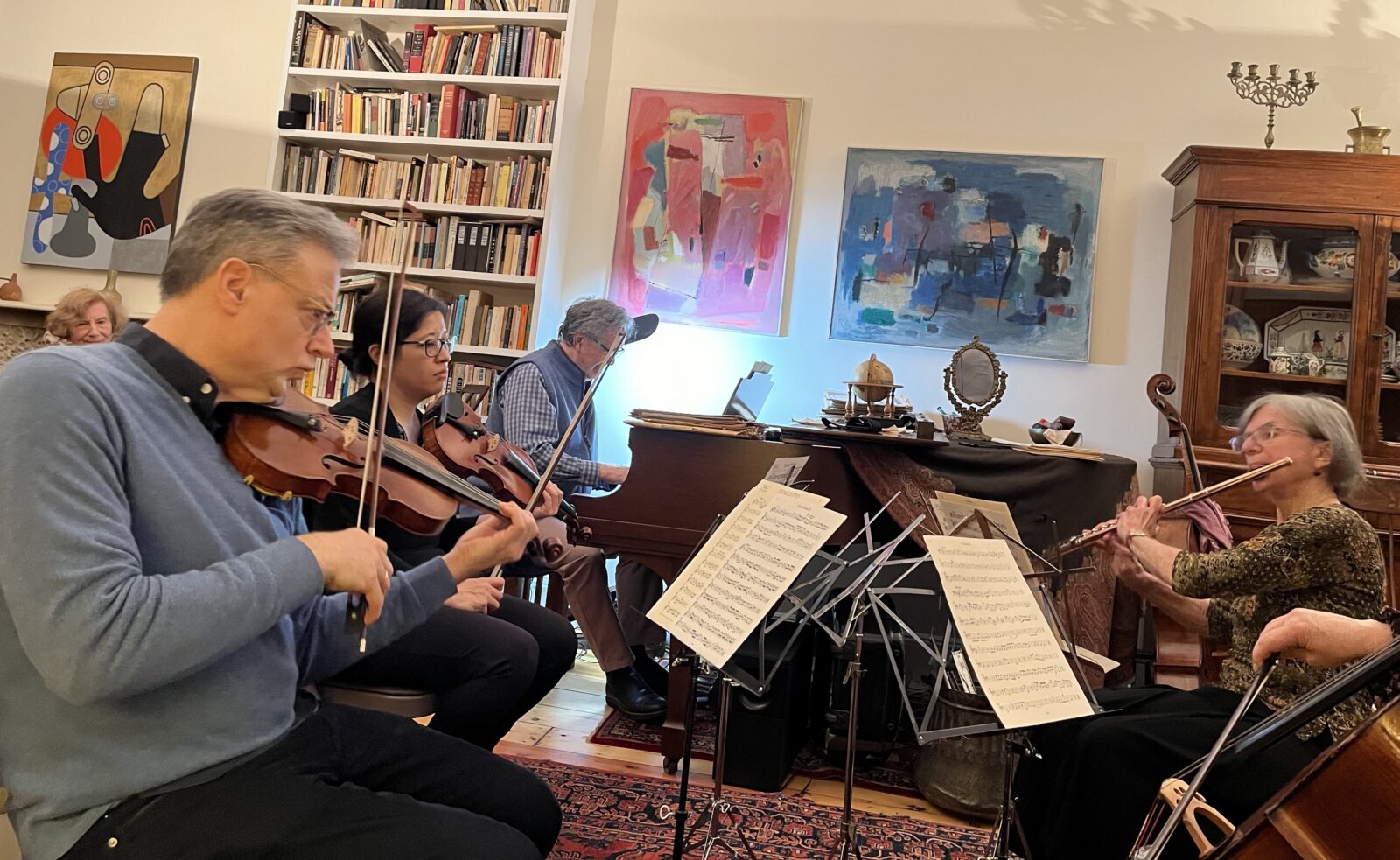
Over the years, I have had the privilege of coaching many chamber groups combining winds (especially the flute) with other instruments, including at David Bakamjian and Ronda Brands’ Play Week for about a decade.
My experience in coaching some of these pieces is that string players are extremely unaccustomed to listening to winds, and vice versa. The growth in being sensitive to tone colors is significant. Balance is a big issue, but that is always important in chamber music, and the adjustments are not always in the same direction. The beginnings and especially ends of phrases are ordinarily experienced differently by different types of instruments, i.e., specifically the first and last notes, so that’s a learning experience too for listening players.
And, Breathing! Breathing as a musical gesture is a whole additional subject.
To be autobiographical again, I once said to my father, an amateur violinist who was a good friend of Helen Rice and involved in the formative years of ACMP, “I am so jealous that you never run out of air.”
And he returned with, “I’m so jealous you never run out of bow.”
It can be difficult to find repertoire for mixed winds, strings and/or piano that string players and pianists are willing to play because their parts are worthwhile and challenging too. For pieces with piano, it is especially important to find piano parts that are not too accompanimental, but also not like piano concerti.
Here are some pieces I have enjoyed coaching at workshops for avocational chamber musicians. Perhaps you know many of these pieces, but there may be a few new ones.
Baroque:
There is a wealth of trio sonata repertoire by Georg Philipp Telemann for flute, violin and continuo.
Perhaps lesser known to non-flutists are the fabulous Sonates en quatuors, Op. 12 by French Baroque composer Louis-Gabriel Guillemain. The main obstacle is finding a viola da gamba player. The only version on IMSLP is with the original gamba part (in mixed alto and bass clefs.) However you can purchase versions of all six sonatas with modern viola instead of viola da gamba on Sheet Music Plus. When you look at the list, you will also see a version of the second quartet with cello instead of gamba.
Classical/Early Romantic Periods:
Giovanni Battista Viotti: 3 Quartets for Flute and Strings
Friedrich Kuhlau: 3 Quintets, Op. 51 for flute, violin, two violas, cello
Ernst Wilhelm Wolf: Quintet in g minor for harpsichord, flute, violin, viola and cello
And Mozart!
Everyone knows the flute quartets, but for a wonderful piece involving more players, try his Adagio and Rondo in C minor for flute, oboe, viola, cello and glass harmonica (or piano), K. 617
Not many people have a glass harmonica, which was invented by Benjamin Franklin in 1761. But one of the advantages of this piece is that the glass harmonica part is not too difficult for the pianist.
Romantic/Early 20th-century:
Ludwig Thuille: Sextet for piano and wind quintet, Op. 6
In case you have a harpist:
It’s definitely worth exploring the music of French composer Jean Cras (1879-1932). His Quintet for harp, flute, violin, viola, cello is available on IMSLP.
Twentieth Century:
Scores and recordings of these pieces will be more difficult to find, but here are some excellent twentieth-century works that I have enjoyed coaching with groups of enthusiastic adult amateur musicians.
John Addison, Bennington Suite for flute and string quartet
Donald Tovey: Variations on a Theme by Gluck, Op. 28 for flute and string quartet (1913)
Roy Harris, 4 Minutes and 20 Seconds for flute and string quartet
(The title is a spoof on John Cage.)
About Jayn Rosenfeld
Flutist Jayn Rosenfeld is a close personal friend of ACMP’s Executive Director Stephanie Griffin. Once Stephanie started working at ACMP, she learned of Jayn’s close association with its founder Helen Rice. In fact – Jayn even has a coffee table made by Helen in her living room where Stephanie has enjoyed many a chamber music party over the past decade or so! Stephanie first met Jayn through the contemporary music scene in New York City, and the two became close friends when Stephanie joined the Princeton Symphony, where Jayn was the longtime principal flutist.
Among Jayn’s many accomplishments were founding and serving as flutist and executive director of the New York New Music Ensemble (NYNME) and playing with the International Society of Contemporary Music Ensemble, the Richardson Players at Princeton University, the Washington Square Chamber Players. She was principal flutist in the American Symphony Orchestra under Leopold Stokowski and won a National Endowment for the Arts Solo Recitalist Grant in 1986. Her many recordings include concerti by Cimarosa, Steiger, Kraft, and Constantinides, solo works by Ruth Crawford Seeger, Leon Kirchner, John Anthony Lennon, and Robert Erickson, and many chamber works on the Bridge, CRI, Opus One, GM, Musical Heritage, Columbia, and Centaur labels. Ms. Rosenfeld taught flute at the Greenwich House Music School; The Juilliard School in the Music Advancement Program; and at Princeton University for over thirty years. A graduate of Radcliffe College and the Manhattan School of Music, she studied flute with James Pappoutsakis, William Kincaid, and Marcel Moyse.
More Articles
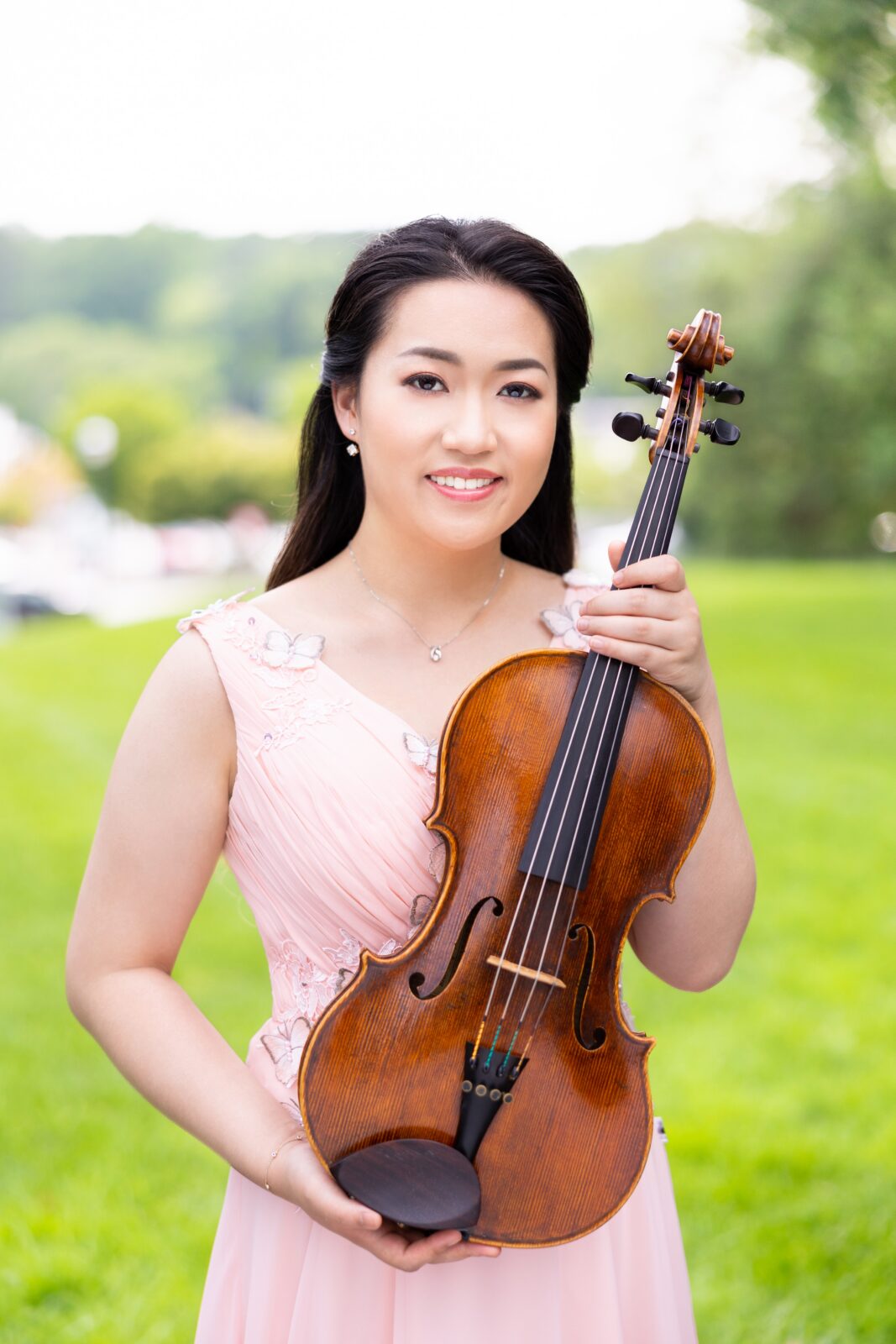
Meet Joy Hsieh: ACMP intern and event planner par excellence!
ACMP is happy to announce its newest team member, violist Joy Hsieh, who is working with us on event planning for the fall semester through the Eastman School of Music's Institute for Music Leadership Catherine Filene Shouse Arts Leadership Certificate of Achievement (ALP) program. Joy is a doctoral candidate in viola performance at Eastman, studying with Phillip Ying from the Ying Quartet. Get to know Joy - and come meet her in-person in Rochester on October 25 and Boston on December 6!Read More ↗
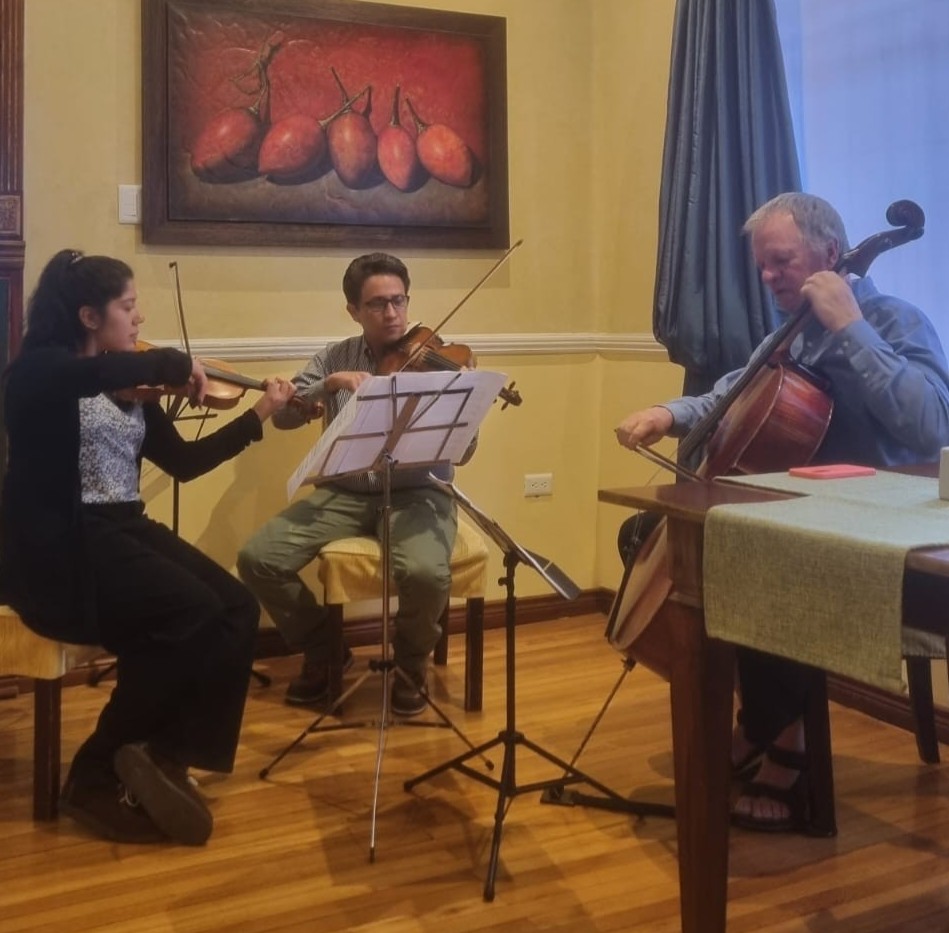
Filipino folk music, by way of Ecuador
What do classical music and fine dining have in common? They are both about sensory delight; they come in many flavors and textures; and they are natural complements for an ACMP event. Tom Cappaert has organized a series of such programs, at a pizza joint in Riobamba, coffee houses in Spain and Ecuador, and most recently with a string trio performance on the theme of Let’s eat Filipino!Read More ↗
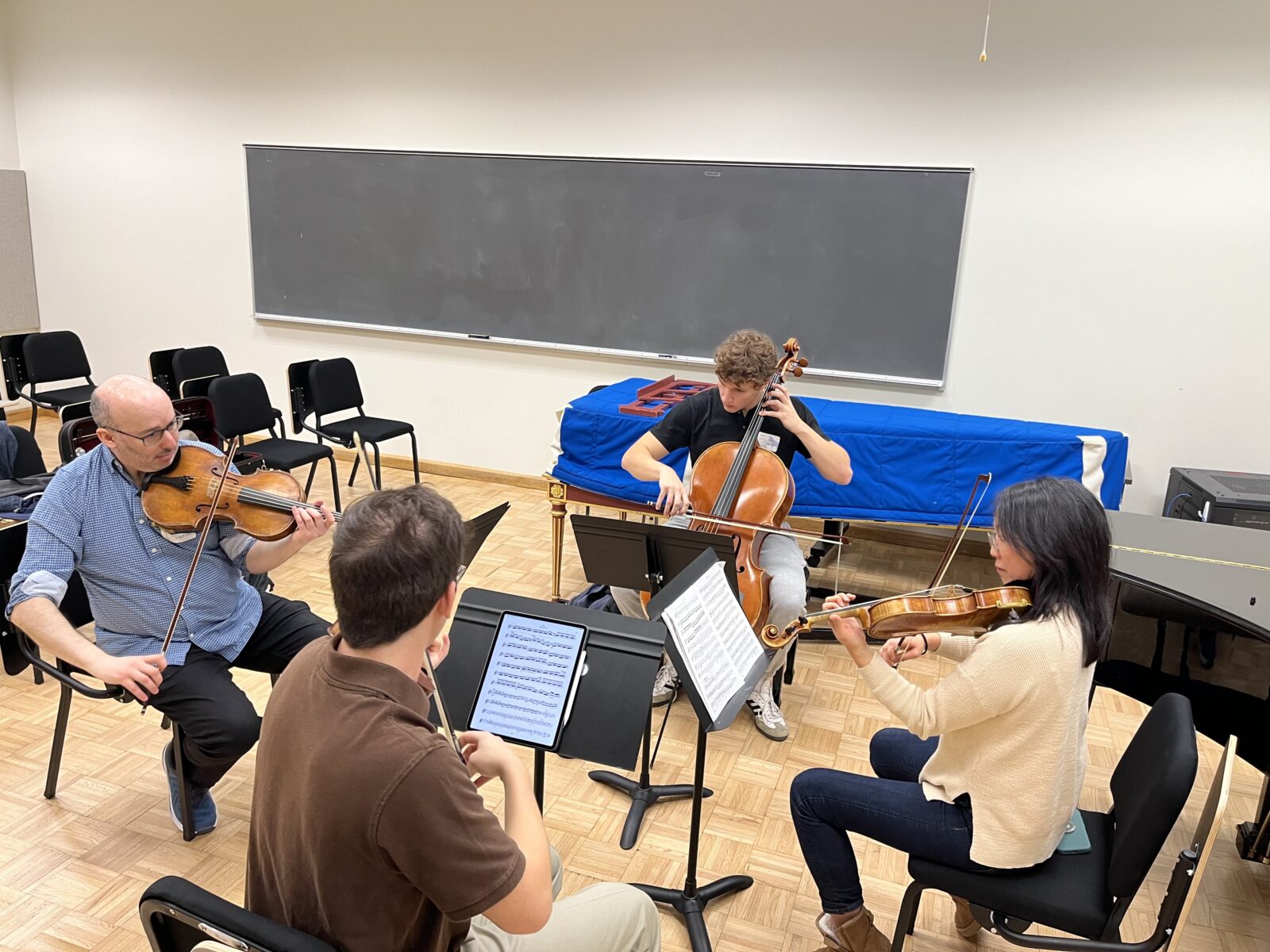
ACMP x ECMS Play-In Rochester, NY
ACMP is partnering with the Eastman Community Music School (ECMS) on a fun and festive chamber music Play-In on Sunday, October 25 in Rochester, New York. All instruments and playing levels are welcome!Read More ↗
Member of the Month, October 2026: Loryn Gorsett
There is little that Loryn Gorsett hasn’t done as a violist and violinist in the Denver area. She has played in orchestras, both professional and amateur. She built a studio of students. She has played more weddings than she can count. She has been a strolling violinist in an Italian restaurant. But through it all, chamber music has been her true musical passion.Read More ↗
Chamber Music Lifestyles: Vancouver
Vancouver, Canada has a vibrant adult amateur chamber music scene, thanks to ACMP's local NAOC councilor Christina Wolf. If you've never traveled to Vancouver, add it to your list. Where else could you play chamber music with so many great players (and fun people) while looking at the mountains, and eating and drinking a wide variety of local delights?Read More ↗
Member of the Month, September 2026: Marshall Costantino
Marshall Costantino learned to play the violin from his Italian grandfather as a young child. After a 42-year hiatus from playing, he is enjoying a new life in chamber music with his neighbor and new friends he met through the ACMP directory.Read More ↗
Celebrate Beethoven: MSQ’s Vienna Workshop, January 2027
Travel to Vienna and immerse yourself in Beethoven's world and in his String Quartet Op. 127, under the expert guidance of the Manhattan String Quartet. Register by Monday, September 14 for this unique cultural expedition!Read More ↗
Music and Life at Apple Hill
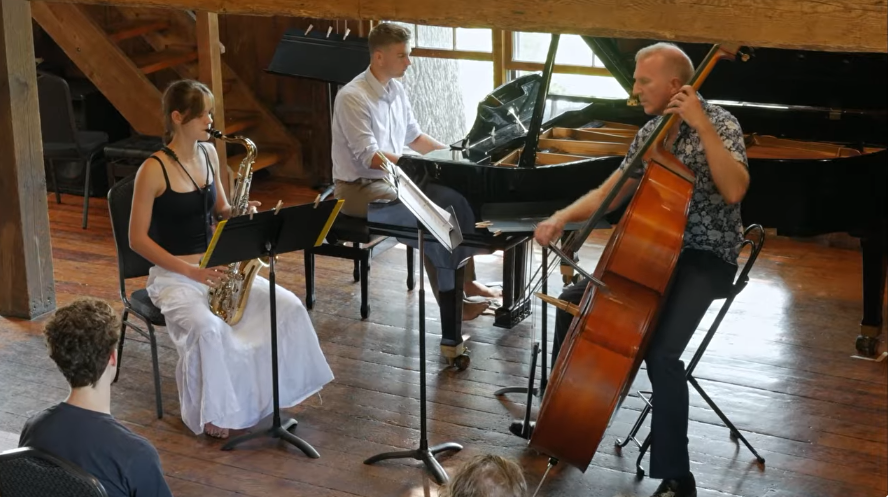
Vermont-based bassist Art DeQuasie was one of the inaugural recipients of an ACMP Scholarship this summer. Read about his experience at the Apple Hill Center for Chamber Music in August 2026.Read More ↗
Explore New Worlds of Chamber Repertoire
Music educators have been working to find music by underrepresented composers that is accessible to students and amateur players of all levels. This includes music by composers of color, women composers, and LGBTQ groups, among others. Considering the changing demographics of our country, amateur chamber music players can reap the rewards of discovering new repertoire through this research.Read More ↗
Meet ACMP’s Development Consultant, Amie Roosevelt
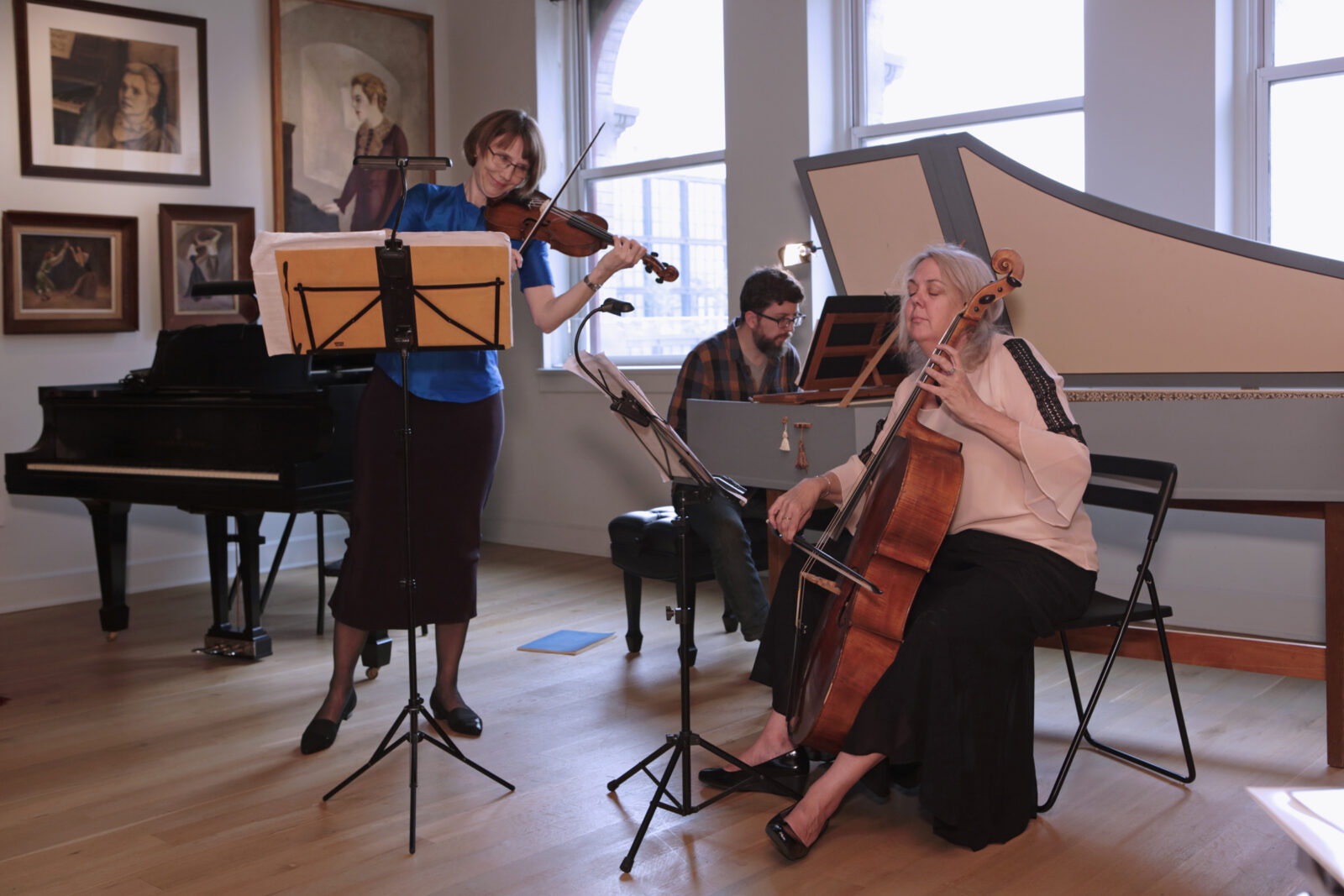
Amie Roosevelt joined ACMP's staff as our first-ever Development Consultant in January 2026. She has enjoyed a long and varied career as a violinist, with a primary focus on historically informed performance. I hope you all will meet and even get to play with Amie. But until you do, you can get to know her and her fascinating story by reading this interview from August 12, 2026.Read More ↗
Make Chamber Music Part of Your Fall at 92NY
For many musicians, chamber music is as much about connection as it is about repertoire—the shared experience of listening, collaborating, and discovering new musical perspectives together. At the 92NY School of Music, two chamber music programs offer welcoming entry points into that experience this fall: Chamber Music Reading and Chamber Music Coaching & Performance. Whether you’re picking up your instrument again, looking to meet fellow players, or hoping to deepen your ensemble work, both programs are designed to bring musicians together in a supportive and engaging environment.Read More ↗
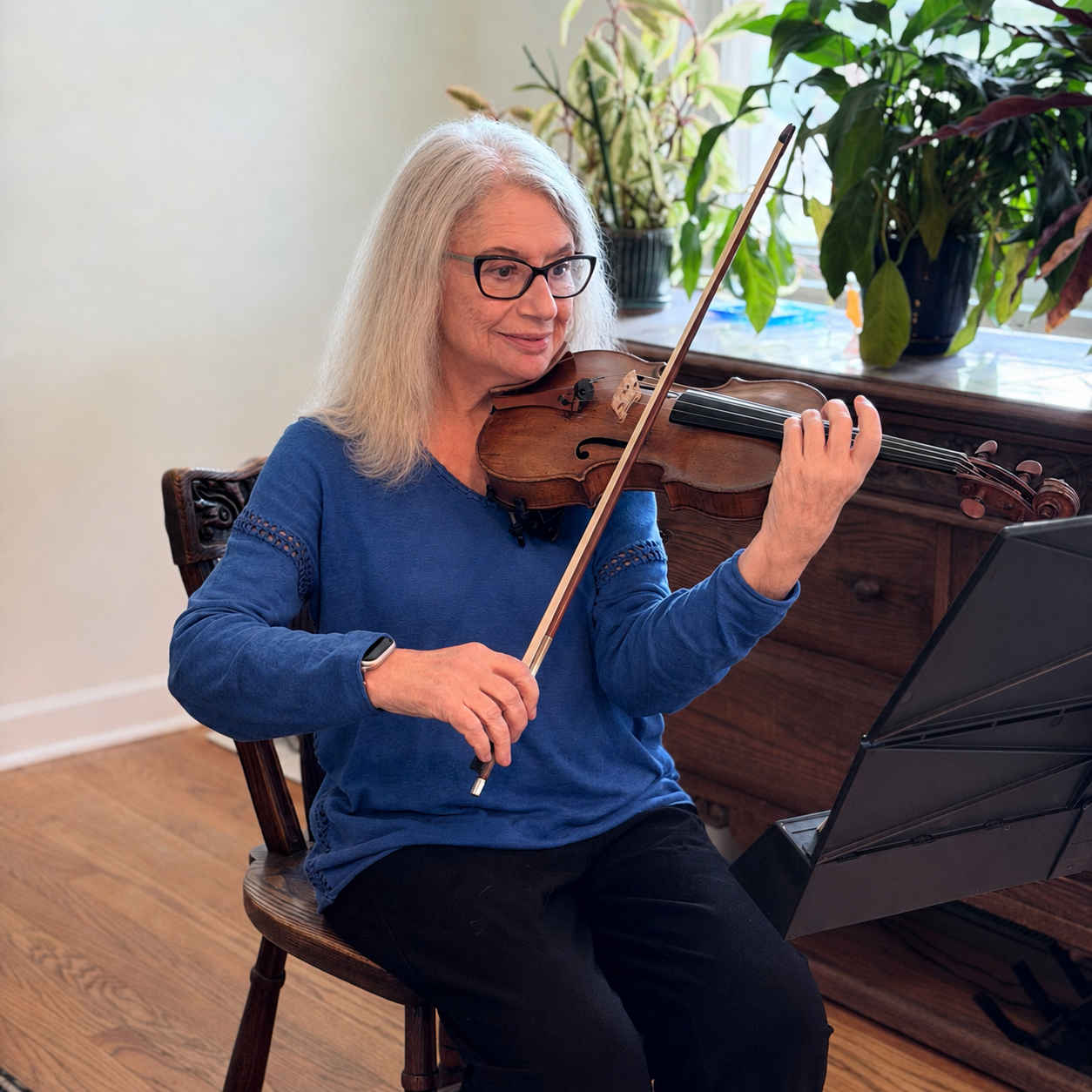
Member of the Month, August 2026: Alison Edwards
There aren’t too many people who come to a professional crossroads before they turn 13. But Alison Edwards faced such a moment. She had taken up the violin at age seven with none other than Dorothy DeLay as her teacher. But indeed, Alison had another calling. Inspired by social justice movements of the 1960s, she became a civil rights lawyer, eventually serving in the appellate division of the Cook County Public Defender’s office. After 25 years working and raising a family, she picked up her violin again and launched on a lifelong chamber music adventure.Read More ↗
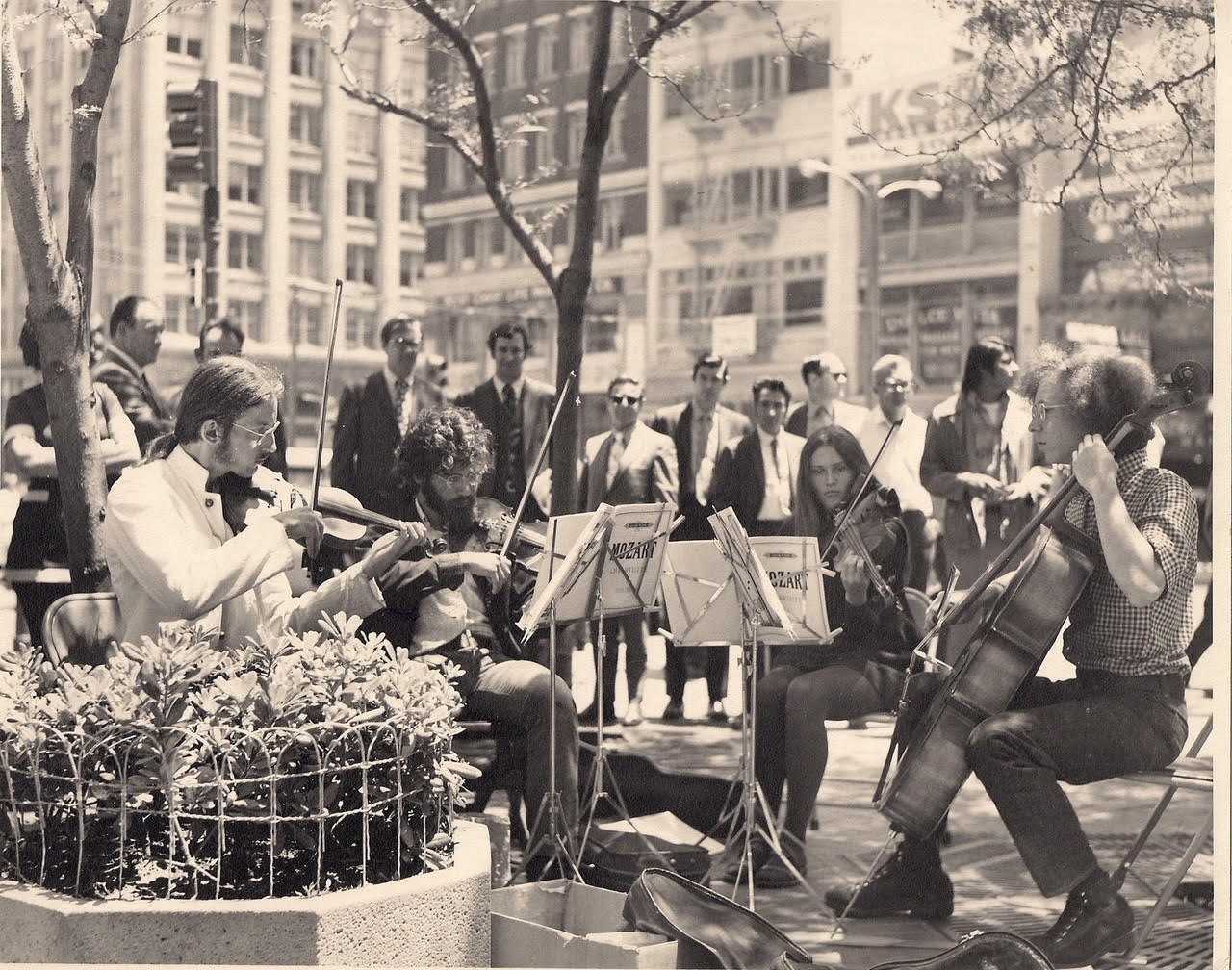
After 56 Years, the Bond of Chamber Music Endures
Cellist David Pearl and violinist/violist Gary Chanan played quartets together in the streets of San Francisco in the early 1970s. 56 years later they are playing together again in New York City...they reconnected through ACMP!Read More ↗
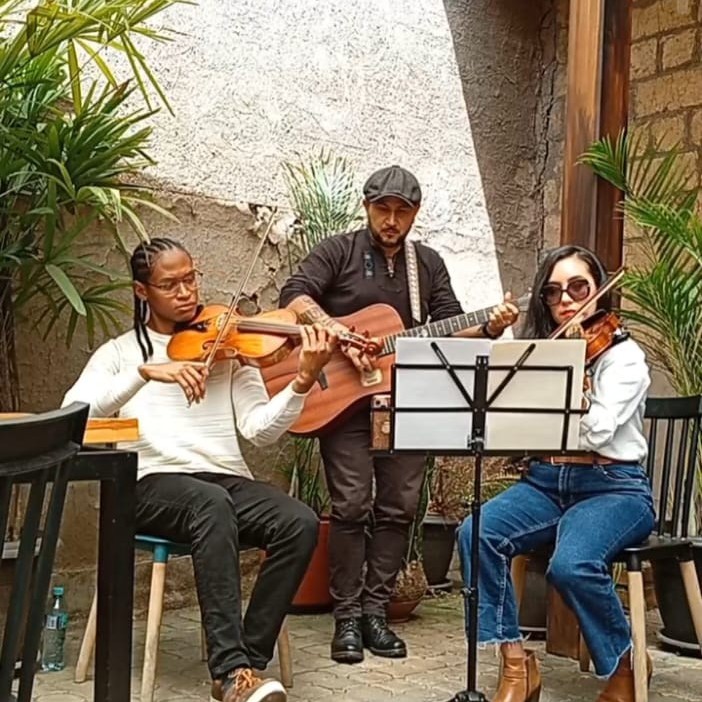
Coffee Shop Performances, Coffee-infused Repertoire
ACMP's intrepid cellist Tom Cappaert is at it again - this time with a story about ACMP members in Ecuador and Spain who organized chamber music in coffee shops, inspired by Tom's endeavors.Read More ↗
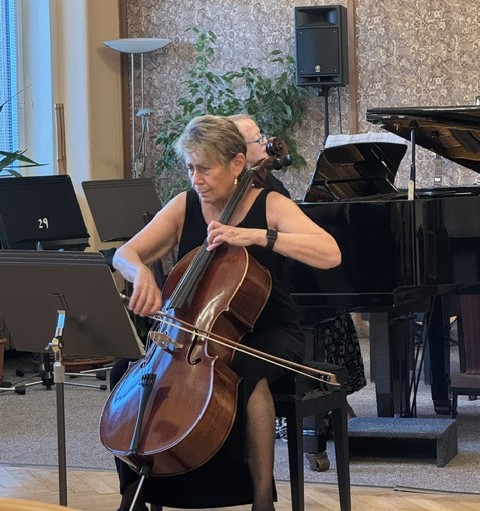
Member of the Month, July 2026: Sara Langbert
A self-proclaimed “total New Yorker”, cellist Sara Langbert graduated from Music and Art and continued her musical education at Queens College in her native New York borough. But like many ACMP members, she would put her cello aside as she managed the demands of raising a family and pursuing a career in computers and technology. Now she's playing again and is an enthusiastic member of ACMP.Read More ↗
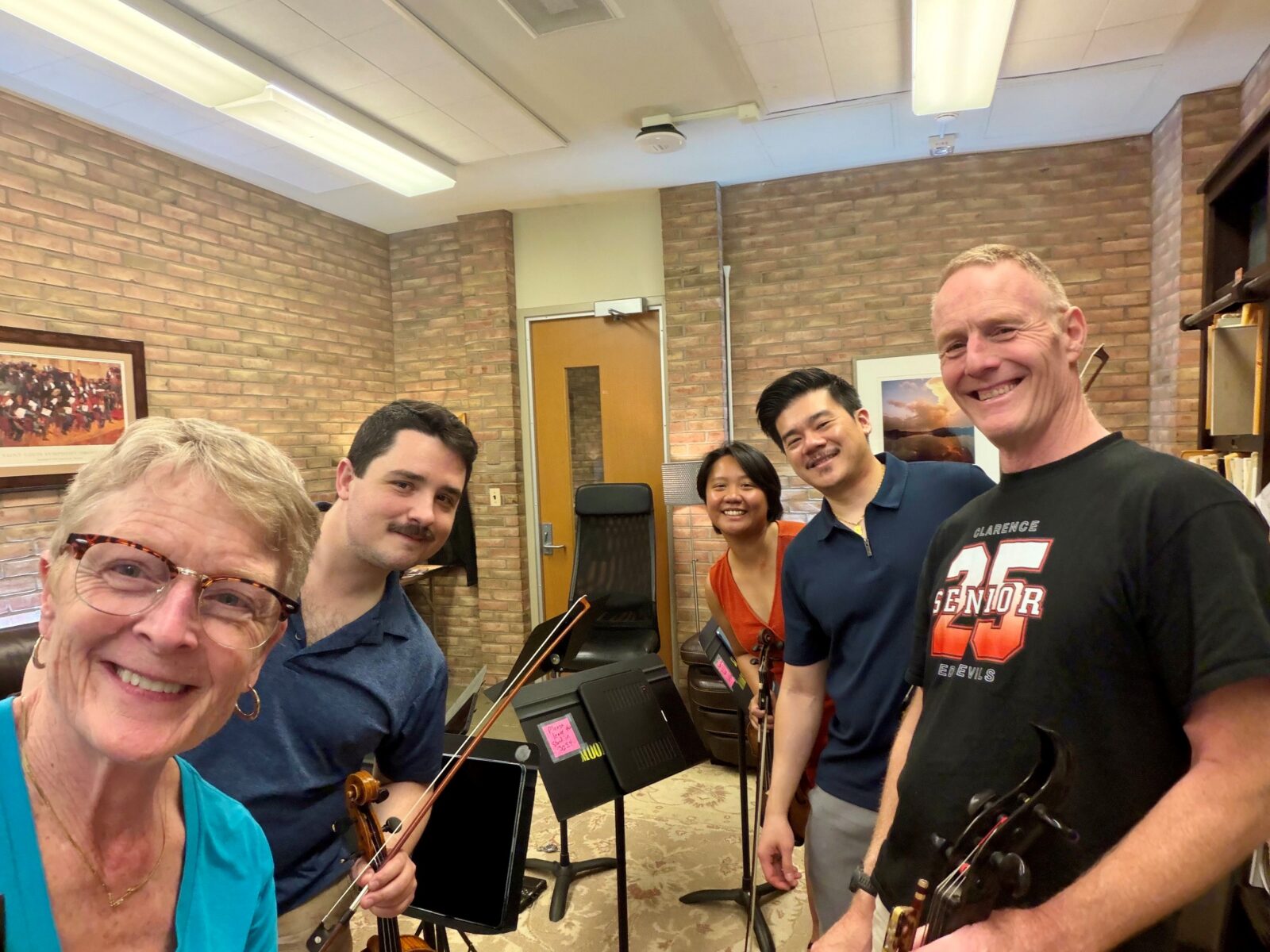
Around the World with ACMP’s Grants (Home Coaching and Play-in)
Over the last few weeks we have been asking members, participants, and organizers to tell us how our rolling grants have been useful to them and their communities. So let’s take a trip around the world and see what folks have to say about our Home Coaching and Play in grants.Read More ↗
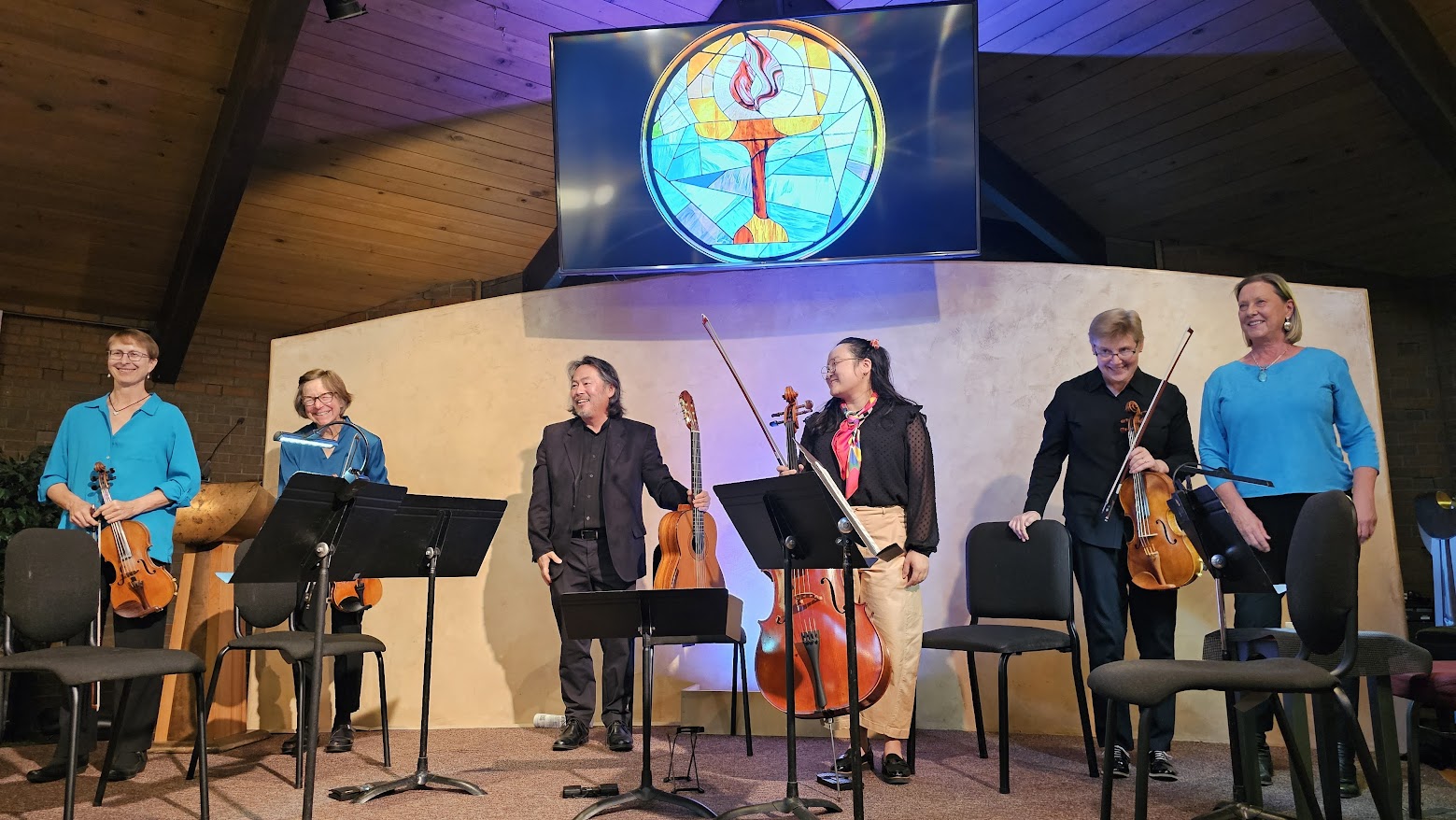
Around the World with ACMP’s Grants (Just Play and Impresario)
This summer, we’re hearing from ACMP members, participants, and organizers about how Just Play and Impresario grants have supported chamber music in New York, Italy, Canada, Colorado, and beyond.Read More ↗
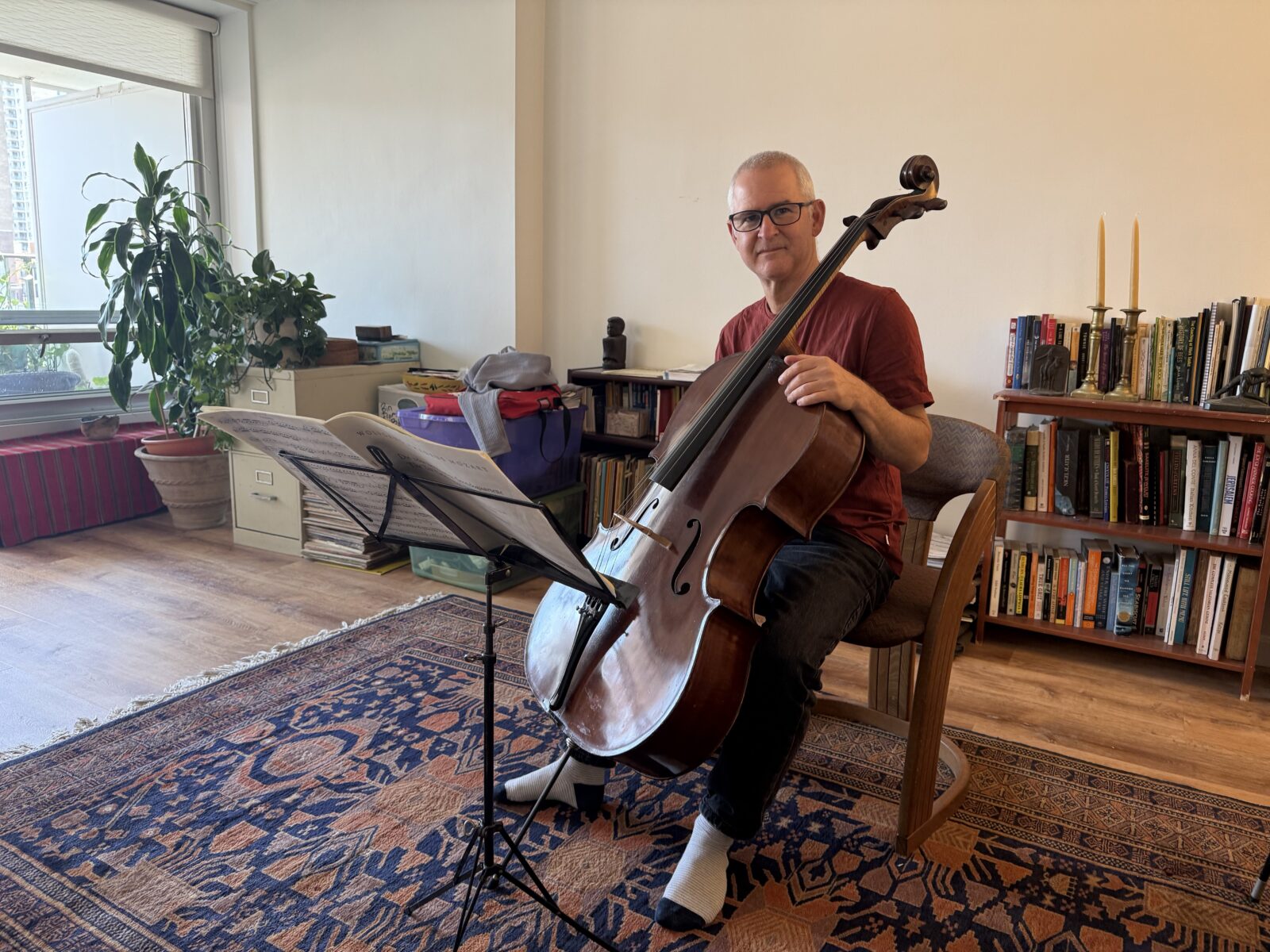
ACMP Member of the Month, June 2026: Yoav Segev, the flying cellist returns
It’s probably easy to spot Yoav Segev at the airport. He’s the guy in the pilot’s uniform with the cello on his back. Yoav, you see, is the Flying Cellist, a globe-trotting pilot for El Al Israel Airlines who plays chamber music during his layovers in far-off destinations. Read Bob Goetz's interview with Yoav.Read More ↗
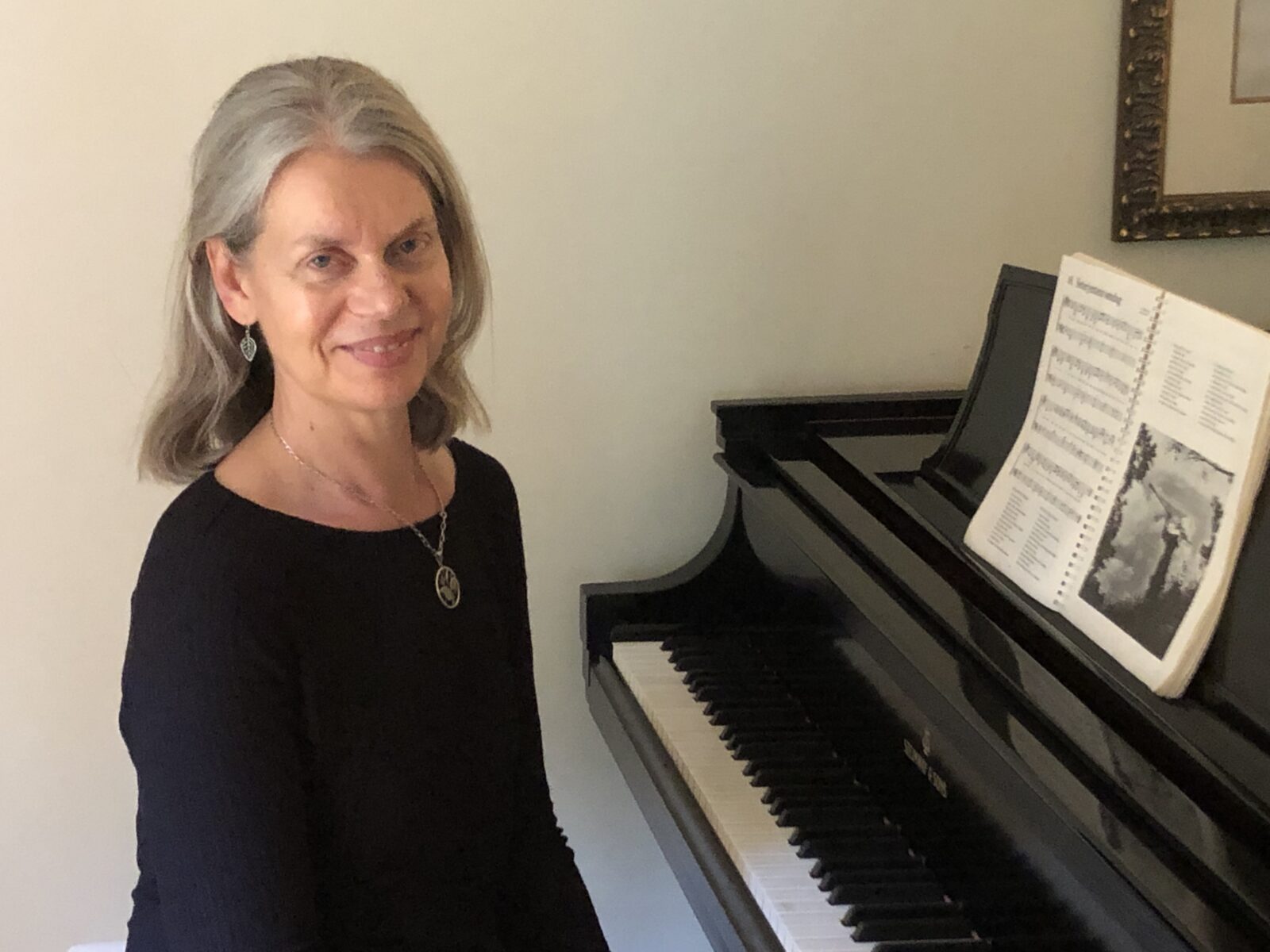
International Spotlight: Kristin Saltonstall in Panama
Kristin Saltonstall comes from a longstanding ACMP family and has been a member of ACMP for as long as she can remember. As a molecular ecologist, she works for the Smithsonian Tropical Research Institute in Panama, where she has forged a new musical life for herself and enjoys the natural beauty that Panama has to offer.Read More ↗
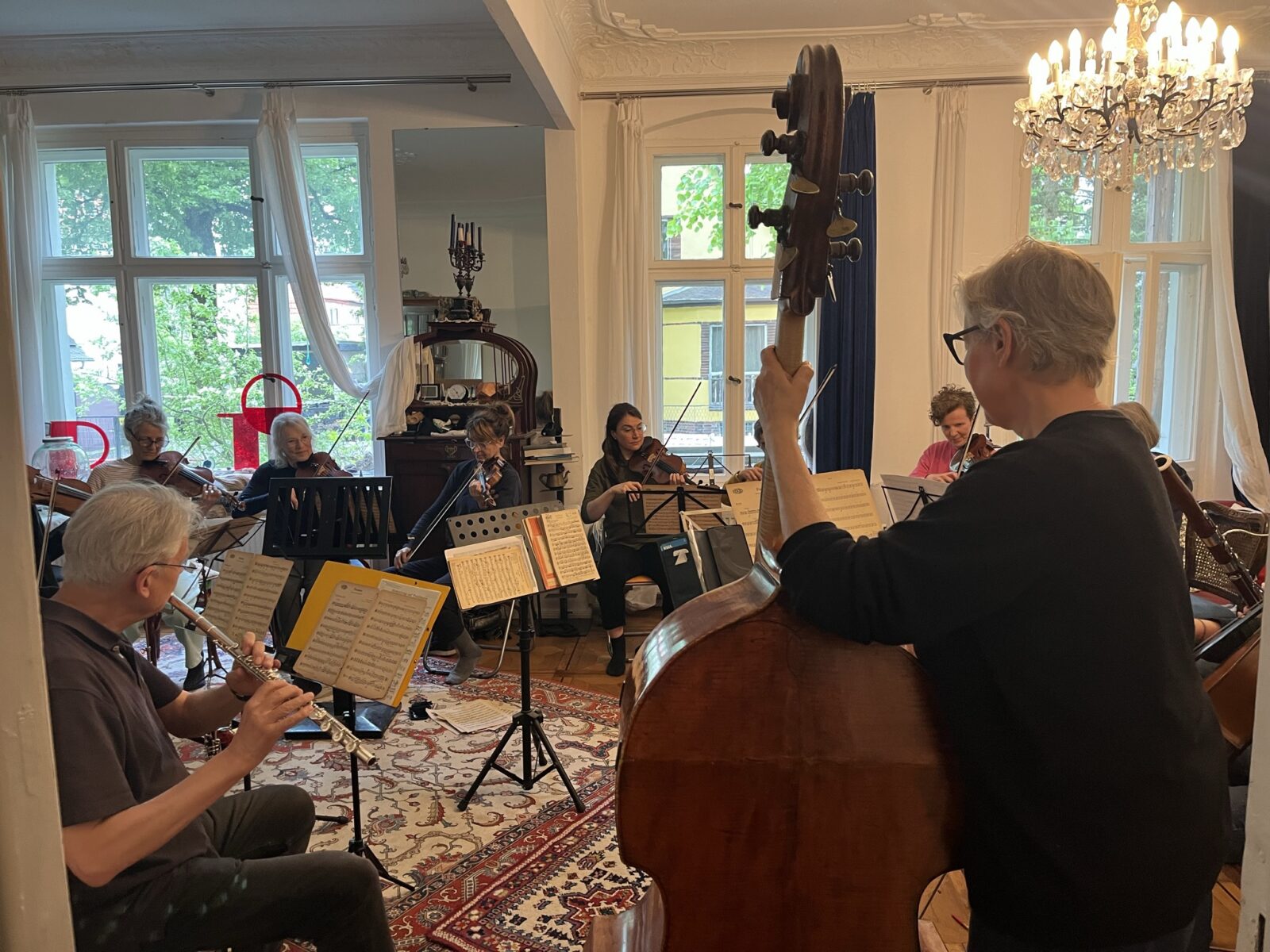
Springtime Extravaganza Light Music Orchestra on May 9, 2026, in Berlin-Karlshorst
Fifteen musicians followed Gudrun Schnellbacher's invitation to a very special kind of play-in – to play in the Springtime Extravaganza Light Music Orchestra. Read the article in English or in German.Read More ↗
Load More
All Articles By