Meet ACMP’s Development Consultant, Amie Roosevelt
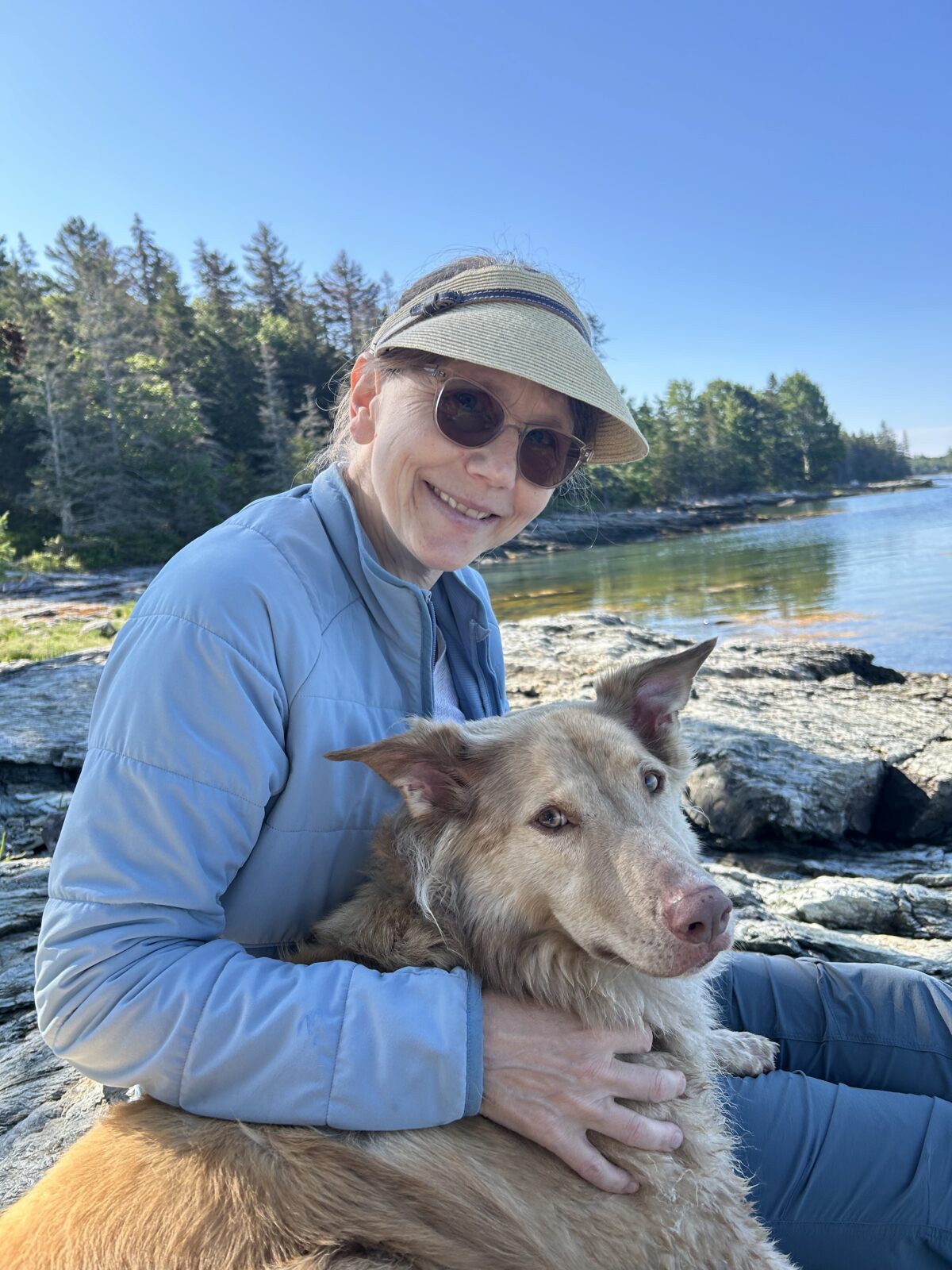
Amie Roosevelt joined ACMP’s staff as our first-ever Development Consultant in January 2026. She has enjoyed a long and varied career as a violinist, with a primary focus on historically informed performance. I met her over a decade ago, when she and I played with the now-defunct West Side Chamber Orchestra in New York City. We reconnected by happenstance in November 2025 at a co-produced concert by the new music group Ensemble Ipse and Repast Baroque, which she had founded and directed for many years. When I found out that she had made a career transition to being a Development Consultant, and that she still actively played chamber music for her own enjoyment, I knew immediately who to hire for ACMP!
I hope you all will meet and even get to play with Amie. But until you do, you can get to know her and her fascinating story by reading this interview from August 12, 2026.
What were some of the formative moments in your journey to becoming a professional musician?
I started violin at age six, and by the time I was ten, I started attending the Manhattan School of Music Prep division. I went there on Saturdays from then until I graduated from high school, and I really found “my people” there. I loved being surrounded by other kids who loved music, and always loved playing chamber music and in chamber orchestra. Singing in the chorus was also really fun, and I think the theory and ear training helped my development as a musician.
That said, by my last couple of years there, I was participating in groups and going to summer festivals that included conservatory-age kids, and I did some semi-professional touring with my chamber orchestra. These experiences clarified for me that I did not want to do an undergraduate conservatory program (so many students had tendonitis, stress from the intense competition, etc), so I decided to do a liberal arts undergraduate degree instead.
Throughout college, I played a lot and took lessons, but was trying to avoid taking the path of becoming a professional musician because I had a pretty realistic sense of how hard that life was. But ultimately I really wanted to continue playing and improving, and I realized I needed to do it full time to make that happen. So I enrolled in a Masters performance program and then did a DMA (Doctorate of Musical Arts) in violin performance.
How did you develop a passion for historic performance?
When I was in college I studied for a semester in Freiburg, Germany. There were lots of really good music students there, and a group of them started the Freiburg Baroque Orchestra. It was a thrillingly innovative and exuberant group. When I visited friends there after college, I took a couple of lessons on baroque style with some of the players and kind of got the bug to try playing on a period instrument. I also always loved playing in smaller chamber ensembles rather than symphony orchestras, and baroque ensembles are almost always pretty intimate, so the combination of loving the music from that period and having it be a good fit professionally made me want to dive into that world.
What were some of the highlights of your performance career?
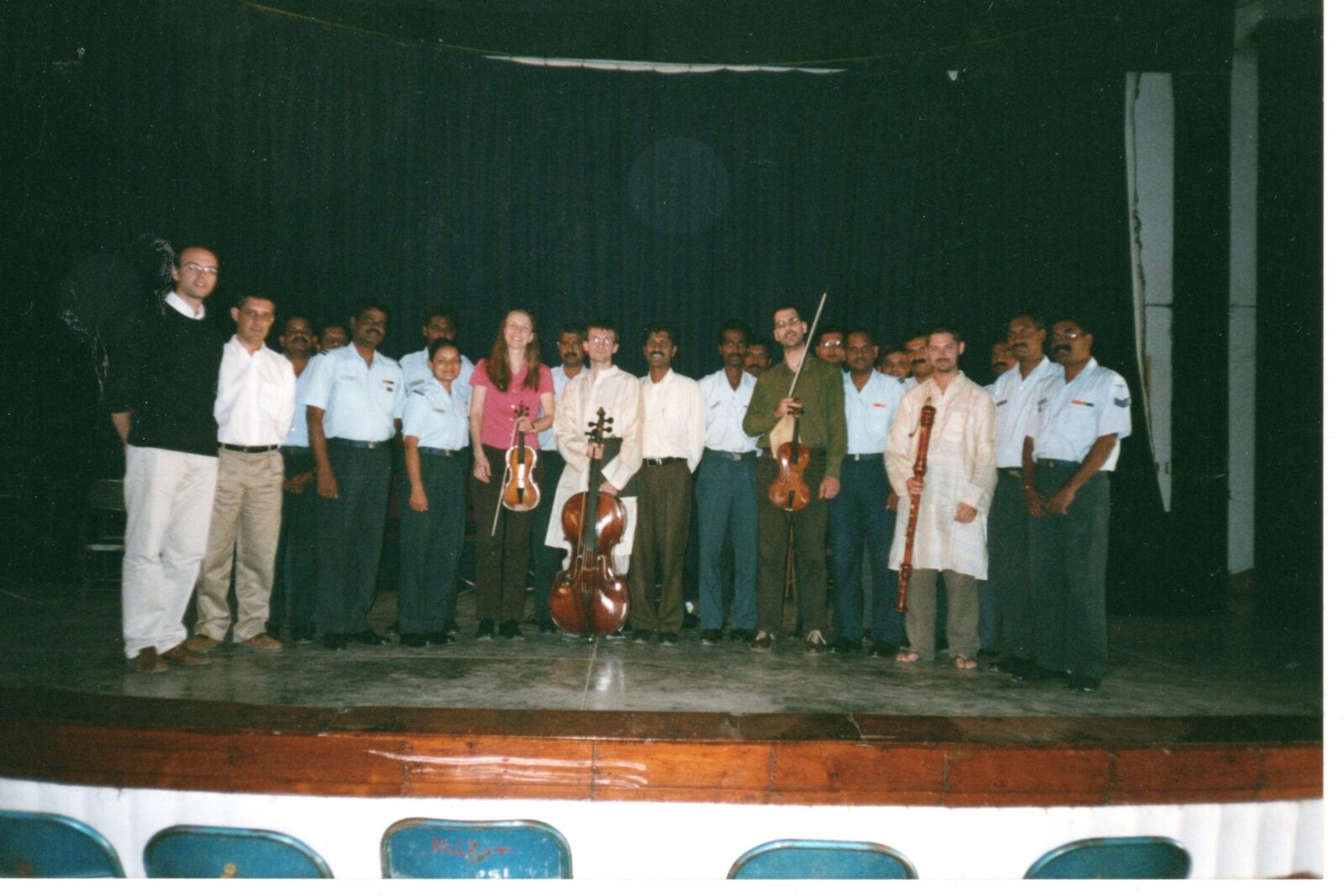
My time living and working as a musician in Europe, first based in Amsterdam and then in Cologne, was a true joy. I played with a lot of period instrument groups and was an active touring musician, so I got to travel throughout Europe and to some more far-flung places like Turkey, Scandinavia, India, Sri Lanka, and Mexico.
My all-time favorite performance experience, though, was not glamorous and didn’t involve storied venues. I was doing a project with a harpsichordist to learn all six of the Bach sonatas for violin and obligato harpsichord. We performed three of the sonatas in a tiny church outside of Freiburg for a small, local audience. A woman came up to me afterwards and started talking passionately in her dialect, which I could barely understand, but I got the gist of it that she was really moved by our performance and by the music. I responded in high German that I was so happy that she came up to talk to me, and at that point she realized that I didn’t actually speak her dialect. But it was such a clear sign that music inspires a sort of visceral feeling of connection, and she felt that we were close to her because of the music we made. I think that’s the ultimate goal we musicians have, so it was a deeply memorable moment.
How did you first become interested in professional fundraising?
When I moved back to New York after living in Europe, I wanted to continue playing chamber music at a high level. Repast Baroque Ensemble evolved from a few colleagues that really gelled as a group, and a couple of years later I founded a nonprofit organization to support our concert series.
Music performing groups are a hopelessly unprofitable enterprise, so I quickly learned that we would need to do serious fundraising to be able to be paid for our work. I started learning how to write grants, communicate with audience members, and put on fundraising shindigs in order to make it a viable project. Having a board of directors also provided a really good framework to keep a balance between the administrative, fundraising, and artistic aspects of the group. I think getting into the weeds of the annual budget was actually very helpful to my leadership skills, and it helped the group as a whole understand what’s practically necessary to allow the artistic creativity to flourish.
I don’t think of fundraising as being “icky” or dreaded: it’s really the process that lets people decide how they are going to help something exist that is not fiscally profitable, but so richly valuable in other ways.
What prompted your decision to change careers from a full-time performing early music violinist to a development professional?
Before Covid, I was feeling a little disenchanted by the freelance work that we have to do to support our labor-of-love chamber music projects. I was also increasingly concerned about global warming, and thought I might want to devote more time to working to help slow climate change. Then Covid hit, and with all concerts cancelled until further notice, it felt like the moment to re-assess my career and possibly make a change. I realized I could transfer my fundraising skills to an environmental organization, and I took time to set up Repast to continue to thrive with new leadership (which I’m happy to report that it is doing with flying colors!).
I worked for a local climate action organization for 2 ½ years, and gained a lot of confidence wearing my development professional hat. When there was a leadership change at that organization and I decided to move on, I was thrilled to be able to combine my fundraising skills with my love of chamber music at ACMP.
Since changing course in your career, have you managed to keep music-making as an essential part of your life?
I needed to take a break from violin playing for a couple of years, but now I’m playing again, with so much pleasure and lack of stress. I forgive myself for not being completely in shape and not practicing enough to really master the part.
What are some of your favorite musical activities these days?
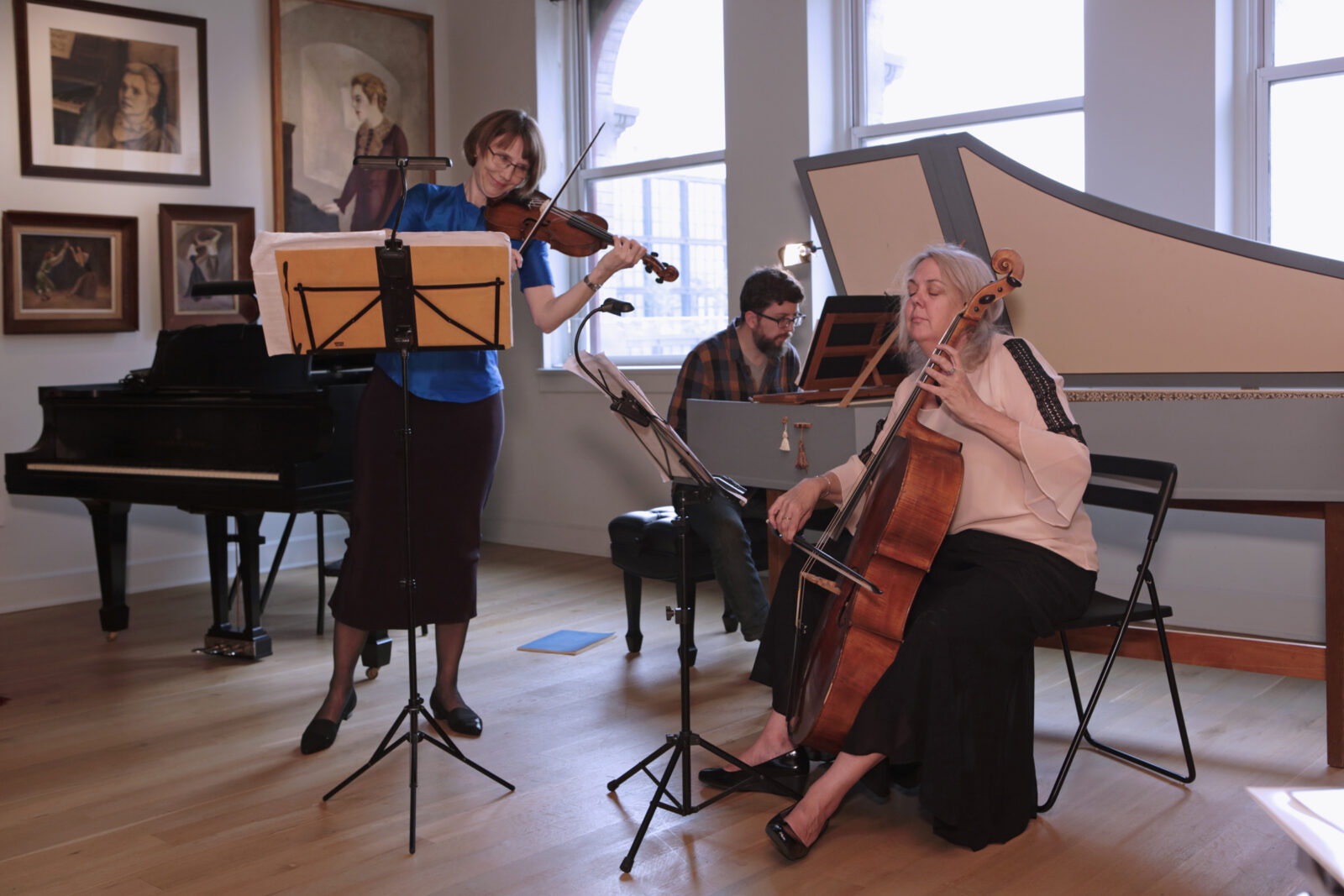
I play with two friends from college plus a pianist who comes down to NYC from Massachusetts. (Coincidentally, one of them was already a member of ACMP!) We prepare music, work on usually just a couple of movements in a reading session, and then have a wonderful meal together (the cellist is a fabulous cook, and all of us are foodies). It’s about as good as it gets.
Beyond making music and working for ACMP, what are some of your favorite pastimes?
I love cooking, and I like finding new recipes and having friends over for dinner. I also take ballet lessons as an adult beginner. I am terrible (I didn’t have dance lessons as a kid), but I love taking classes and trying to get better. I also have a shared dog (it takes a village….) and I walk her three days a week with friends, so I get outdoor time and experience the Prospect Park (Brooklyn) off-leash dog scene, which is really fun.
As someone who not only works for ACMP, but also joined as a player, what excites you most about ACMP’s mission?
I love the fact that ACMP helps people connect with something that provides such pure joy in such a fundamental way. Certainly in the US, and also in many parts of the world, people’s lives are filled with obligations, maybe questionable social values, stress, etc. ACMP helps us embrace this activity that is so positive and so non-harming. I think that’s pretty rare, and it also counters so many of our current problems like loneliness, tech-overload, and divisiveness. I’ve fully embraced becoming an amateur player, and I’m glad to be part of an organization helping others find meaningful connection through a cultural practice that I believe should absolutely be continued.
More Articles
Meet Joy Hsieh: ACMP intern and event planner par excellence!
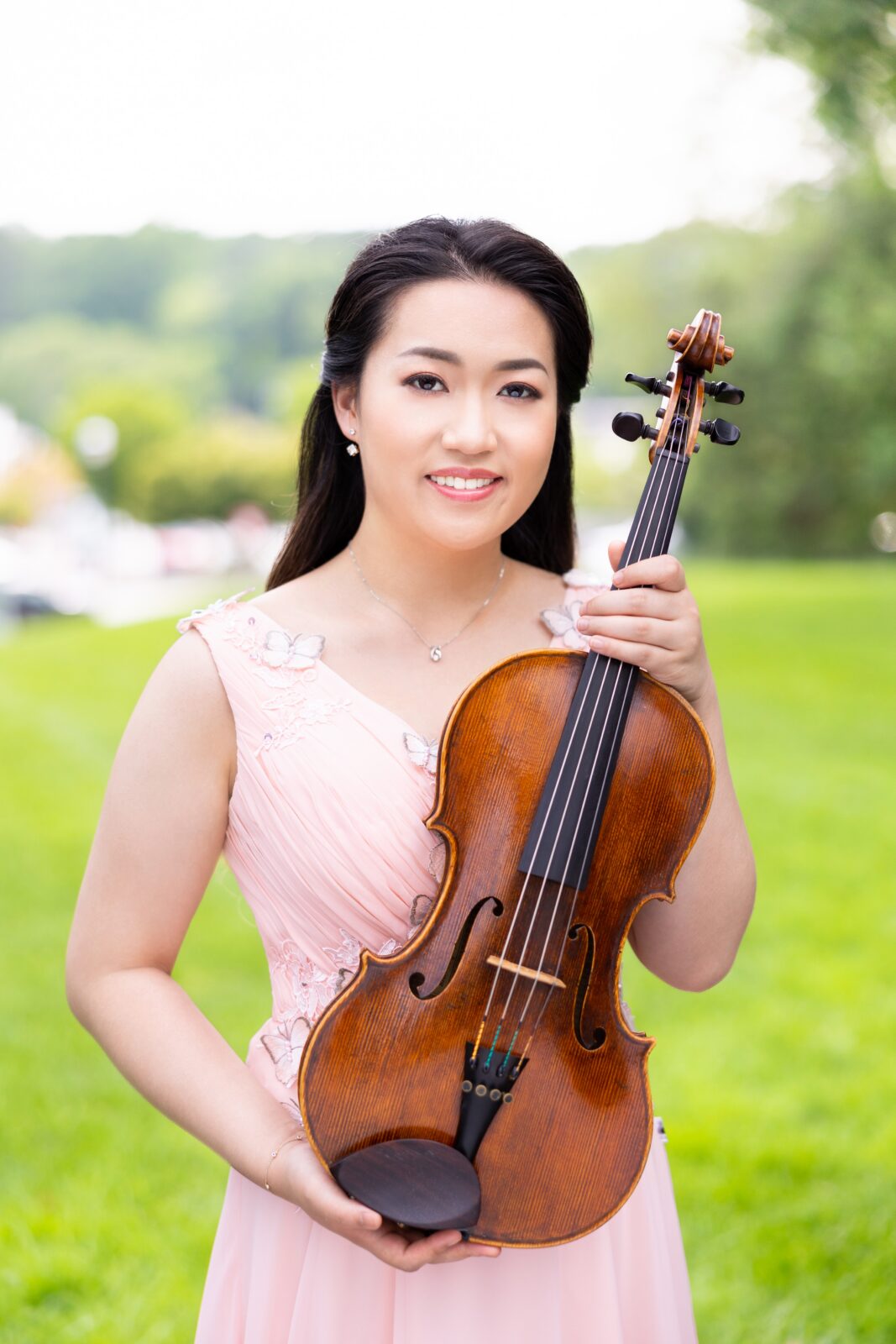
ACMP is happy to announce its newest team member, violist Joy Hsieh, who is working with us on event planning for the fall semester through the Eastman School of Music's Institute for Music Leadership Catherine Filene Shouse Arts Leadership Certificate of Achievement (ALP) program. Joy is a doctoral candidate in viola performance at Eastman, studying with Phillip Ying from the Ying Quartet. Get to know Joy - and come meet her in-person in Rochester on October 25 and Boston on December 6!Read More ↗
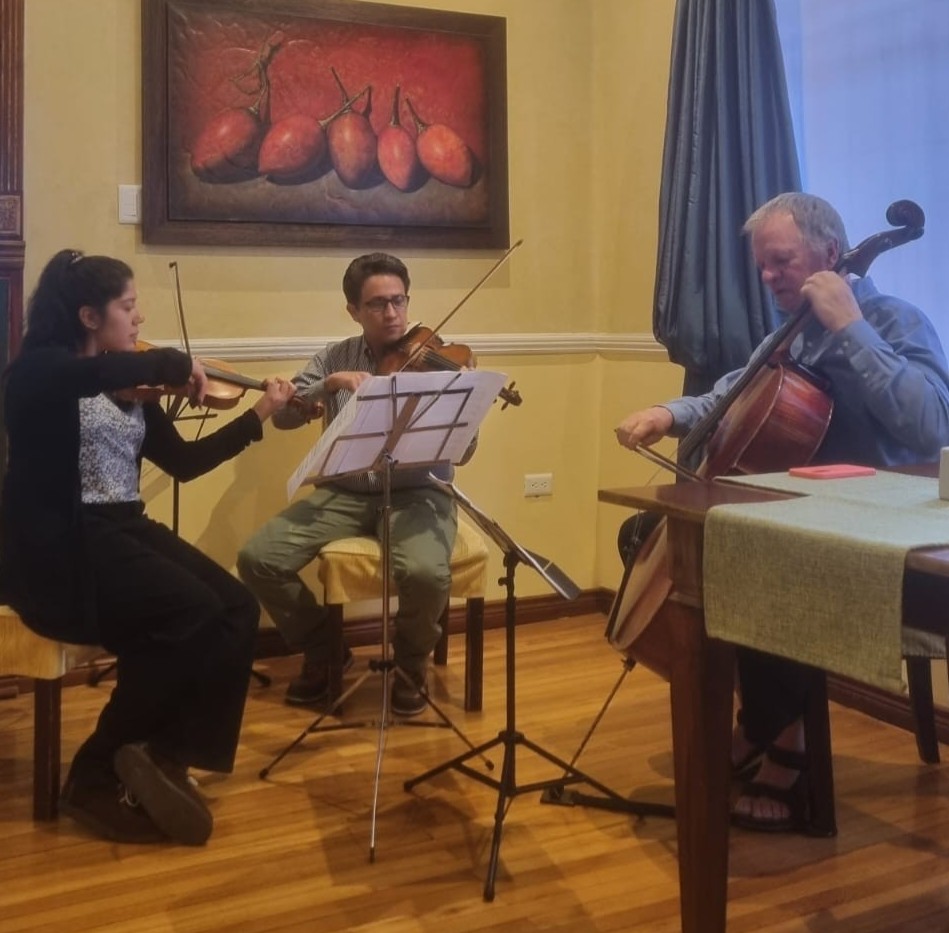
Filipino folk music, by way of Ecuador
What do classical music and fine dining have in common? They are both about sensory delight; they come in many flavors and textures; and they are natural complements for an ACMP event. Tom Cappaert has organized a series of such programs, at a pizza joint in Riobamba, coffee houses in Spain and Ecuador, and most recently with a string trio performance on the theme of Let’s eat Filipino!Read More ↗
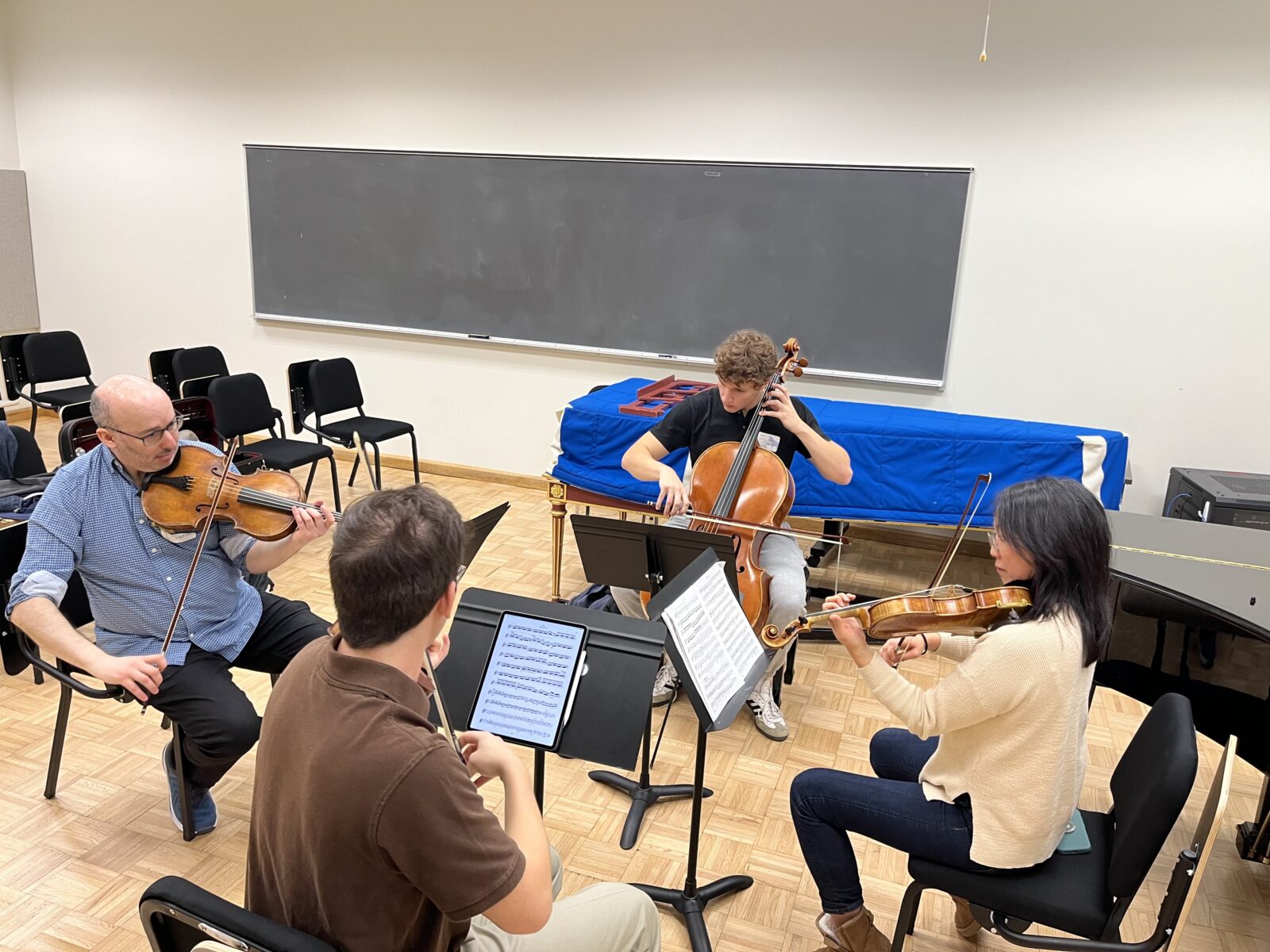
ACMP x ECMS Play-In Rochester, NY
ACMP is partnering with the Eastman Community Music School (ECMS) on a fun and festive chamber music Play-In on Sunday, October 25 in Rochester, New York. All instruments and playing levels are welcome!Read More ↗
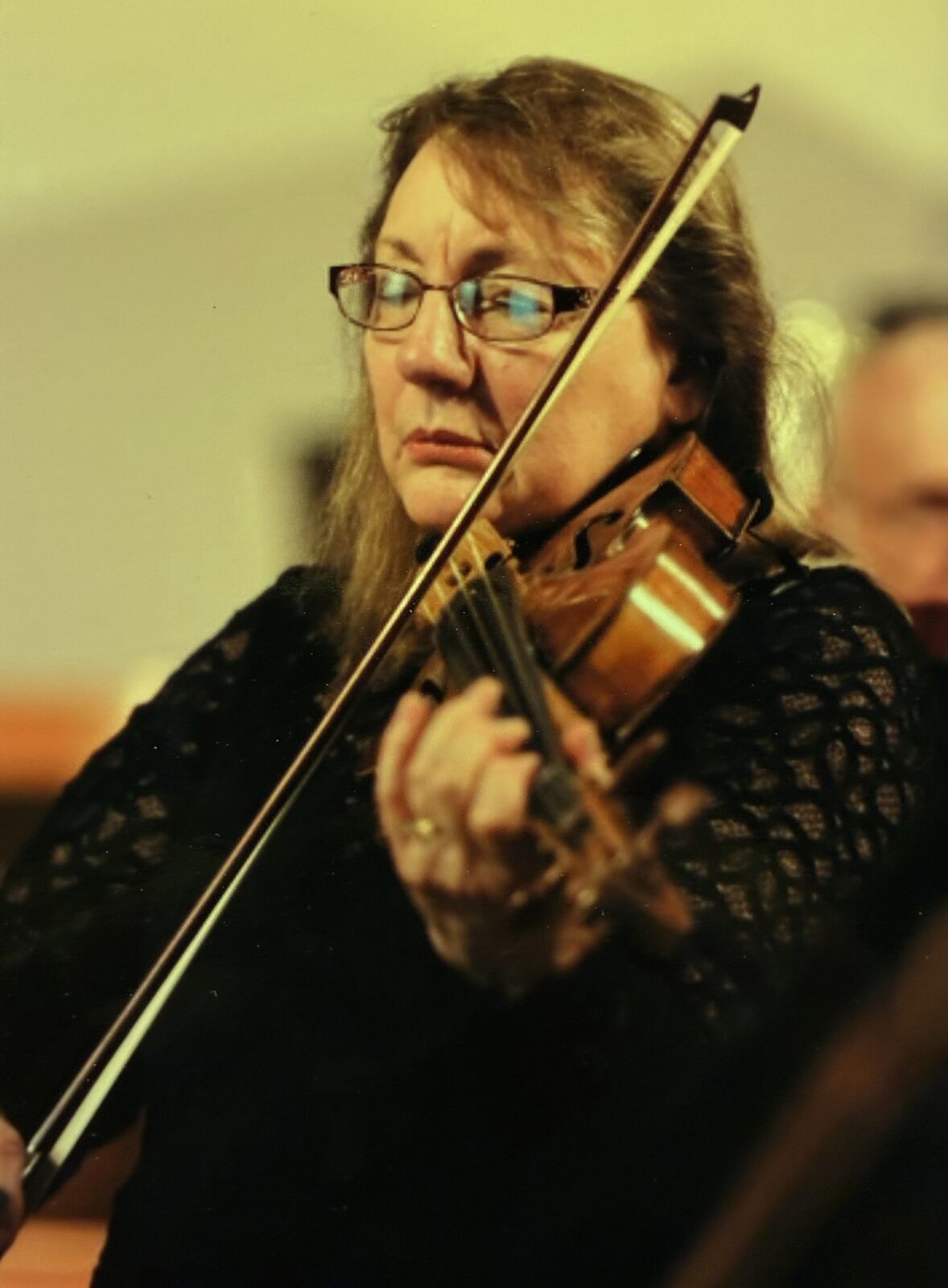
Member of the Month, October 2026: Loryn Gorsett
There is little that Loryn Gorsett hasn’t done as a violist and violinist in the Denver area. She has played in orchestras, both professional and amateur. She built a studio of students. She has played more weddings than she can count. She has been a strolling violinist in an Italian restaurant. But through it all, chamber music has been her true musical passion.Read More ↗
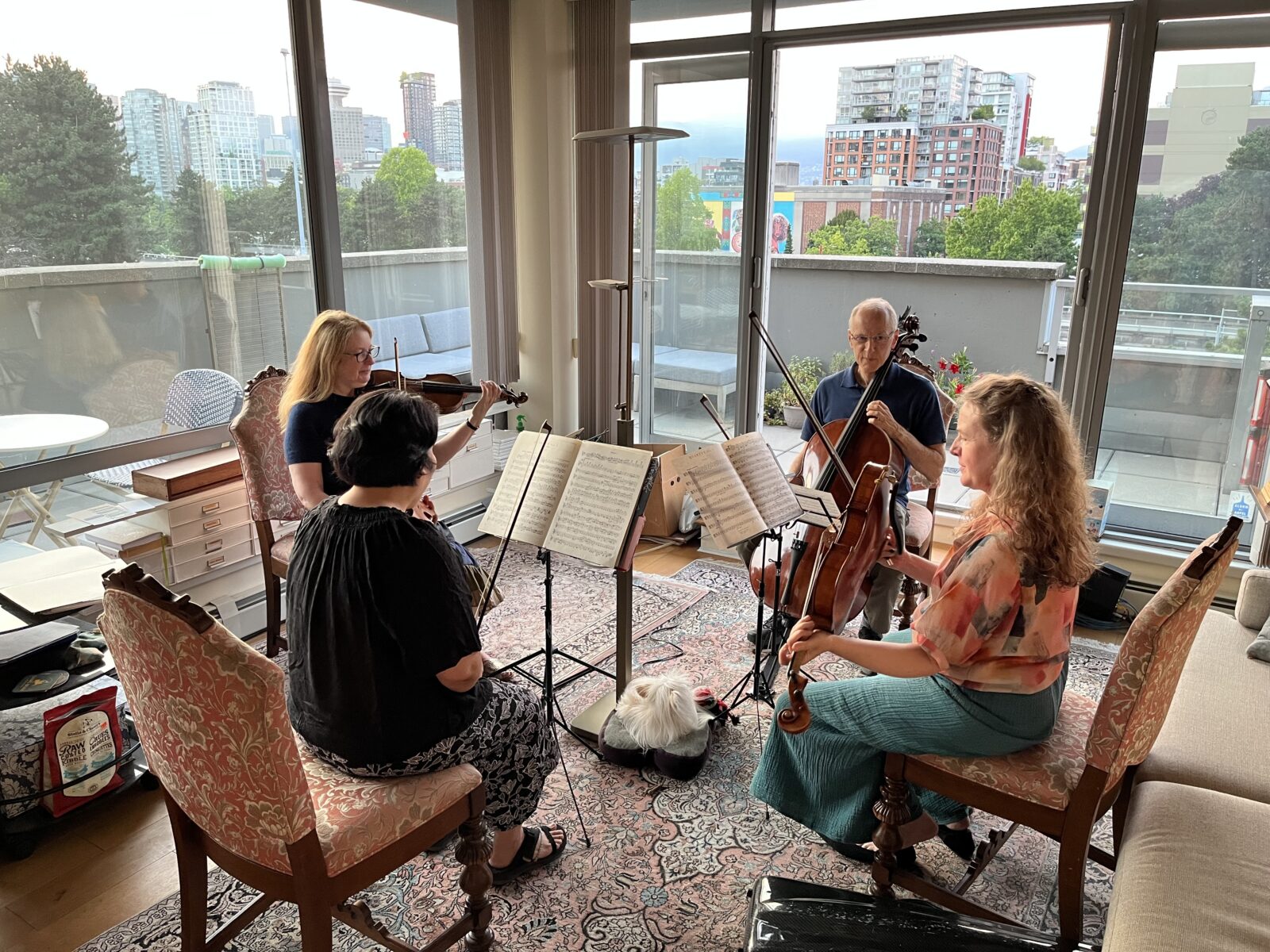
Chamber Music Lifestyles: Vancouver
Vancouver, Canada has a vibrant adult amateur chamber music scene, thanks to ACMP's local NAOC councilor Christina Wolf. If you've never traveled to Vancouver, add it to your list. Where else could you play chamber music with so many great players (and fun people) while looking at the mountains, and eating and drinking a wide variety of local delights?Read More ↗
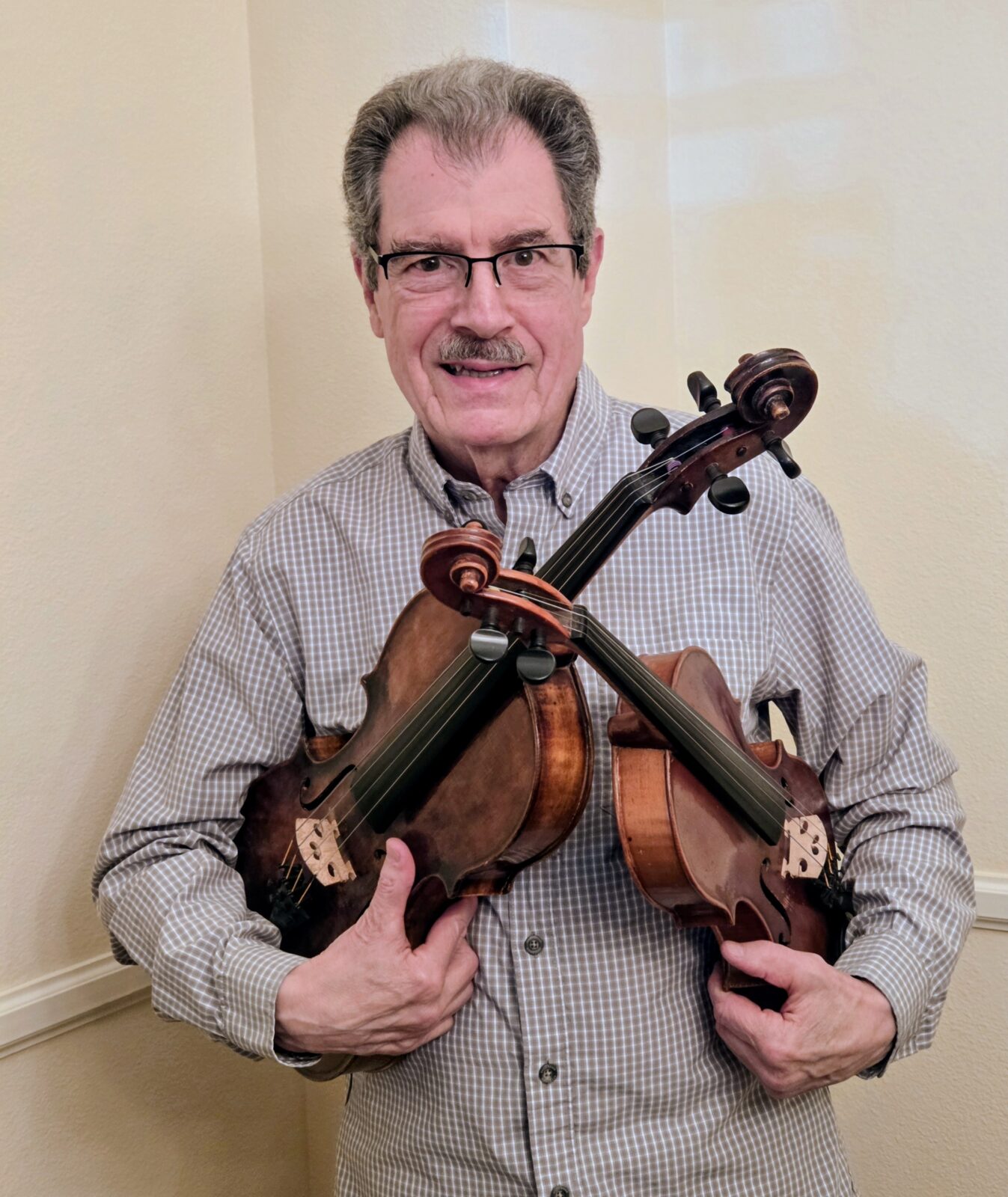
Member of the Month, September 2026: Marshall Costantino
Marshall Costantino learned to play the violin from his Italian grandfather as a young child. After a 42-year hiatus from playing, he is enjoying a new life in chamber music with his neighbor and new friends he met through the ACMP directory.Read More ↗
Celebrate Beethoven: MSQ’s Vienna Workshop, January 2027
Travel to Vienna and immerse yourself in Beethoven's world and in his String Quartet Op. 127, under the expert guidance of the Manhattan String Quartet. Register by Monday, September 14 for this unique cultural expedition!Read More ↗
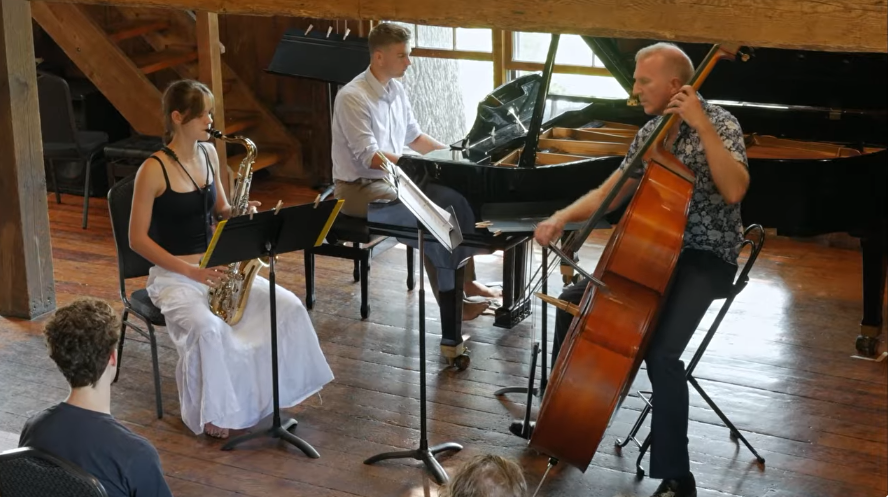
Music and Life at Apple Hill
Vermont-based bassist Art DeQuasie was one of the inaugural recipients of an ACMP Scholarship this summer. Read about his experience at the Apple Hill Center for Chamber Music in August 2026.Read More ↗
Explore New Worlds of Chamber Repertoire
Music educators have been working to find music by underrepresented composers that is accessible to students and amateur players of all levels. This includes music by composers of color, women composers, and LGBTQ groups, among others. Considering the changing demographics of our country, amateur chamber music players can reap the rewards of discovering new repertoire through this research.Read More ↗
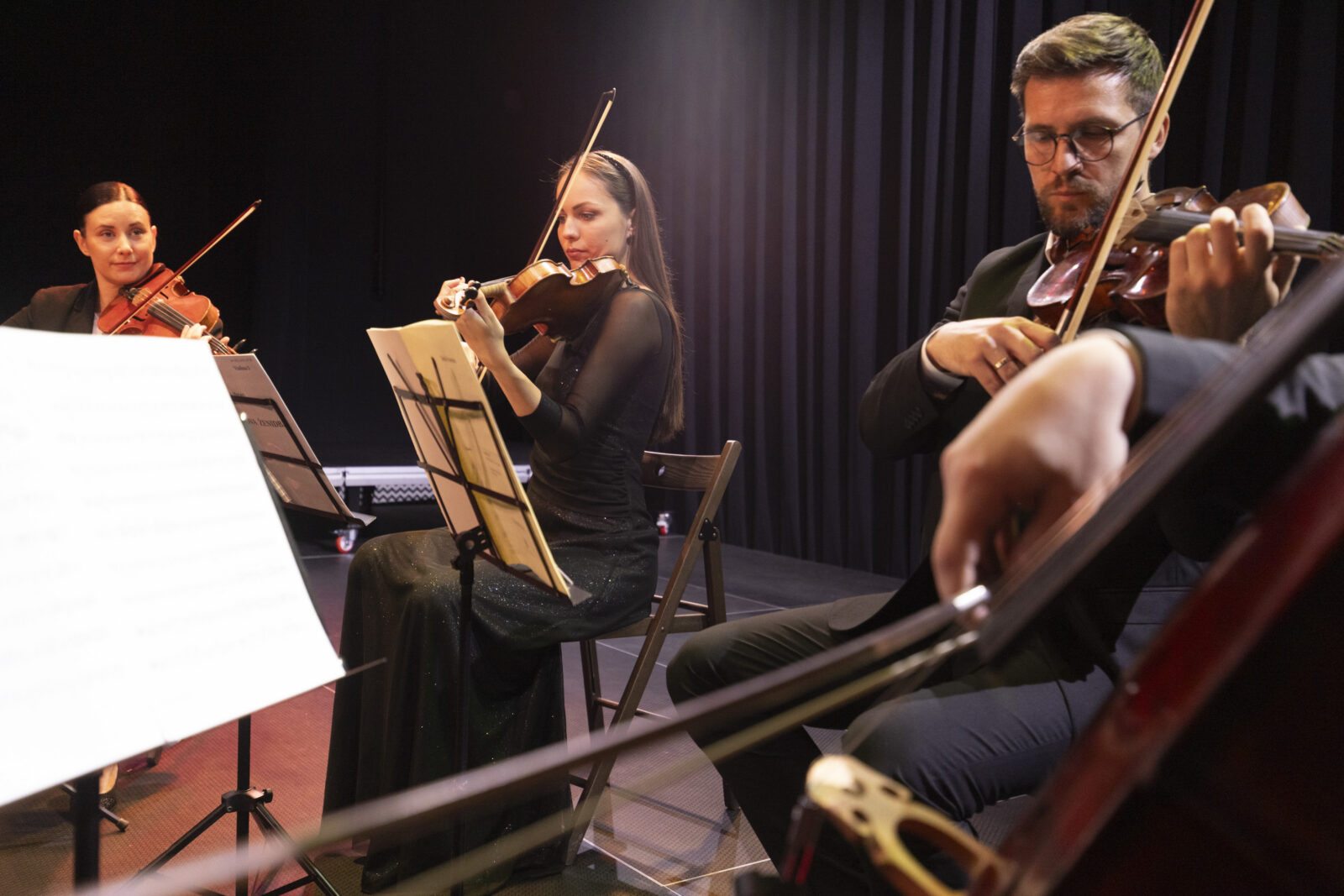
Make Chamber Music Part of Your Fall at 92NY
For many musicians, chamber music is as much about connection as it is about repertoire—the shared experience of listening, collaborating, and discovering new musical perspectives together. At the 92NY School of Music, two chamber music programs offer welcoming entry points into that experience this fall: Chamber Music Reading and Chamber Music Coaching & Performance. Whether you’re picking up your instrument again, looking to meet fellow players, or hoping to deepen your ensemble work, both programs are designed to bring musicians together in a supportive and engaging environment.Read More ↗
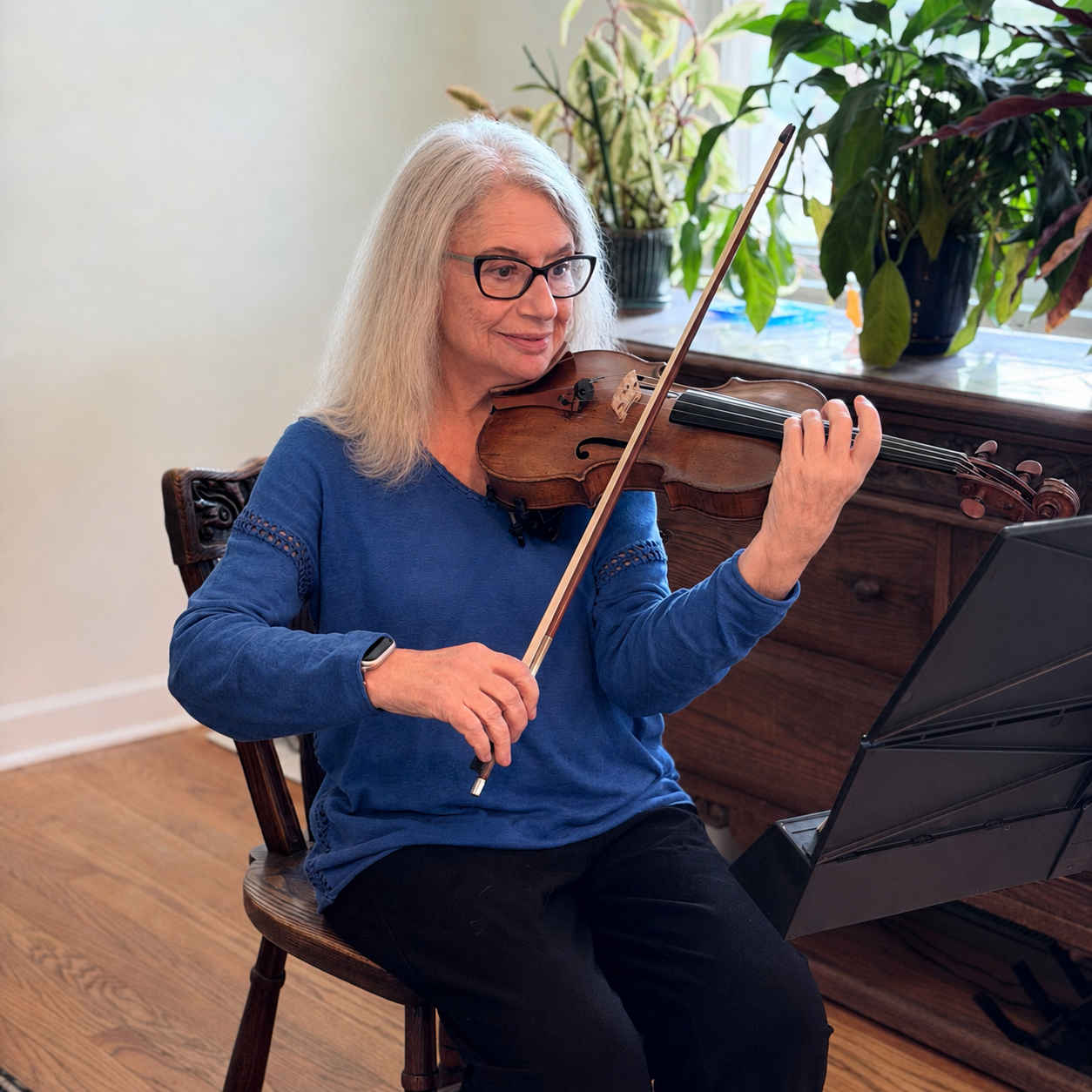
Member of the Month, August 2026: Alison Edwards
There aren’t too many people who come to a professional crossroads before they turn 13. But Alison Edwards faced such a moment. She had taken up the violin at age seven with none other than Dorothy DeLay as her teacher. But indeed, Alison had another calling. Inspired by social justice movements of the 1960s, she became a civil rights lawyer, eventually serving in the appellate division of the Cook County Public Defender’s office. After 25 years working and raising a family, she picked up her violin again and launched on a lifelong chamber music adventure.Read More ↗
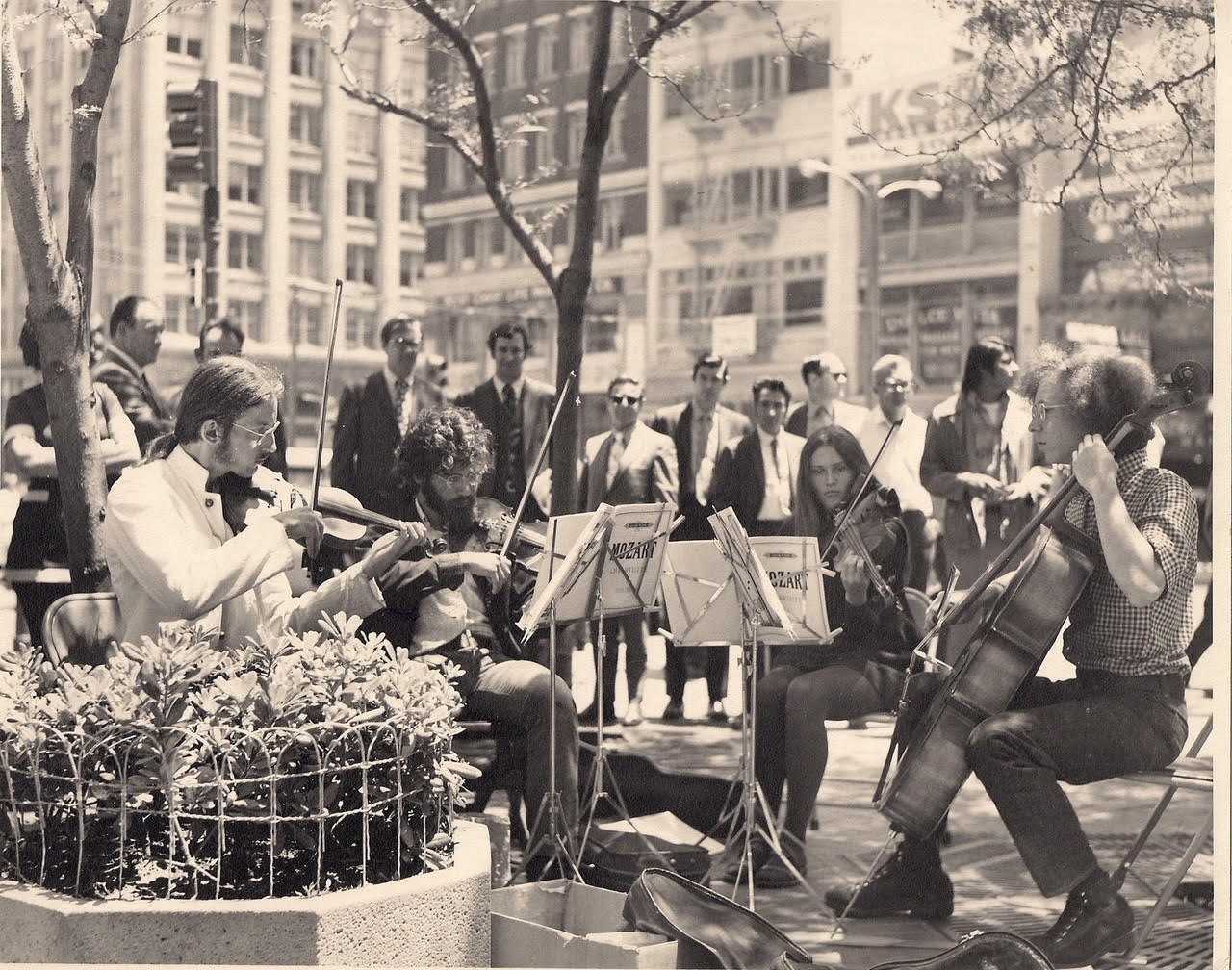
After 56 Years, the Bond of Chamber Music Endures
Cellist David Pearl and violinist/violist Gary Chanan played quartets together in the streets of San Francisco in the early 1970s. 56 years later they are playing together again in New York City...they reconnected through ACMP!Read More ↗
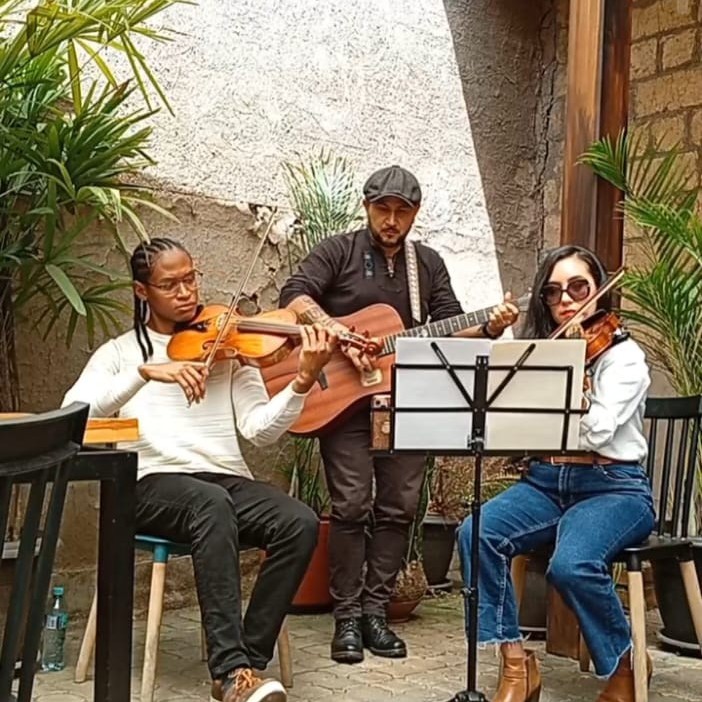
Coffee Shop Performances, Coffee-infused Repertoire
ACMP's intrepid cellist Tom Cappaert is at it again - this time with a story about ACMP members in Ecuador and Spain who organized chamber music in coffee shops, inspired by Tom's endeavors.Read More ↗
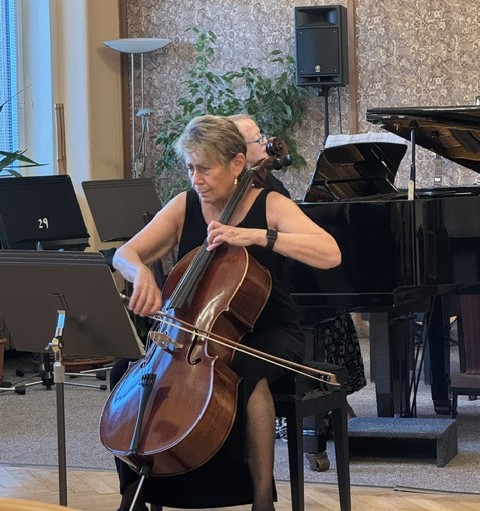
Member of the Month, July 2026: Sara Langbert
A self-proclaimed “total New Yorker”, cellist Sara Langbert graduated from Music and Art and continued her musical education at Queens College in her native New York borough. But like many ACMP members, she would put her cello aside as she managed the demands of raising a family and pursuing a career in computers and technology. Now she's playing again and is an enthusiastic member of ACMP.Read More ↗
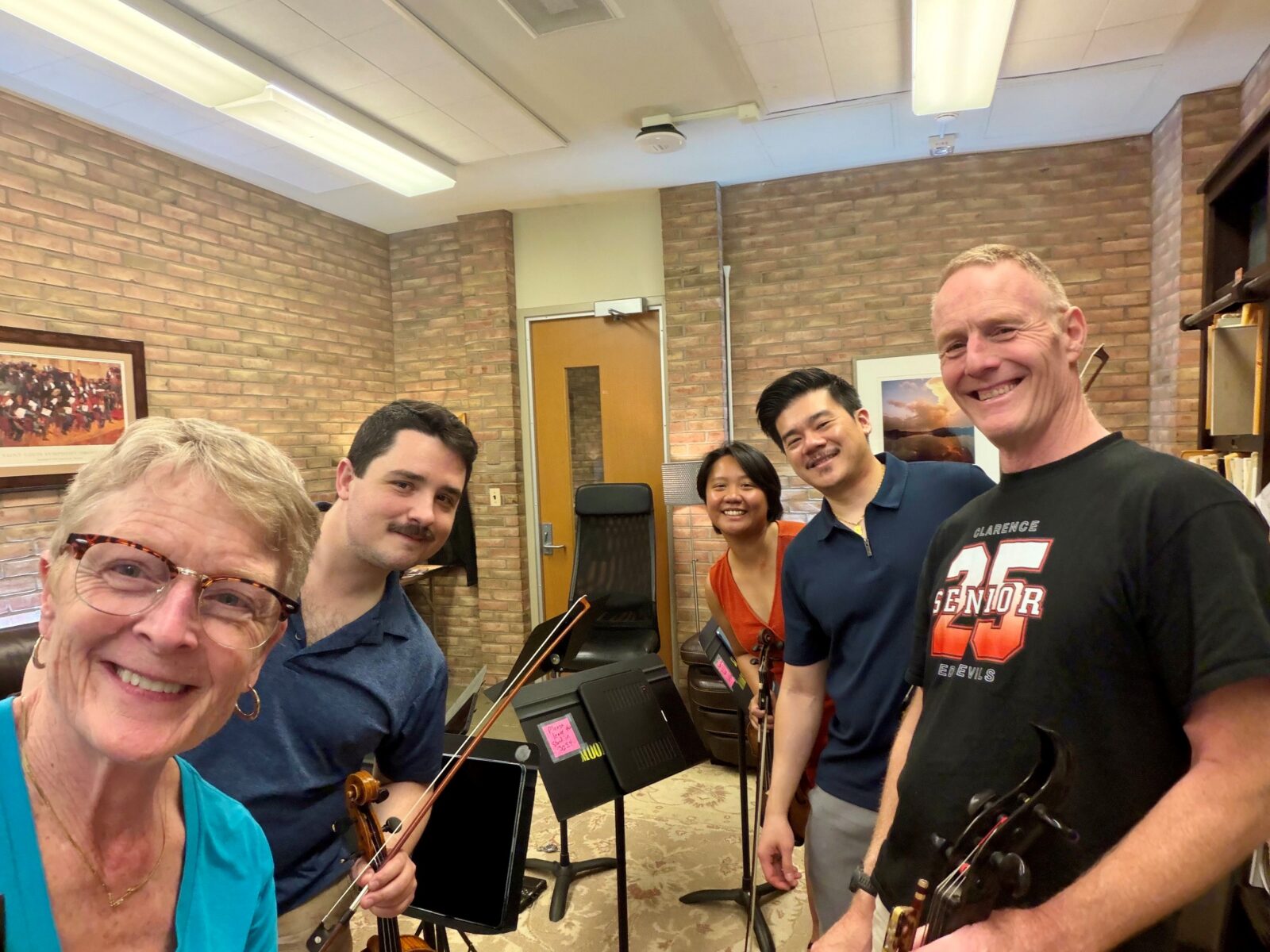
Around the World with ACMP’s Grants (Home Coaching and Play-in)
Over the last few weeks we have been asking members, participants, and organizers to tell us how our rolling grants have been useful to them and their communities. So let’s take a trip around the world and see what folks have to say about our Home Coaching and Play in grants.Read More ↗
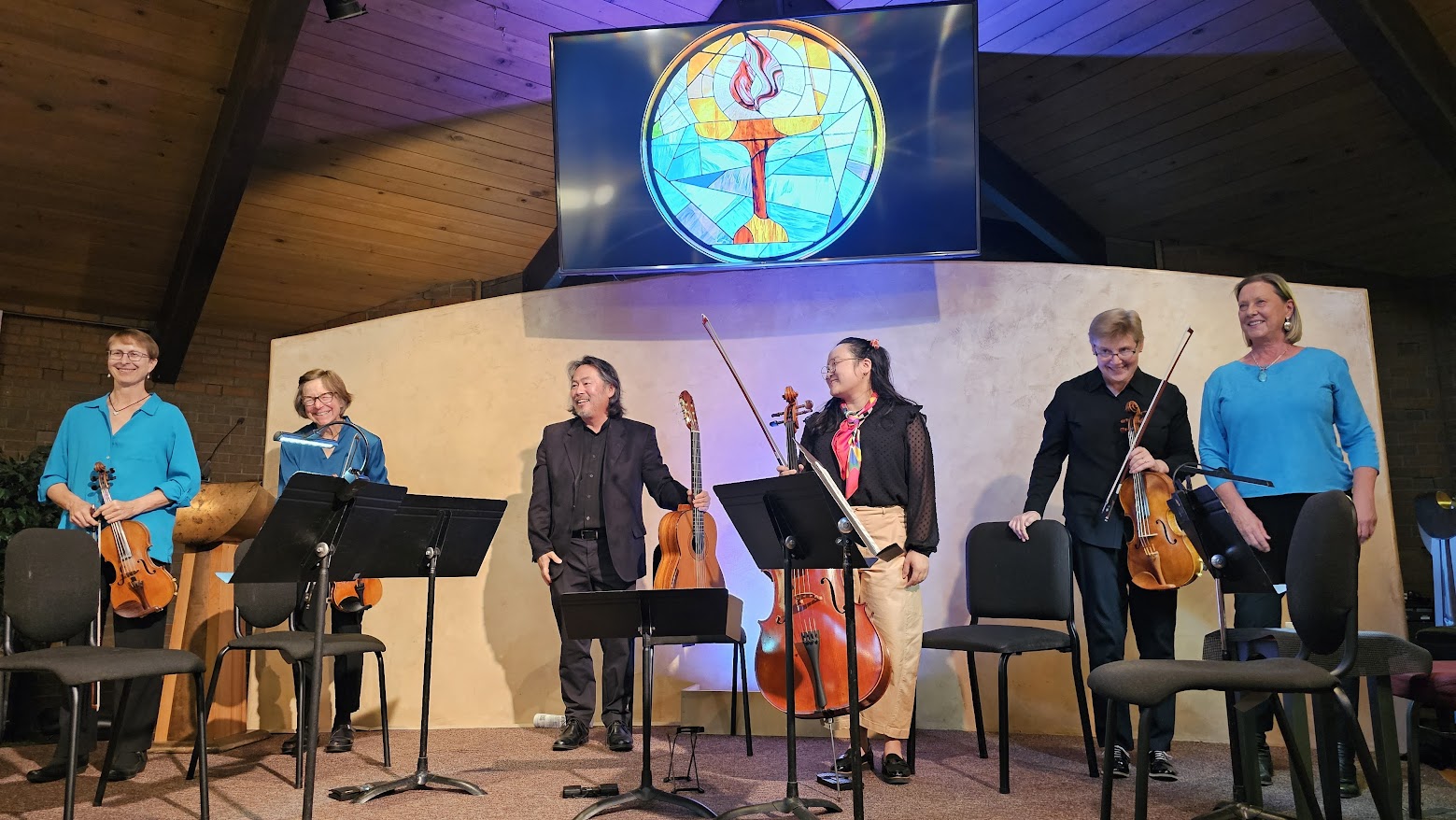
Around the World with ACMP’s Grants (Just Play and Impresario)
This summer, we’re hearing from ACMP members, participants, and organizers about how Just Play and Impresario grants have supported chamber music in New York, Italy, Canada, Colorado, and beyond.Read More ↗
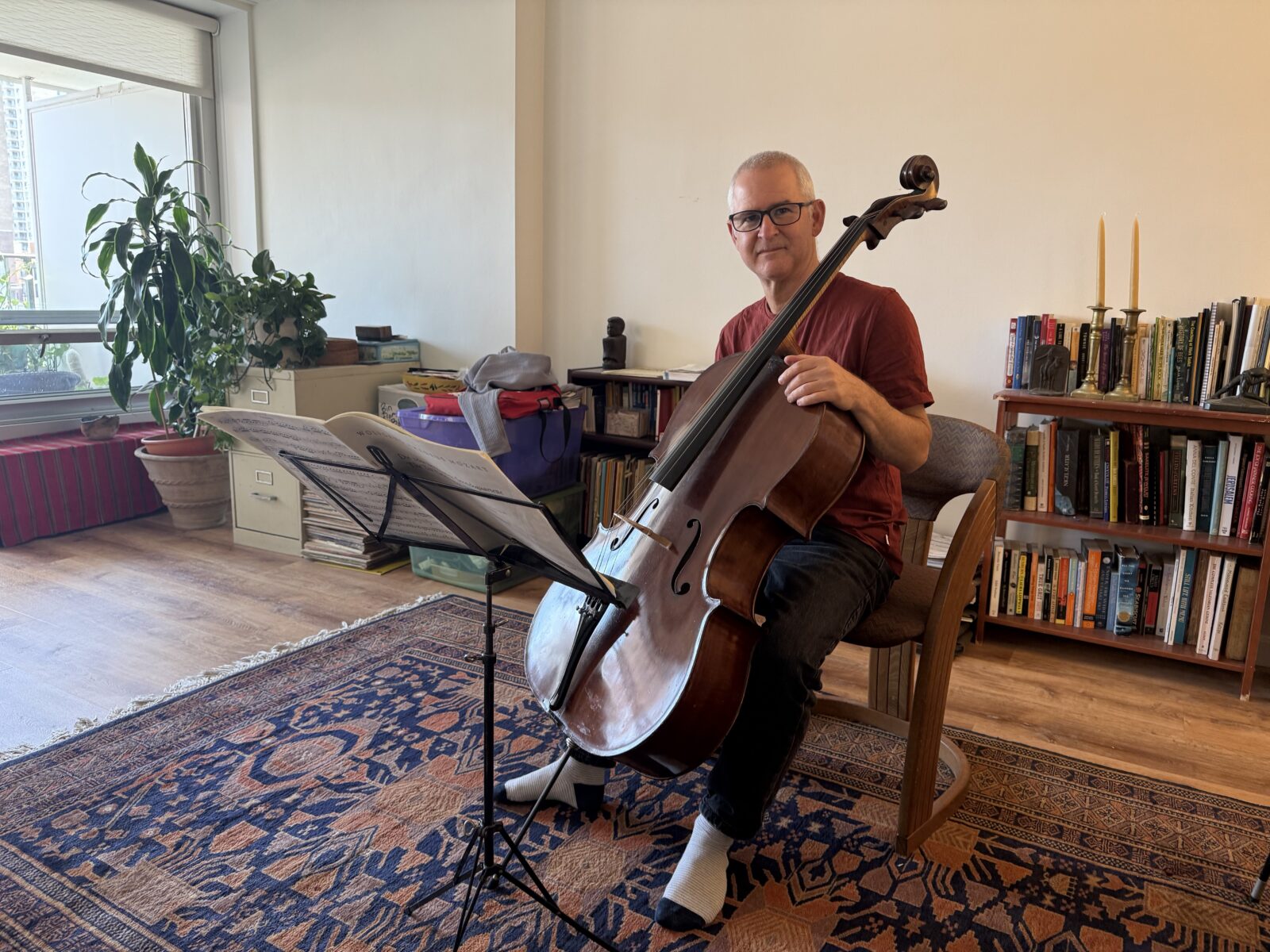
ACMP Member of the Month, June 2026: Yoav Segev, the flying cellist returns
It’s probably easy to spot Yoav Segev at the airport. He’s the guy in the pilot’s uniform with the cello on his back. Yoav, you see, is the Flying Cellist, a globe-trotting pilot for El Al Israel Airlines who plays chamber music during his layovers in far-off destinations. Read Bob Goetz's interview with Yoav.Read More ↗
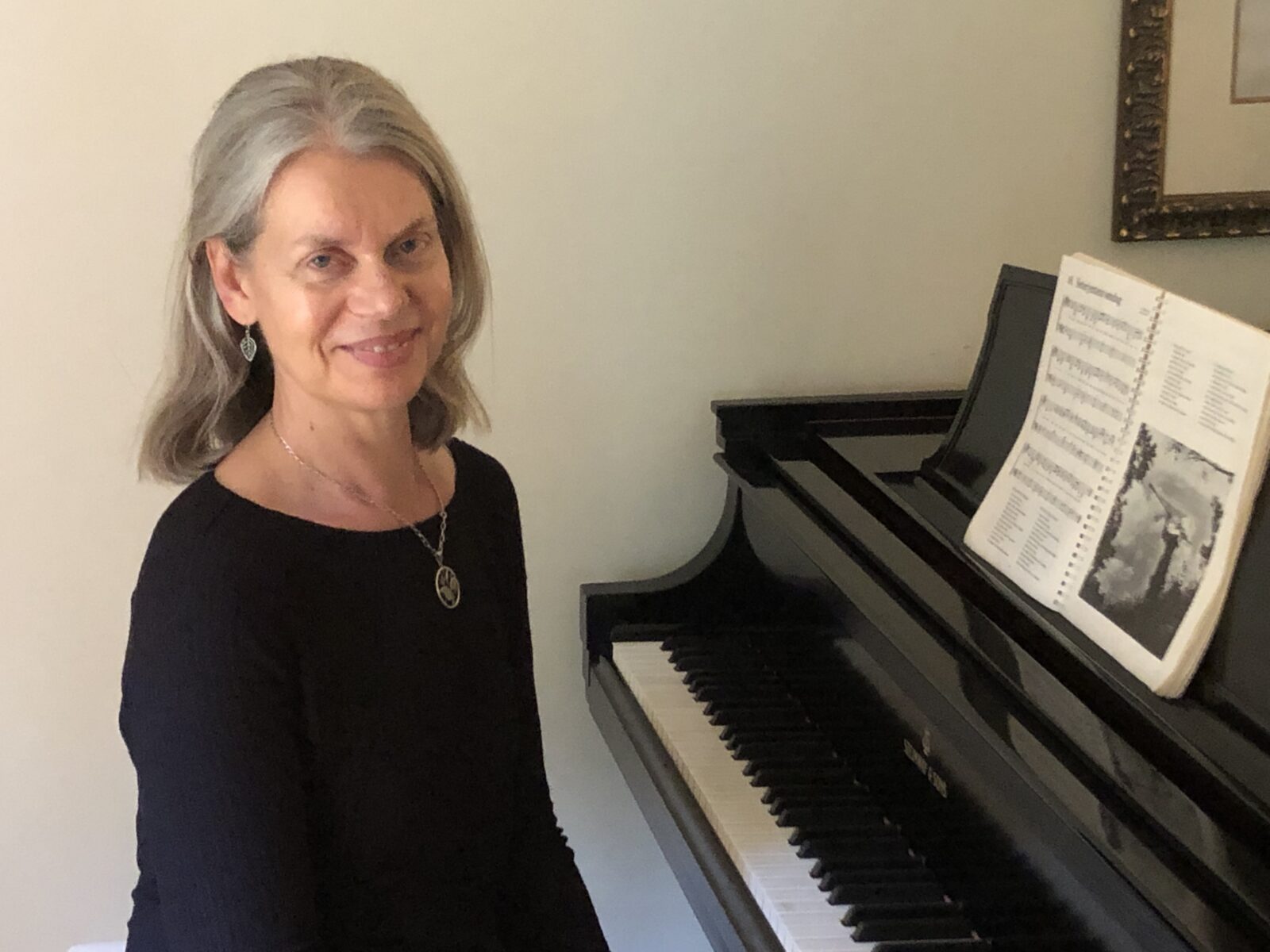
International Spotlight: Kristin Saltonstall in Panama
Kristin Saltonstall comes from a longstanding ACMP family and has been a member of ACMP for as long as she can remember. As a molecular ecologist, she works for the Smithsonian Tropical Research Institute in Panama, where she has forged a new musical life for herself and enjoys the natural beauty that Panama has to offer.Read More ↗
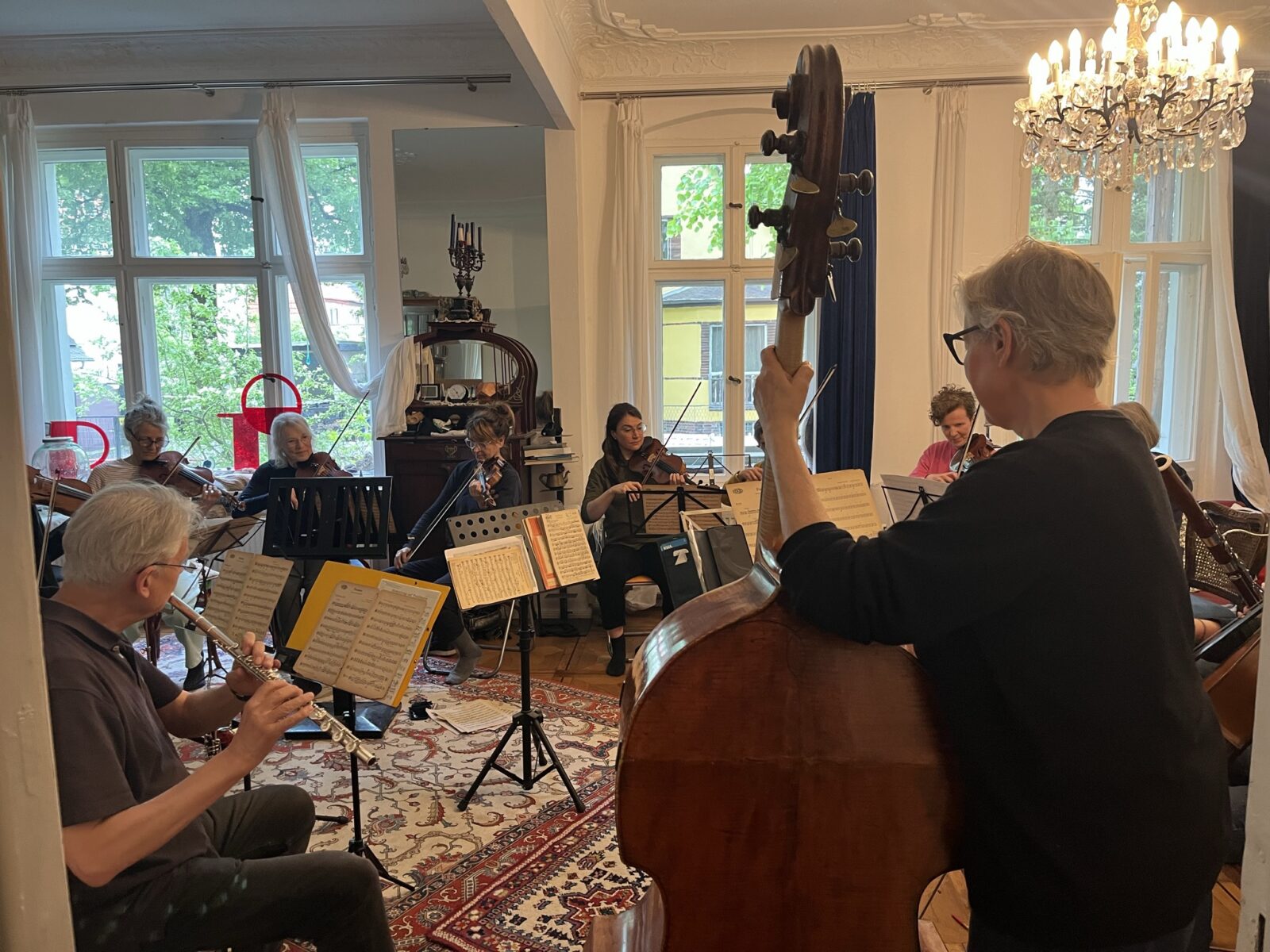
Springtime Extravaganza Light Music Orchestra on May 9, 2026, in Berlin-Karlshorst
Fifteen musicians followed Gudrun Schnellbacher's invitation to a very special kind of play-in – to play in the Springtime Extravaganza Light Music Orchestra. Read the article in English or in German.Read More ↗
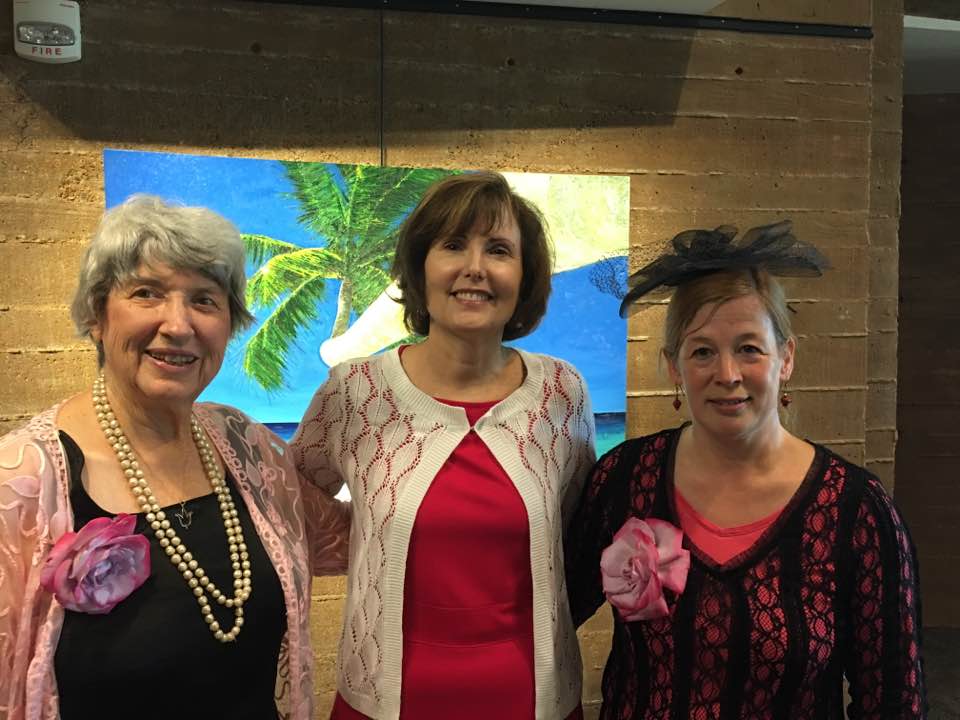
Remembering Pianist Fontaine Laing
Janet White Remembers her friend, and longtime ACMP member pianist Fontaine Laing.Read More ↗
Load More
All Articles By