Remembering Pianist Fontaine Laing
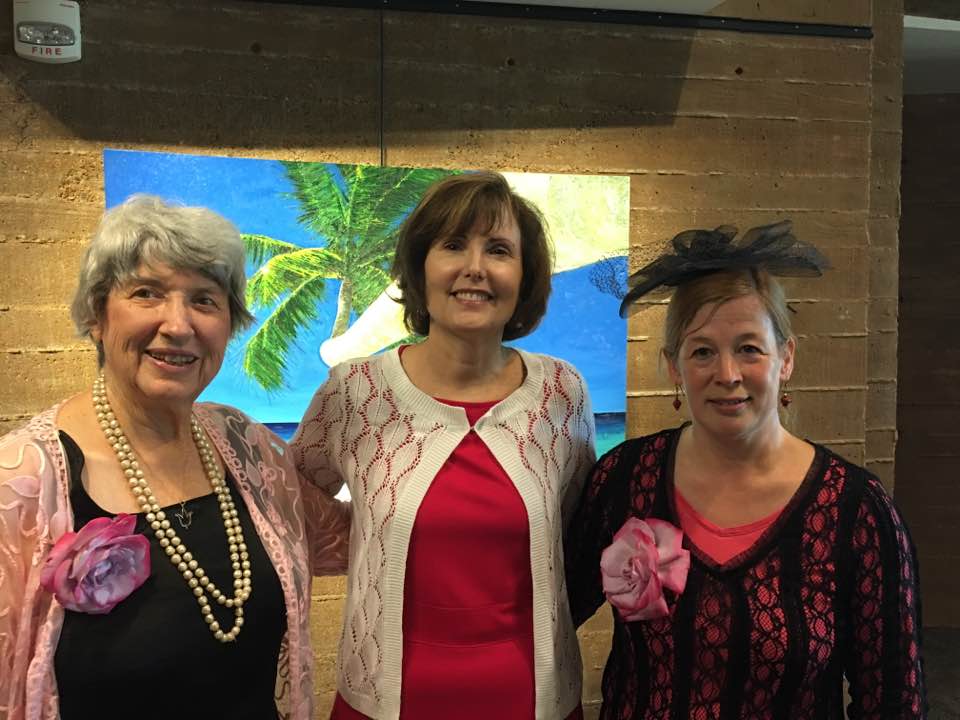
I first met Fontaine Laing in San Diego by way of chamber music, through a mutual friend, violinist Micky Goulian. Fontaine, a fine pianist and avid chamber musician, had secured a regular gig playing baroque music on her harpsichord at Galerie Eclipse, an art gallery in Olivenhain owned by the honorary German Consul to San Diego. In 2004 I was invited to play cello with Fontaine, Micky, and flutist Stephanie Bazirjian for a concert at Galerie Eclipse followed by wine and German cookies. Stephanie, Fontaine and I enjoyed playing together so much that we formed a trio, Trio Fontaine.
Looking back through my collection of concert programs from our performances, Stephanie, Fontaine, and I worked through a lot of the repertoire for that combination, giving around five or six performances a year from 2004 through 2011. Friends got to know about ‘Trio Fontaine’ and actively helped scout out music for our group to play. I remember the thrill of finding Elisenda Fabregas’ ‘Voces de mi Tierra’ for flute, cello, and piano in the bargain bin at Patelson’s music store (sadly, now closed) behind Carnegie Hall on a trip to New York for an Associated Chamber Music Players (ACMP) Board meeting.
Fontaine had retired to Encinitas just north of San Diego only a year earlier from Detroit, Michigan, where she taught and played piano professionally. I don’t know why she chose to move to San Diego but she was an active member of the Swami’s Self Realization Fellowship, and her arrival was the local chamber musicians’ gain. Fontaine still had an active teaching schedule and she slotted her many students in between chamber music sessions in her garden studio behind her house. Fontaine played with so many people and was loved and greatly respected by us all for her formidable talent.
Fontaine was fond of small dogs – when I first met her, she had two little tan ‘girls’ whom she had trained to ‘sing’ (howl) on cue when she blew her pitch pipe. Although Fontaine had a strong affinity for flutists, her dogs did not feel the same way about either flutes or violins and had to be banned from the studio while we were rehearsing to avoid their vocal participation. Happily, my cello did not seem to bother them. After they both passed away, she rescued two more small dogs – one from a woman she met in the parking lot outside the animal shelter and another from a mutual musician friend. She also had a habit of rescuing human waifs and strays – the whole time I knew, her she had lodgers or housemates living in her spare room and later also in her converted garage – people in need of a home whom she had met through the Self Realization Fellowship and generously taken in.
A chamber music session at Fontaine’s always began with tea and elegant pastries from the French Bakery down the road. She had a kitchen cupboard filled with all manner of teabags and one of those Japanese water boilers that delivers water heated to precisely the right temperature for the perfect tea. We would sit around her kitchen table and sip our tea from one of her delicate floral bone china cups and saucers and wipe our fingers on elegant paper napkins. Fontaine’s kitchen was always filled with flowers – she took Ikebana classes for many years. She was very well read – she took the New York Times daily – was very articulate, and a great storyteller with a wonderful sense of humor.
Eventually we would glance at the kitchen clock, push back our chairs, and move into the studio to rehearse. Fontaine was a fearless sight reader – a rare gift – and she also had an encyclopedic knowledge of the chamber music repertoire, having studied with Menahem Pressler, founder of the Beaux Arts Piano Trio. We often had to ask her to slow down a little, especially when we were learning a new piece. Looking back, I am amazed at how much new repertoire we learned and how many concerts we gave, given that we all worked full time day jobs.
Stephanie, Fontaine, and I attended a weekend chamber music workshop in Santa Barbara together during our years as a trio, receiving professional coaching to polish our repertoire before performances. We were also coached once (with partial funding from ACMP) by Tom Stauffer, then cello faculty at SDSU. These experiences much improved our interpretations of the music and our performances
As well as gigs at Galerie Eclipse, we performed at the Encinitas Public Library, the Coronado Public Library, and often in Fontaine’s studio, sometimes for meetings of her Mu Phi Epsilon sorority, other times to an audience of family, friends, and neighbors. I remember a rehearsal in 2005 when Fontaine told us her husband Bob, who was wheelchair-bound as a result of diabetes, had passed away the night before. We were stunned. Remarkably, she chose to go ahead with our rehearsal to take her mind off her sadness. Another memorable performance was when she and I played the Grieg Piano and Cello Sonata for the Mu Phi ladies. The harmonies sounded a bit unusual and I marveled that Grieg wrote such “modern” music. It turned out that Fontaine had accidentally turned two pages in the score and was playing the development in the same rhythm but in a different key! After the repeat, she realized what she had done and skipped to the right place in the music. I don’t think the audience noticed a thing (unless they were just being very polite). Fontaine had an amazing collection of performance attire with tops, scarves, and sweaters in bright jewel colors. No boring black for her!
After seven years of playing together, Stephanie moved back to New York City, and we dissolved Trio Fontaine, which was hard on all of us after so many years enjoying playing together. With flutist Valerie Chereskin, Fontaine and I formed a new trio, ‘Three’s Harmony,’ and I also subsequently gave two concerts with Fontaine and clarinetist Anita Iyer. Fontaine was also an active member of the Klavier Club and enjoyed playing four-hand piano.
I was very involved in ACMP all the time I played with Fontaine, and she was always game to participate in the Play-Ins that I organized, and willing to read whatever music (including Brahms’s fiendish piano parts) was put in front of her. In the early 2000s, she memorably played the harpsichord continuo parts at my annual December “Brandenburg Bash,” where we moved all the furniture into the garden to make space for a chamber orchestra to read through all six Brandenburg Concerti in one afternoon.
A feminist and a Democrat, Fontaine also had a keen interest in performing the music of unjustly neglected women composers. From Clara Schumann and Fanny Mendelssohn Hensel, to Marcelle Manziarly, Elisenda Fabregas, and Cecile Chaminade, we enjoyed exploring and promoting this repertoire together. I think the last time we performed together was in a concert celebrating women composers in 2017, when she was 84 years old. Fontaine continued to play the piano into her 90’s, until six months or so before she passed away at the age of 93.
Fontaine will be remembered fondly by all who knew her, and her passing is a great loss not only to her friends, but to the chamber music world. It was a privilege to know her and play with her.
More Articles
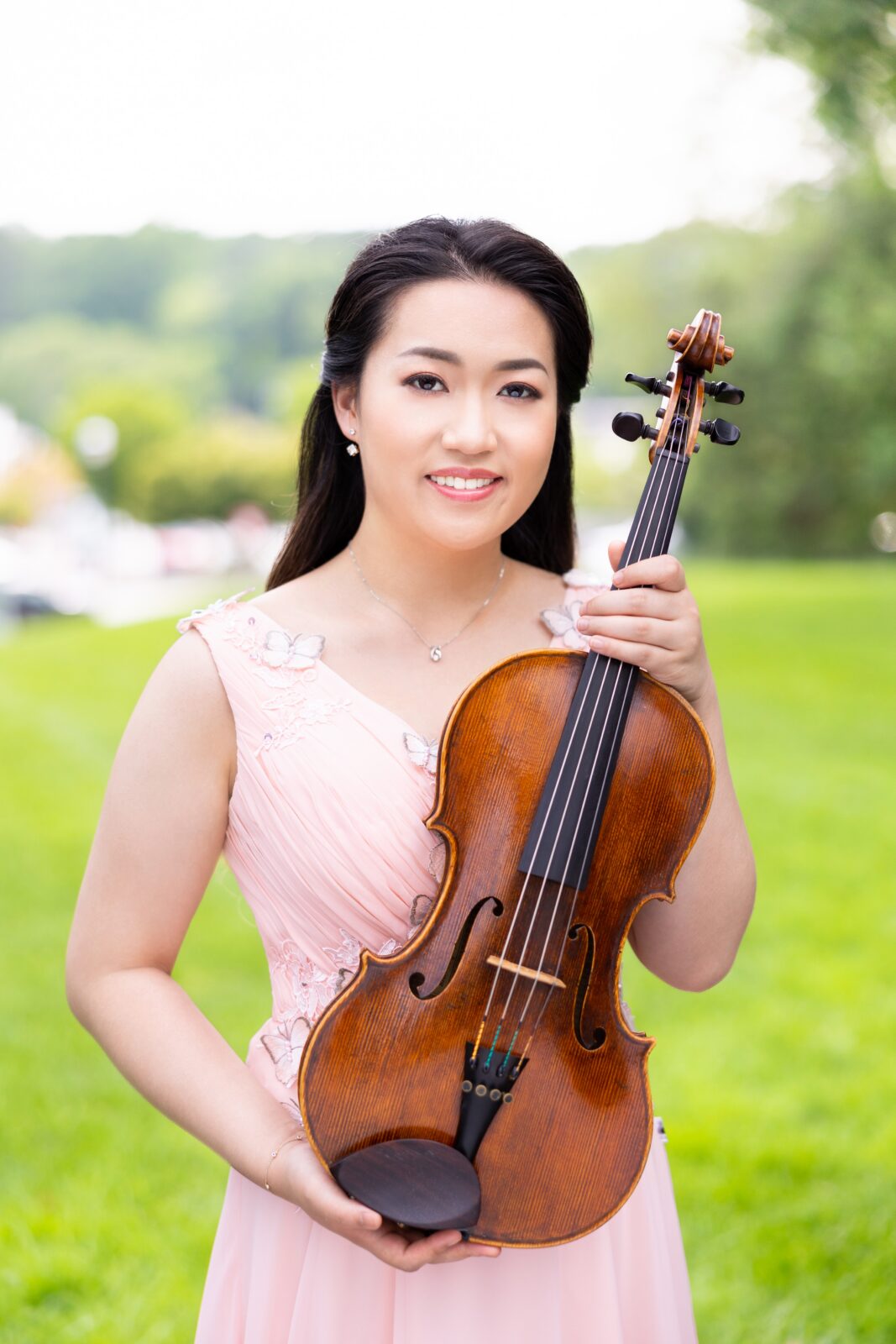
Meet Joy Hsieh: ACMP intern and event planner par excellence!
ACMP is happy to announce its newest team member, violist Joy Hsieh, who is working with us on event planning for the fall semester through the Eastman School of Music's Institute for Music Leadership Catherine Filene Shouse Arts Leadership Certificate of Achievement (ALP) program. Joy is a doctoral candidate in viola performance at Eastman, studying with Phillip Ying from the Ying Quartet. Get to know Joy - and come meet her in-person in Rochester on October 25 and Boston on December 6!Read More ↗
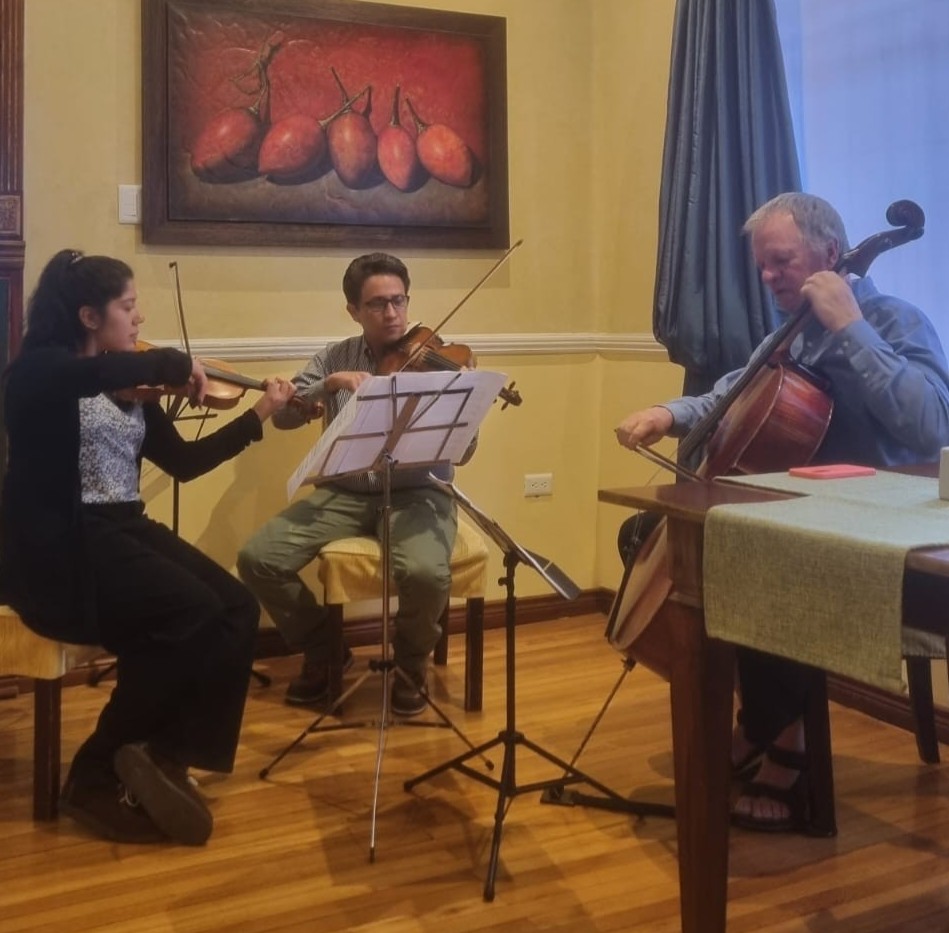
Filipino folk music, by way of Ecuador
What do classical music and fine dining have in common? They are both about sensory delight; they come in many flavors and textures; and they are natural complements for an ACMP event. Tom Cappaert has organized a series of such programs, at a pizza joint in Riobamba, coffee houses in Spain and Ecuador, and most recently with a string trio performance on the theme of Let’s eat Filipino!Read More ↗
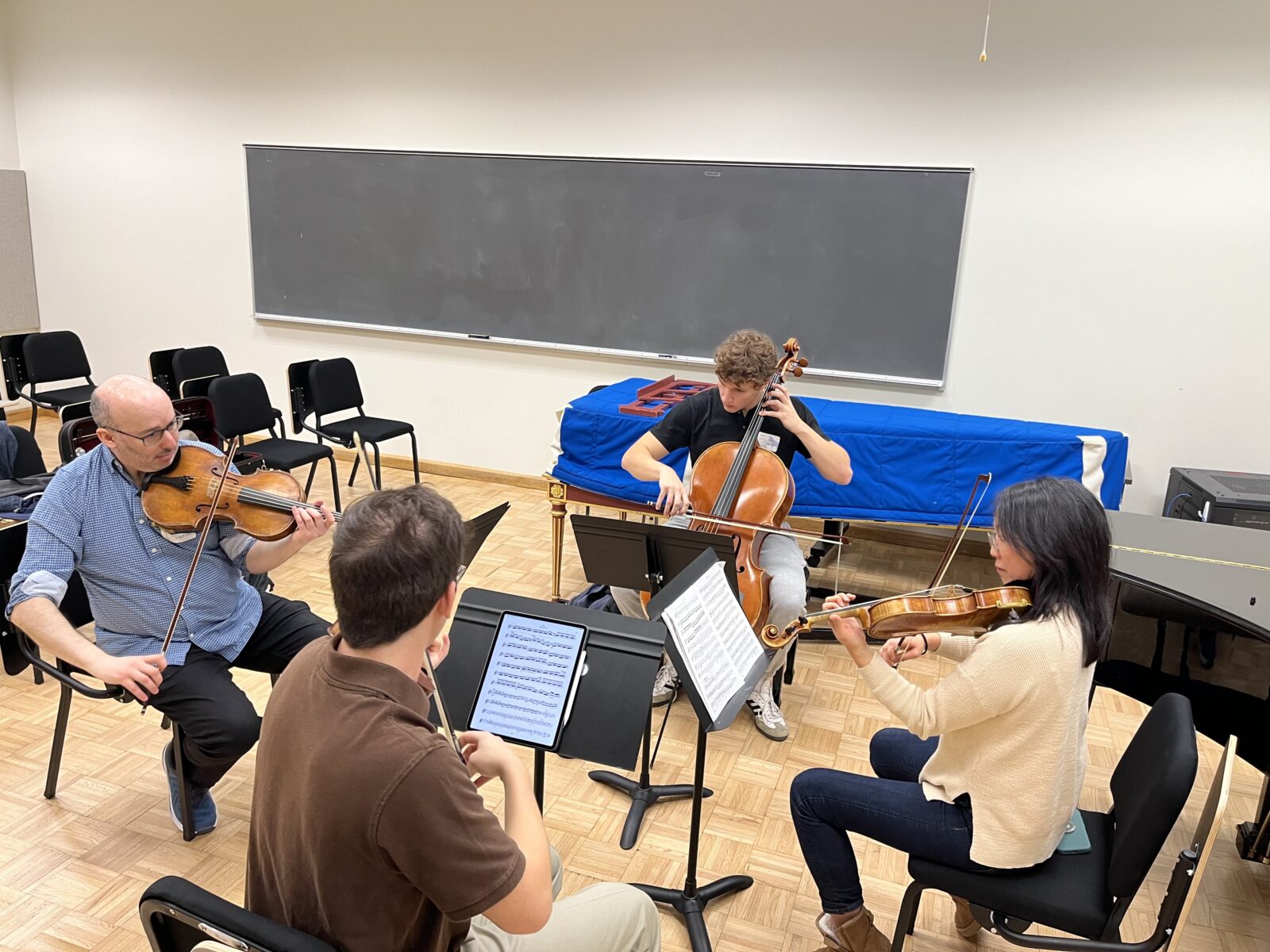
ACMP x ECMS Play-In Rochester, NY
ACMP is partnering with the Eastman Community Music School (ECMS) on a fun and festive chamber music Play-In on Sunday, October 25 in Rochester, New York. All instruments and playing levels are welcome!Read More ↗
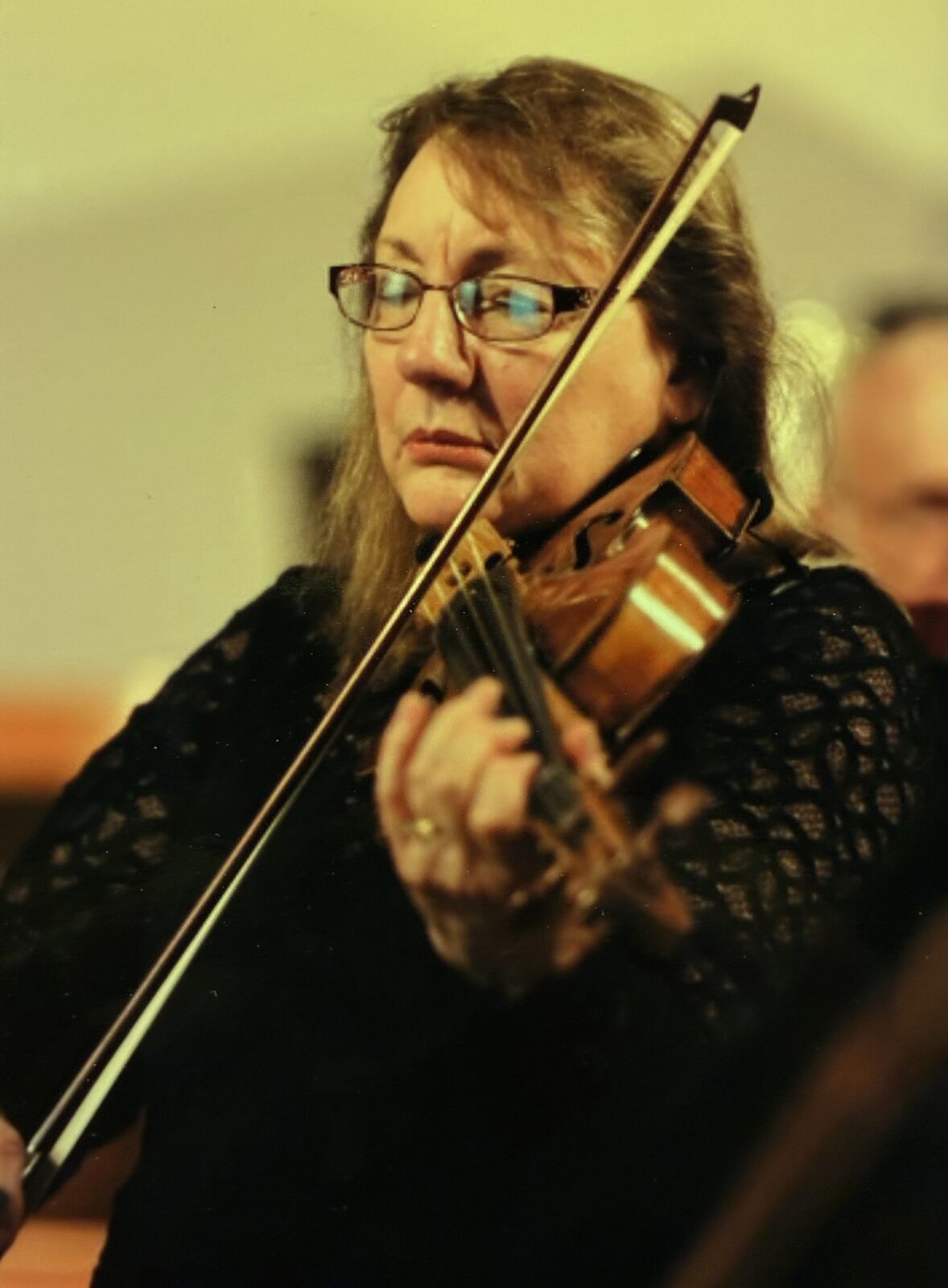
Member of the Month, October 2026: Loryn Gorsett
There is little that Loryn Gorsett hasn’t done as a violist and violinist in the Denver area. She has played in orchestras, both professional and amateur. She built a studio of students. She has played more weddings than she can count. She has been a strolling violinist in an Italian restaurant. But through it all, chamber music has been her true musical passion.Read More ↗
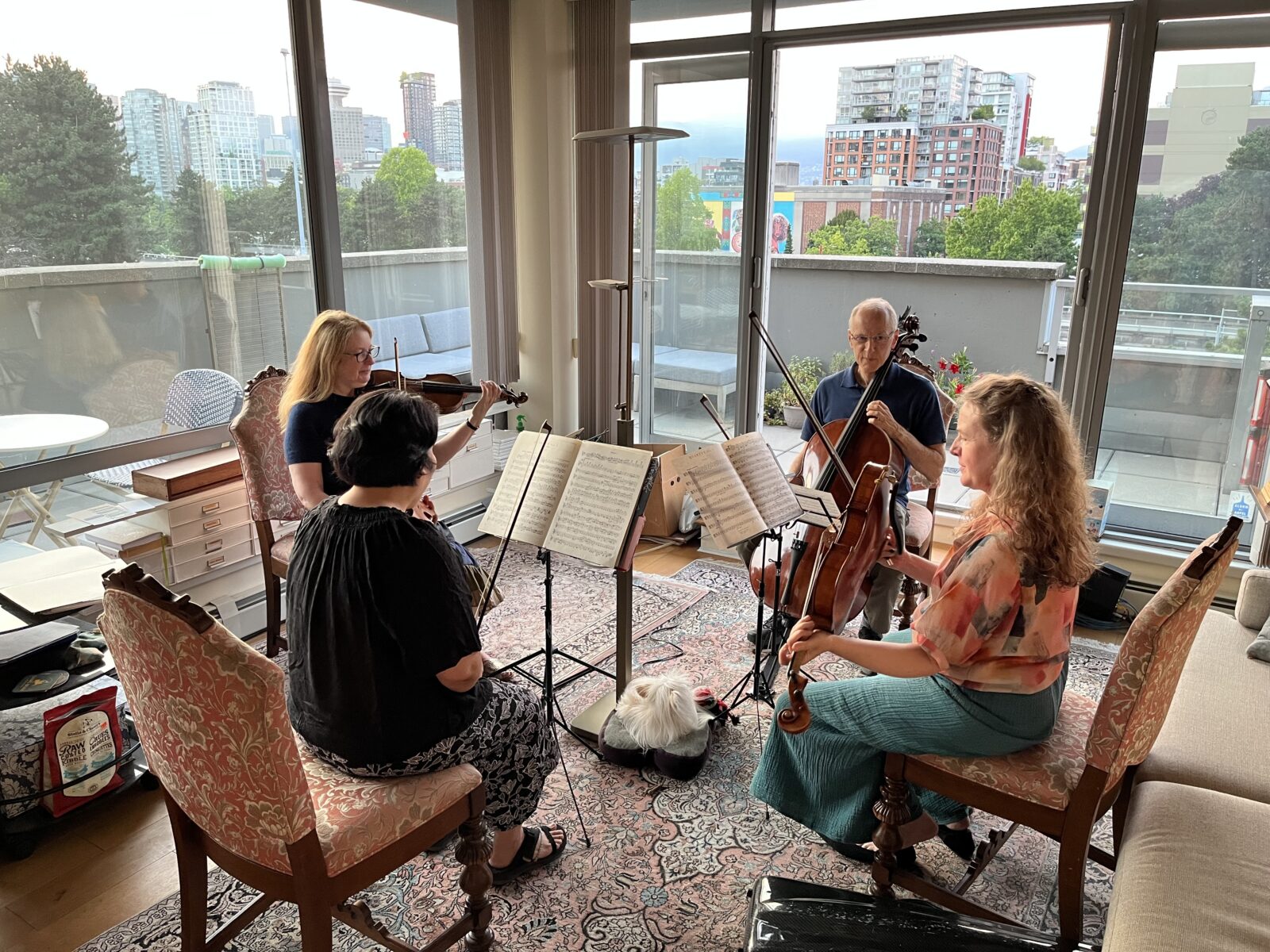
Chamber Music Lifestyles: Vancouver
Vancouver, Canada has a vibrant adult amateur chamber music scene, thanks to ACMP's local NAOC councilor Christina Wolf. If you've never traveled to Vancouver, add it to your list. Where else could you play chamber music with so many great players (and fun people) while looking at the mountains, and eating and drinking a wide variety of local delights?Read More ↗
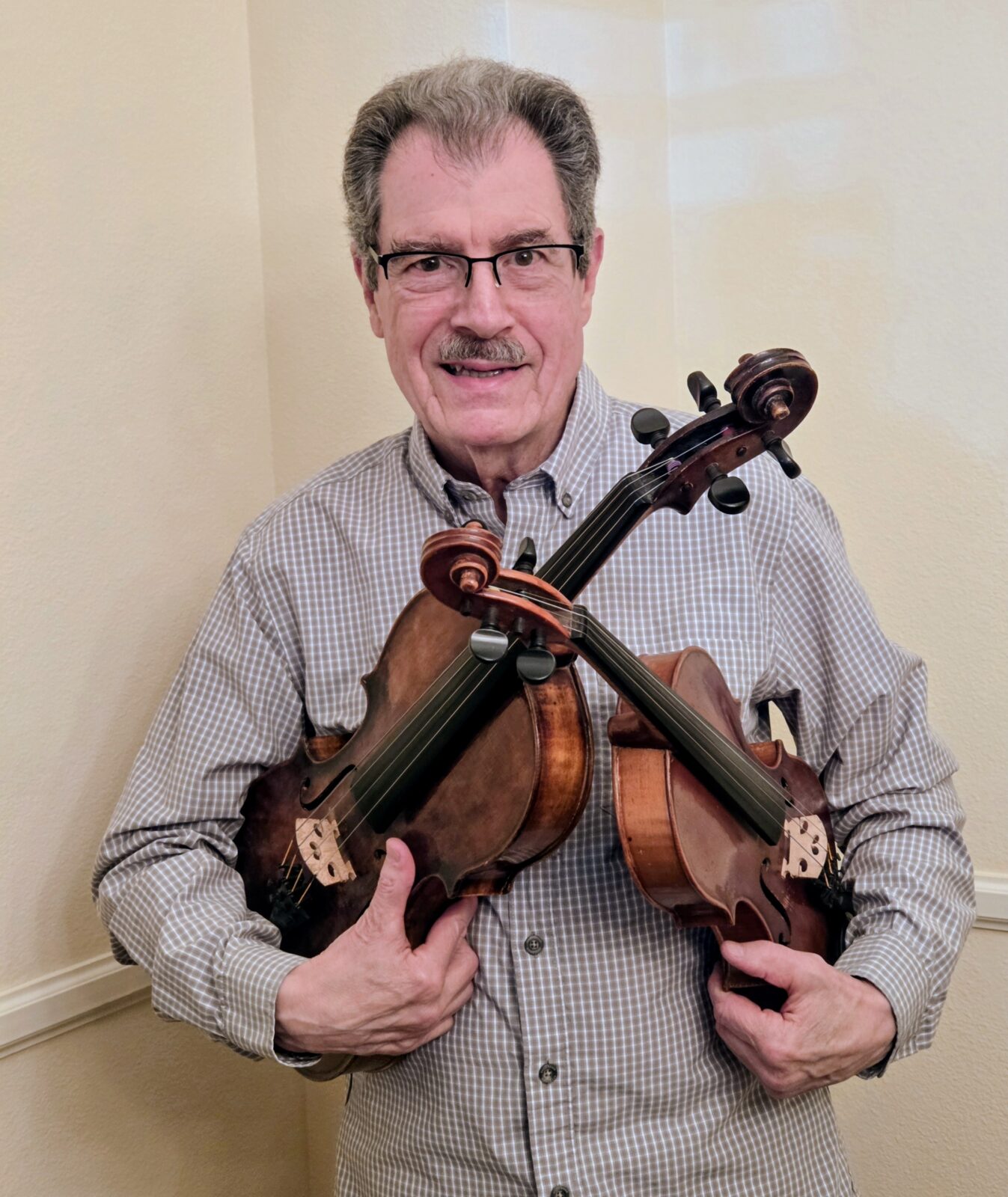
Member of the Month, September 2026: Marshall Costantino
Marshall Costantino learned to play the violin from his Italian grandfather as a young child. After a 42-year hiatus from playing, he is enjoying a new life in chamber music with his neighbor and new friends he met through the ACMP directory.Read More ↗
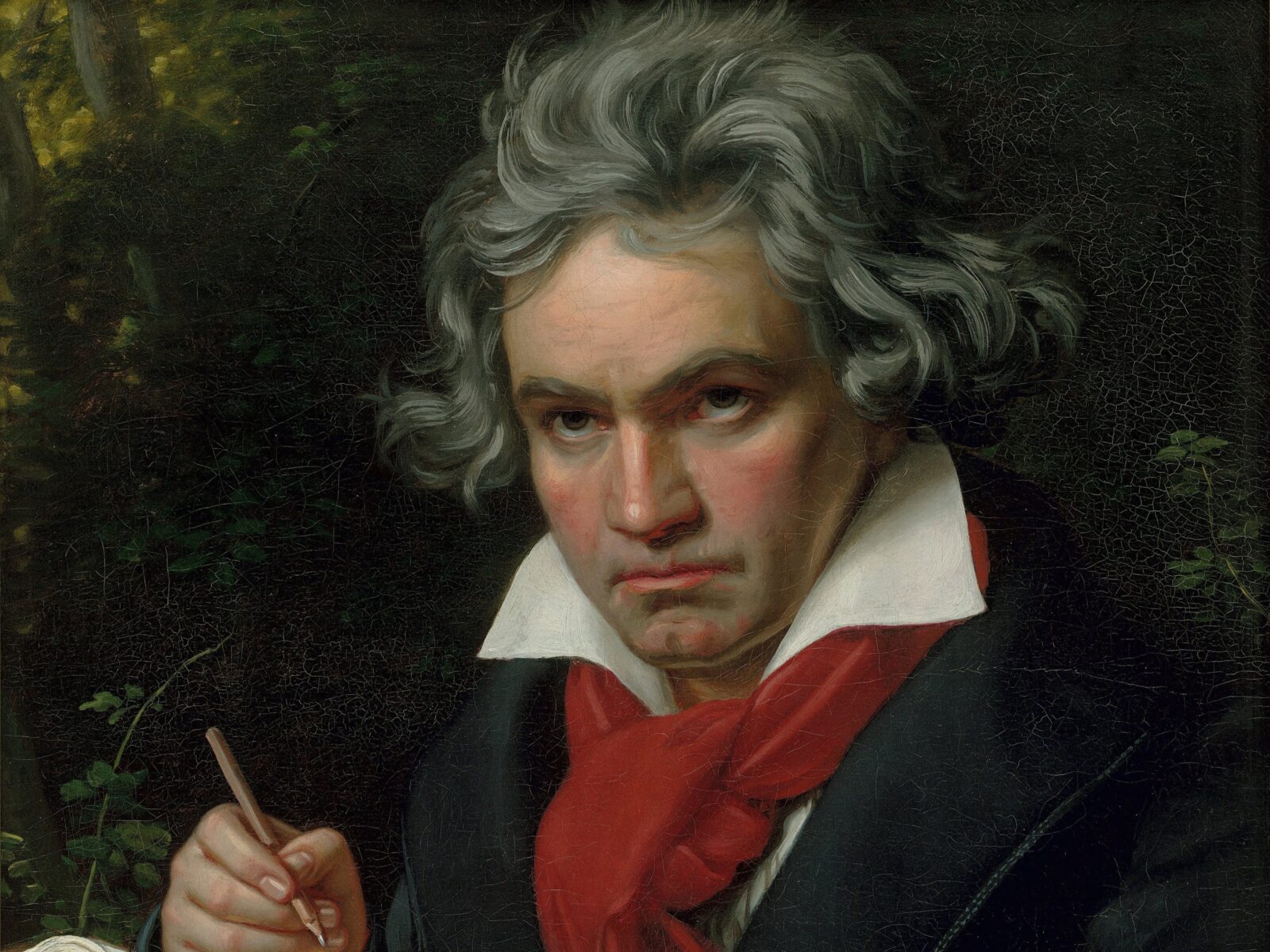
Celebrate Beethoven: MSQ’s Vienna Workshop, January 2027
Travel to Vienna and immerse yourself in Beethoven's world and in his String Quartet Op. 127, under the expert guidance of the Manhattan String Quartet. Register by Monday, September 14 for this unique cultural expedition!Read More ↗
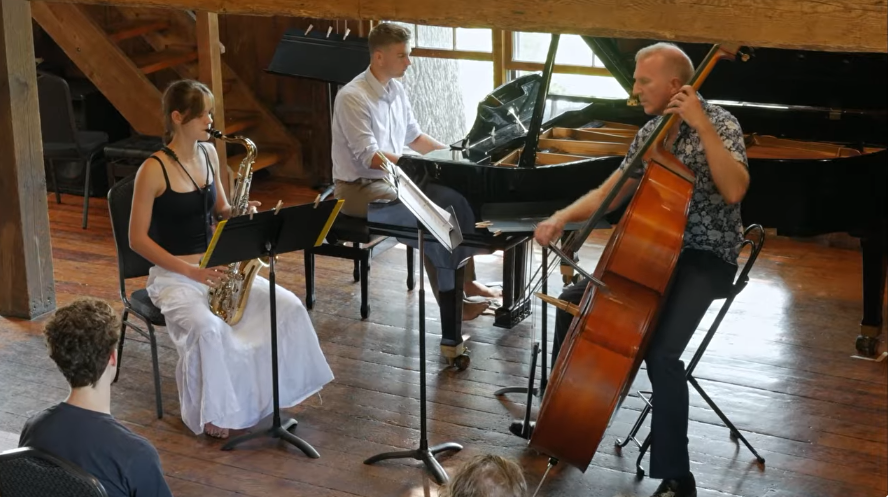
Music and Life at Apple Hill
Vermont-based bassist Art DeQuasie was one of the inaugural recipients of an ACMP Scholarship this summer. Read about his experience at the Apple Hill Center for Chamber Music in August 2026.Read More ↗
Explore New Worlds of Chamber Repertoire
Music educators have been working to find music by underrepresented composers that is accessible to students and amateur players of all levels. This includes music by composers of color, women composers, and LGBTQ groups, among others. Considering the changing demographics of our country, amateur chamber music players can reap the rewards of discovering new repertoire through this research.Read More ↗
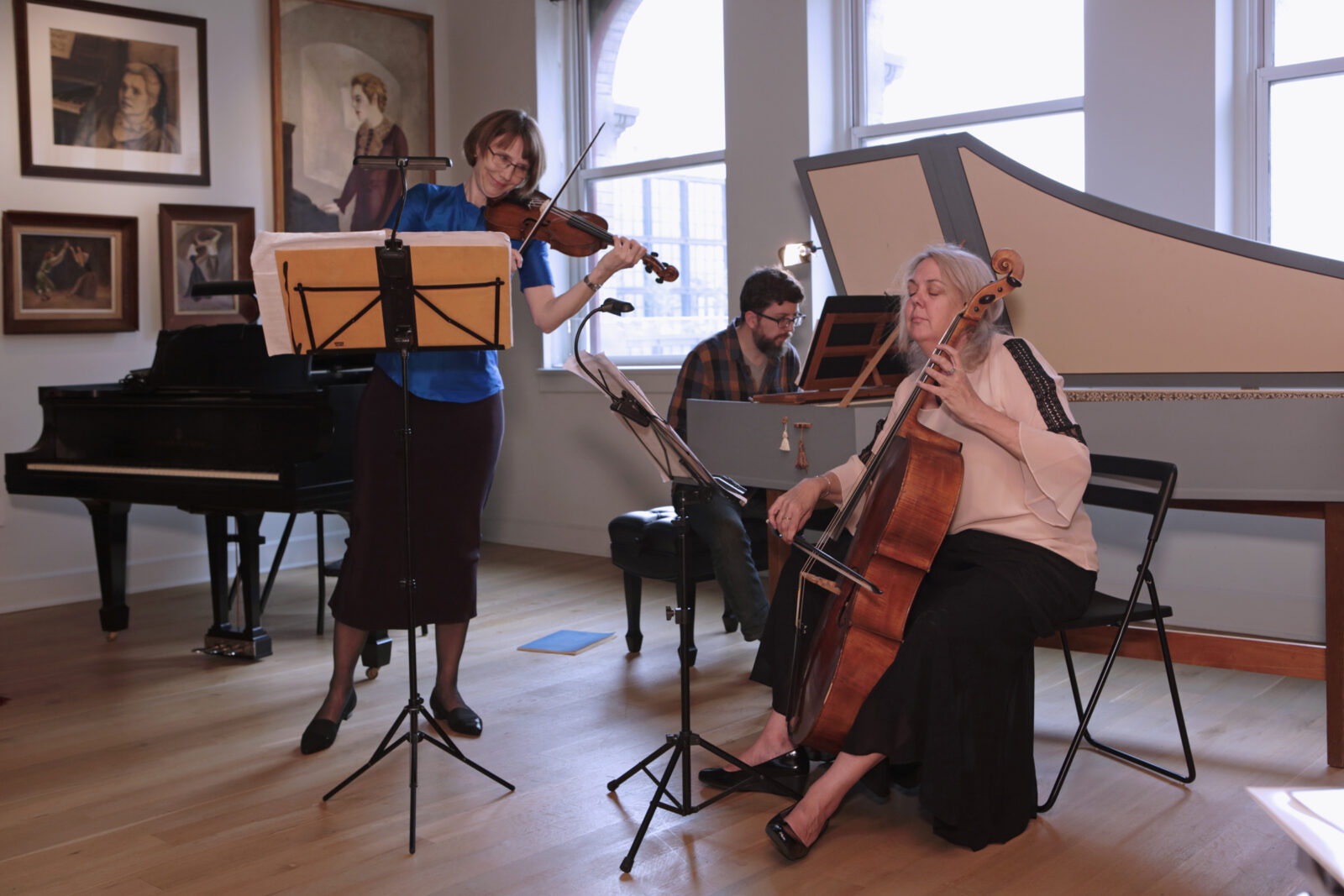
Meet ACMP’s Development Consultant, Amie Roosevelt
Amie Roosevelt joined ACMP's staff as our first-ever Development Consultant in January 2026. She has enjoyed a long and varied career as a violinist, with a primary focus on historically informed performance. I hope you all will meet and even get to play with Amie. But until you do, you can get to know her and her fascinating story by reading this interview from August 12, 2026.Read More ↗
Make Chamber Music Part of Your Fall at 92NY
For many musicians, chamber music is as much about connection as it is about repertoire—the shared experience of listening, collaborating, and discovering new musical perspectives together. At the 92NY School of Music, two chamber music programs offer welcoming entry points into that experience this fall: Chamber Music Reading and Chamber Music Coaching & Performance. Whether you’re picking up your instrument again, looking to meet fellow players, or hoping to deepen your ensemble work, both programs are designed to bring musicians together in a supportive and engaging environment.Read More ↗
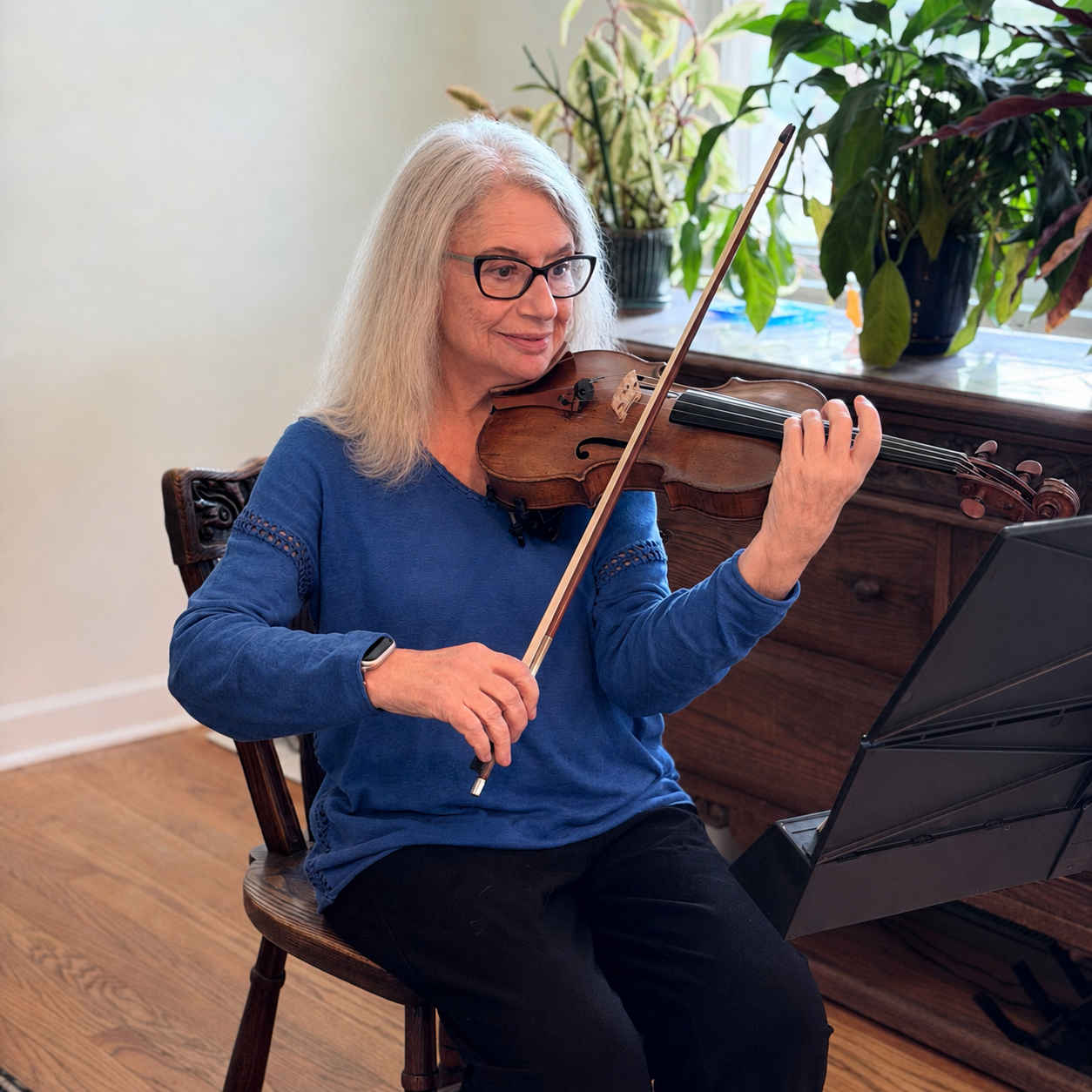
Member of the Month, August 2026: Alison Edwards
There aren’t too many people who come to a professional crossroads before they turn 13. But Alison Edwards faced such a moment. She had taken up the violin at age seven with none other than Dorothy DeLay as her teacher. But indeed, Alison had another calling. Inspired by social justice movements of the 1960s, she became a civil rights lawyer, eventually serving in the appellate division of the Cook County Public Defender’s office. After 25 years working and raising a family, she picked up her violin again and launched on a lifelong chamber music adventure.Read More ↗
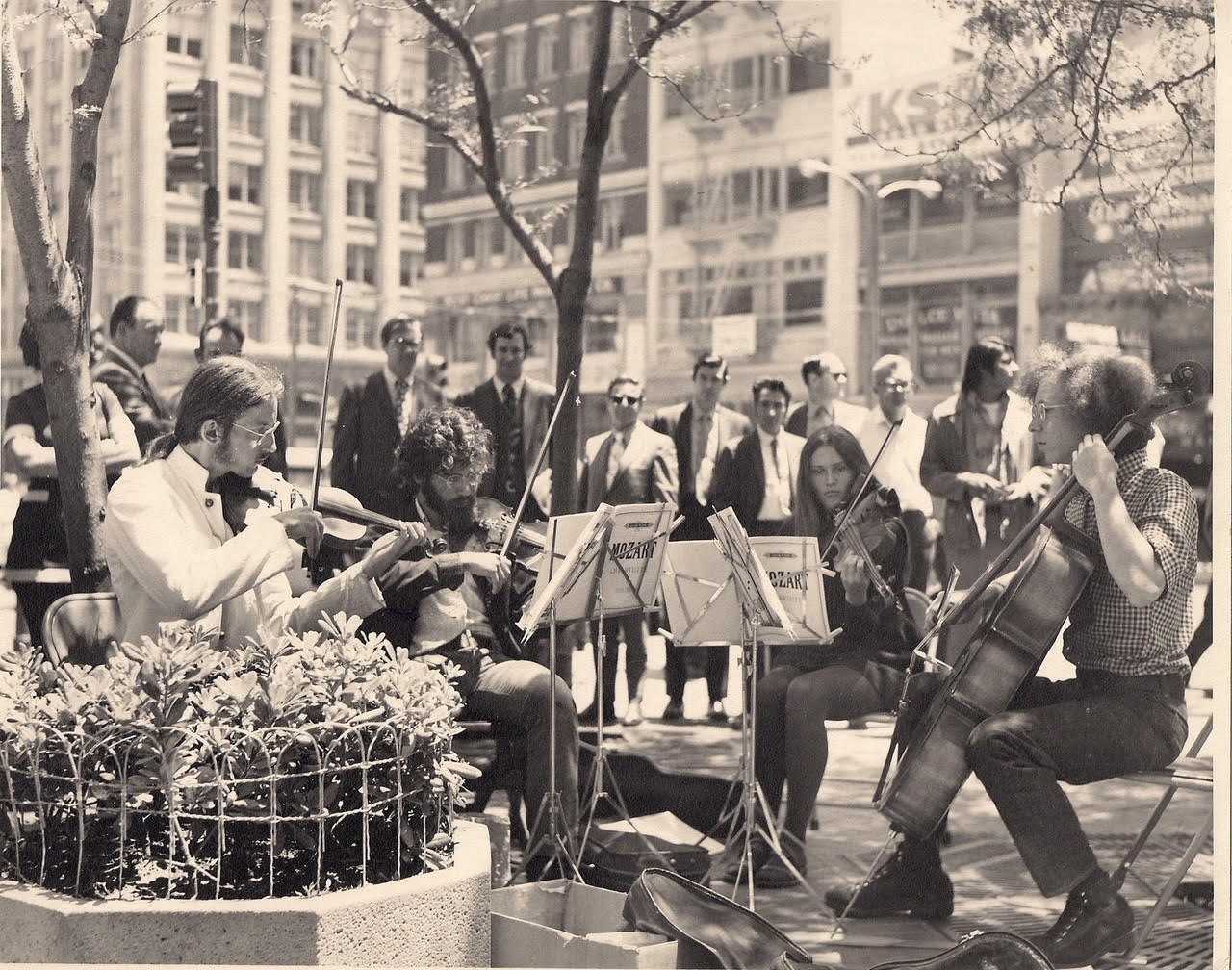
After 56 Years, the Bond of Chamber Music Endures
Cellist David Pearl and violinist/violist Gary Chanan played quartets together in the streets of San Francisco in the early 1970s. 56 years later they are playing together again in New York City...they reconnected through ACMP!Read More ↗
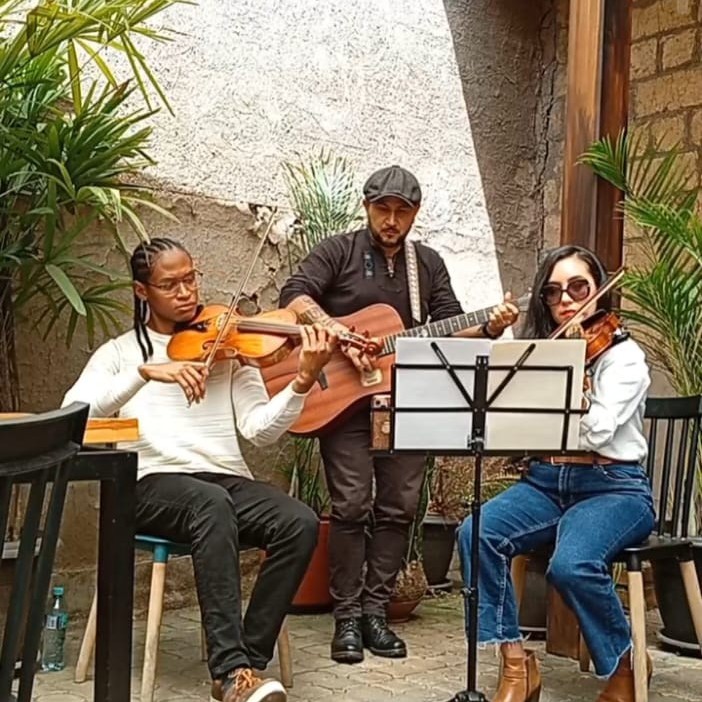
Coffee Shop Performances, Coffee-infused Repertoire
ACMP's intrepid cellist Tom Cappaert is at it again - this time with a story about ACMP members in Ecuador and Spain who organized chamber music in coffee shops, inspired by Tom's endeavors.Read More ↗
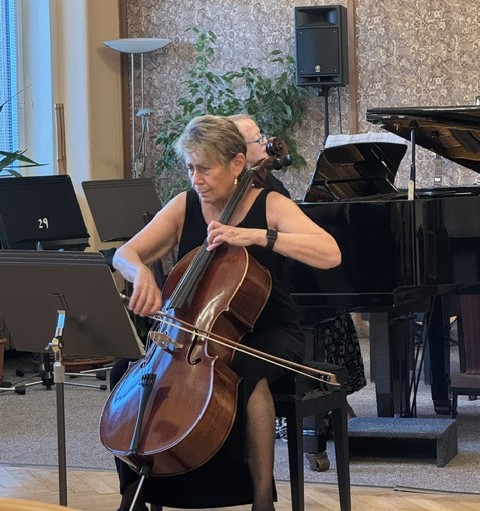
Member of the Month, July 2026: Sara Langbert
A self-proclaimed “total New Yorker”, cellist Sara Langbert graduated from Music and Art and continued her musical education at Queens College in her native New York borough. But like many ACMP members, she would put her cello aside as she managed the demands of raising a family and pursuing a career in computers and technology. Now she's playing again and is an enthusiastic member of ACMP.Read More ↗
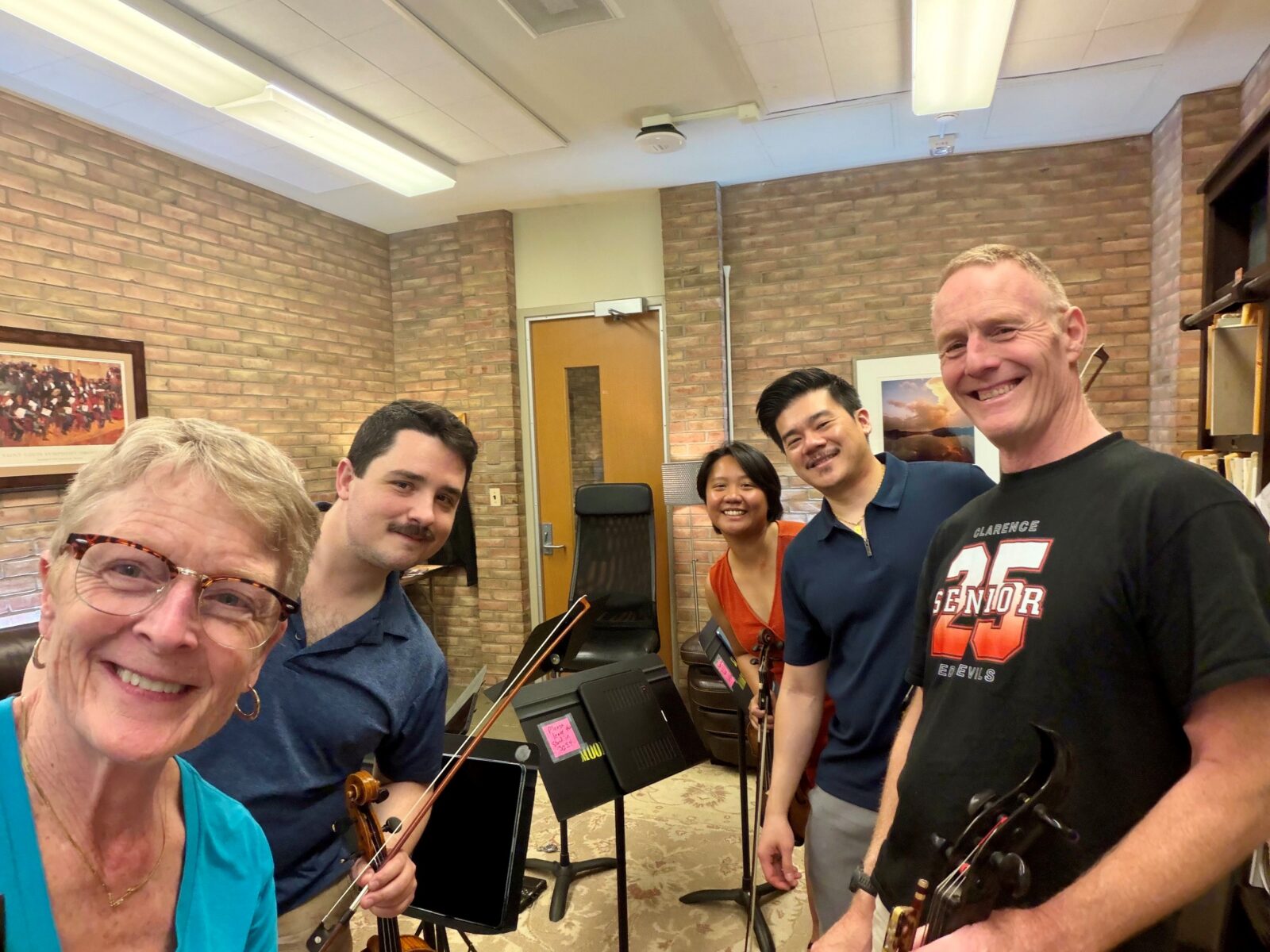
Around the World with ACMP’s Grants (Home Coaching and Play-in)
Over the last few weeks we have been asking members, participants, and organizers to tell us how our rolling grants have been useful to them and their communities. So let’s take a trip around the world and see what folks have to say about our Home Coaching and Play in grants.Read More ↗
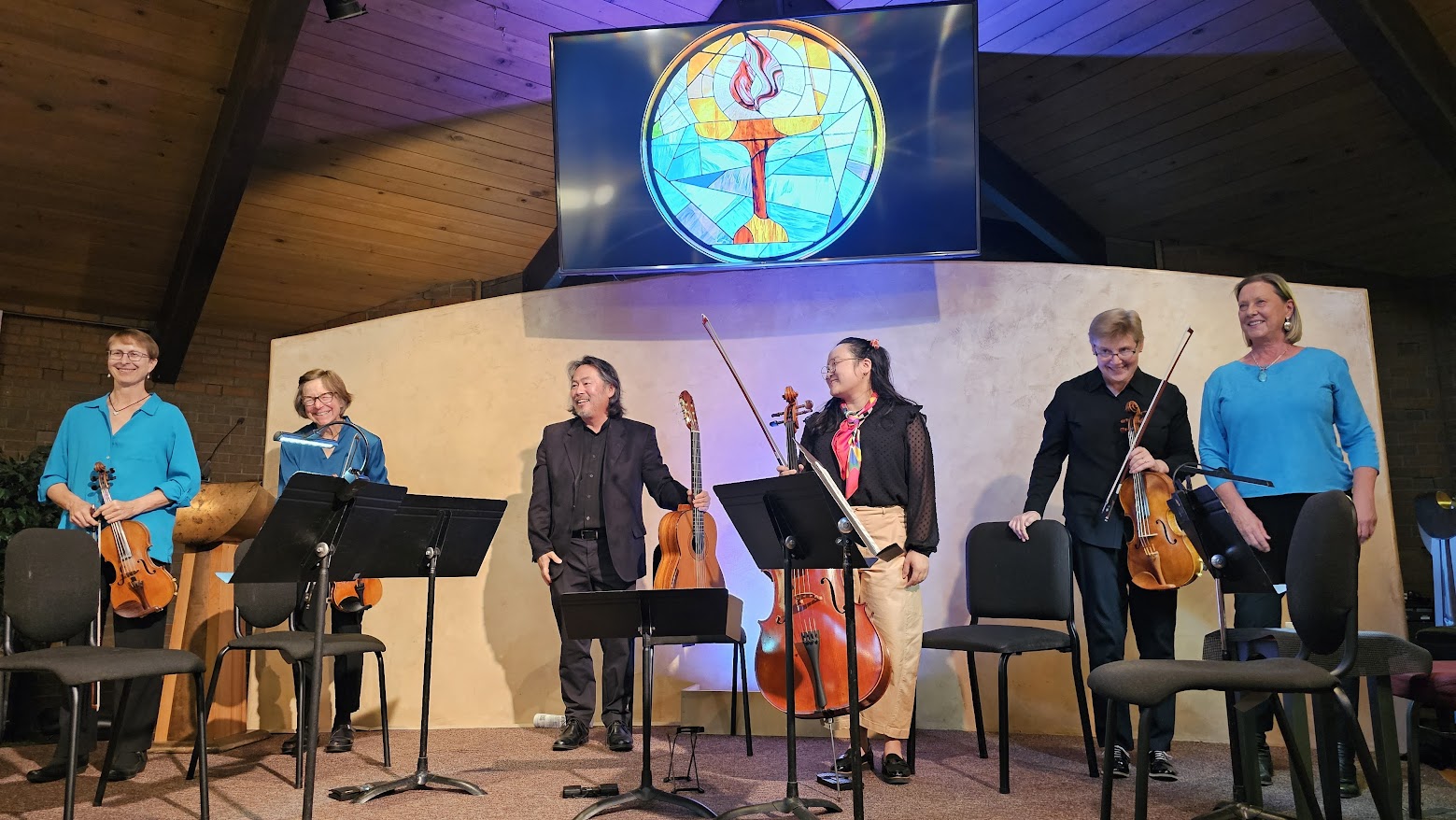
Around the World with ACMP’s Grants (Just Play and Impresario)
This summer, we’re hearing from ACMP members, participants, and organizers about how Just Play and Impresario grants have supported chamber music in New York, Italy, Canada, Colorado, and beyond.Read More ↗
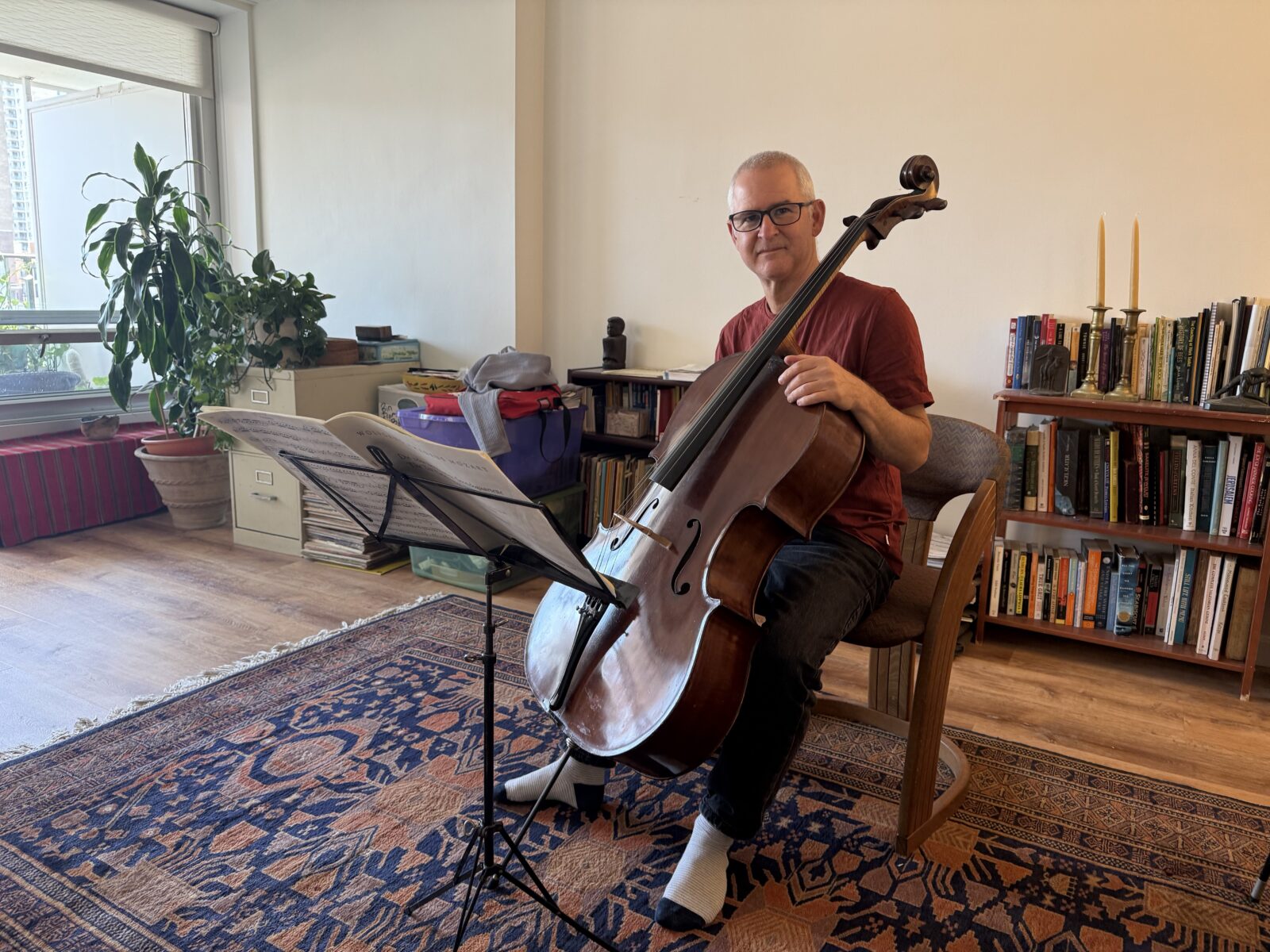
ACMP Member of the Month, June 2026: Yoav Segev, the flying cellist returns
It’s probably easy to spot Yoav Segev at the airport. He’s the guy in the pilot’s uniform with the cello on his back. Yoav, you see, is the Flying Cellist, a globe-trotting pilot for El Al Israel Airlines who plays chamber music during his layovers in far-off destinations. Read Bob Goetz's interview with Yoav.Read More ↗
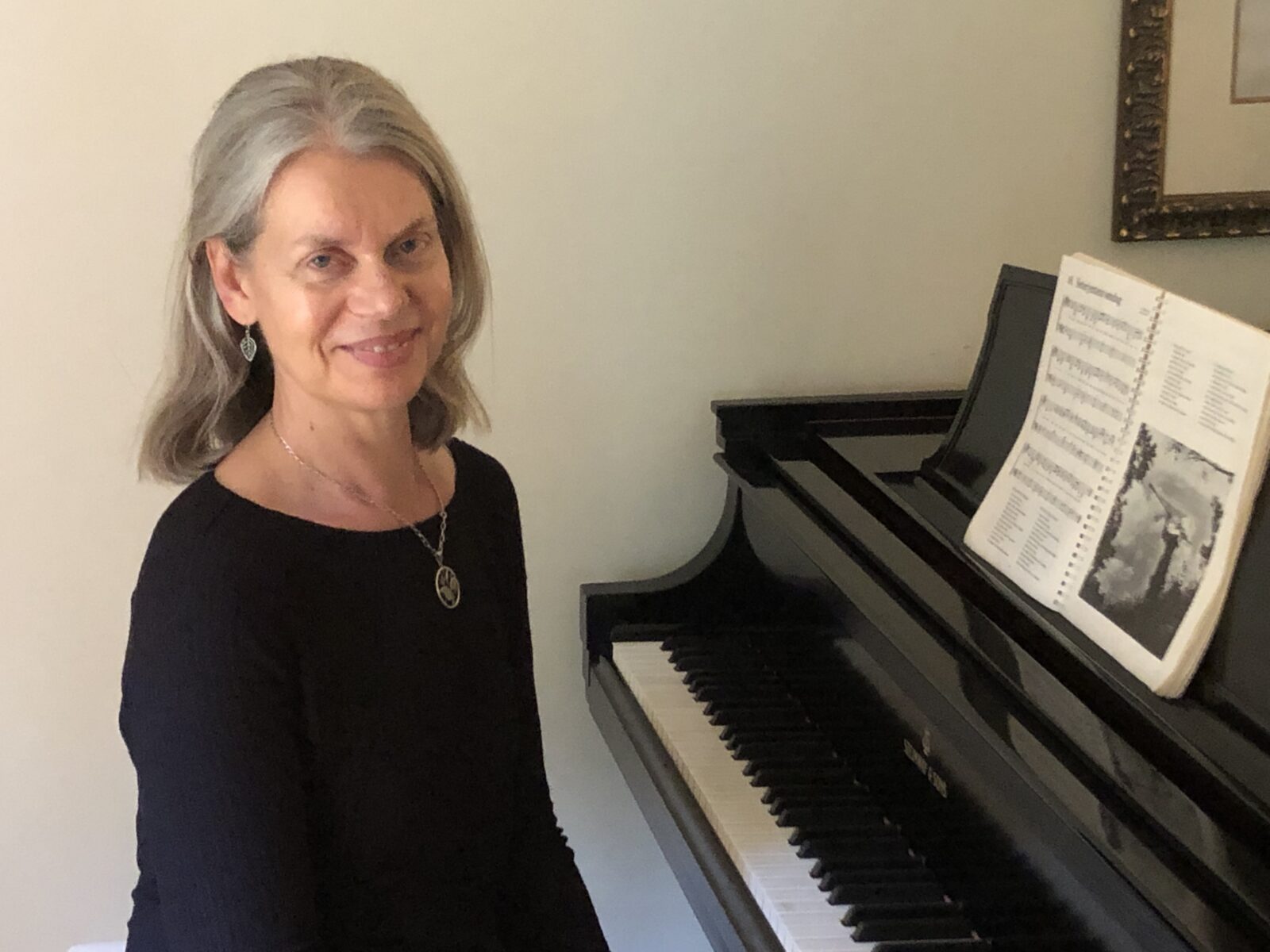
International Spotlight: Kristin Saltonstall in Panama
Kristin Saltonstall comes from a longstanding ACMP family and has been a member of ACMP for as long as she can remember. As a molecular ecologist, she works for the Smithsonian Tropical Research Institute in Panama, where she has forged a new musical life for herself and enjoys the natural beauty that Panama has to offer.Read More ↗
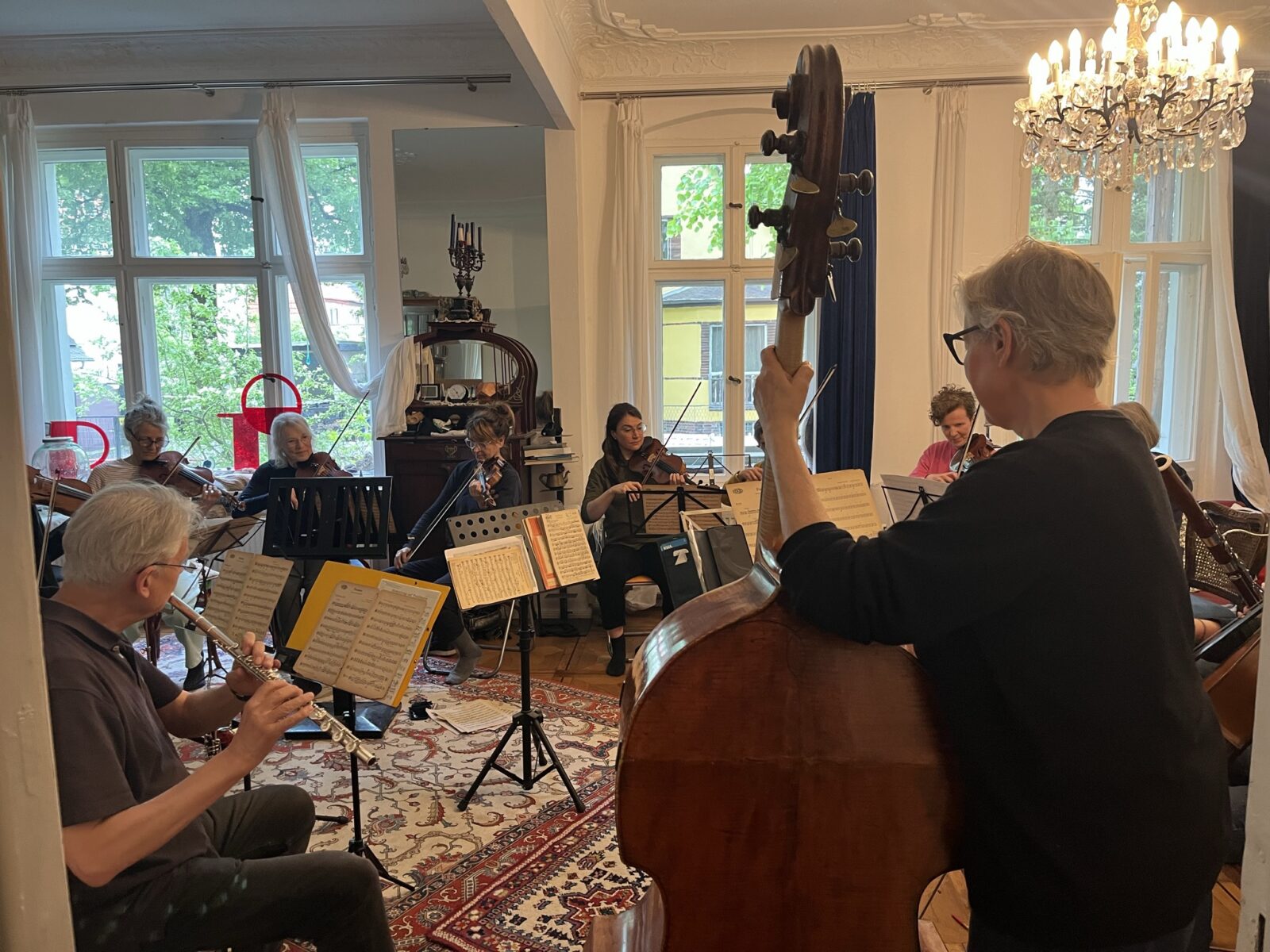
Springtime Extravaganza Light Music Orchestra on May 9, 2026, in Berlin-Karlshorst
Fifteen musicians followed Gudrun Schnellbacher's invitation to a very special kind of play-in – to play in the Springtime Extravaganza Light Music Orchestra. Read the article in English or in German.Read More ↗
Load More
All Articles By