Henry, Gideon, Joan and me
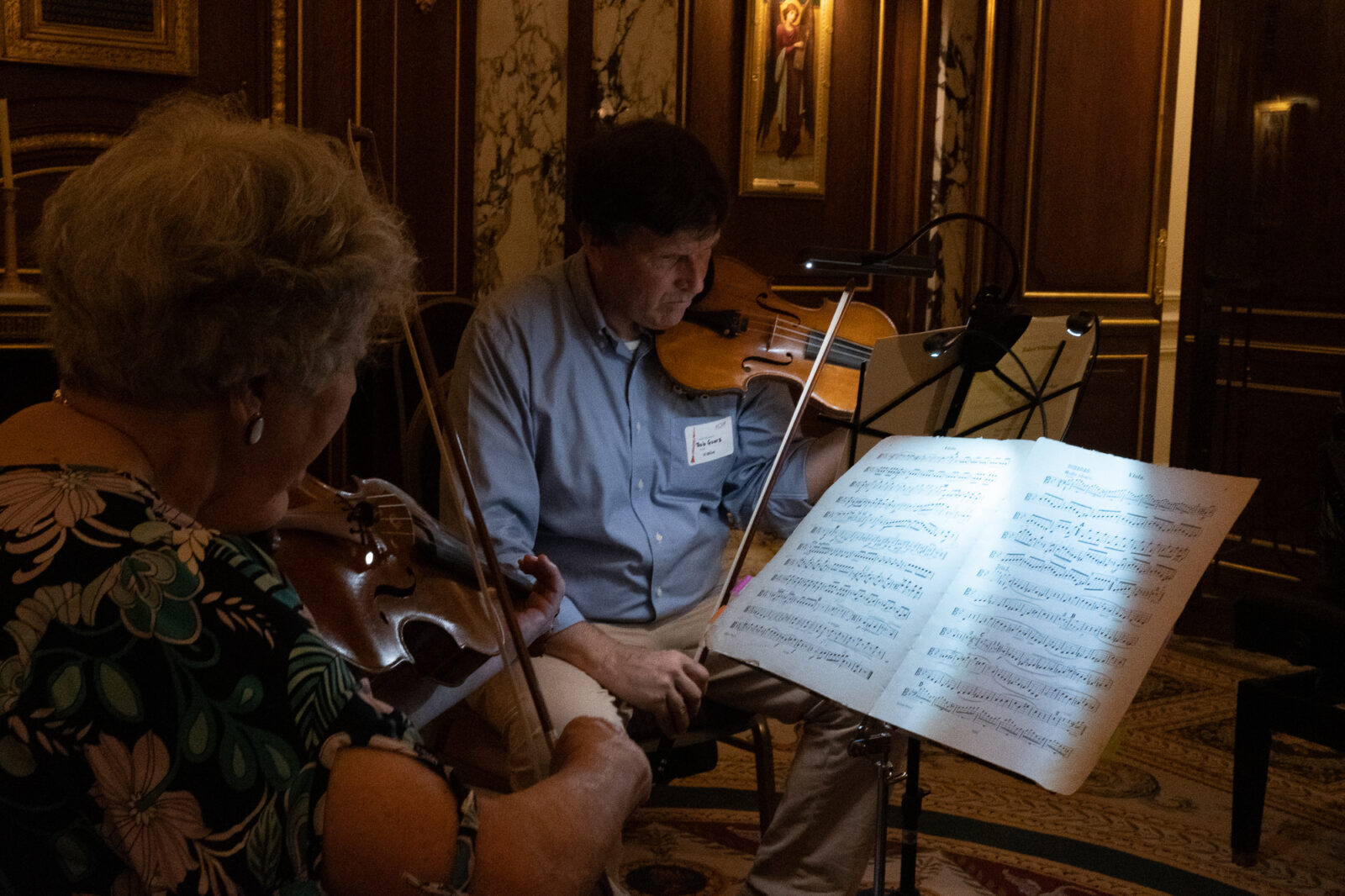
I joined ACMP when I was 30. My wife, Debbie, had given birth to the first of our three sons, and I was working nights as an editor at a newspaper in New York. It was a busy time, but I wanted to go back to the violin. The question was how. Orchestras were not an option because of my work schedule, and I lacked the discipline to practice on my own. I knew this because I had tried taking lessons in my 20s, only to spend my time watching sports.
So I joined ACMP and, like many, waited for a call.
That call came a couple months later from a distinguished-sounding man named Henry. He played the violin and his quartet needed another violinist. Was I available during the day? Why, yes I was.
I was less than half the age of the three other players. Henry was in his late 70s and had enjoyed a varied, successful career. Gideon, the violist, was in his 80s and life had taken him from Austria to high school in Switzerland to Palestine to New York. His treasured copy of Beethoven’s Opus 18 quartets was a frayed hardcover book, printed sometime around 1920. And then there was Joan, a cellist in her 70s who was born in a small town in Michigan.
We met weekly. I was rusty and would get lost. I realized I had to practice. Before I knew it, I was coming home from work at 1 a.m. and practicing for however long I could last.
Gradually we got to know one another. I’d ask them about their lives, their careers, their families. The conversations between movements grew longer.
Gideon, I learned, had been an important figure in the New York art financing world. Established banks stayed away from the art market, seeing it as too risky. Gideon had a different view, and history proved him right.
Henry, a man of many talents, asked me what I did for a living and I told him I was an editor. “So was I, for the WPA Guide to New York City.” That book was published in 1939. It’s still in print, something not many editors or authors can say.
I never would have heard stories like this in my insular world of New York newspapers. If nothing else, these conversations taught me that if I talked less and listened more, I just might learn something.
When we weren’t talking about our families and careers and interests, we’d talk about music. At one session, Gideon suggested we play the second movement of Beethoven’s Opus 59, No. 2.
Gideon and Henry and Joan ended up in an extended discussion of what the right tempo should be.They went back and forth, until Gideon read Beethoven’s instructions in Italian: “Molto adagio. Si tratta questo pezzo con molto di sentimento.”
“What’s that mean?” I asked.
“It means that Beethoven wanted this movement to be played with a great deal of feeling,” he said in his continental European accent.
We stopped talking about tempo and played through the movement, never having to stop. After the last note, we put our bows down and were silent. No one wanted that moment to end. I looked at Gideon and his eyes had welled up.
“That was beautiful,” he said.
My mind wandered to the life he had led, his frayed copy of the music, his love of the viola. I thought of Joan and Henry and what I had learned from them. Thirty years later, I’m still learning.
More Articles
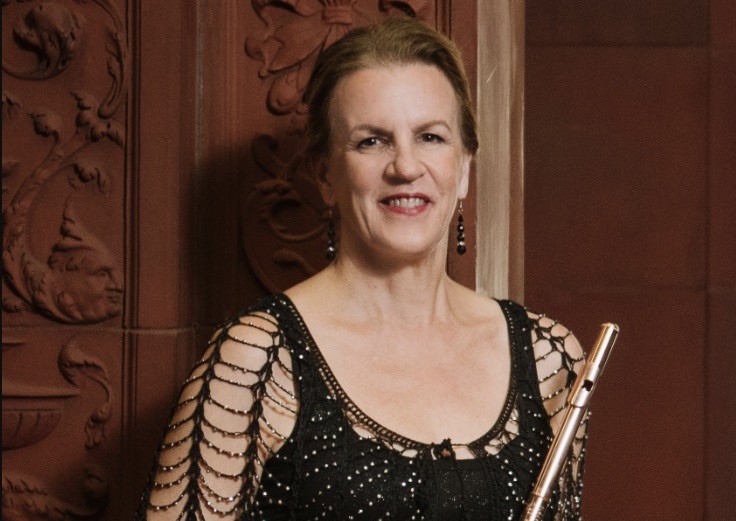
Meet the Musician: Flutist Svjetlana Kabalin (Video)
director of the Sylvan Winds, a wind quintet she has led for over 46 years.Read More ↗
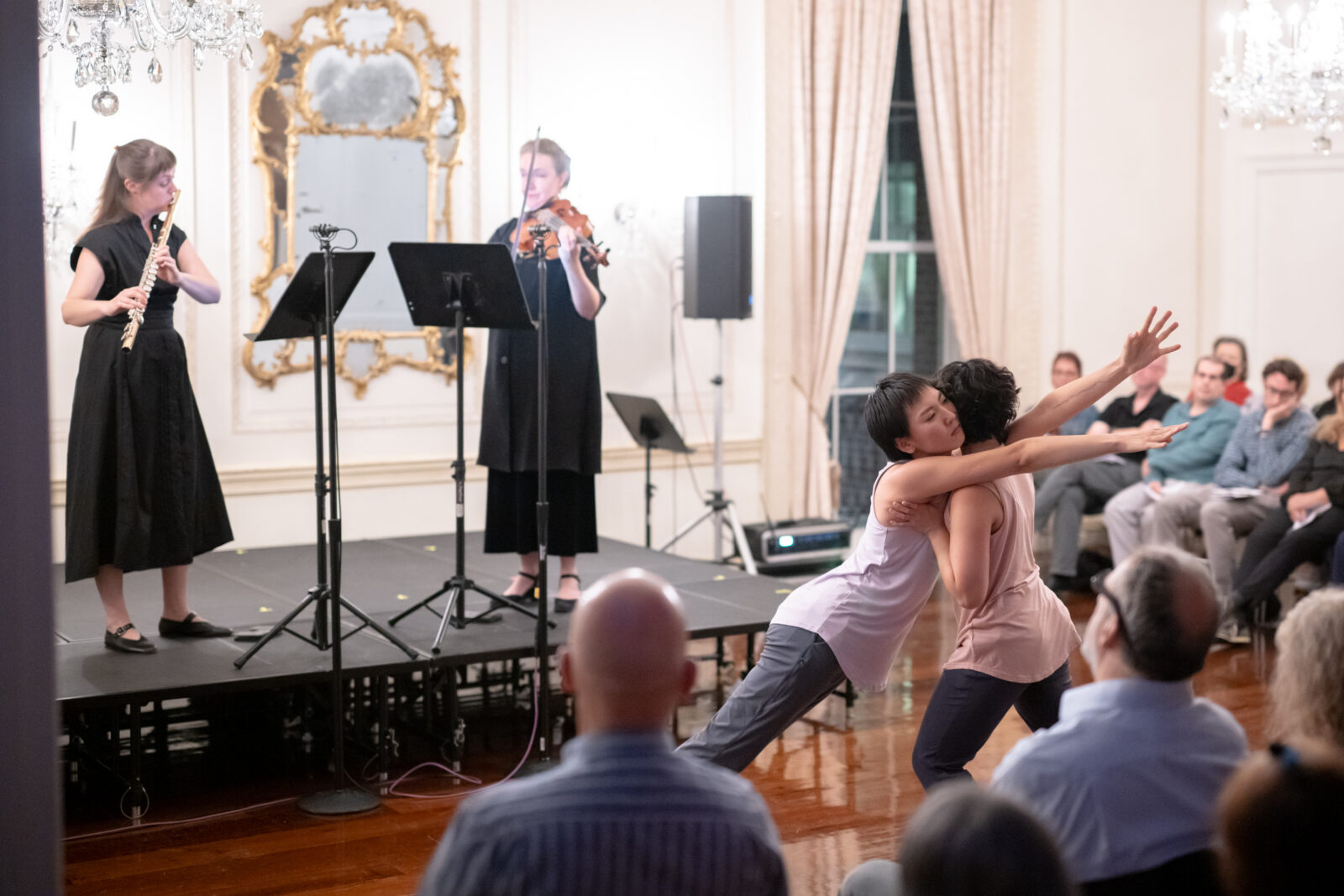
What I learned from wind players
ACMP Executive Director Stephanie Griffin reflects upon her personal experiences working with wind players as a violist and composer. All of us musicians can learn so much by listening to and especially playing with musicians who produce sound in a completely different way than we do!Read More ↗
Interview with Joe Wilson and Edward Guo
ACMP member flutist Joseph Wilson has been actively adding to the chamber music repertoire for flute, by making original arrangements and transcribing parts and scores from manuscript, and uploading them to IMSLP. Watch the video of him in conversation with Stephanie Griffin and IMSLP founder Edward Guo.Read More ↗
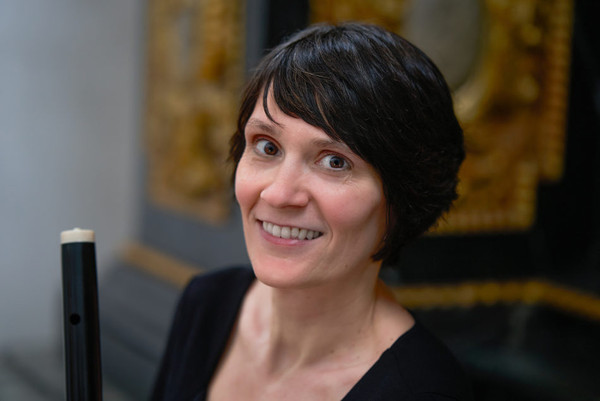
Put a flute on it! Arrangements of Haydn string quartets for flute and string trio
Looking for top-quality repertoire with flute and strings for your ACMP Haydn Challenge gathering? Put a flute on the opus 20 string quartets. Listen to the beautiful recording by the Campanile Ensemble with Hungarian Early Music flutist Ildikó Kertész.Read More ↗

The Flute: Beloved of Amateurs
The flute has been a favorite of avocational musicians in the US since the colonial period. While most players are lost to history, many notable figures have played it, from John Quincy Adams to astronaut Cady Coleman.Read More ↗
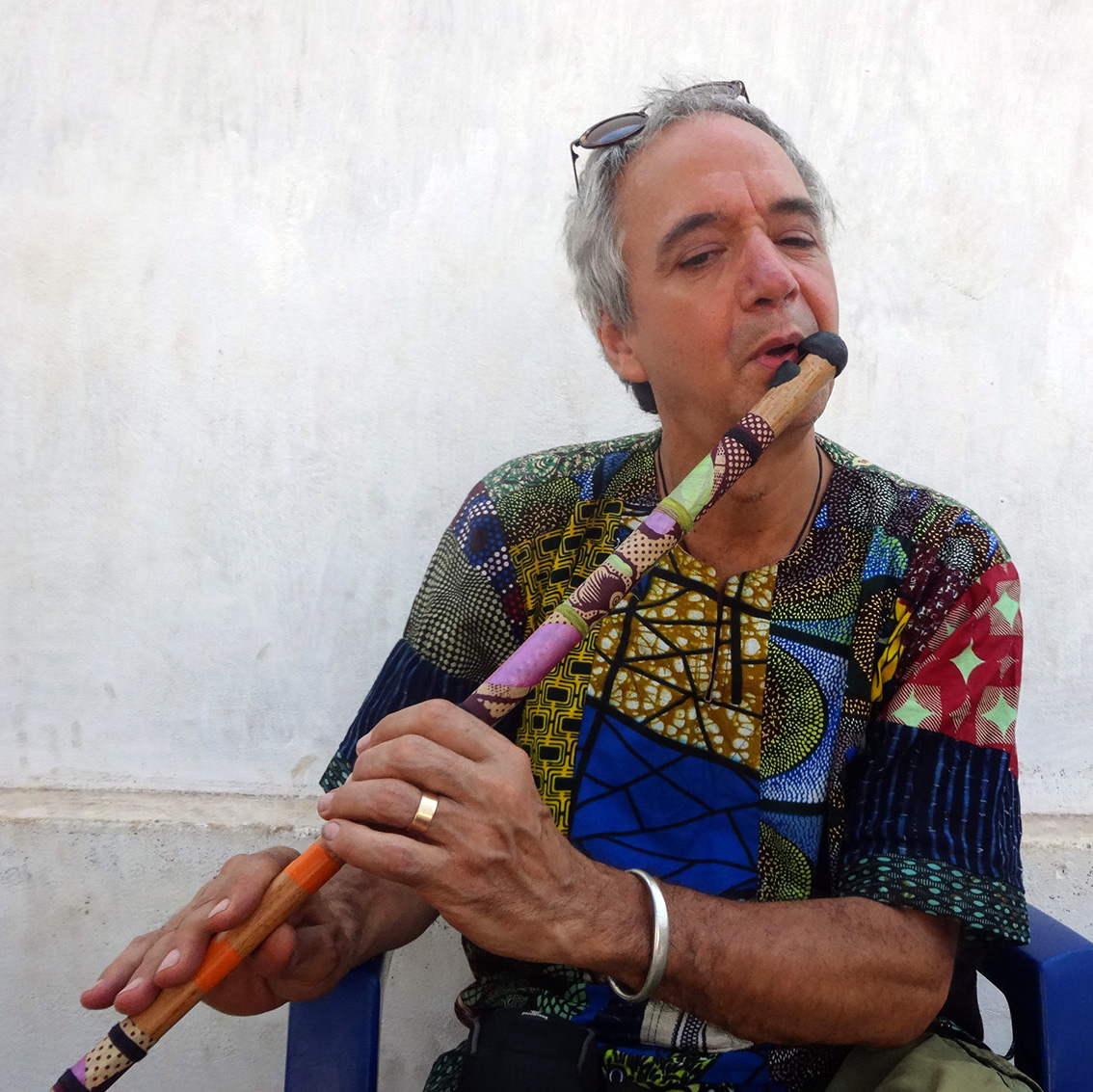
My journey with the Fula flute
Flutist Sylvain Leroux recounts his adventures with the Guinean Fula Flute. He fell in love with the Fula Flute listening to a record in the early 1980s, and his journey led him to performing around the world, inventing new Fula Flutes with extended possibilities, and founding a school in Guinea.Read More ↗
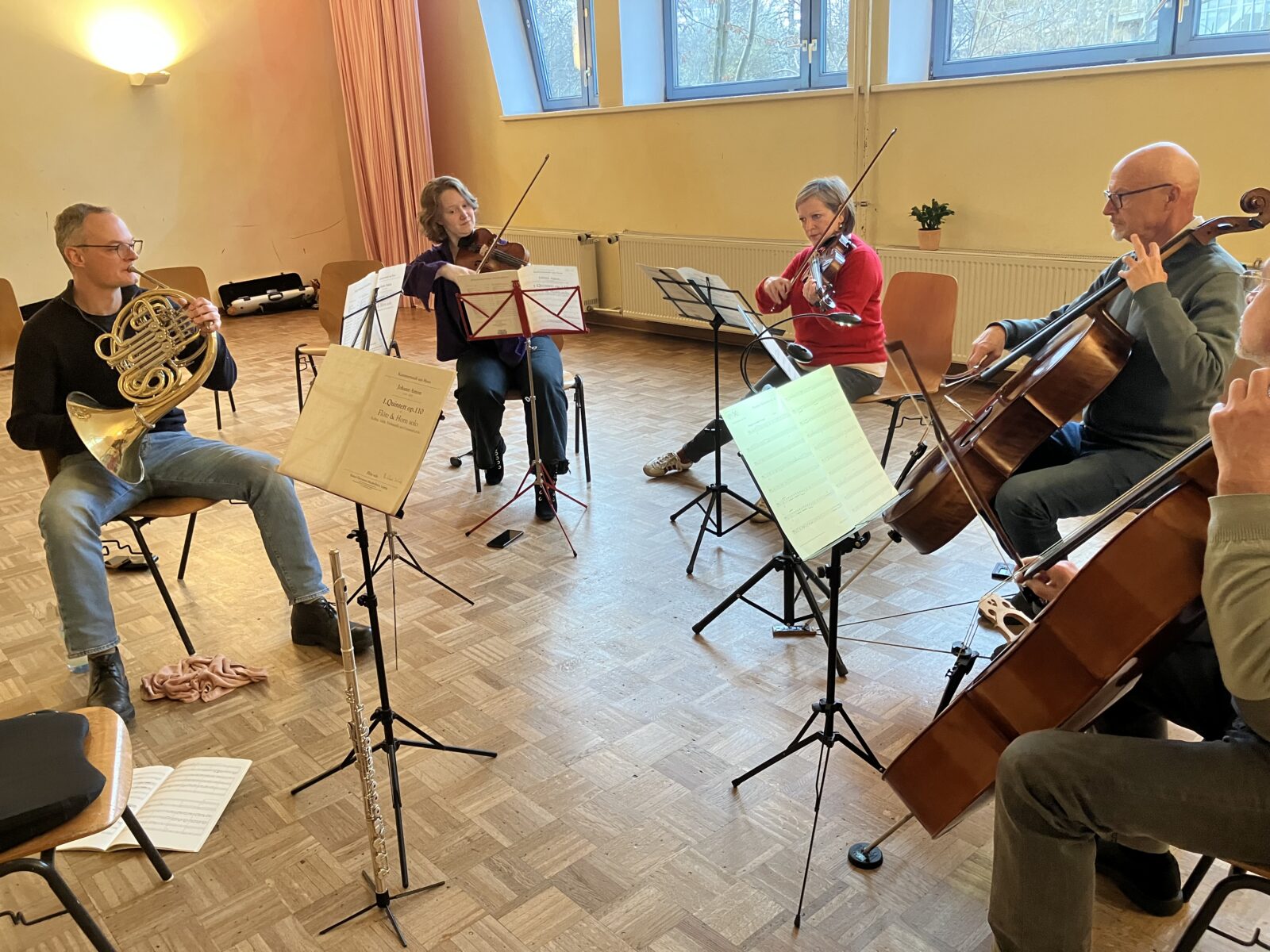
Music for winds, strings and piano at the first Berlin Play-In of 2026
On March 14, 2026 seventeen chamber players gathered at the first Berlin Play-In of the year, made possible in part with the support of ACMP. They played a varied menu of chamber works for flute, oboe, horn, piano and strings.Read More ↗
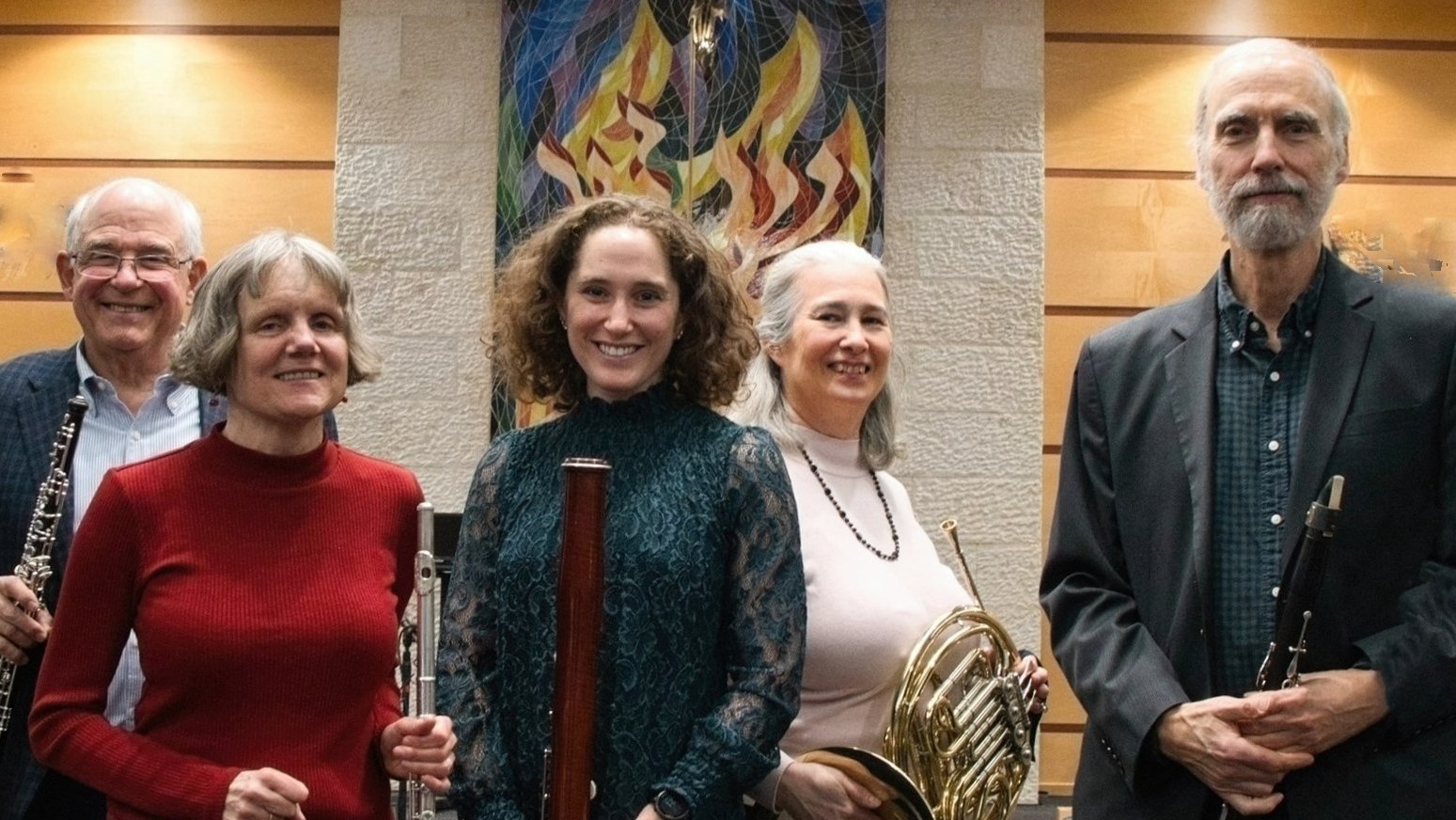
Chamber music, the Horn and Friends
There's more to chamber music with horn than just the standard wind quartets and quintets. Liz Dejean shares her favorite repertoire for horn combined with strings, piano and strings or other other winds, and larger ensembles.Read More ↗
A Visit to Trevco Music
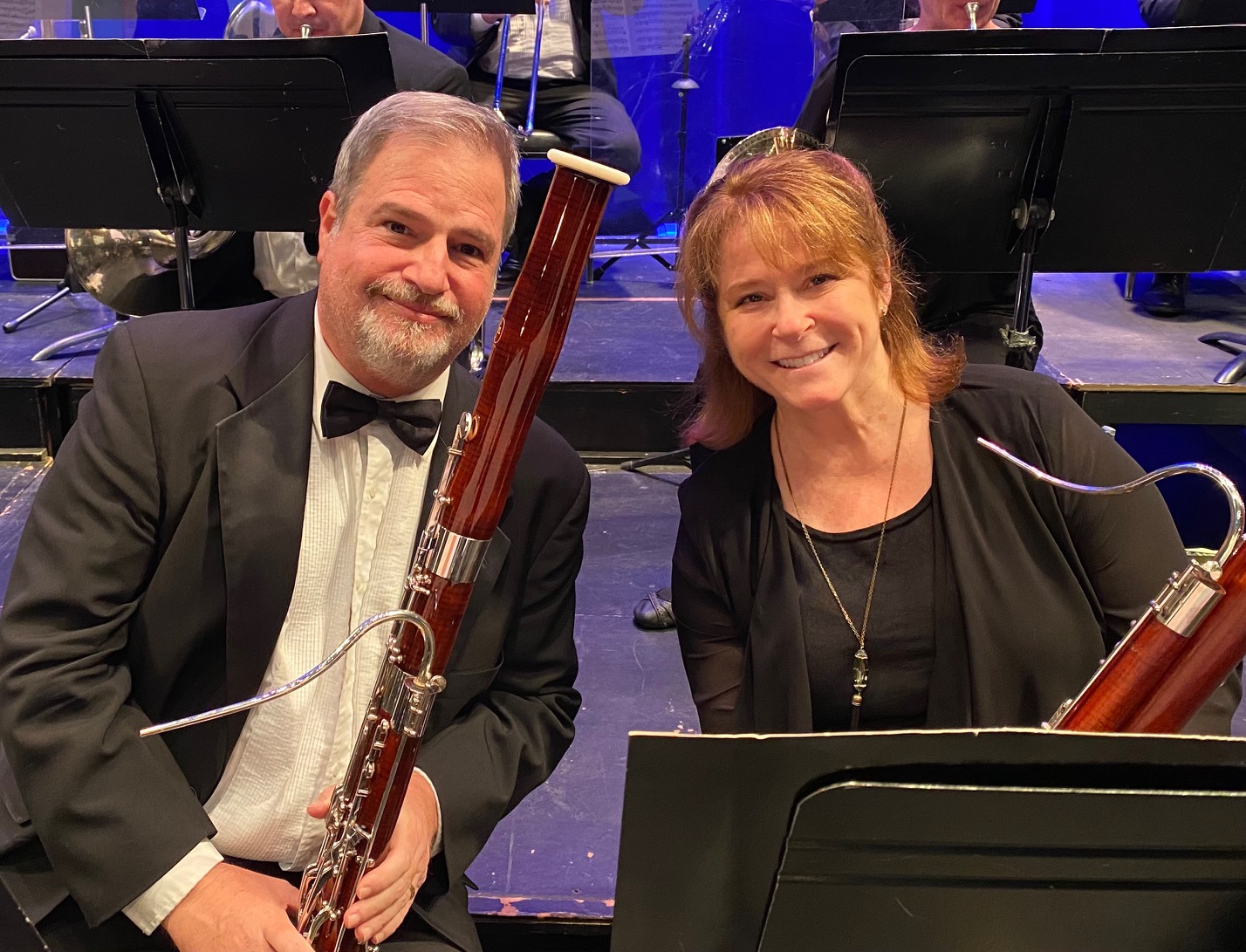
Bassoonist Chris Foss waxes poetic about his recent visit to the Trevco Music headquarters in Middlebury, Connecticut where one can browse the stacks of literally 1800 pounds of music for wind quintet, along with any chamber music you can imagine and lots of fun arrangements involving winds. You can even get a discount with a secret code!Read More ↗
The Ukrainian Chamber Music Encyclopedia: a resource for wind players
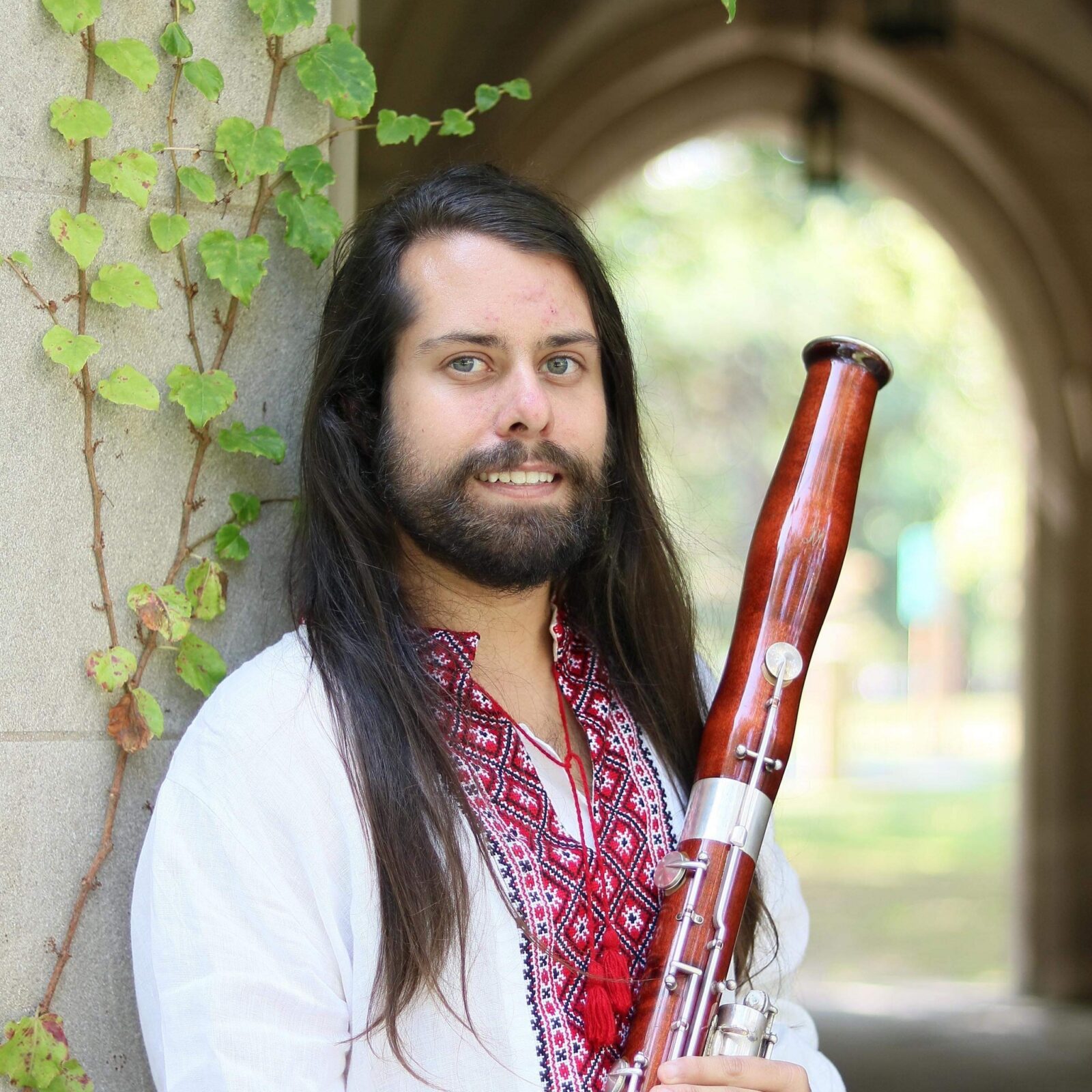
Ukrainian Canadian bassoonist Zachary Senick has devoted his research and performance life to unearthing the vast catalogue of chamber music for winds and music for solo bassoon by Ukrainian composers. Explore the Ukrainian Chamber Music Encyclopedia and the offerings made available by Editions Plamondon.Read More ↗
Chamber repertoire for oboe: a curated list
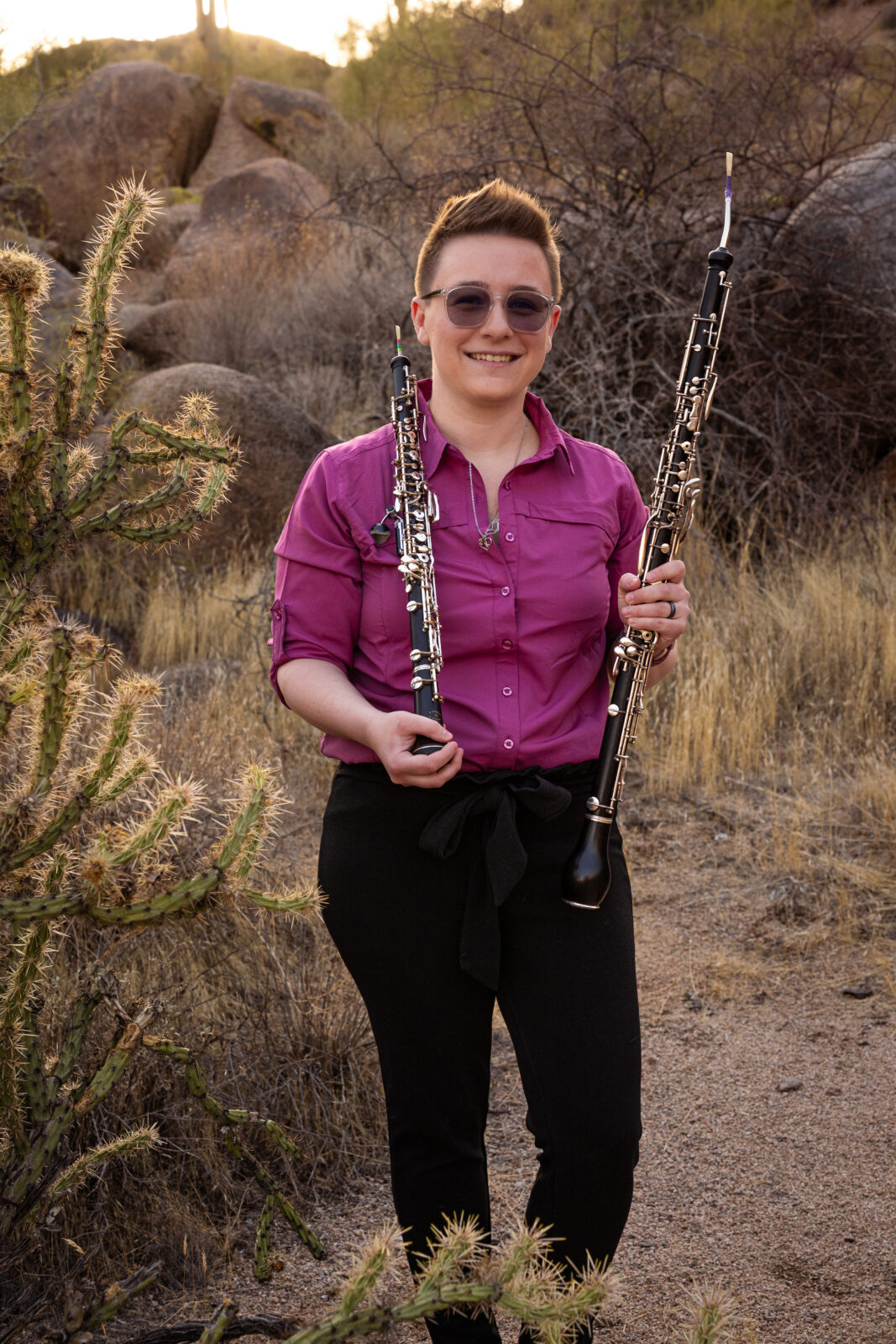
Oboist and scholar Dr. Kelsey Maes has shared her 60-page list of chamber music with oboe with ACMP. The list is organized by country, style and time period and is easy to navigate with hyperlinks in a detailed table of contents. Explore the list and discover new pieces to play with oboe!Read More ↗

Chamber music for bassoon: The George Zukerman Library
Throughout his long life, Canadian bassoon legend George Zukerman collected a huge library representing three centuries of bassoon repertoire. Concerti, chamber music, solo pieces – much of it hitherto unknown to the bassoon community. In tribute to this beloved Canadian musician, the Council of Canadian Bassoonists has digitized his collection and assembled this extensive online database.Read More ↗
On coaching mixed chamber music with winds
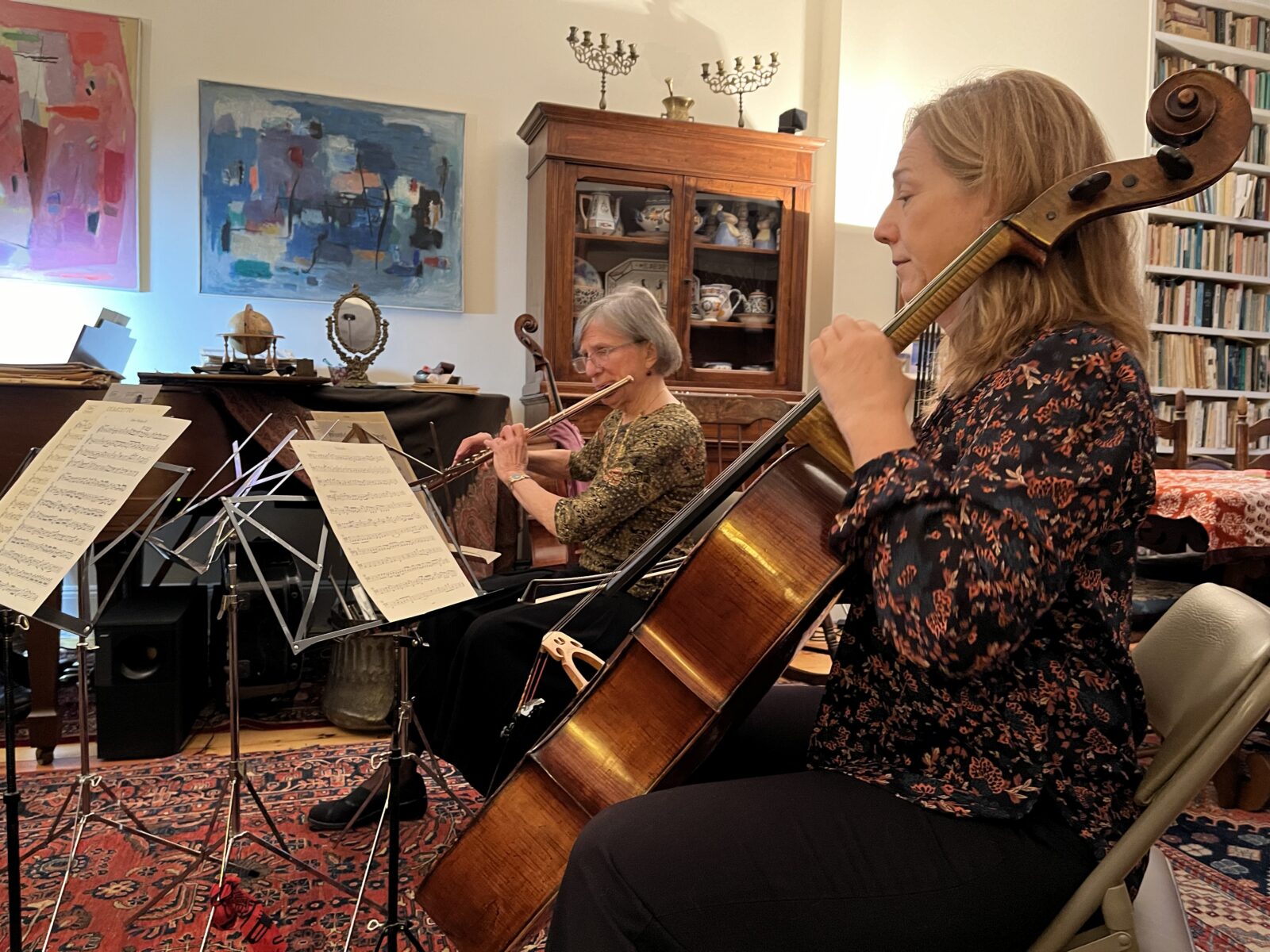
Professional flutist Jayn Rosenfeld reflects on her experiences coaching mixed chamber music for winds with strings, piano and other instruments, and shares a list of her personal favorite pieces.Read More ↗
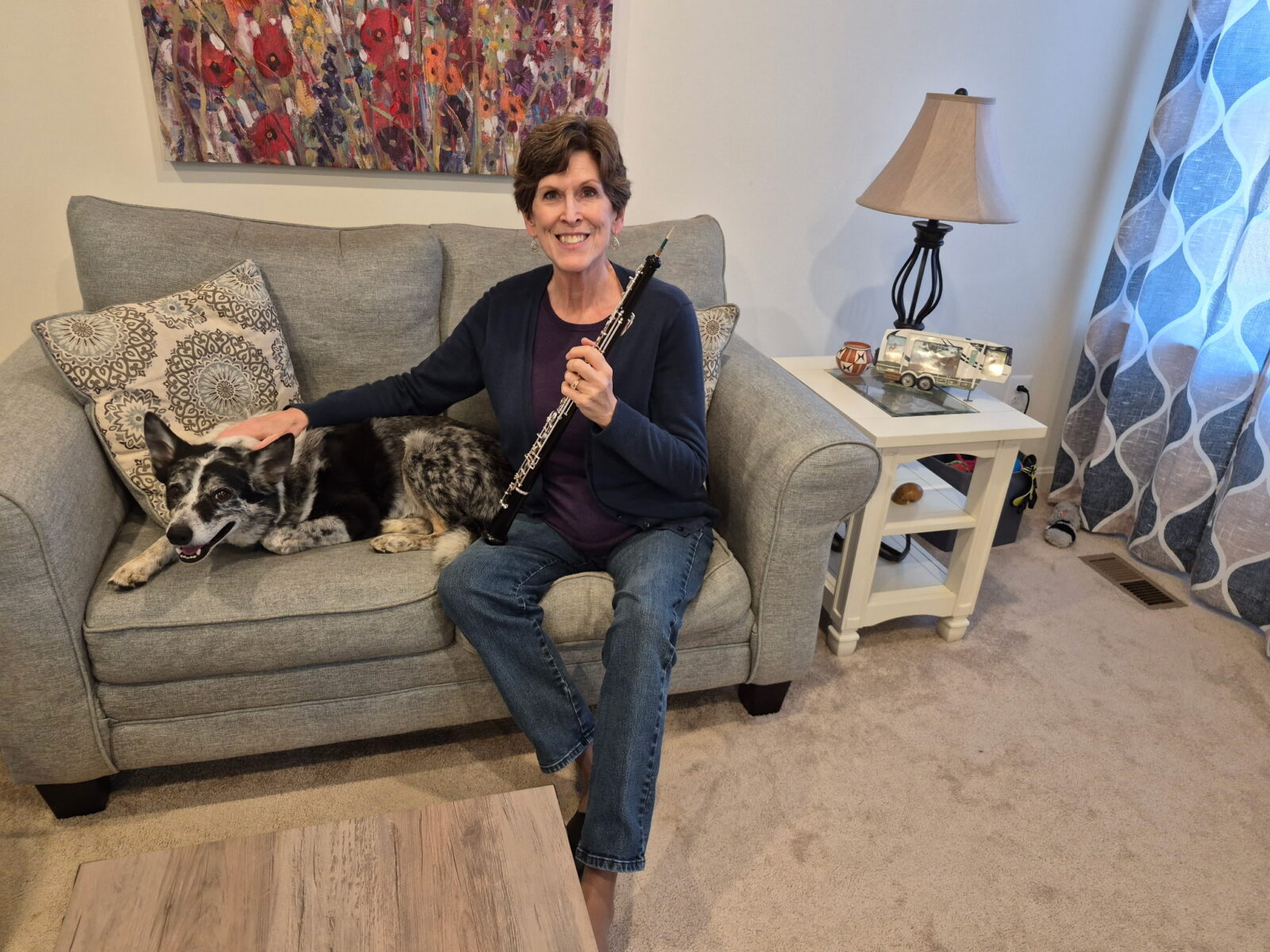
For this oboist, it’s not a job but a journey
After a long career as an association manager, Sally Finney Timm has more time to play oboe and helps others find an outlet by chairing the International Double Reed Society's Avocational Players Committee. Read Sally's story about how she fell in love with the oboe and kept it going over so many years.Read More ↗
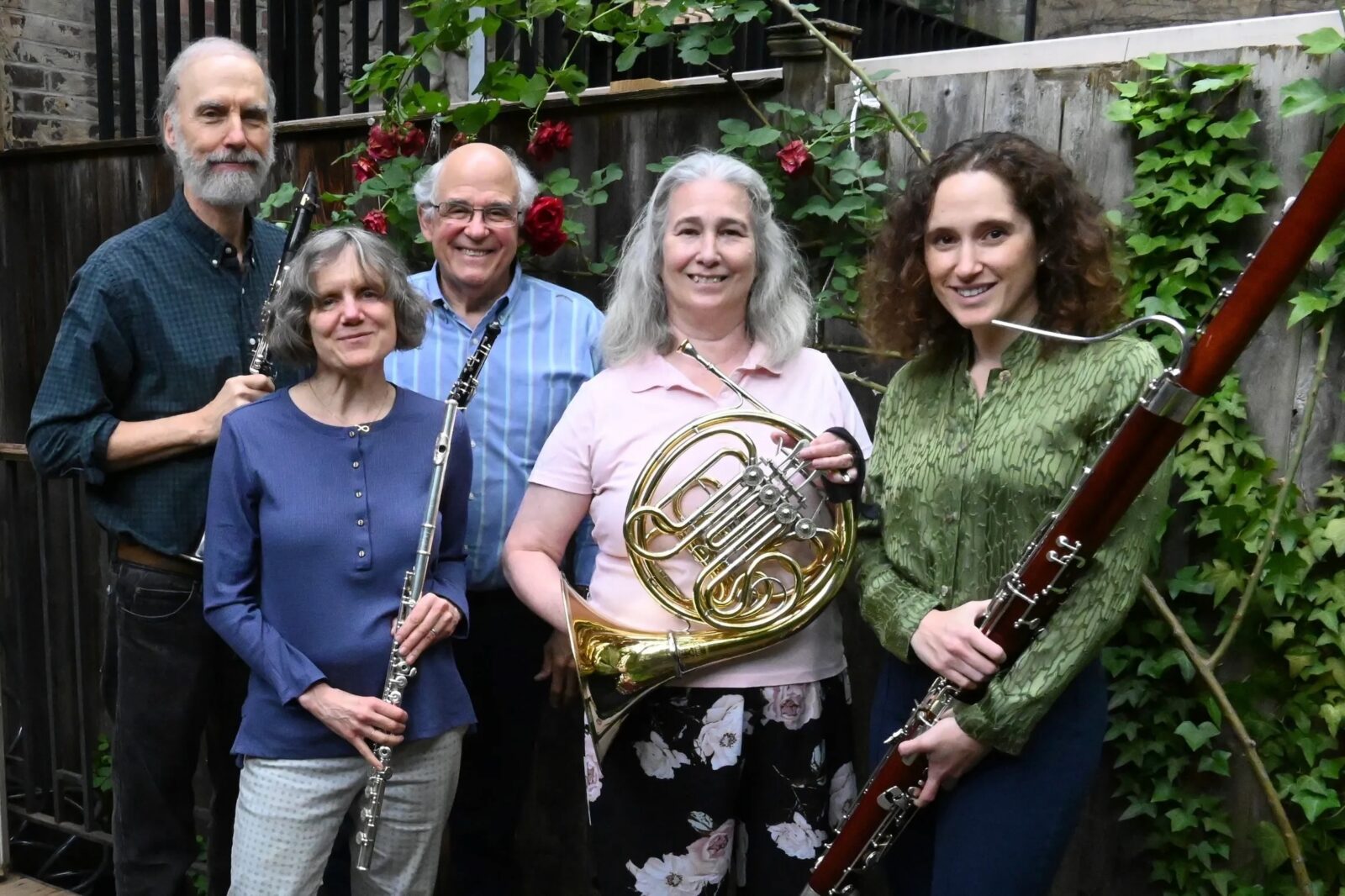
Wind players shine in the Broadway Bach Ensemble’s chamber concert
Every Spring the Broadway Bach Ensemble presents a chamber music concert featuring the orchestra's members and their friends in a wide range of small ensembles. Winds will come to the fore at this year's concert, at 7:30 on Thursday March 19 at Broadway Presbyterian Church in Manhattan's Upper West Side.Read More ↗
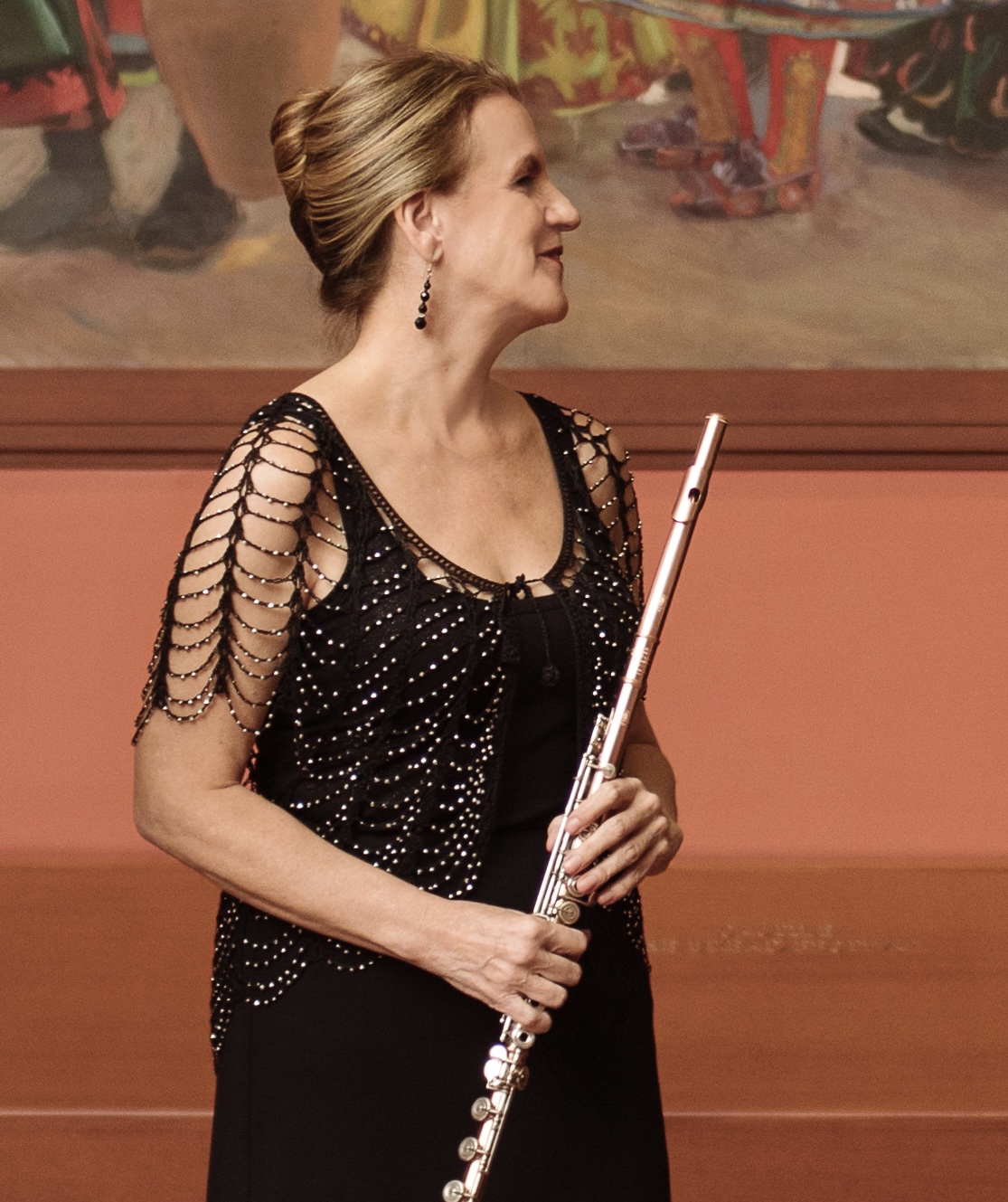
Meet the Musician: Flutist Svjetlana Kabalin (Sunday, March 29, 2pm ET)
Join ACMP for an interview and Q&A with Svjetlana Kabalin on founding and sustaining Sylvan Winds and expanding wind quintet repertoire.Read More ↗
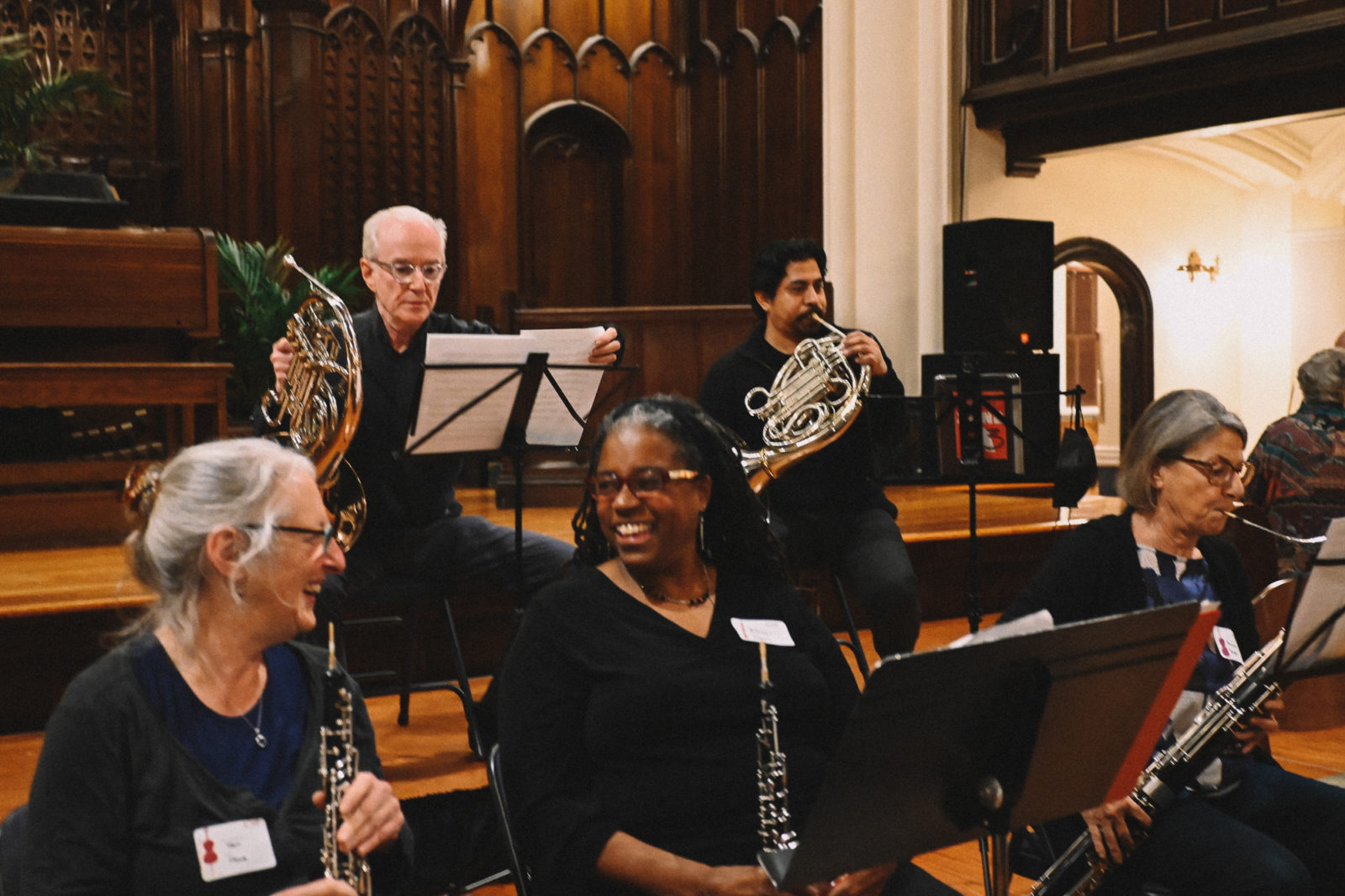
March Winds: Wind Chamber Music Appreciation Month
This March, ACMP is proud to launch "March Winds": Wind Chamber Music Appreciation Month! It's an international grassroots movement to expand the awareness and appreciation of the rich repertoire of chamber music including winds.Read More ↗
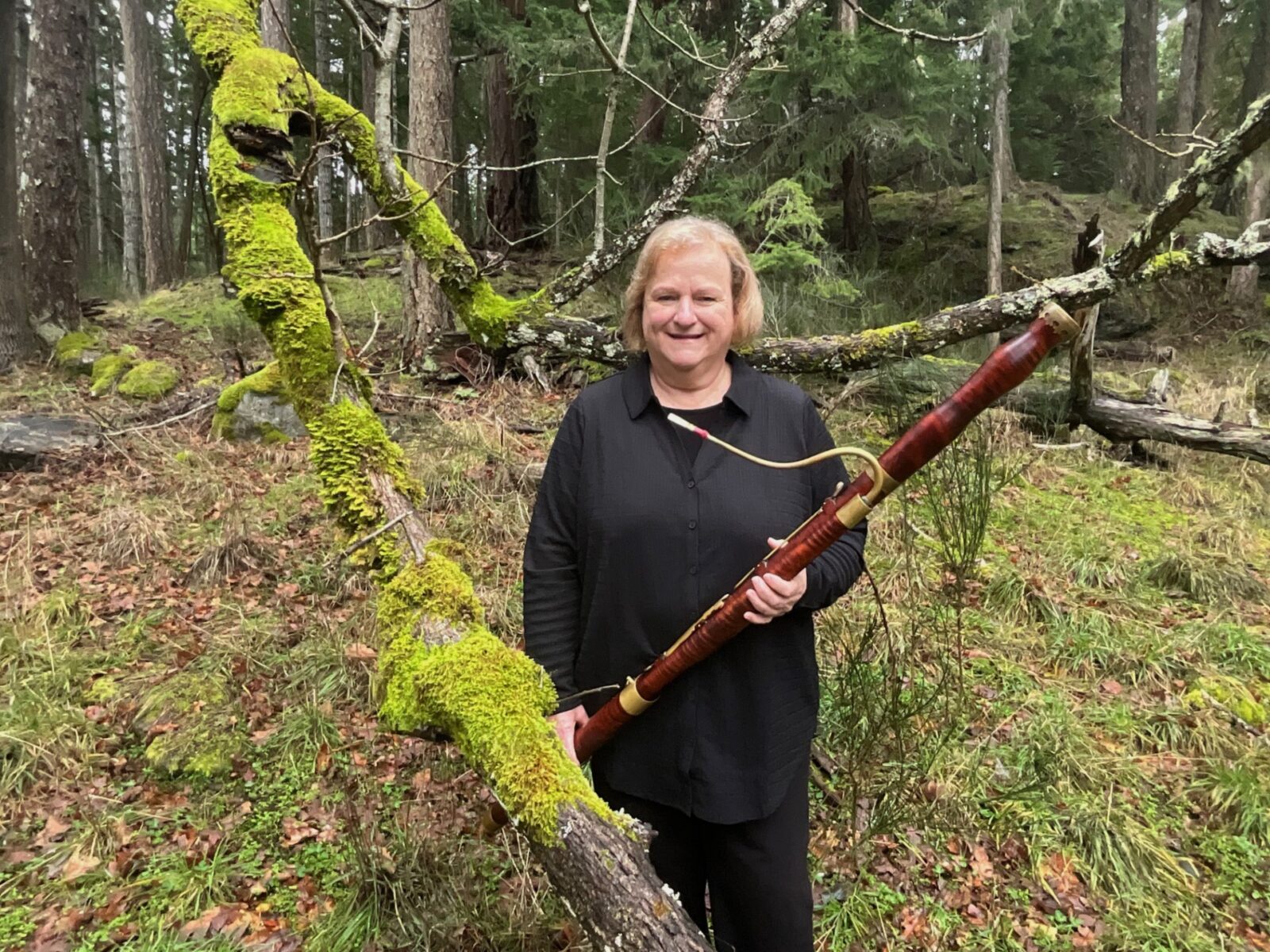
Kerry Graham: It’s never too late to learn the Baroque bassoon
At age 50, Kerry Graham was living what many would consider a rich and full life, working internationally as a chemical engineer and doing pretty well. But music, and especially the bassoon, kept tugging at her sleeve. She wanted to go back to school to learn the bassoon. Read Kerry's interview with ACMP Board chair Bob Goetz.Read More ↗
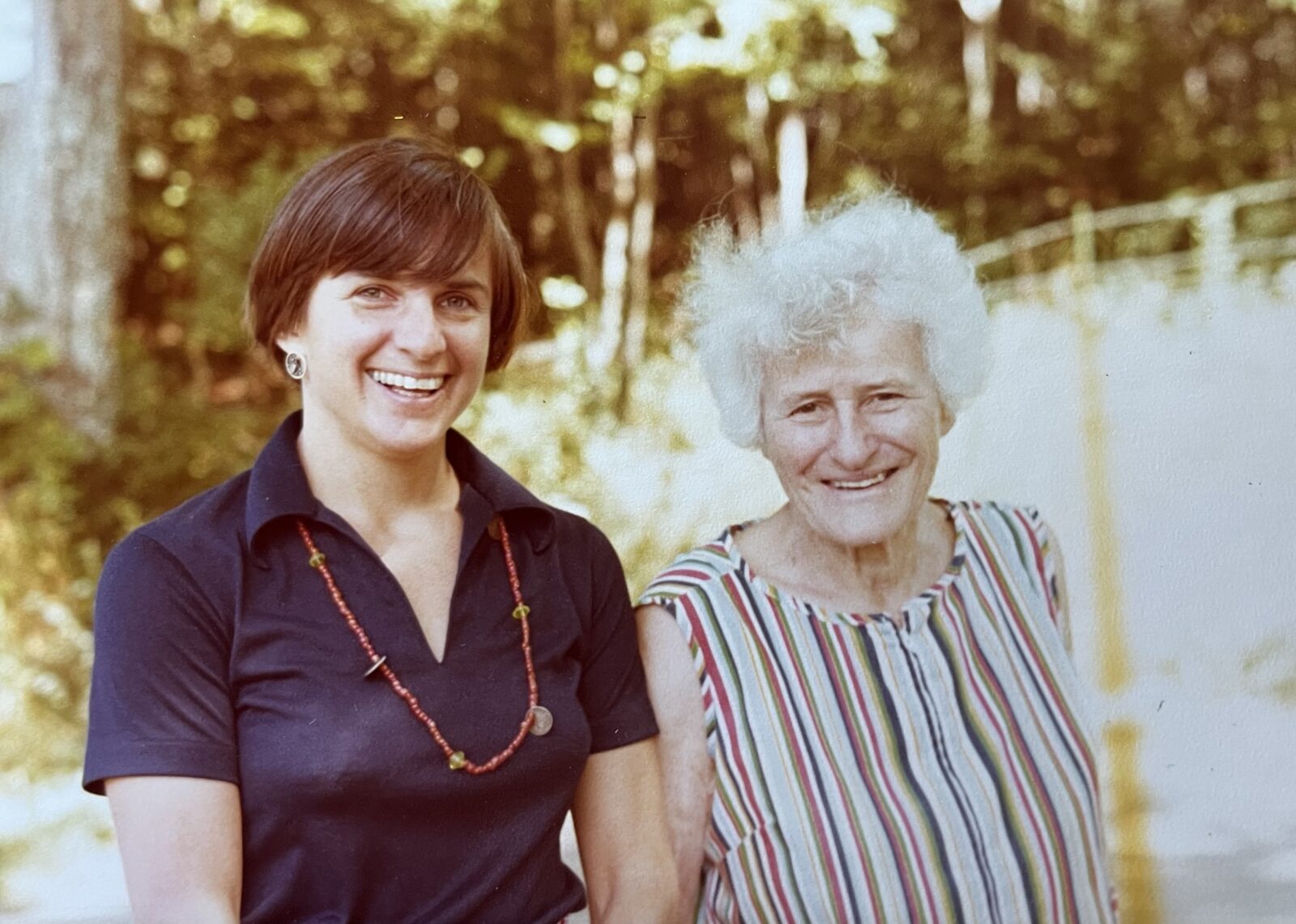
Helen Rice and me!
Professional flutist Jayn Rosenfeld grew up in a family of passionate amateur musicians and had a close personal connection with ACMP's founder Helen Rice. Read Jayn's story about her childhood experiences with some of the early pioneers of ACMP.Read More ↗
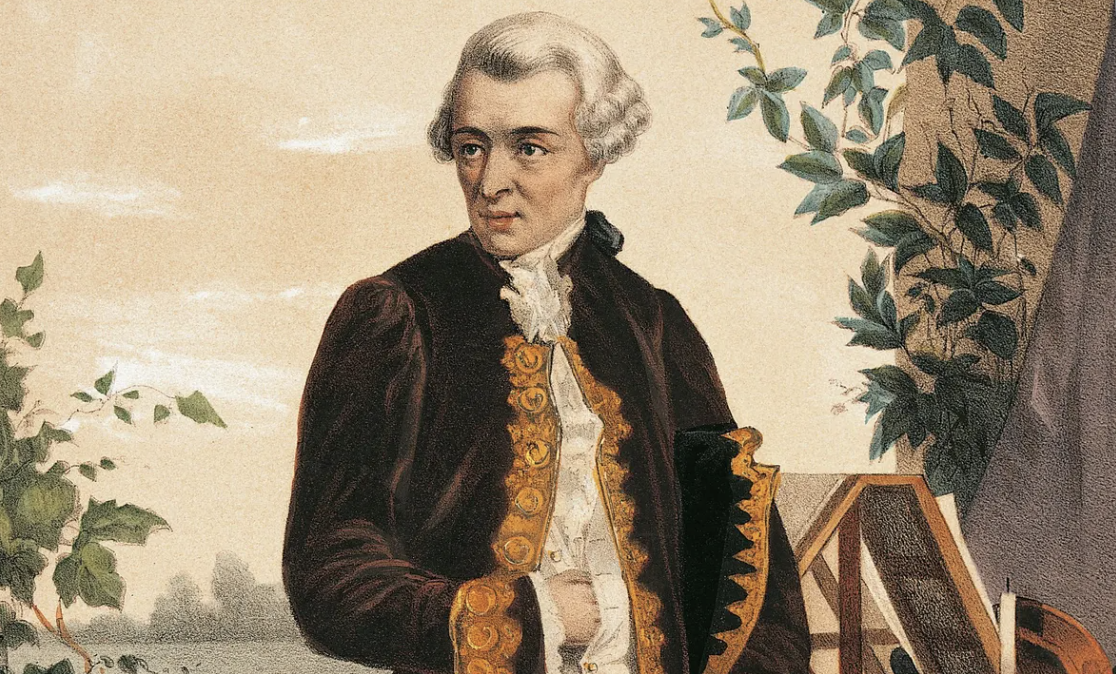
The 2026 ACMP Haydn Challenge
March 31 is Joseph Haydn’s birthday! It’s also a fabulous occasion to celebrate his contributions to the world of chamber music with a gift in his honor to ACMP…Throughout the month of March, we hope you will participate in the ACMP Haydn Challenge.Read More ↗
Load More
All Articles By