Kerry Graham: It’s never too late to learn the Baroque bassoon
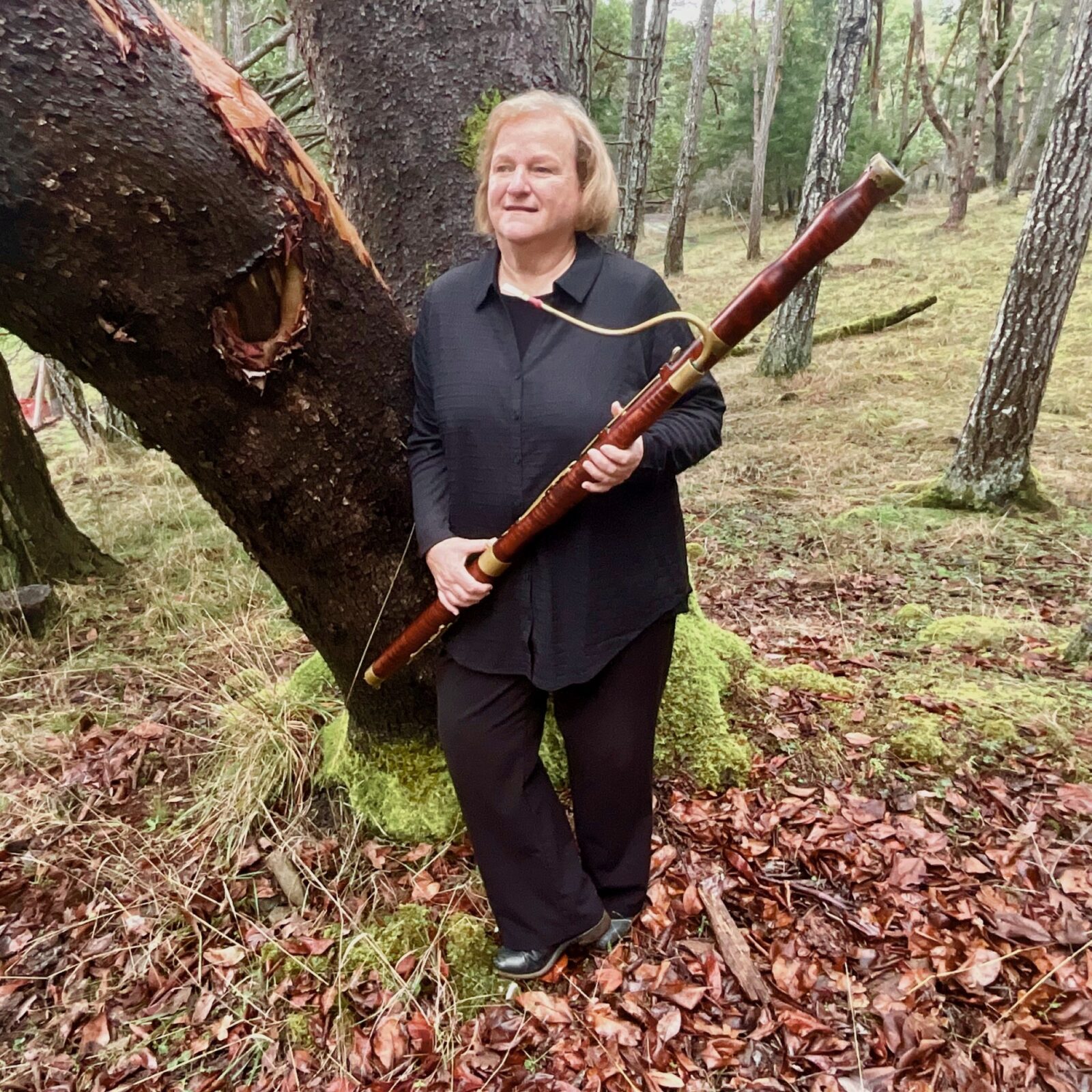
At age 50, Kerry Graham was living what many would consider a rich and full life, working internationally as a chemical engineer and doing pretty well. But music, and especially the bassoon, kept tugging at her sleeve. She wanted to go back to school to learn the bassoon.
“When are you going to do that?” her husband asked.
It registered.
“I up and quit my job,” she recalled during a recent conversation. “I came back to Canada and I bought a bassoon.”
Now 65, she is still at it. She began her second act with a year of intensive private study before entering the University of British Columbia. She went on to earn a bachelor of music and a master’s degree in Baroque music.
Along the way, she expanded her focus beyond the modern bassoon to historical instruments, including the Baroque bassoon and the Renaissance dulcian, immersing herself in early music performance practice.
Today, from her home on Salt Spring, an island of just 10,000 people outside of Vancouver that is reachable only by ferry, Kerry maintains an active musical life, one with chamber music at the center.
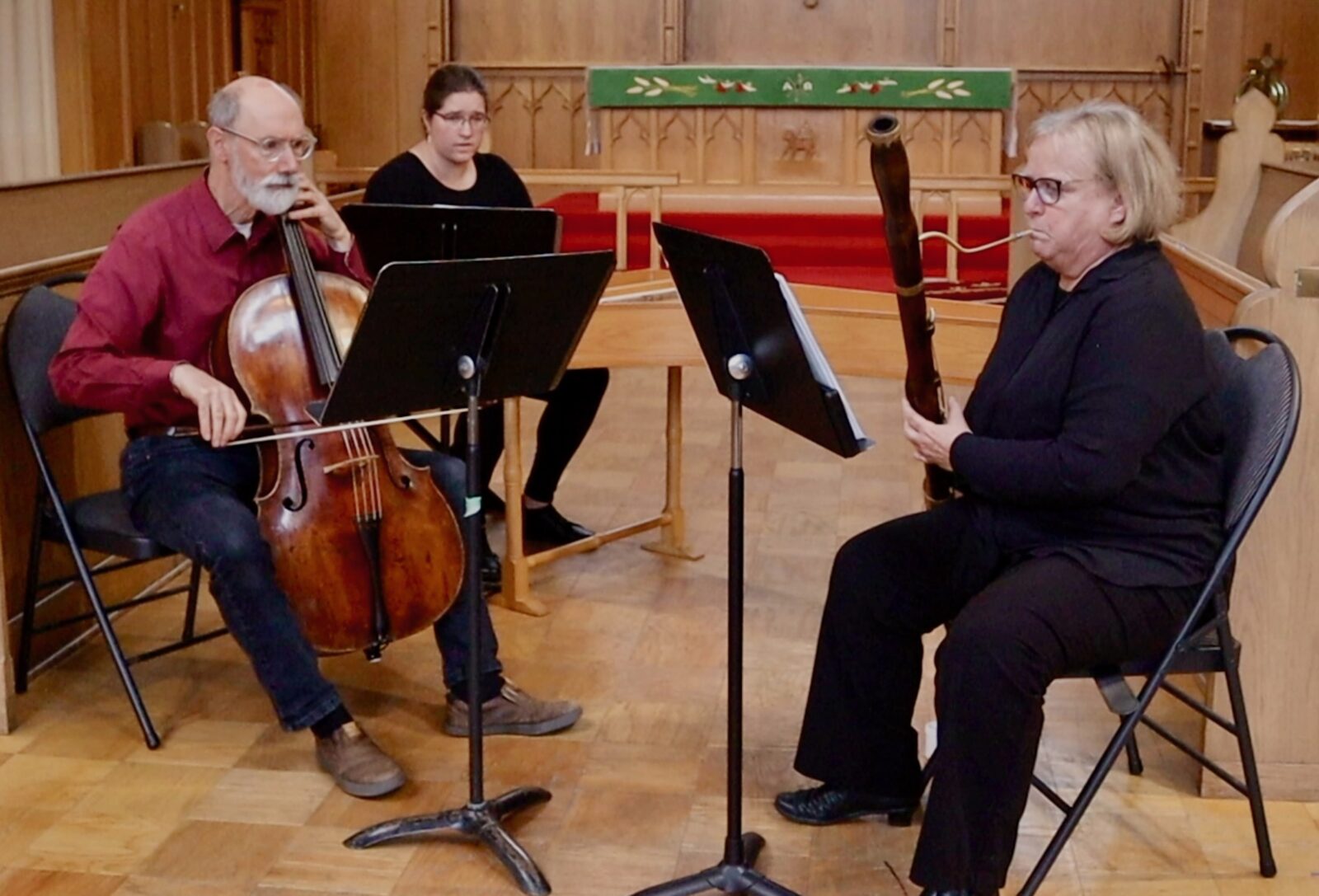
She performs with a local chamber orchestra, coaches amateur ensembles, and travels weekly to Vancouver and Victoria to play with Baroque orchestras and chamber groups.
In 2021, she founded Salt Spring Baroque, a concert and educational series dedicated to professional chamber music, workshops, and lectures, further anchoring early music in her local community.
For Kerry, chamber music is not simply repertoire—it is a way of building connection, sustaining curiosity, and continually rediscovering music across time, place, and collaboration.
We talked with Kerry about her musical life. The questions have been edited for conciseness and clarity. – Bob Goetz
What attracted you to the bassoon?
It’s a very cool instrument. I love the sound, the timbre of it. In orchestras especially, you sit there a lot. But then when you have something to play, it’s always some kind of a beautiful solo. I heard a lot of those and I love that idea.
Did you have any prior musical experience before taking up the bassoon at 50?
Yes. I started playing clarinet when I was 10, played it through school and continued throughout the 25 yrs I was working as an engineer, in various community groups. I also started piano when I was 14 and kept playing it on and off.
What first drew you to chamber music?
Chamber music lets me engage deeply with the music and the people I’m playing with. In Baroque music especially, every part matters, and the bassoon often plays a foundational role. I love the intimacy, the conversation between players, and the way historical instruments force you to listen and adjust constantly.
How does playing chamber music differ from orchestral playing for you?
In chamber music, there’s nowhere to hide. You’re fully responsible for your line, your tuning, your timing, and your musical choices. That kind of accountability is exciting. It also creates a stronger sense of collaboration because decisions are made together, in real time.
What role does chamber music play in your life on Salt Spring Island?
It’s essential. The island has a small but vibrant musical community, and chamber music is how we make things happen. It allows for flexibility, creativity, and meaningful projects without needing large institutions or resources.
What’s the difference between a modern bassoon and a Baroque bassoon?
My Baroque bassoon has four keys, while my modern bassoon has 34. On a Baroque bassoon, you do a lot of things with your mouth instead of pushing down buttons. Over the years, as the bassoon developed, they just kept adding keys, so that the pitch would get better and the intonation would become easier.
I also play the Renaissance version of the bassoon which is called the dulcian. That’s kind of what I do now. It’s even more archaic. It has only one key. It’s a hunk of wood that you try to make sounds out of.
Why do you keep returning to chamber music throughout your career?
Because it’s endlessly rewarding. Every group is different, every program is different, and the music always reveals something new. It keeps me learning and connected, which is why I never get tired of it.
What would you say to someone considering chamber music later in life?
Just do it. It’s never too late to start or to go deeper. Chamber music is about curiosity, listening, and shared passion—not age or credentials.
More Articles
My journey with the Fula flute
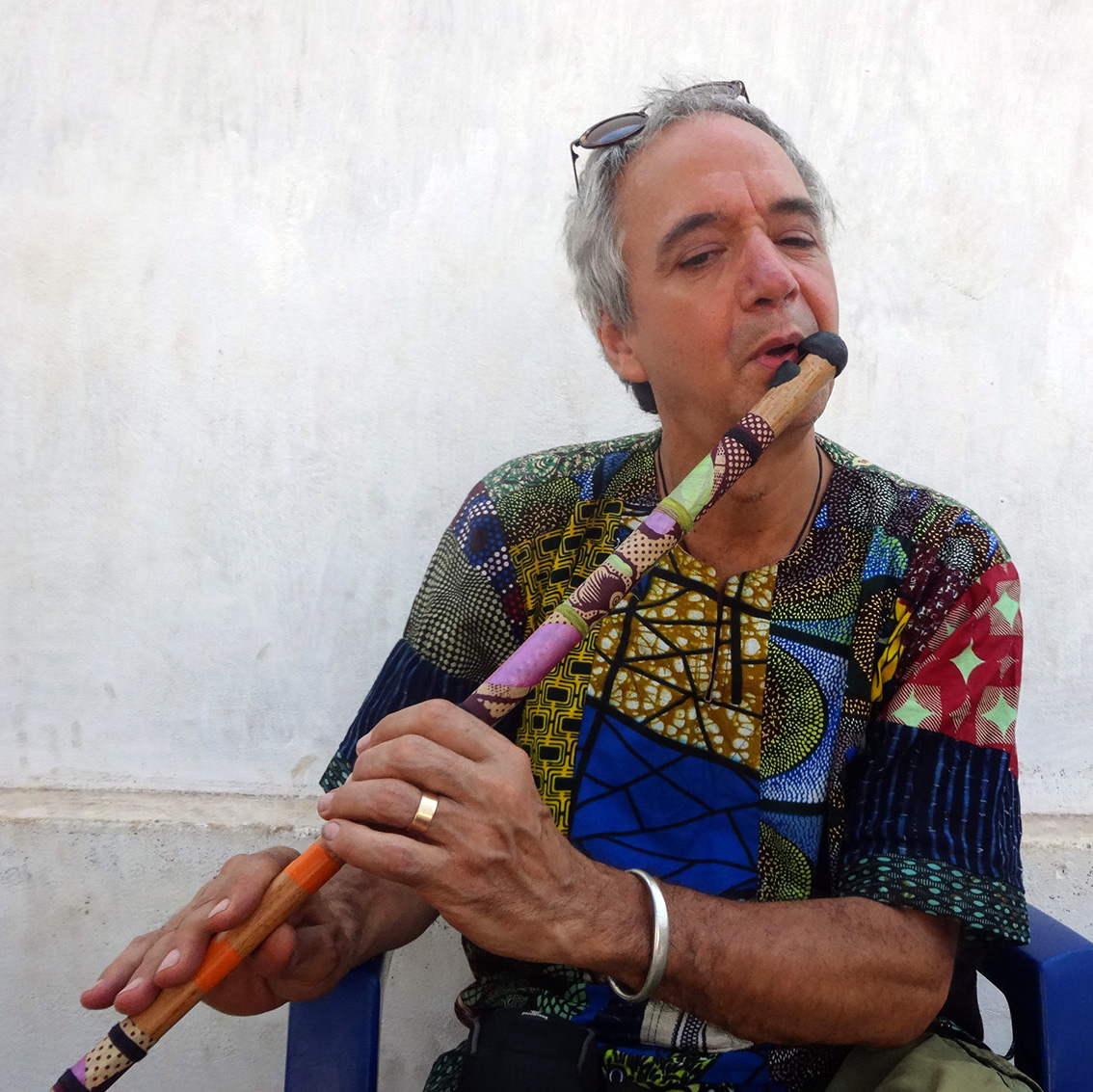
Flutist Sylvain Leroux recounts his adventures with the Guinean Fula Flute. He fell in love with the Fula Flute listening to a record in the early 1980s, and his journey led him to performing around the world, inventing new Fula Flutes with extended possibilities, and founding a school in Guinea.Read More ↗
Music for winds, strings and piano at the first Berlin Play-In of 2026
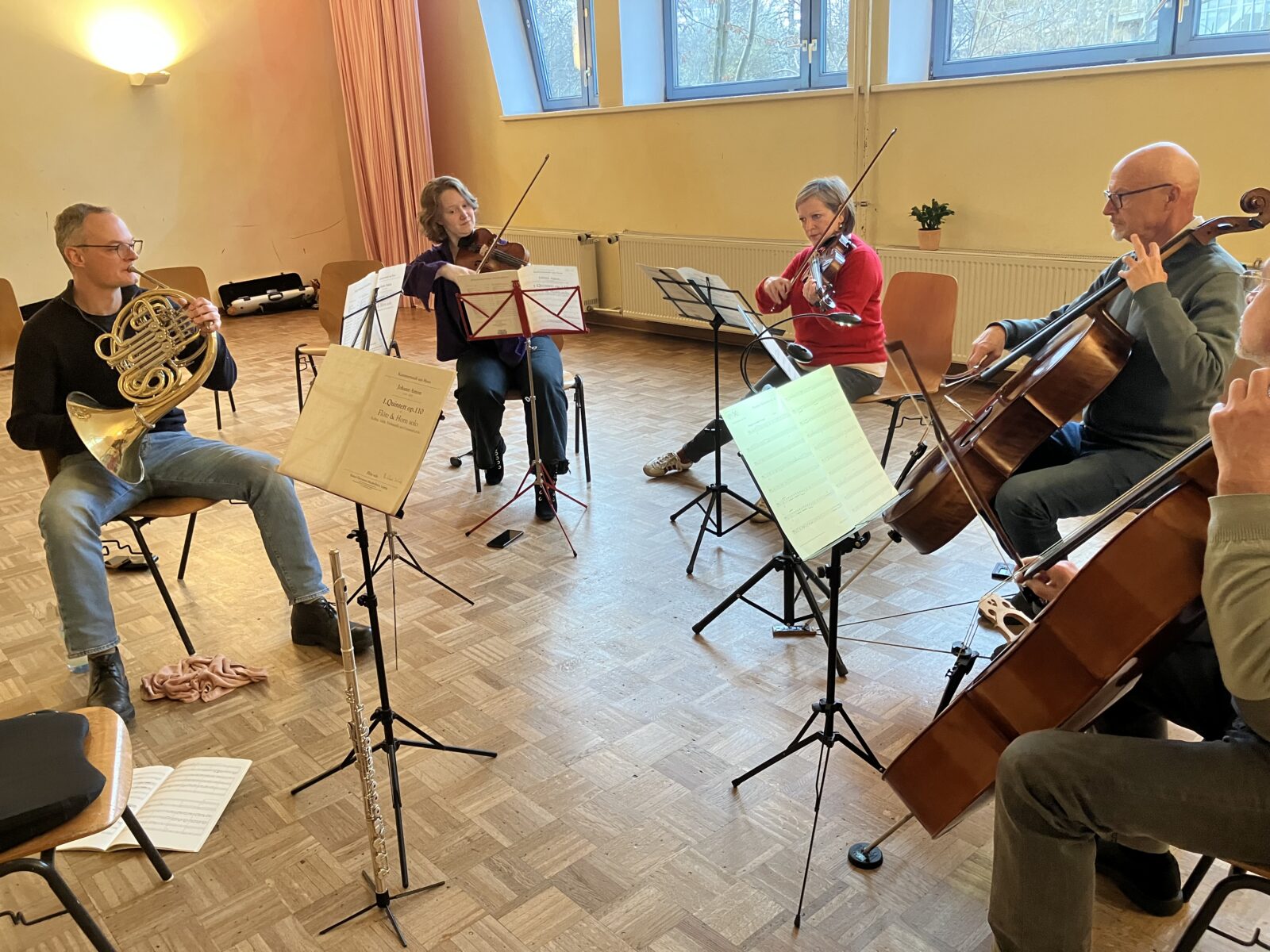
On March 14, 2026 seventeen chamber players gathered at the first Berlin Play-In of the year, made possible in part with the support of ACMP. They played a varied menu of chamber works for flute, oboe, horn, piano and strings.Read More ↗
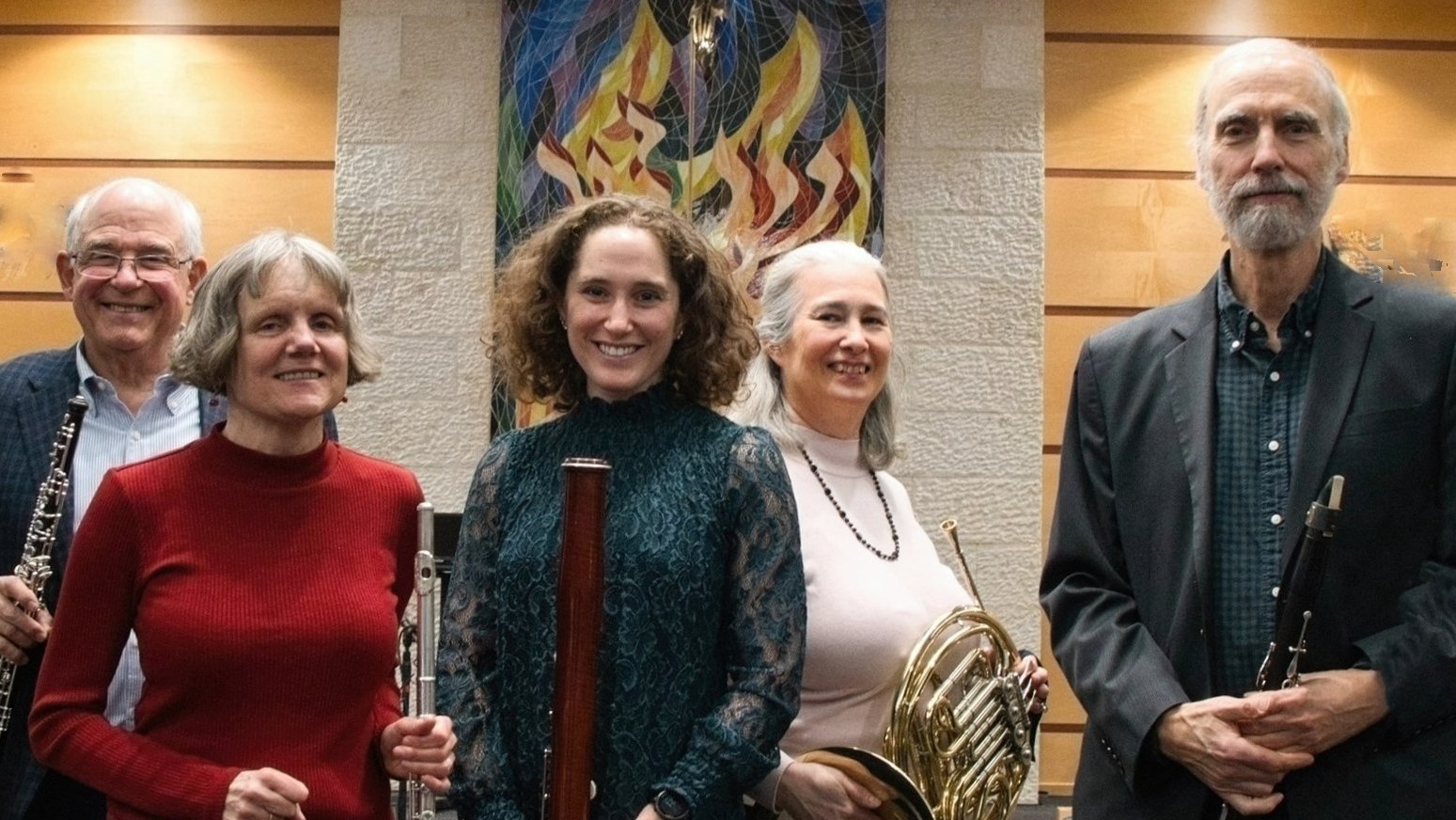
Chamber music, the Horn and Friends
There's more to chamber music with horn than just the standard wind quartets and quintets. Liz Dejean shares her favorite repertoire for horn combined with strings, piano and strings or other other winds, and larger ensembles.Read More ↗
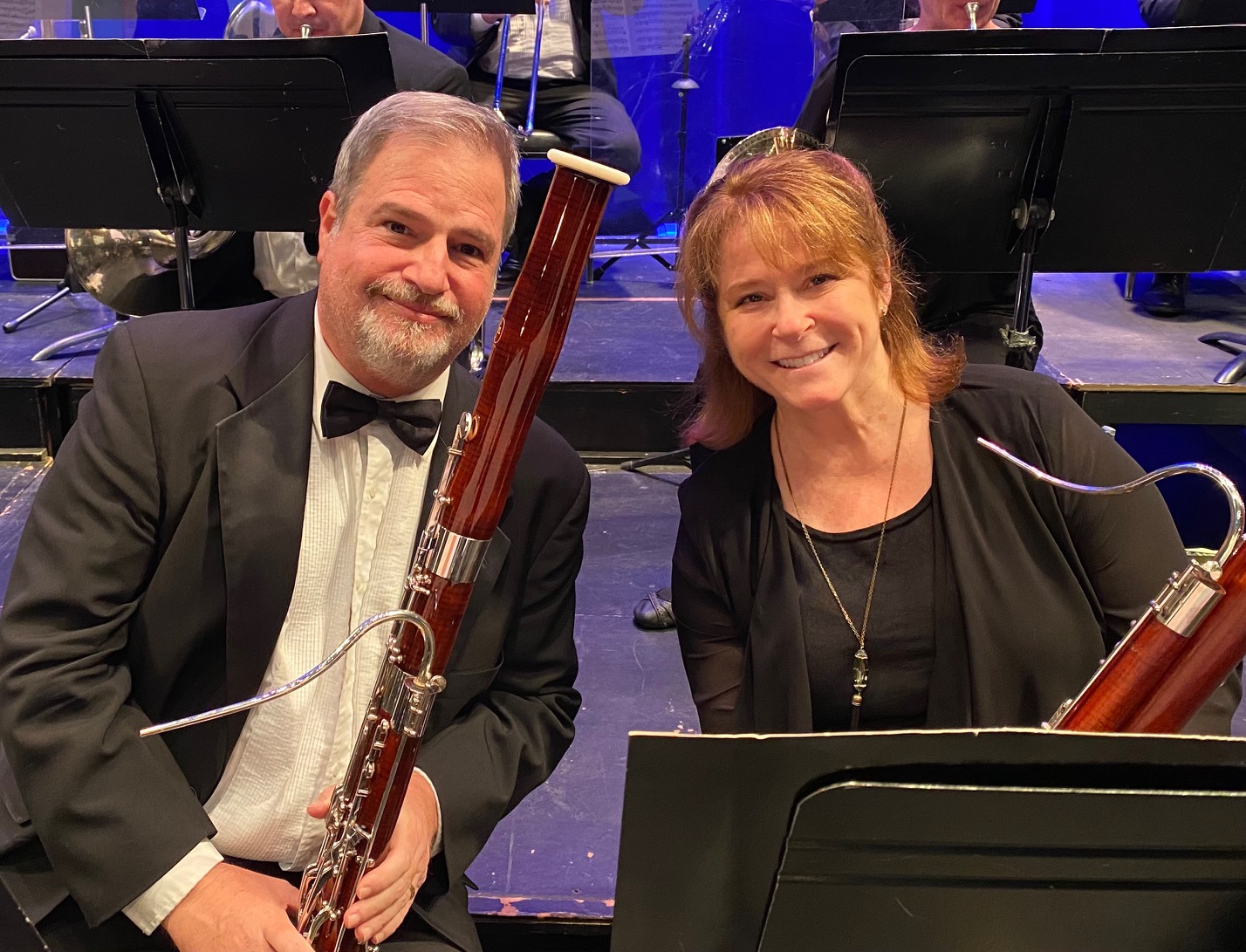
A Visit to Trevco Music
Bassoonist Chris Foss waxes poetic about his recent visit to the Trevco Music headquarters in Middlebury, Connecticut where one can browse the stacks of literally 1800 pounds of music for wind quintet, along with any chamber music you can imagine and lots of fun arrangements involving winds. You can even get a discount with a secret code!Read More ↗
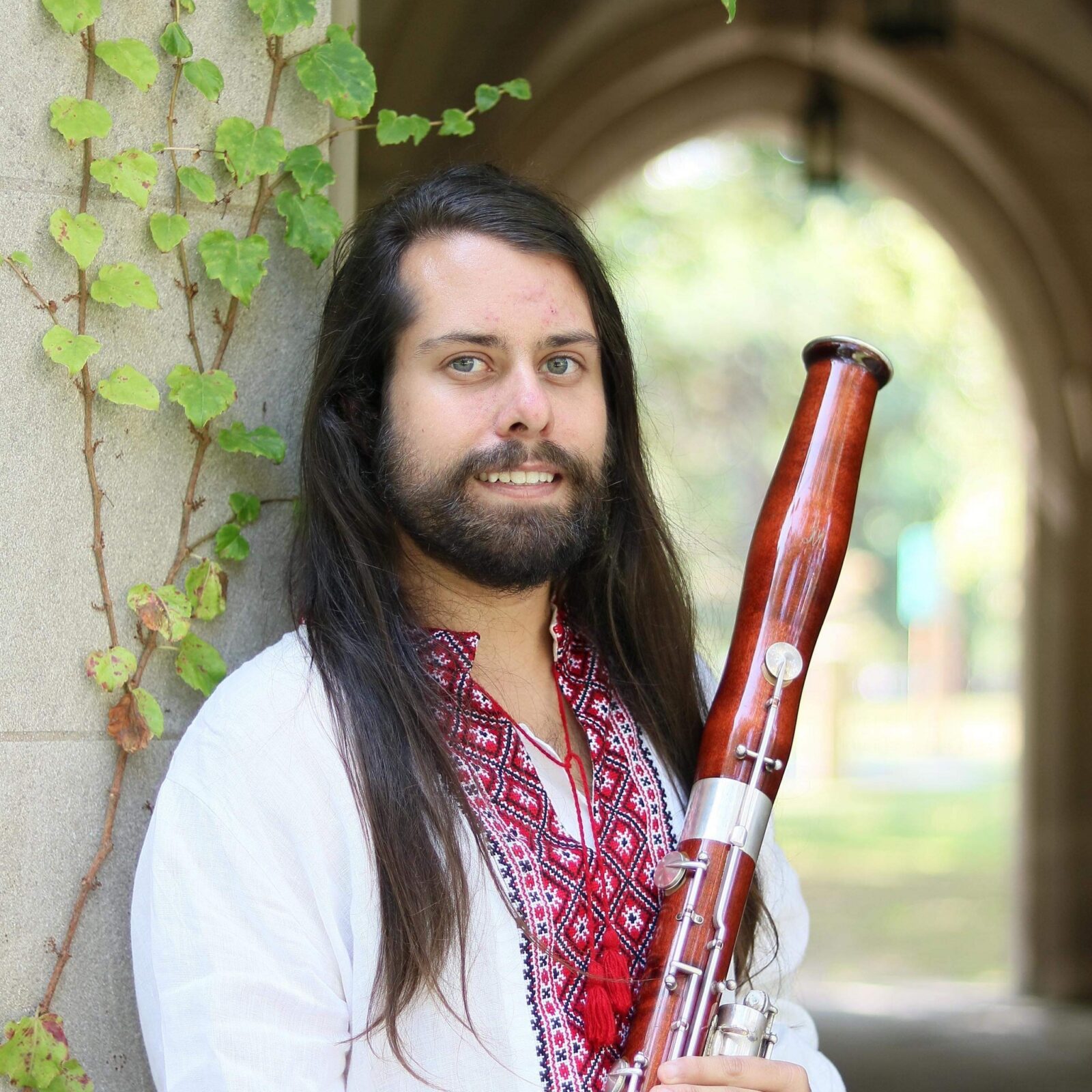
The Ukrainian Chamber Music Encyclopedia: a resource for wind players
Ukrainian Canadian bassoonist Zachary Senick has devoted his research and performance life to unearthing the vast catalogue of chamber music for winds and music for solo bassoon by Ukrainian composers. Explore the Ukrainian Chamber Music Encyclopedia and the offerings made available by Editions Plamondon.Read More ↗
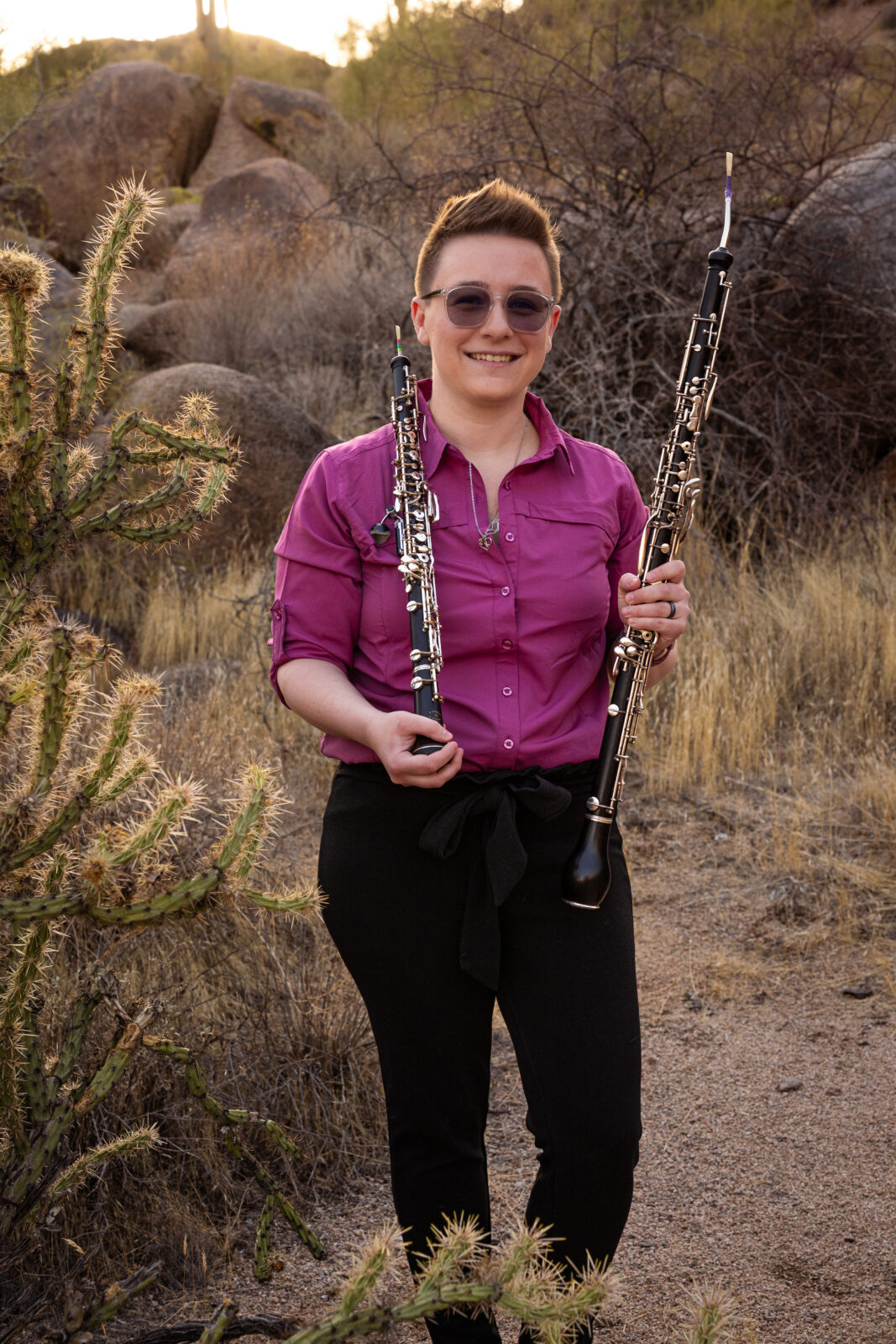
Chamber repertoire for oboe: a curated list
Oboist and scholar Dr. Kelsey Maes has shared her 60-page list of chamber music with oboe with ACMP. The list is organized by country, style and time period and is easy to navigate with hyperlinks in a detailed table of contents. Explore the list and discover new pieces to play with oboe!Read More ↗

Chamber music for bassoon: The George Zukerman Library
Throughout his long life, Canadian bassoon legend George Zukerman collected a huge library representing three centuries of bassoon repertoire. Concerti, chamber music, solo pieces – much of it hitherto unknown to the bassoon community. In tribute to this beloved Canadian musician, the Council of Canadian Bassoonists has digitized his collection and assembled this extensive online database.Read More ↗
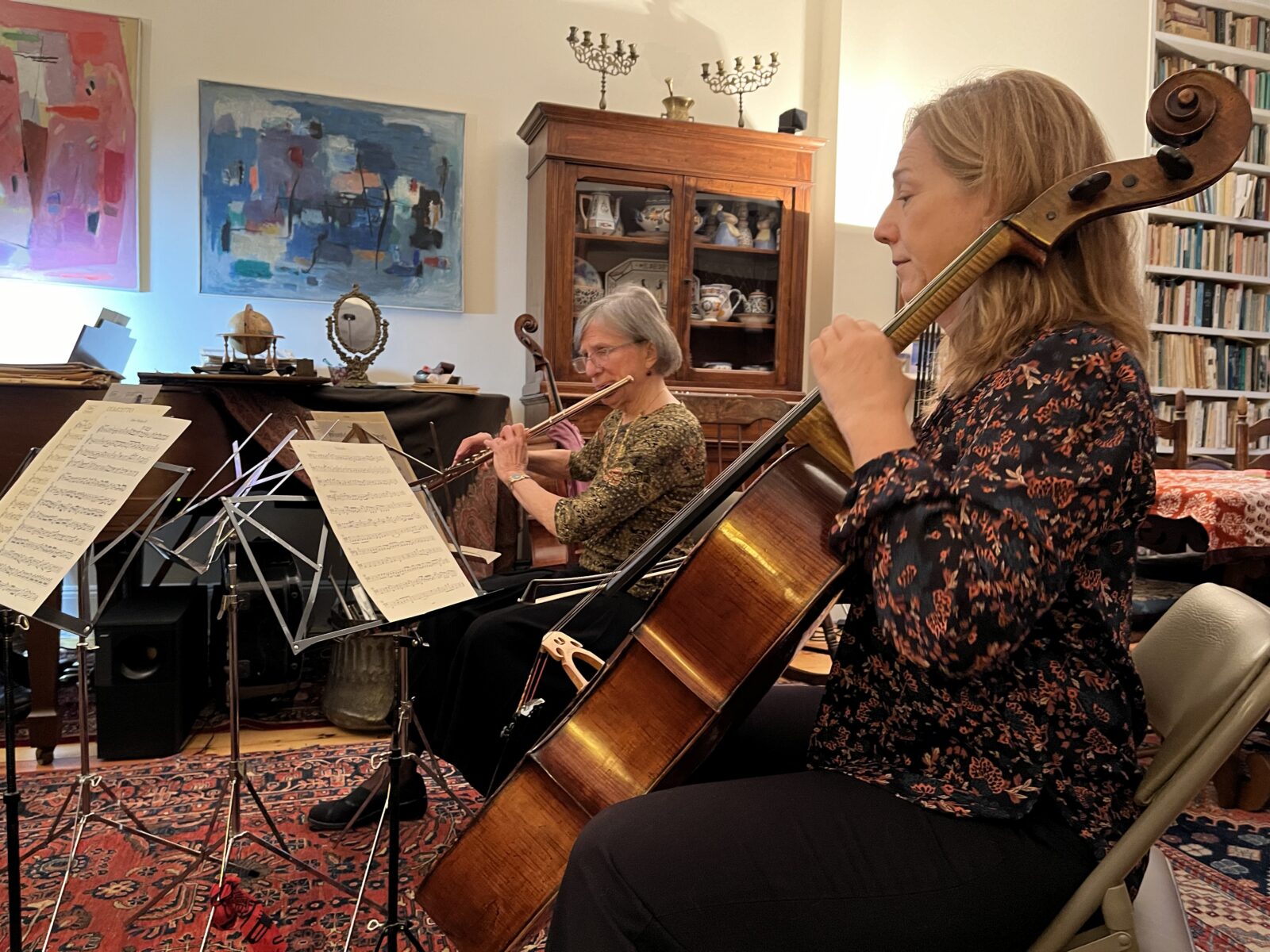
On coaching mixed chamber music with winds
Professional flutist Jayn Rosenfeld reflects on her experiences coaching mixed chamber music for winds with strings, piano and other instruments, and shares a list of her personal favorite pieces.Read More ↗
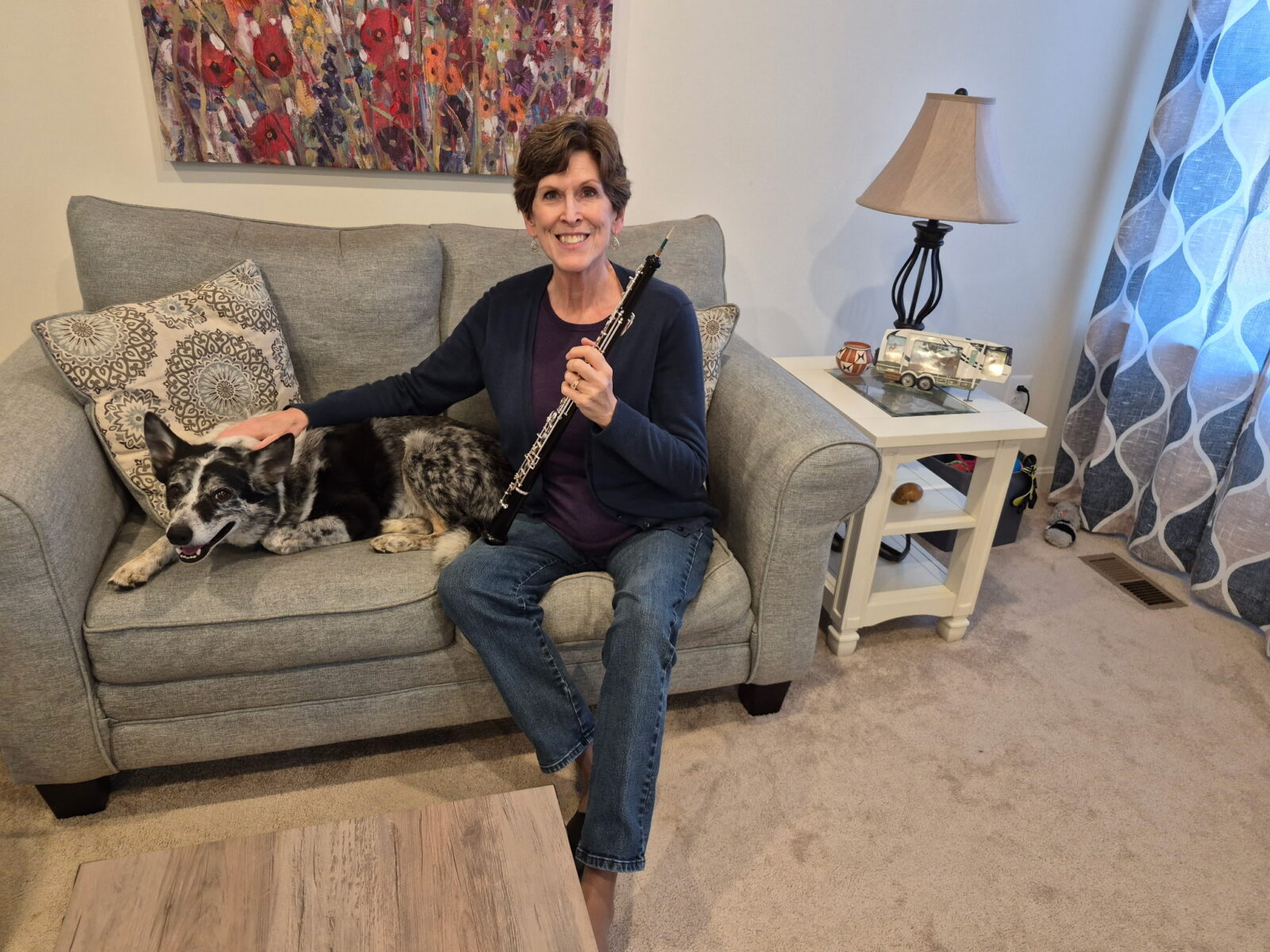
For this oboist, it’s not a job but a journey
After a long career as an association manager, Sally Finney Timm has more time to play oboe and helps others find an outlet by chairing the International Double Reed Society's Avocational Players Committee. Read Sally's story about how she fell in love with the oboe and kept it going over so many years.Read More ↗
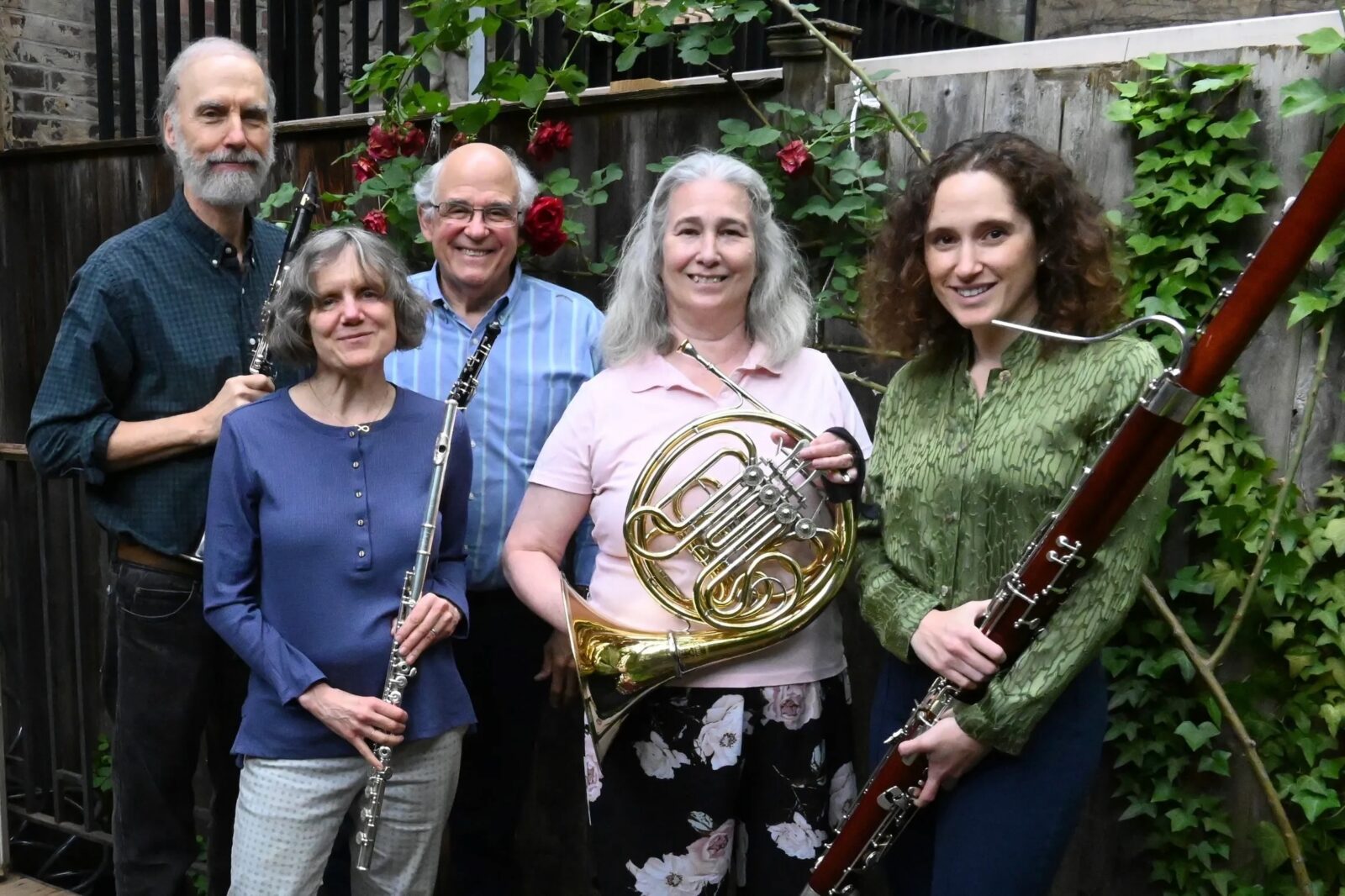
Wind players shine in the Broadway Bach Ensemble’s chamber concert
Every Spring the Broadway Bach Ensemble presents a chamber music concert featuring the orchestra's members and their friends in a wide range of small ensembles. Winds will come to the fore at this year's concert, at 7:30 on Thursday March 19 at Broadway Presbyterian Church in Manhattan's Upper West Side.Read More ↗
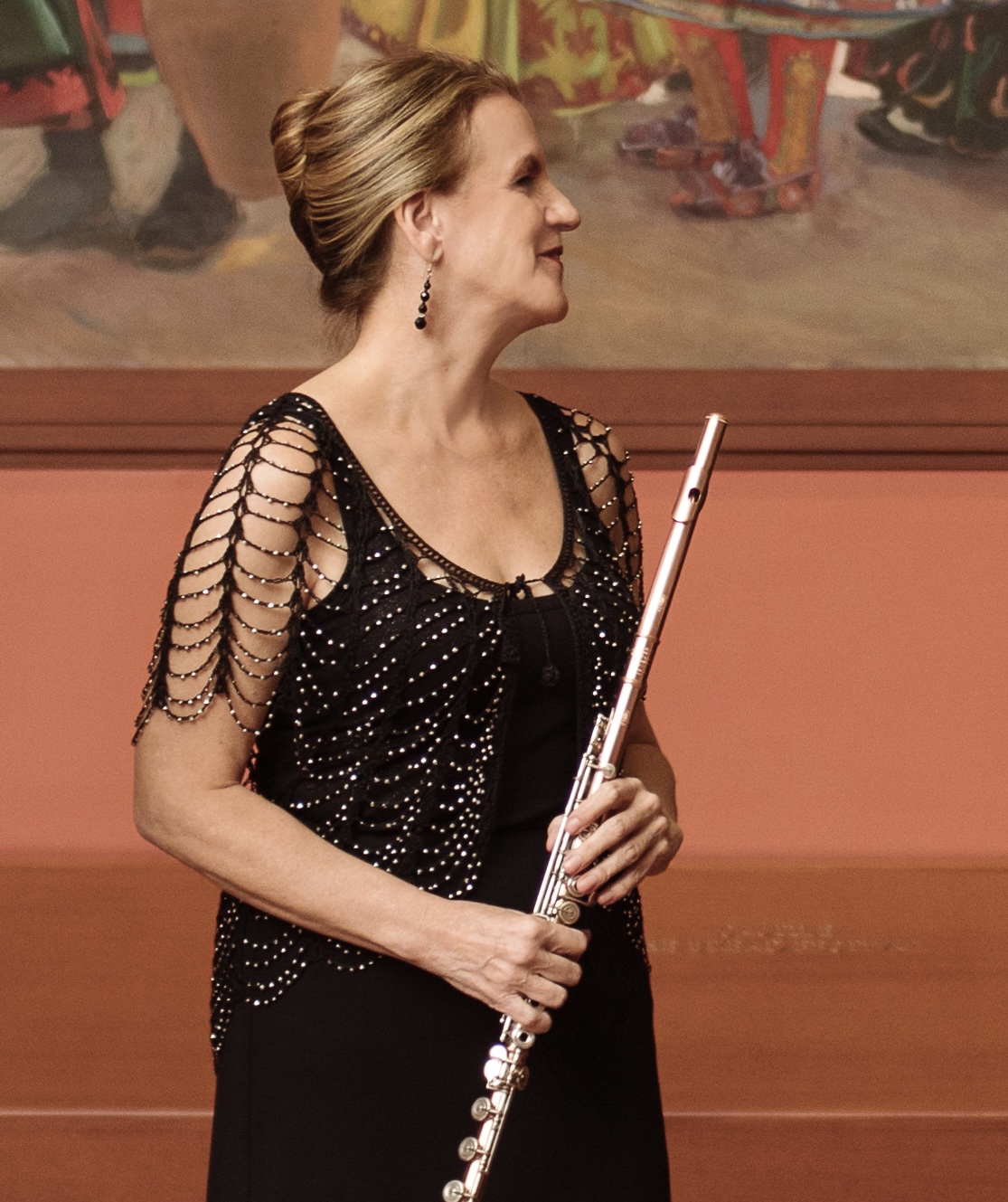
Meet the Musician: Flutist Svjetlana Kabalin (Sunday, March 29, 2pm ET)
Join ACMP for an interview and Q&A with Svjetlana Kabalin on founding and sustaining Sylvan Winds and expanding wind quintet repertoire.Read More ↗
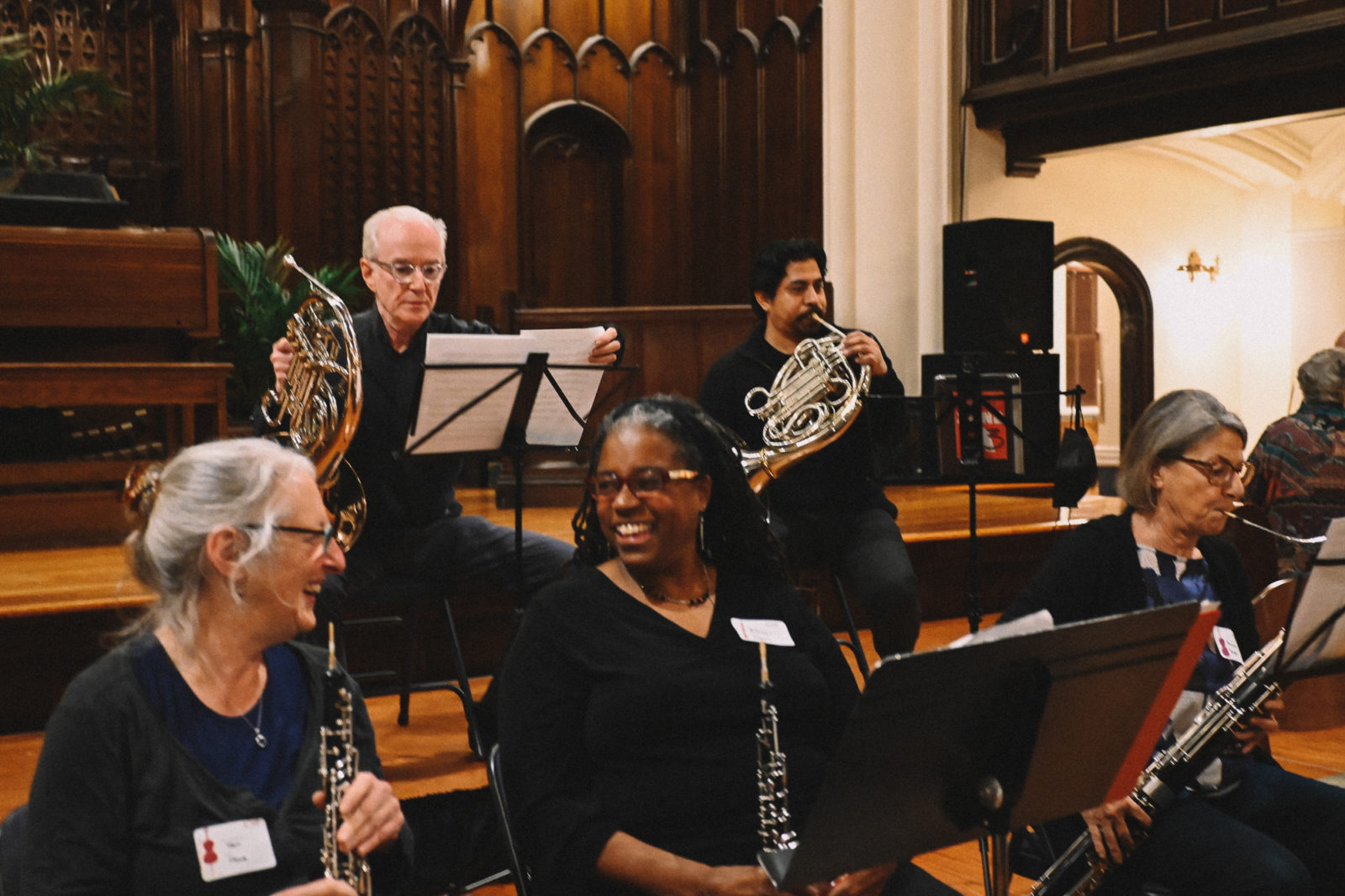
March Winds: Wind Chamber Music Appreciation Month
This March, ACMP is proud to launch "March Winds": Wind Chamber Music Appreciation Month! It's an international grassroots movement to expand the awareness and appreciation of the rich repertoire of chamber music including winds.Read More ↗
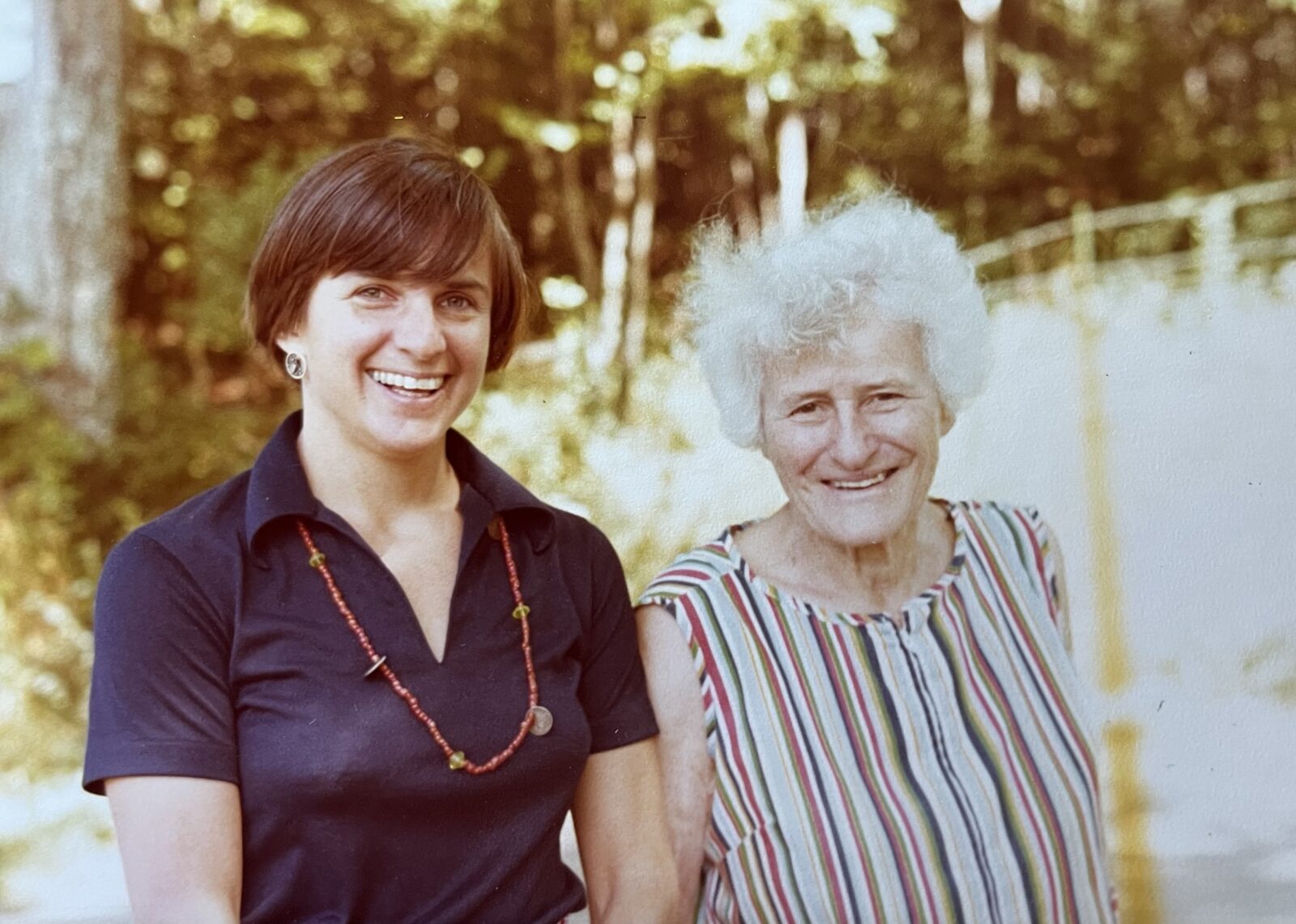
Helen Rice and me!
Professional flutist Jayn Rosenfeld grew up in a family of passionate amateur musicians and had a close personal connection with ACMP's founder Helen Rice. Read Jayn's story about her childhood experiences with some of the early pioneers of ACMP.Read More ↗
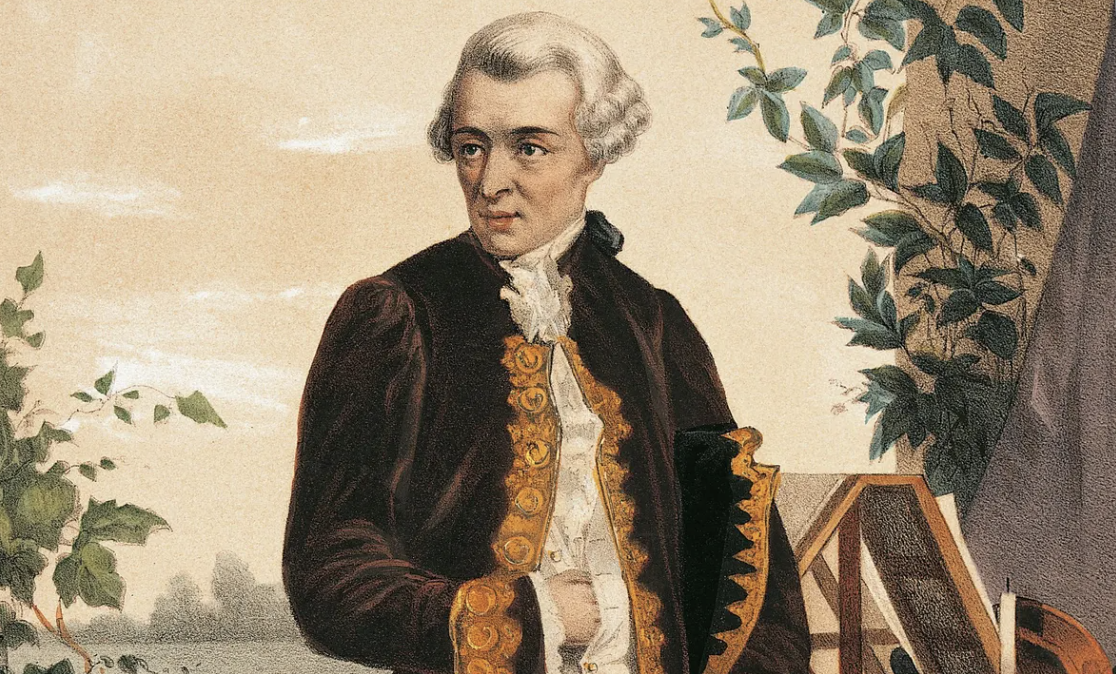
The 2026 ACMP Haydn Challenge
March 31 is Joseph Haydn’s birthday! It’s also a fabulous occasion to celebrate his contributions to the world of chamber music with a gift in his honor to ACMP…Throughout the month of March, we hope you will participate in the ACMP Haydn Challenge.Read More ↗

Irreverent Friends, the True Inspiration Behind Clarinet’s Chamber Music Gems
The Clarinet. When one thinks of the instrument, we are instantly taken on a rich journey of musical landmarks: New Orleans, Rhapsody in Blue, Mozart, Benny Goodman, top orchestras, your cousin’s wedding reception. Chamber music might not be at the top of the list, but indeed, clarinetists have inspired some of the finest pieces in history for the genre.Read More ↗
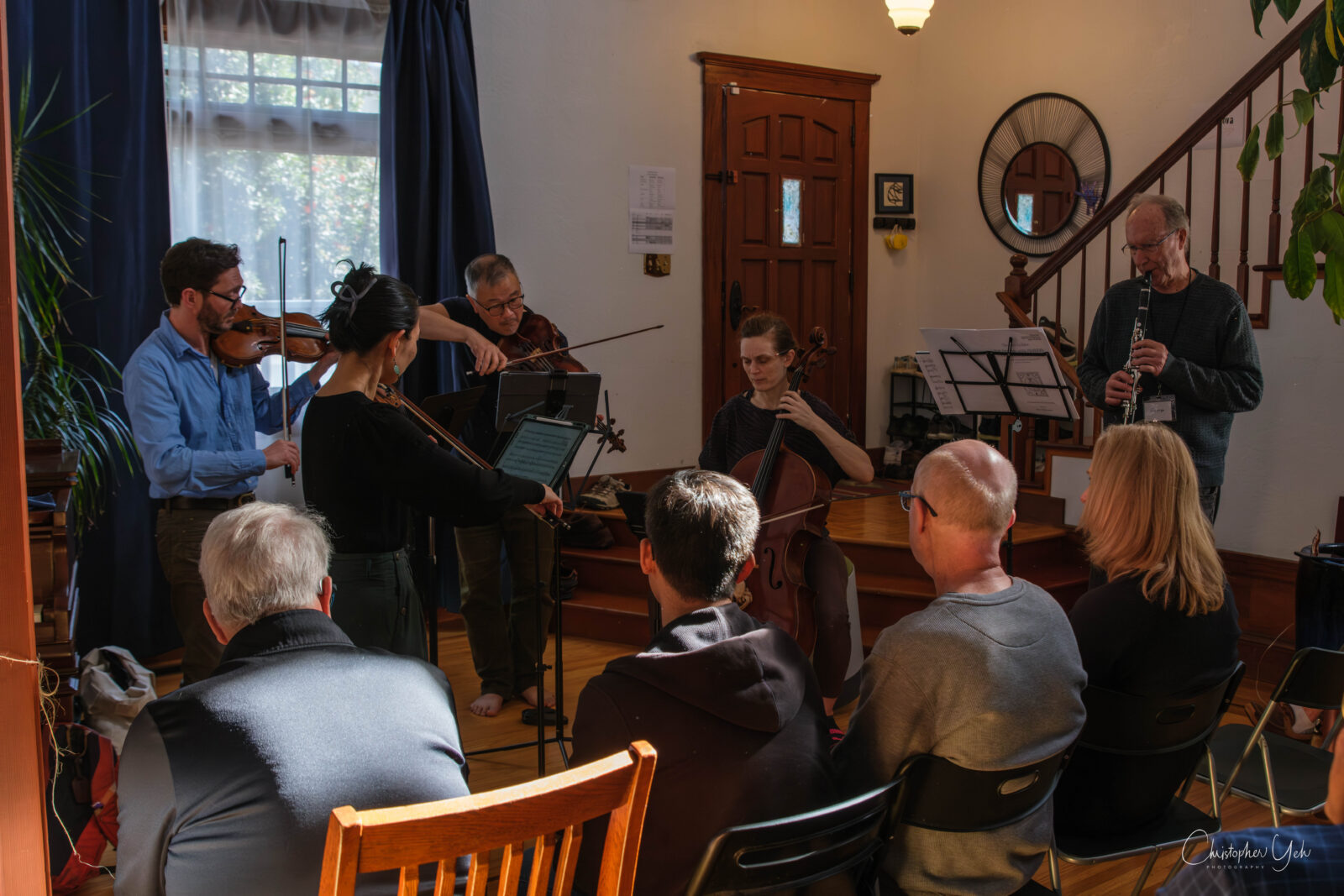
Sound and Sustenance: A Report from the Del Sol Adult Chamberfest
On a sunny weekend last month in San Francisco, 30 amateur chamber musicians from around the country gathered in the home of two members of the Del Sol String Quartet for the annual DEl Sol Adult Chamberfest. Neighbors would have heard strains of Britten, Janáček, Shaw, Golijov, Bunch, Beethoven and Brahms, along with laughter and good times!Read More ↗
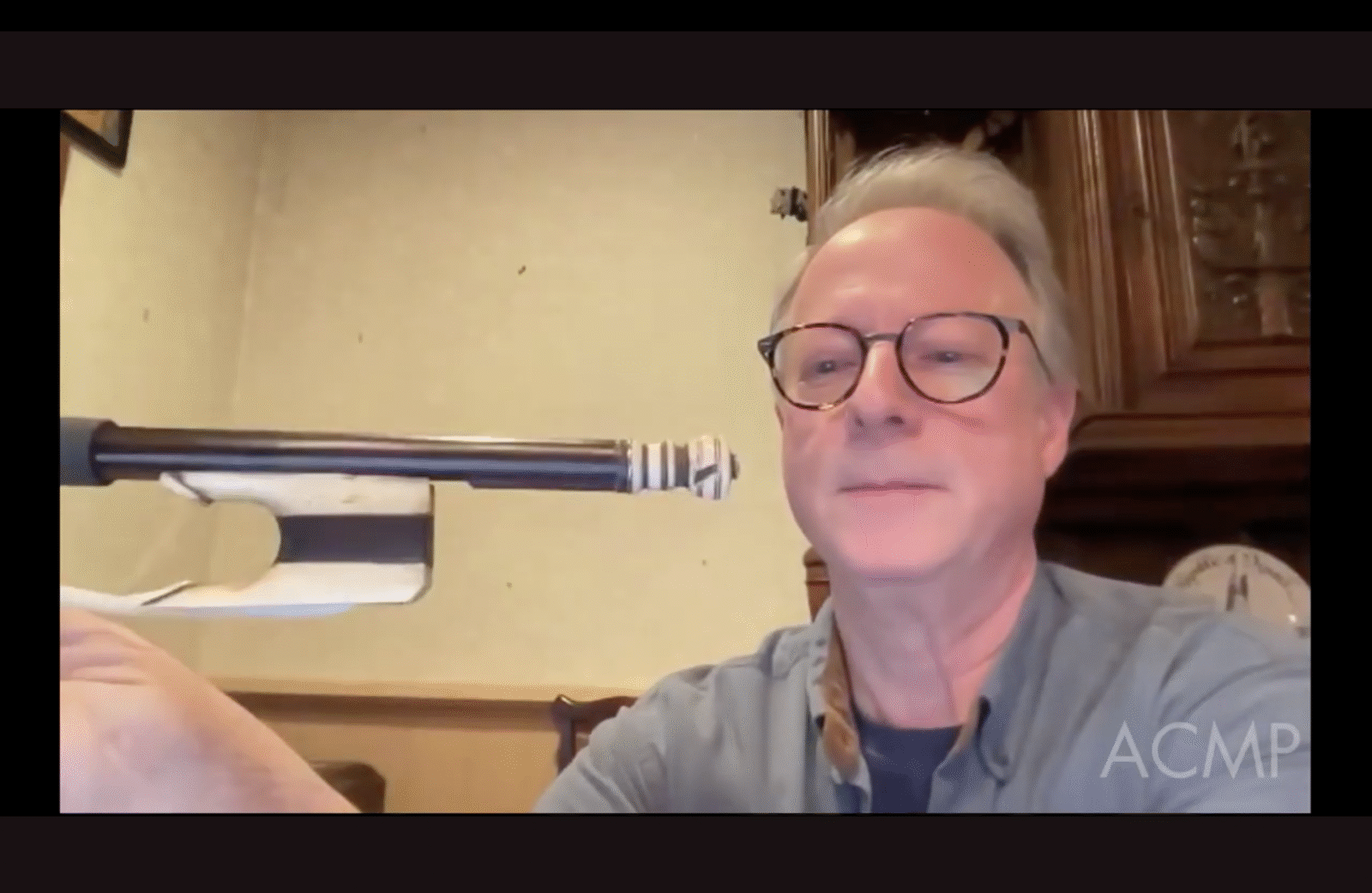
New ACMP video: “Everything you always wanted to know about bows but were afraid to ask” with Gabriel Schaff
ACMP just released the video from Gabriel Schaff's recent online talk, "Everything you always wanted to know about bows but were afraid to ask." After an illuminating presentation on the evolution of the modern bow, the questions kept pouring in. There's so much to learn and discover from Gabriel and your colleagues in ACMP.Read More ↗
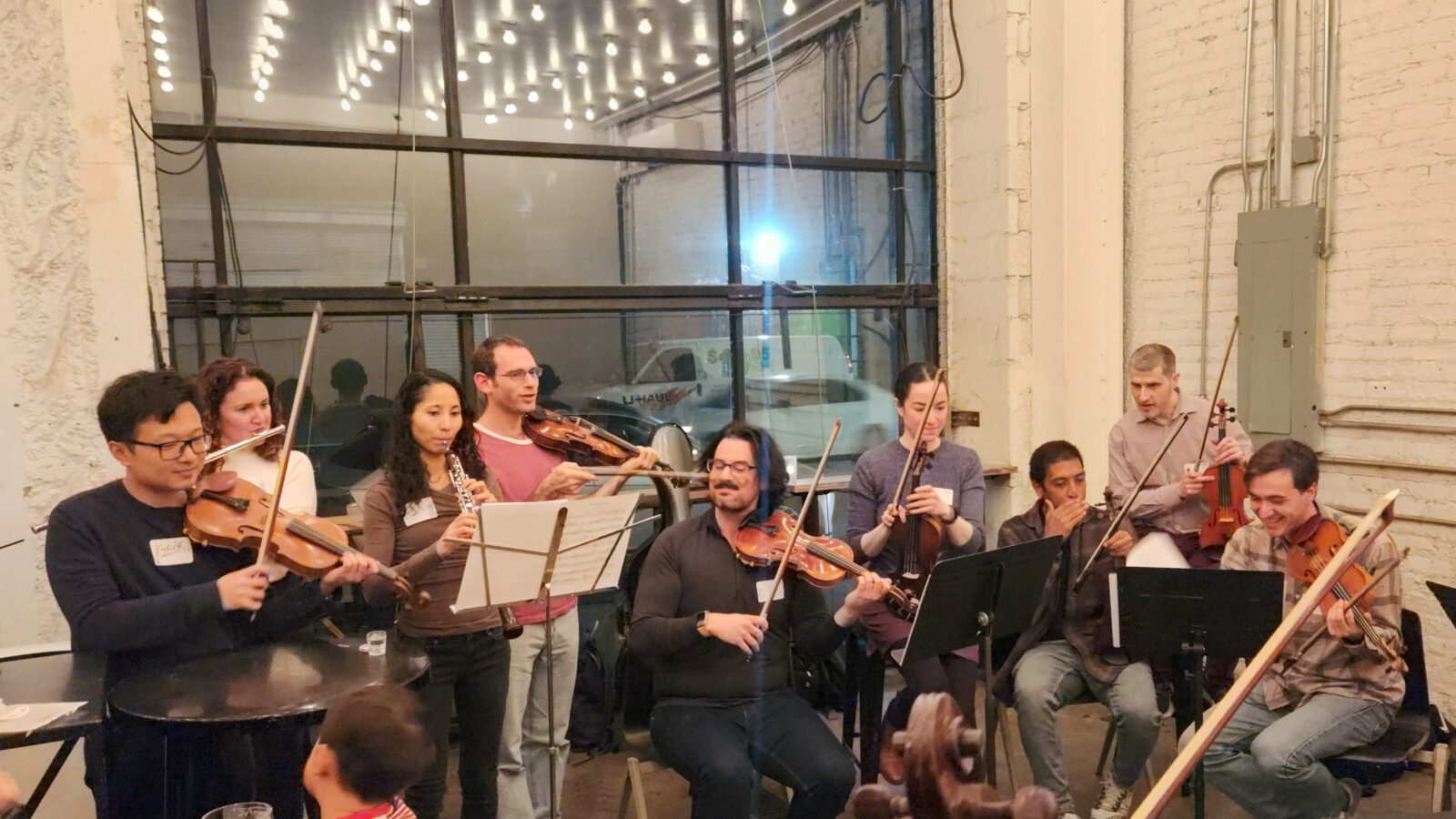
Mozart in a Brewery! Our First Young ACMP Event
Have you ever played Mozart in the middle of a brewery just for fun? That’s exactly what happened in early January when local Young ACMP members met up at Grimm Ales in Brooklyn. We co-hosted the event with ACMP member Ben Bregman, who brought music, friends new to ACMP, and a few of his young students and their parents.Read More ↗
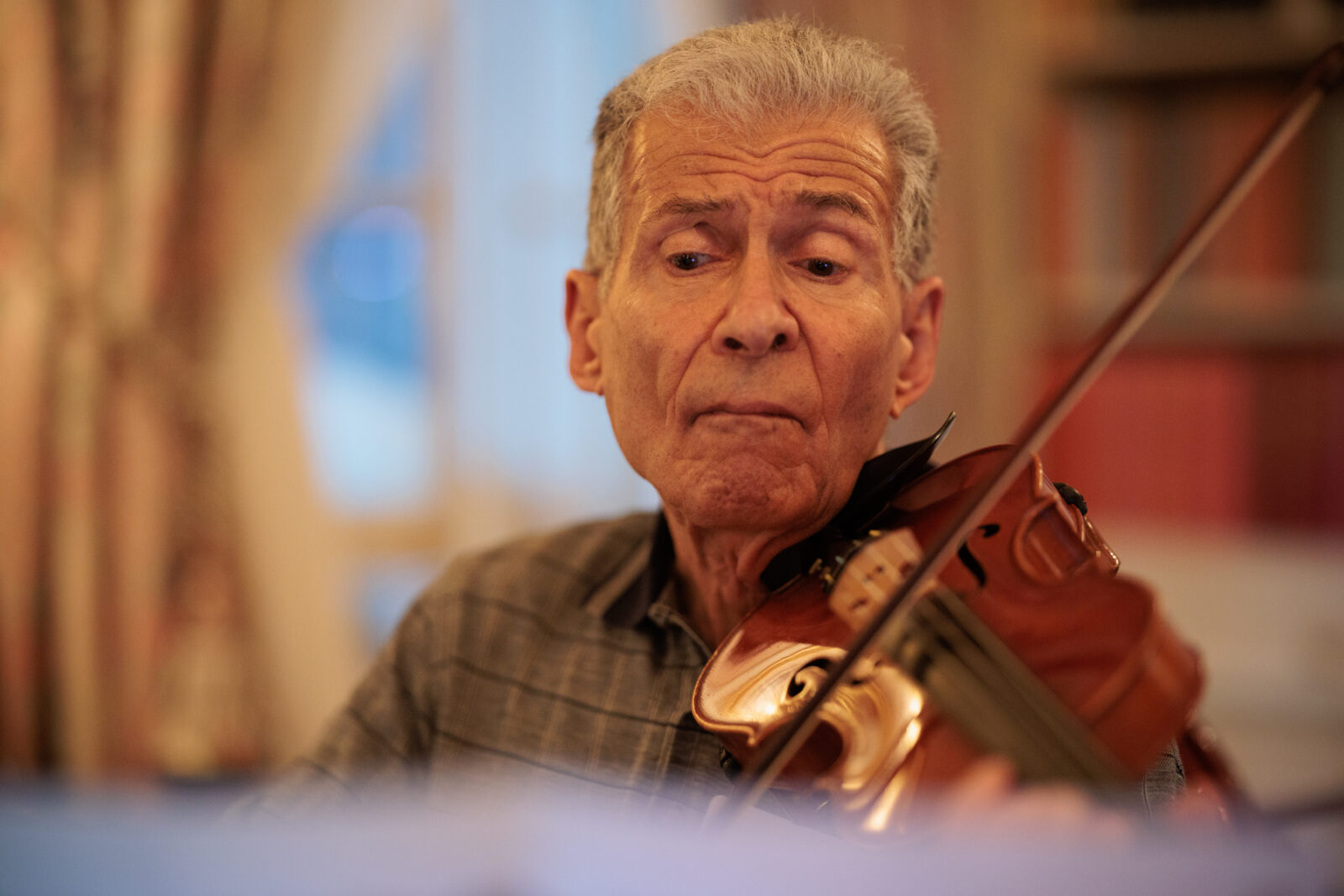
ACMP presents the 2025 Susan McIntosh Lloyd Award to the SoCal Chamber Music Workshop in memory of Ron Goldman
This past Fall ACMP gave its 2025 Susan McIntosh Lloyd Award for Excellence and Diversity in Chamber Music to the SoCal Chamber Music Workshop in honor and in memory of SoCal's founder and long-time ACMP board member Ron Goldman. Watch my interview with Julie Park and read Adam Birnbaum's touching tribute to Ron.Read More ↗
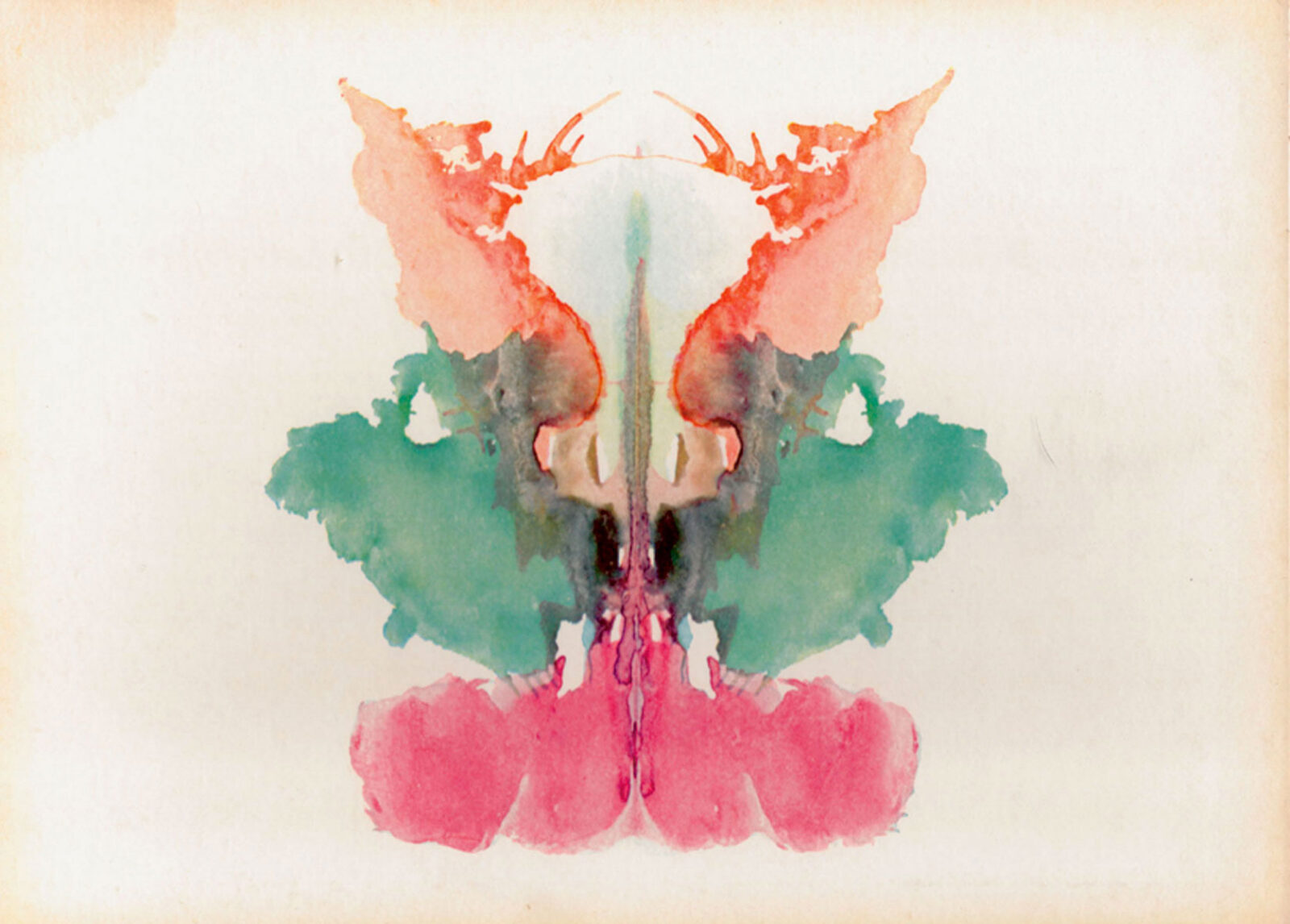
Turning ink blots into music – a discussion on the meaning and madness of notation
Join Cal Wiersma and a live string quartet for an illuminating class about decoding musical notation and translating it back into a musical line, live in Brooklyn and live-streamed on YouTube.Read More ↗
Load More
All Articles By