Irreverent Friends, the True Inspiration Behind Clarinet’s Chamber Music Gems
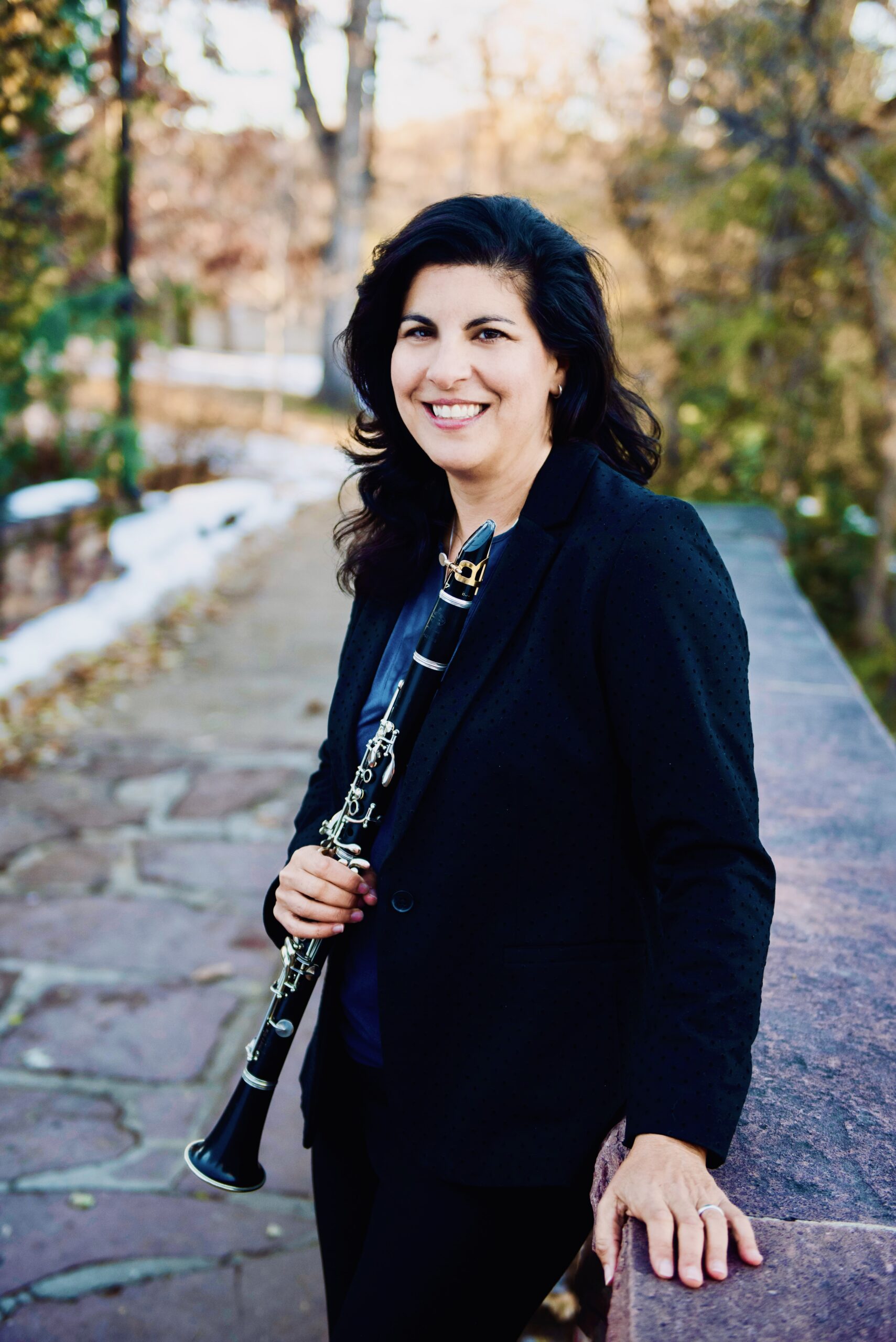
The Clarinet. When one thinks of the instrument, we are instantly taken on a rich journey of musical landmarks: New Orleans, Rhapsody in Blue, Mozart, Benny Goodman, top orchestras, your cousin’s wedding reception. Chamber music might not be at the top of the list, but indeed, clarinetists have inspired some of the finest pieces in history for the genre.
But clarinetists have another distinction beyond our seat at the center of the orchestra or in a dance band. Clarinetists have been the inspiration for some of the finest chamber music ever written. We have also been known through history as some of the most colorful and unique characters in the music scene. Ross Gorman canonized the famous glissando in Rhapsody in Blue as a joke that stuck and clarinetist Naftule Brandwein once accidentally lit himself on fire when he draped himself in Christmas lights for a show.
Clarinetists are the versatile can-do members of the orchestra. We are as comfortable in most of the world’s folk traditions, jazz, or Dixieland, as we are in a Beethoven Symphony. A clarinetist can finish a recital and be jamming in a jazz club or at a wedding reception an hour later. We are the jacks of all trades, the sure-I-can-play-this, virtuosi musicians of the world. We are soulful, versatile, fun, a little bit sexy, and irreverent.
Known for our shenanigans as well as our skill, clarinetists have been the best buddies and nemeses for some of chamber music’s greatest hits. Whether through skill or annoyance, our friendships have inspired composers through the ages and aggravated them as well. Let’s take a look at some of the backstories of clarinet’s greatest chamber music works.
One of the first examples of the symbiotic and often parasitic relationship between clarinetists and composers is the one between Wolfgang Amadeus Mozart and his friend Anton Stadler. The fruits of their friendship and collaboration are chamber music staples such as the Quintet (clarinet and string quartet) and the Kegelstatt Trio (clarinet, viola, and piano), not to mention innovations on the instrument including the basset clarinet and the resplendent Clarinet Concerto K. 622.
Bonded by their Freemason backgrounds, Stadler and Mozart’s relationship was defined by deep musical respect and chaotic personal habits. But what was really behind these gorgeous and fundamental works from the clarinet canon? Parties, gambling, and much irreverent behavior. Both were famous for their love of nightlife, often borrowing from each other to pay their debts and continue their licentious behavior. The composer would refer to Stadler as “Nàtschibinìtschibi” (my dear little fool) and “Redcurrant Face.” After Mozart’s death, we have compelling evidence from the correspondence of Mozart’s widow that Stadler in fact pawned Mozart’s work to pay his own debts. She went as far to call him a “bloodsucker.” Still, the works that their collaboration yielded remain some of the greatest pieces ever written.
One of the cutest clarinet/composer chamber music stories was between the father and son team, Heinrich and Carl Baermann with Felix Mendelssohn. Mendelssohn had a penchant for baked treats and the Baermanns were happy to oblige. The sweet and playful Konzertstück No. 1 in F minor, Op. 113 and Konzertstück No. 2 in D minor, Op. 114 for two clarinets were created in a contest to see who could cook dumplings or compose the work faster. These lovely works evoke the cozy smells of cooking warm treats wafting in from a warm kitchen, baked in friendship and playfulness.
When Johannes Brahms reached the age of 57, he decided to hang up his composing hat and start settling his estate. This changed in 1891 after a trip to Meiningen, when he heard the rich and warm tones from Richard Muhlfeld’s clarinet. Inspired, he composed his two clarinet sonatas, a trio for clarinet, cello, and piano, and his clarinet quintet.
When we listen to this music, it is transcendent, mesmerizing, and at the highest level of chamber music. But the relationship between Muhlfeld and Brahms was surprisingly down to earth. Muhlfeld could bring the often-grumpy Brahms out of his shell, eliciting hugs and nicknames from the composer for the clarinetist, calling him “Fräulein Klarinette” and “Meine Primadonna.” Both men shared a love of cigars and Brahms would remunerate Muhlfeld for his work with a wreath of cigar smoke and friendship.
It is worth noting here that Mozart, Brahms, and many other composers wrote their last works for the clarinet. Is this a funny coincidence or a curse? We will leave it up to you to decide…
In 1921, Carl Nielsen called his friend Christian Christiansen for a chat. While on the phone, he overheard wind players rehearsing in the background, including clarinetist Aage Oxenvad. Nielsen was so taken by the distinctive conversational style of the group that he wrote the Wind Quintet, Op. 43 and was inspired to write his distinctive concertos based on the personalities of the group. Tragically, he died before he could get to the oboe, bassoon, and horn concertos (See? The clarinet strikes again!)
Nielsen and Oxenvad always had a warmly contentious relationship, combining affection and grouchiness. The composer wrote an almost impossible passage for the convention of the time to tease the clarinetist, who huffed and complained through the rehearsal, shouting, “Carl, you’ve written a note that doesn’t exist on this stick of wood!” Nielsen calmly replied, “Oh, I’m sure it’s there Aage. You probably just left it in your other jacket!”
At a party when Oxenvad was caught using an antique as an ashtray and a shocked official tried to stop him, Nielsen stepped in, saying bemusedly, “Leave him be. If you take away his tobacco, he’ll start playing the worst notes in the concerto and then we’ll really have a scandal!”
When it comes to fickle clarinetists and composer’s revenge, there is Alan Shulman’s Rendezvous for Clarinet and Strings. Originally composed for Benny Goodman and entitled Rendezvous with Benny, Shulman’s frustration with Goodman eventually led to a very deliberate edit.
Supposedly, Goodman would sometimes lose interest in a project or piece, as he did after the premiere of Shulman’s clarinet quintet after a notable radio premiere in 1946. Goodman ghosted Shulman and never played the work again. Shulman took the work to Goodman’s rival, Artie Shaw, who enthusiastically agreed to record it. Then the composer took his pen, crossed out with Benny from the title, and renamed the piece Rendezvous for Clarinet and Strings, thus punishing Goodman’s careless dismissal.
There are too many clarinet/composer friendships and stories to recount here, but other notable muses include Simon Hermstedt with Louis Spohr and Pauline Juler with Gerald Finzi. Even in early clarinet history, the great Caroline Schleicher-Krahmer wrote pieces for herself, serving as her own muse since there were no pieces written for women at the time.
One of the greatest composer/irreverent muse relationships of modern times is the one between Mariam Adam and Valerie Coleman. The first ensemble they started was Grammy-winning Imani Winds who were pioneers in the wind chamber music genre, much due to the custom-tailored writing Coleman did for the members.
Mariam Adam recounts:
Valerie Coleman is like the friend who tries an adventurous restaurant and then successfully replicates the recipes at home. Our friendship began with duets, sassy interpretations, and many giggles.
When Imani Winds collaborated with avant-garde jazz musicians like Steve Coleman or Daniel Binelli, Valerie would show up overnight with a wild new piece. Knowing I was up for anything, she gave me acrobatic, genre-bending lines that pushed everyone’s boundaries.
For our Christmas album, Valerie and Jeff (the hornist) created original arrangements ranging from “Bugs Bunny” humor to gospel. In Sleigh Bells Valerie handed me the horse “neighing” part, saying, ‘I figured you would know how to create that sound. Go!’ Next thing I knew, I was calling the barn animals with my horse sounds.
Valerie also asked me to name pieces off the top of my head. One, Rubispheres, is now the title of a new album celebrating our 30 years of friendship. It was written for our first Lower East Side gig in Manhattan, where we all donned pleather for the first time, but not the last.
In Valerie Coleman and Mariam Adam, we see a modern rekindling of the irreverent spirit that once bound Mozart to Stadler. It is a partnership that proves the greatest music isn’t just written on staff paper, it’s forged in thirty years of shared laughter, bold experiments, and a refusal to play it safe. As they continue to pave the way, they remind us that every great composer needs a muse who is just daring enough to ask for the impossible and just irreverent enough to actually pull it off.
Clarinetist and scholar Dr. Stephanie Zelnick enjoys a dynamic and multi-faceted career as a soloist, orchestral performer, and chamber musician across North America, Asia, South America, and Europe. Performing and teaching in venues such as Carnegie Hall, The Juilliard School, Northwestern University, Yale School of Music, Walt Disney Concert Hall, among many others, she has received critical acclaim as for her “committed and polished performances.” A distinguished educator and scholar, she is the Professor of Clarinet at the University of Kansas and a Buffet Crampon Artist. Full biographical information can be found at stephaniezelnick.com.
More Articles
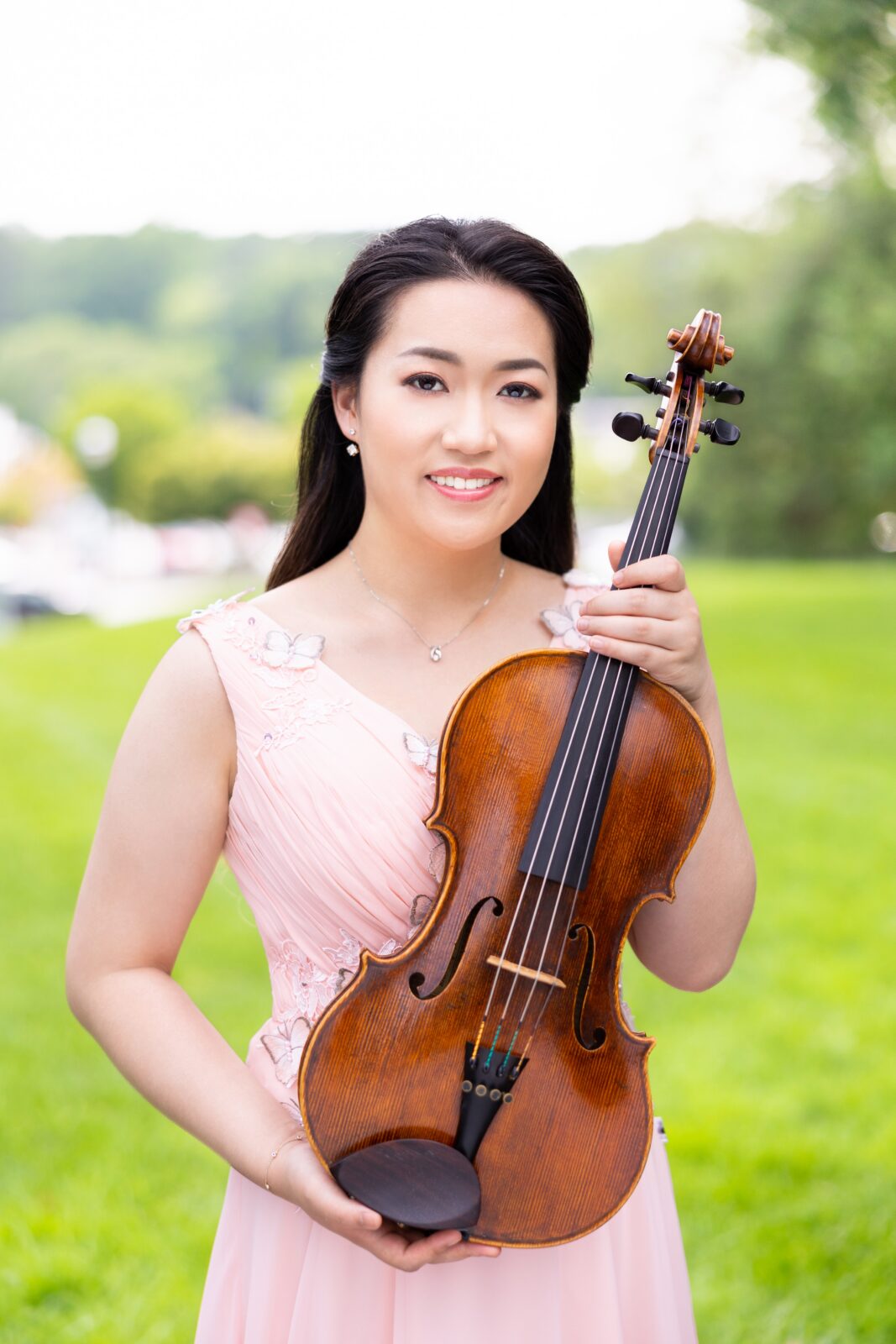
Meet Joy Hsieh: ACMP intern and event planner par excellence!
ACMP is happy to announce its newest team member, violist Joy Hsieh, who is working with us on event planning for the fall semester through the Eastman School of Music's Institute for Music Leadership Catherine Filene Shouse Arts Leadership Certificate of Achievement (ALP) program. Joy is a doctoral candidate in viola performance at Eastman, studying with Phillip Ying from the Ying Quartet. Get to know Joy - and come meet her in-person in Rochester on October 25 and Boston on December 6!Read More ↗
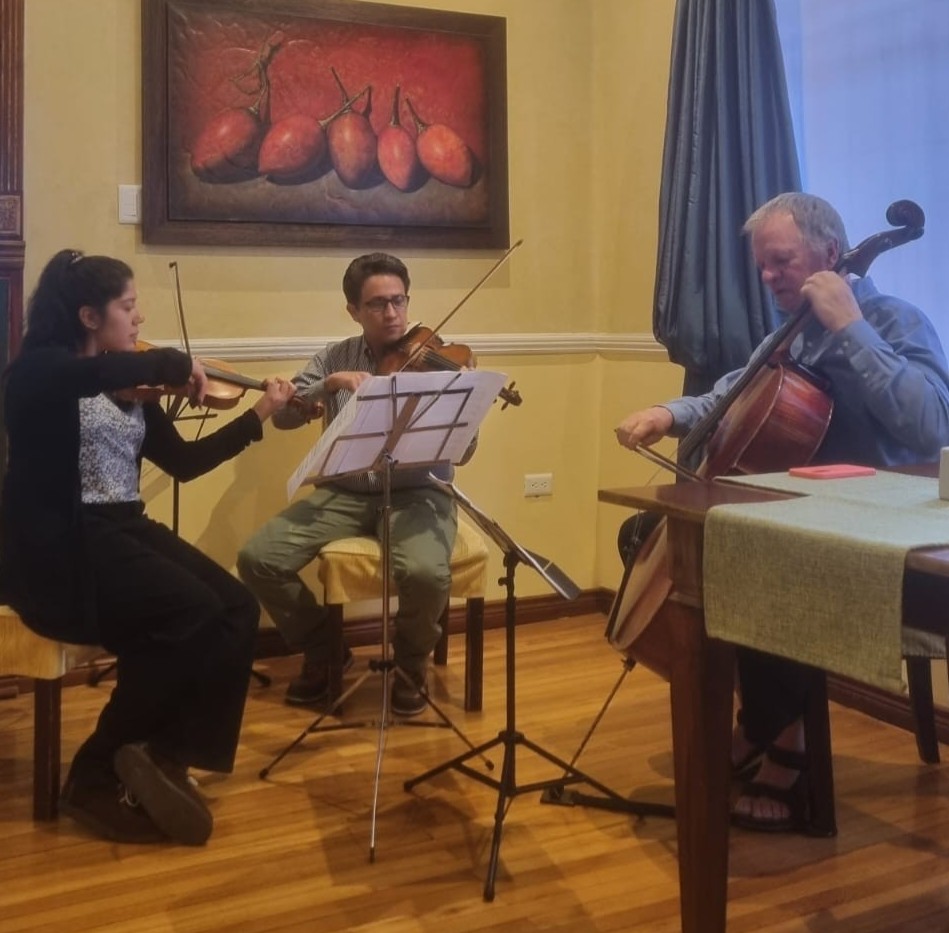
Filipino folk music, by way of Ecuador
What do classical music and fine dining have in common? They are both about sensory delight; they come in many flavors and textures; and they are natural complements for an ACMP event. Tom Cappaert has organized a series of such programs, at a pizza joint in Riobamba, coffee houses in Spain and Ecuador, and most recently with a string trio performance on the theme of Let’s eat Filipino!Read More ↗
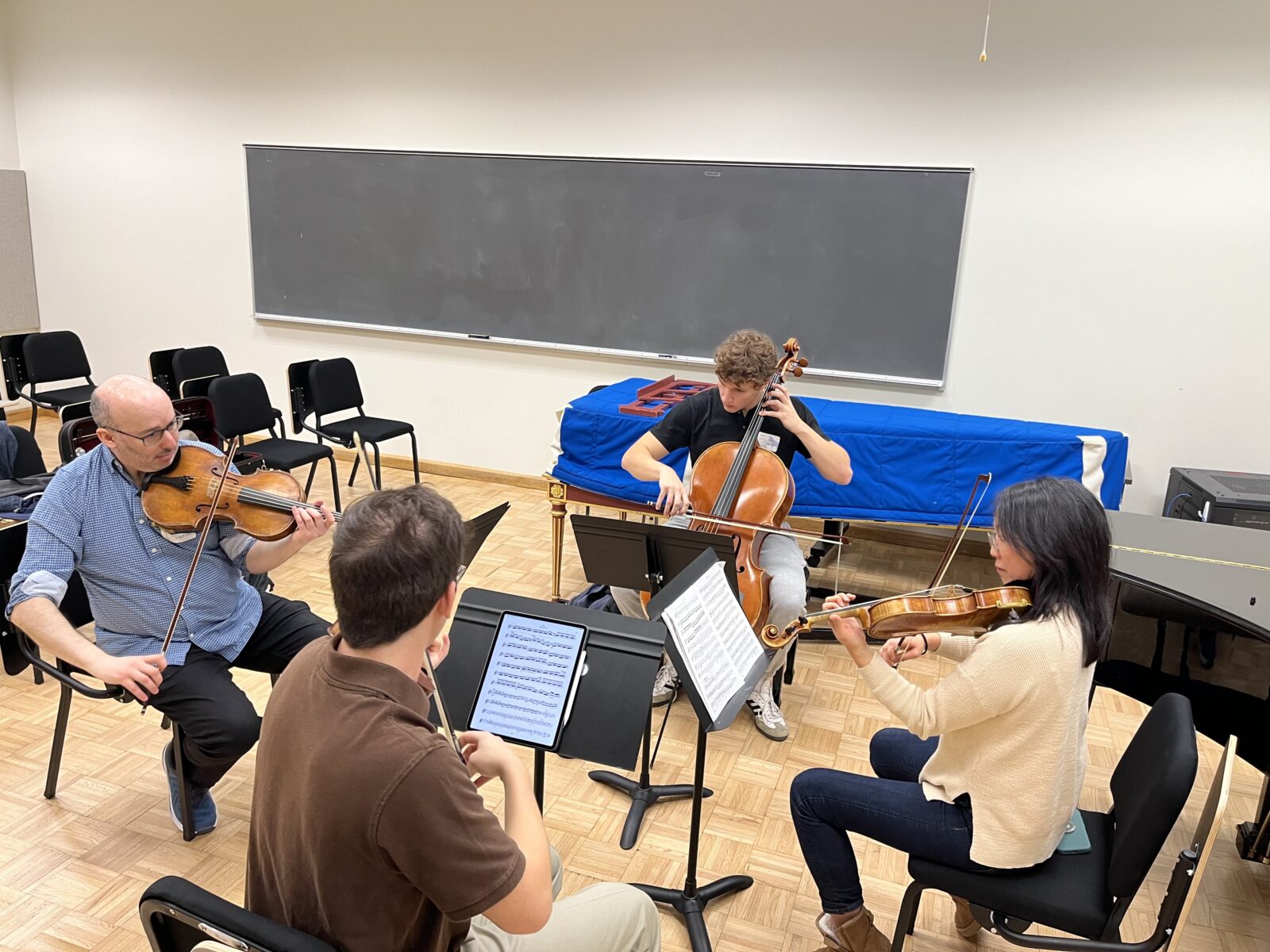
ACMP x ECMS Play-In Rochester, NY
ACMP is partnering with the Eastman Community Music School (ECMS) on a fun and festive chamber music Play-In on Sunday, October 25 in Rochester, New York. All instruments and playing levels are welcome!Read More ↗
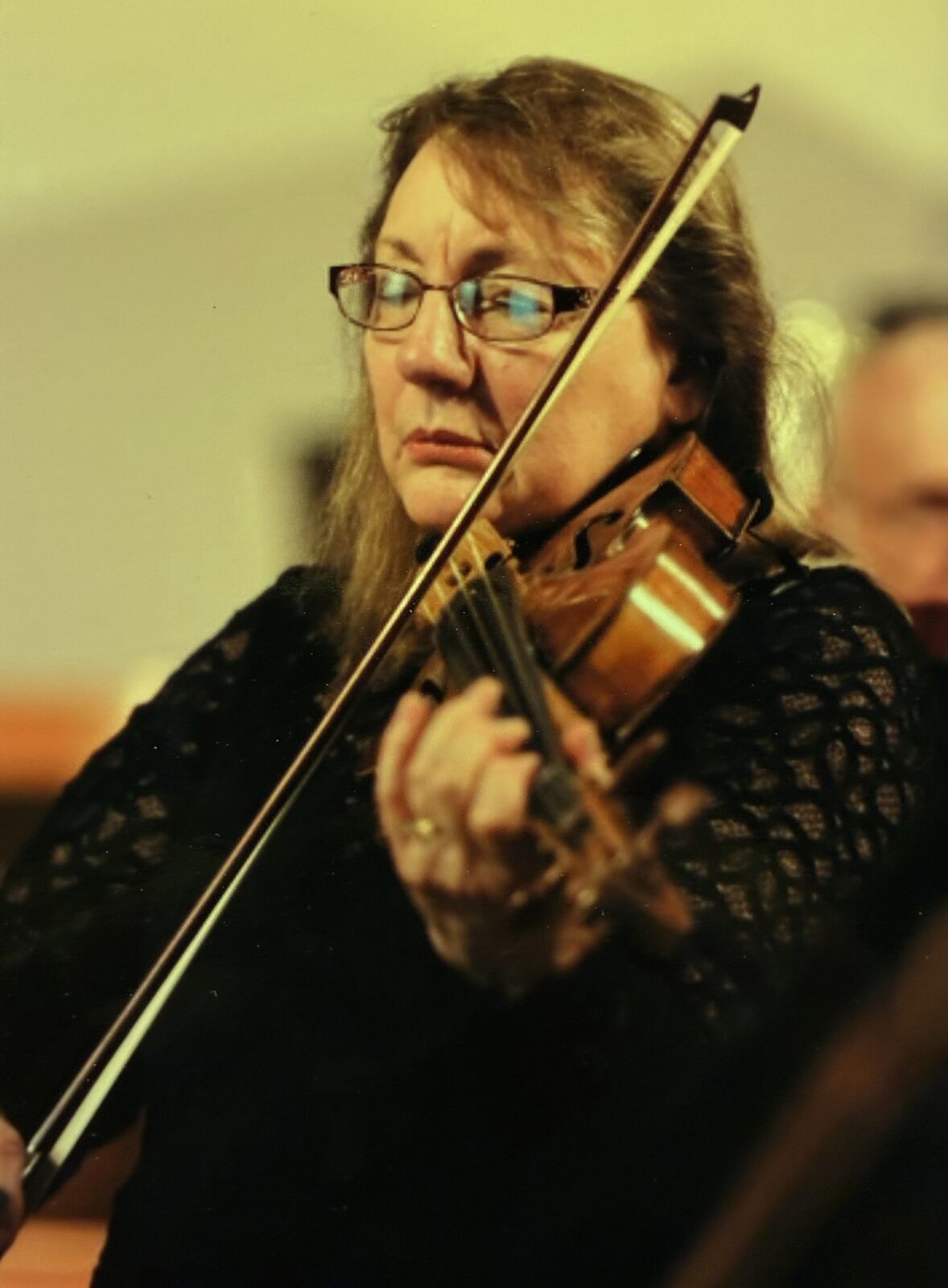
Member of the Month, October 2026: Loryn Gorsett
There is little that Loryn Gorsett hasn’t done as a violist and violinist in the Denver area. She has played in orchestras, both professional and amateur. She built a studio of students. She has played more weddings than she can count. She has been a strolling violinist in an Italian restaurant. But through it all, chamber music has been her true musical passion.Read More ↗
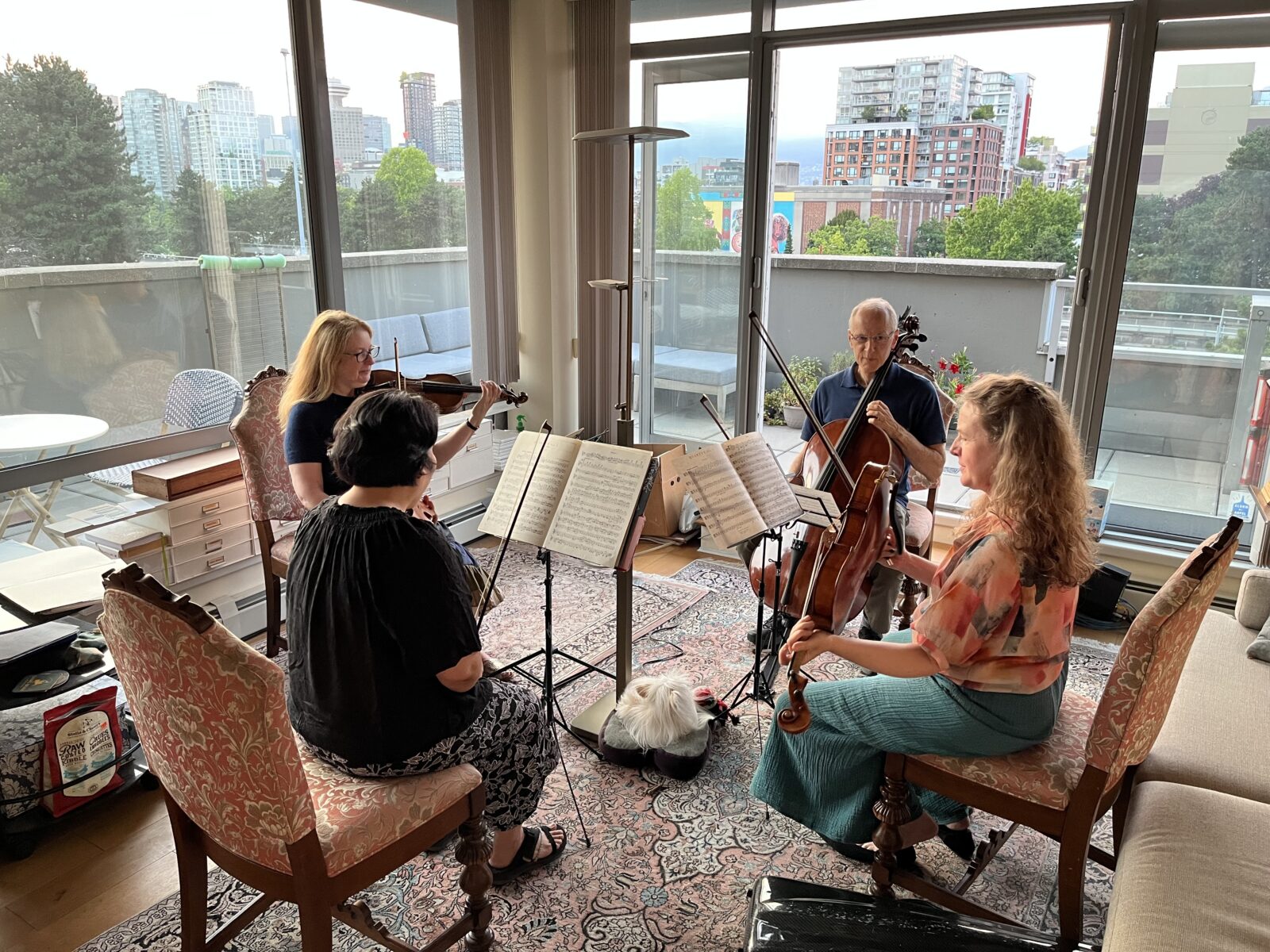
Chamber Music Lifestyles: Vancouver
Vancouver, Canada has a vibrant adult amateur chamber music scene, thanks to ACMP's local NAOC councilor Christina Wolf. If you've never traveled to Vancouver, add it to your list. Where else could you play chamber music with so many great players (and fun people) while looking at the mountains, and eating and drinking a wide variety of local delights?Read More ↗
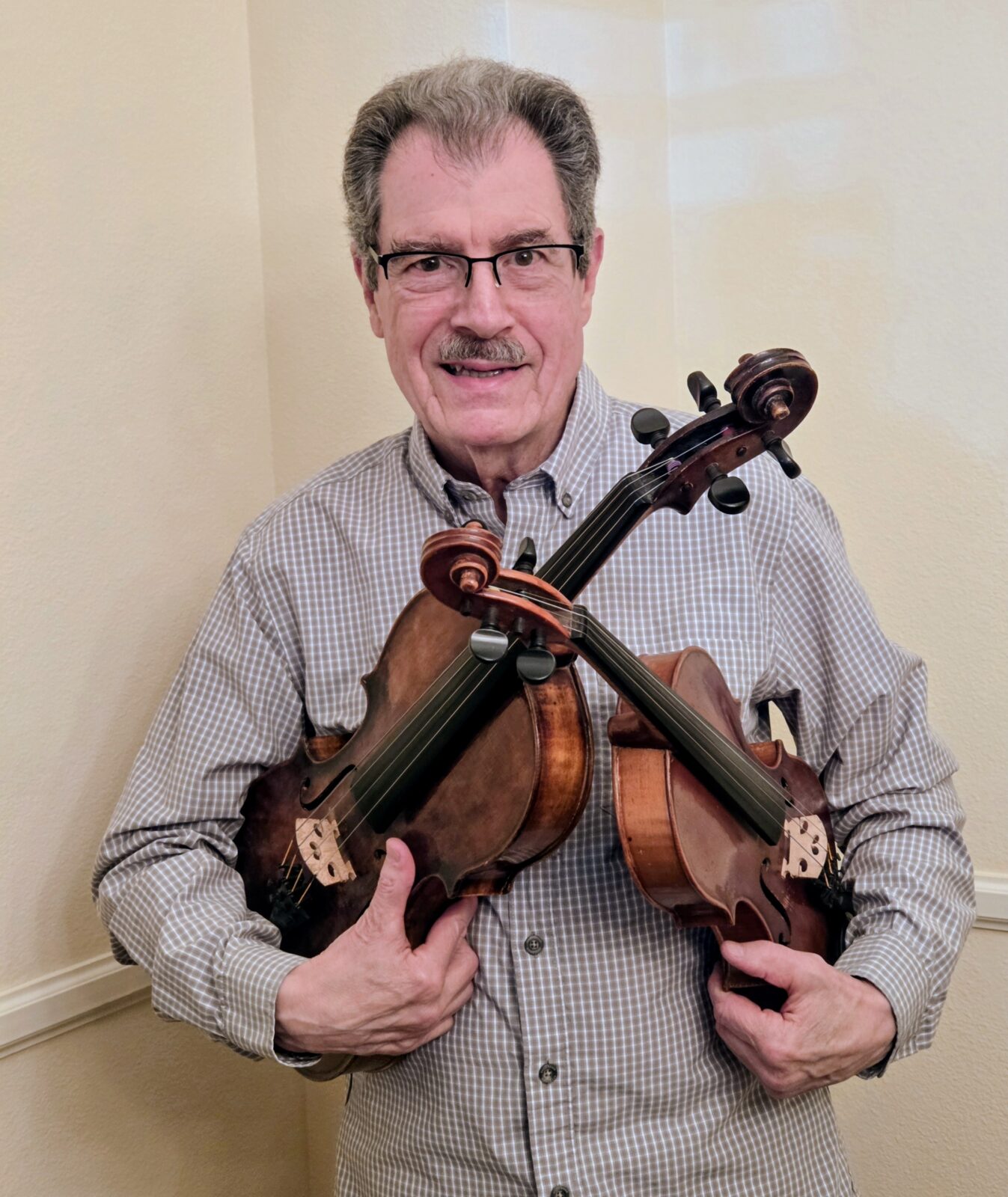
Member of the Month, September 2026: Marshall Costantino
Marshall Costantino learned to play the violin from his Italian grandfather as a young child. After a 42-year hiatus from playing, he is enjoying a new life in chamber music with his neighbor and new friends he met through the ACMP directory.Read More ↗
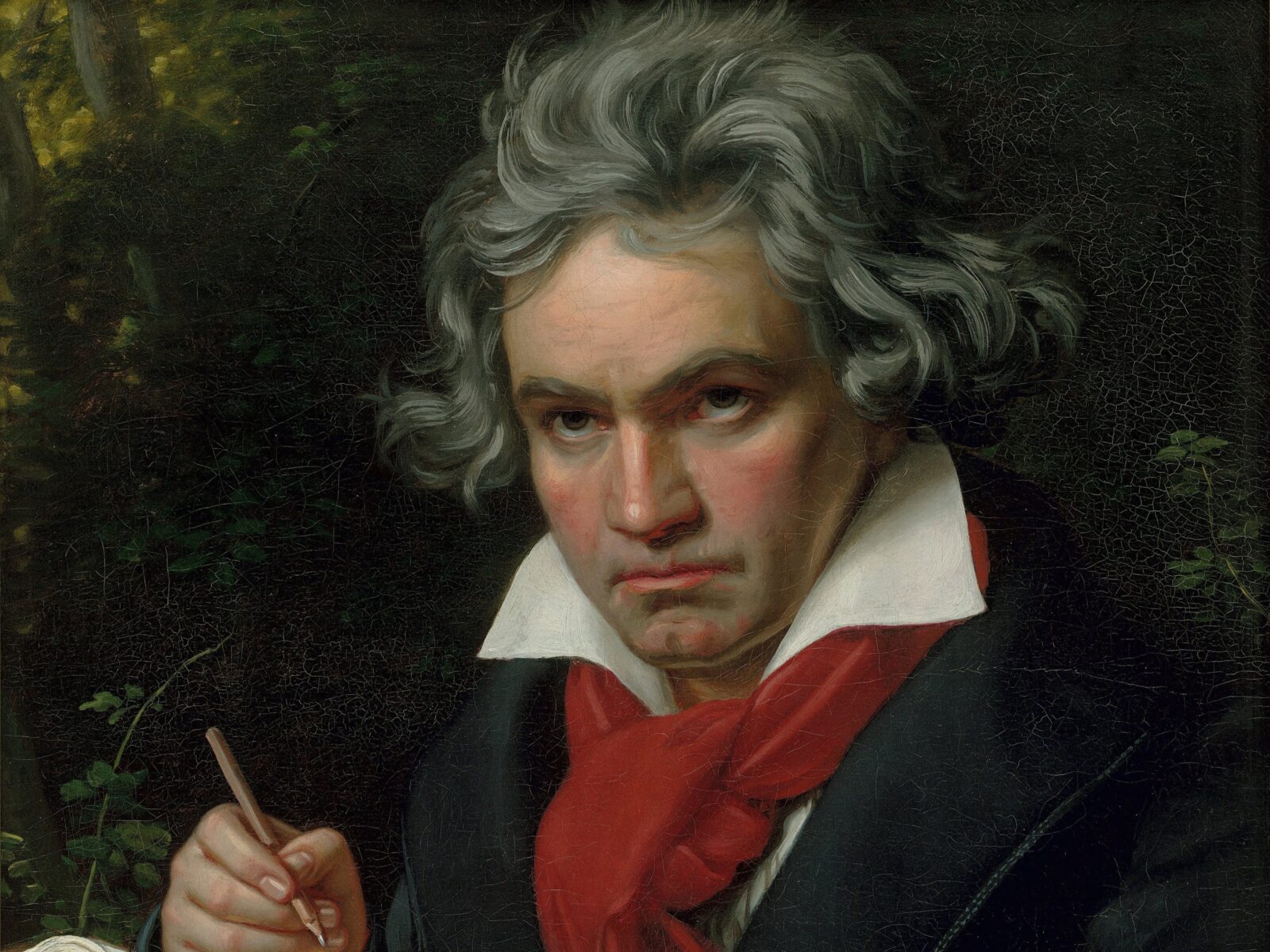
Celebrate Beethoven: MSQ’s Vienna Workshop, January 2027
Travel to Vienna and immerse yourself in Beethoven's world and in his String Quartet Op. 127, under the expert guidance of the Manhattan String Quartet. Register by Monday, September 14 for this unique cultural expedition!Read More ↗
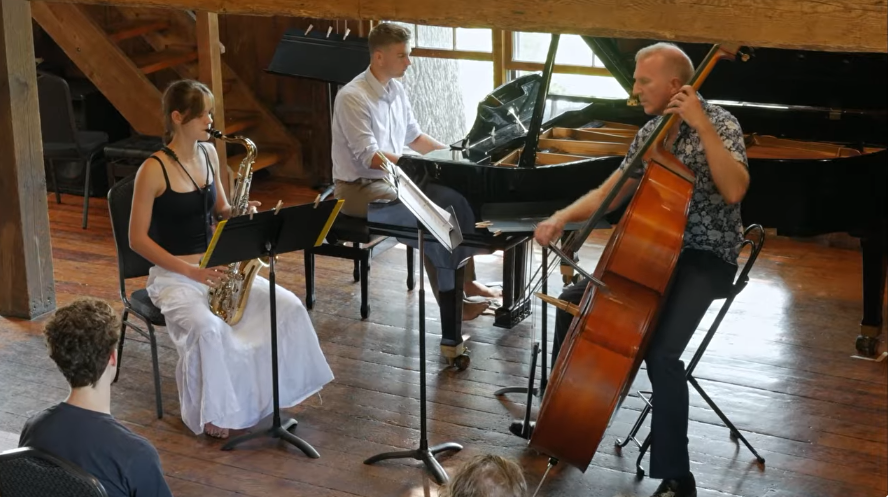
Music and Life at Apple Hill
Vermont-based bassist Art DeQuasie was one of the inaugural recipients of an ACMP Scholarship this summer. Read about his experience at the Apple Hill Center for Chamber Music in August 2026.Read More ↗
Explore New Worlds of Chamber Repertoire
Music educators have been working to find music by underrepresented composers that is accessible to students and amateur players of all levels. This includes music by composers of color, women composers, and LGBTQ groups, among others. Considering the changing demographics of our country, amateur chamber music players can reap the rewards of discovering new repertoire through this research.Read More ↗
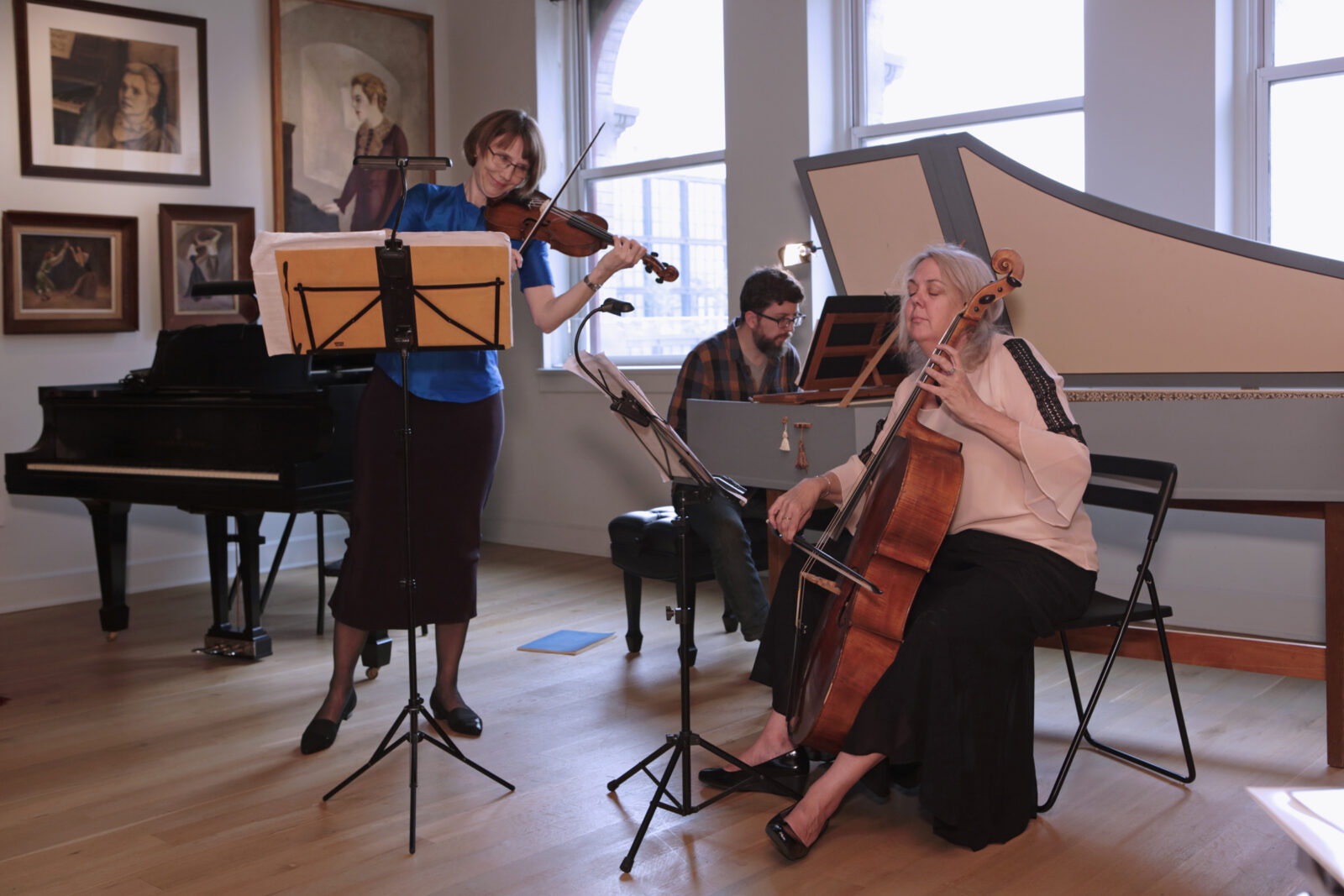
Meet ACMP’s Development Consultant, Amie Roosevelt
Amie Roosevelt joined ACMP's staff as our first-ever Development Consultant in January 2026. She has enjoyed a long and varied career as a violinist, with a primary focus on historically informed performance. I hope you all will meet and even get to play with Amie. But until you do, you can get to know her and her fascinating story by reading this interview from August 12, 2026.Read More ↗
Make Chamber Music Part of Your Fall at 92NY
For many musicians, chamber music is as much about connection as it is about repertoire—the shared experience of listening, collaborating, and discovering new musical perspectives together. At the 92NY School of Music, two chamber music programs offer welcoming entry points into that experience this fall: Chamber Music Reading and Chamber Music Coaching & Performance. Whether you’re picking up your instrument again, looking to meet fellow players, or hoping to deepen your ensemble work, both programs are designed to bring musicians together in a supportive and engaging environment.Read More ↗
Member of the Month, August 2026: Alison Edwards
There aren’t too many people who come to a professional crossroads before they turn 13. But Alison Edwards faced such a moment. She had taken up the violin at age seven with none other than Dorothy DeLay as her teacher. But indeed, Alison had another calling. Inspired by social justice movements of the 1960s, she became a civil rights lawyer, eventually serving in the appellate division of the Cook County Public Defender’s office. After 25 years working and raising a family, she picked up her violin again and launched on a lifelong chamber music adventure.Read More ↗
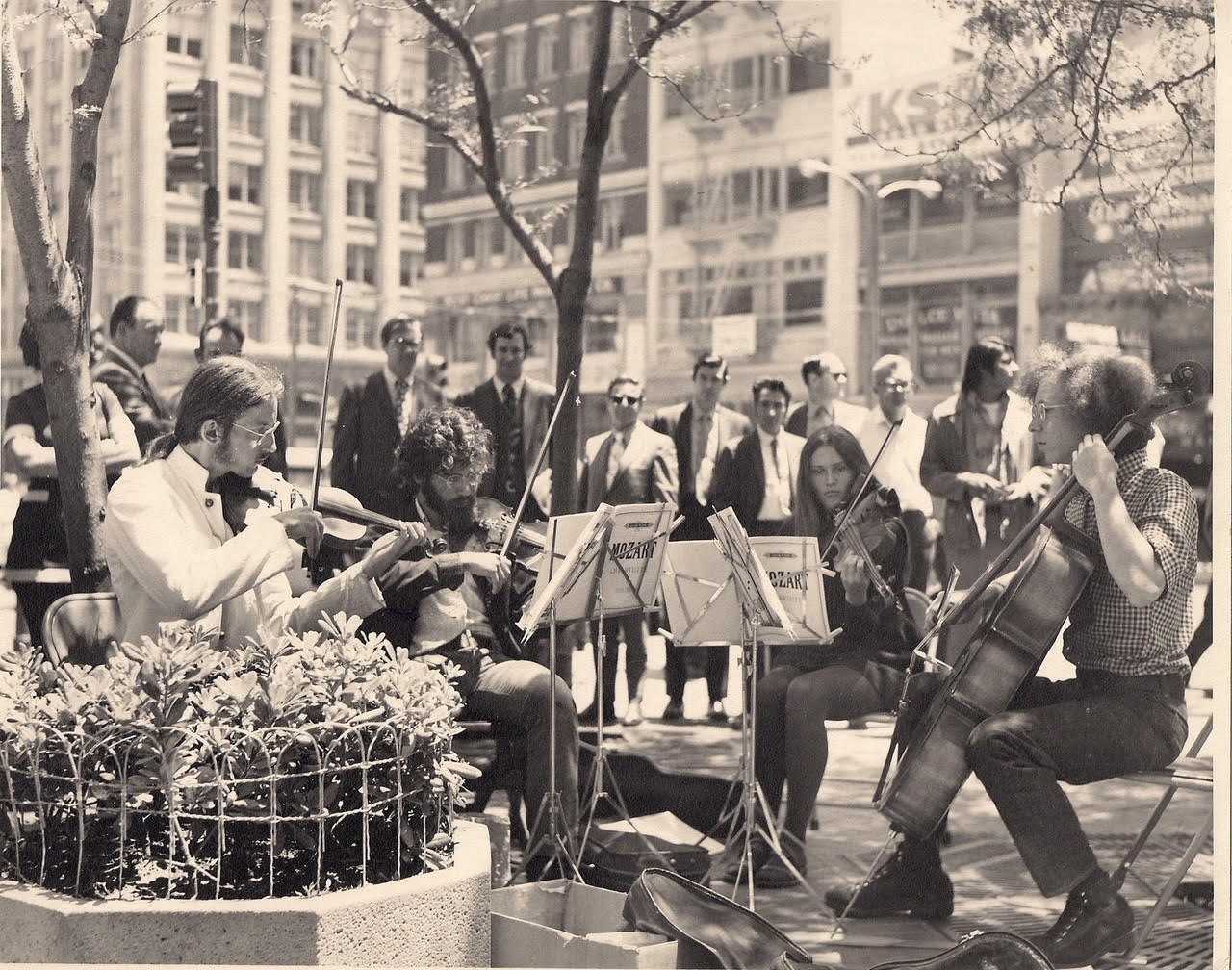
After 56 Years, the Bond of Chamber Music Endures
Cellist David Pearl and violinist/violist Gary Chanan played quartets together in the streets of San Francisco in the early 1970s. 56 years later they are playing together again in New York City...they reconnected through ACMP!Read More ↗
Coffee Shop Performances, Coffee-infused Repertoire
ACMP's intrepid cellist Tom Cappaert is at it again - this time with a story about ACMP members in Ecuador and Spain who organized chamber music in coffee shops, inspired by Tom's endeavors.Read More ↗
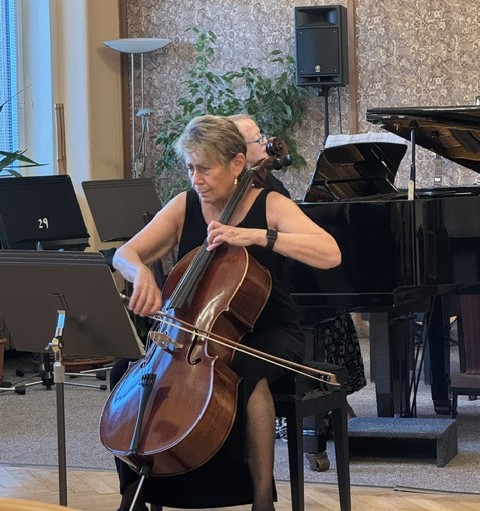
Member of the Month, July 2026: Sara Langbert
A self-proclaimed “total New Yorker”, cellist Sara Langbert graduated from Music and Art and continued her musical education at Queens College in her native New York borough. But like many ACMP members, she would put her cello aside as she managed the demands of raising a family and pursuing a career in computers and technology. Now she's playing again and is an enthusiastic member of ACMP.Read More ↗
Around the World with ACMP’s Grants (Home Coaching and Play-in)
Over the last few weeks we have been asking members, participants, and organizers to tell us how our rolling grants have been useful to them and their communities. So let’s take a trip around the world and see what folks have to say about our Home Coaching and Play in grants.Read More ↗
Around the World with ACMP’s Grants (Just Play and Impresario)
This summer, we’re hearing from ACMP members, participants, and organizers about how Just Play and Impresario grants have supported chamber music in New York, Italy, Canada, Colorado, and beyond.Read More ↗
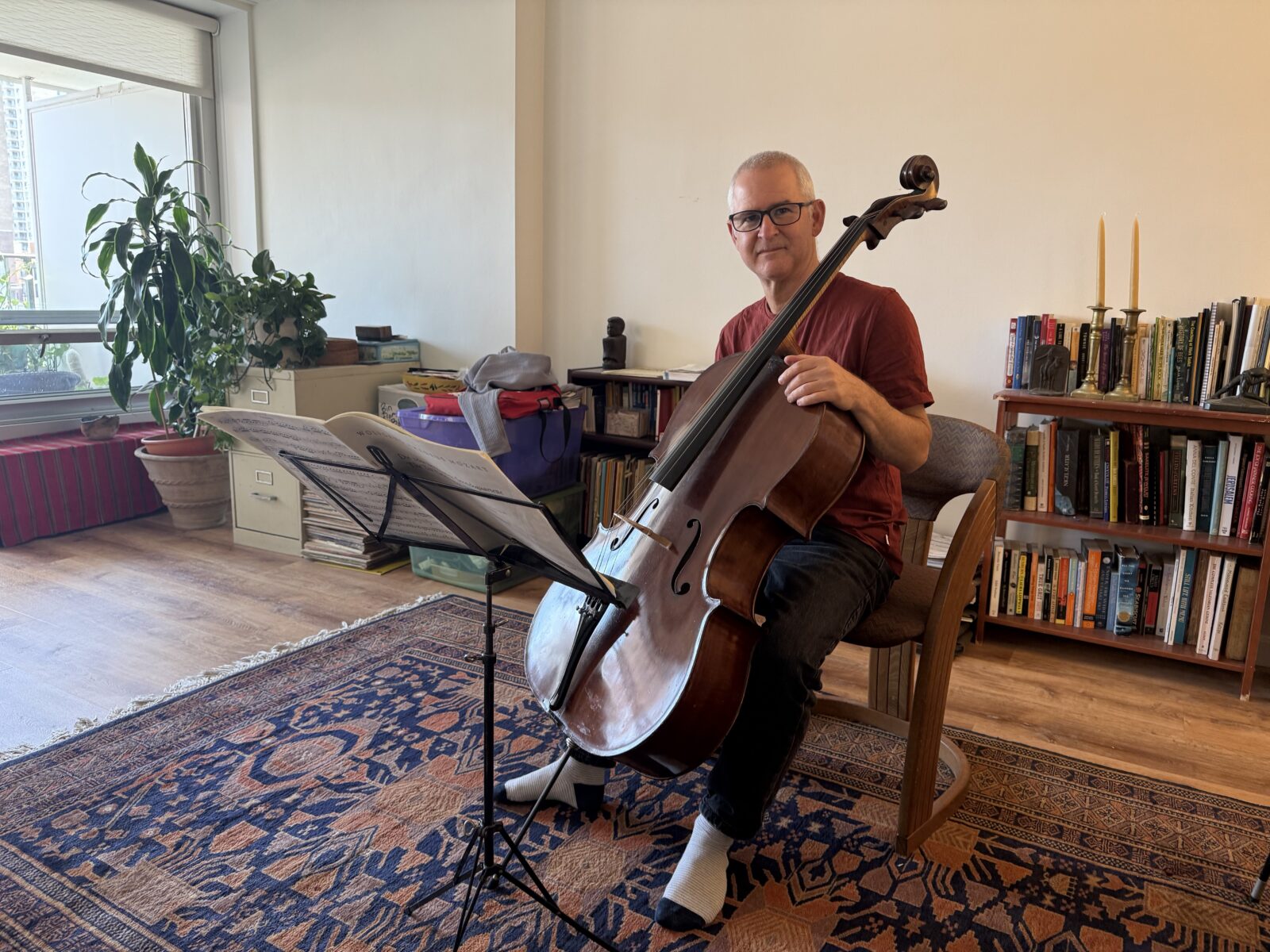
ACMP Member of the Month, June 2026: Yoav Segev, the flying cellist returns
It’s probably easy to spot Yoav Segev at the airport. He’s the guy in the pilot’s uniform with the cello on his back. Yoav, you see, is the Flying Cellist, a globe-trotting pilot for El Al Israel Airlines who plays chamber music during his layovers in far-off destinations. Read Bob Goetz's interview with Yoav.Read More ↗
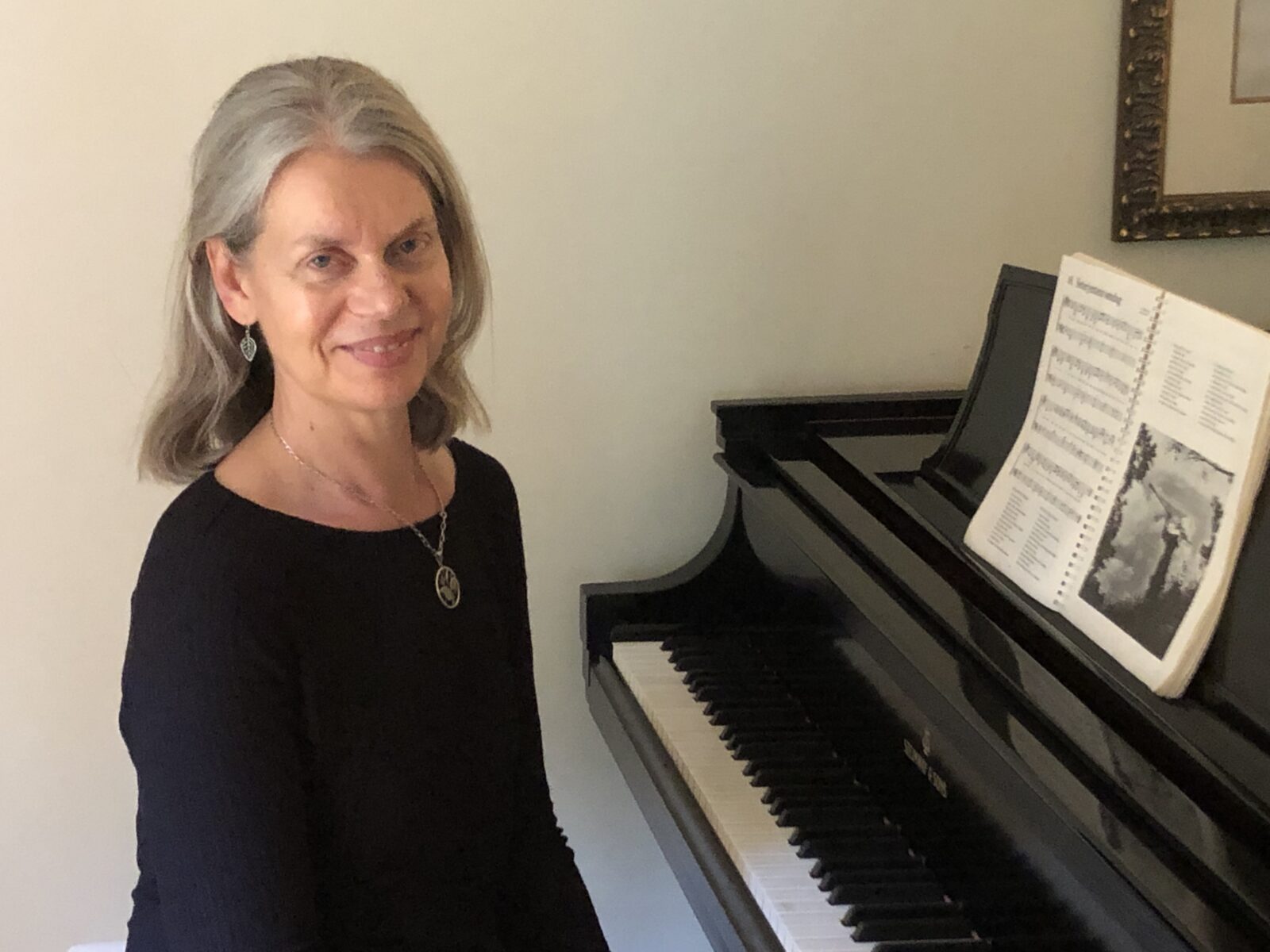
International Spotlight: Kristin Saltonstall in Panama
Kristin Saltonstall comes from a longstanding ACMP family and has been a member of ACMP for as long as she can remember. As a molecular ecologist, she works for the Smithsonian Tropical Research Institute in Panama, where she has forged a new musical life for herself and enjoys the natural beauty that Panama has to offer.Read More ↗
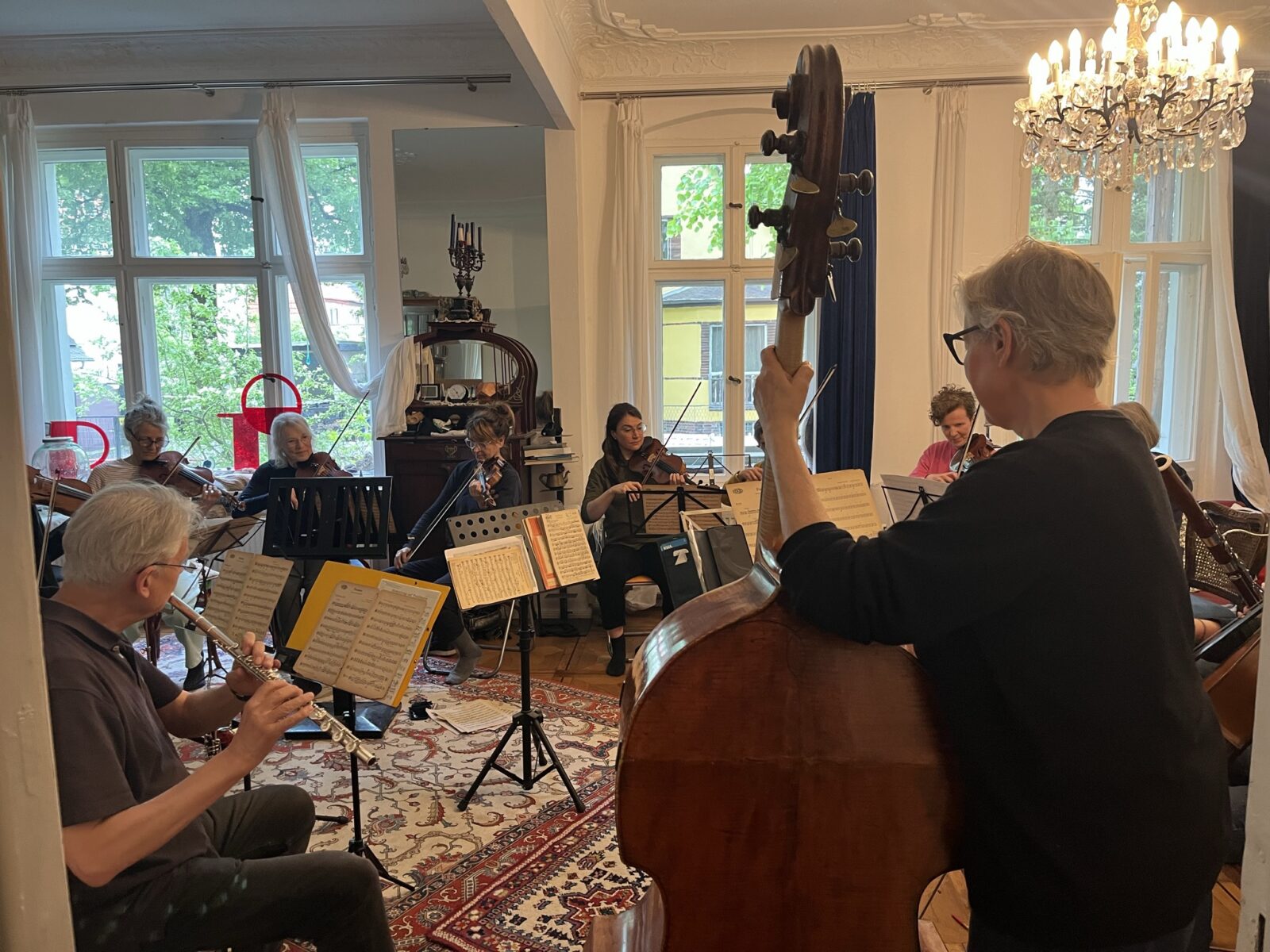
Springtime Extravaganza Light Music Orchestra on May 9, 2026, in Berlin-Karlshorst
Fifteen musicians followed Gudrun Schnellbacher's invitation to a very special kind of play-in – to play in the Springtime Extravaganza Light Music Orchestra. Read the article in English or in German.Read More ↗
Load More
All Articles By