What I learned from wind players
Perhaps after three weeks of “March Winds,” some of you are wondering why a viola player would spend a whole month collecting and sharing information about wind players and their chamber music repertoire.
I feel like everyone has an instrument that is their destiny, and those of us who find the right one are so fortunate. I remember the short lived clarinet career of my older sister when we were both kids. It was not the right fit, and she was having trouble even putting the thing together. My mother, who knew even less about the clarinet, was trying to help her while spinning Acker Bilk’s LP Call Me Mister on our turntable. I think, maybe, that didn’t help!
I was lucky to find my soul mate, the viola, at the age of nine through the Vancouver Schools String Program. As one does, I mainly played with other strings and piano. For one year I was a member of the Vancouver Youth Symphony, but for me the winds were just kind of there in the background. It didn’t even register to me that they were the featured soloists most of the time.
When I moved to Belgium as a teenager, I joined the Brussels Youth Symphony and became close friends with the oboist Sylvain Jeanmart. We formed a group to play the Mozart Oboe Quartet – and we played it all the time! We even got some gigs at local restaurants where we played in exchange for food. Sylvain was my first wind player friend, and I learned about the challenges of making and adjusting reeds, the volatilities of reeds to weather changes, and most importantly – not being able to eat right before or while playing.
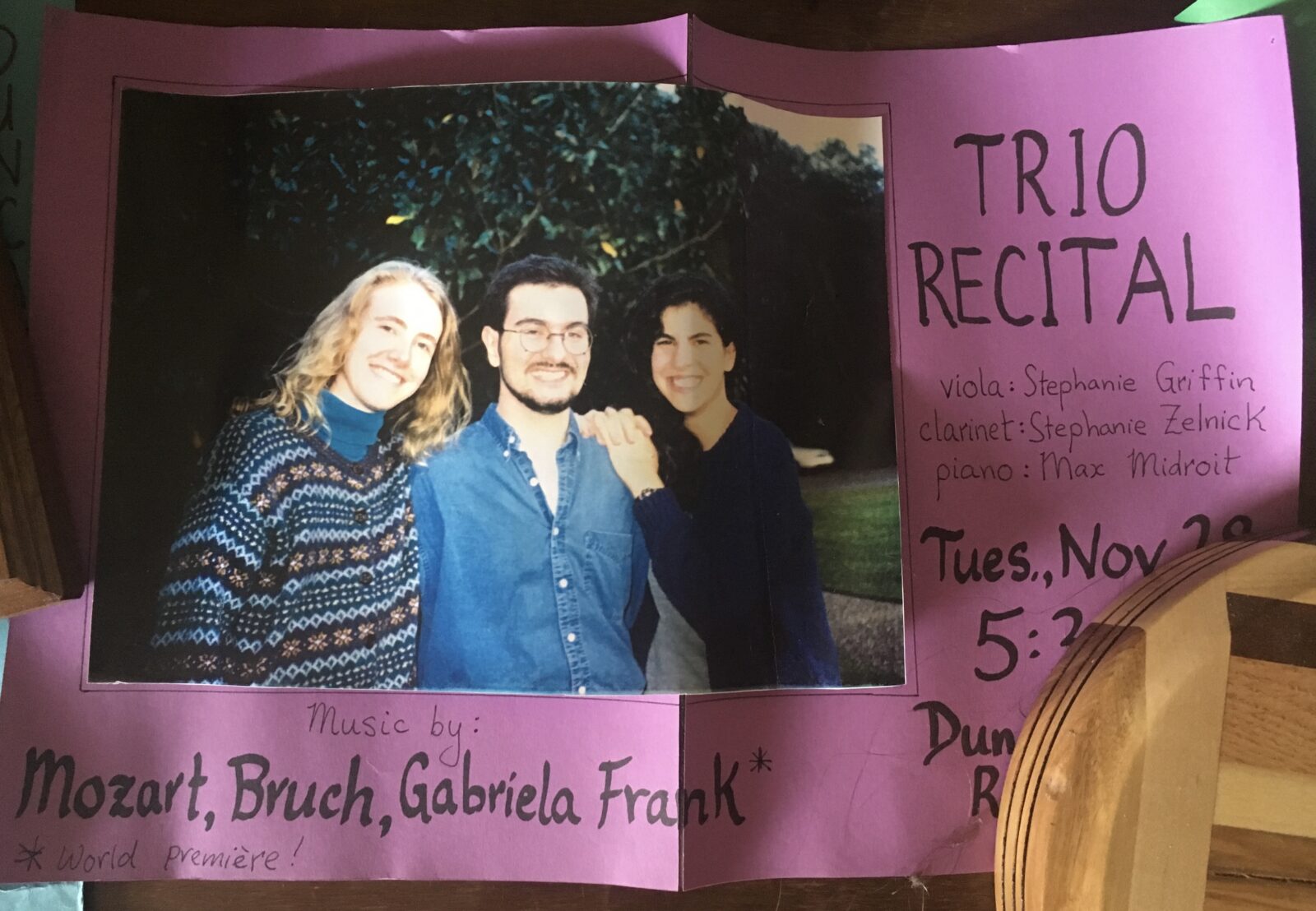
I went straight from Belgium to Houston, Texas to do my undergraduate degree in viola performance at Rice University. Full disclosure: Stephanie Zelnick, who wrote the article Irreverent Friends, the True Inspiration Behind Clarinet’s Chamber Music Gems for the ACMP blog, became one of my closest friends. Stephanie invited me into a world of clarinet music beyond Acker Bilk. I got to hear her practice the Copland Clarinet Concerto, and through her I gained an appreciation for the level of responsibility (and stress) of being an orchestral clarinetist. Most importantly we formed a trio with pianist Max Midroit, with the working band name “Steph to the Max” – later to be called the Feldspar Trio, as a reference to the “Rocks for Jocks” (intro to geology) class the two Stephanies took for science credit. We played Mozart’s famous Kegelstatt Trio and Bruch’s Romantic Pieces, and even “commissioned” a brand new piece by Rice University undergraduate composer Gabriela Lena Frank.
Stephanie and I went on to put a group together to learn both the Mozart and Brahms Clarinet Quintets, which remain to this day two of my all-time favorite chamber pieces.
Through Stephanie, I learned so much about how the breath informs phrasing. Sometimes I felt like I was scratching away at my viola while the music just seemed to flow so naturally through her. Later in life I learned that vocal and wind teachers actually use the bow as an analogy for breath, and I was reminded of this by flutist Jayn Rosenfeld’s recent article On coaching mixed chamber music with winds . All of us musicians can learn so much by listening to and especially playing with musicians who produce sound in a completely different way than we do!
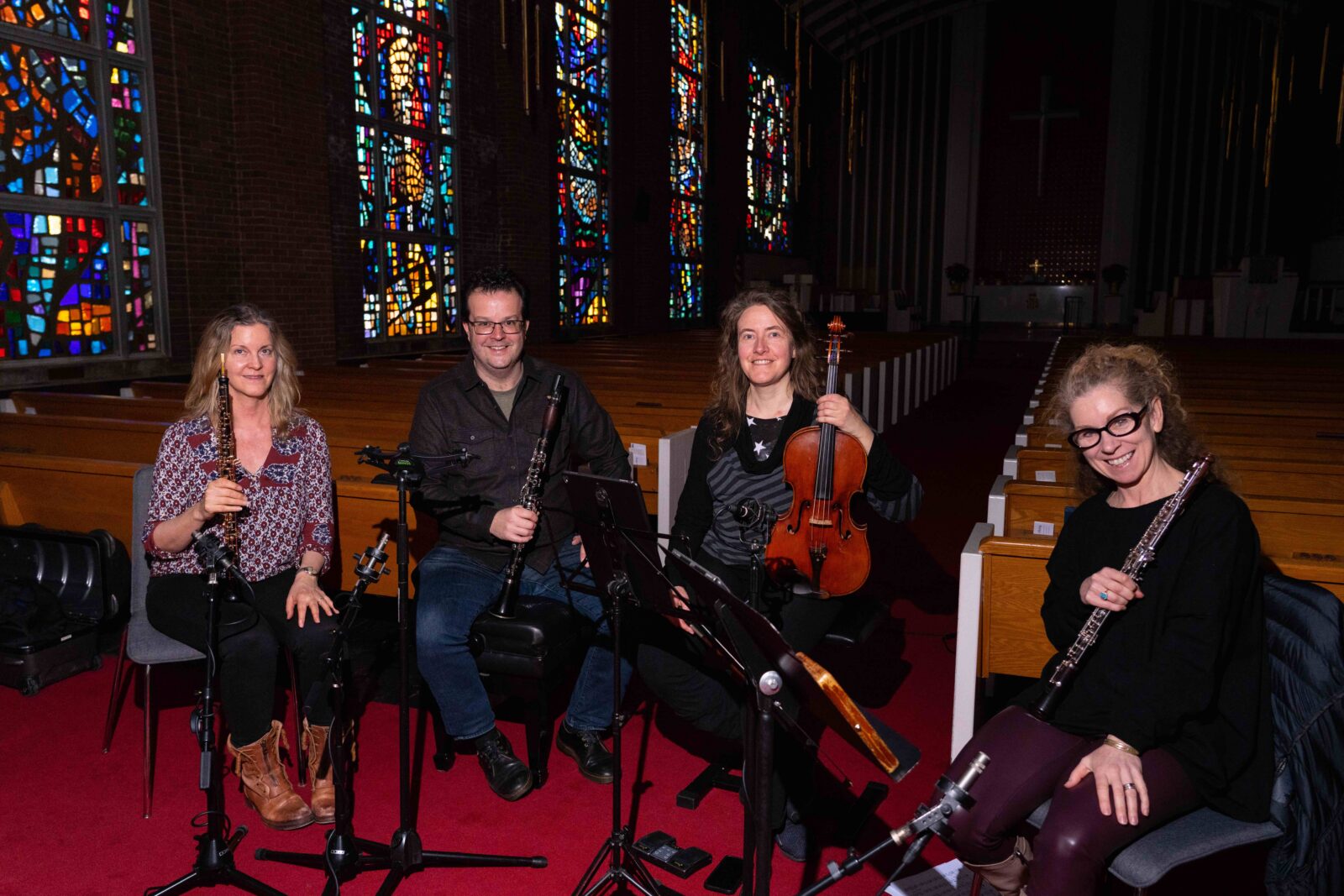
Playing with winds, brass, piano and percussion can cure us string players of our assumptions about articulations. Working with wind players as a violist and later as a composer, I have really come to accept that there is nothing universal about a dash or a dot, or even a slur. And the ways most string players interpret strings of notes with no slurs or articulation markings is vastly different from what wind players do. When I wrote my first pieces for winds, I generally wrote too many staccati. In the early rehearsals for my piece For Sameena (2023) for two oboes, clarinet and viola, I ended up removing almost all of them, and adding dashes in many places to get the smooth sustain into the next note that I envisioned. Where a string player might play a smooth détaché, a wind player would tongue. It seems like the default for an unslurred and unmarked note in the winds is much shorter than how we string players perceive it.
Adding dashes to notes for wind players might produce more of what we string players call détaché, whereas dashes for string players can mean conflicting things. Do dashes denote a seamless connection between notes, or more of a portato where the bow keeps moving but the sound is not sustained?
Then, of course, if you ever get to play 20th- or 21st-century music with winds, you will find notations that mean completely different things. For example, what a string player would interpret as tremolo on a single pitch is a flutter tongue effect on the flute, which can be very dramatic. Can one pluck a flute? Not quite – but they do play pizzicato!
As a composer and violist, perhaps what fascinates me most about the wind instruments is the way in which dynamics and colors are so intricately linked to register, and how timbre can affect one’s perception of register. Flutist Roberta Michel pointed out to me, for example, that the alto flute is the violin of the flute family, with its low G – yet it sounds much more like a viola. Conversely, what may seem like very high notes to most of us is the mellow low register of the piccolo.
Writing my duet For Joni (2024) for alto flute and viola really brought this home for me. I had the opportunity to workshop the piece with flutist Tessa Brinckman in the lead up to our premiere of the piece in January 2024. In rehearsals I made many changes to the dynamics and it became a different piece than I had originally imagined. Especially in the opening material, which recurs throughout the piece, what I had originally intended to have more brilliance took on a sweeter character, more like the cooing of doves.
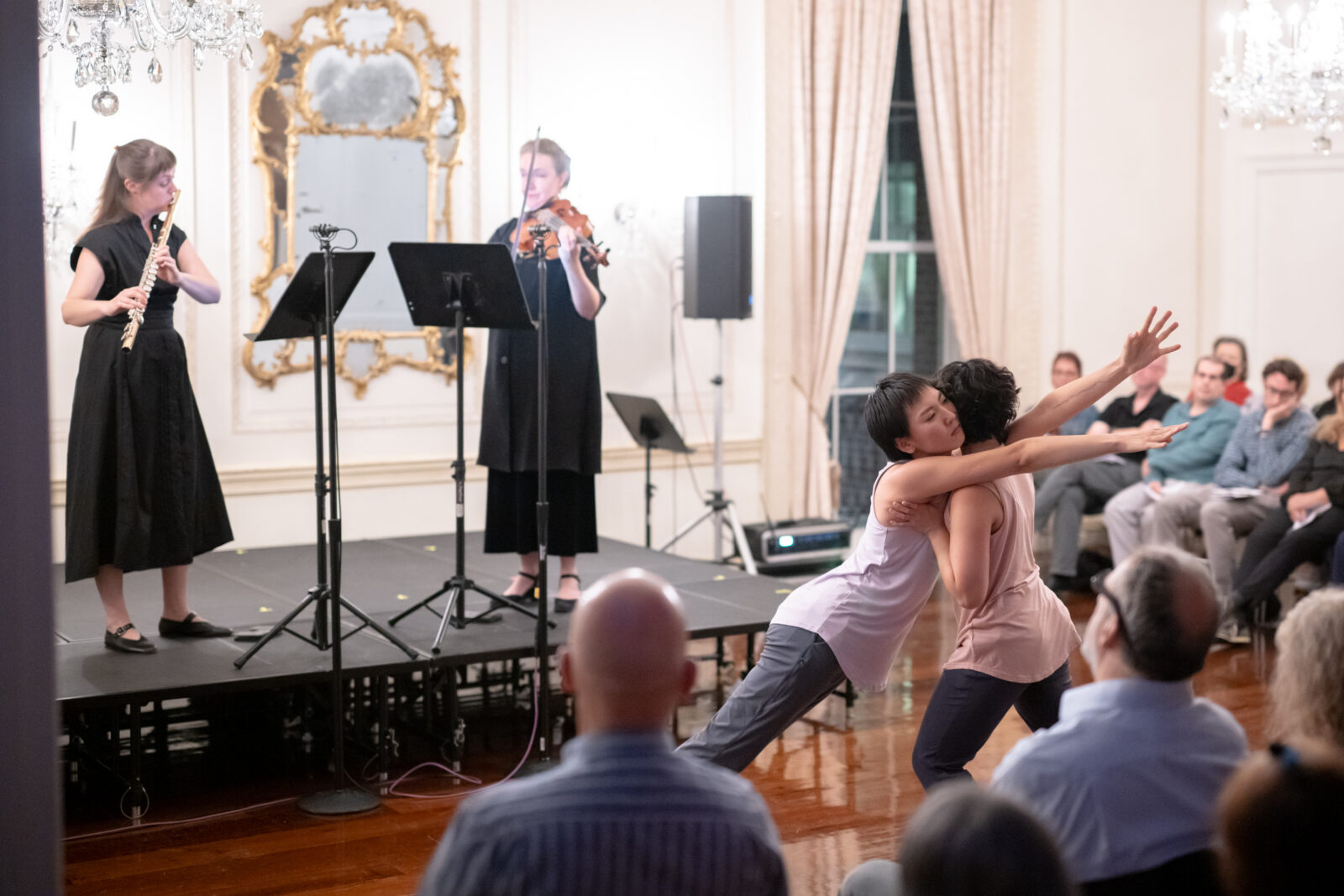
Choreographer Sameena Mitta eventually choreographed the piece, which I programmed again (with her MeenMoves dancers) on the 2025 Momenta Festival as part of a whole program celebrating chamber music with flute called program “Tutti Flutey.” Along with my duet, the program featured Mozart’s G minor flute quartet, a gorgeous quintet for flute and string quartet Blue Minor (2001) by Elizabeth Brown, and the US premiere of modernist composer Kaihosru Sorabji’s Il tessuto d’arabeschi (1979).
More Articles
Interview with Joe Wilson and Edward Guo
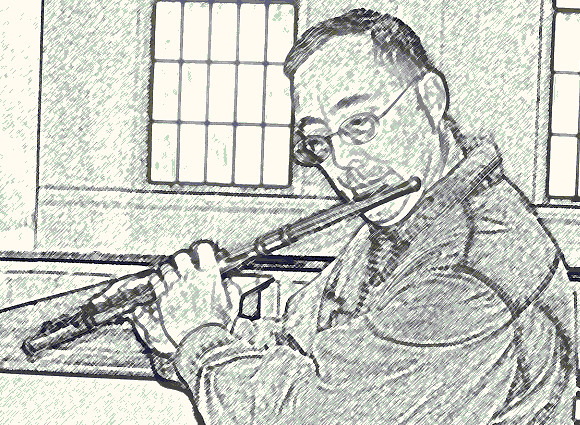
ACMP member flutist Joseph Wilson has been actively adding to the chamber music repertoire for flute, by making original arrangements and transcribing parts and scores from manuscript, and uploading them to IMSLP. Watch the video of him in conversation with Stephanie Griffin and IMSLP founder Edward Guo.Read More ↗
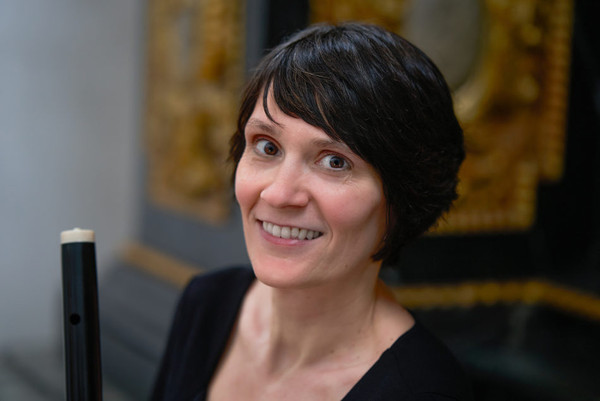
Put a flute on it! Arrangements of Haydn string quartets for flute and string trio
Looking for top-quality repertoire with flute and strings for your ACMP Haydn Challenge gathering? Put a flute on the opus 20 string quartets. Listen to the beautiful recording by the Campanile Ensemble with Hungarian Early Music flutist Ildikó Kertész.Read More ↗

The Flute: Beloved of Amateurs
The flute has been a favorite of avocational musicians in the US since the colonial period. While most players are lost to history, many notable figures have played it, from John Quincy Adams to astronaut Cady Coleman.Read More ↗
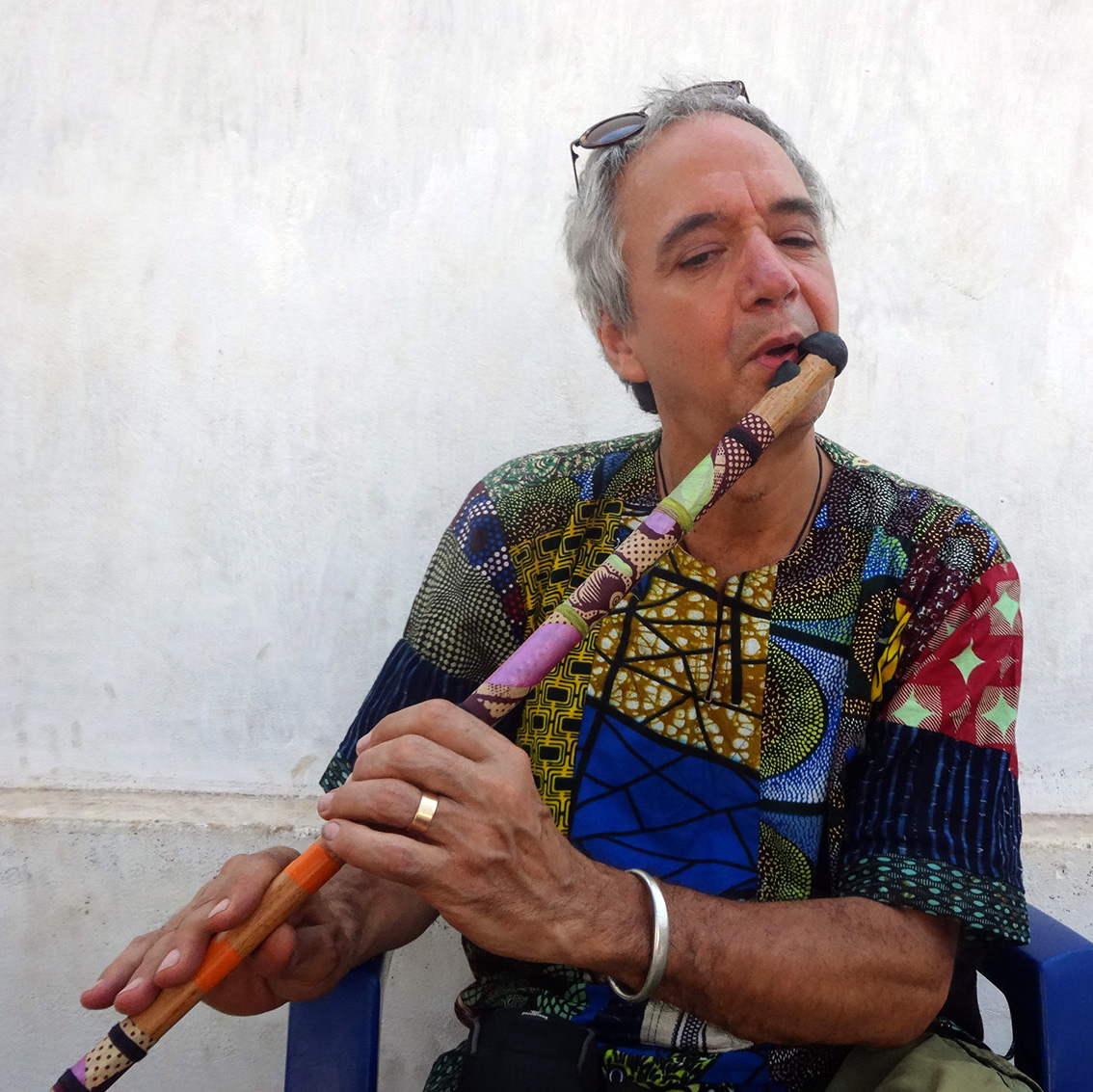
My journey with the Fula flute
Flutist Sylvain Leroux recounts his adventures with the Guinean Fula Flute. He fell in love with the Fula Flute listening to a record in the early 1980s, and his journey led him to performing around the world, inventing new Fula Flutes with extended possibilities, and founding a school in Guinea.Read More ↗
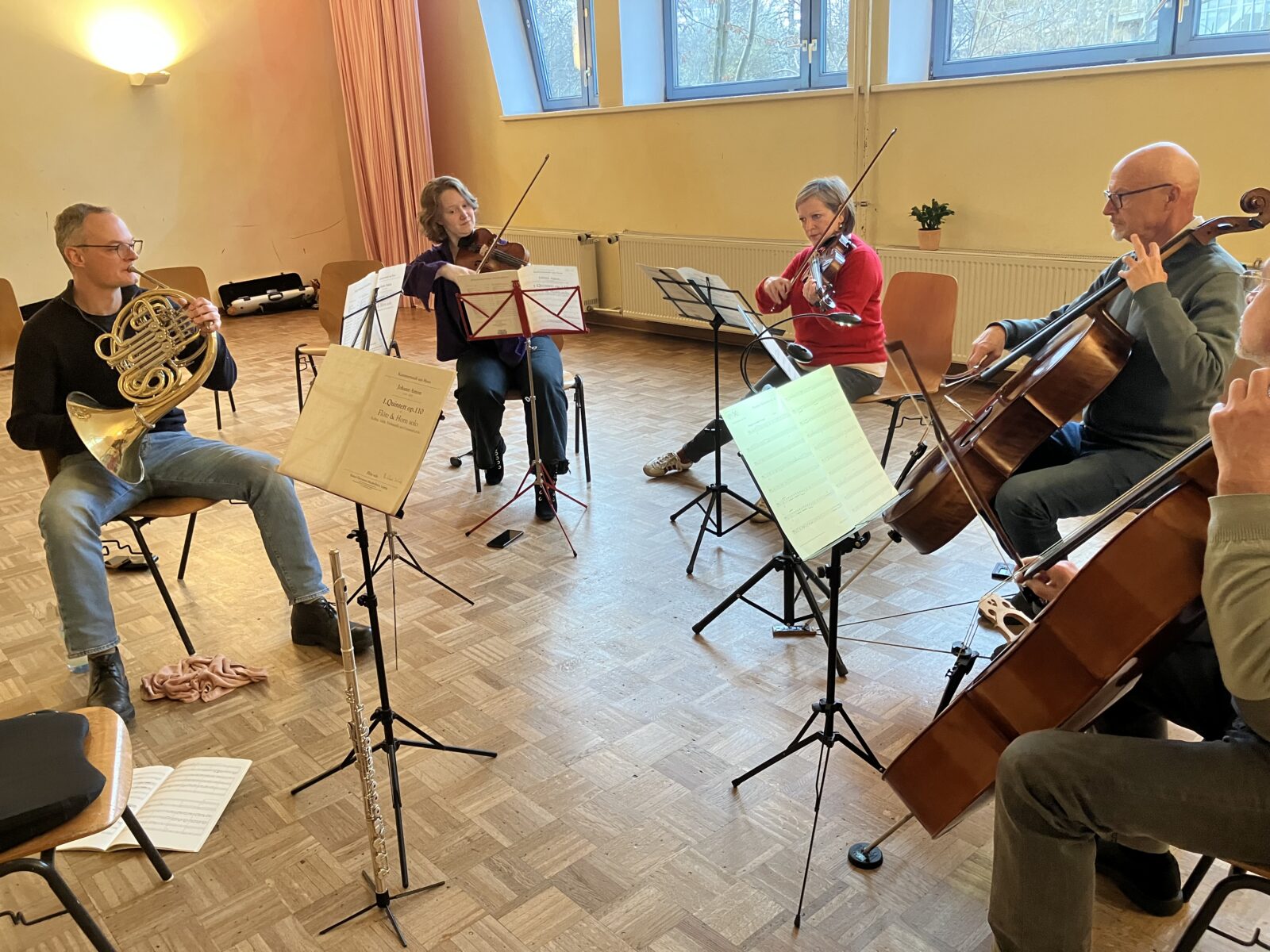
Music for winds, strings and piano at the first Berlin Play-In of 2026
On March 14, 2026 seventeen chamber players gathered at the first Berlin Play-In of the year, made possible in part with the support of ACMP. They played a varied menu of chamber works for flute, oboe, horn, piano and strings.Read More ↗
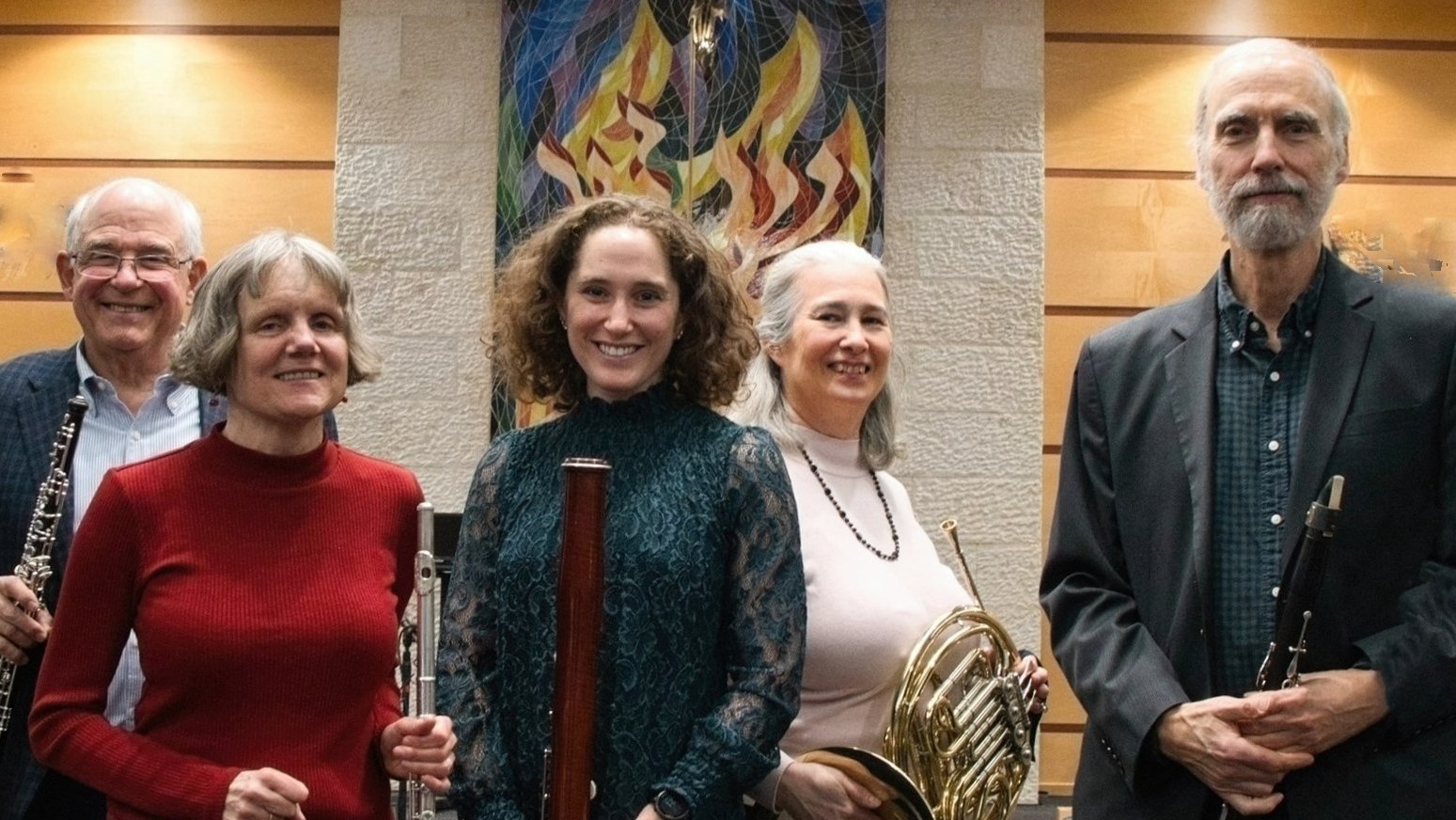
Chamber music, the Horn and Friends
There's more to chamber music with horn than just the standard wind quartets and quintets. Liz Dejean shares her favorite repertoire for horn combined with strings, piano and strings or other other winds, and larger ensembles.Read More ↗
A Visit to Trevco Music
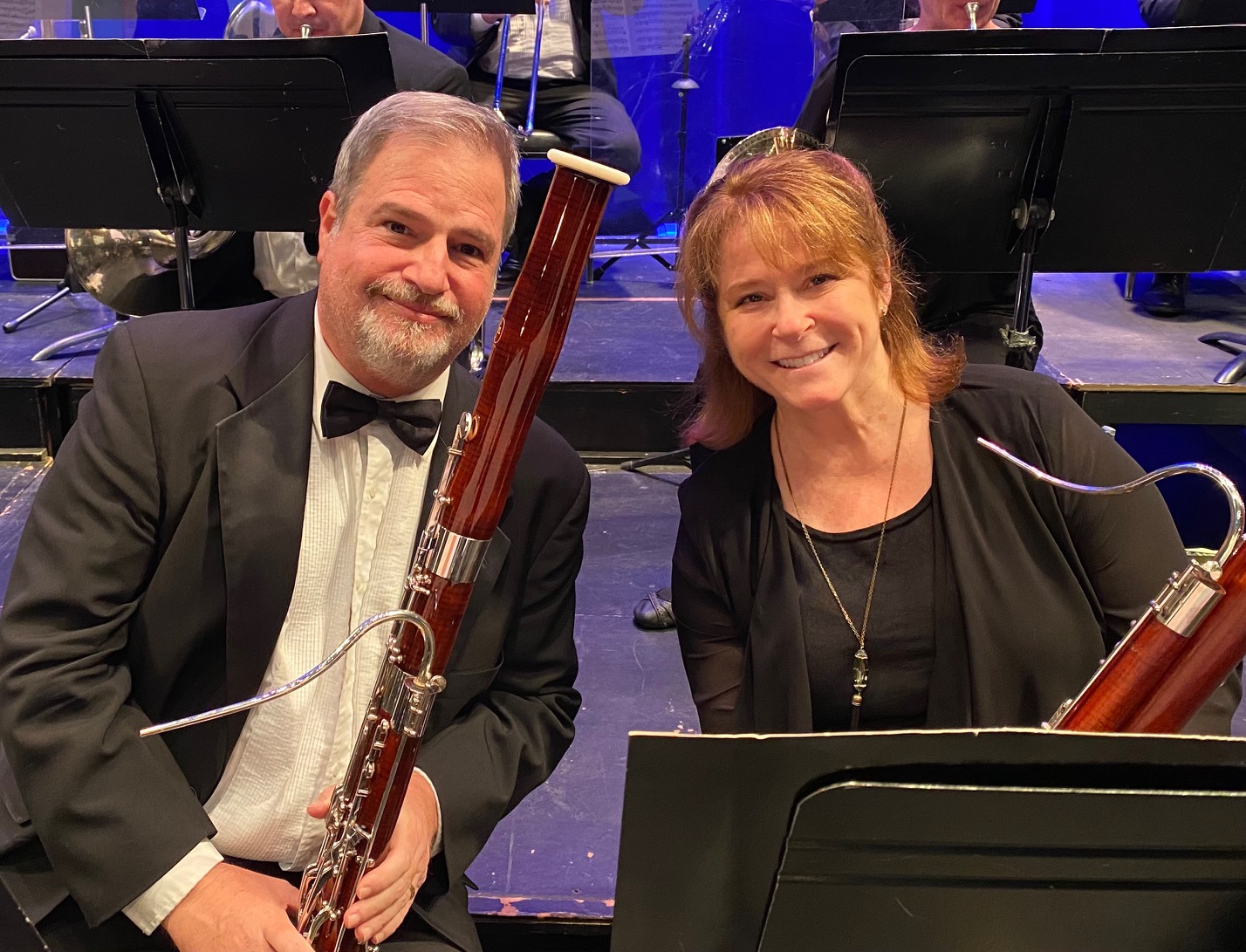
Bassoonist Chris Foss waxes poetic about his recent visit to the Trevco Music headquarters in Middlebury, Connecticut where one can browse the stacks of literally 1800 pounds of music for wind quintet, along with any chamber music you can imagine and lots of fun arrangements involving winds. You can even get a discount with a secret code!Read More ↗
The Ukrainian Chamber Music Encyclopedia: a resource for wind players
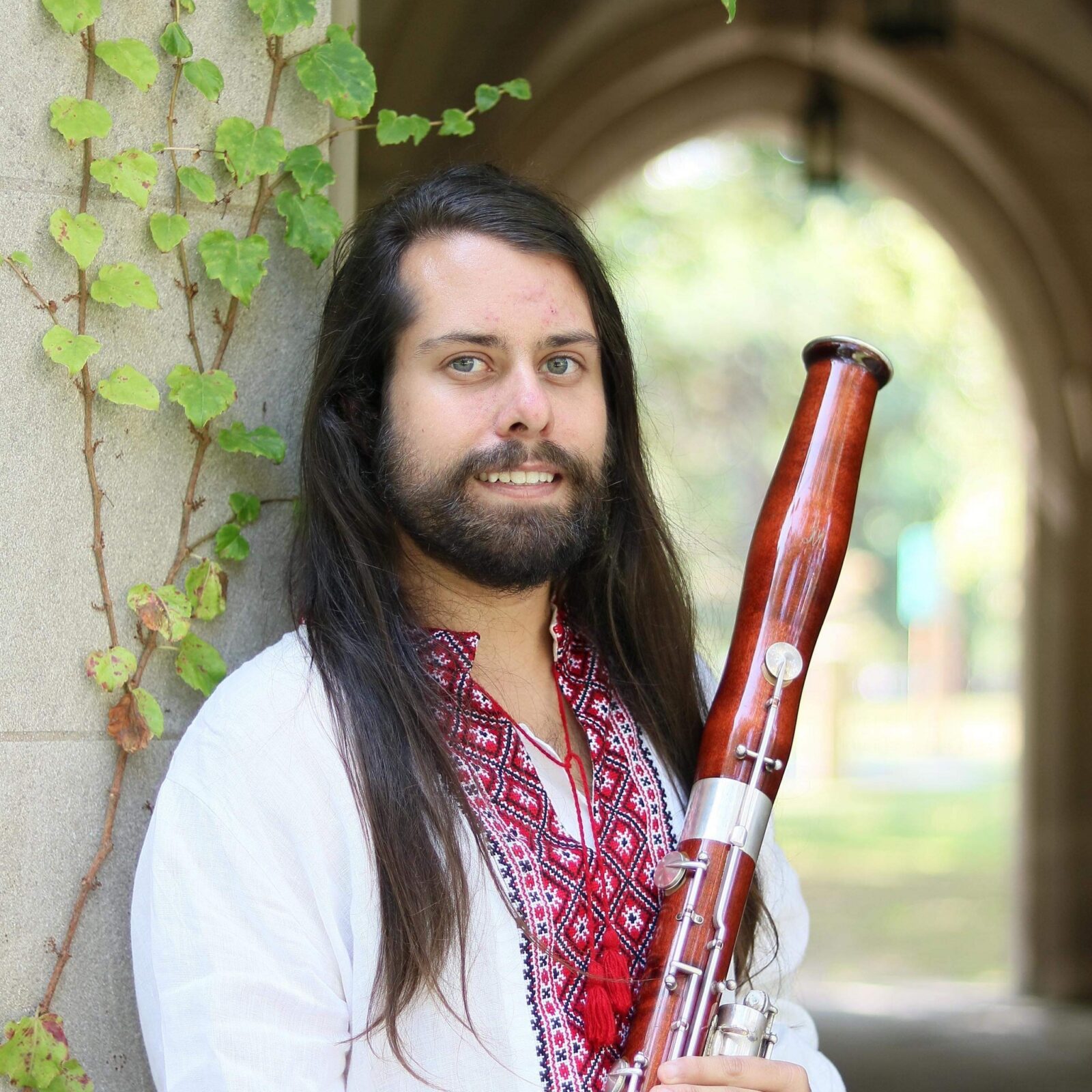
Ukrainian Canadian bassoonist Zachary Senick has devoted his research and performance life to unearthing the vast catalogue of chamber music for winds and music for solo bassoon by Ukrainian composers. Explore the Ukrainian Chamber Music Encyclopedia and the offerings made available by Editions Plamondon.Read More ↗
Chamber repertoire for oboe: a curated list
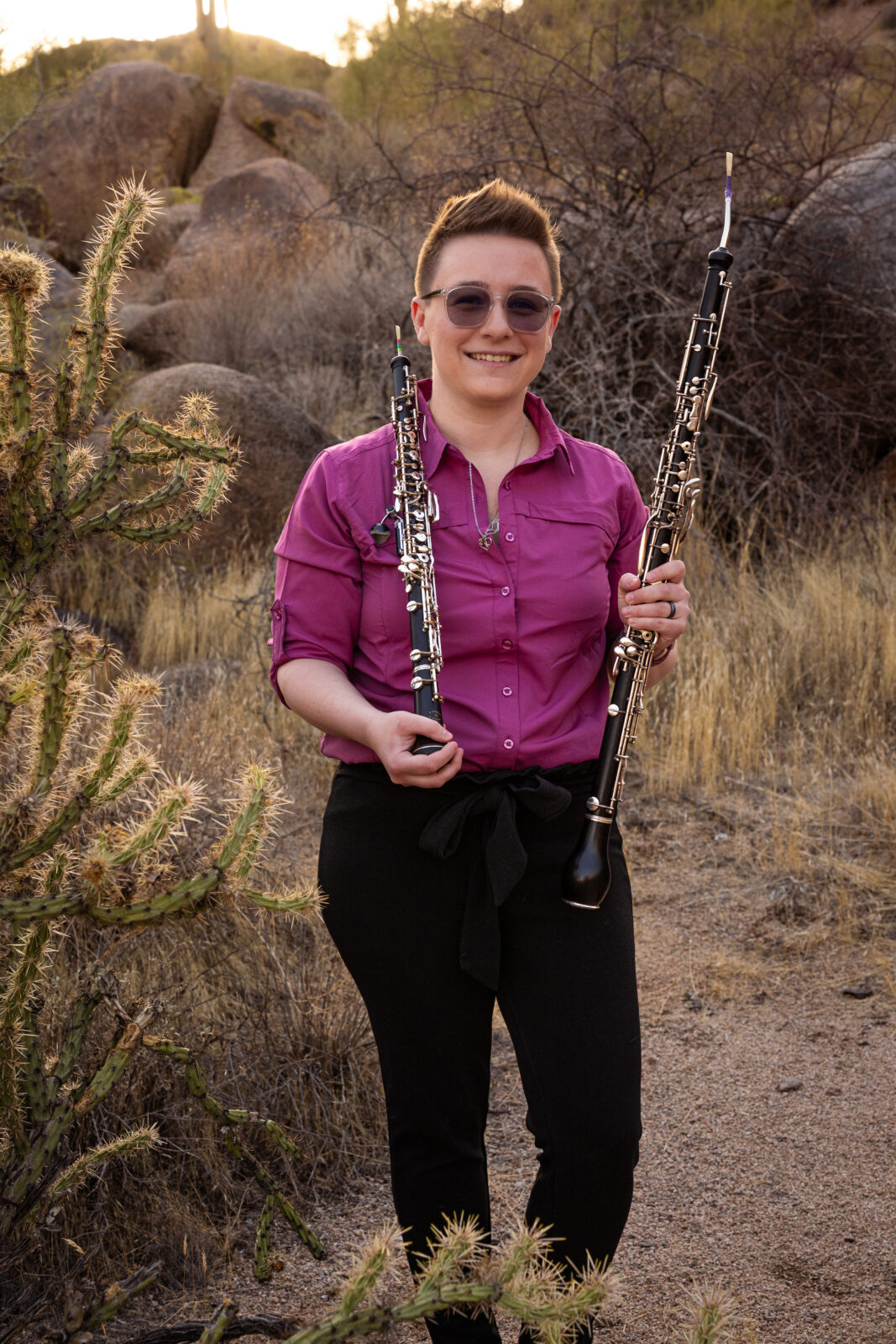
Oboist and scholar Dr. Kelsey Maes has shared her 60-page list of chamber music with oboe with ACMP. The list is organized by country, style and time period and is easy to navigate with hyperlinks in a detailed table of contents. Explore the list and discover new pieces to play with oboe!Read More ↗

Chamber music for bassoon: The George Zukerman Library
Throughout his long life, Canadian bassoon legend George Zukerman collected a huge library representing three centuries of bassoon repertoire. Concerti, chamber music, solo pieces – much of it hitherto unknown to the bassoon community. In tribute to this beloved Canadian musician, the Council of Canadian Bassoonists has digitized his collection and assembled this extensive online database.Read More ↗
On coaching mixed chamber music with winds
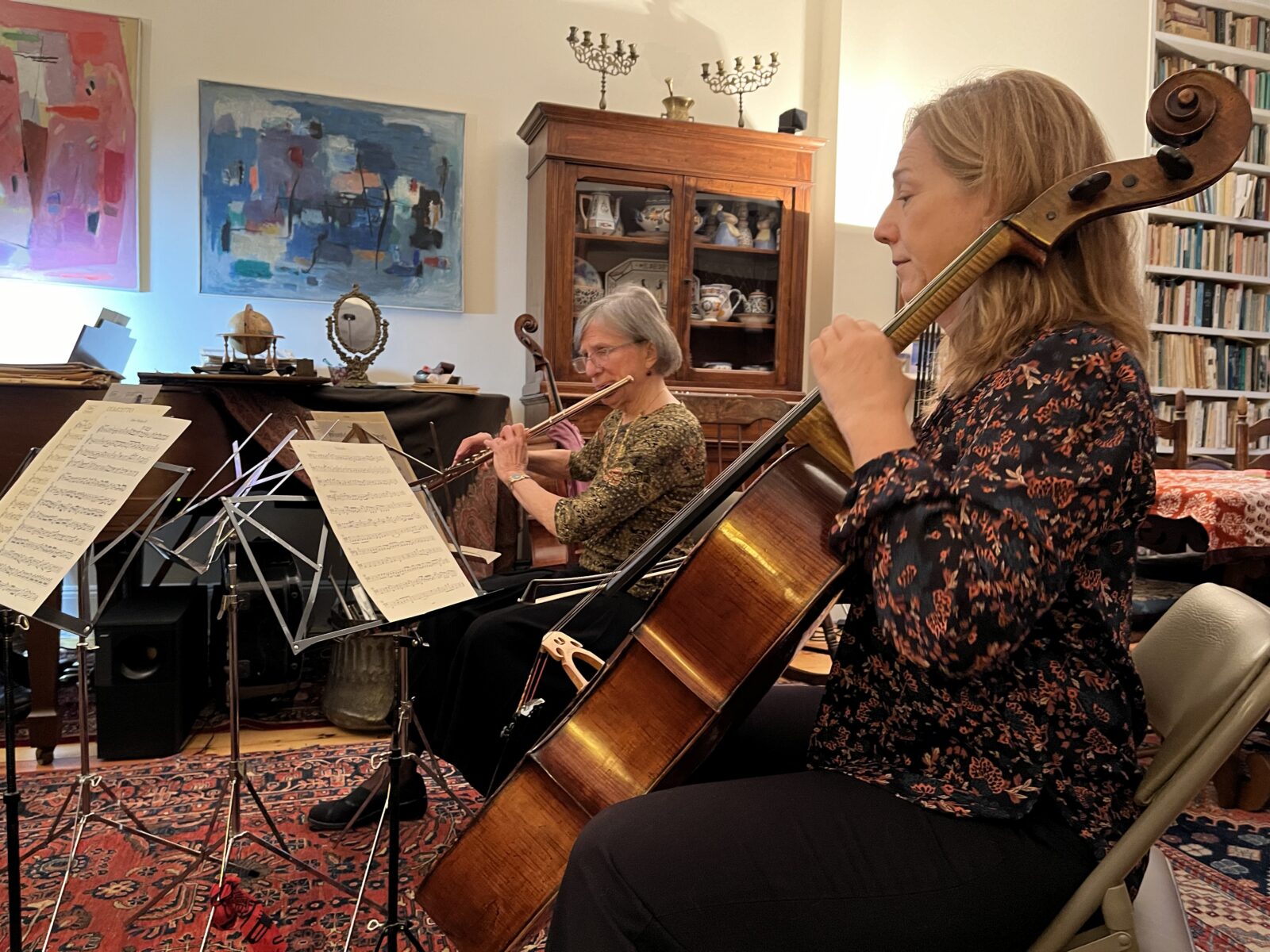
Professional flutist Jayn Rosenfeld reflects on her experiences coaching mixed chamber music for winds with strings, piano and other instruments, and shares a list of her personal favorite pieces.Read More ↗
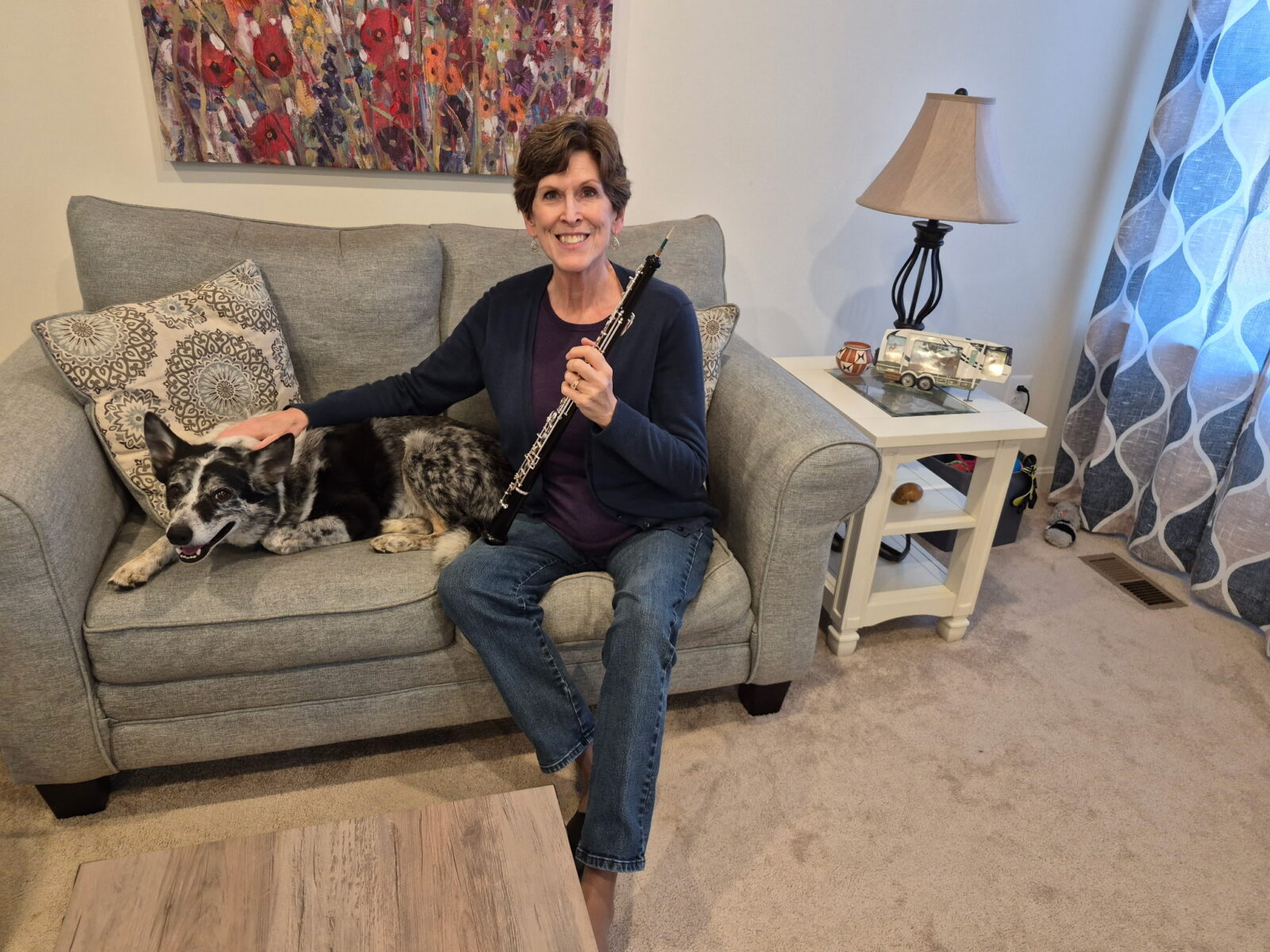
For this oboist, it’s not a job but a journey
After a long career as an association manager, Sally Finney Timm has more time to play oboe and helps others find an outlet by chairing the International Double Reed Society's Avocational Players Committee. Read Sally's story about how she fell in love with the oboe and kept it going over so many years.Read More ↗
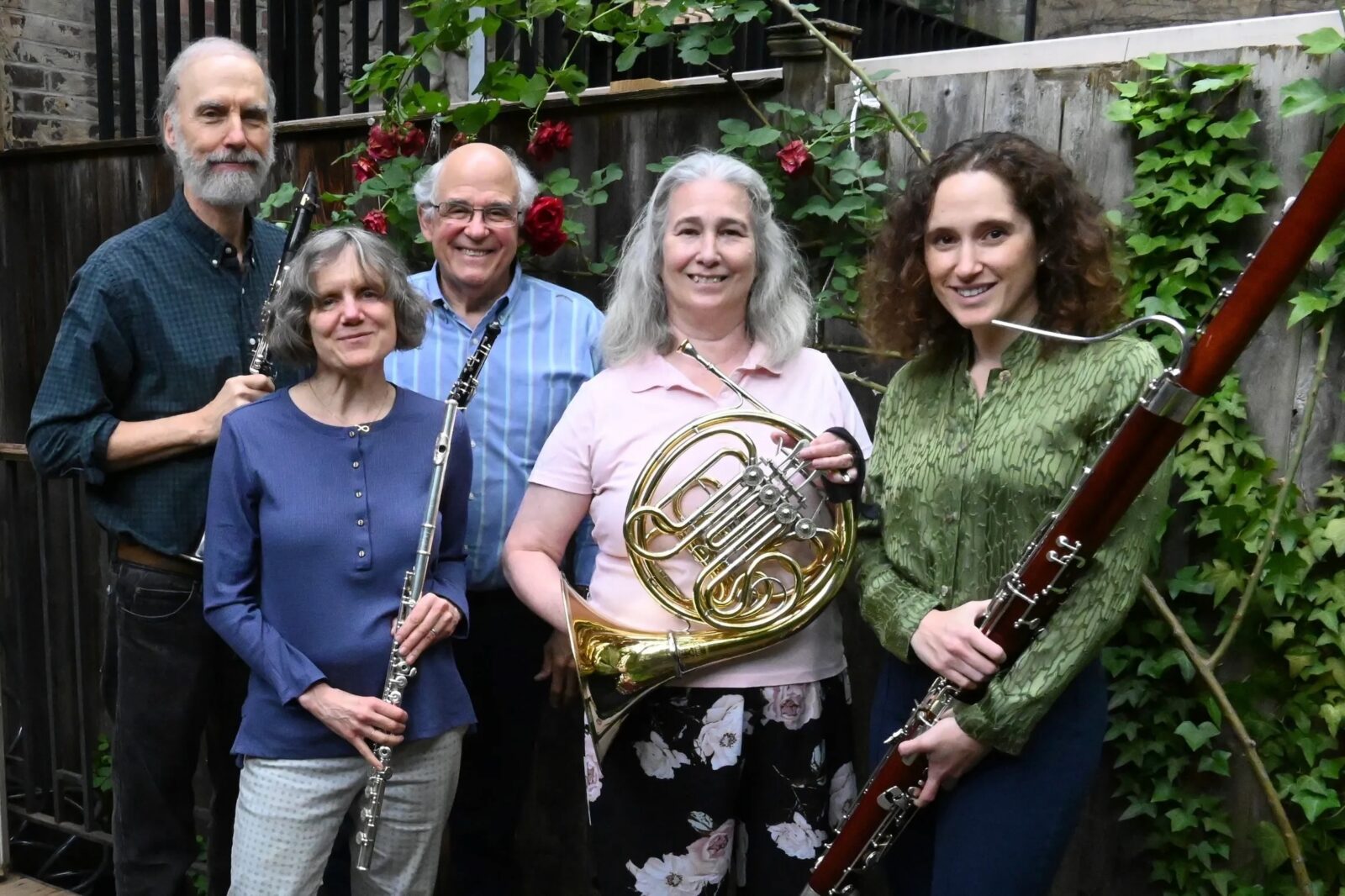
Wind players shine in the Broadway Bach Ensemble’s chamber concert
Every Spring the Broadway Bach Ensemble presents a chamber music concert featuring the orchestra's members and their friends in a wide range of small ensembles. Winds will come to the fore at this year's concert, at 7:30 on Thursday March 19 at Broadway Presbyterian Church in Manhattan's Upper West Side.Read More ↗
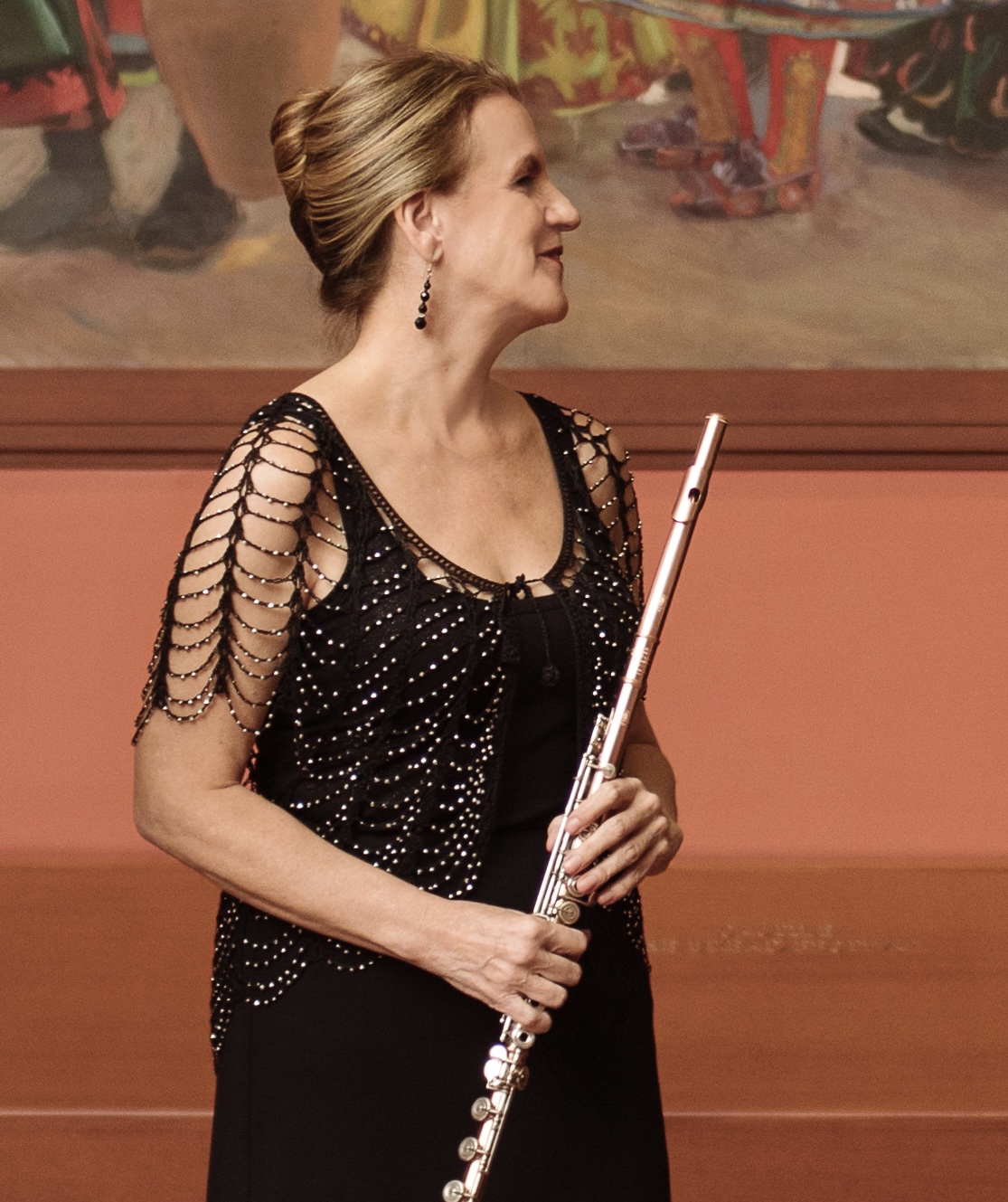
Meet the Musician: Flutist Svjetlana Kabalin (Sunday, March 29, 2pm ET)
Join ACMP for an interview and Q&A with Svjetlana Kabalin on founding and sustaining Sylvan Winds and expanding wind quintet repertoire.Read More ↗
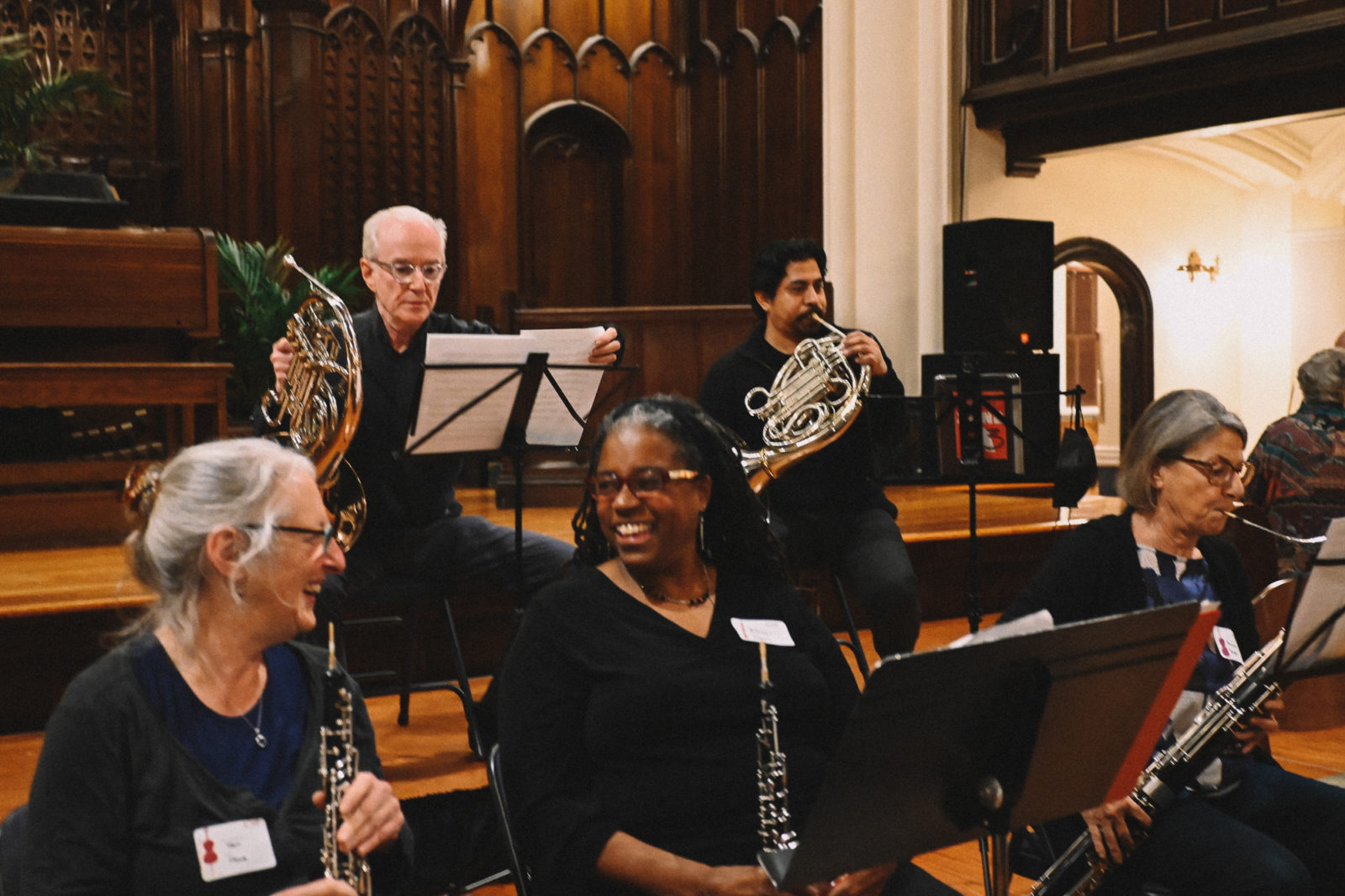
March Winds: Wind Chamber Music Appreciation Month
This March, ACMP is proud to launch "March Winds": Wind Chamber Music Appreciation Month! It's an international grassroots movement to expand the awareness and appreciation of the rich repertoire of chamber music including winds.Read More ↗
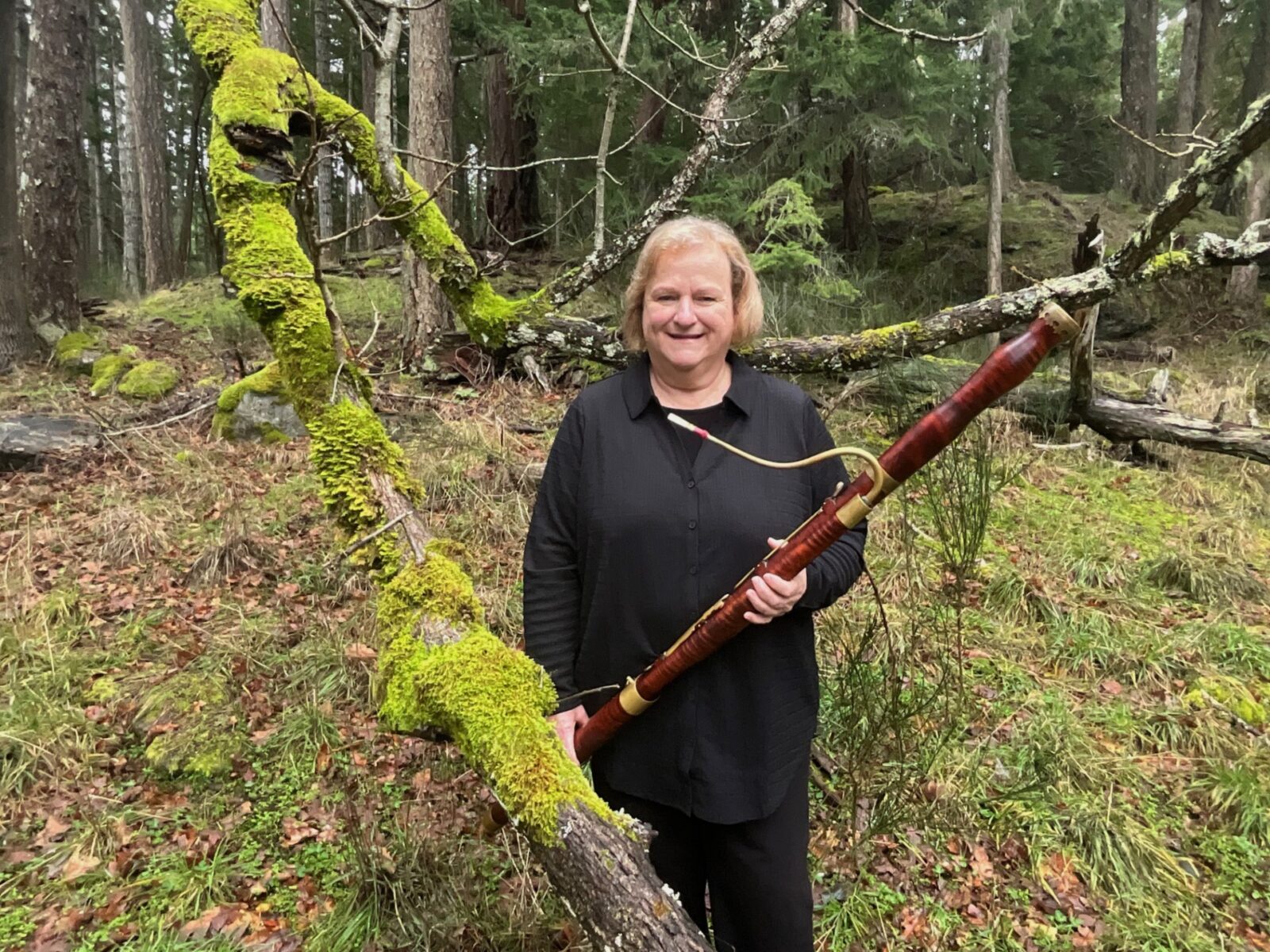
Kerry Graham: It’s never too late to learn the Baroque bassoon
At age 50, Kerry Graham was living what many would consider a rich and full life, working internationally as a chemical engineer and doing pretty well. But music, and especially the bassoon, kept tugging at her sleeve. She wanted to go back to school to learn the bassoon. Read Kerry's interview with ACMP Board chair Bob Goetz.Read More ↗
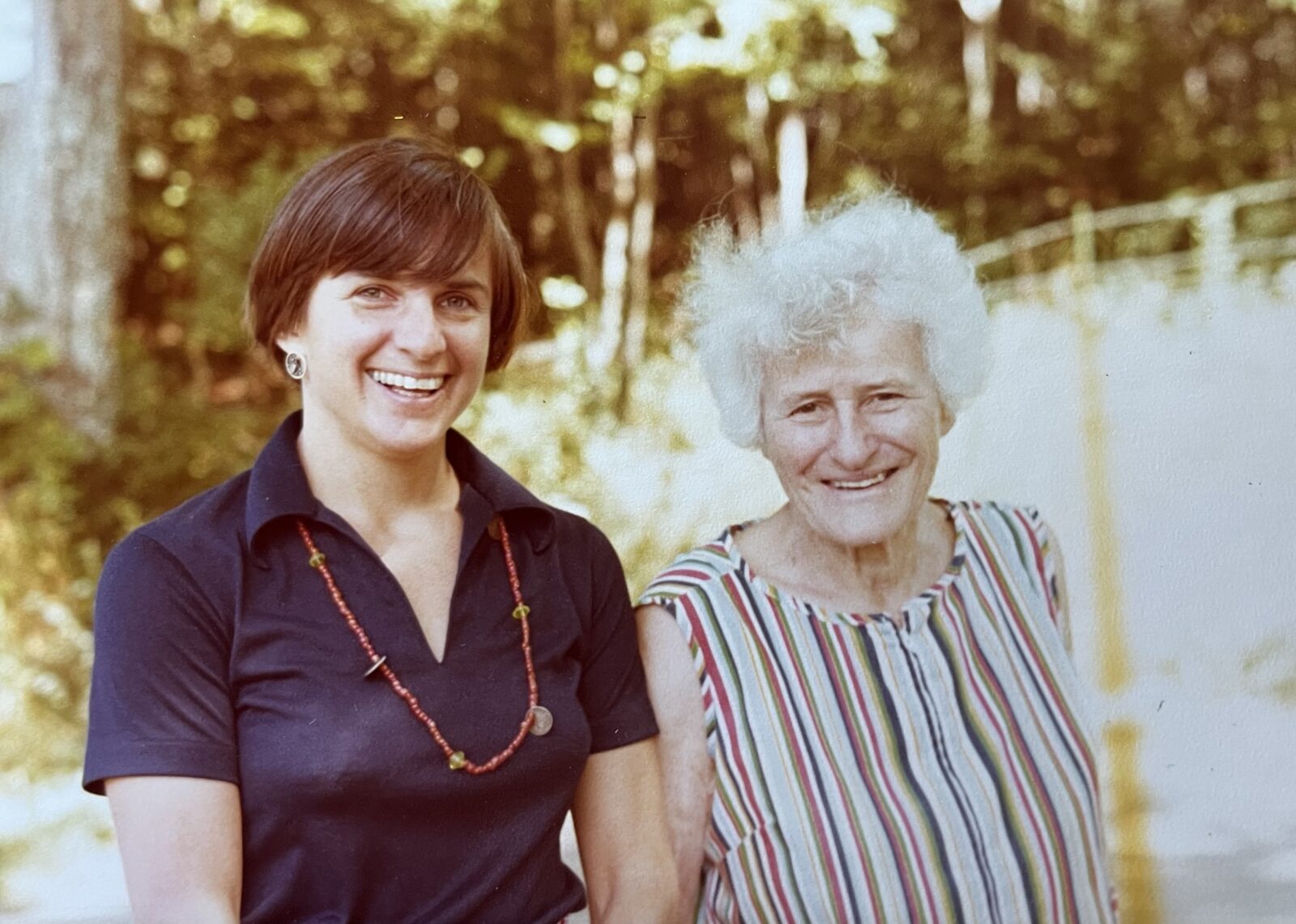
Helen Rice and me!
Professional flutist Jayn Rosenfeld grew up in a family of passionate amateur musicians and had a close personal connection with ACMP's founder Helen Rice. Read Jayn's story about her childhood experiences with some of the early pioneers of ACMP.Read More ↗
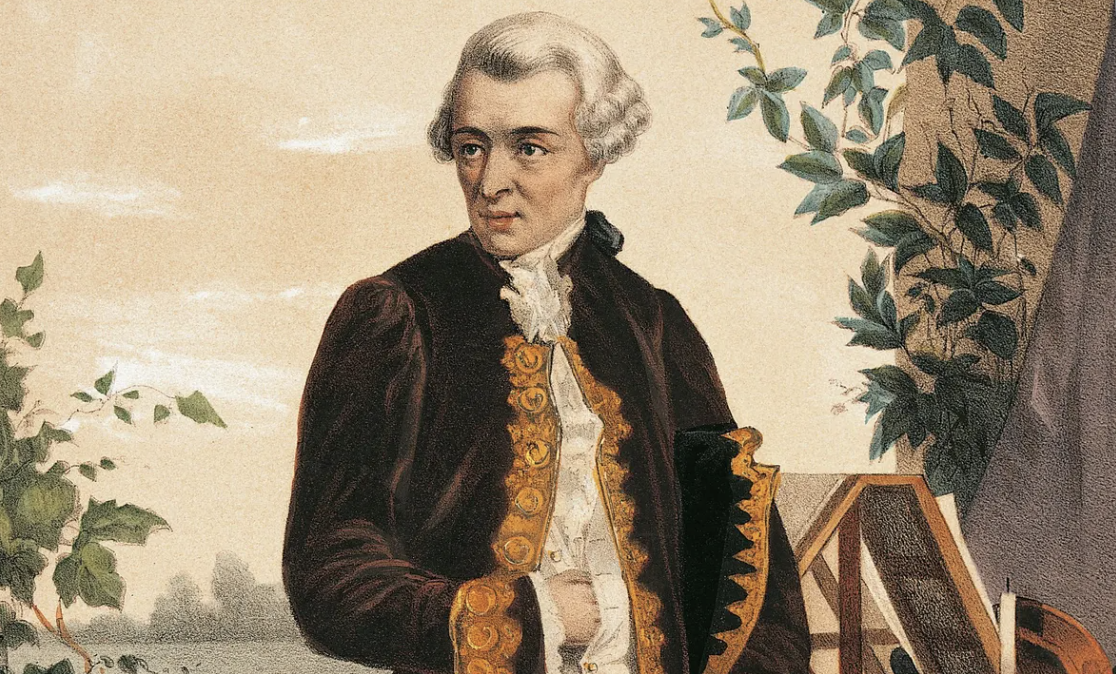
The 2026 ACMP Haydn Challenge
March 31 is Joseph Haydn’s birthday! It’s also a fabulous occasion to celebrate his contributions to the world of chamber music with a gift in his honor to ACMP…Throughout the month of March, we hope you will participate in the ACMP Haydn Challenge.Read More ↗

Irreverent Friends, the True Inspiration Behind Clarinet’s Chamber Music Gems
The Clarinet. When one thinks of the instrument, we are instantly taken on a rich journey of musical landmarks: New Orleans, Rhapsody in Blue, Mozart, Benny Goodman, top orchestras, your cousin’s wedding reception. Chamber music might not be at the top of the list, but indeed, clarinetists have inspired some of the finest pieces in history for the genre.Read More ↗
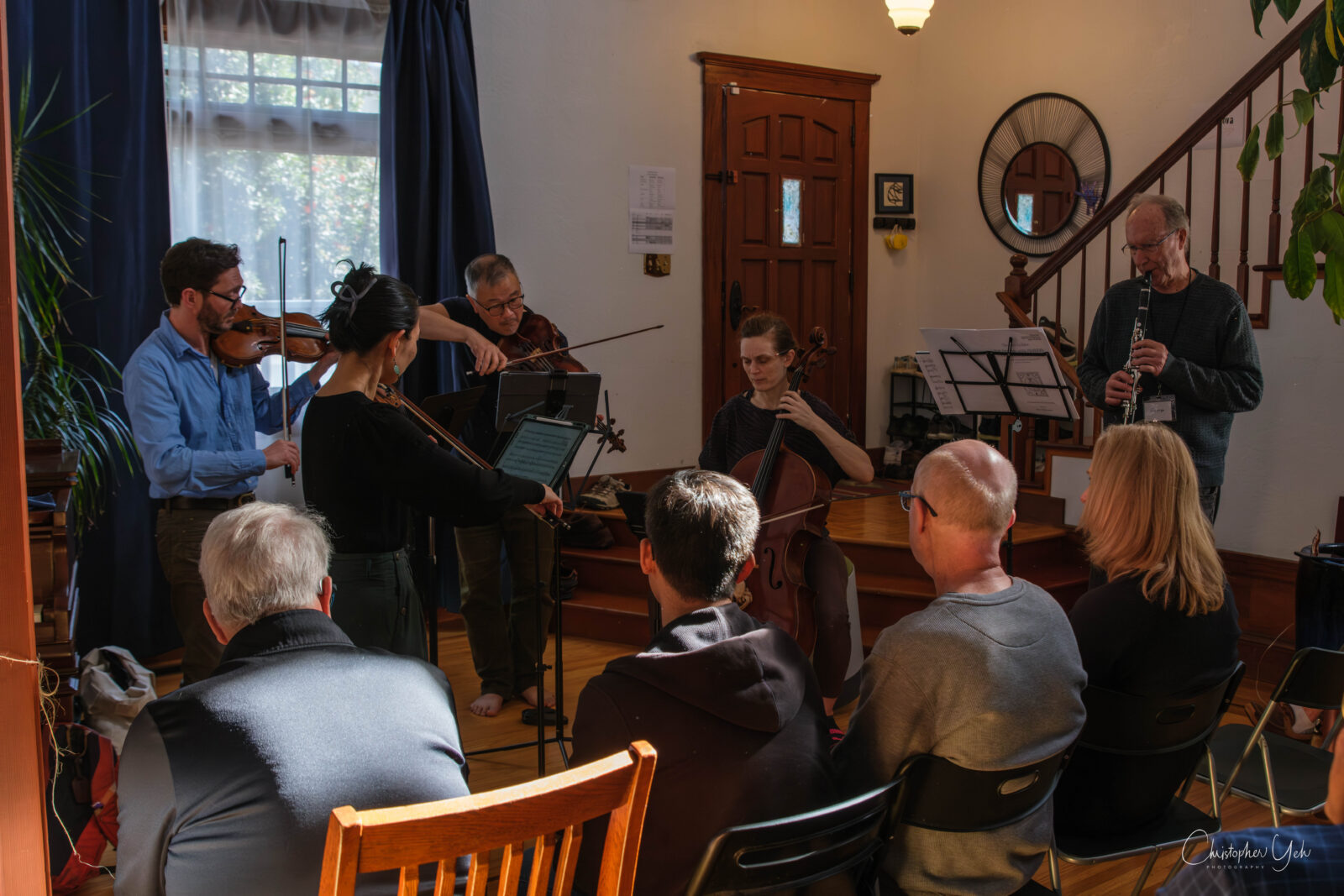
Sound and Sustenance: A Report from the Del Sol Adult Chamberfest
On a sunny weekend last month in San Francisco, 30 amateur chamber musicians from around the country gathered in the home of two members of the Del Sol String Quartet for the annual DEl Sol Adult Chamberfest. Neighbors would have heard strains of Britten, Janáček, Shaw, Golijov, Bunch, Beethoven and Brahms, along with laughter and good times!Read More ↗
Load More
All Articles By