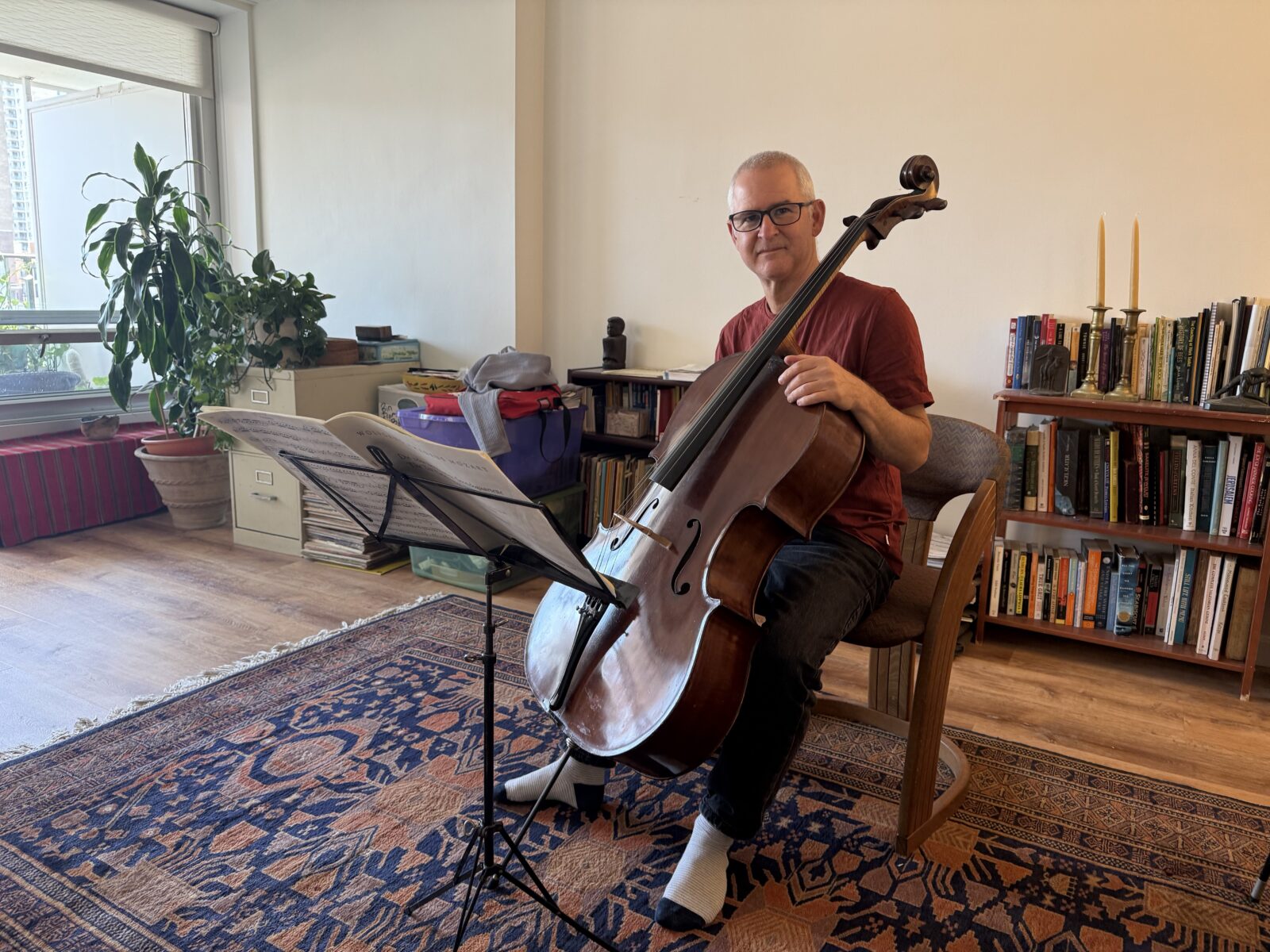
Jan Magnus, cellist – Retirement can wait. Chamber music can’t
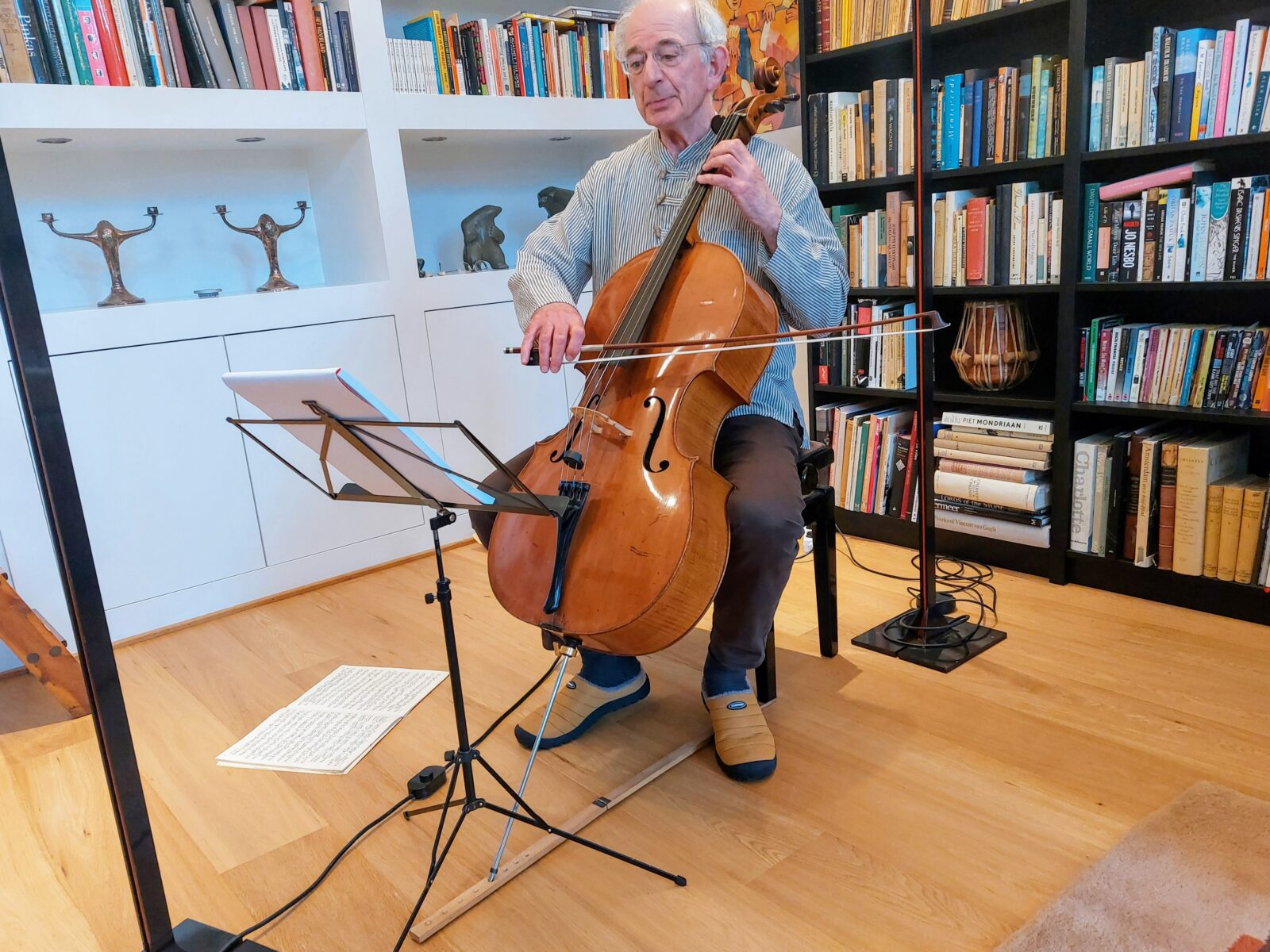
There are those who count down the days until they retire. Not Jan Magnus.
A Dutch econometrician and statistician who continues to teach at the Vrije Universiteit Amsterdam, Jan, who is 76, figures he’ll keep working until he is 80. First, he needs to finish his textbook.
He grew up in Zeist, a small town in the Netherlands, where he played in what he cheerfully calls “probably the worst village orchestra in the country.”
He has two children, a son on the Upper West Side of Manhattan and another whose family is in Holland. He also has five grandchildren — two in New York and three in Holland.
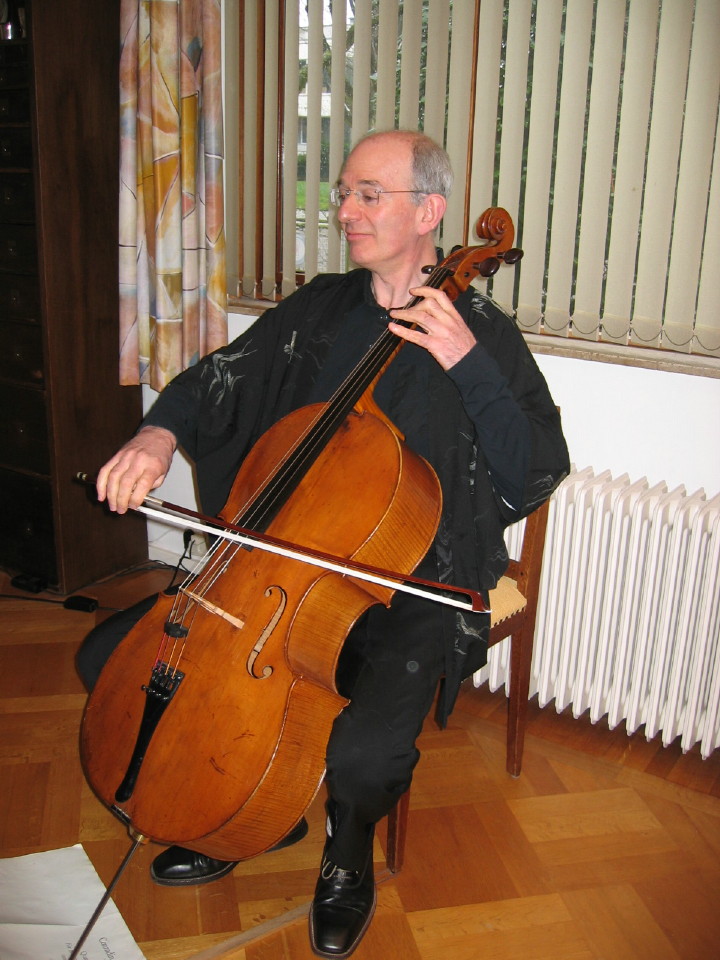
Through it all, there has been his love of the cello and chamber music. He finds a way to play all around the world.
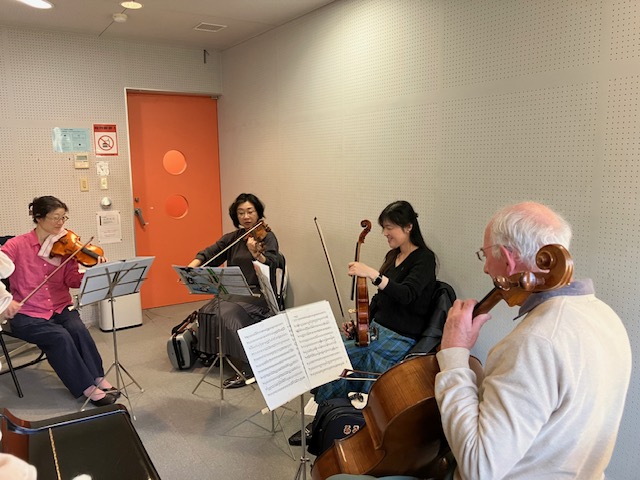
Twice a year he travels with his wife to her home country of Japan, where he plays with a string quartet in Kobe made up of three professionals.
He took up the cello in primary school, began playing chamber music seriously as a university student in Amsterdam, and has been a member of ACMP for 15 to 20 years.
He is also a Haydn enthusiast, playing monthly performances of Haydn symphonies with a small orchestra in Amsterdam.
We talked with Jan recently and asked him about his chamber music life. The conversation has been edited and condensed for brevity and clarity. – Bob Goetz
When did you begin playing chamber music seriously?
I started cello lessons as a child and played with my mother at the piano and my sister, who was a competent flutist, but real chamber music began when I became a student at the University of Amsterdam. There I joined the student orchestra, found excellent players, and formed my first string quartet.
How has ACMP been useful to you?
Several times a year, visiting musicians come through Amsterdam and we play together at a high level, essentially sight-reading as a group—it almost always goes remarkably well. When I travel, people are very welcoming, and connections made through ACMP have even led to my daughter-in-law and a New York violinist now playing together regularly.
What are your happiest chamber music moments?
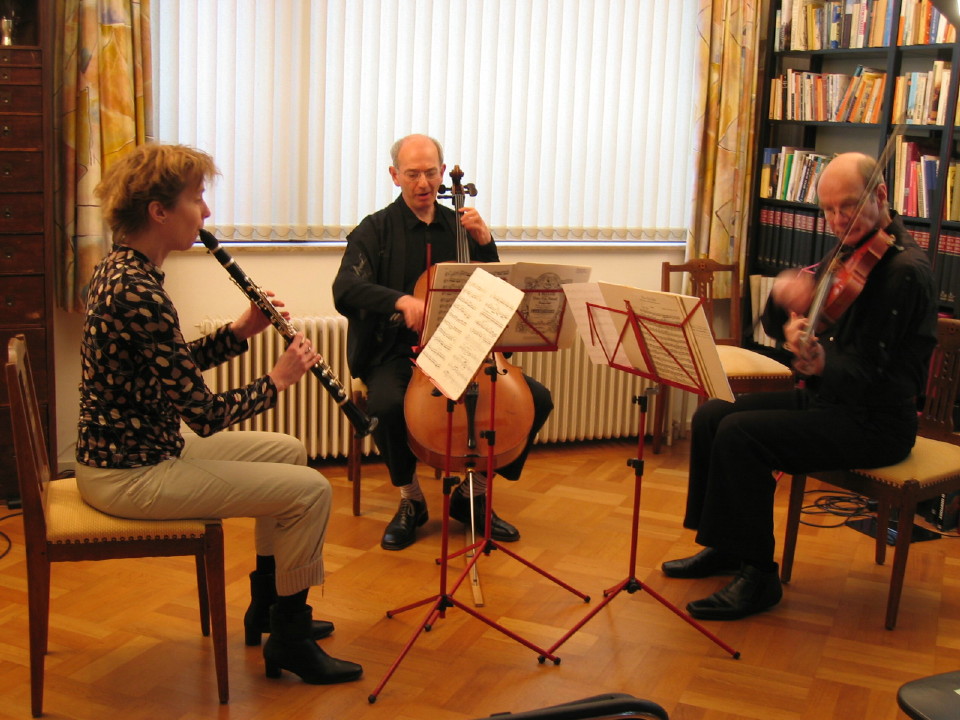
Japan is at the top of the list—I have two string quartets in Amsterdam and a piano quartet, but playing with the three professional women musicians in Kobe has been a special experience. I go back in May to play Schubert with them again.
You love playing Haydn’s works. What do you find so appealing?
There are so many beautiful string quartets by Haydn. I admire Haydn above all for his innovative mind and his daring choice of keys.
What is it about chamber music that keeps drawing you back?
Playing with really good people—whether in Amsterdam, Tokyo, Kobe or New York — is simply irreplaceable. My wife has even taken up the violin in the last two years, so now we play little things together at home.
More Articles
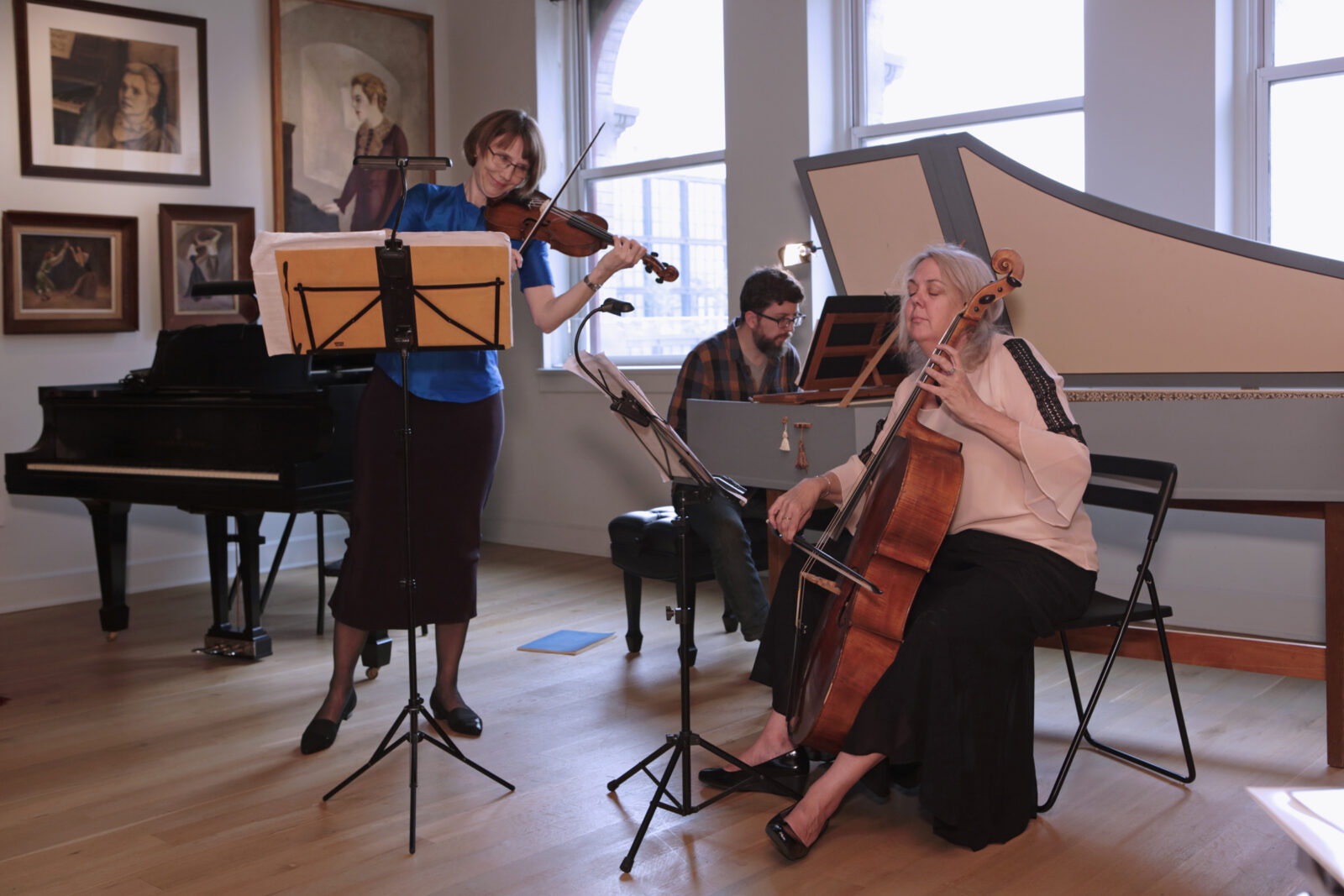
Meet ACMP’s Development Consultant, Amie Roosevelt
Amie Roosevelt joined ACMP's staff as our first-ever Development Consultant in January 2026. She has enjoyed a long and varied career as a violinist, with a primary focus on historically informed performance. I hope you all will meet and even get to play with Amie. But until you do, you can get to know her and her fascinating story by reading this interview from August 12, 2026.Read More ↗
Make Chamber Music Part of Your Fall at 92NY
For many musicians, chamber music is as much about connection as it is about repertoire—the shared experience of listening, collaborating, and discovering new musical perspectives together. At the 92NY School of Music, two chamber music programs offer welcoming entry points into that experience this fall: Chamber Music Reading and Chamber Music Coaching & Performance. Whether you’re picking up your instrument again, looking to meet fellow players, or hoping to deepen your ensemble work, both programs are designed to bring musicians together in a supportive and engaging environment.Read More ↗
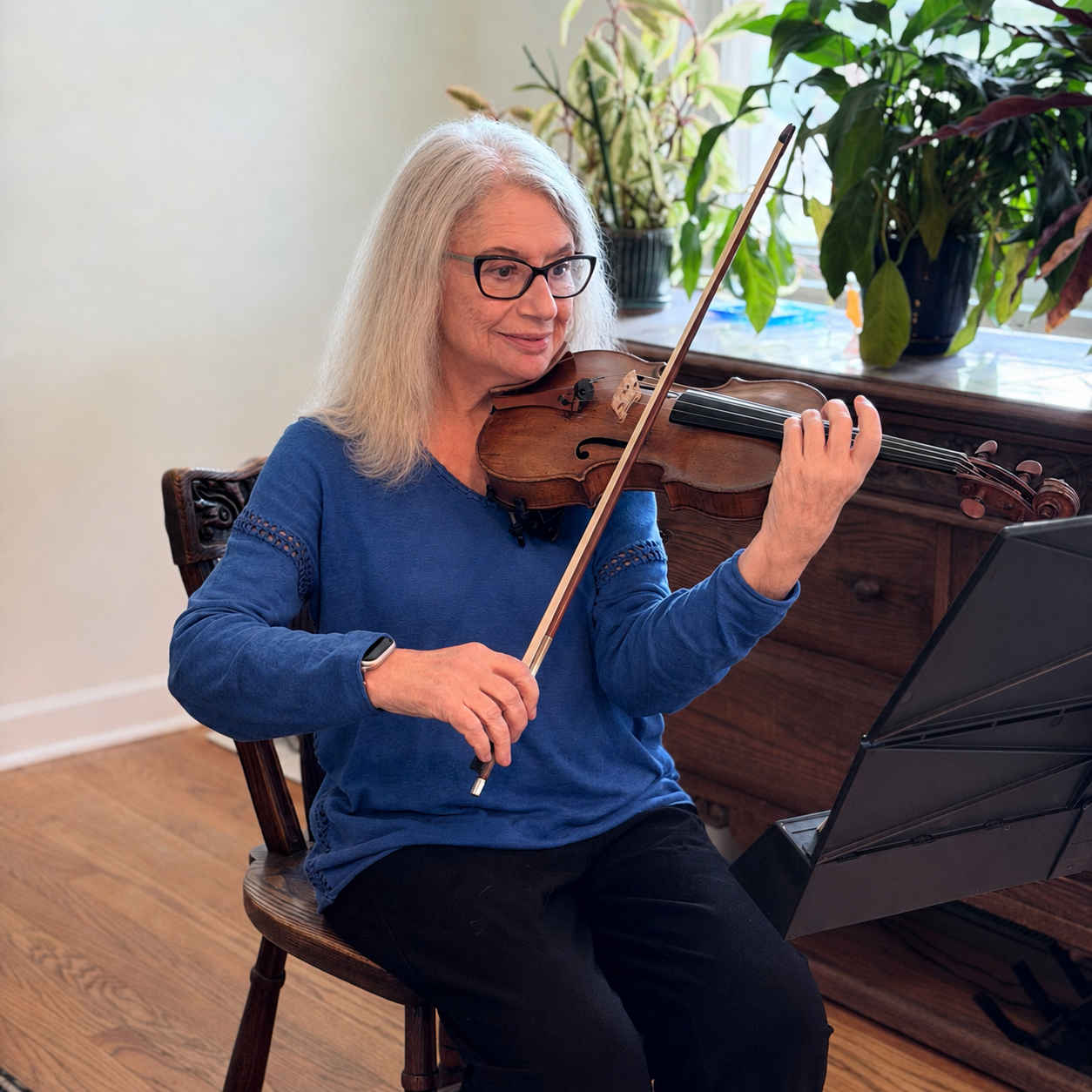
Member of the Month, August 2026: Alison Edwards
There aren’t too many people who come to a professional crossroads before they turn 13. But Alison Edwards faced such a moment. She had taken up the violin at age seven with none other than Dorothy DeLay as her teacher. But indeed, Alison had another calling. Inspired by social justice movements of the 1960s, she became a civil rights lawyer, eventually serving in the appellate division of the Cook County Public Defender’s office. After 25 years working and raising a family, she picked up her violin again and launched on a lifelong chamber music adventure.Read More ↗
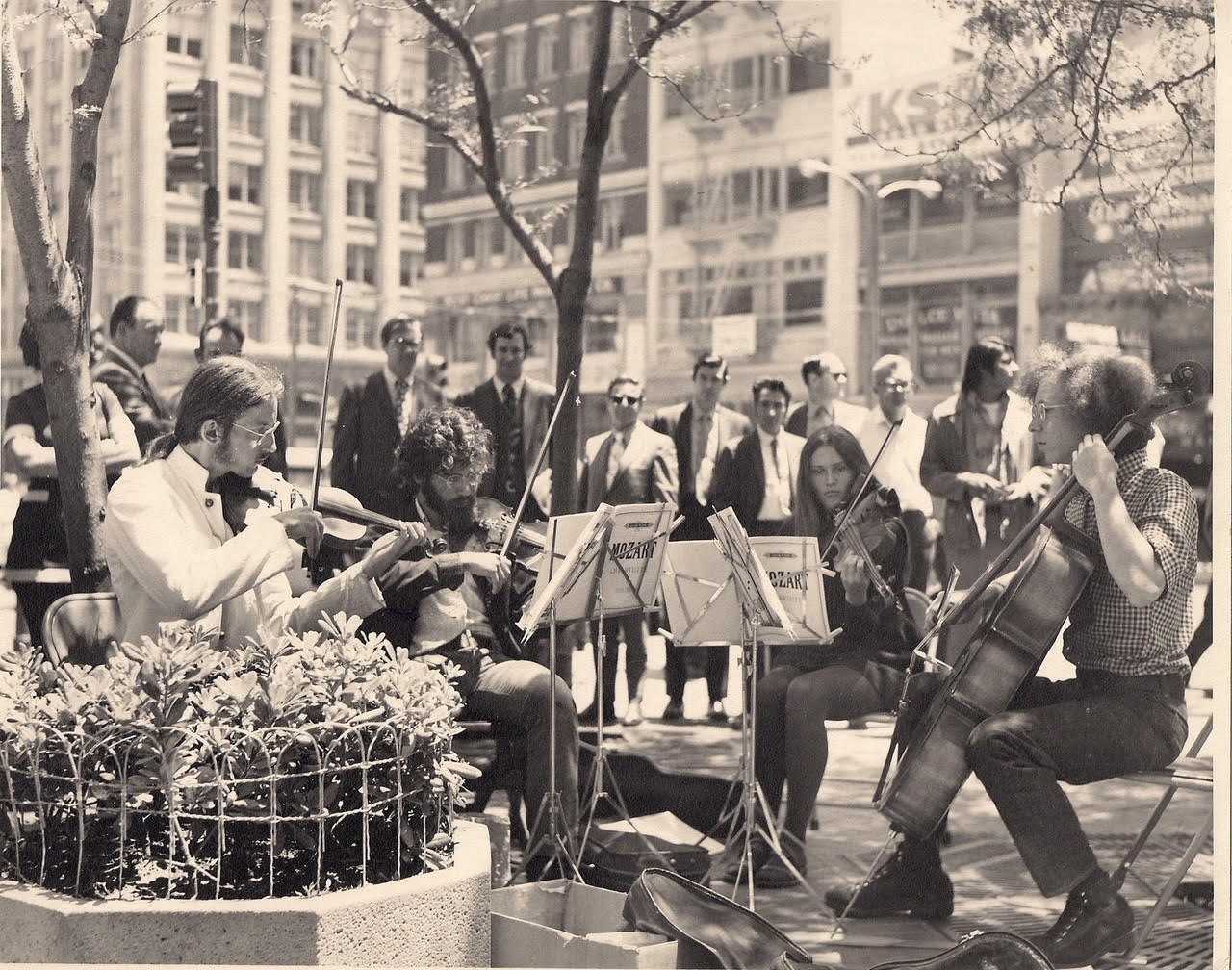
After 56 Years, the Bond of Chamber Music Endures
Cellist David Pearl and violinist/violist Gary Chanan played quartets together in the streets of San Francisco in the early 1970s. 56 years later they are playing together again in New York City...they reconnected through ACMP!Read More ↗
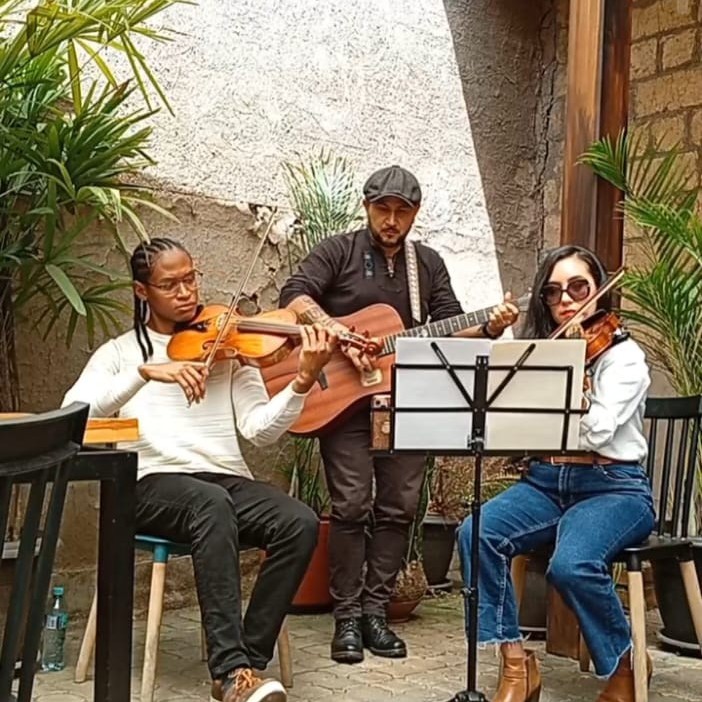
Coffee Shop Performances, Coffee-infused Repertoire
ACMP's intrepid cellist Tom Cappaert is at it again - this time with a story about ACMP members in Ecuador and Spain who organized chamber music in coffee shops, inspired by Tom's endeavors.Read More ↗
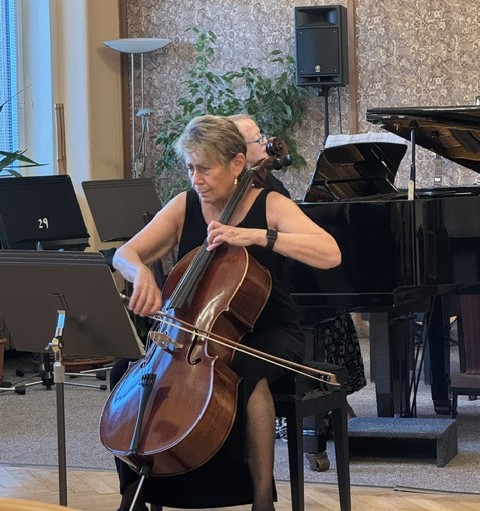
Member of the Month, July 2026: Sara Langbert
A self-proclaimed “total New Yorker”, cellist Sara Langbert graduated from Music and Art and continued her musical education at Queens College in her native New York borough. But like many ACMP members, she would put her cello aside as she managed the demands of raising a family and pursuing a career in computers and technology. Now she's playing again and is an enthusiastic member of ACMP.Read More ↗
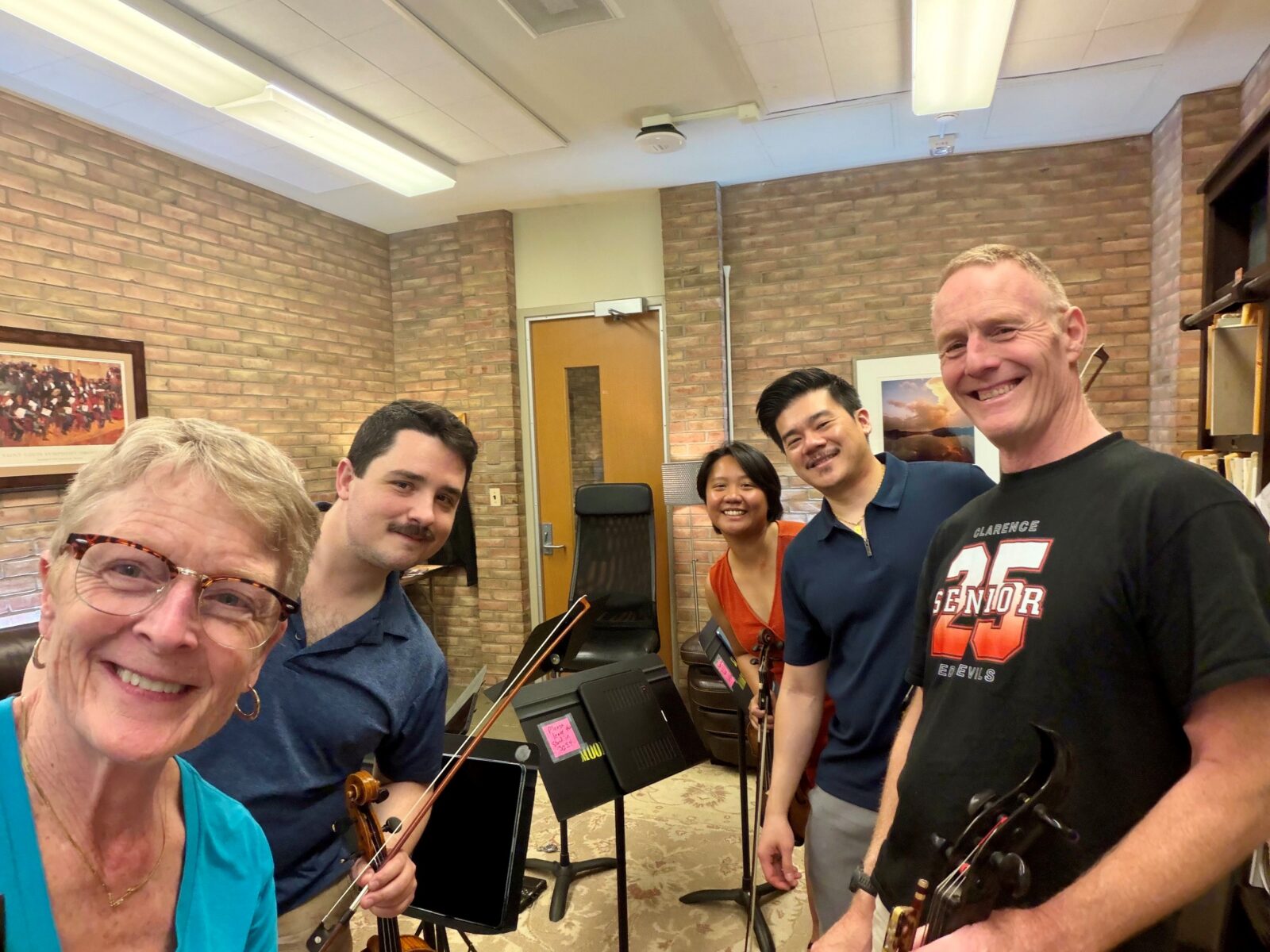
Around the World with ACMP’s Grants (Home Coaching and Play-in)
Over the last few weeks we have been asking members, participants, and organizers to tell us how our rolling grants have been useful to them and their communities. So let’s take a trip around the world and see what folks have to say about our Home Coaching and Play in grants.Read More ↗
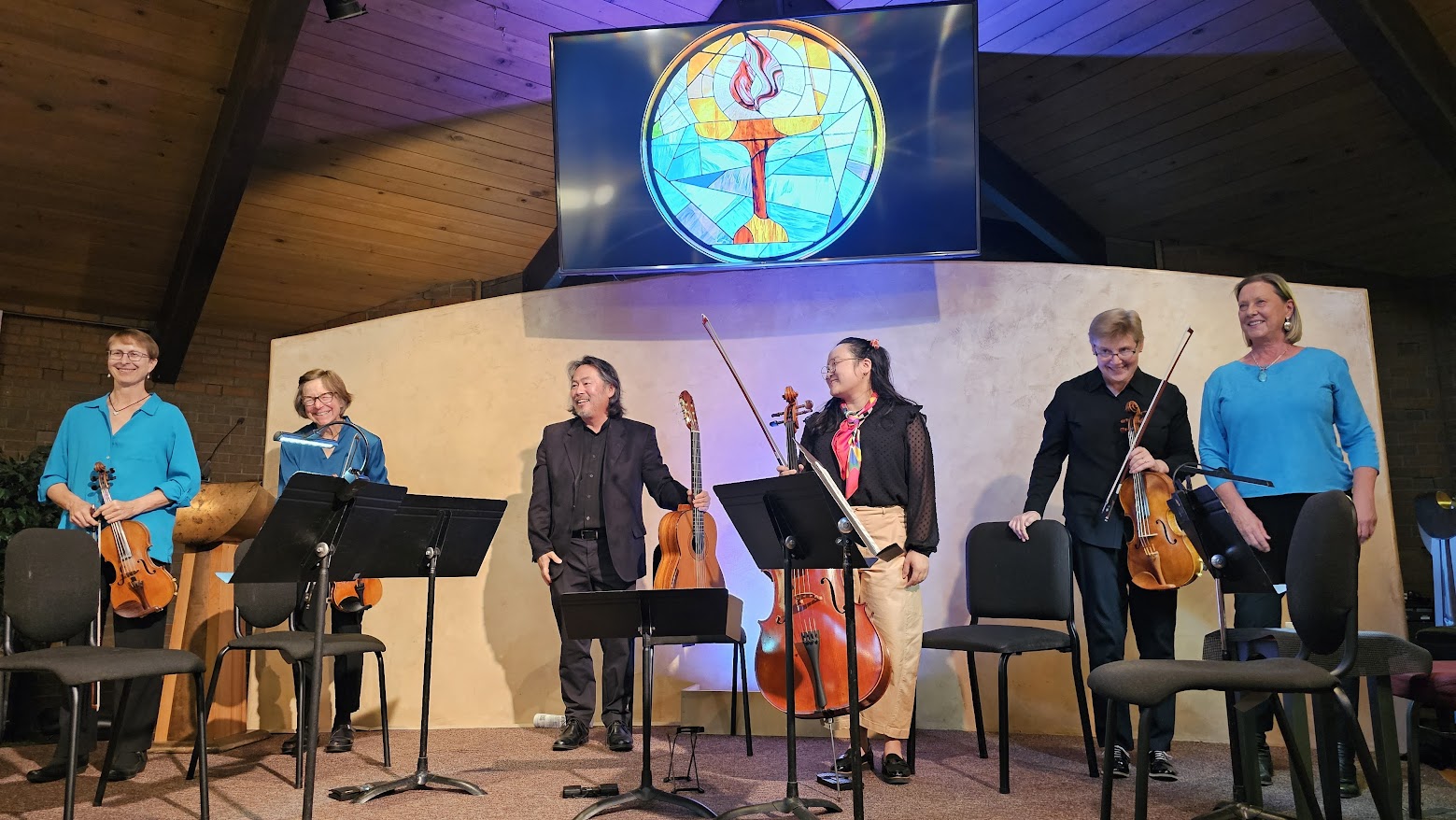
Around the World with ACMP’s Grants (Just Play and Impresario)
This summer, we’re hearing from ACMP members, participants, and organizers about how Just Play and Impresario grants have supported chamber music in New York, Italy, Canada, Colorado, and beyond.Read More ↗
ACMP Member of the Month, June 2026: Yoav Segev, the flying cellist returns
It’s probably easy to spot Yoav Segev at the airport. He’s the guy in the pilot’s uniform with the cello on his back. Yoav, you see, is the Flying Cellist, a globe-trotting pilot for El Al Israel Airlines who plays chamber music during his layovers in far-off destinations. Read Bob Goetz's interview with Yoav.Read More ↗
International Spotlight: Kristin Saltonstall in Panama
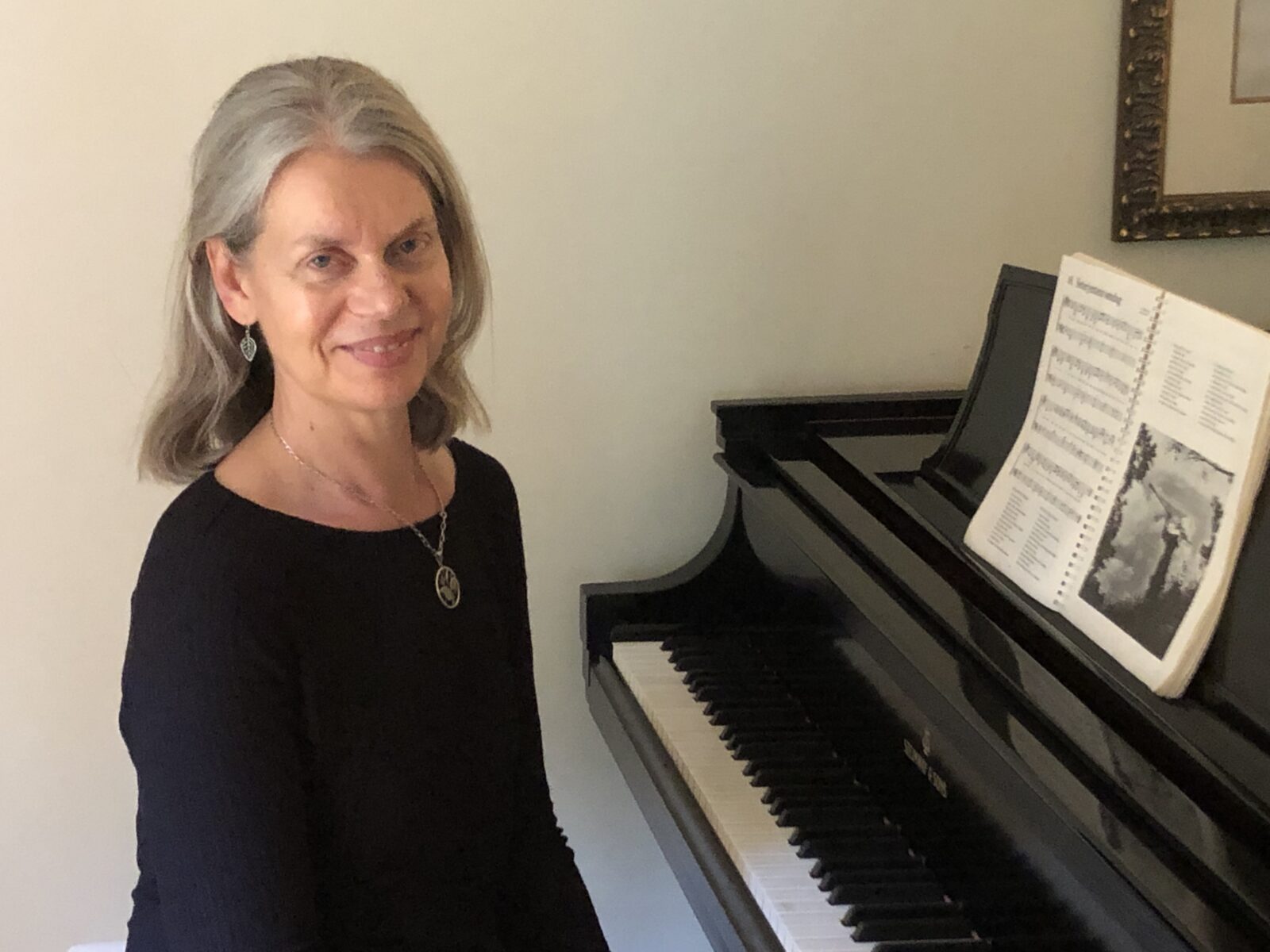
Kristin Saltonstall comes from a longstanding ACMP family and has been a member of ACMP for as long as she can remember. As a molecular ecologist, she works for the Smithsonian Tropical Research Institute in Panama, where she has forged a new musical life for herself and enjoys the natural beauty that Panama has to offer.Read More ↗
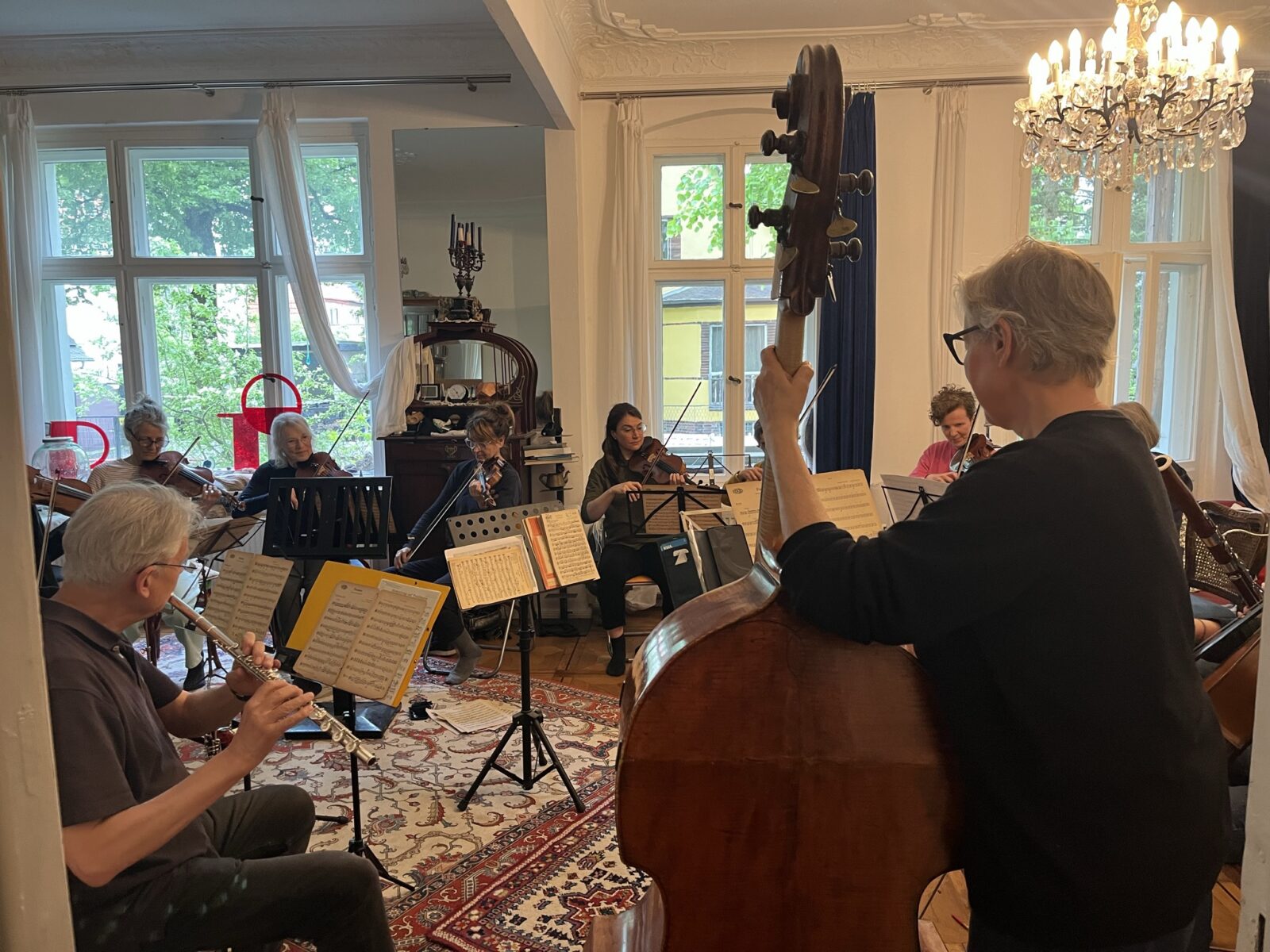
Springtime Extravaganza Light Music Orchestra on May 9, 2026, in Berlin-Karlshorst
Fifteen musicians followed Gudrun Schnellbacher's invitation to a very special kind of play-in – to play in the Springtime Extravaganza Light Music Orchestra. Read the article in English or in German.Read More ↗
Remembering Pianist Fontaine Laing
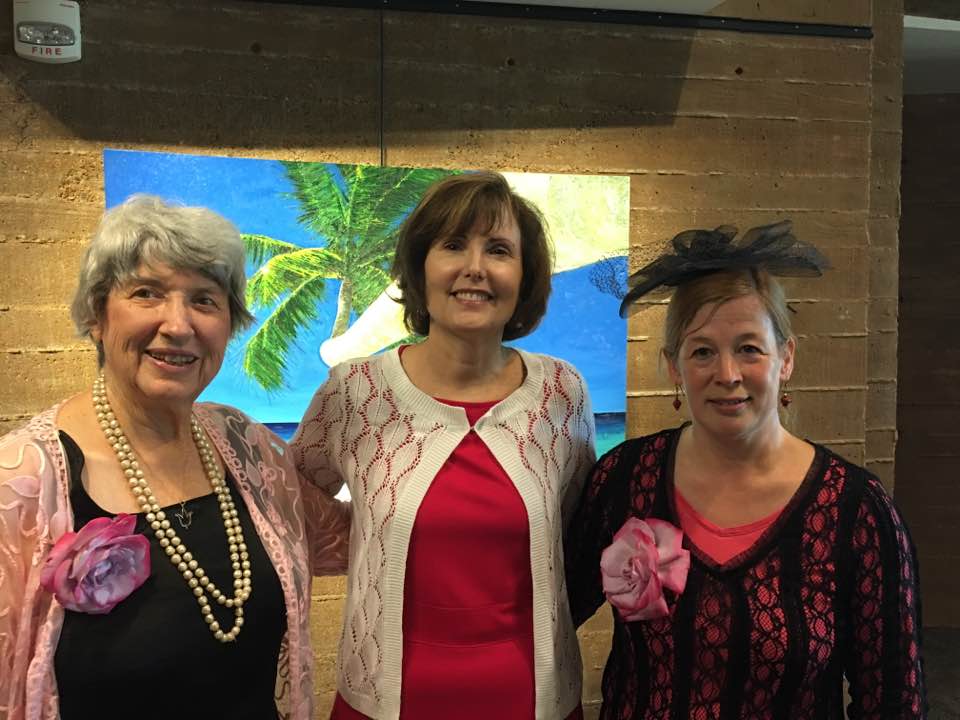
Janet White Remembers her friend, and longtime ACMP member pianist Fontaine Laing.Read More ↗
News of Note 2026
It’s that time of year again! The web version of the 2026 News of Note is live, featuring updates from the past our Strategic Plan, and some fun extras, including everyone’s favorite: a new puzzle!Read More ↗
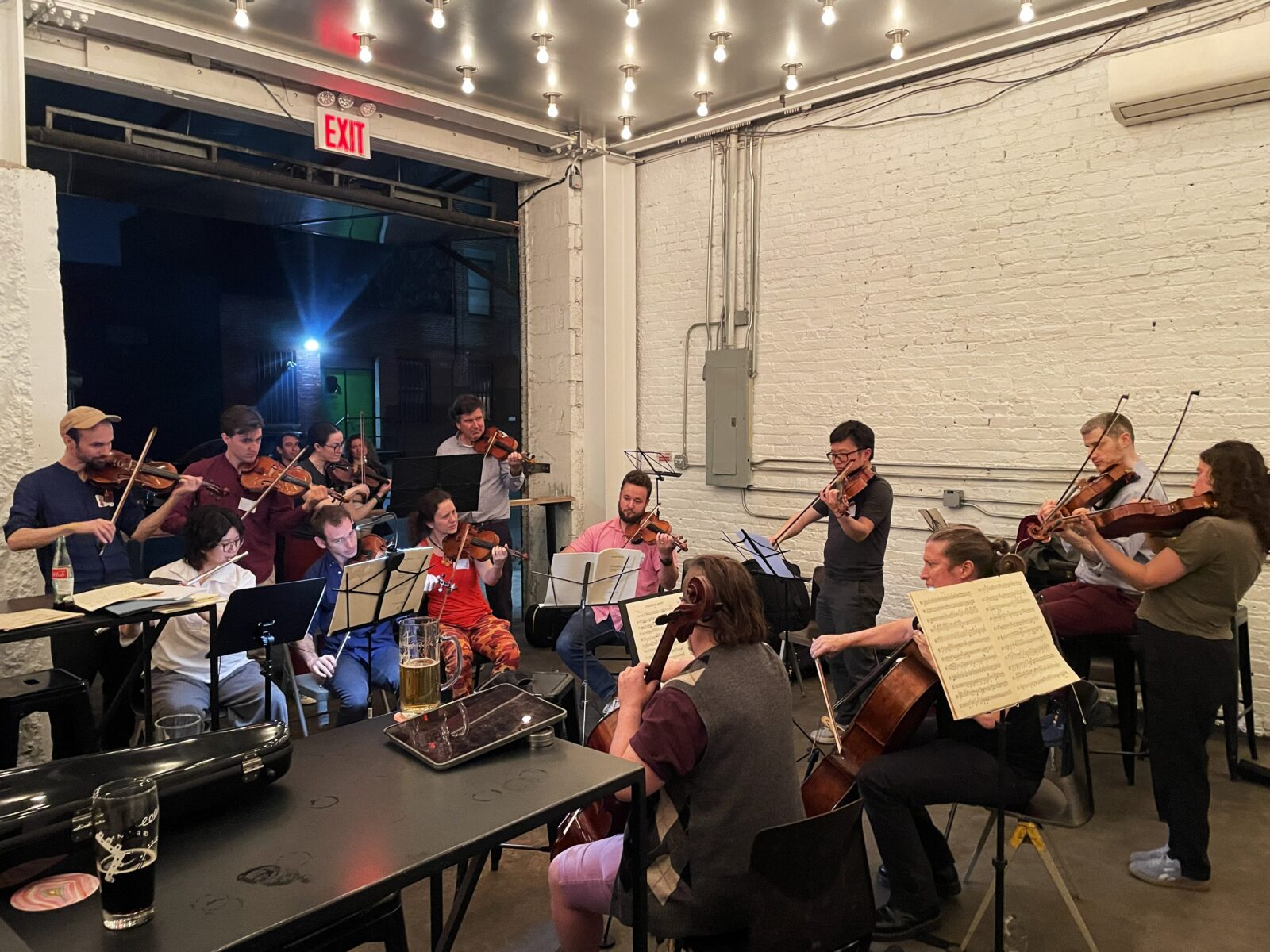
How to Find Players and Build your ACMP Community
There is a time in every player’s musical life when you realize that you want to play more, but not quite sure with whom or where to even begin. Here are some ways to get started and begin building a community around you.Read More ↗
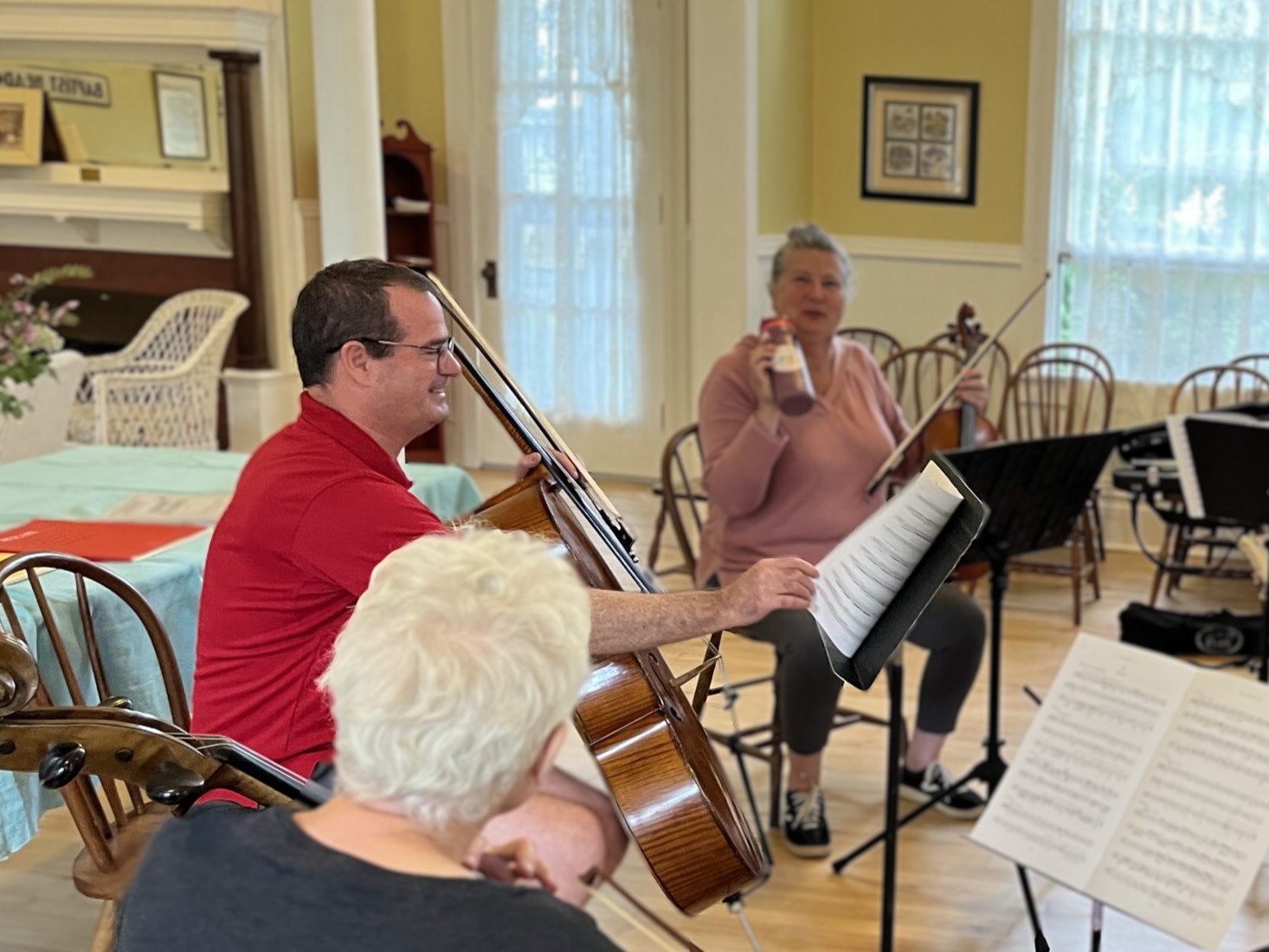
Member of the Month: Amit Rotem
By day, Amit Rotem works as a child psychiatrist specializing in youth addictions at the Centre for Addiction and Mental Health in Toronto. When he is not there, or with his family, there is a good chance he is playing his cello, with as many willing chamber partners as the calendar will allow!Read More ↗
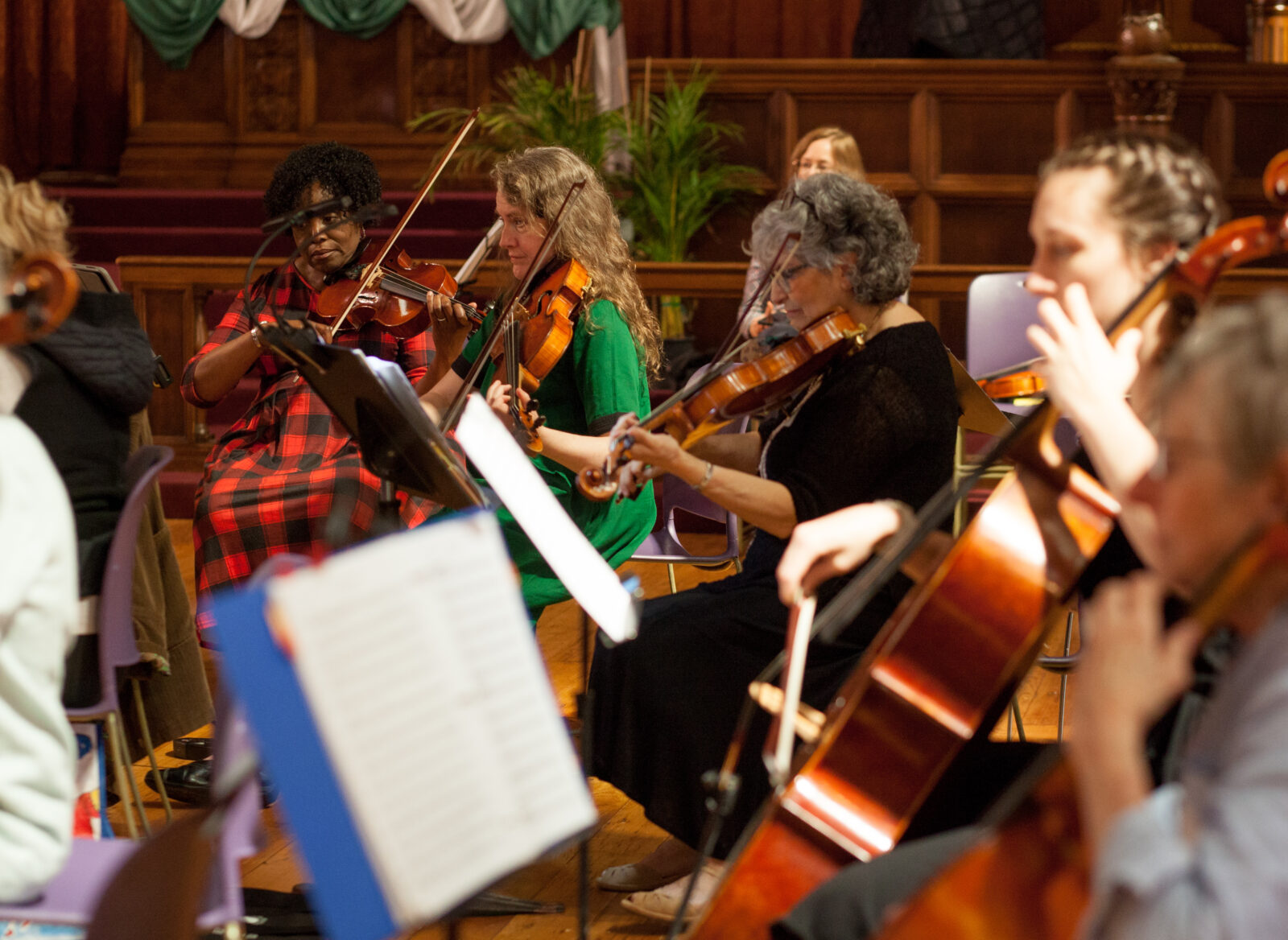
2026 Worldwide Play-In Events
ACMP’s Official Worldwide Play-In Weekend takes place from Friday, May 15 through Sunday, May 17, 2026, but we are encouraging more play-ins throughout the month of May which is National Chamber Music Month in the United States. Keep checking this article for links to May play-ins!Read More ↗
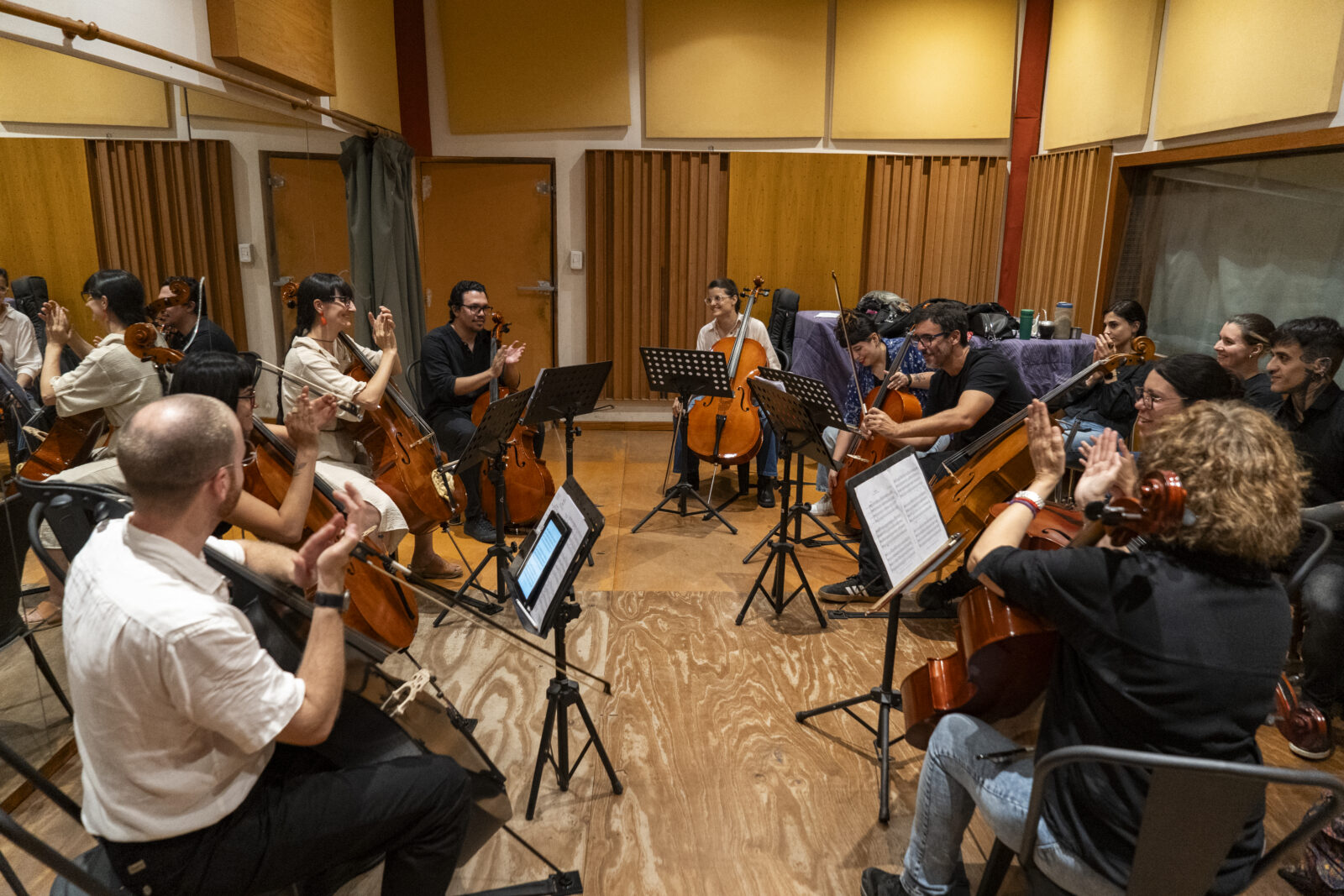
ACMP’s debut in Argentina: a cello gathering in Buenos Aires
Cellist Andrew Brush organized ACMP's first event in Argentina: an all-cello play-in, guided by Chilean professional cellist Denisse Almonacid in Buenos Aires.Read More ↗
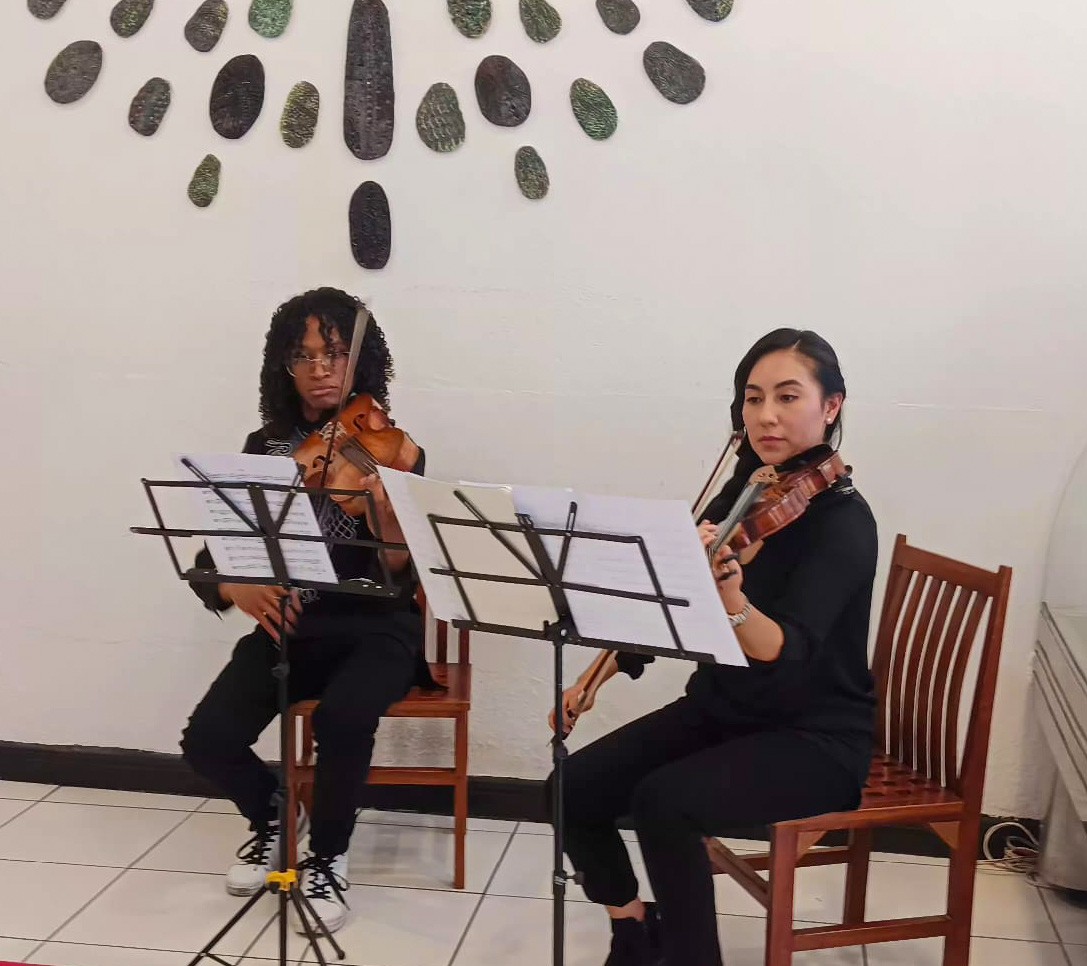
Music on the Menu in Cuenca, Ecuador
New ACMP members played a café concert in Cuenca, Ecuador.Read More ↗
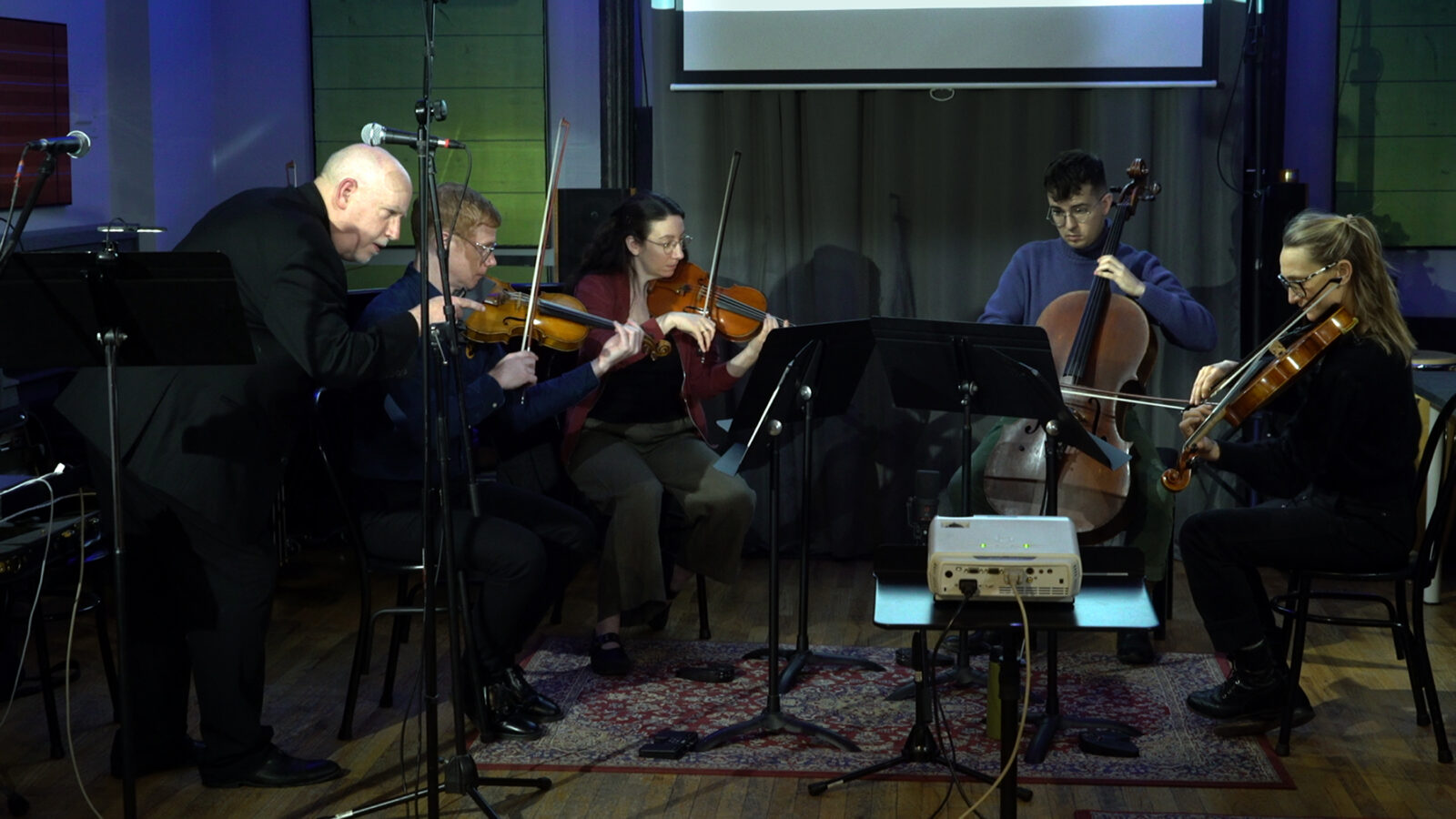
New Video: Turning ink blots into music – a discussion on the meaning and madness of notation
Cal Wiersma and his willing ACMP member partners explored the process of decoding musical notation to begin to answer that eternal question – how do I turn these dots, dashes, squigglies, slurs, round blotches and straight lines into MUSIC? How does one decide what to make of all of this maddeningly imprecise notation? Watch the video of the live-streamed class.Read More ↗
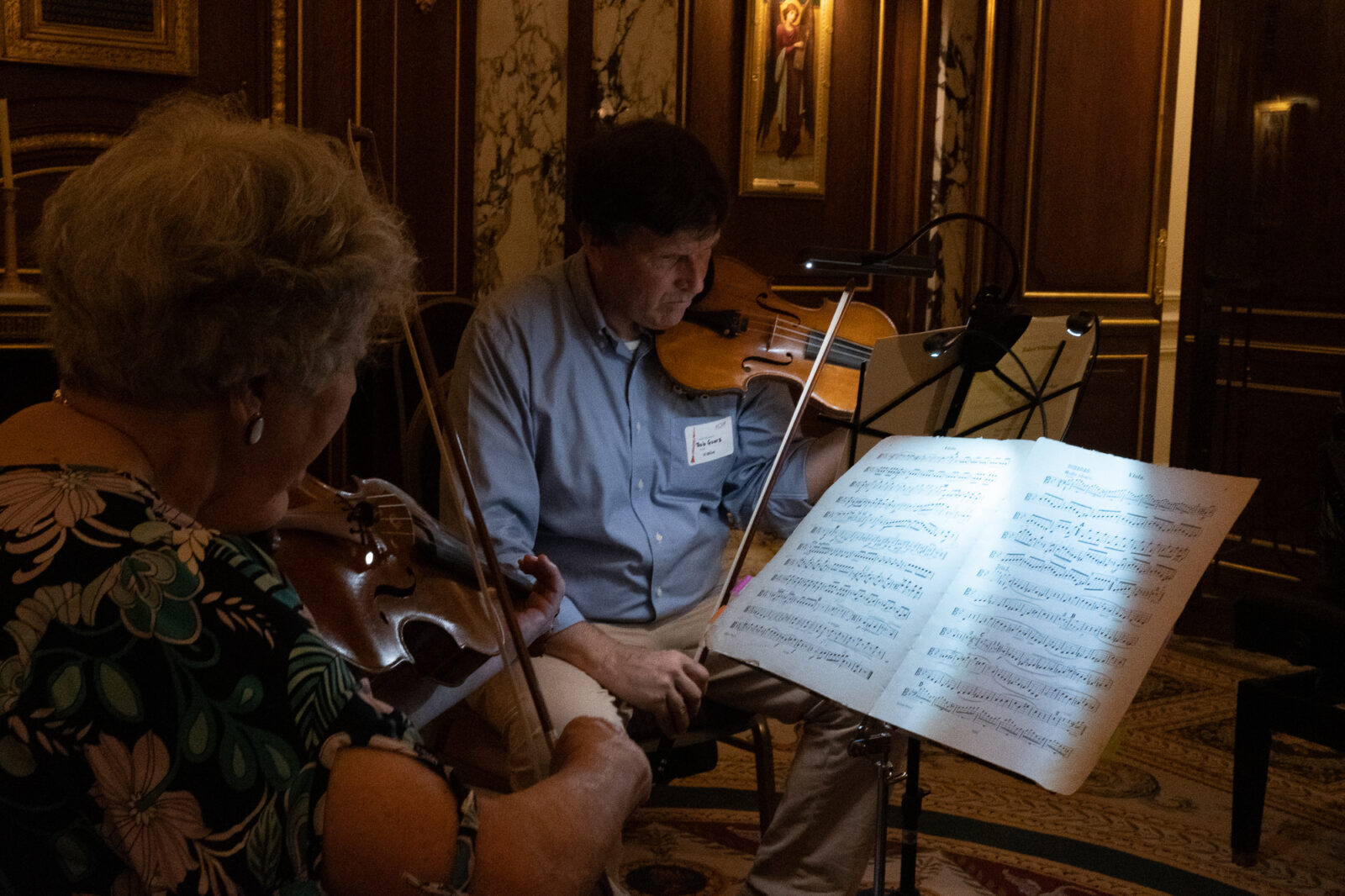
Henry, Gideon, Joan and me
ACMP Board Chair and violinist Bob Goetz reminisces about a deeply moving early experience with ACMP.Read More ↗
Load More
All Articles By