For this oboist, it’s not a job but a journey
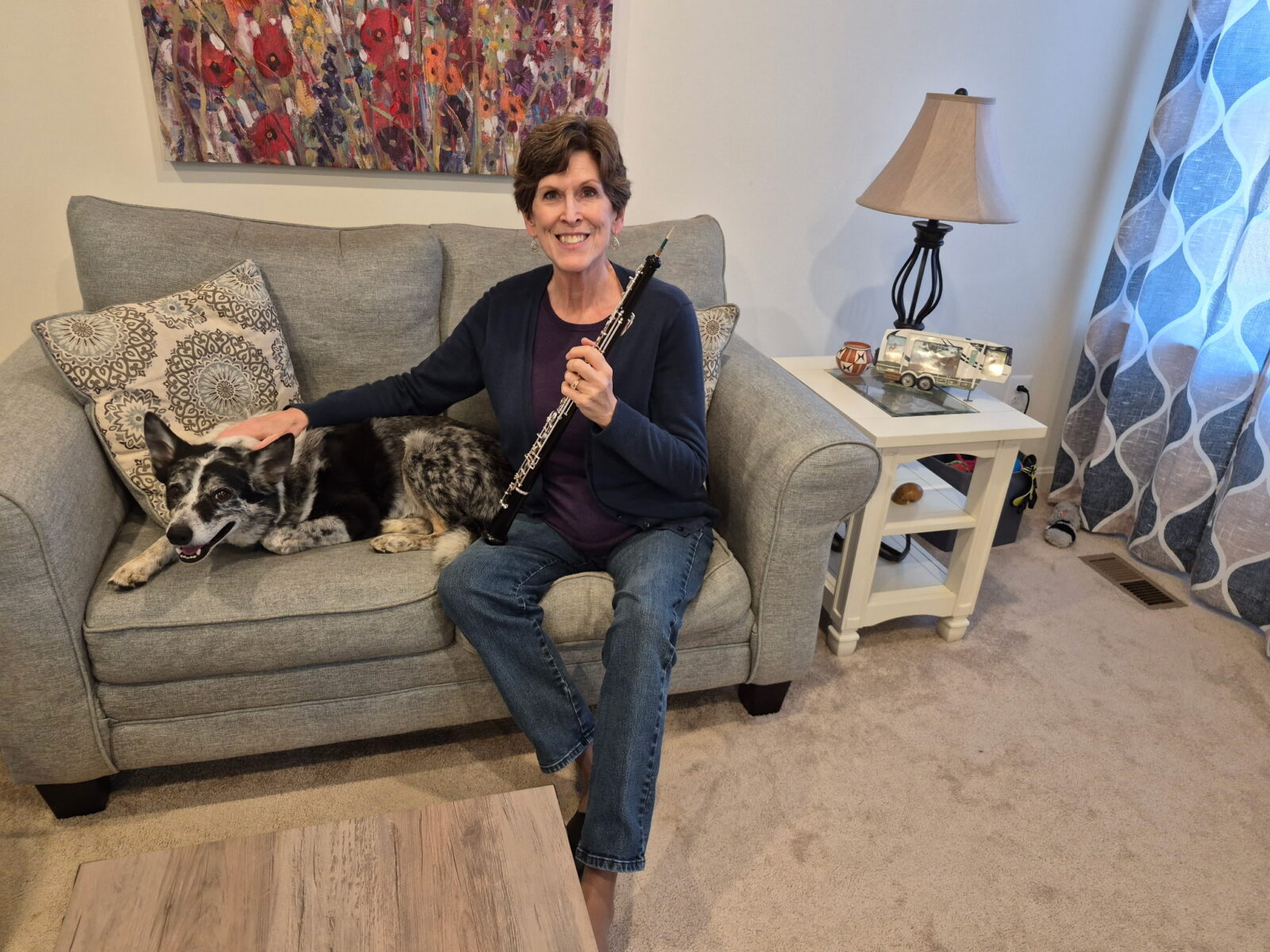
My story begins at the age of five. I remember sitting at the piano with my grandmother, a music teacher, patiently trying to get me to pound out some tune or other from the copy of “John Thompson’s Easiest Piano Course” that my parent’s had purchased. My interest in piano lasted long enough to get me through one disappointing recital performance where performance anxiety got the better of me. It wasn’t a fun time. Also, I had recently discovered Barbies, which I found infinitely more fun to play with than the keyboard. Thus ended my career as a budding pianist.
Three years later, while attending my school’s music night, I spotted a shiny new trumpet which immediately invoked images of me standing in one of those cool band uniforms the older “cool kids” got to wear at football games. Alas, the local music store owner running the event had other plans. He told my mother I didn’t have the correct lip shape for playing a horn and suggested I try the flute instead. While I suspected he thought trumpet was an inappropriate choice for a girl – this was pre-Title IX – my mother seemed content to follow his guidance. Plus, I could still march with it. So, flute it was!
I played that instrument for three years and had a blast, that is until one day when a band mate pulled out what looked like a skinny clarinet. What really caught my attention wasn’t the look of the thing so much as it was the sound. Oh, that sound! My mother – herself an avocational harpist – was always playing some classical music album or other on our home “hi-fi.” One of her favorites was a recording of Rimsky-Korsakov’s “Scheherezade.” I loved it so much that once I was old enough to operate the turntable myself I nearly wore out the vinyl playing that recording. So, when I heard my band play, I recognized the instrument immediately as the one that had captivated me over-and-over again as I listened to my mother’s record. From then on, I was all about the oboe!
As difficult to play as it was, I loved the challenge of overcoming the various obstacles I encountered – embouchure, air, reeds. I eventually improved enough that my oboe teacher encouraged me to consider a career as an oboist. I probably would have gone that route were it not for my mother, who strongly discouraged it. Her mother – my piano instructor – had once owned a music school and made a decent living until the Great Depression hit. My mother would talk about all the times she saw Grandma sitting alone at her desk and crying as she tried (and failed) to balance both the school’s books and her family’s budget. Times were very hard, especially for a divorced mother of three. My mother’s message was clear: Feeding yourself on a musician’s wages can be a special kind of harship.
Once I started high school, I stopped playing oboe and began focusing on subjects that were likely to lead to a reliable income stream. No marching band, no orchestra, just slide rulers, microscopes and test tubes. It proved to be a good choice for me, though deep down I hoped that someday I would be able to resume my double reed journey. In 2017, I did just that.
My husband and I had settled down after several years spent living the retirement dream, first as expats in Costa Rica then as RV-ers towing a fifth wheel around the United States so we could volunteer at various public lands. That lifestyle wasn’t really conducive to studying music, and we were far too busy just having fun. No longer living as a vagabond meant I could find an instrument and take lessons. The former was easy. However, our decision to live in rural Florida made the latter impossible. There just weren’t any qualified oboe teachers. Still, I persevered, limping along by myself for a couple of years until I felt confident enough to join the local community band.
Once COVID hit and everything shut down, I decided to learn to make my own reeds. A quick Internet search for “double reed intervention near me” lead me to Jennet Ingle’s YouTube “Five Minute Reed Maker” channel then soon after to studying with Jennet through her live online program for adults.
These past few years have provided me with so many amazing opportunities to play in a variety of chamber groups, orchestras and bands. While it’s been gratifying to take on the challenge of playing oboe in a difficult work like Bernstein’s “Symphony No. 1: Jeremiah,” the most gratifying have been performing with smaller ensembles for audiences at adult care facilities, especially nursing homes. Bringing the joy of music to people who are often isolated, sometimes forgotten is a kind of reward that money cannot provide.
While my mother may have been right about the financial hardships of life as a professional musician, I suspect both she and my grandmother would be pleased to know that their girl has found great riches in sharing her music with others as an avocational oboist.
Sally Finney Timm, M.Ed., CAE (Ret.) is a retired association manager. She chairs the Avocational Players Committee of the International Double Reed Society. Sally, her husband Leonard and their dog Coady live in New Castle, Delaware. She currently serves on the Board of Directors for and performs with the Newark Symphony Orchestra in Newark, Delaware and is a member of the Osher Lifelong Learning Institute’s Community Band in Wilmington.
More Articles
What I learned from wind players
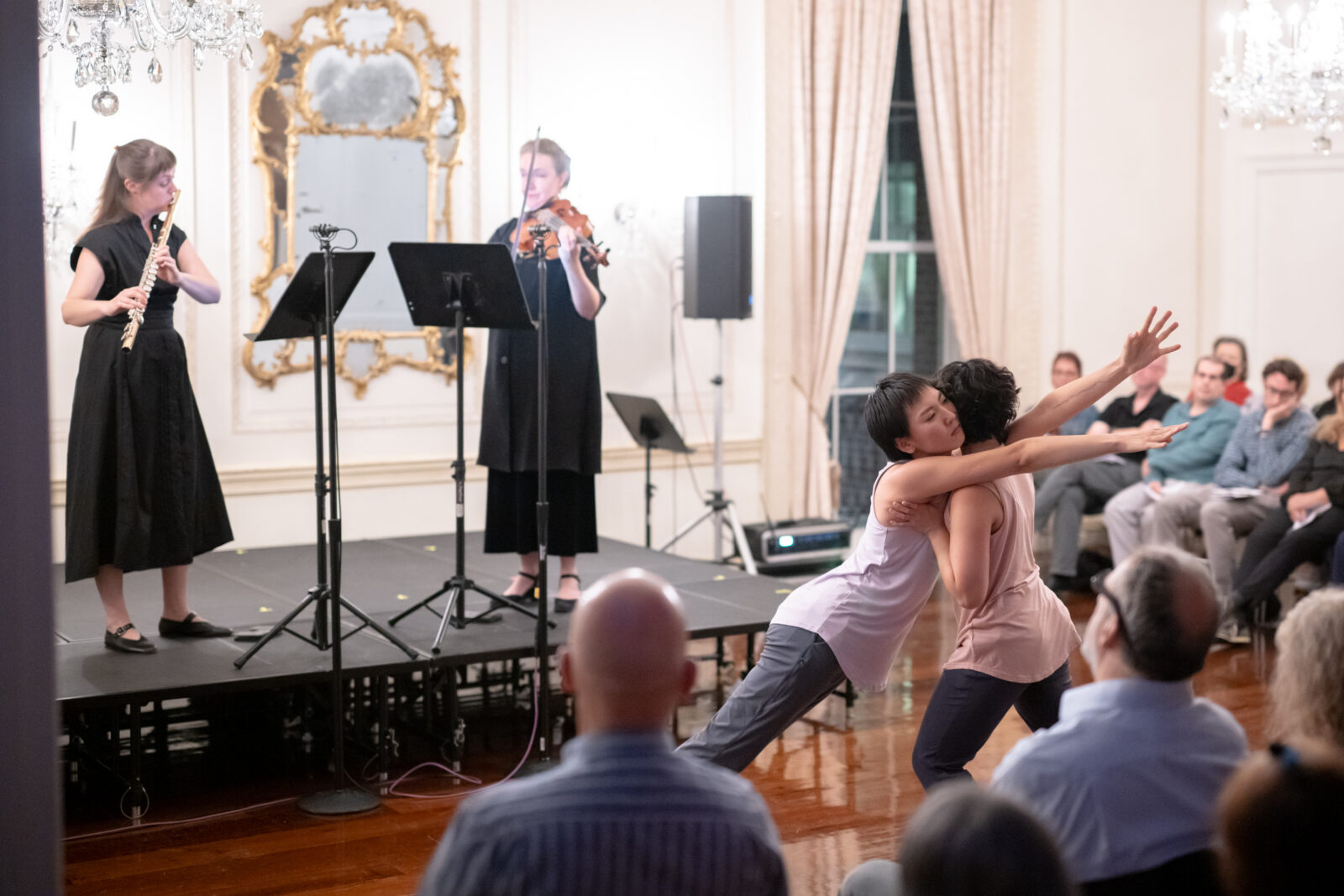
ACMP Executive Director Stephanie Griffin reflects upon her personal experiences working with wind players as a violist and composer. All of us musicians can learn so much by listening to and especially playing with musicians who produce sound in a completely different way than we do!Read More ↗
Interview with Joe Wilson and Edward Guo
ACMP member flutist Joseph Wilson has been actively adding to the chamber music repertoire for flute, by making original arrangements and transcribing parts and scores from manuscript, and uploading them to IMSLP. Watch the video of him in conversation with Stephanie Griffin and IMSLP founder Edward Guo.Read More ↗
Put a flute on it! Arrangements of Haydn string quartets for flute and string trio
Looking for top-quality repertoire with flute and strings for your ACMP Haydn Challenge gathering? Put a flute on the opus 20 string quartets. Listen to the beautiful recording by the Campanile Ensemble with Hungarian Early Music flutist Ildikó Kertész.Read More ↗
The Flute: Beloved of Amateurs
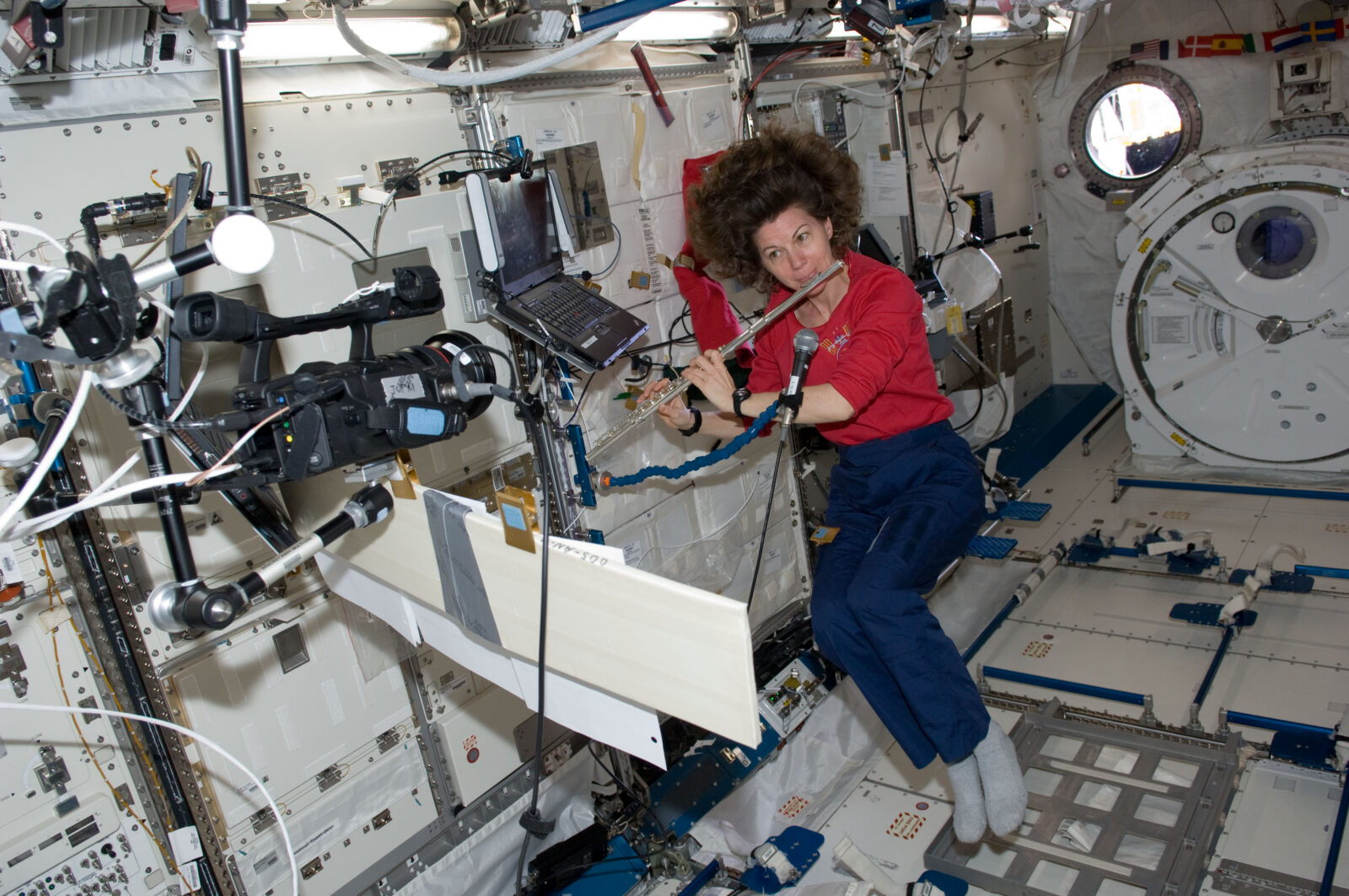
The flute has been a favorite of avocational musicians in the US since the colonial period. While most players are lost to history, many notable figures have played it, from John Quincy Adams to astronaut Cady Coleman.Read More ↗
My journey with the Fula flute
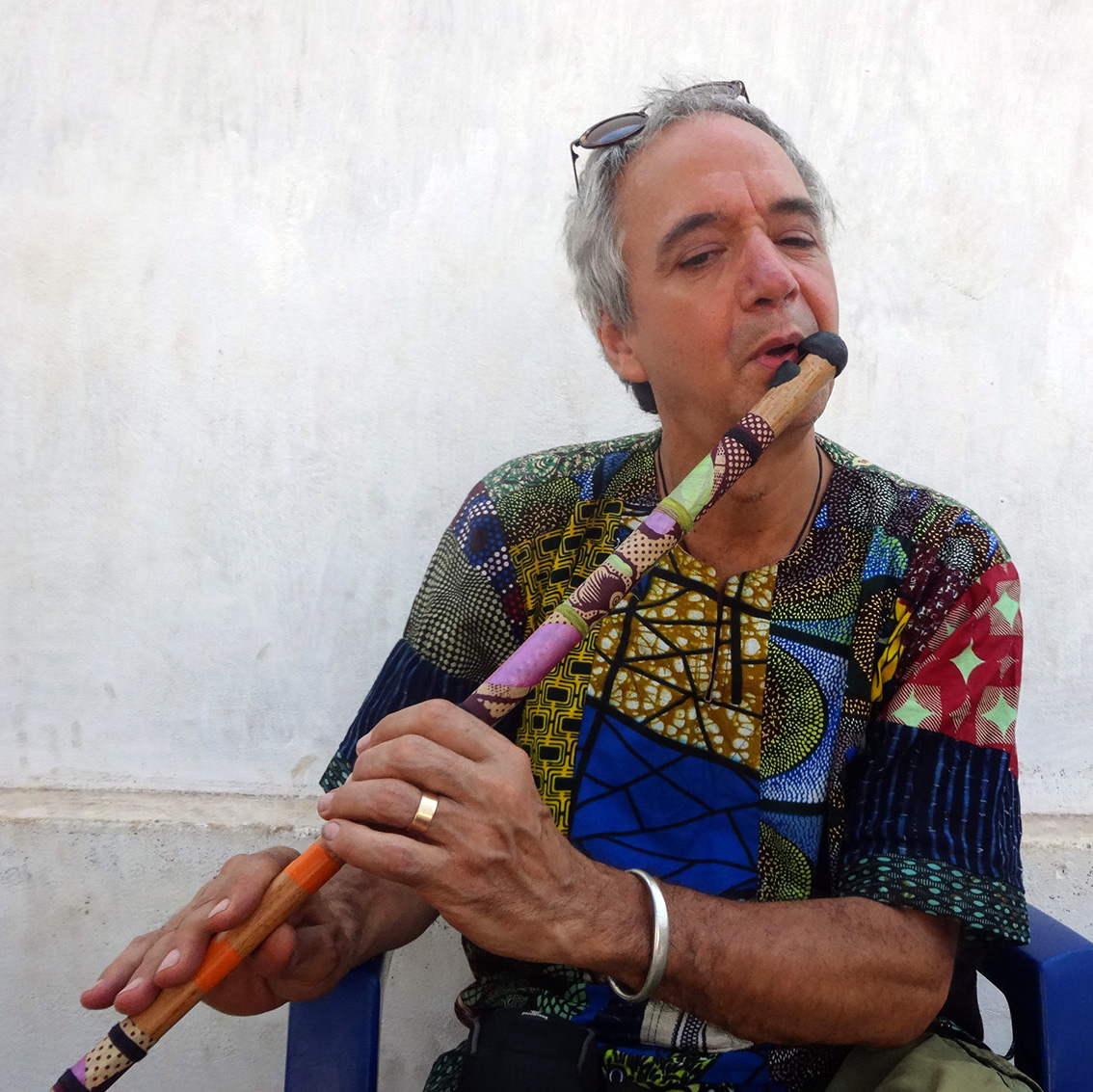
Flutist Sylvain Leroux recounts his adventures with the Guinean Fula Flute. He fell in love with the Fula Flute listening to a record in the early 1980s, and his journey led him to performing around the world, inventing new Fula Flutes with extended possibilities, and founding a school in Guinea.Read More ↗
Music for winds, strings and piano at the first Berlin Play-In of 2026
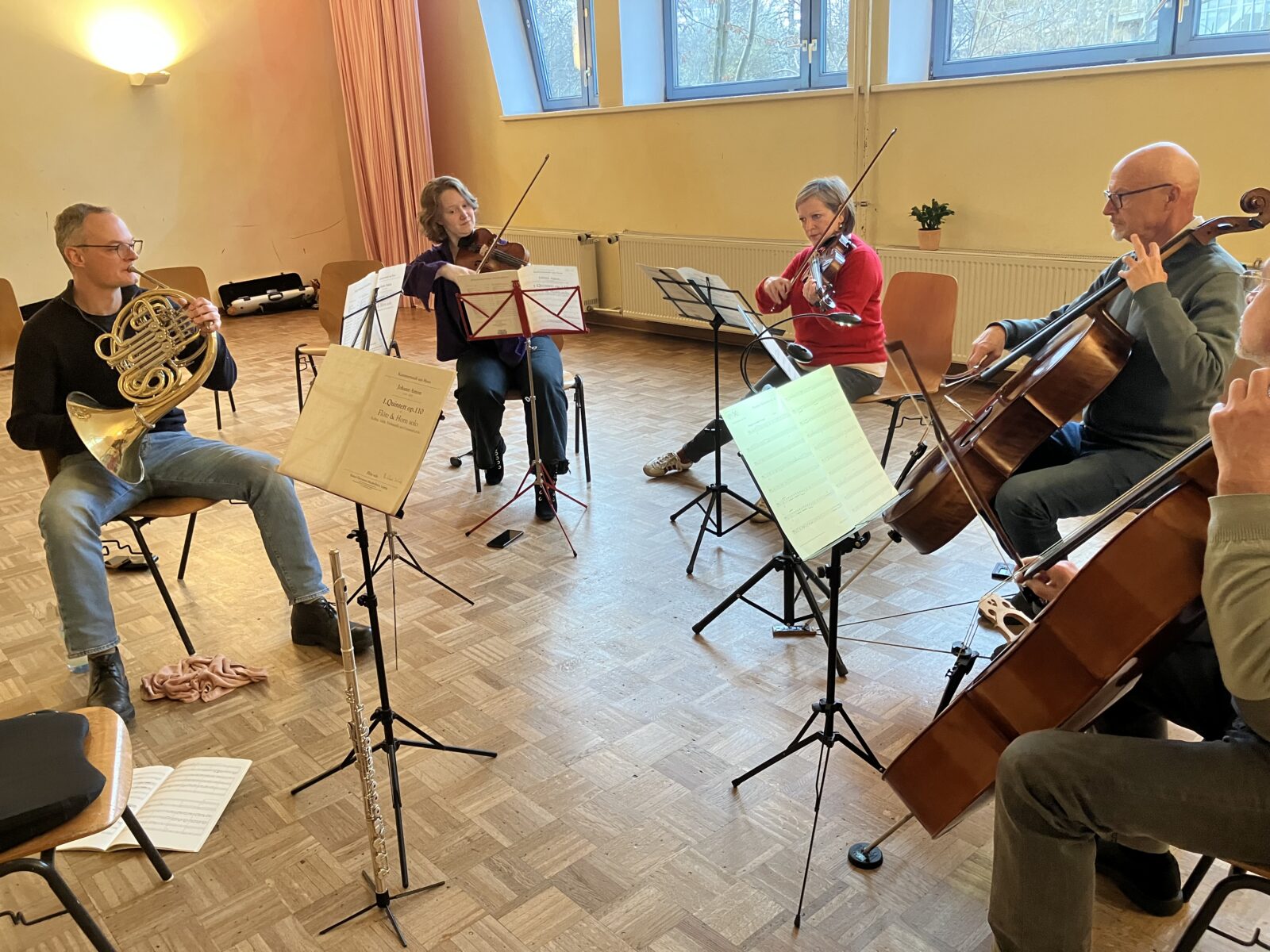
On March 14, 2026 seventeen chamber players gathered at the first Berlin Play-In of the year, made possible in part with the support of ACMP. They played a varied menu of chamber works for flute, oboe, horn, piano and strings.Read More ↗
Chamber music, the Horn and Friends
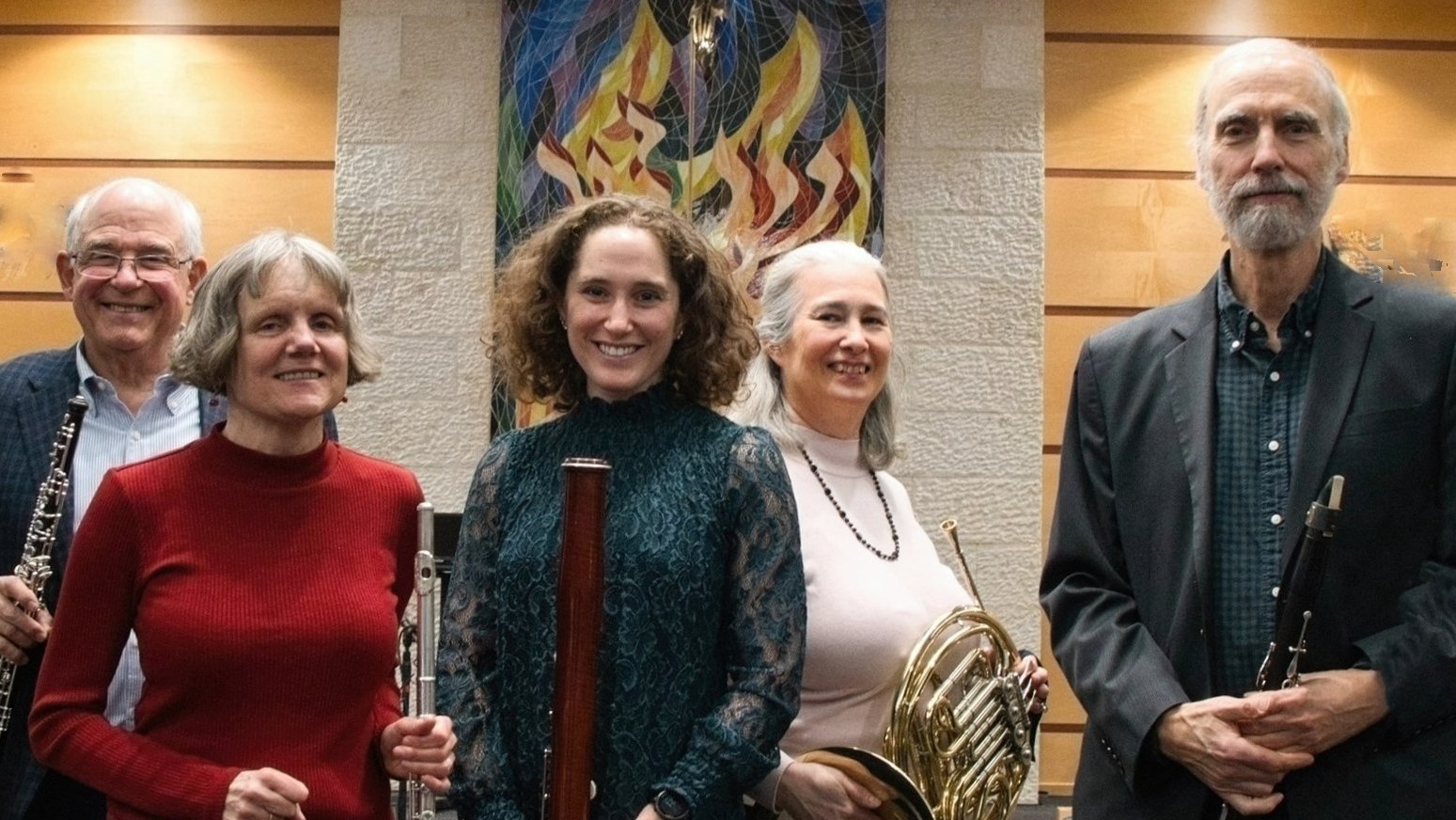
There's more to chamber music with horn than just the standard wind quartets and quintets. Liz Dejean shares her favorite repertoire for horn combined with strings, piano and strings or other other winds, and larger ensembles.Read More ↗
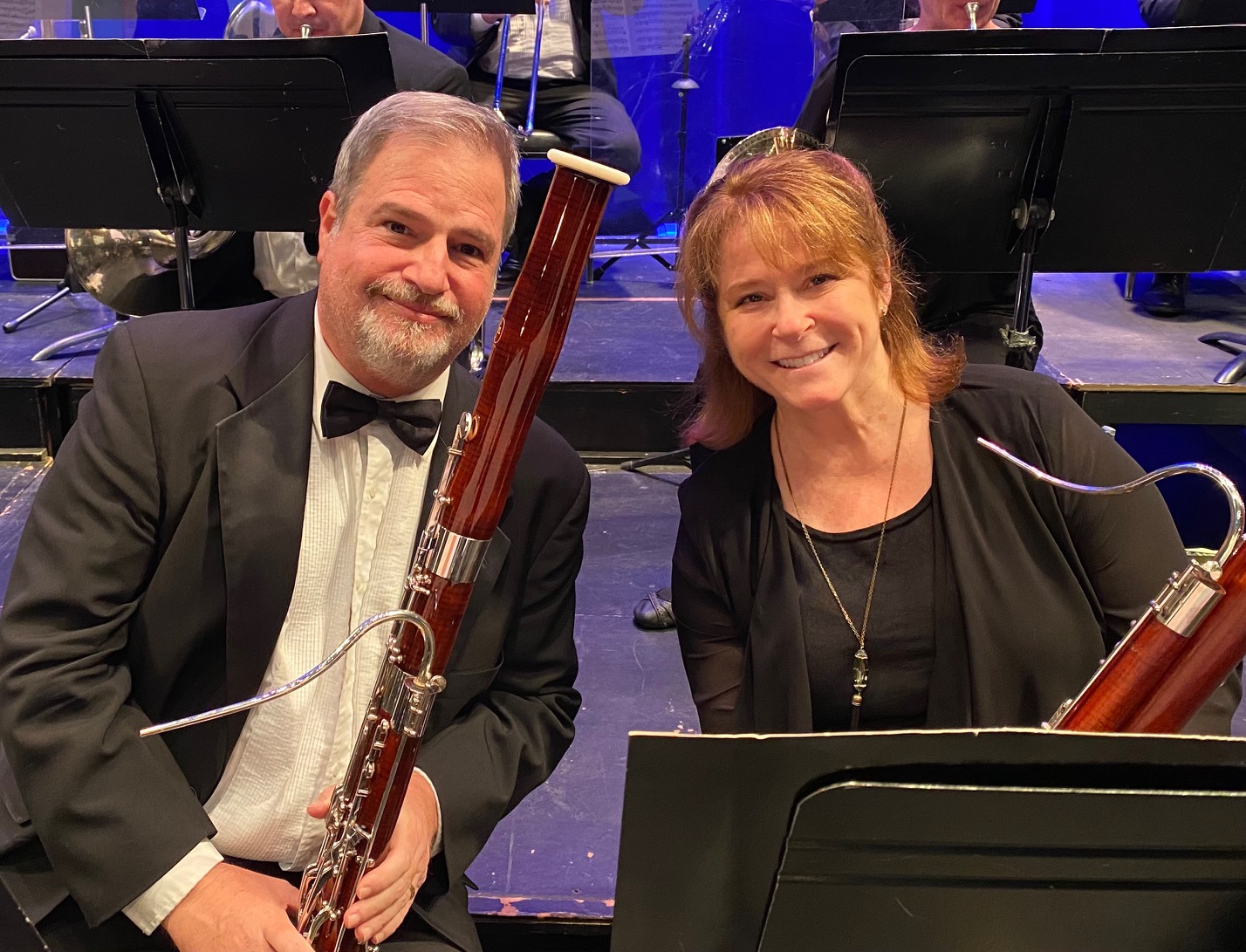
A Visit to Trevco Music
Bassoonist Chris Foss waxes poetic about his recent visit to the Trevco Music headquarters in Middlebury, Connecticut where one can browse the stacks of literally 1800 pounds of music for wind quintet, along with any chamber music you can imagine and lots of fun arrangements involving winds. You can even get a discount with a secret code!Read More ↗
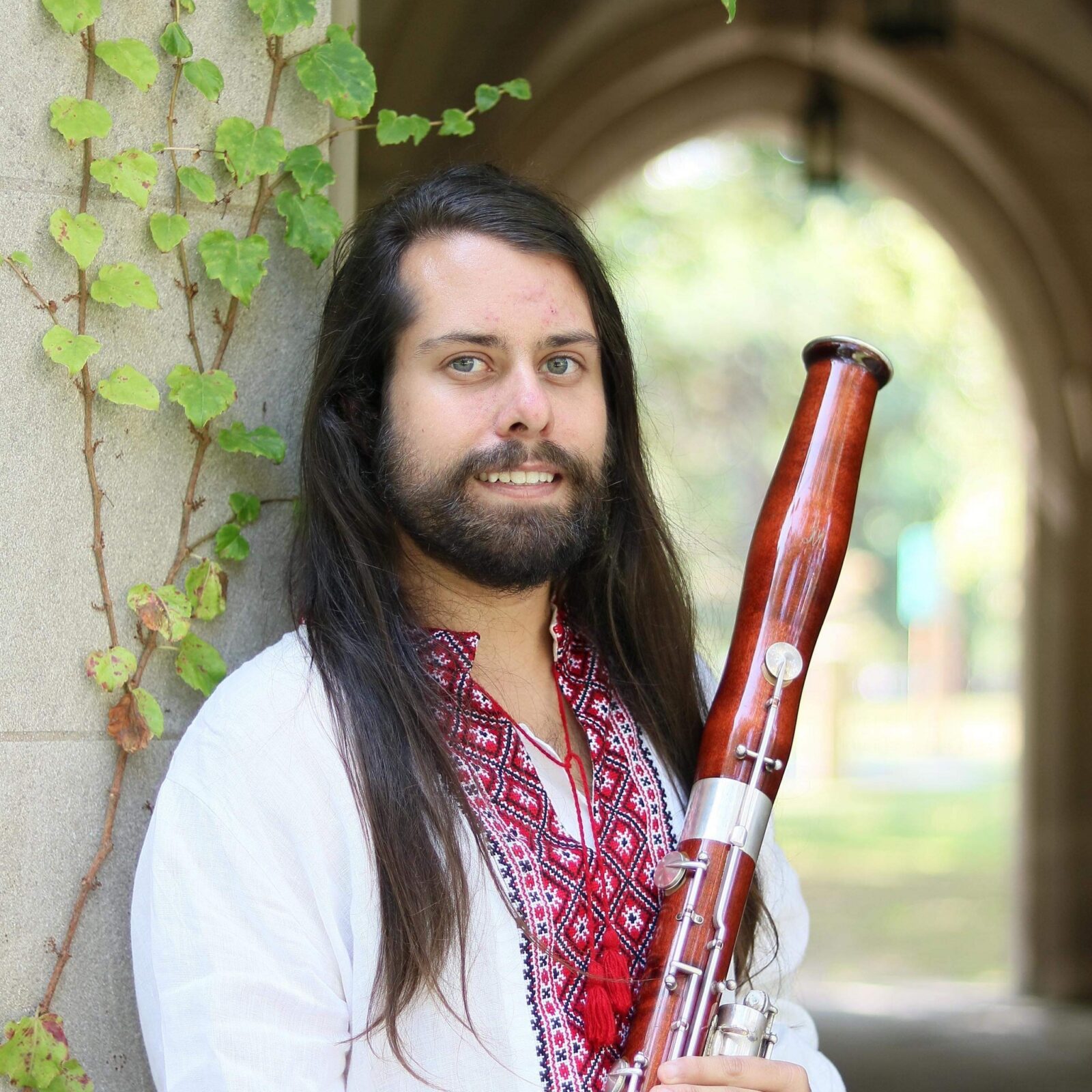
The Ukrainian Chamber Music Encyclopedia: a resource for wind players
Ukrainian Canadian bassoonist Zachary Senick has devoted his research and performance life to unearthing the vast catalogue of chamber music for winds and music for solo bassoon by Ukrainian composers. Explore the Ukrainian Chamber Music Encyclopedia and the offerings made available by Editions Plamondon.Read More ↗
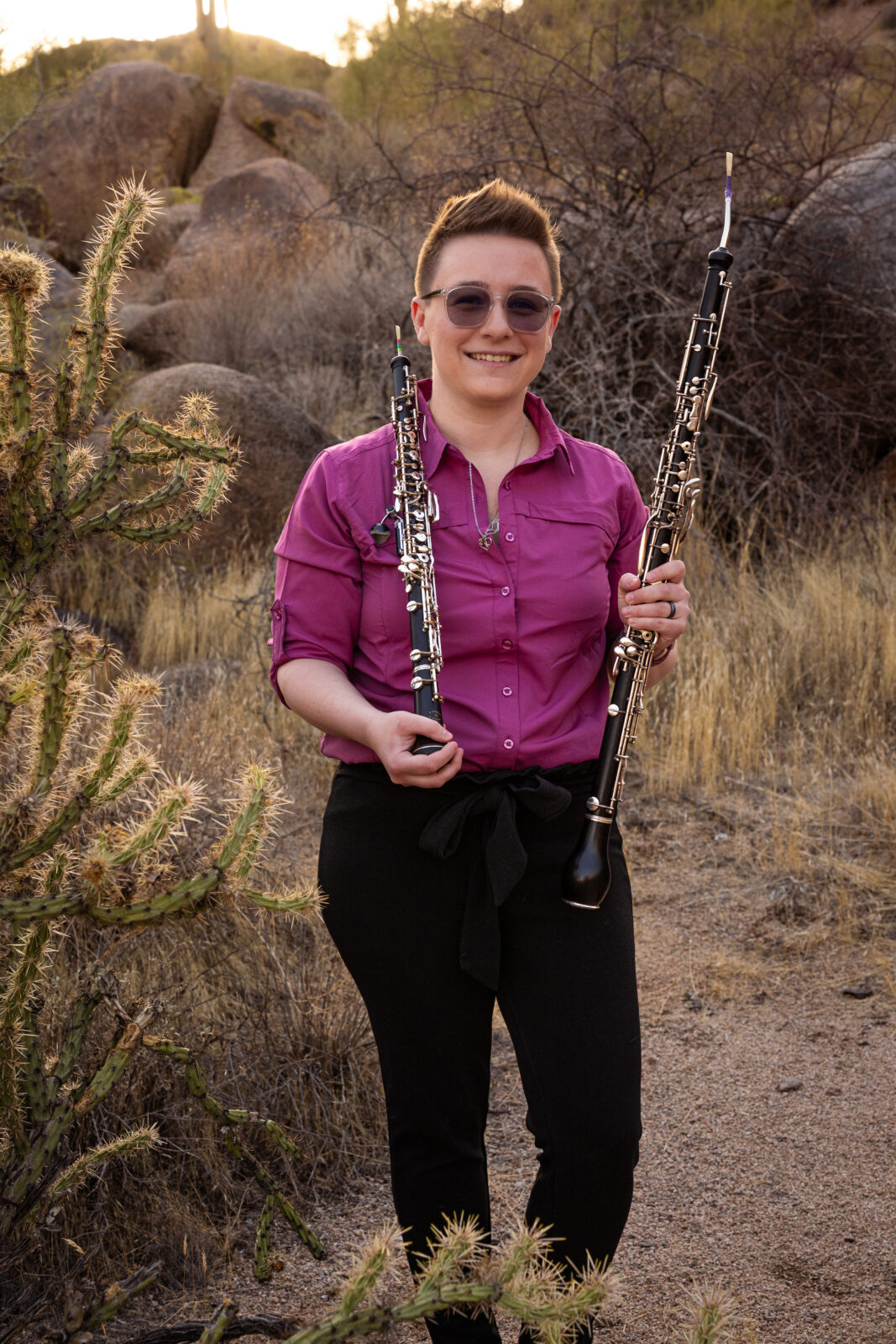
Chamber repertoire for oboe: a curated list
Oboist and scholar Dr. Kelsey Maes has shared her 60-page list of chamber music with oboe with ACMP. The list is organized by country, style and time period and is easy to navigate with hyperlinks in a detailed table of contents. Explore the list and discover new pieces to play with oboe!Read More ↗

Chamber music for bassoon: The George Zukerman Library
Throughout his long life, Canadian bassoon legend George Zukerman collected a huge library representing three centuries of bassoon repertoire. Concerti, chamber music, solo pieces – much of it hitherto unknown to the bassoon community. In tribute to this beloved Canadian musician, the Council of Canadian Bassoonists has digitized his collection and assembled this extensive online database.Read More ↗
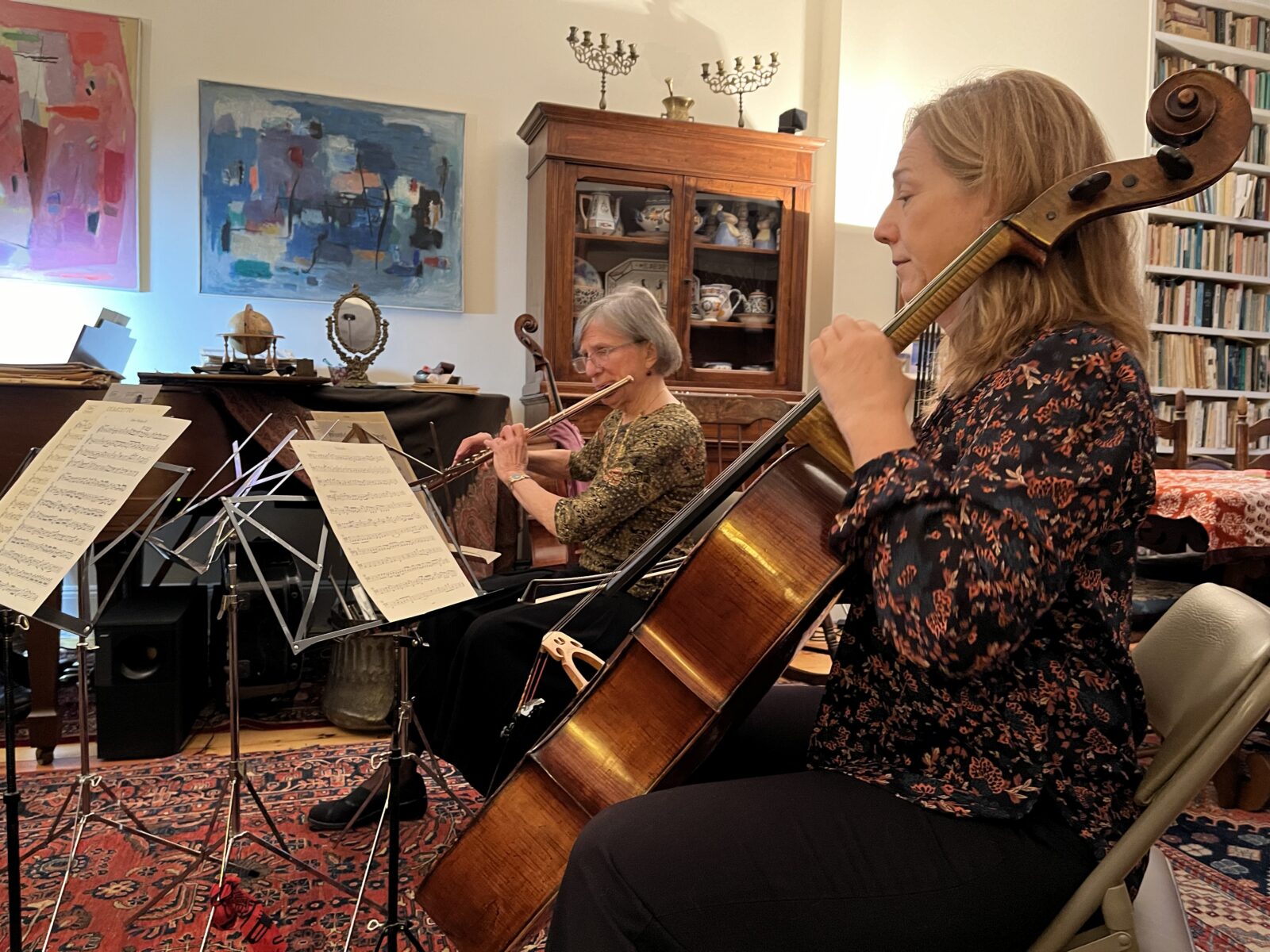
On coaching mixed chamber music with winds
Professional flutist Jayn Rosenfeld reflects on her experiences coaching mixed chamber music for winds with strings, piano and other instruments, and shares a list of her personal favorite pieces.Read More ↗
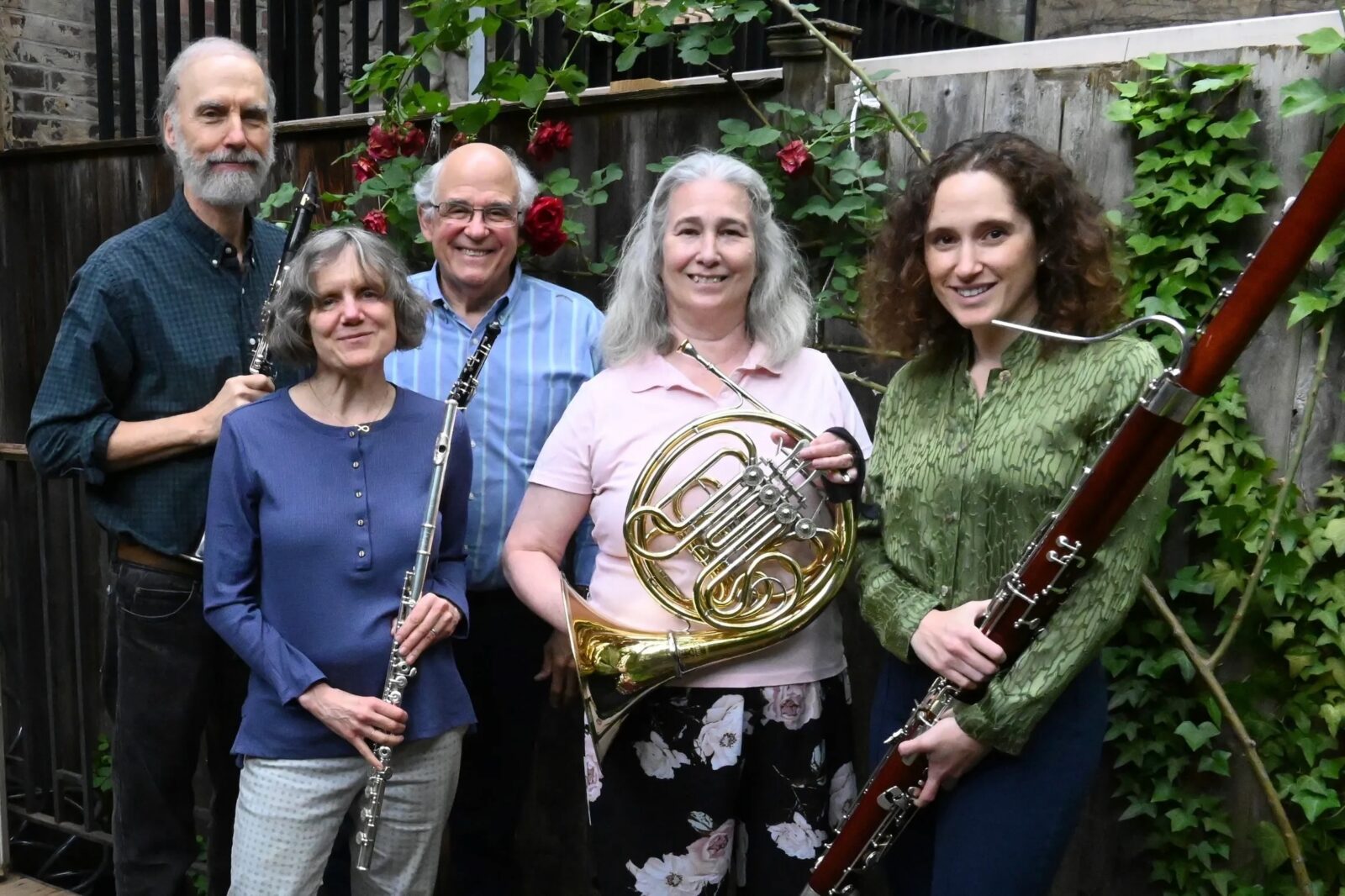
Wind players shine in the Broadway Bach Ensemble’s chamber concert
Every Spring the Broadway Bach Ensemble presents a chamber music concert featuring the orchestra's members and their friends in a wide range of small ensembles. Winds will come to the fore at this year's concert, at 7:30 on Thursday March 19 at Broadway Presbyterian Church in Manhattan's Upper West Side.Read More ↗
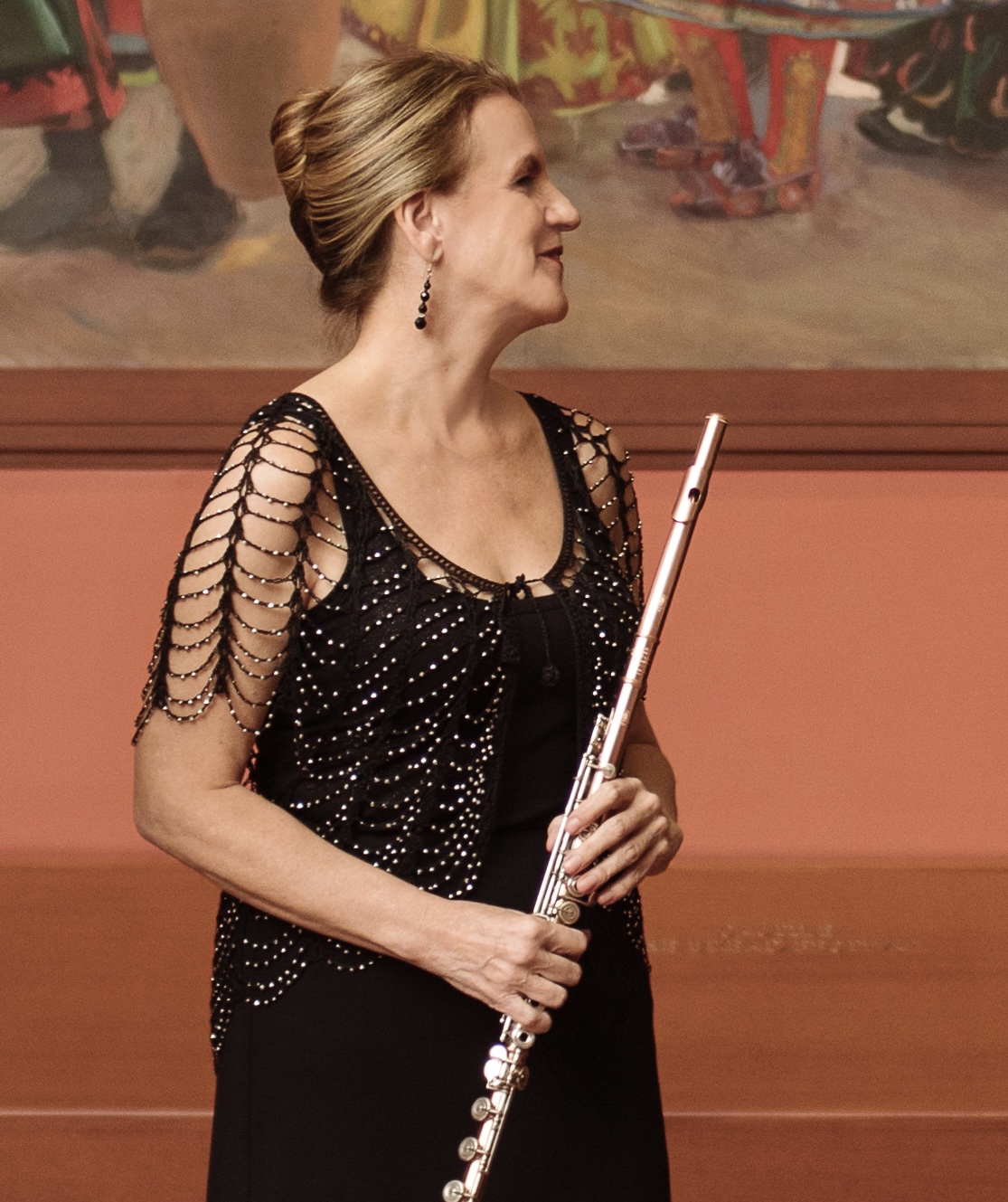
Meet the Musician: Flutist Svjetlana Kabalin (Sunday, March 29, 2pm ET)
Join ACMP for an interview and Q&A with Svjetlana Kabalin on founding and sustaining Sylvan Winds and expanding wind quintet repertoire.Read More ↗
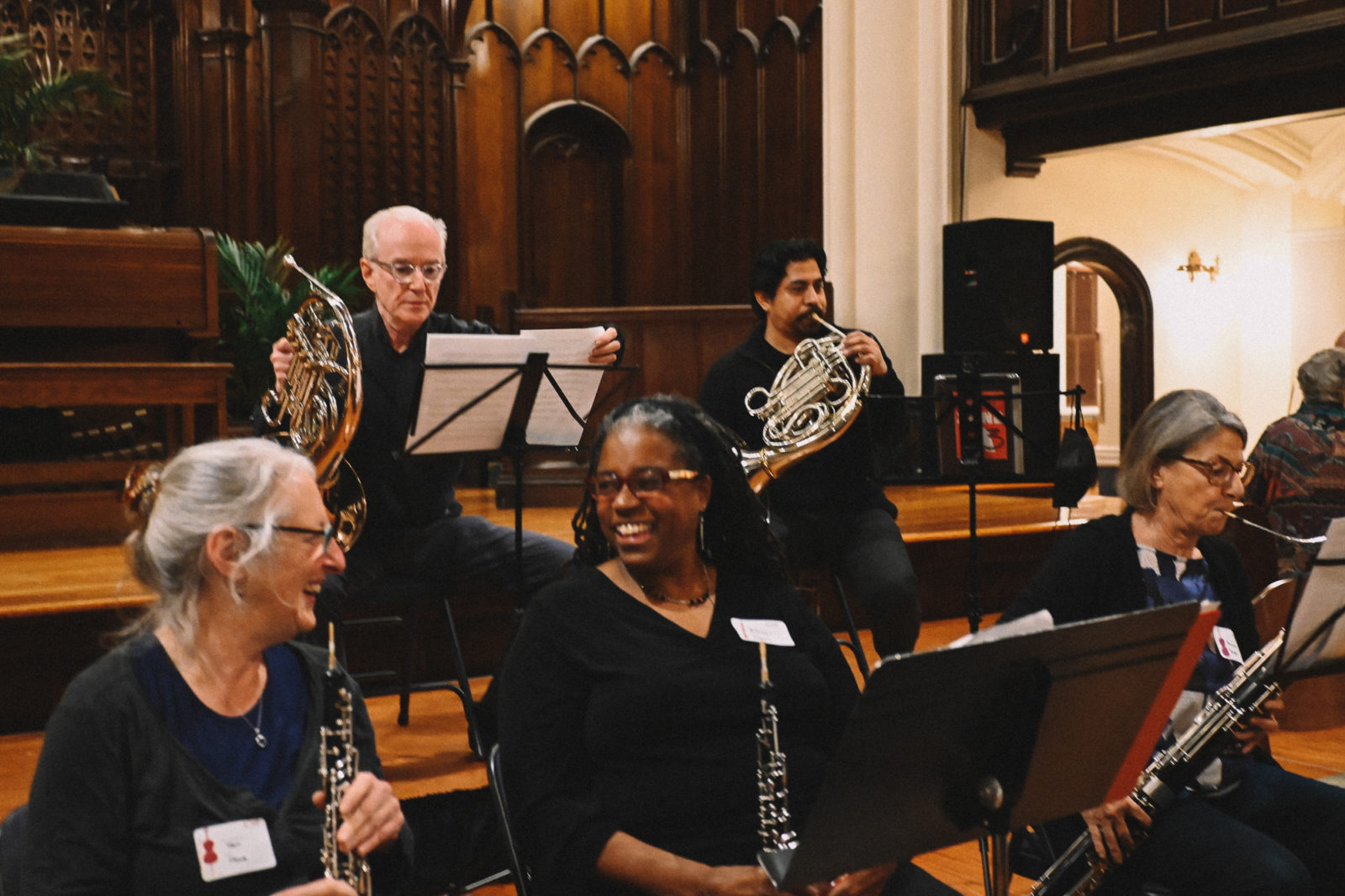
March Winds: Wind Chamber Music Appreciation Month
This March, ACMP is proud to launch "March Winds": Wind Chamber Music Appreciation Month! It's an international grassroots movement to expand the awareness and appreciation of the rich repertoire of chamber music including winds.Read More ↗
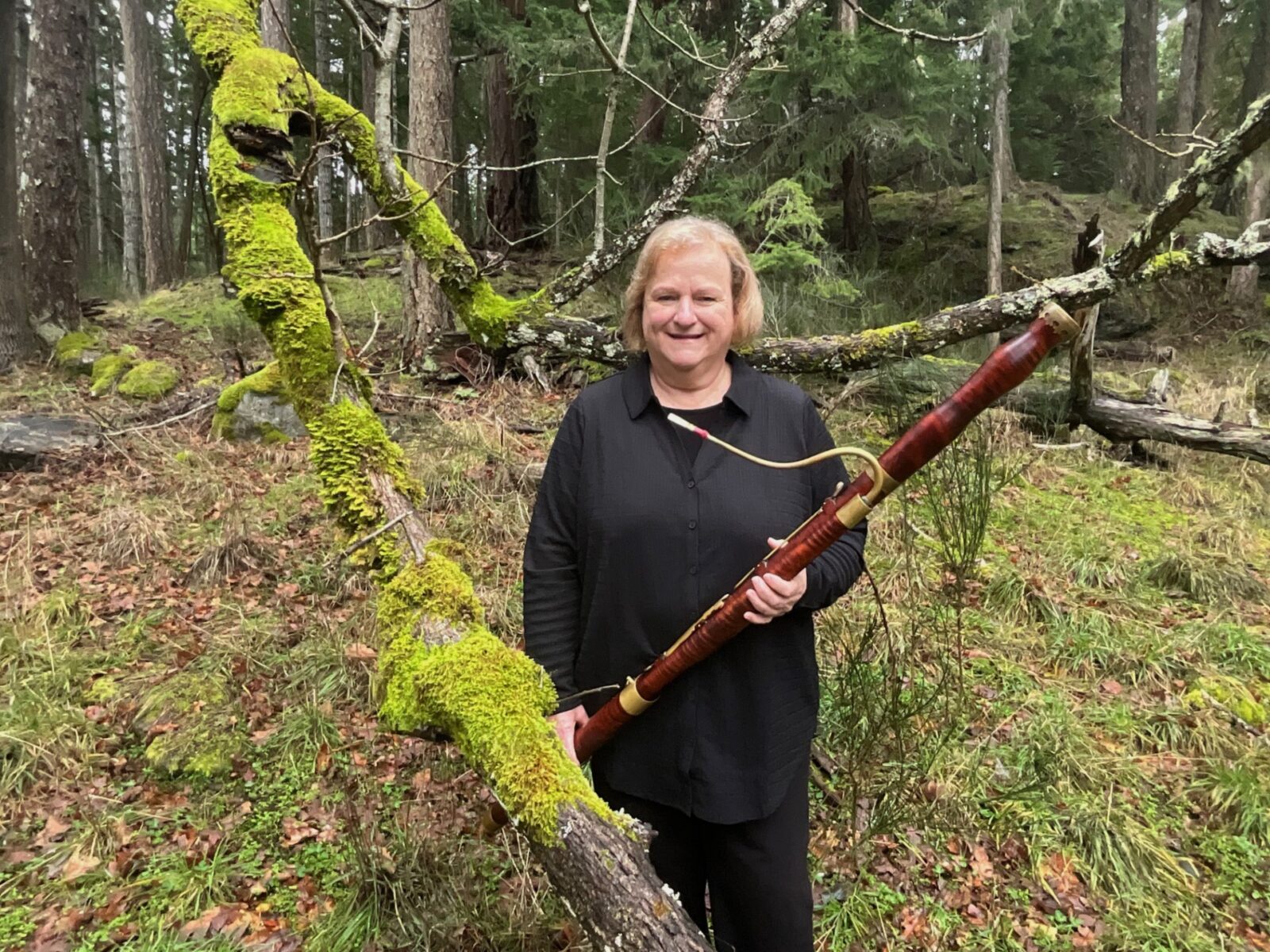
Kerry Graham: It’s never too late to learn the Baroque bassoon
At age 50, Kerry Graham was living what many would consider a rich and full life, working internationally as a chemical engineer and doing pretty well. But music, and especially the bassoon, kept tugging at her sleeve. She wanted to go back to school to learn the bassoon. Read Kerry's interview with ACMP Board chair Bob Goetz.Read More ↗
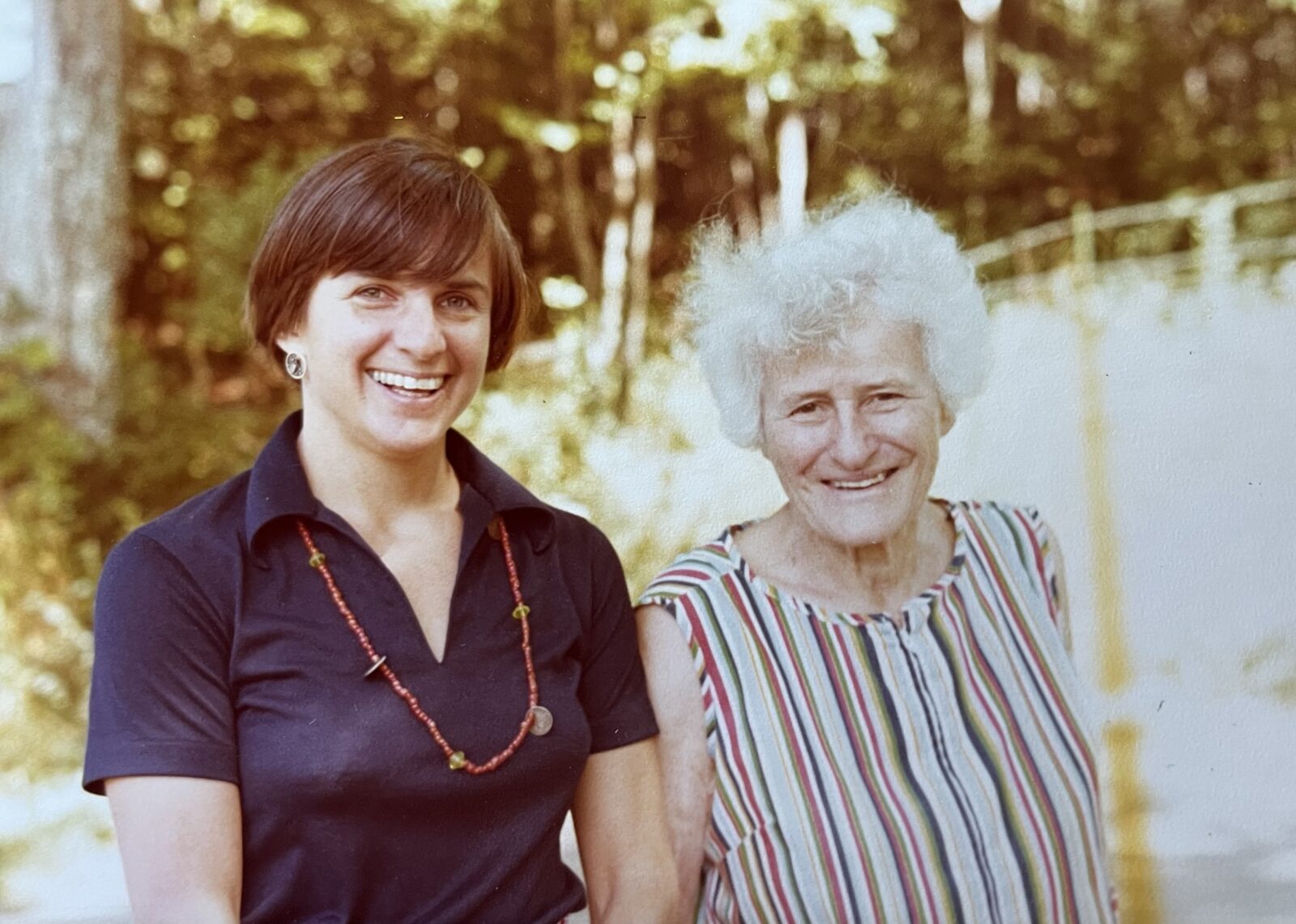
Helen Rice and me!
Professional flutist Jayn Rosenfeld grew up in a family of passionate amateur musicians and had a close personal connection with ACMP's founder Helen Rice. Read Jayn's story about her childhood experiences with some of the early pioneers of ACMP.Read More ↗
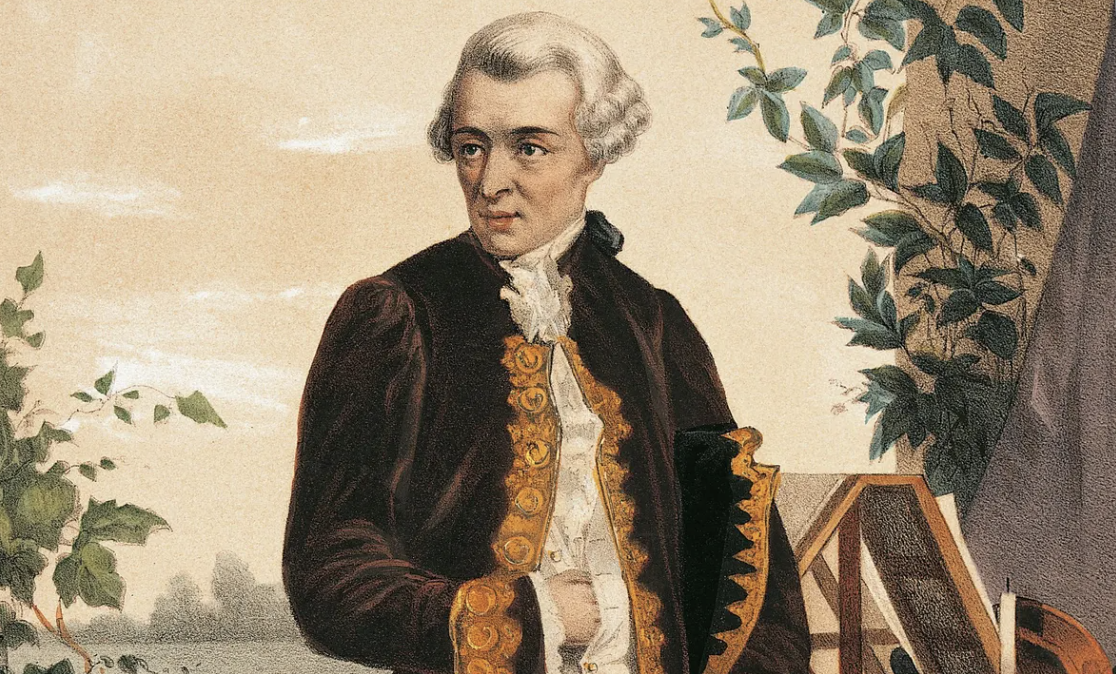
The 2026 ACMP Haydn Challenge
March 31 is Joseph Haydn’s birthday! It’s also a fabulous occasion to celebrate his contributions to the world of chamber music with a gift in his honor to ACMP…Throughout the month of March, we hope you will participate in the ACMP Haydn Challenge.Read More ↗

Irreverent Friends, the True Inspiration Behind Clarinet’s Chamber Music Gems
The Clarinet. When one thinks of the instrument, we are instantly taken on a rich journey of musical landmarks: New Orleans, Rhapsody in Blue, Mozart, Benny Goodman, top orchestras, your cousin’s wedding reception. Chamber music might not be at the top of the list, but indeed, clarinetists have inspired some of the finest pieces in history for the genre.Read More ↗
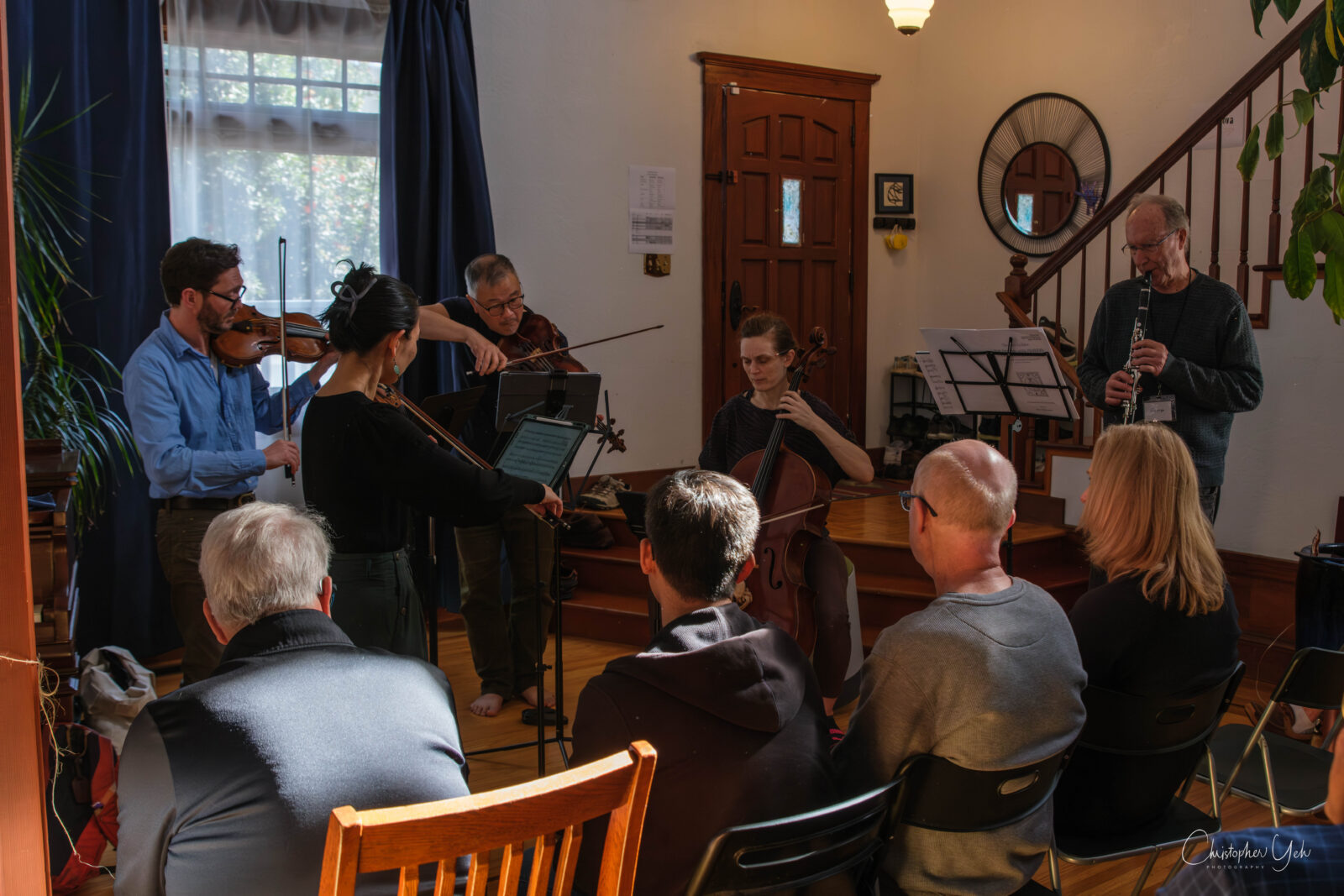
Sound and Sustenance: A Report from the Del Sol Adult Chamberfest
On a sunny weekend last month in San Francisco, 30 amateur chamber musicians from around the country gathered in the home of two members of the Del Sol String Quartet for the annual DEl Sol Adult Chamberfest. Neighbors would have heard strains of Britten, Janáček, Shaw, Golijov, Bunch, Beethoven and Brahms, along with laughter and good times!Read More ↗
Load More
All Articles By