Music for Two Violins: Personal Reflections on a Forgotten Genre
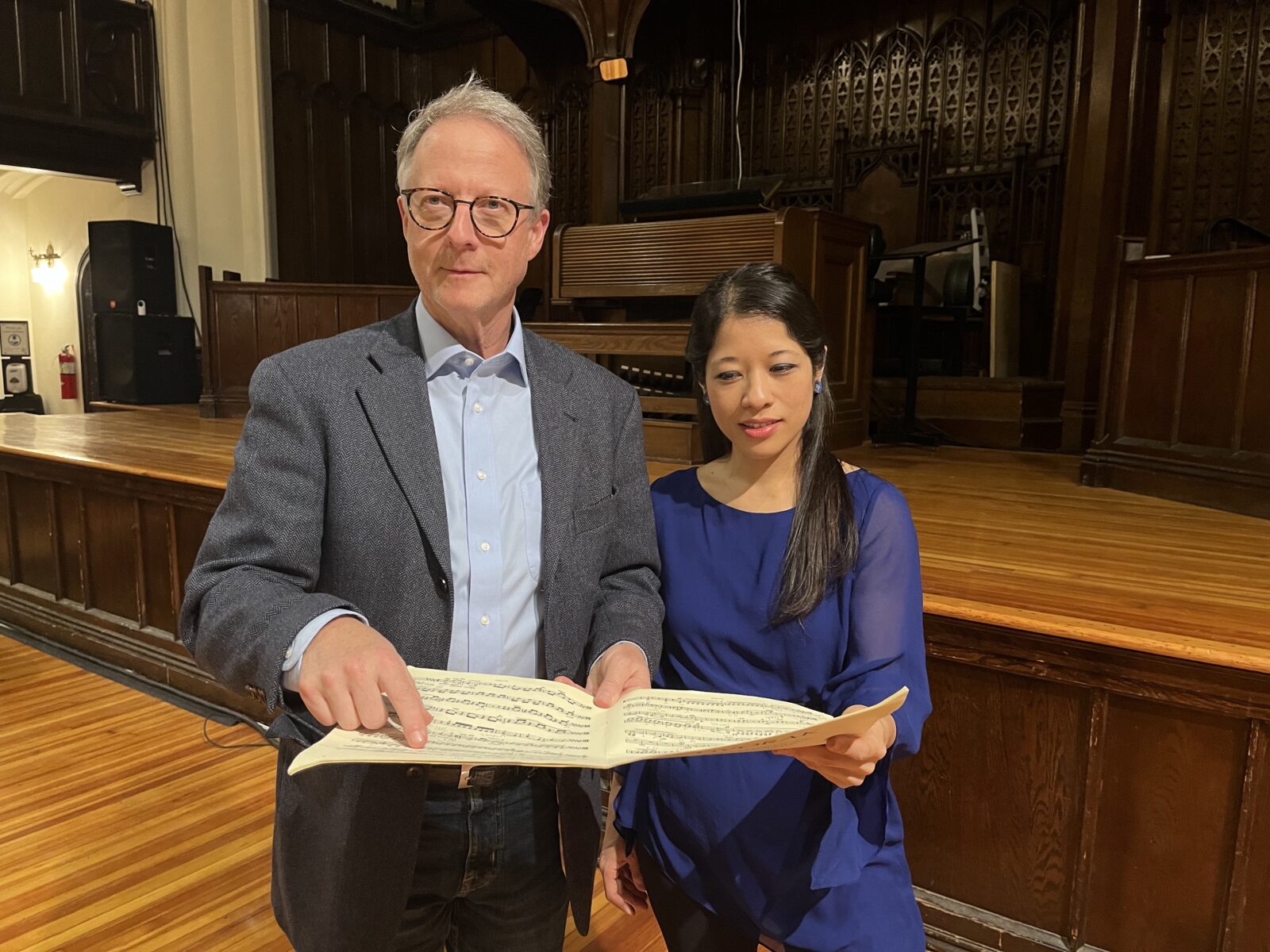
For the past seven years I have had the pleasure of discovering a corner of the chamber music repertoire that I now consider to be undervalued and under-explored: music for two violins. Like most violinists, I had occasionally read through some pieces for this combination for fun or convenience, but my only real performance exposure to this niche was within the context of new music. In 1981, while still an undergraduate student, I gave the U.S. premiere of two pieces by Alfred Schnittke as part of an all-Soviet chamber program.
Like all lovers of the violin and its music, I was drawn in my youth to the iconic Bach Double Concerto, soon followed by an exploration of the two-violin concertos by Vivaldi (there are well over 20!). But without the full body and color of an orchestra to support them, along with the grounding of a bass line, I didn’t think that two solitary violins could sound like much more than a lighthearted Vaudeville routine.
My perspective changed significantly in 2017 with the abrupt withdrawal of two colleagues for a trio concert. With only two weeks’ notice (at a well-known university series), I faced the difficult choice of canceling my participation in the series, presenting a hastily cobbled solo violin recital, or building a new program from scratch.
One month earlier, I was fortunate to have met the terrific violinist (and fellow ACMP coach) Emilie-Anne Gendron, whose creativity and intellect match her extraordinary violin playing. When I told her my dilemma at having no program two weeks before the concert, and that I would not subject an audience to a one-hour program of solo violin music, the plausibility and efficiency of a two-violin program began to come into focus as Emilie graciously volunteered. The repertoire had to be carefully chosen since she was to be out of the country for 10 of those 14 days. We had only one day to set the program, then two days after her return to refine and polish. But what repertoire for a solid hour of music?
I had long been intrigued by a story my college music history professor, Dr. Fritz Kramer, shared about private chamber music readings in Vienna in the 1780s, where composers would come together to play through each other’s music in friendship and respect, and maybe to borrow a few ideas. In 1783 one of these gatherings featured a string quartet which included Haydn’s court concertmaster, Luigi Tomasini on first violin, Joseph Haydn himself on second, Wolfgang Mozart on viola, and Luigi Boccherini on cello. Oh, to have been a fly on that wall!
Practically speaking, building a program of music from the Classical Era (c.1750-1820) was going to be easier than jumping around in history, and these composers stayed true to Enlightenment ideals: their compositions were well organized in structure and sensibility. I could pay tribute to these four composer-performers (and my college mentor) now that I had the privilege to play with Emilie.
In the end, our program included the E major duo by Boccherini (bright, perky, lightly flashy), and Duo Concertante by Tomasini (his virtuosic writing was like being shot out of a cannon). Haydn’s contribution was his own arrangement of a theme and variations from an early string quartet (opus 17 no.3), and we ended with an arrangement of Mozart’s first Duo for violin and viola, with the viola part tastefully transposed to violin…I know, no C string, but neither of us play viola professionally!
The performance was both successful and enjoyable for us and thus began my collaboration with Emilie and other violinists, discovering underplayed rarities, often by well-known composers, showing different facets of their compositional gifts.
The repertoire for two violins is surprisingly vast. An excursion into the musician’s friend, Imslp.org, will reveal hundreds of pieces for this combination in the site’s broad category of time periods: Baroque, Classical, Romantic and Modern. Keep in mind that this website lists only works that are not under copyright protection. With a little patience and persistence, one can discover many more pieces from publishers’ catalogues, libraries, streaming services, and even the most basic web searches.
From the Baroque era, there is not as much to choose as I imagined, as most music was tied to compositional structures supported by bass-line continuos. Some of the extant pieces are tied to French court musicians who could exhibit a surprising level of technical virtuosity and panache. Some of the more interesting works I have performed are from the end of this era by consummate violinist-composers like Guignon, Leclair and Telemann.
The Classical Era explodes with two-violin works at all levels of difficulty, fueled in part by the interest of all social classes to play music in the home, and aided by the proliferation of instructional works by pedagogues of the Paris Conservatory and other schools, advancing the baseline level of technique through readily available publications. The four composers cited above are representative of the former concept, and later, the Conservatoire Triumvirate, Kreutzer, Baillot and Rode, as well as De Beriot, Dancla, Alard, etc.
The Romantic Era suffers from a dearth of publication that come across as more personal statements perhaps overshadowed by the grandeur of symphonic and operatic palates. Spohr is an exception, with his conservative but challenging offerings.
The early twentieth century revives the genre as a vehicle for exploration and experimentation. As in any medium, Reger and Hindemith are always present, presenting traditional forms with personalized vocabularies, but the real gems are by Honegger, Prokofiev, Bartók, and the rarely-heard British composer Alan Rawsthorne. Since the 1970s there has been a steady stream of compositions that utilize both the conversational nature of two violins and their sonic palate that may include vocal, polyphonic, and extended techniques.
As with all artistic projects, there is never a terminus or conclusion. My exploration will continue indefinitely, since everywhere I look, there are new discoveries to be made and never enough time to practice!
Gabriel Schaff is in the ACMP Coach Directory
Gabriel Schaff ©2024
More Articles
Meet Joy Hsieh: ACMP intern and event planner par excellence!
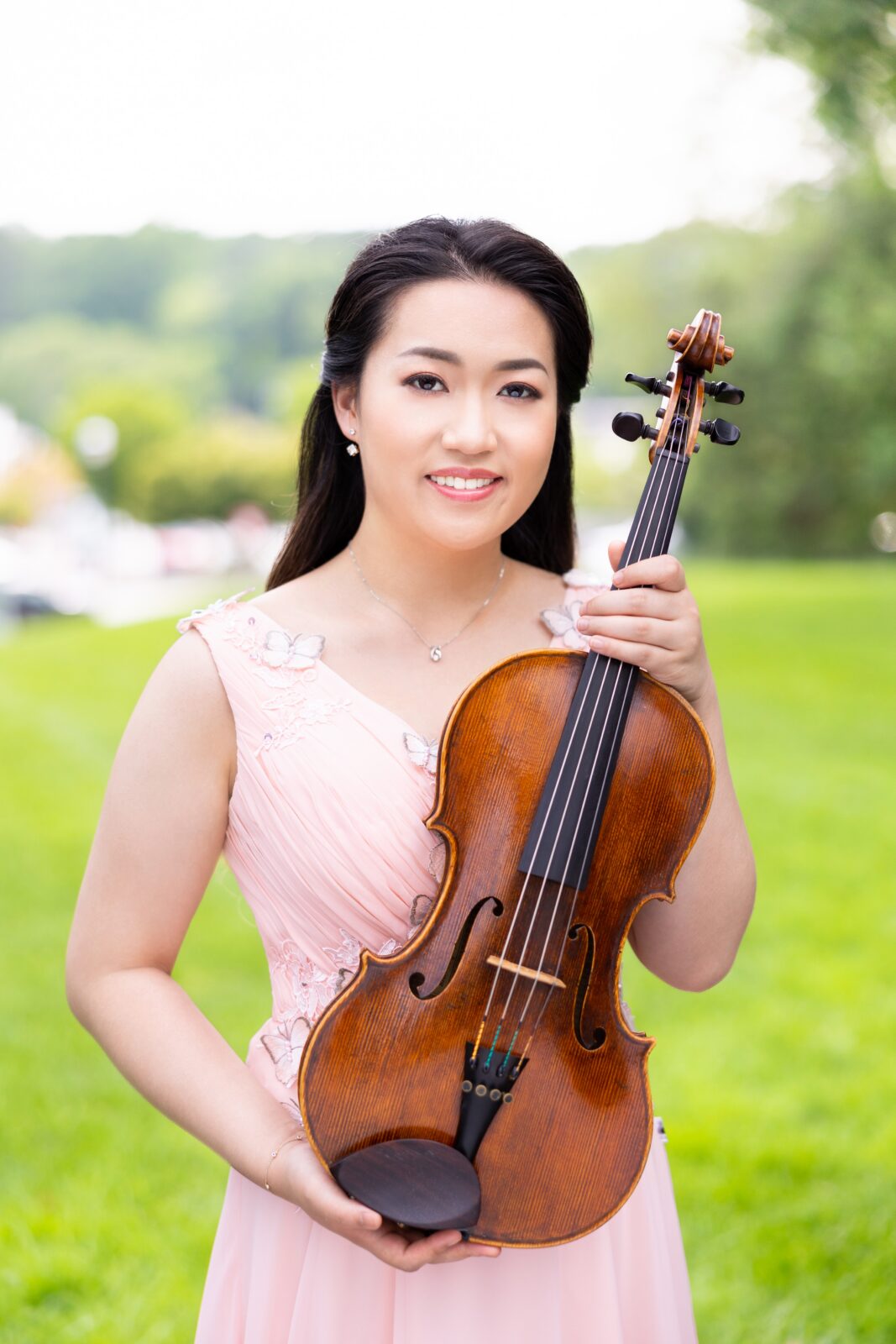
ACMP is happy to announce its newest team member, violist Joy Hsieh, who is working with us on event planning for the fall semester through the Eastman School of Music's Institute for Music Leadership Catherine Filene Shouse Arts Leadership Certificate of Achievement (ALP) program. Joy is a doctoral candidate in viola performance at Eastman, studying with Phillip Ying from the Ying Quartet. Get to know Joy - and come meet her in-person in Rochester on October 25 and Boston on December 6!Read More ↗
Filipino folk music, by way of Ecuador
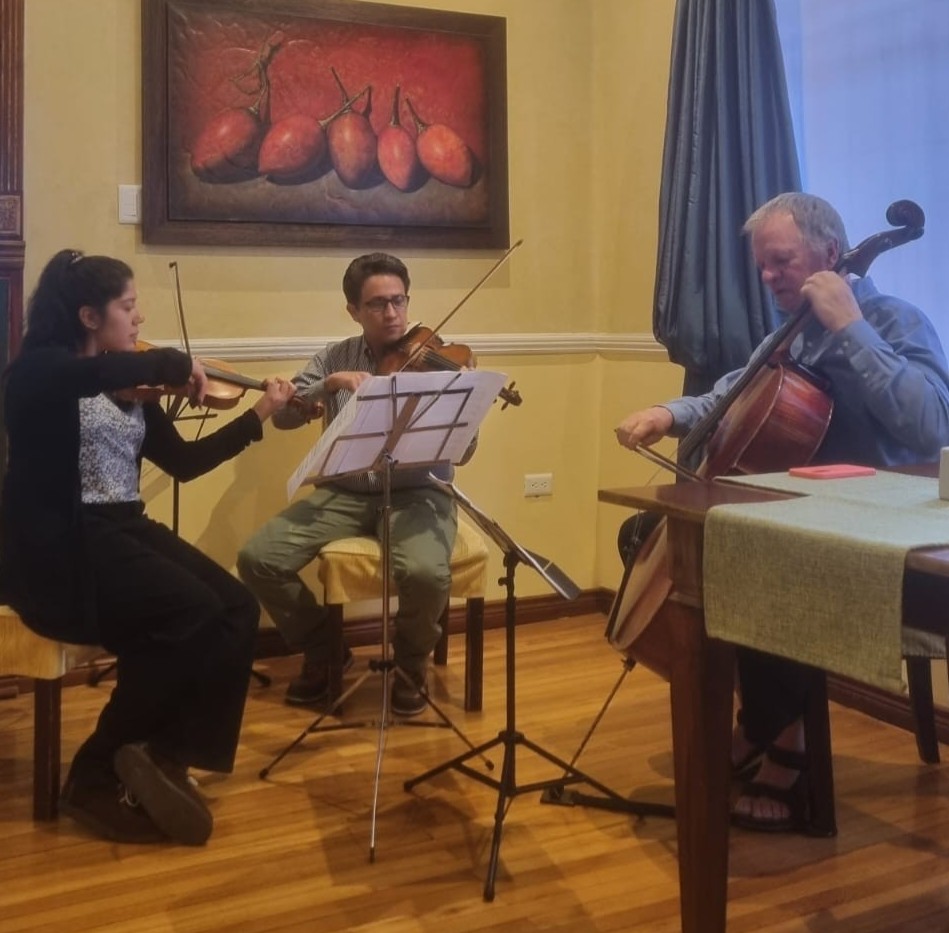
What do classical music and fine dining have in common? They are both about sensory delight; they come in many flavors and textures; and they are natural complements for an ACMP event. Tom Cappaert has organized a series of such programs, at a pizza joint in Riobamba, coffee houses in Spain and Ecuador, and most recently with a string trio performance on the theme of Let’s eat Filipino!Read More ↗
ACMP x ECMS Play-In Rochester, NY
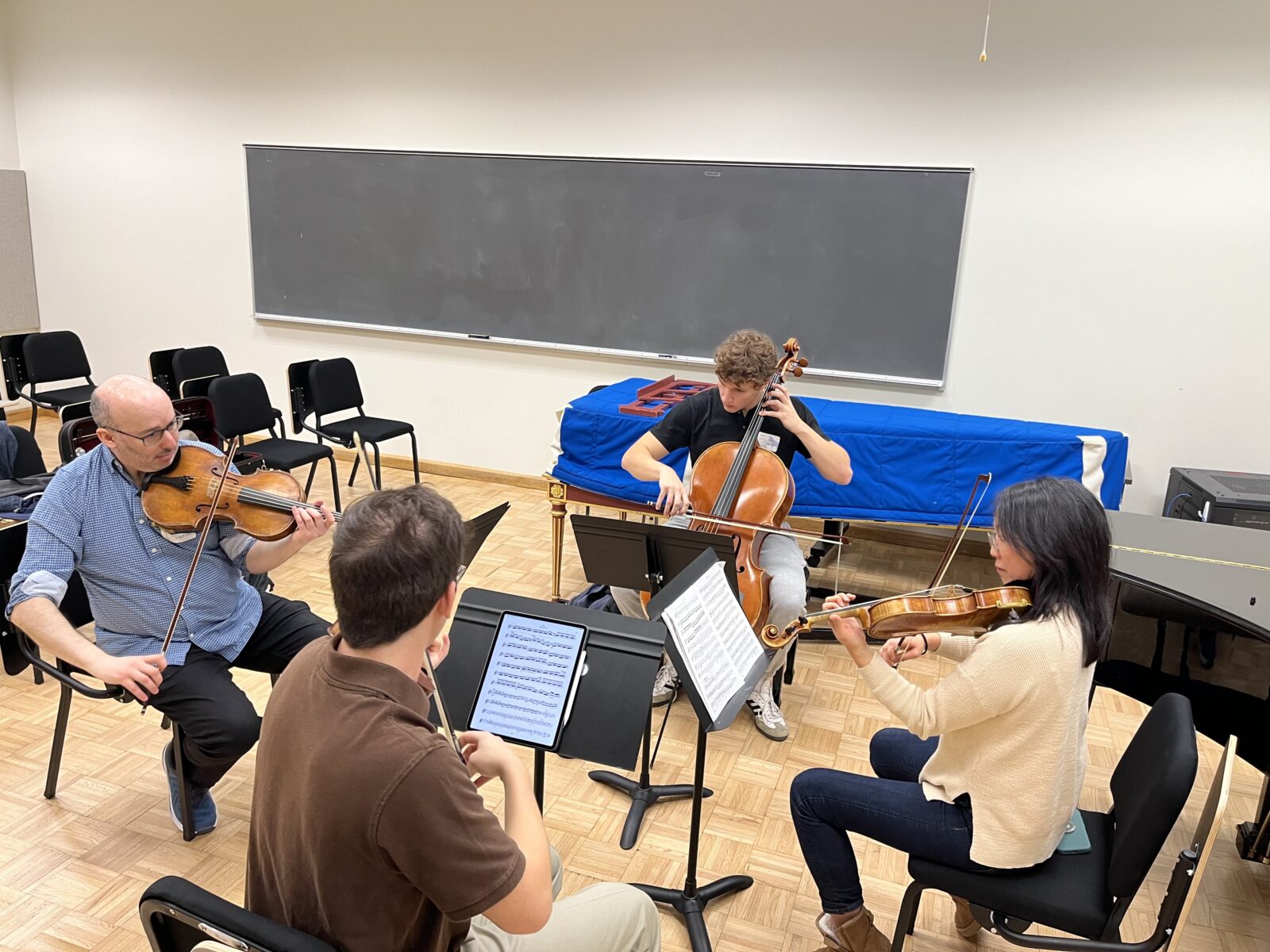
ACMP is partnering with the Eastman Community Music School (ECMS) on a fun and festive chamber music Play-In on Sunday, October 25 in Rochester, New York. All instruments and playing levels are welcome!Read More ↗
Member of the Month, October 2026: Loryn Gorsett
There is little that Loryn Gorsett hasn’t done as a violist and violinist in the Denver area. She has played in orchestras, both professional and amateur. She built a studio of students. She has played more weddings than she can count. She has been a strolling violinist in an Italian restaurant. But through it all, chamber music has been her true musical passion.Read More ↗
Chamber Music Lifestyles: Vancouver
Vancouver, Canada has a vibrant adult amateur chamber music scene, thanks to ACMP's local NAOC councilor Christina Wolf. If you've never traveled to Vancouver, add it to your list. Where else could you play chamber music with so many great players (and fun people) while looking at the mountains, and eating and drinking a wide variety of local delights?Read More ↗
Member of the Month, September 2026: Marshall Costantino
Marshall Costantino learned to play the violin from his Italian grandfather as a young child. After a 42-year hiatus from playing, he is enjoying a new life in chamber music with his neighbor and new friends he met through the ACMP directory.Read More ↗
Celebrate Beethoven: MSQ’s Vienna Workshop, January 2027
Travel to Vienna and immerse yourself in Beethoven's world and in his String Quartet Op. 127, under the expert guidance of the Manhattan String Quartet. Register by Monday, September 14 for this unique cultural expedition!Read More ↗
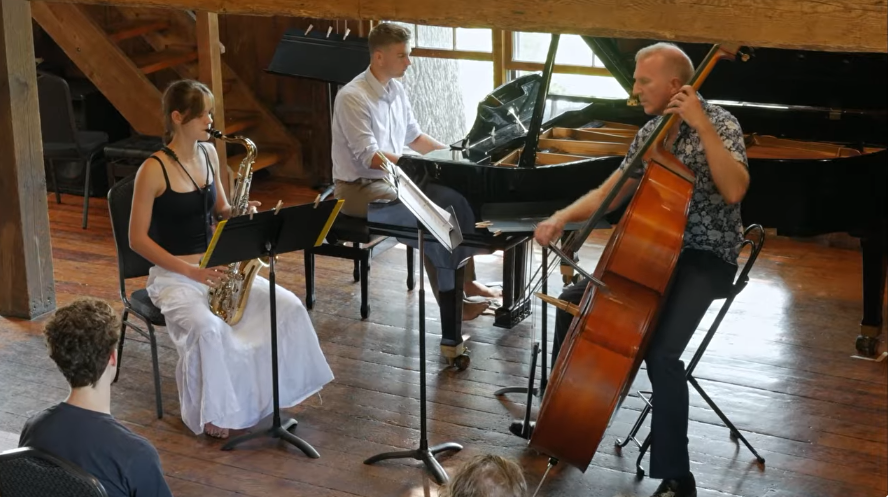
Music and Life at Apple Hill
Vermont-based bassist Art DeQuasie was one of the inaugural recipients of an ACMP Scholarship this summer. Read about his experience at the Apple Hill Center for Chamber Music in August 2026.Read More ↗
Explore New Worlds of Chamber Repertoire
Music educators have been working to find music by underrepresented composers that is accessible to students and amateur players of all levels. This includes music by composers of color, women composers, and LGBTQ groups, among others. Considering the changing demographics of our country, amateur chamber music players can reap the rewards of discovering new repertoire through this research.Read More ↗
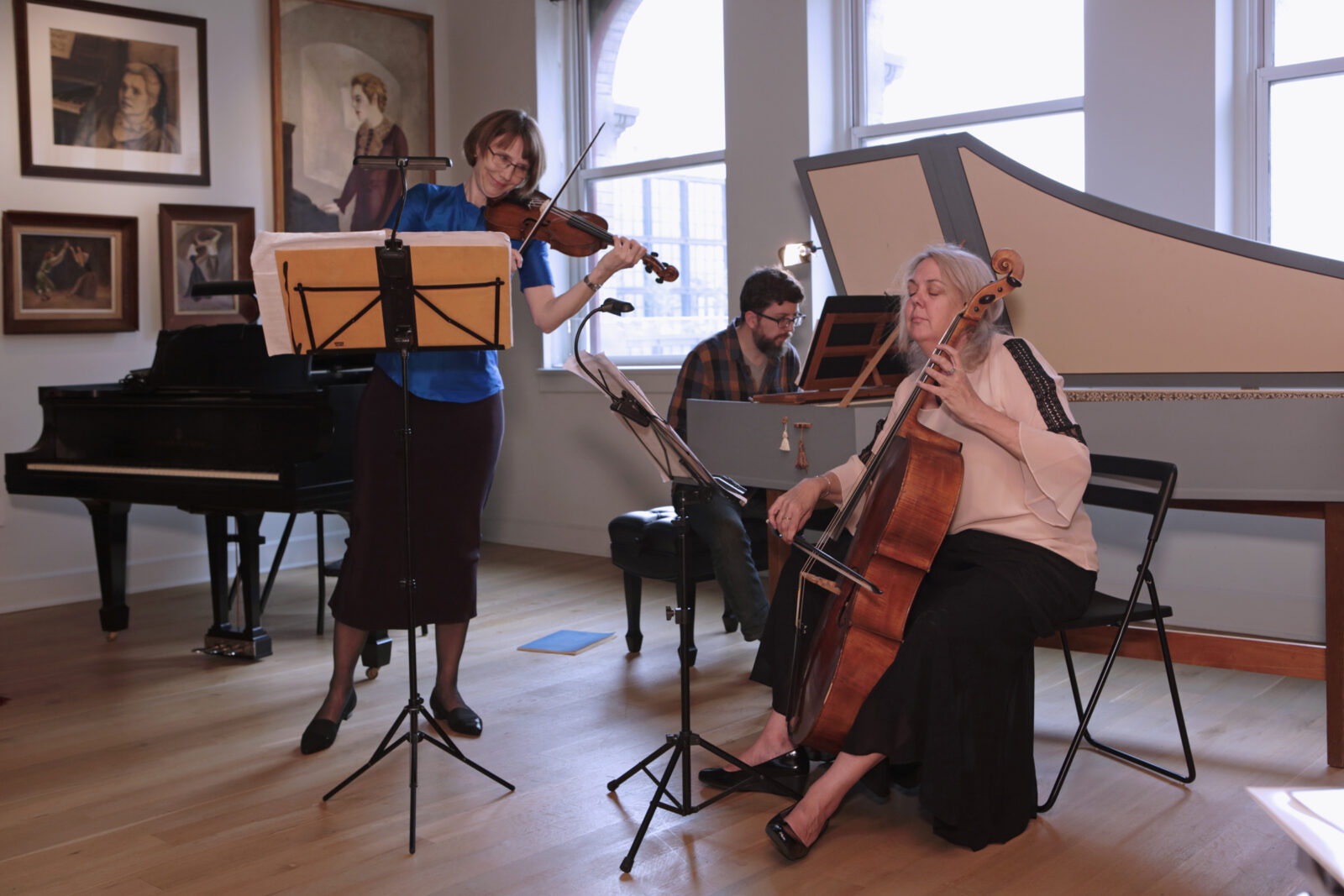
Meet ACMP’s Development Consultant, Amie Roosevelt
Amie Roosevelt joined ACMP's staff as our first-ever Development Consultant in January 2026. She has enjoyed a long and varied career as a violinist, with a primary focus on historically informed performance. I hope you all will meet and even get to play with Amie. But until you do, you can get to know her and her fascinating story by reading this interview from August 12, 2026.Read More ↗
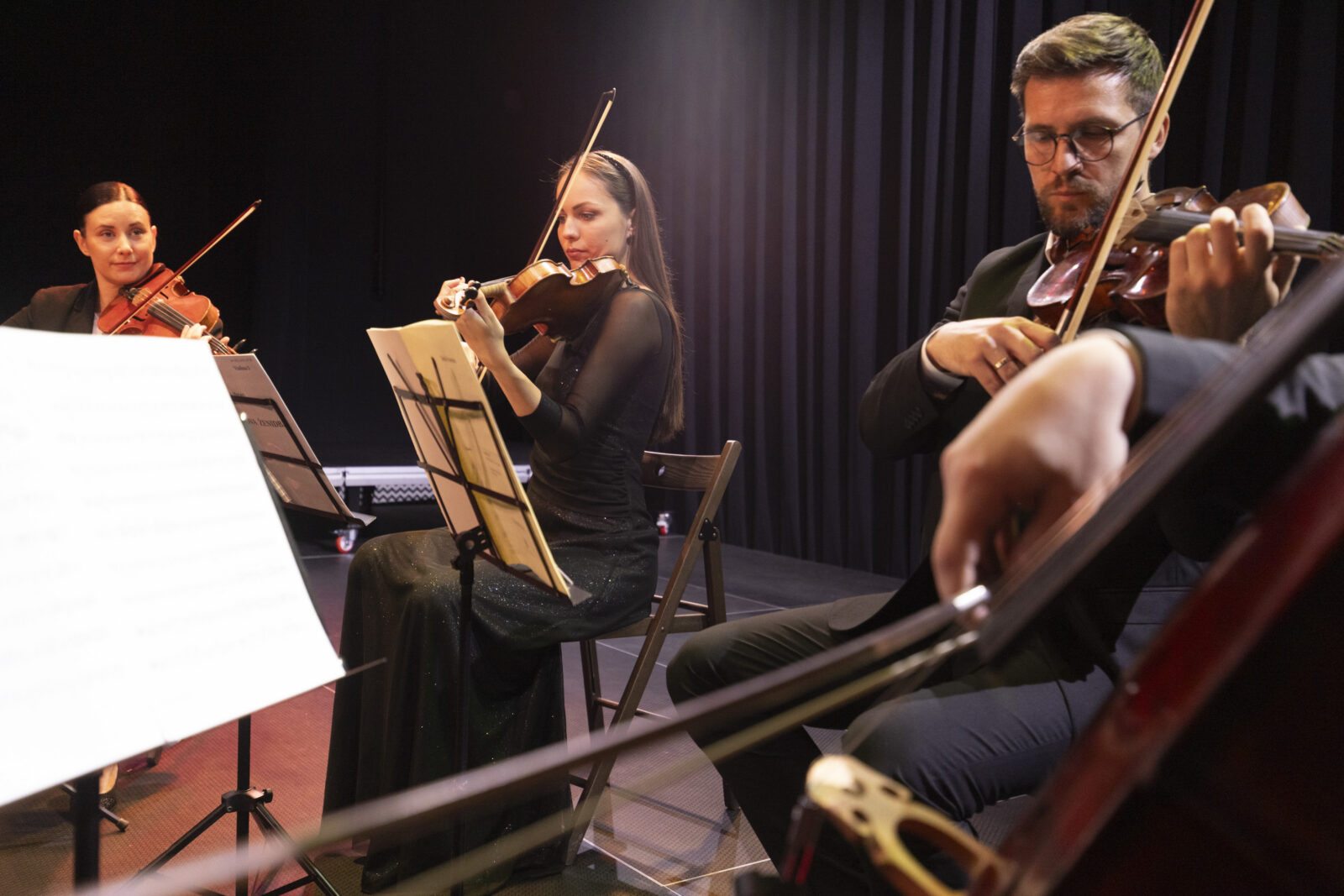
Make Chamber Music Part of Your Fall at 92NY
For many musicians, chamber music is as much about connection as it is about repertoire—the shared experience of listening, collaborating, and discovering new musical perspectives together. At the 92NY School of Music, two chamber music programs offer welcoming entry points into that experience this fall: Chamber Music Reading and Chamber Music Coaching & Performance. Whether you’re picking up your instrument again, looking to meet fellow players, or hoping to deepen your ensemble work, both programs are designed to bring musicians together in a supportive and engaging environment.Read More ↗
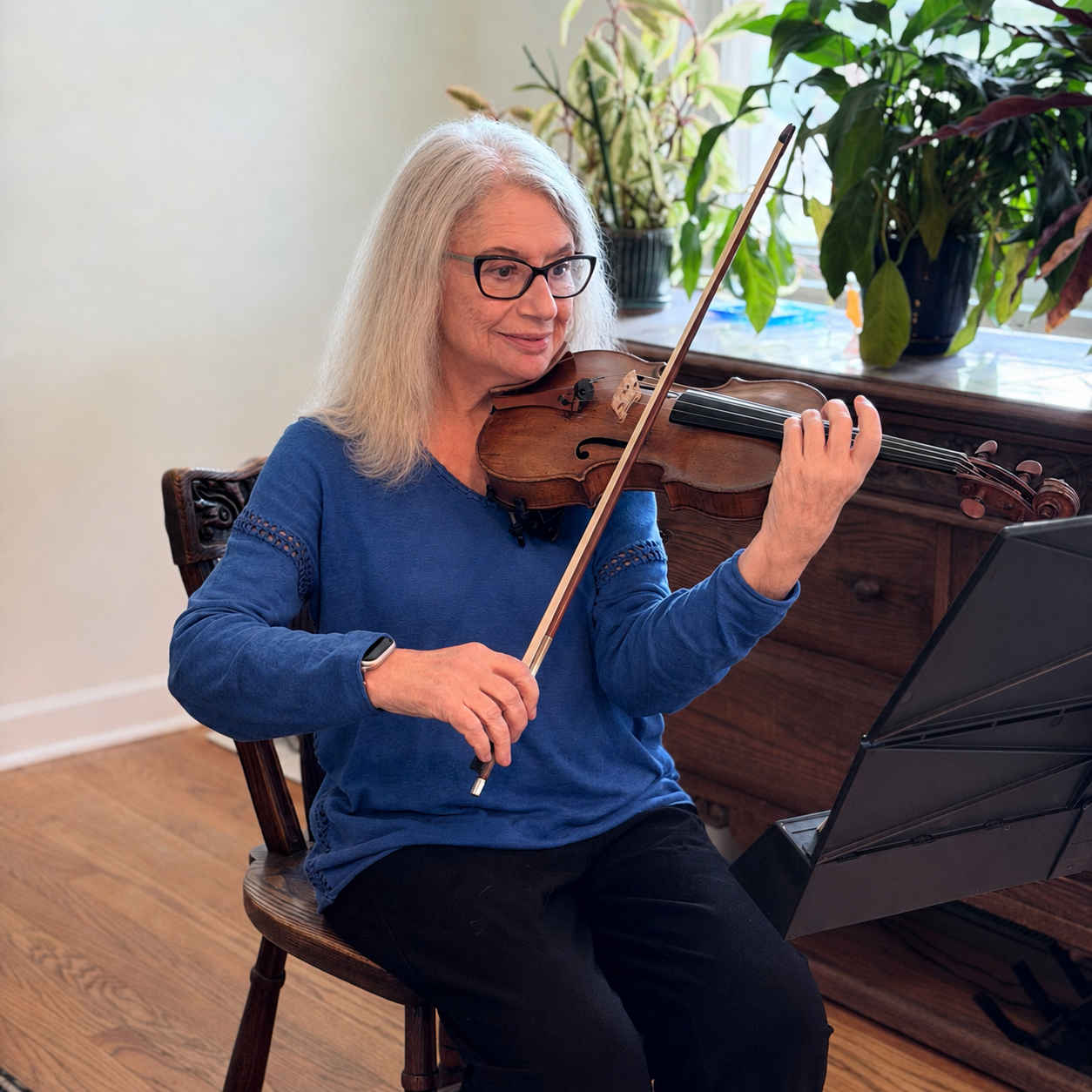
Member of the Month, August 2026: Alison Edwards
There aren’t too many people who come to a professional crossroads before they turn 13. But Alison Edwards faced such a moment. She had taken up the violin at age seven with none other than Dorothy DeLay as her teacher. But indeed, Alison had another calling. Inspired by social justice movements of the 1960s, she became a civil rights lawyer, eventually serving in the appellate division of the Cook County Public Defender’s office. After 25 years working and raising a family, she picked up her violin again and launched on a lifelong chamber music adventure.Read More ↗
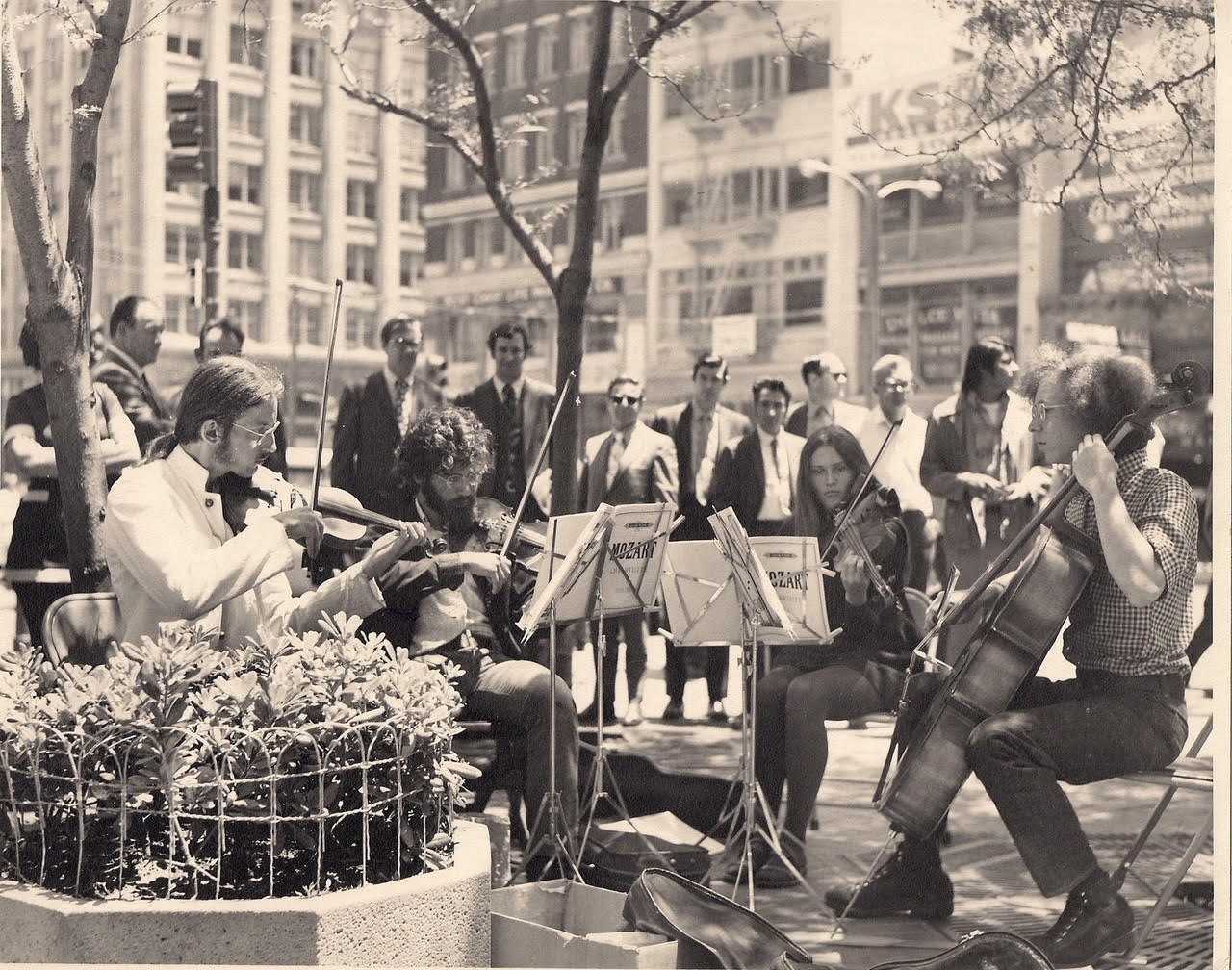
After 56 Years, the Bond of Chamber Music Endures
Cellist David Pearl and violinist/violist Gary Chanan played quartets together in the streets of San Francisco in the early 1970s. 56 years later they are playing together again in New York City...they reconnected through ACMP!Read More ↗
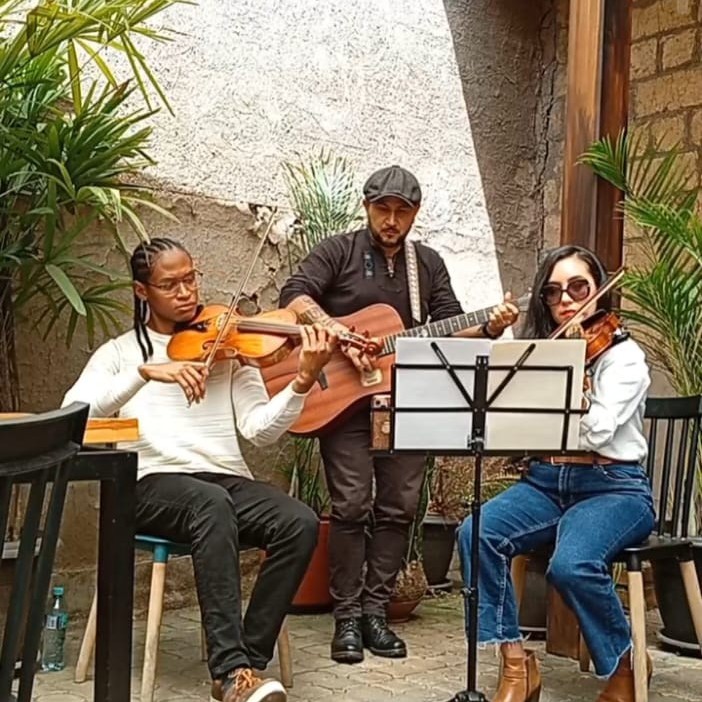
Coffee Shop Performances, Coffee-infused Repertoire
ACMP's intrepid cellist Tom Cappaert is at it again - this time with a story about ACMP members in Ecuador and Spain who organized chamber music in coffee shops, inspired by Tom's endeavors.Read More ↗
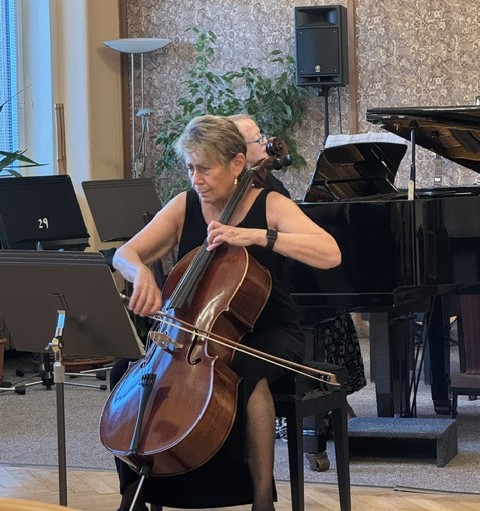
Member of the Month, July 2026: Sara Langbert
A self-proclaimed “total New Yorker”, cellist Sara Langbert graduated from Music and Art and continued her musical education at Queens College in her native New York borough. But like many ACMP members, she would put her cello aside as she managed the demands of raising a family and pursuing a career in computers and technology. Now she's playing again and is an enthusiastic member of ACMP.Read More ↗
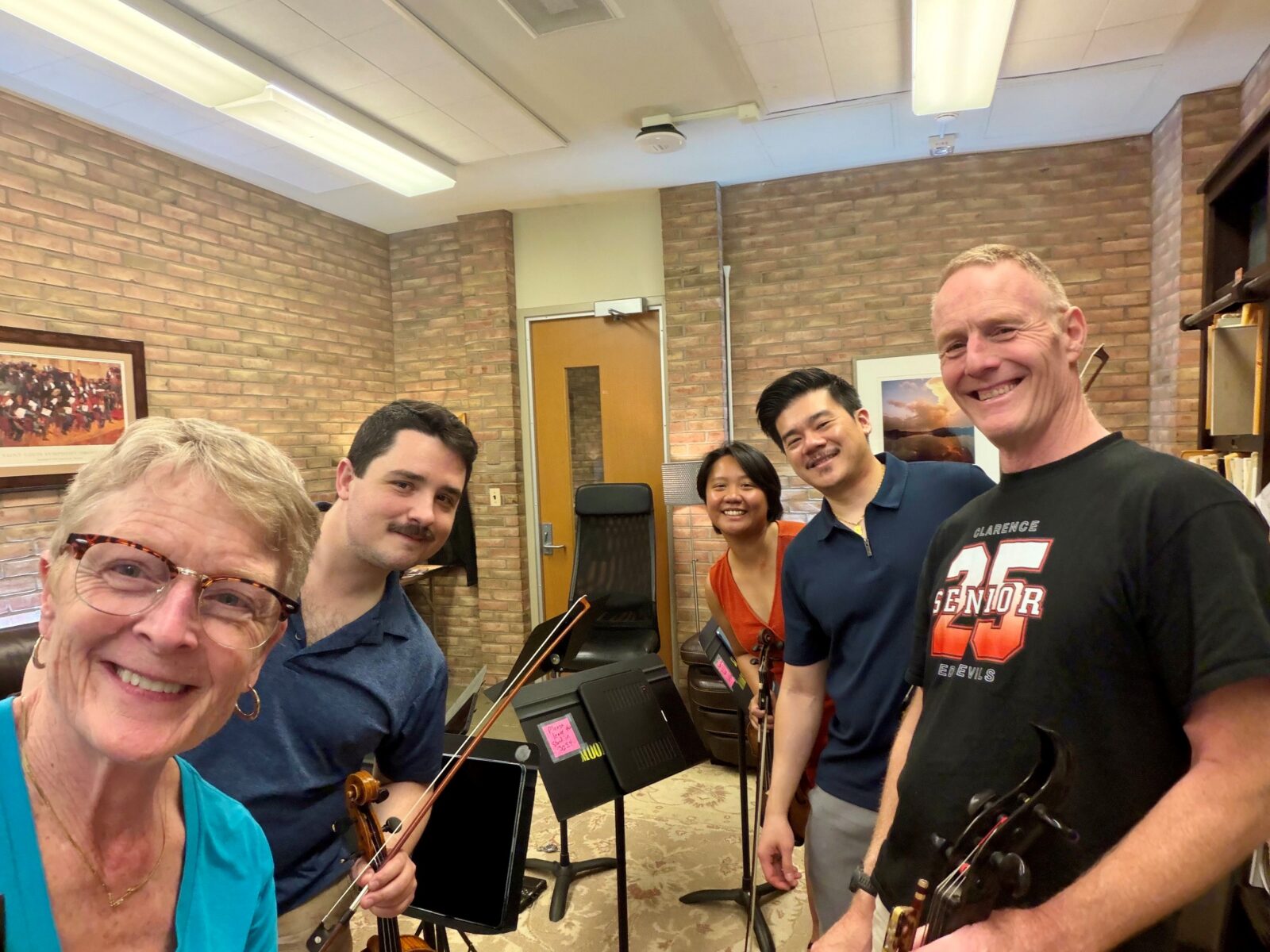
Around the World with ACMP’s Grants (Home Coaching and Play-in)
Over the last few weeks we have been asking members, participants, and organizers to tell us how our rolling grants have been useful to them and their communities. So let’s take a trip around the world and see what folks have to say about our Home Coaching and Play in grants.Read More ↗
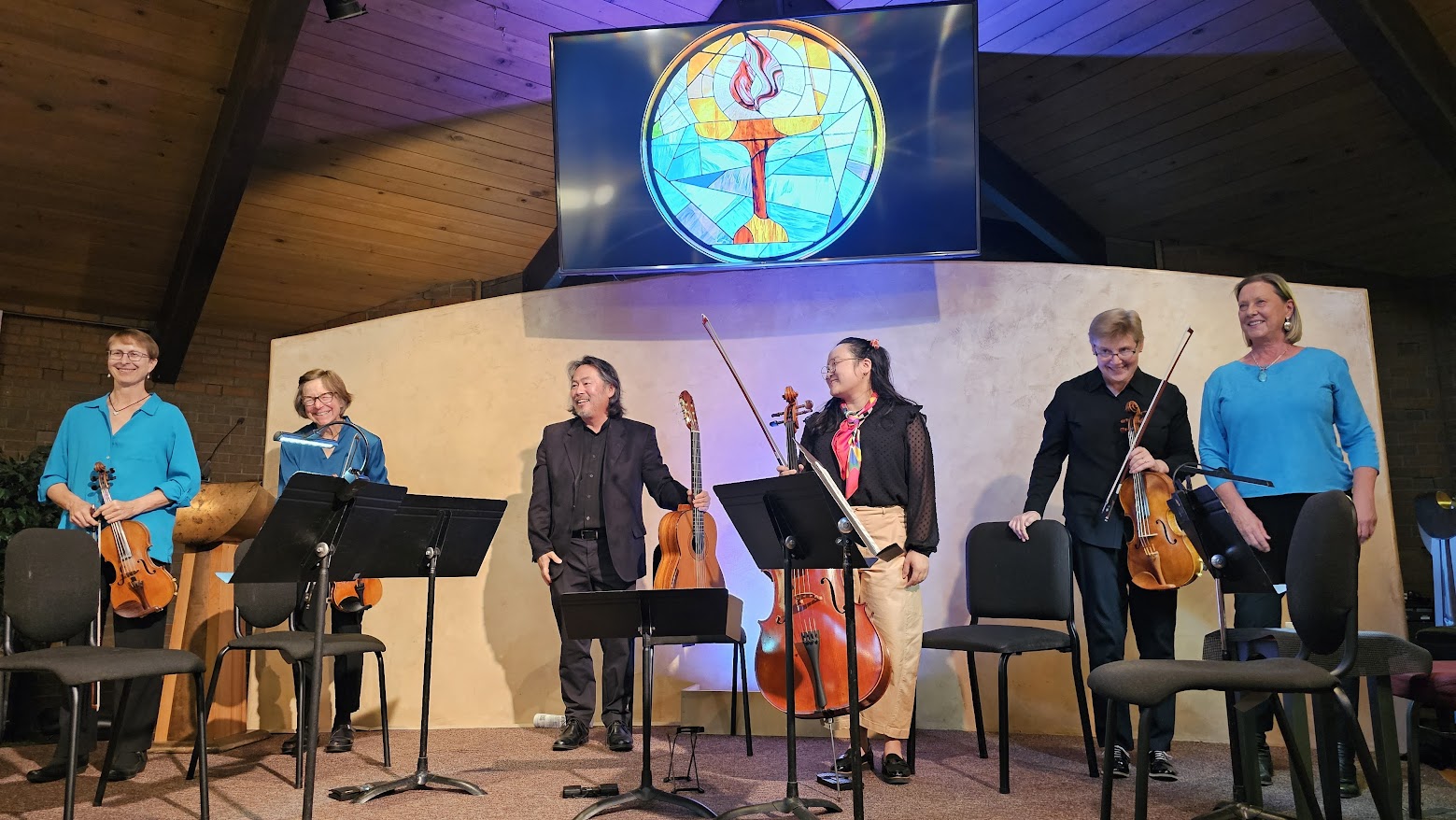
Around the World with ACMP’s Grants (Just Play and Impresario)
This summer, we’re hearing from ACMP members, participants, and organizers about how Just Play and Impresario grants have supported chamber music in New York, Italy, Canada, Colorado, and beyond.Read More ↗
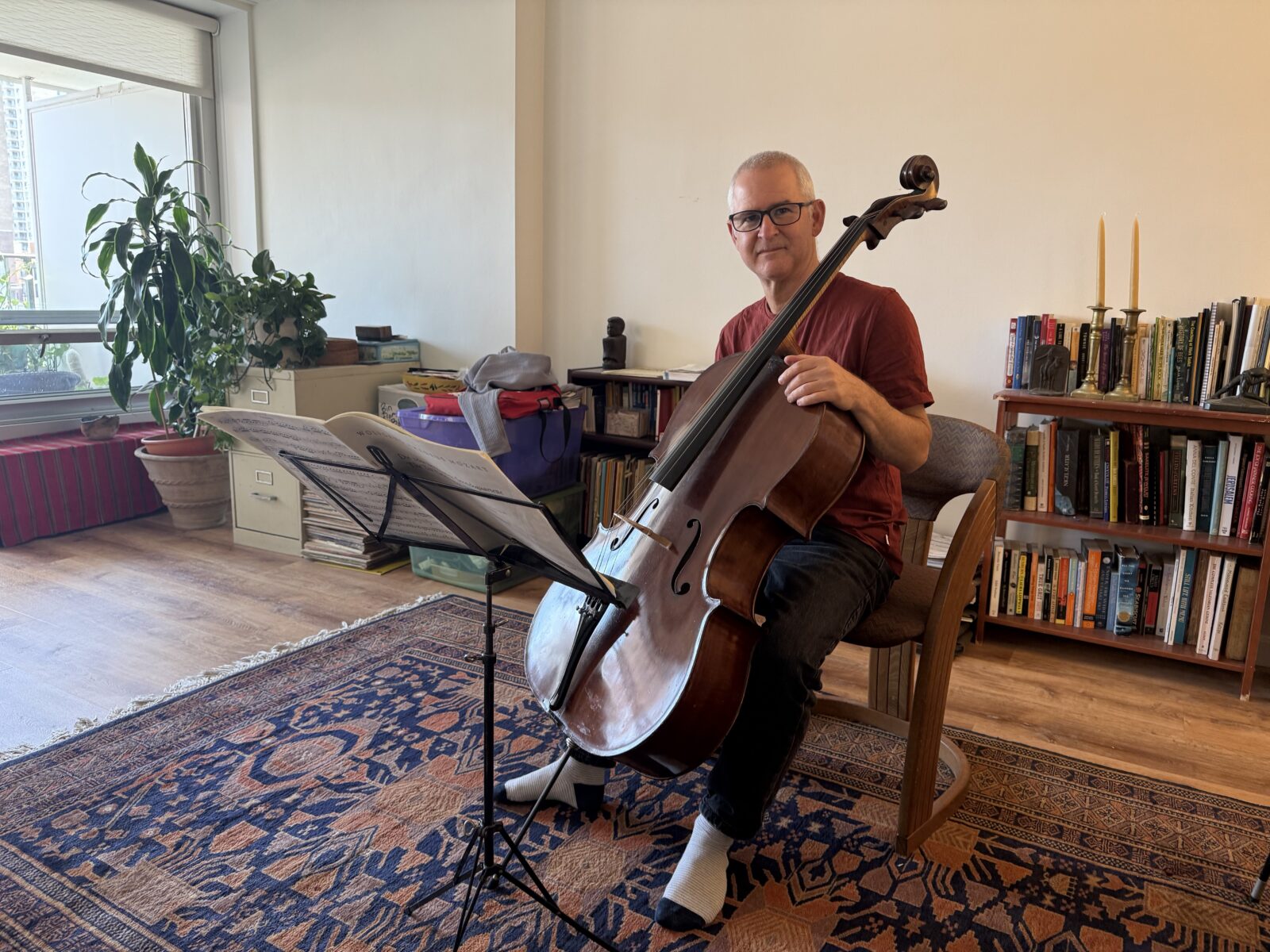
ACMP Member of the Month, June 2026: Yoav Segev, the flying cellist returns
It’s probably easy to spot Yoav Segev at the airport. He’s the guy in the pilot’s uniform with the cello on his back. Yoav, you see, is the Flying Cellist, a globe-trotting pilot for El Al Israel Airlines who plays chamber music during his layovers in far-off destinations. Read Bob Goetz's interview with Yoav.Read More ↗
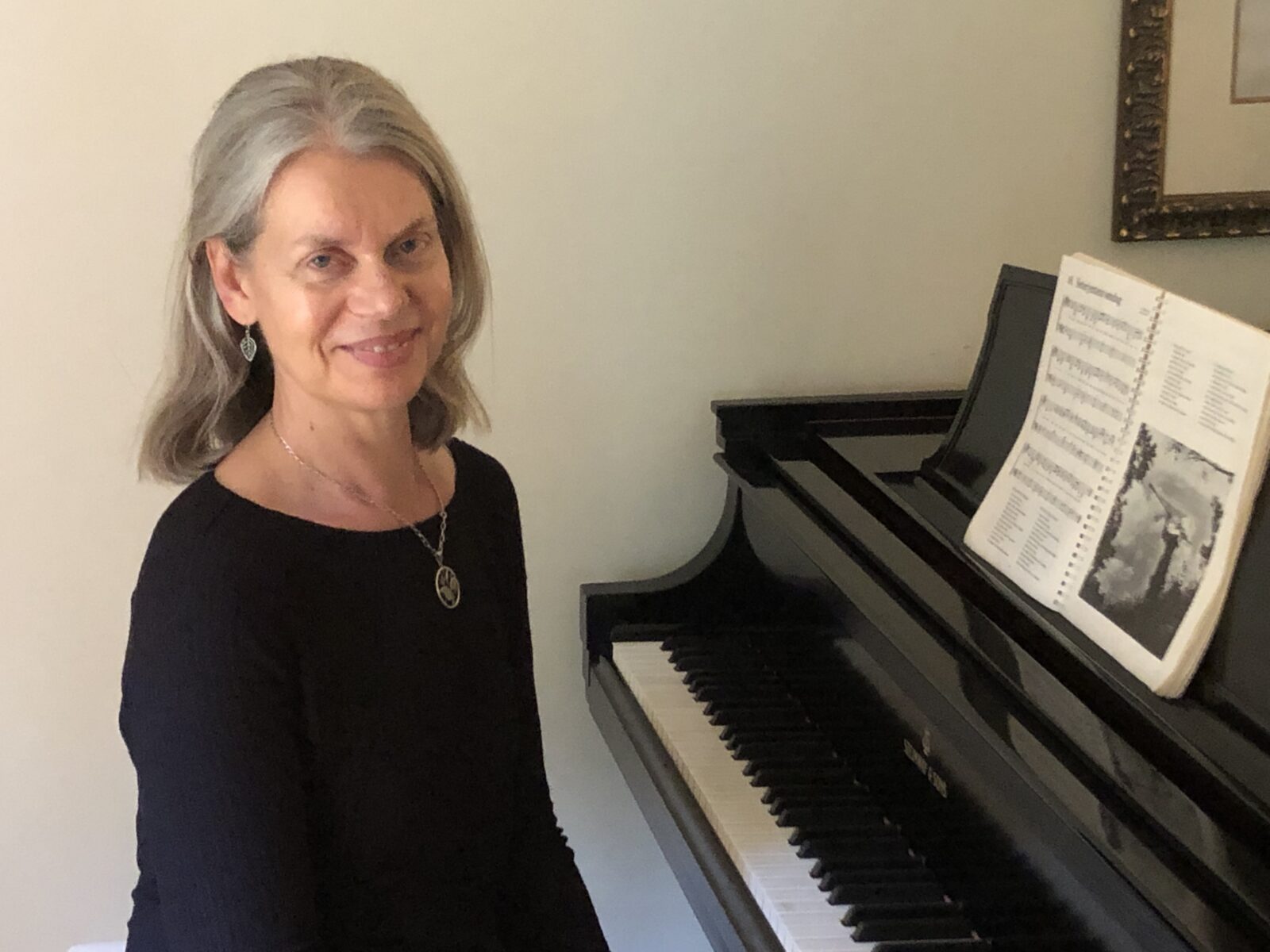
International Spotlight: Kristin Saltonstall in Panama
Kristin Saltonstall comes from a longstanding ACMP family and has been a member of ACMP for as long as she can remember. As a molecular ecologist, she works for the Smithsonian Tropical Research Institute in Panama, where she has forged a new musical life for herself and enjoys the natural beauty that Panama has to offer.Read More ↗
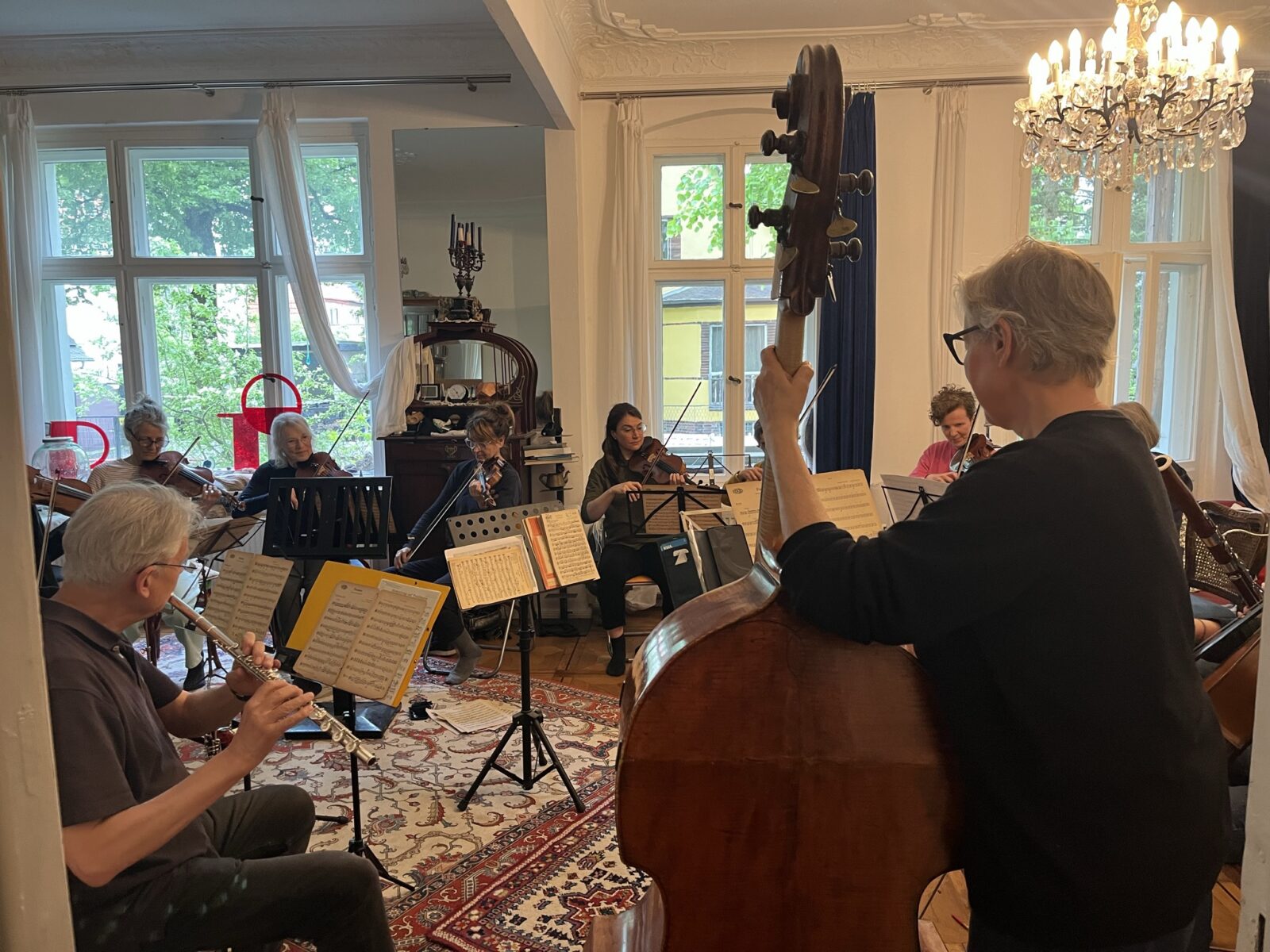
Springtime Extravaganza Light Music Orchestra on May 9, 2026, in Berlin-Karlshorst
Fifteen musicians followed Gudrun Schnellbacher's invitation to a very special kind of play-in – to play in the Springtime Extravaganza Light Music Orchestra. Read the article in English or in German.Read More ↗
Load More
All Articles By