Put a flute on it! Arrangements of Haydn string quartets for flute and string trio
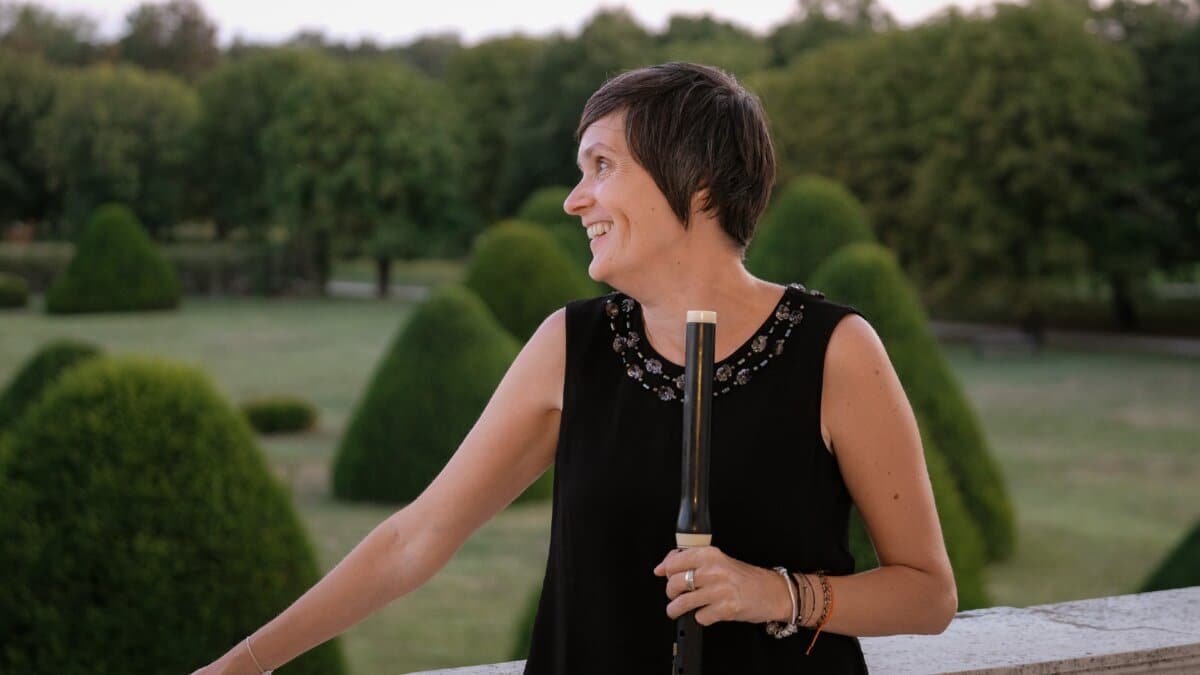
In celebration of both Haydn’s birthday and wind chamber music this month, I was reminded of an inspiring recording that some friends made back in 2001: Ensemble Campanile performing Haydn string quartets from Opus 20 arranged for flute and strings on period instruments.
Here is a YouTube playlist for the Campanile Ensemble’s full album:
I find this transcription works really well: the flute (replacing the 1st violin) brings a beautiful new color to the ensemble, and its unique timbre makes the counterpoint easier to follow. On period instruments, the wooden transverse flute creates a lyrical, warm sound that complements the gut strings. In the last movement especially, the flute’s speedy agility contrasts beautifully with the more earthy texture of the lower gut strings.
Arranging music for different instrumentations was common in the 18th century as three trends converged:
- chamber music at home was a popular form of entertainment
- music publishing was a thriving, profitable business
- public concerts were still relatively rare, so the latest symphonies and operas couldn’t be easily heard by everyone
The most common transcriptions of chamber music in Haydn’s time were symphonies and operas distilled into smaller ensemble versions so amateur players could perform the latest thrilling music at home. Music publishers capitalized on these trends by offering several chamber versions of the latest hits. This also created an outlet for highly skilled female players (who were not permitted to play in symphony orchestras) to play a version of the music that male professionals performed.
But there were also many transcriptions of chamber works for various instrumentations. Haydn’s six published flute quartets (Opus 5), for example, involved a marketing ploy: they were not originally written by Haydn as flute quartets, and several were composed by other, less famous composers, but were marketed as Haydn’s works for better sales. And this wasn’t scandalous: the copyright litigiousness of today did not exist in the 18th century.
Ensemble Campanile’s decision, back in 2001, to arrange three of Haydn’s ground-breaking string quartets for flute and strings was something that might well have been done in the 1770s. Then, as now, it was likely a combination of musical chemistry and a strong intuition that this music would be compelling to audiences in a different version than the original.
If you would like to try this at home, there are arrangements by Andreas Eichhorn published by the Swiss publisher Edition Kunzelmann of Op. 20 No. 2 and Op. 20 No. 5 available for purchase at SheetMusicPlus (and also through Presto Music in the United Kingdom.) Marshall Tuttle also made arrangements of all six opus 20 quartets and uploaded them to IMSLP: Op. 20 No. 1, Op. 20 No. 2, Op. 20 No. 3, Op. 20 No. 4, Op. 20 No. 5, and Op. 20 No. 6. NOTE: The hyperlinks take you to the whole IMSLP page for each piece; to find these arrangements, click on the “Arrangements and Transcriptions” tab.
I hope you give this recording a listen and are inspired to try arrangements that are suitable for the friends you play music with!
More Articles
What I learned from wind players
ACMP Executive Director Stephanie Griffin reflects upon her personal experiences working with wind players as a violist and composer. All of us musicians can learn so much by listening to and especially playing with musicians who produce sound in a completely different way than we do!Read More ↗
Interview with Joe Wilson and Edward Guo
ACMP member flutist Joseph Wilson has been actively adding to the chamber music repertoire for flute, by making original arrangements and transcribing parts and scores from manuscript, and uploading them to IMSLP. Watch the video of him in conversation with Stephanie Griffin and IMSLP founder Edward Guo.Read More ↗

The Flute: Beloved of Amateurs
The flute has been a favorite of avocational musicians in the US since the colonial period. While most players are lost to history, many notable figures have played it, from John Quincy Adams to astronaut Cady Coleman.Read More ↗

My journey with the Fula flute
Flutist Sylvain Leroux recounts his adventures with the Guinean Fula Flute. He fell in love with the Fula Flute listening to a record in the early 1980s, and his journey led him to performing around the world, inventing new Fula Flutes with extended possibilities, and founding a school in Guinea.Read More ↗
Music for winds, strings and piano at the first Berlin Play-In of 2026
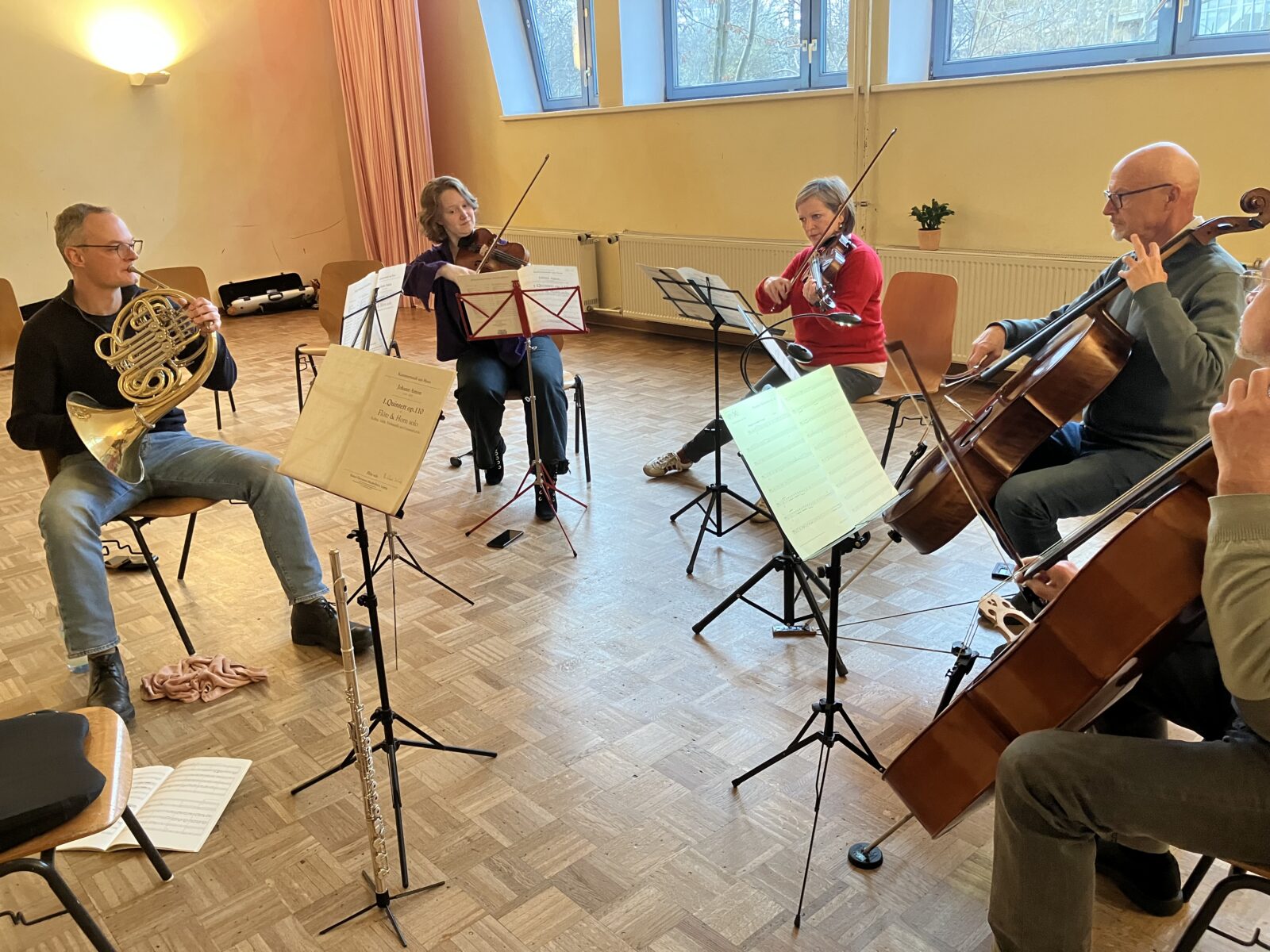
On March 14, 2026 seventeen chamber players gathered at the first Berlin Play-In of the year, made possible in part with the support of ACMP. They played a varied menu of chamber works for flute, oboe, horn, piano and strings.Read More ↗
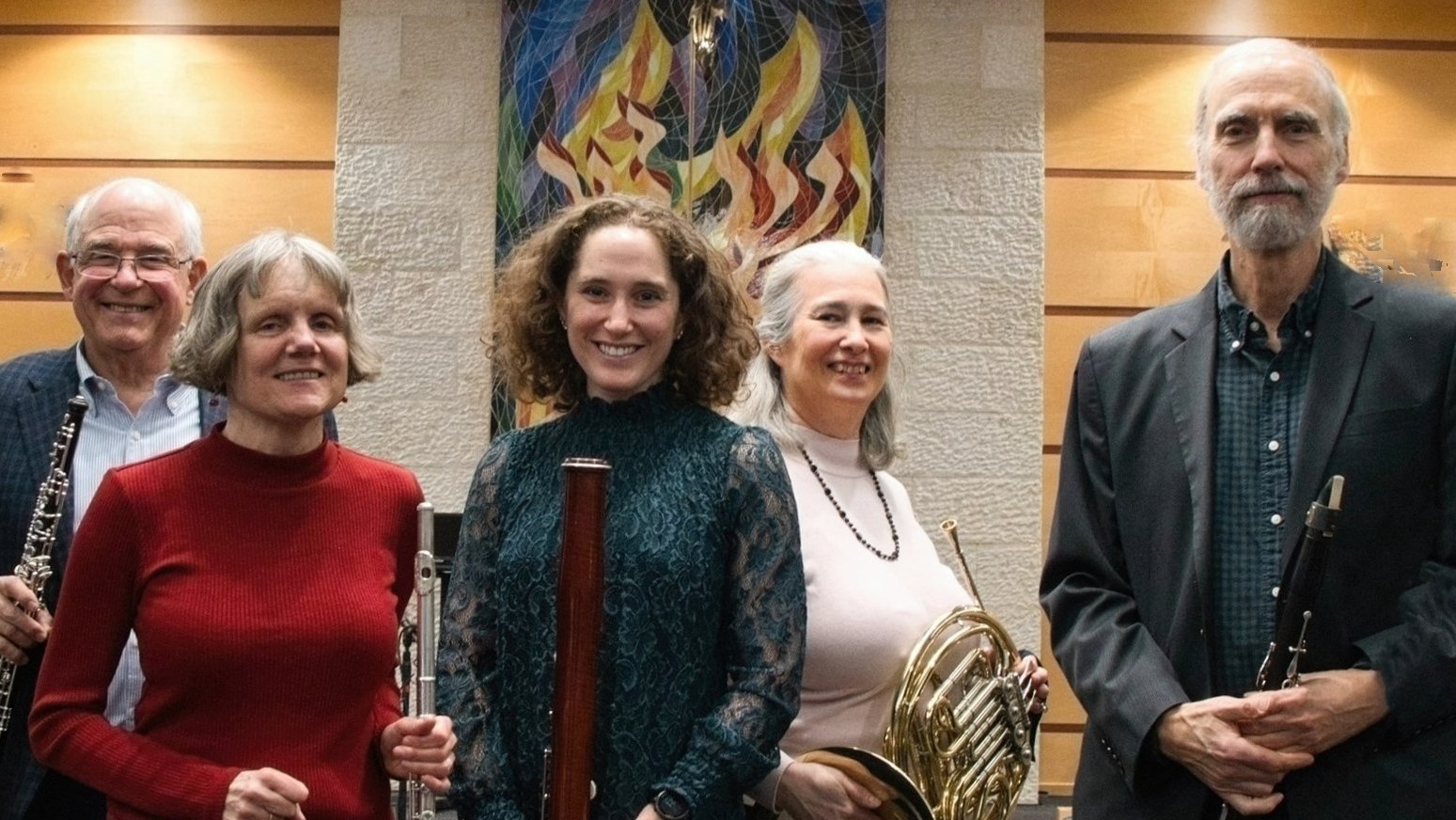
Chamber music, the Horn and Friends
There's more to chamber music with horn than just the standard wind quartets and quintets. Liz Dejean shares her favorite repertoire for horn combined with strings, piano and strings or other other winds, and larger ensembles.Read More ↗
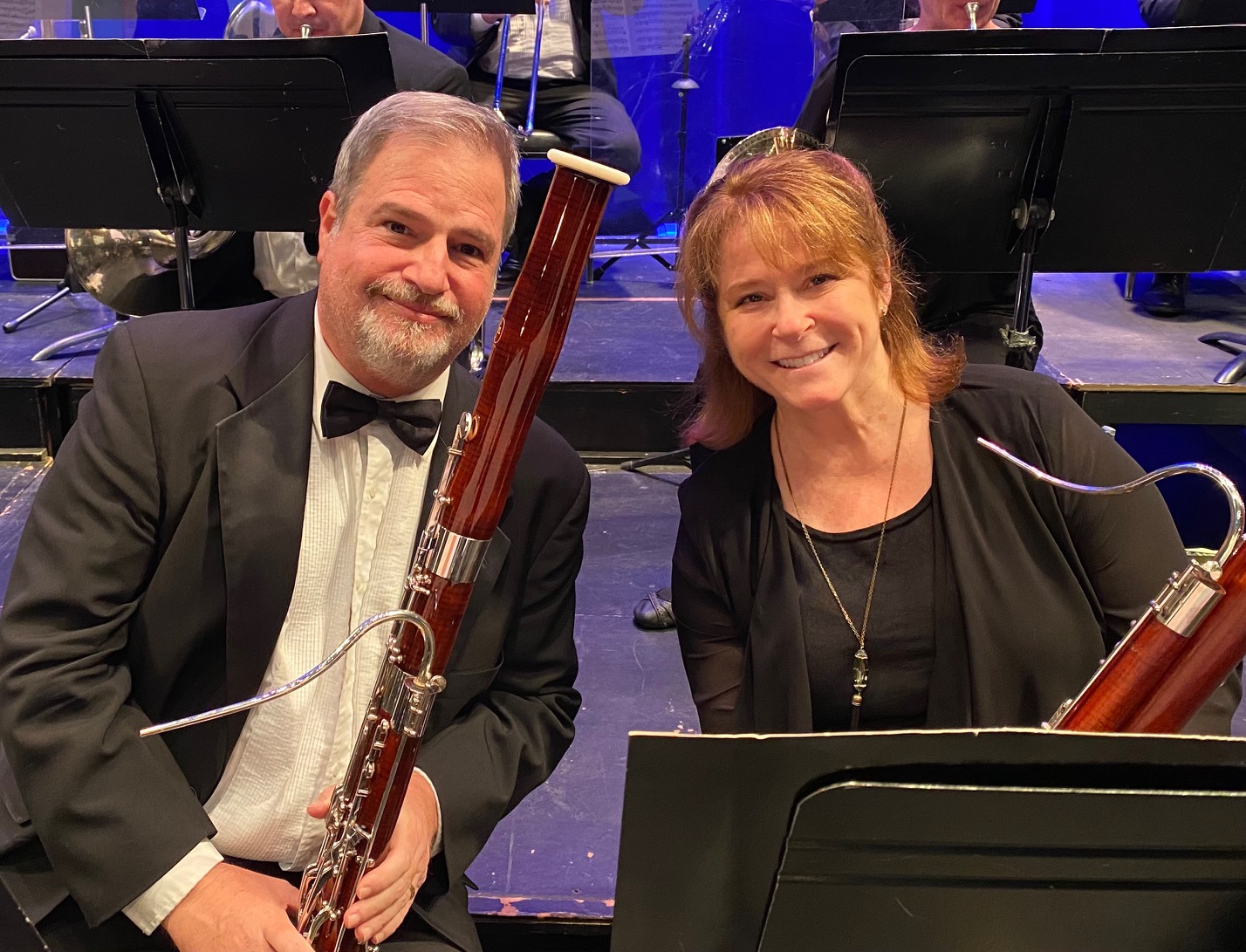
A Visit to Trevco Music
Bassoonist Chris Foss waxes poetic about his recent visit to the Trevco Music headquarters in Middlebury, Connecticut where one can browse the stacks of literally 1800 pounds of music for wind quintet, along with any chamber music you can imagine and lots of fun arrangements involving winds. You can even get a discount with a secret code!Read More ↗
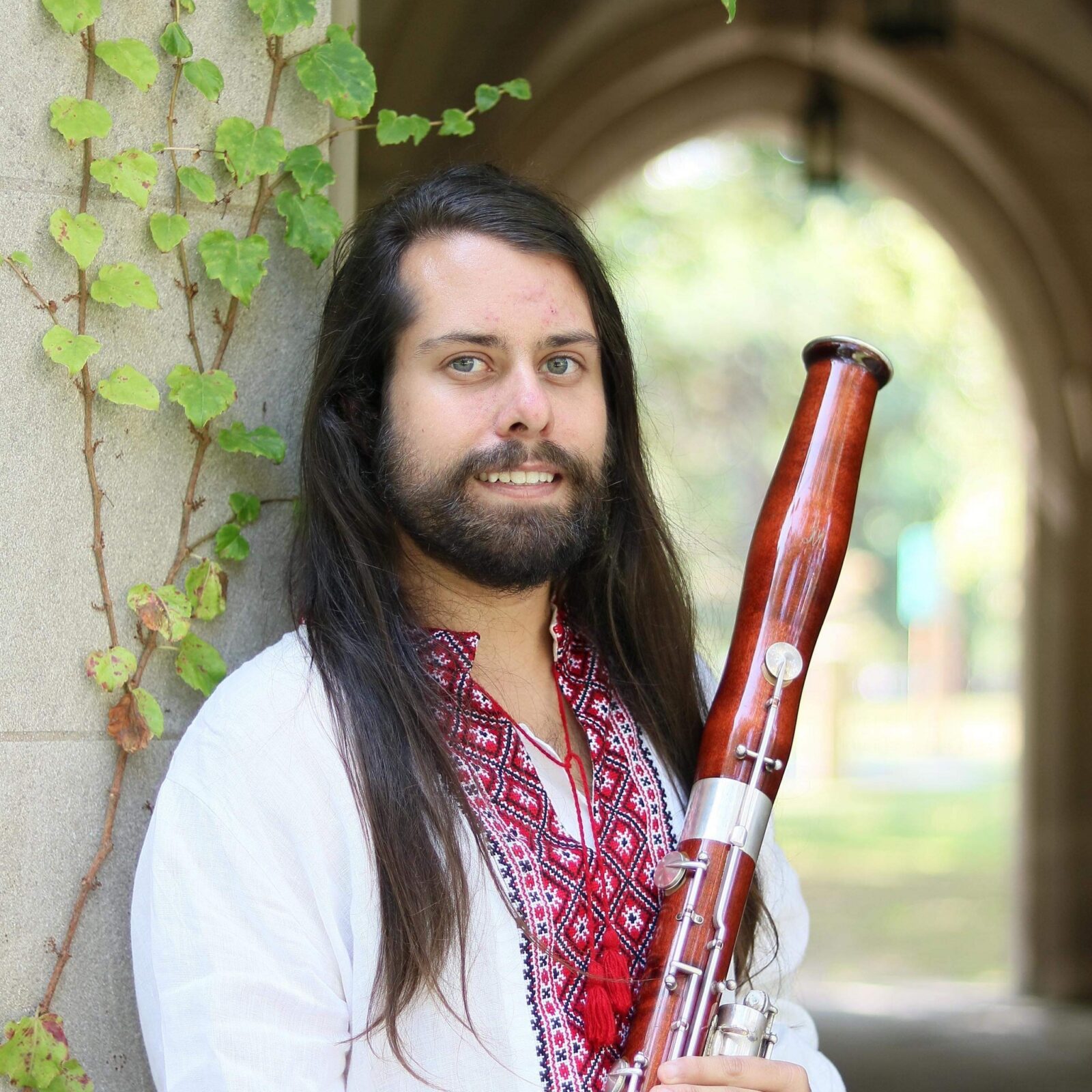
The Ukrainian Chamber Music Encyclopedia: a resource for wind players
Ukrainian Canadian bassoonist Zachary Senick has devoted his research and performance life to unearthing the vast catalogue of chamber music for winds and music for solo bassoon by Ukrainian composers. Explore the Ukrainian Chamber Music Encyclopedia and the offerings made available by Editions Plamondon.Read More ↗
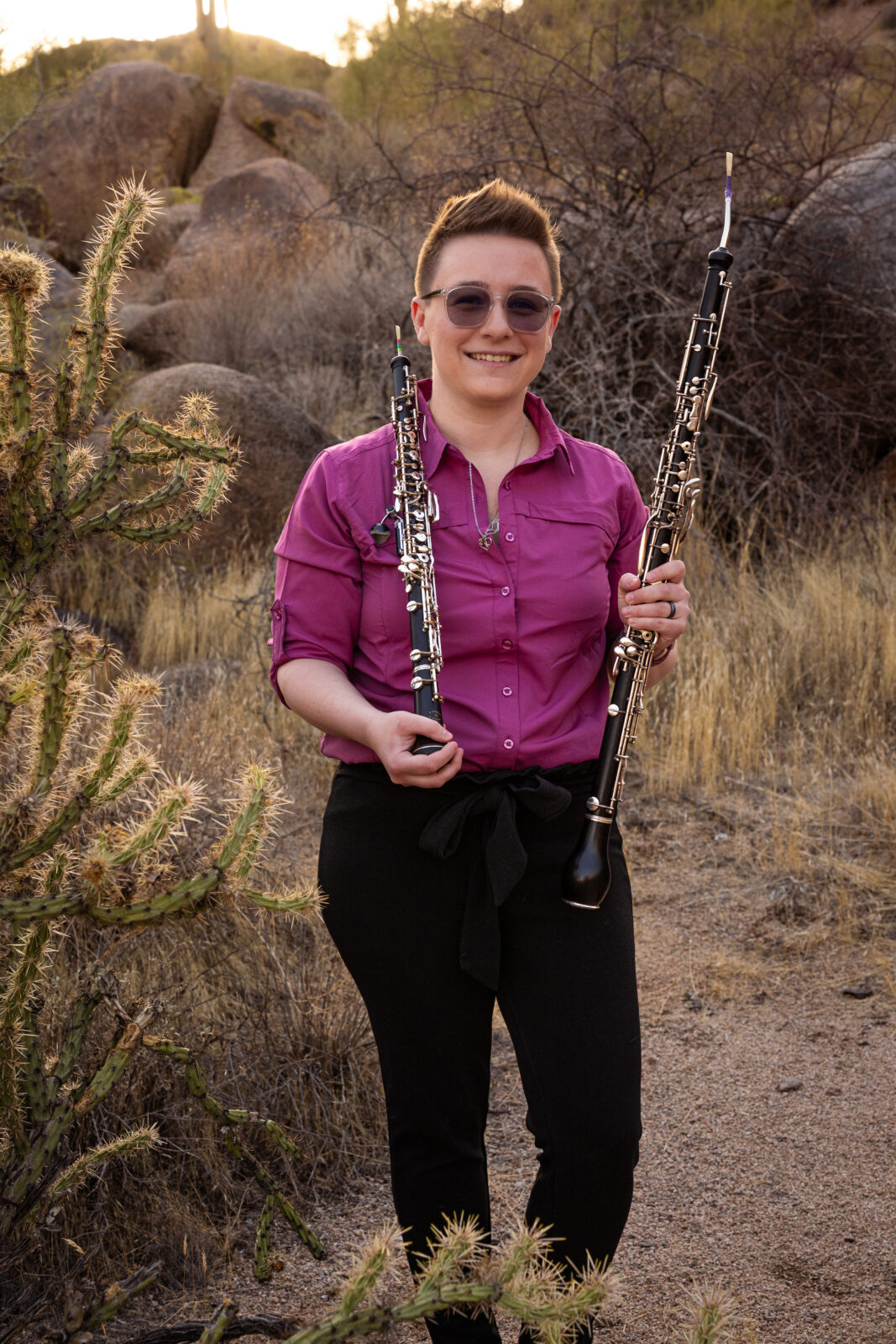
Chamber repertoire for oboe: a curated list
Oboist and scholar Dr. Kelsey Maes has shared her 60-page list of chamber music with oboe with ACMP. The list is organized by country, style and time period and is easy to navigate with hyperlinks in a detailed table of contents. Explore the list and discover new pieces to play with oboe!Read More ↗

Chamber music for bassoon: The George Zukerman Library
Throughout his long life, Canadian bassoon legend George Zukerman collected a huge library representing three centuries of bassoon repertoire. Concerti, chamber music, solo pieces – much of it hitherto unknown to the bassoon community. In tribute to this beloved Canadian musician, the Council of Canadian Bassoonists has digitized his collection and assembled this extensive online database.Read More ↗
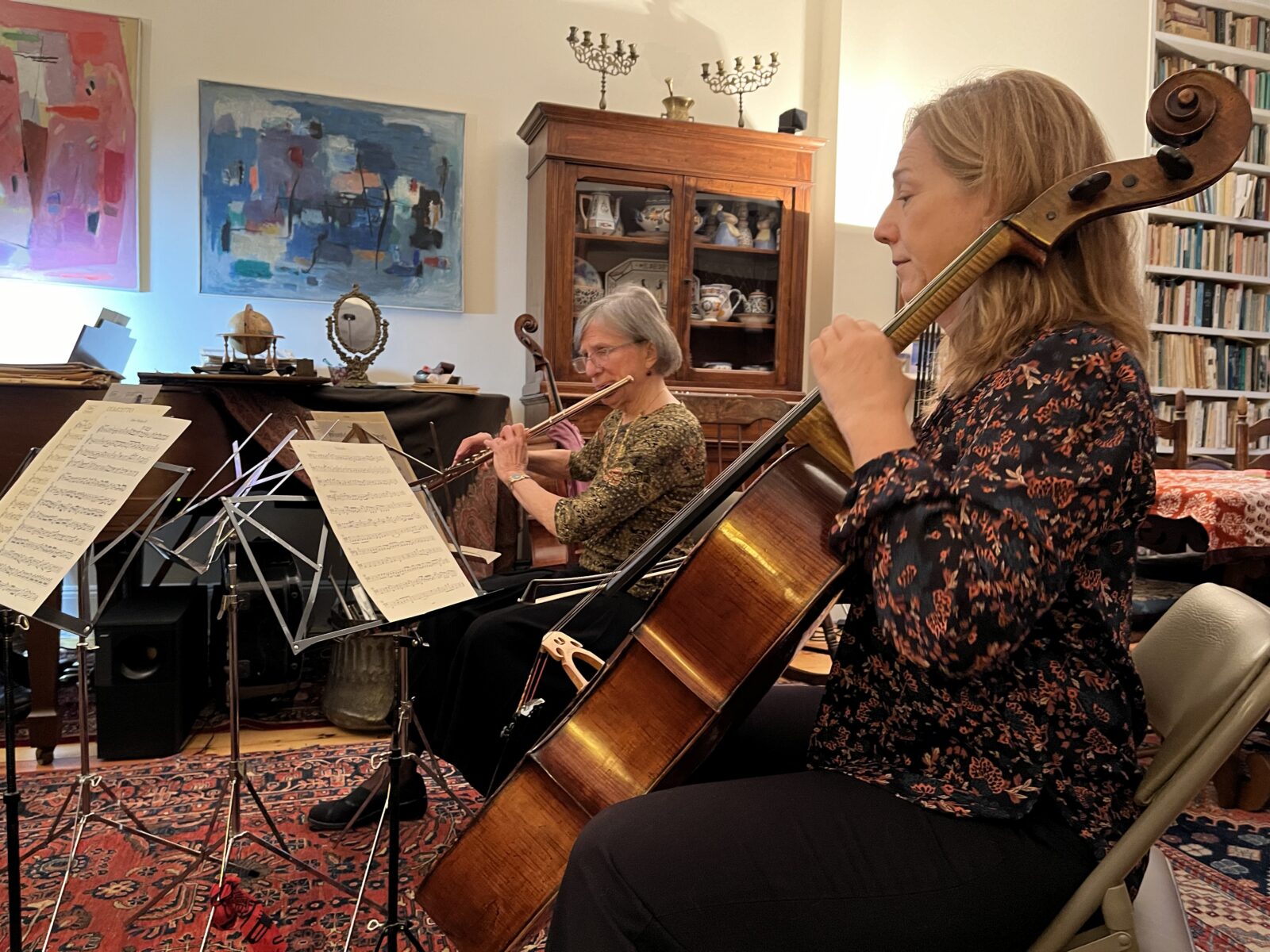
On coaching mixed chamber music with winds
Professional flutist Jayn Rosenfeld reflects on her experiences coaching mixed chamber music for winds with strings, piano and other instruments, and shares a list of her personal favorite pieces.Read More ↗
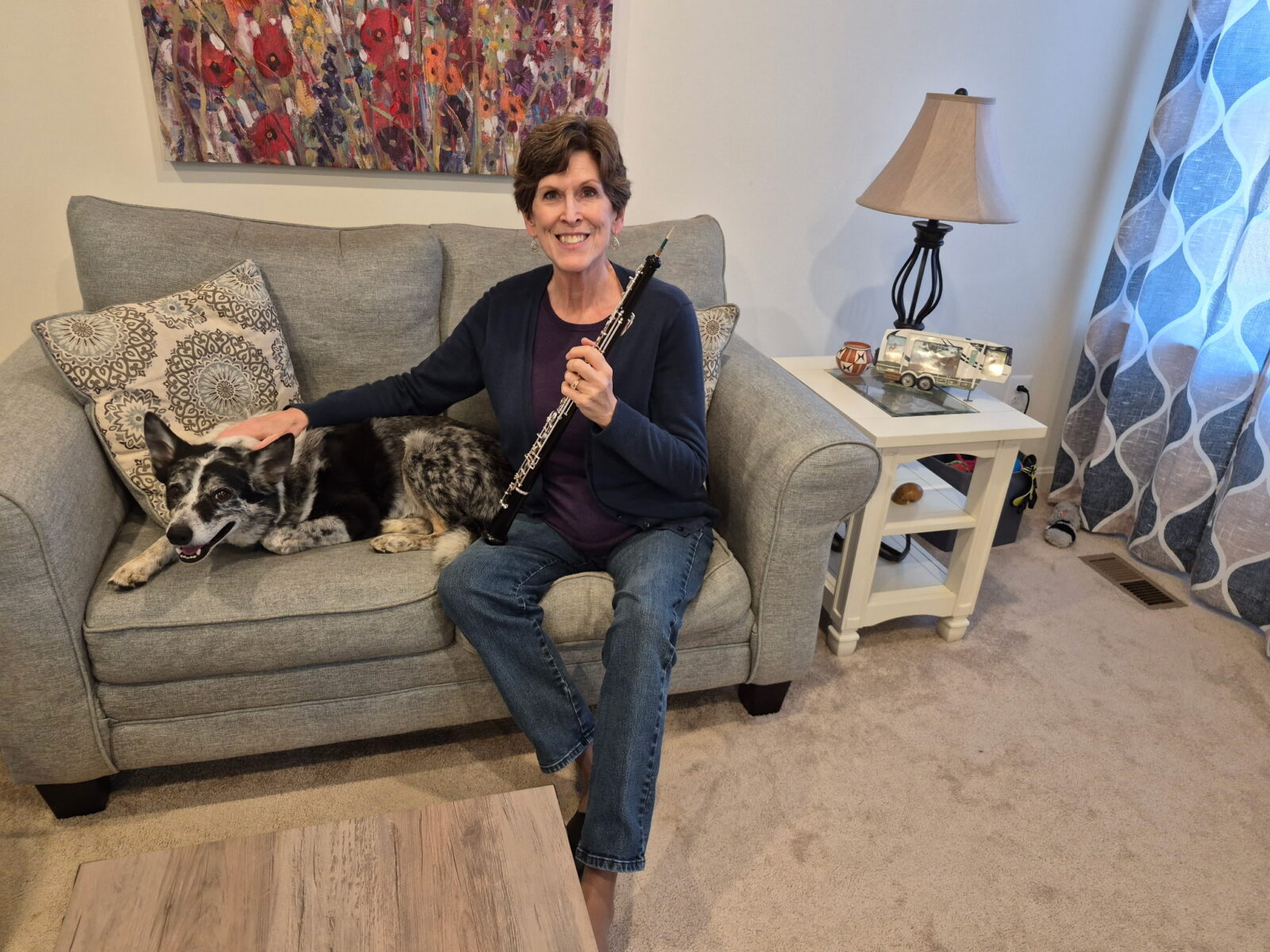
For this oboist, it’s not a job but a journey
After a long career as an association manager, Sally Finney Timm has more time to play oboe and helps others find an outlet by chairing the International Double Reed Society's Avocational Players Committee. Read Sally's story about how she fell in love with the oboe and kept it going over so many years.Read More ↗
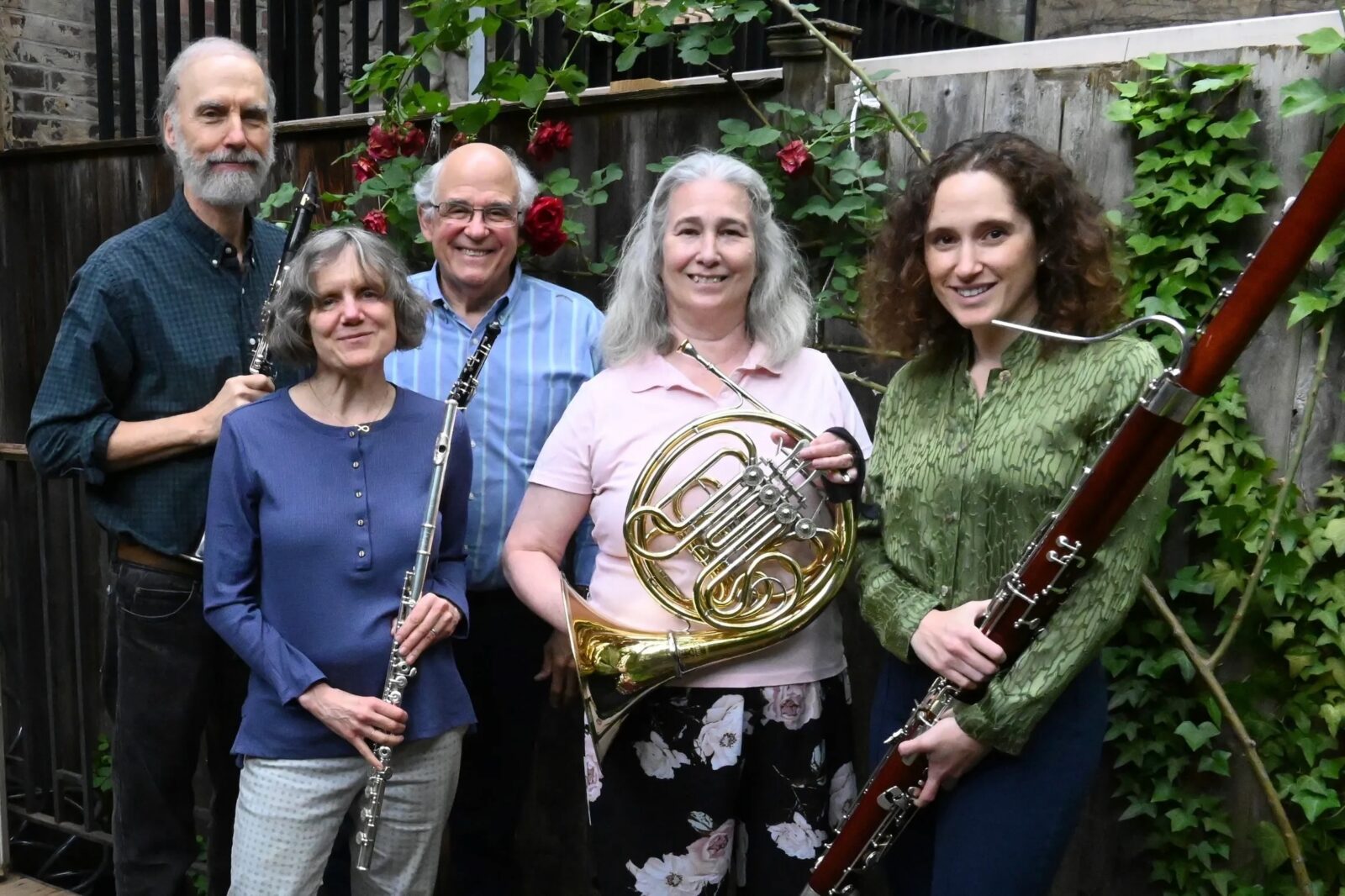
Wind players shine in the Broadway Bach Ensemble’s chamber concert
Every Spring the Broadway Bach Ensemble presents a chamber music concert featuring the orchestra's members and their friends in a wide range of small ensembles. Winds will come to the fore at this year's concert, at 7:30 on Thursday March 19 at Broadway Presbyterian Church in Manhattan's Upper West Side.Read More ↗
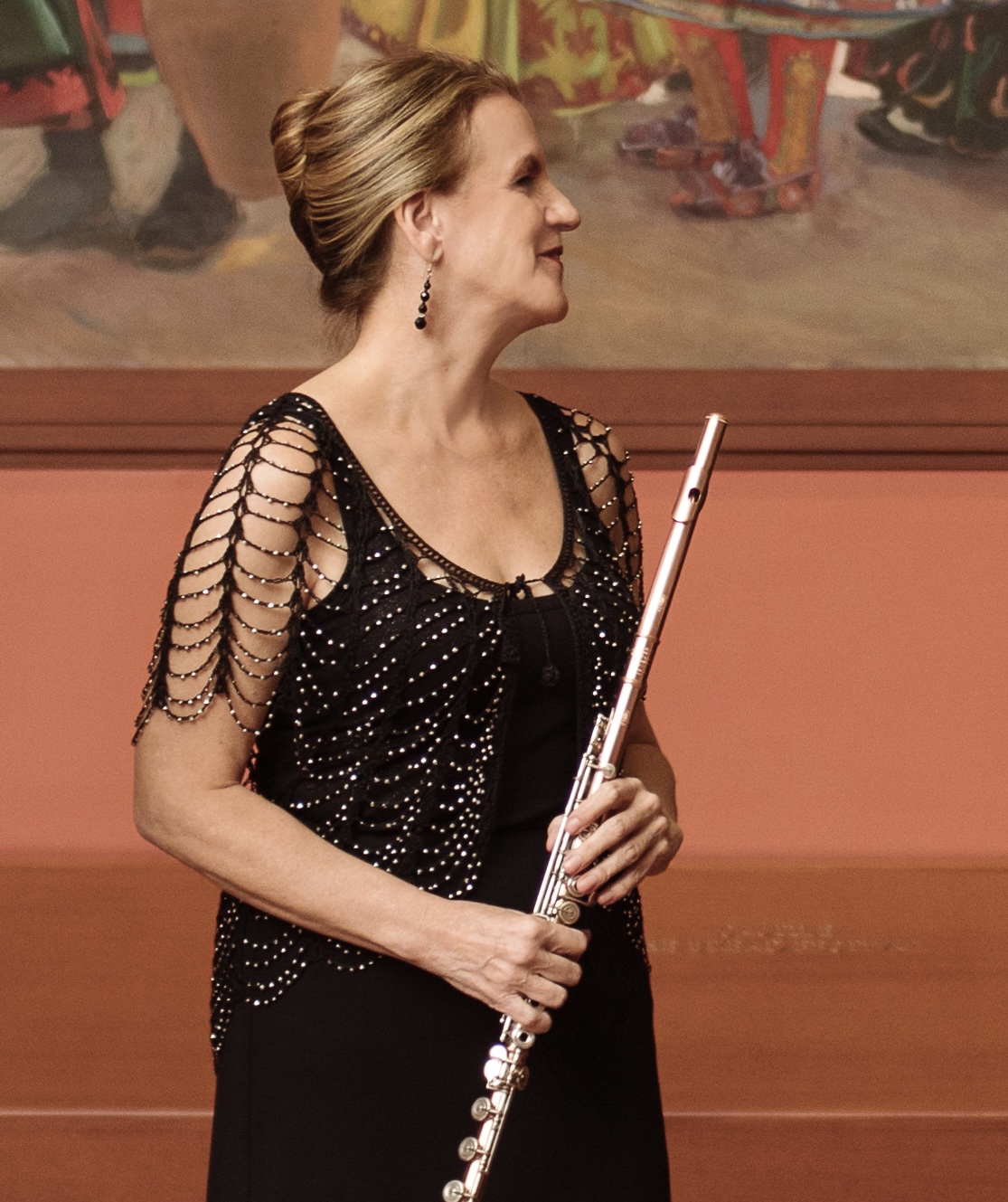
Meet the Musician: Flutist Svjetlana Kabalin (Sunday, March 29, 2pm ET)
Join ACMP for an interview and Q&A with Svjetlana Kabalin on founding and sustaining Sylvan Winds and expanding wind quintet repertoire.Read More ↗
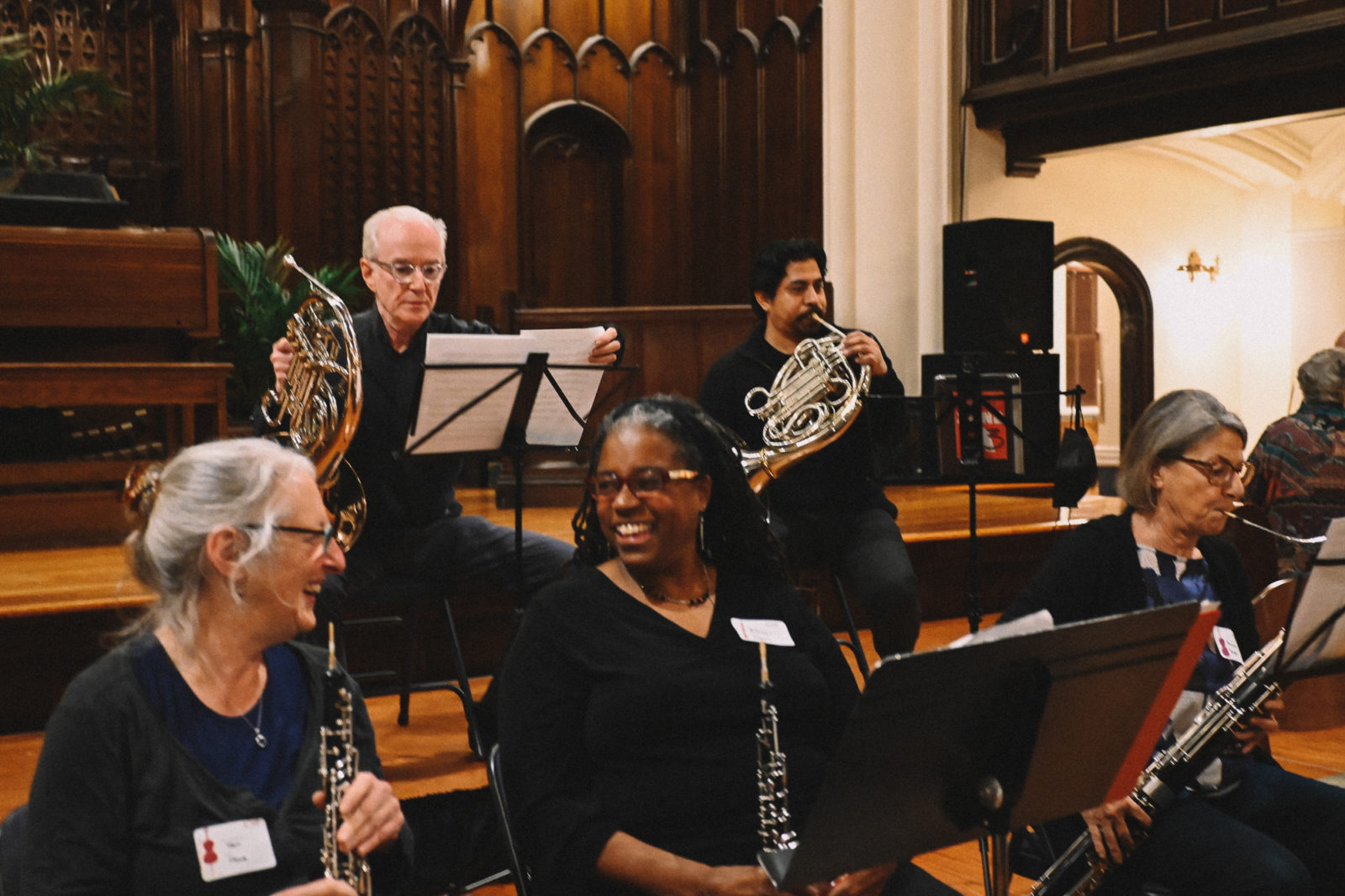
March Winds: Wind Chamber Music Appreciation Month
This March, ACMP is proud to launch "March Winds": Wind Chamber Music Appreciation Month! It's an international grassroots movement to expand the awareness and appreciation of the rich repertoire of chamber music including winds.Read More ↗
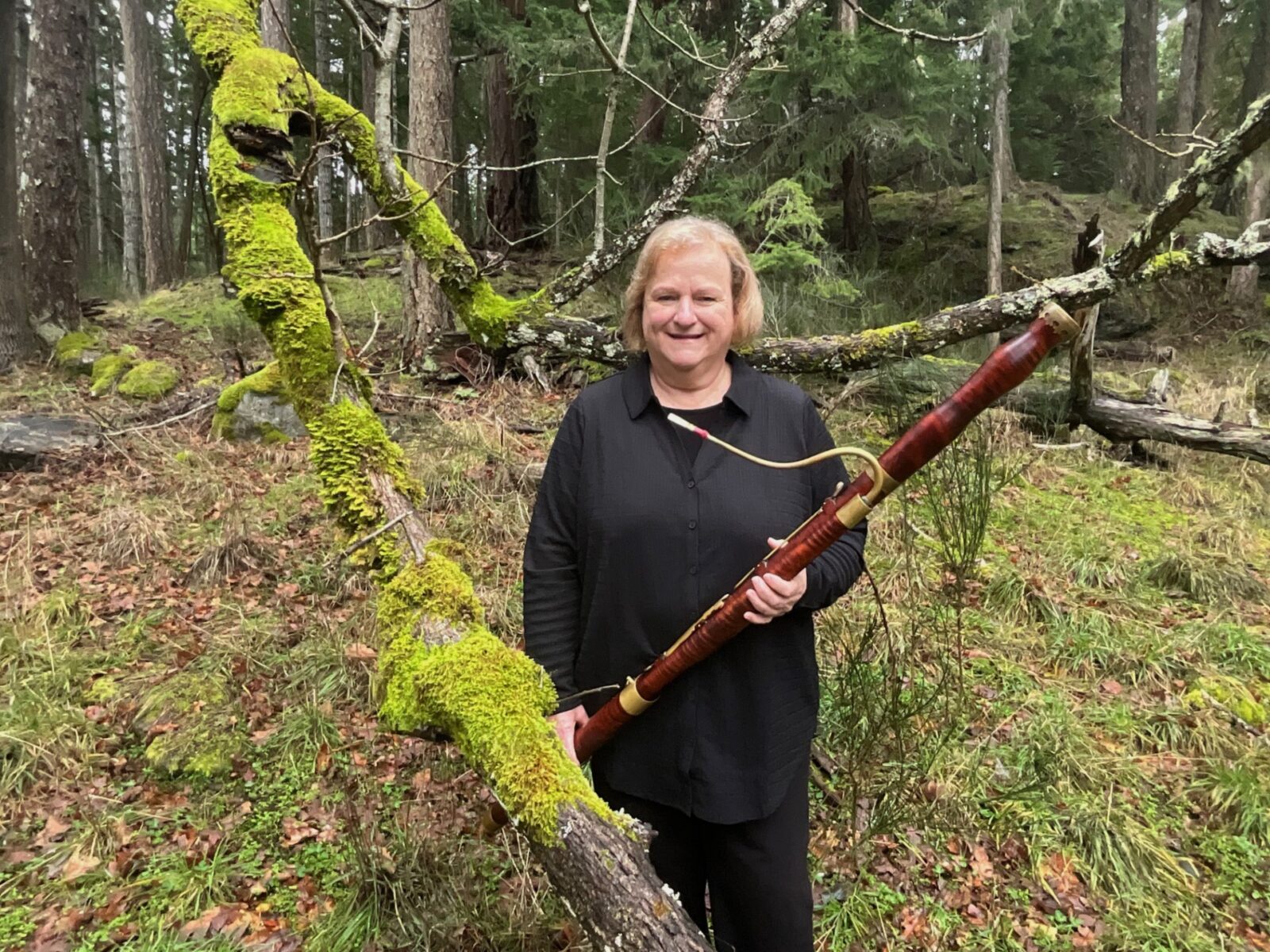
Kerry Graham: It’s never too late to learn the Baroque bassoon
At age 50, Kerry Graham was living what many would consider a rich and full life, working internationally as a chemical engineer and doing pretty well. But music, and especially the bassoon, kept tugging at her sleeve. She wanted to go back to school to learn the bassoon. Read Kerry's interview with ACMP Board chair Bob Goetz.Read More ↗
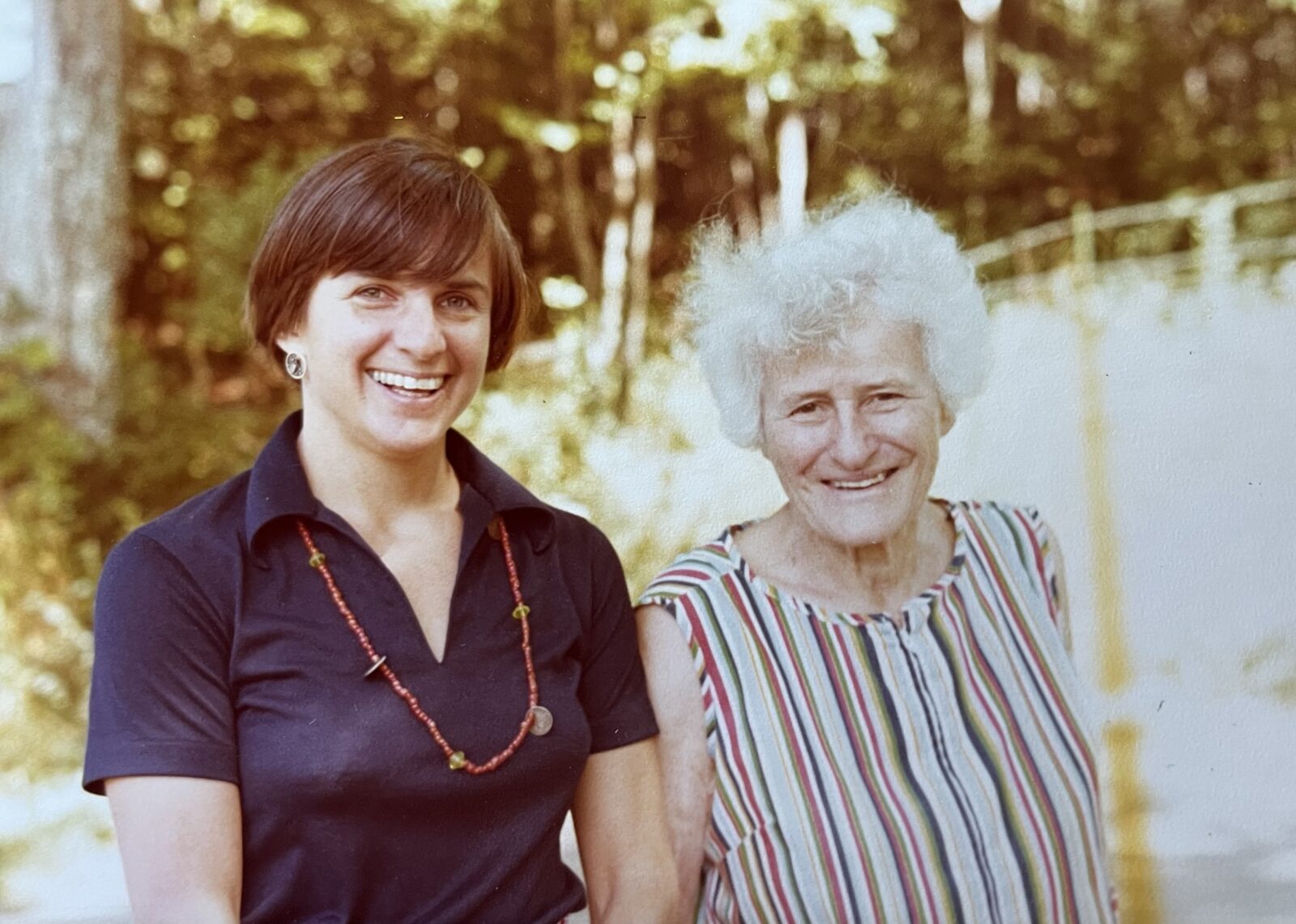
Helen Rice and me!
Professional flutist Jayn Rosenfeld grew up in a family of passionate amateur musicians and had a close personal connection with ACMP's founder Helen Rice. Read Jayn's story about her childhood experiences with some of the early pioneers of ACMP.Read More ↗
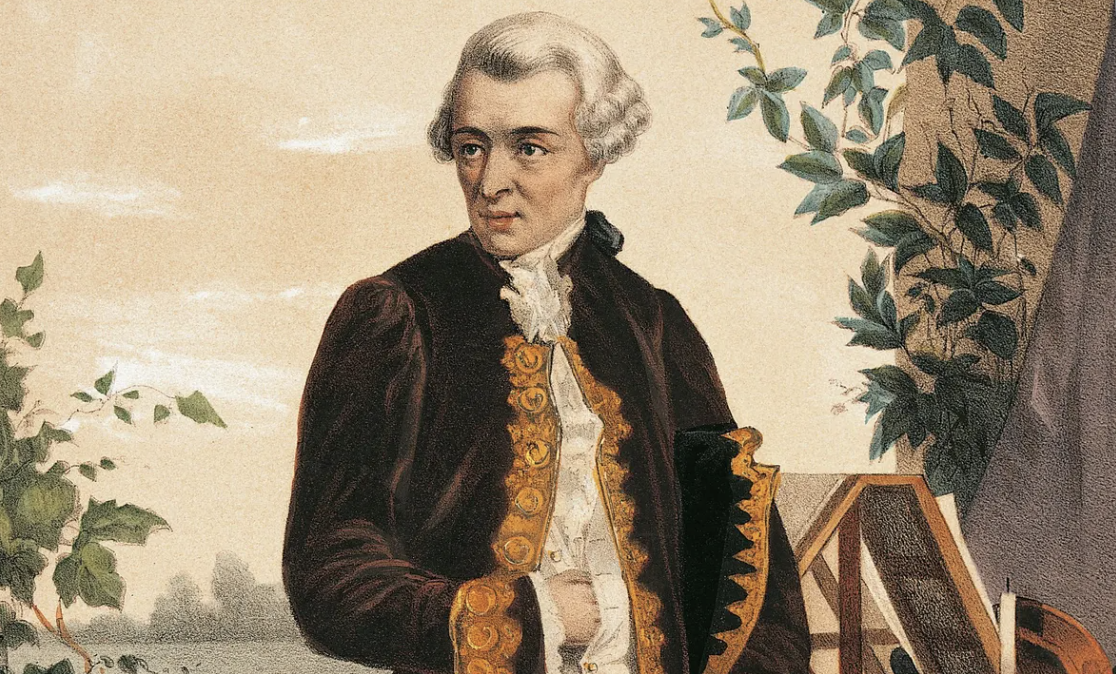
The 2026 ACMP Haydn Challenge
March 31 is Joseph Haydn’s birthday! It’s also a fabulous occasion to celebrate his contributions to the world of chamber music with a gift in his honor to ACMP…Throughout the month of March, we hope you will participate in the ACMP Haydn Challenge.Read More ↗

Irreverent Friends, the True Inspiration Behind Clarinet’s Chamber Music Gems
The Clarinet. When one thinks of the instrument, we are instantly taken on a rich journey of musical landmarks: New Orleans, Rhapsody in Blue, Mozart, Benny Goodman, top orchestras, your cousin’s wedding reception. Chamber music might not be at the top of the list, but indeed, clarinetists have inspired some of the finest pieces in history for the genre.Read More ↗
Sound and Sustenance: A Report from the Del Sol Adult Chamberfest
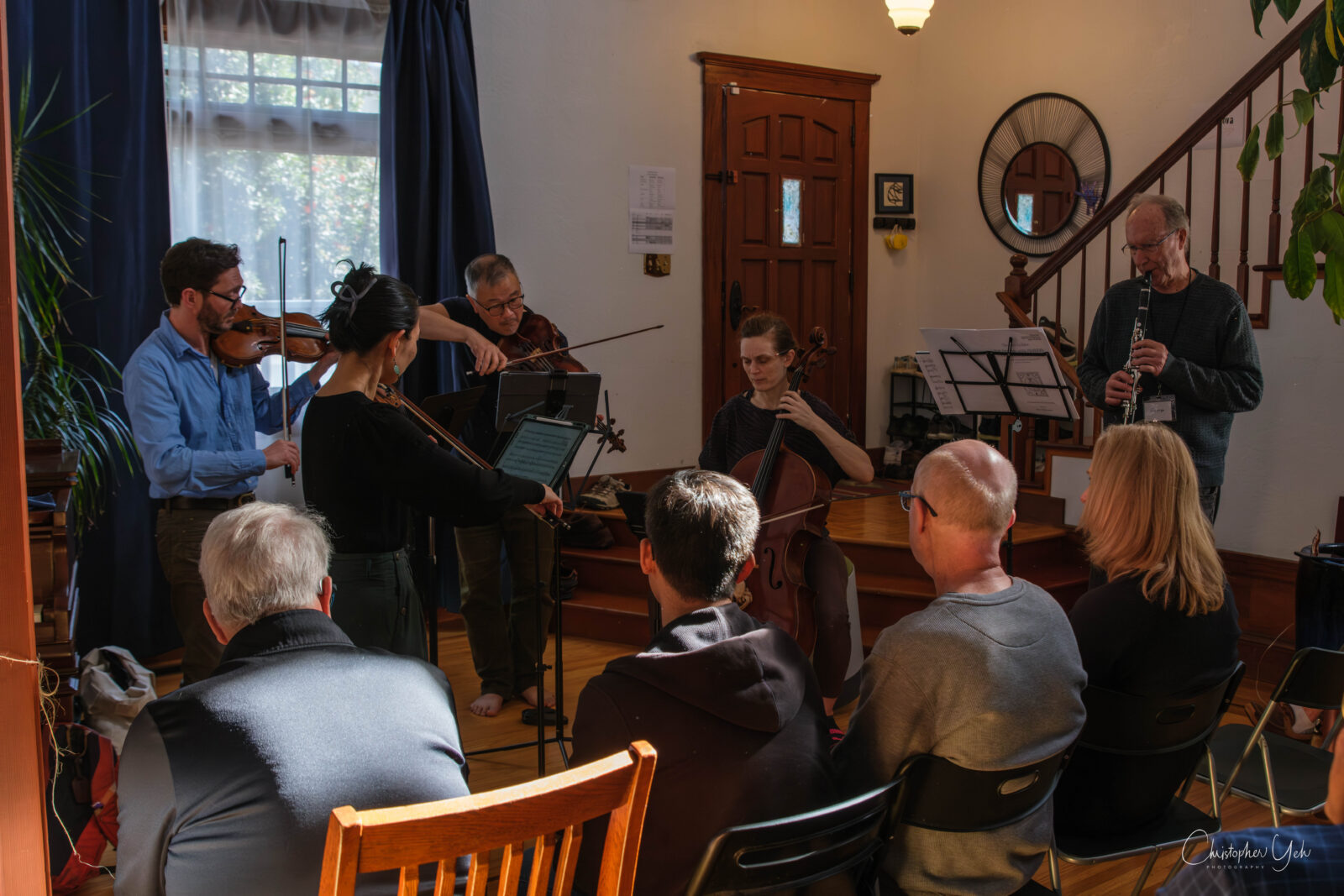
On a sunny weekend last month in San Francisco, 30 amateur chamber musicians from around the country gathered in the home of two members of the Del Sol String Quartet for the annual DEl Sol Adult Chamberfest. Neighbors would have heard strains of Britten, Janáček, Shaw, Golijov, Bunch, Beethoven and Brahms, along with laughter and good times!Read More ↗
Load More
All Articles By